Restaurant Serge Vieira

Relais Chateaux Award
A two-Michelin-star restaurant occupying a listed medieval castle in the volcanic uplands of Cantal, Restaurant Serge Vieira pairs contemporary cooking with 360-degree panoramic views and a Relais & Châteaux pedigree. The setting alone separates it from France's mainstream fine-dining circuit: this is destination dining at serious altitude, rated 4.7/5 across 450 reviews and recognised with a Michelin Green Star in 2025.

Pearl is the En Primeur Club membership app — saves, bookings, and concierge access live there. Same editors, same standards.
- Address
- Le Couffour Allée du, 15110 Chaudes-Aigues
- Phone
- +33 4 71 20 73 85
- Website
- sergevieira.com
- Directions
- Get directions
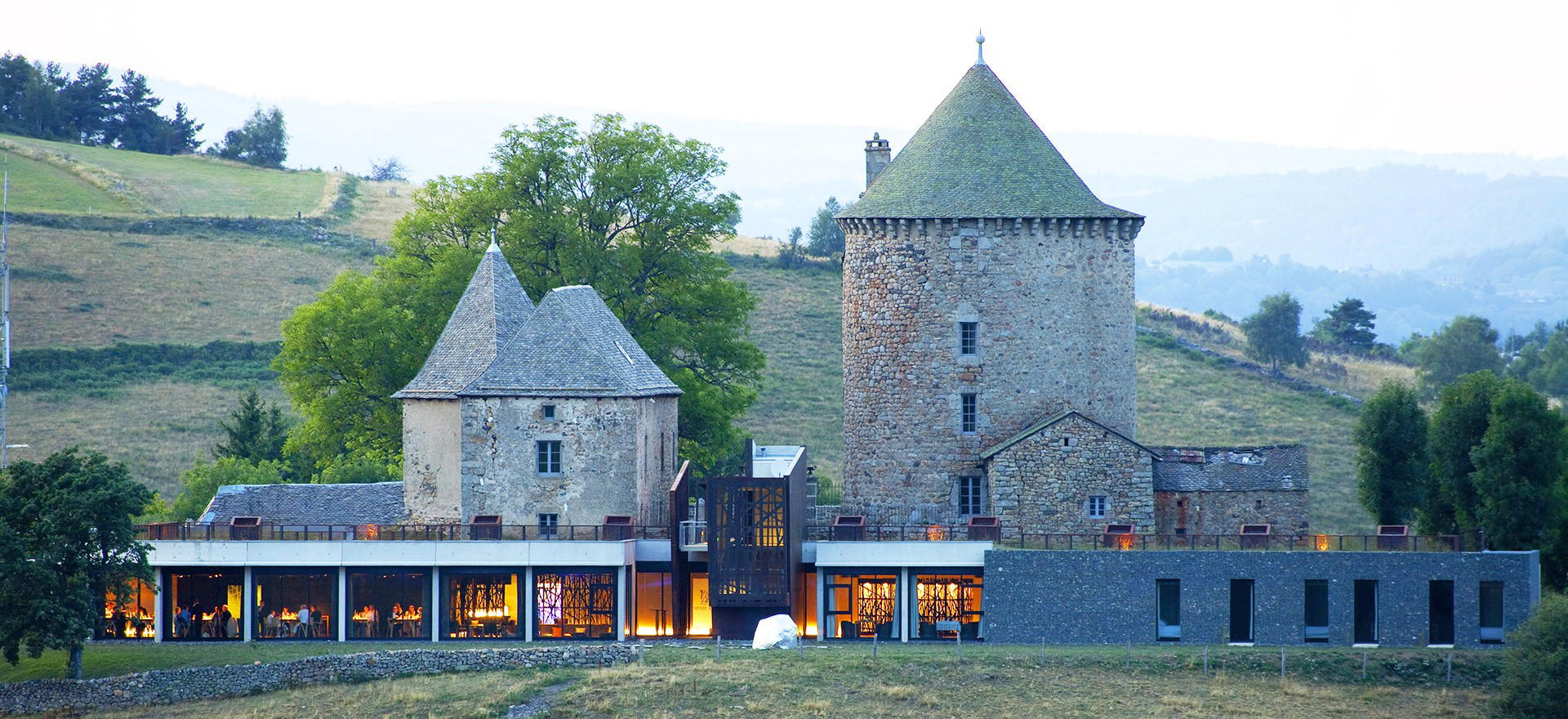
Where Medieval Stone Meets Contemporary Architecture in the Auvergne
France's fine-dining geography tends to cluster around Paris, Lyon, and the Côte d'Azur. Restaurant Serge Vieira sits deliberately outside that triangle, in Chaudes-Aigues, a thermal spa town in the volcanic uplands of Cantal, at an altitude that keeps the air cool even in August. The restaurant occupies Le Couffour, a listed medieval castle on the heights above the town, and the architectural decision to house a modern gastronomic operation inside protected historic fabric defines the experience before a single plate arrives. For context on how French luxury hospitality handles the tension between heritage buildings and contemporary ambition, properties like Château de la Chèvre d'Or in Èze, Castelbrac in Dinard, and Château de Montcaud in Sabran offer useful comparisons, each working through different strategies for the same fundamental problem.
The Architecture as Editorial Statement
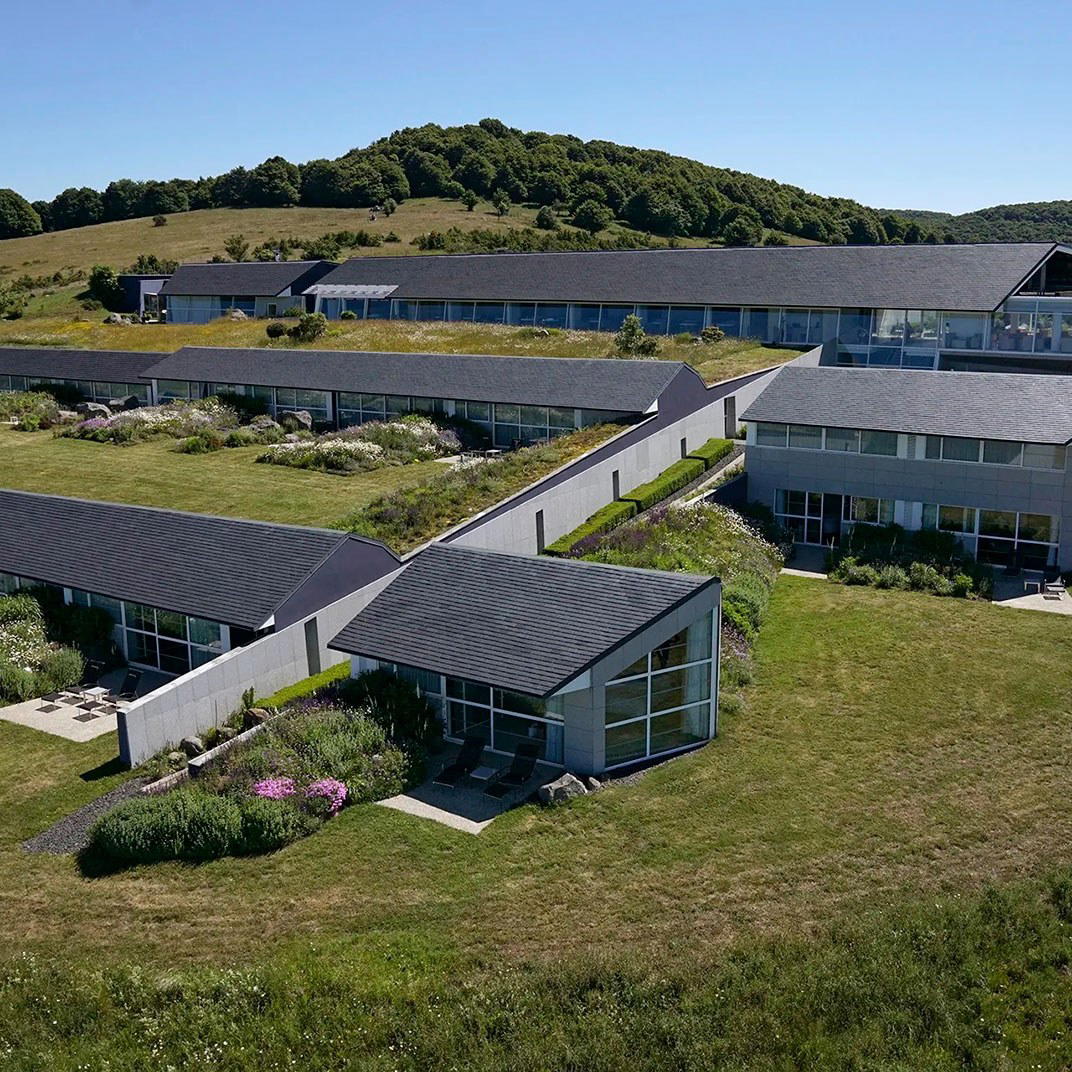
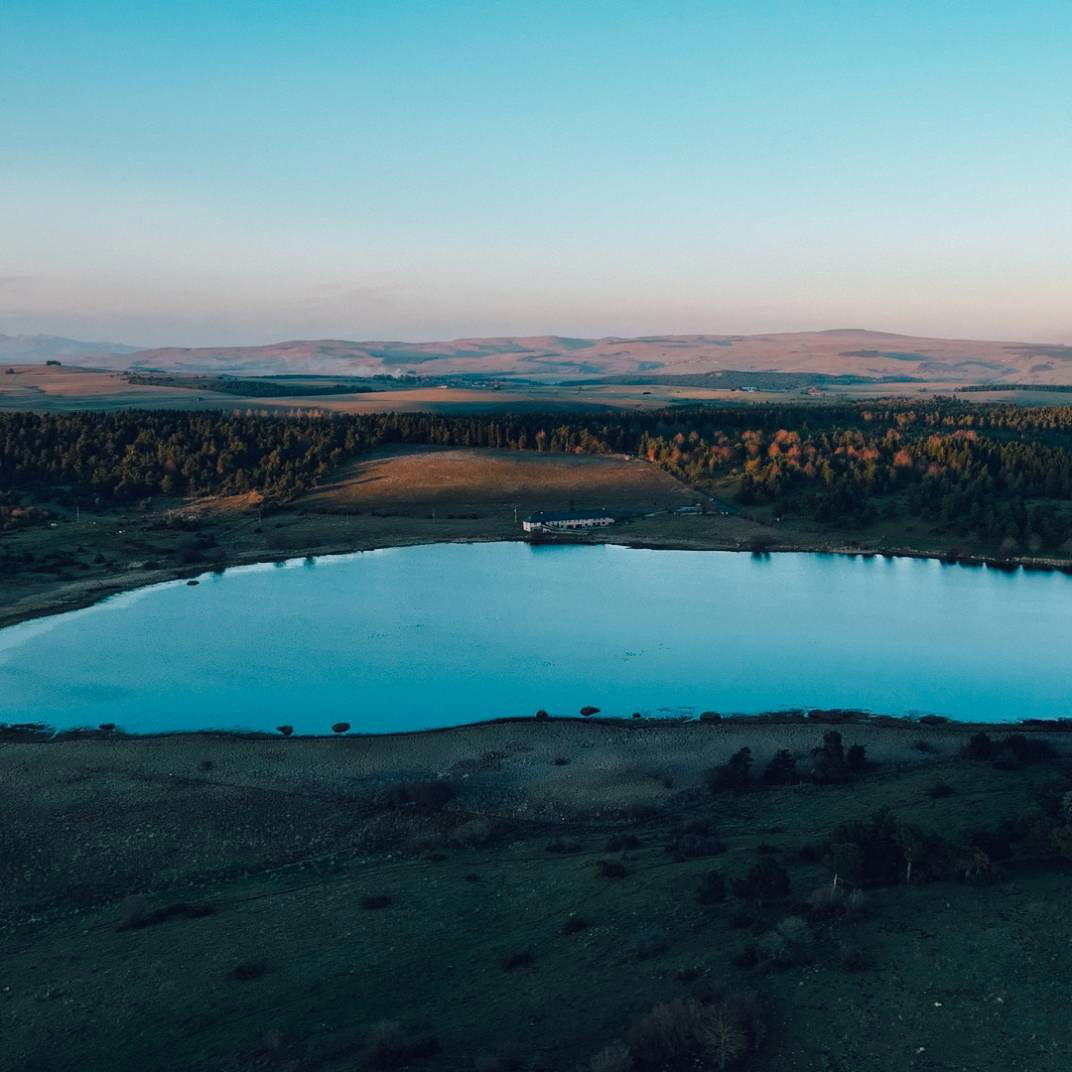
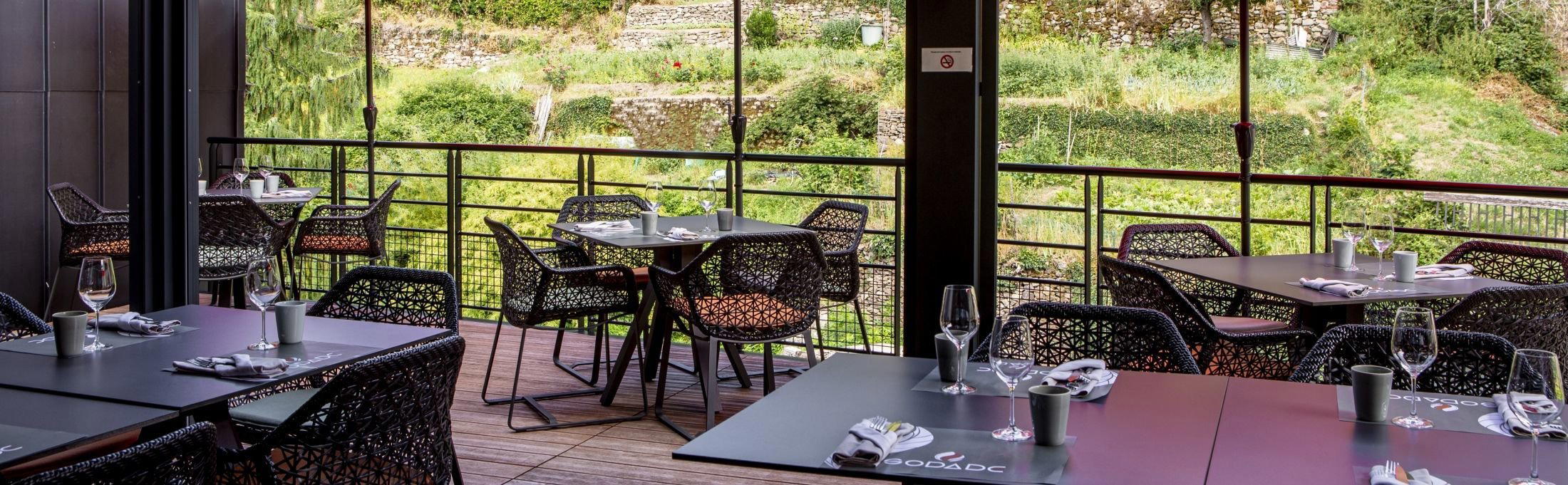
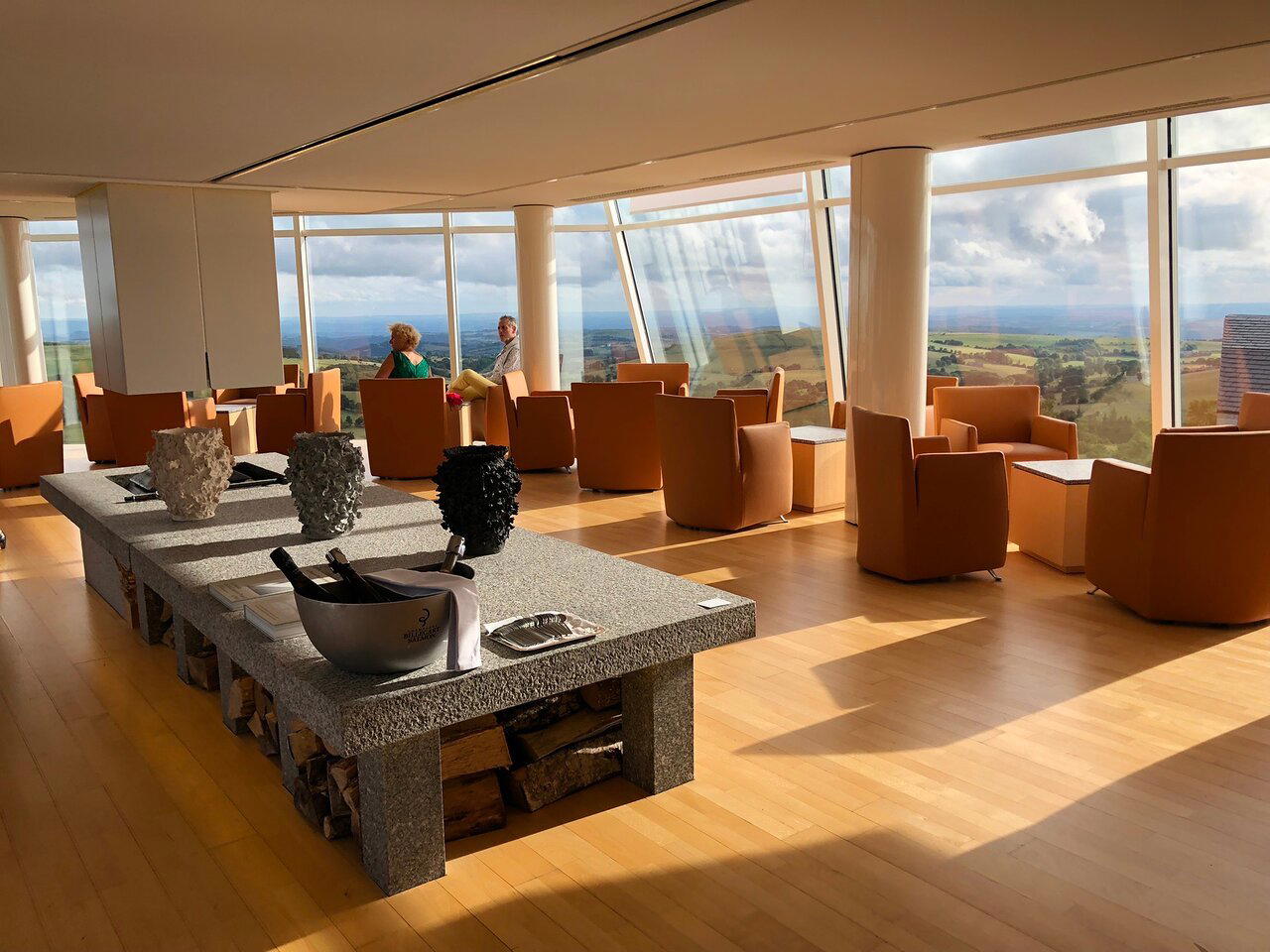
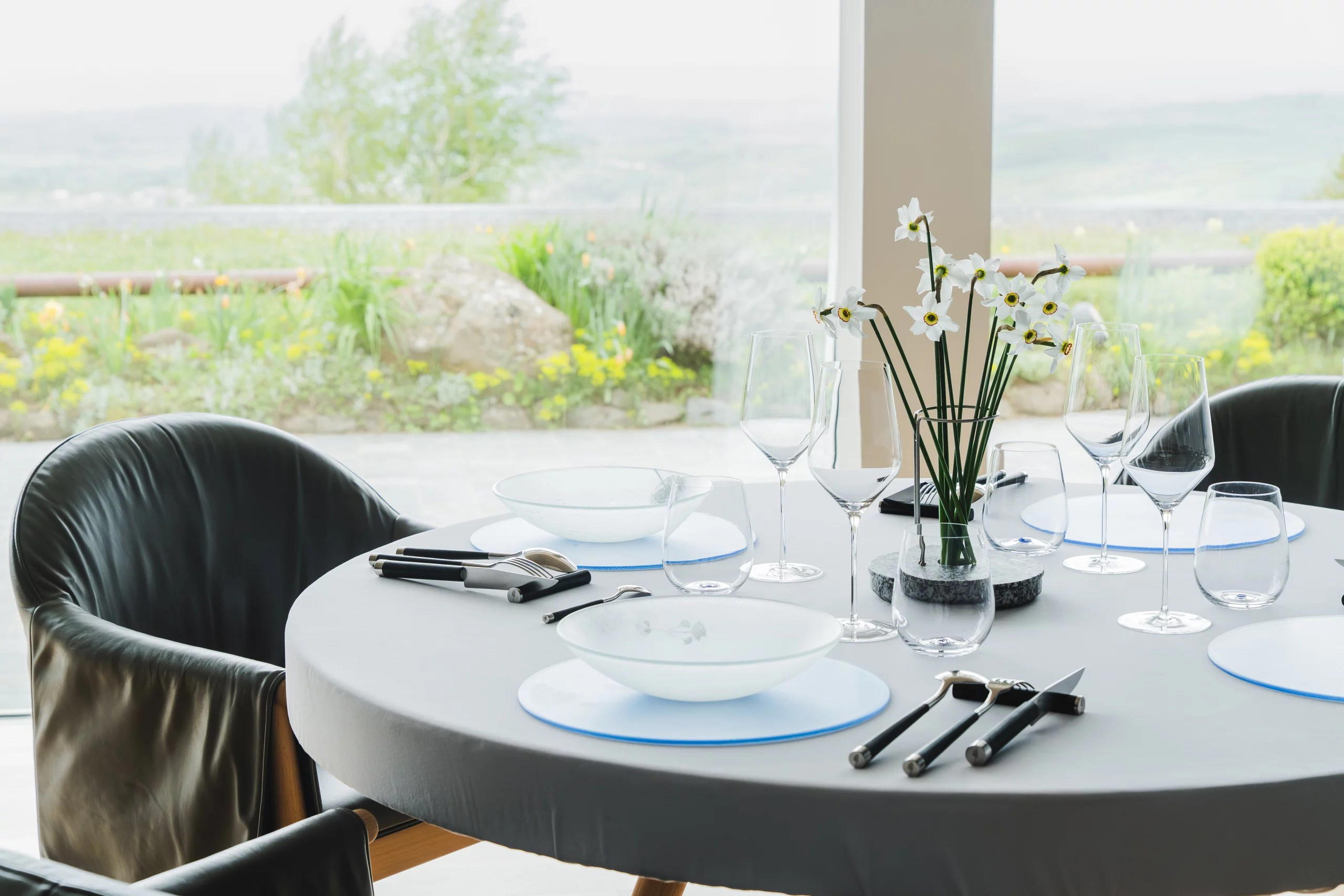
Le Couffour's listed status means the medieval shell is legally protected; what happens inside and around it reflects deliberate architectural choices rather than convenience. The result is a dialogue between old masonry and modern intervention that you read in the exposed stonework, the sightlines cut through thick walls, and the contemporary glazing that opens the dining space toward the Truyère valley. The 360-degree view of nature is not incidental to the experience: it functions as part of the spatial design, pulling the exterior volcanic landscape into the room. Few French restaurants at this price tier can claim both medieval listed status and a modern architectural intervention of this kind in the same building.
Château du Grand-Lucé in Le Grand-Lucé, Château de la Gaude in Aix-en-Provence, and Château Lafaurie-Peyraguey similarly anchor their hospitality identities in the architecture of the host building, though each operates in a different regional and culinary context.
Two Stars, a Green Star, and What They Signal
Michelin awarded Restaurant Serge Vieira two stars and a Green Star for 2025. Within the French Michelin system, the two-star designation signals cooking worth a detour: the guide's own language positions it above a single star (worth a stop) and below three (worth a special journey), though in practice a two-star restaurant in a remote Cantal village functions as a destination in its own right precisely because proximity is never accidental.
The Green Star, introduced by Michelin in 2021, tracks sustainable practices. Its presence alongside two main stars places Restaurant Serge Vieira in a tier of French restaurants where environmental commitments are considered as seriously as kitchen technique. That combination is still relatively rare: as of 2025, fewer than a hundred restaurants in France hold both two or three stars and a Green Star concurrently. The Auvergne context matters here: the region's volcanic terrain supports specific agricultural traditions, and proximity to those supply chains is a structural advantage for restaurants operating at this level of environmental accountability.
For the broader range of Relais & Châteaux properties across France applying comparable standards of integration between setting, cuisine, and sustainability, see also Les Sources de Caudalie in Bordeaux, Baumanière Les Baux-de-Provence, and La Bastide de Gordes.
Getting There and Booking
Chaudes-Aigues is not a city you pass through on the way to somewhere else. Reaching Le Couffour from Paris involves roughly five hours by road or a combination of TGV to Clermont-Ferrand and a rented car through the Cantal hills. That geographic commitment filters the clientele: the restaurant draws visitors who have planned specifically around it, which is visible in the tone of the dining room. Reservations are handled directly through the restaurant at +33 (0)4 71 20 73 85 or via sergevieira.com, with additional contact available through its Relais & Châteaux address at vieira@relaischateaux.com. Given the combination of remote location, two-star standing, and limited covers typical of a castle-format dining room, booking several weeks in advance is advisable for weekend sittings; high summer and autumn, when the Auvergne landscape is at its most dramatic, represent the highest-demand periods.
For those building a French circuit around comparable destination properties, Domaine Les Crayères in Reims, Royal Champagne Hotel & Spa in Champillon, and Hotel du Cap-Eden-Roc in Cap d'Antibes each represent different regional anchors at a similar tier of ambition, though none shares the Auvergne's specific combination of altitude, thermal geography, and volcanic produce. See our full Chaudes-Aigues restaurants guide for broader regional context.
The Auvergne as a Fine-Dining Region
The Auvergne has never competed with the Loire Valley or Burgundy for international fine-dining recognition, but the region's culinary profile is more complex than its low profile suggests. Cantal cheese, lentils from Le Puy, Salers beef, and trout from cold highland streams define a larder that is both geographically specific and resilient to seasonal pressure. Restaurants operating at two-star level in this context make a different kind of sourcing argument than their counterparts in, say, Provence or Alsace: the ingredients are less internationally legible but arguably more local in a literal rather than a marketing sense.
That regional rootedness connects to a broader shift in French fine dining, where the most interesting two-star conversations are often happening outside the traditional prestige corridors. The Michelin Green Star underscores the point: sustainable practice in the Auvergne means engaging with a specific agricultural ecosystem, not importing a generic farm-to-table vocabulary from elsewhere.
A Quick Peer Check
Comparable venues nearby, for context on price, style, and recognition.
| Venue | Cuisine | Price | Awards | Notes |
|---|---|---|---|---|
| Restaurant Serge VieiraThis venue — the venue you are viewing | Contemporary luxury boutique hotel integrated into a historic medieval fortress, emphasizing architectural contrast and natural integration. | $300–500 | Relais Chateaux Award | Not listed |
| Sodade | contemporary classic with refined design | Not listed | Michelin Selected | center |
| NOAE by Emerald Stay | Historic 17th-century palazzo reimagined as a contemporary luxury boutique hotel with art gallery elements. | Not listed | Michelin Selected · Mr & Mrs Smith Seal of Approval | Oletta |
| Bateau Libre | maritime-inspired boutique | Not listed | Michelin Selected | centre-ville |
| Domaine de Chalvêches | Contemporary classic secluded estate blending modern comfort with authentic charm. | Not listed | Michelin Selected | Faugères |
| Hotel La Trêve | Chic apartment-style boutique hotel blending Parisian residential charm with full-service 4-star amenities. | $500–750 | Not listed | 7th arrondissement |
Recognition history
Dated appearances from independent guides and award organizations, with the underlying list record or original source where available.
Relais Chateaux Award
Relais Chateaux
Full recognition history (2 entries)
Relais Chateaux Award
Relais Chateaux
Continue exploring
More in Chaudes-Aigues
Hotels in Chaudes-Aigues
Browse all →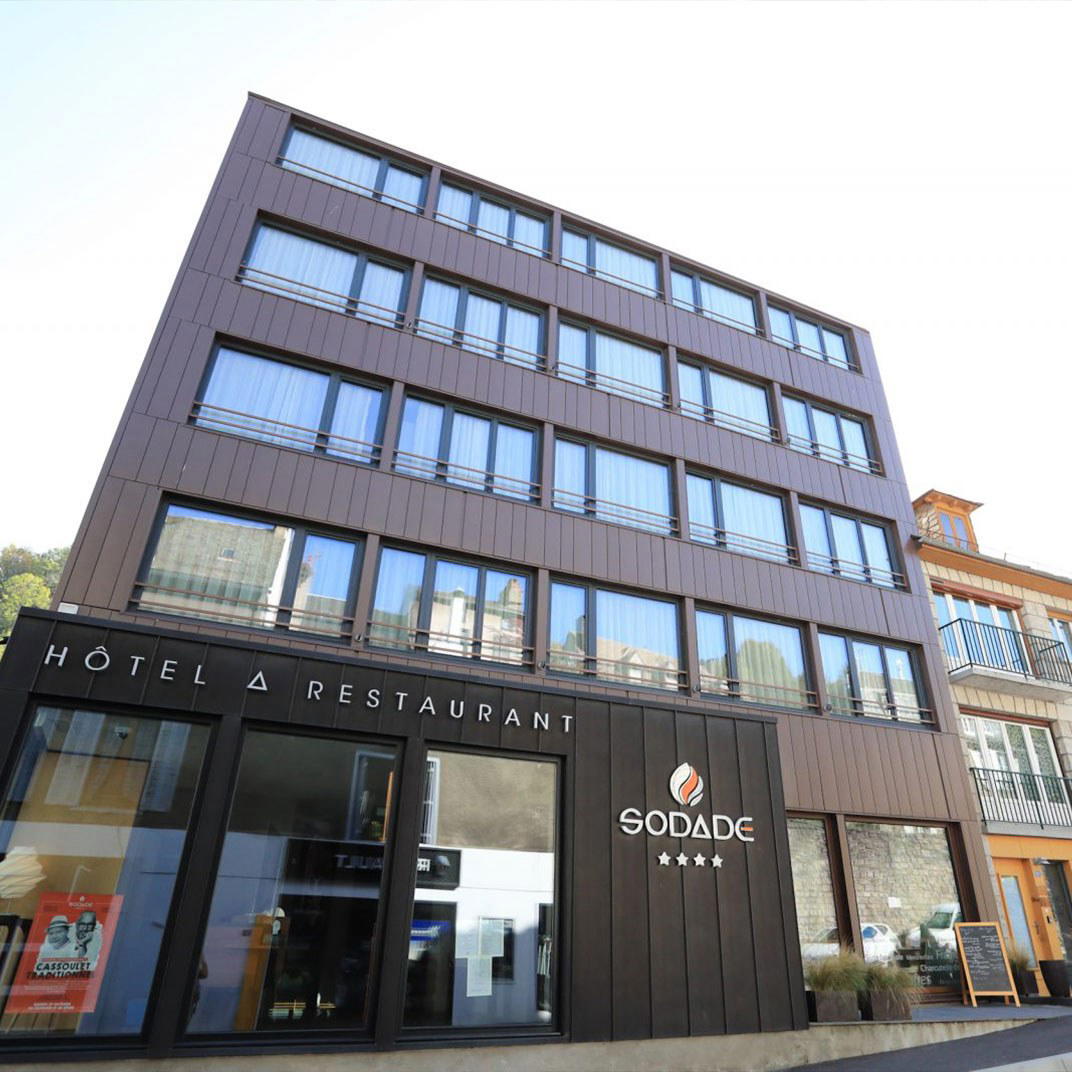
Details
- Romantic
- Elegant
- Sophisticated
- Scenic
- Intimate
- Romantic Getaway
- Anniversary
- Celebration
- Weekend Escape
- Panoramic View
- Historic Building
- Design Destination
- Garden
- Terrace
- Wi Fi
- Restaurant
- Elevator
- EV Charging
- Mountain
- Garden
- Wheelchair Accessible
- Elevator
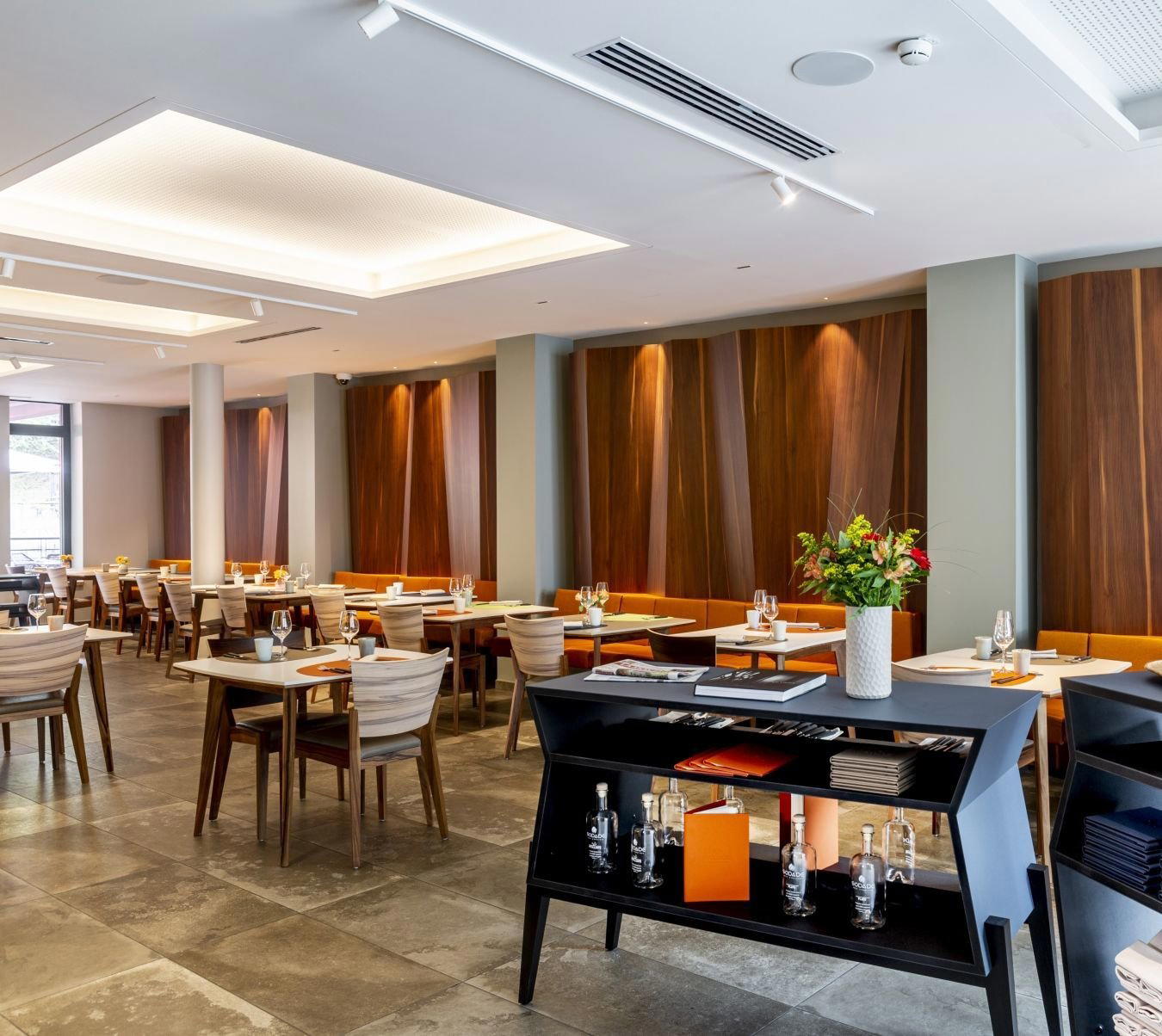
Warm, sophisticated, and intimate with contemporary design blending stone, glass, and wood; soft lighting and family-oriented hospitality create a magical yet understated elegance.