Tabelog 100 #53
Our verdict
Cheongsol gives Akasaka’s Korean dining scene a practical kind of value: generous format, late-hours utility, private-room flexibility, and recognition from Tabelog’s 2024 Tokyo Asian and ethnic cuisine selection. It sits in a different lane from tasting-menu Tokyo, closer to the city’s after-work, group-dinner, and cross-border comfort-food traditions.

Pearl is the En Primeur Club membership app, where members save venues, book tables and use the concierge.
The menu
What to order
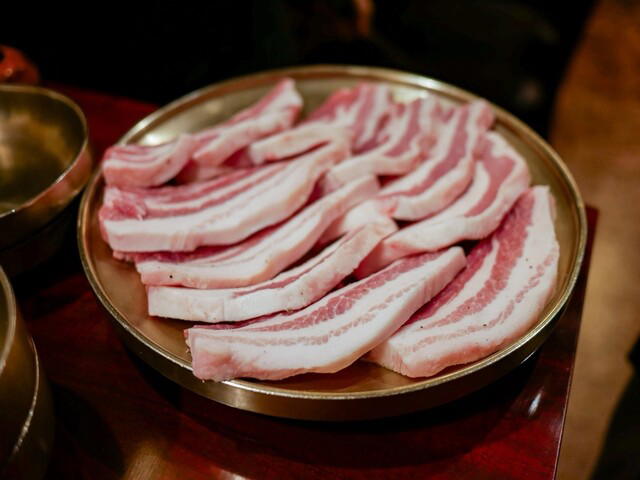
- Yakiniku (grilled meat)
- Korean hotpot
- Kimchi side dishes
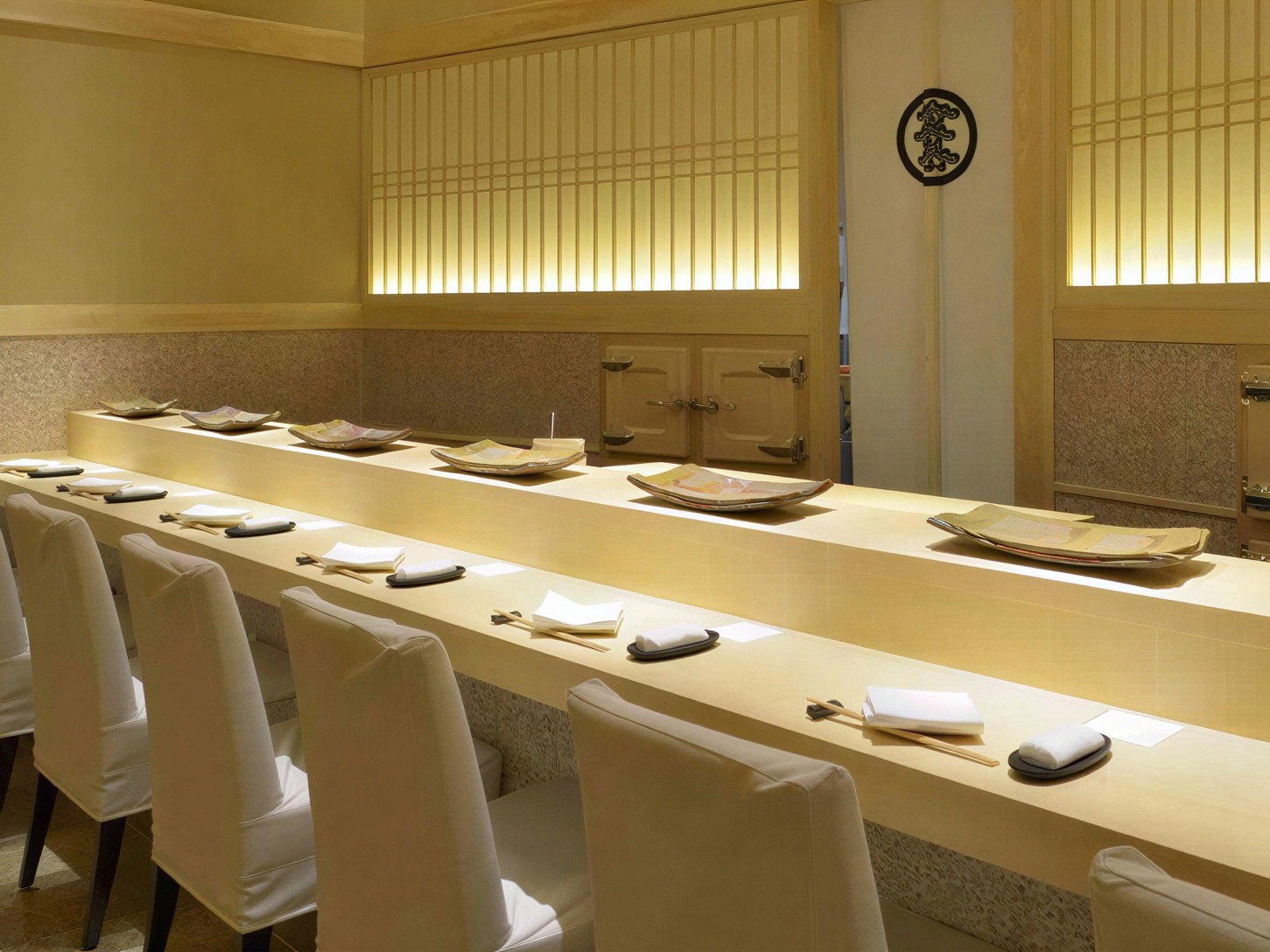
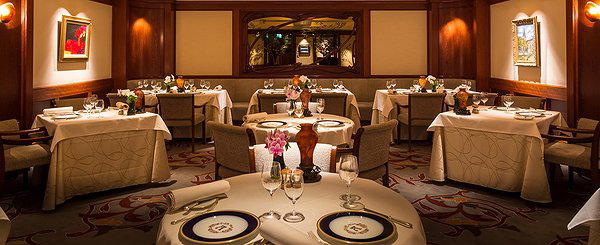
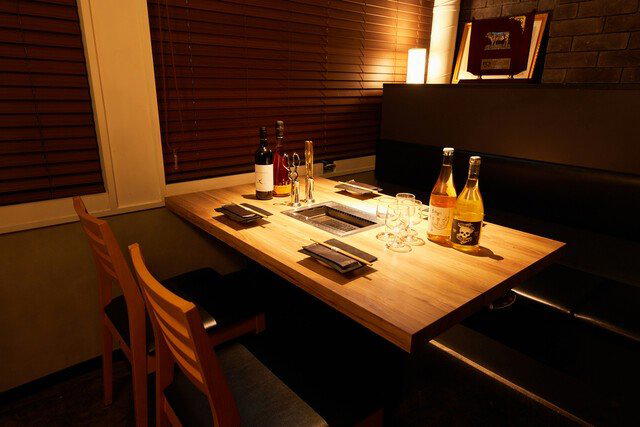
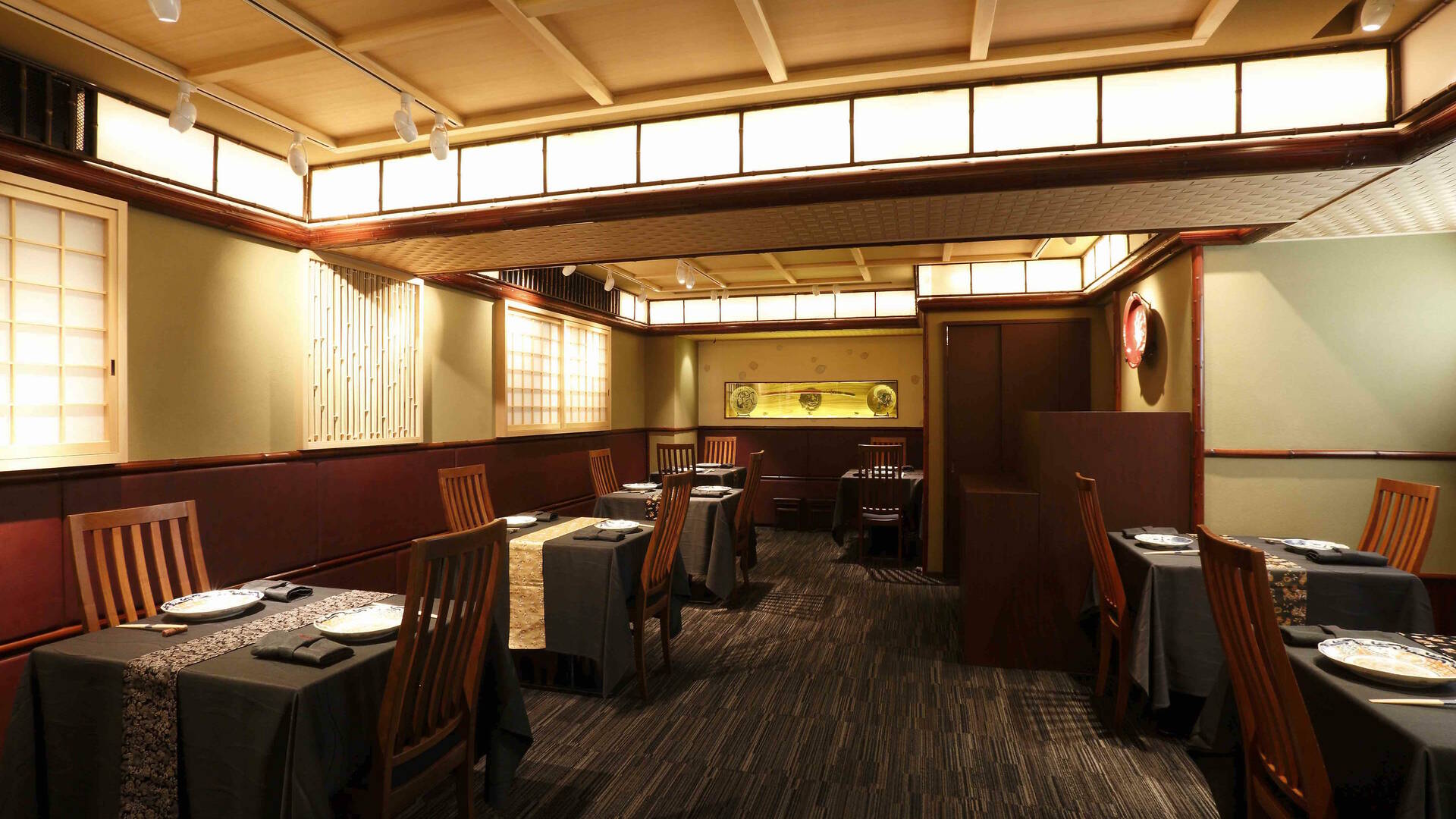
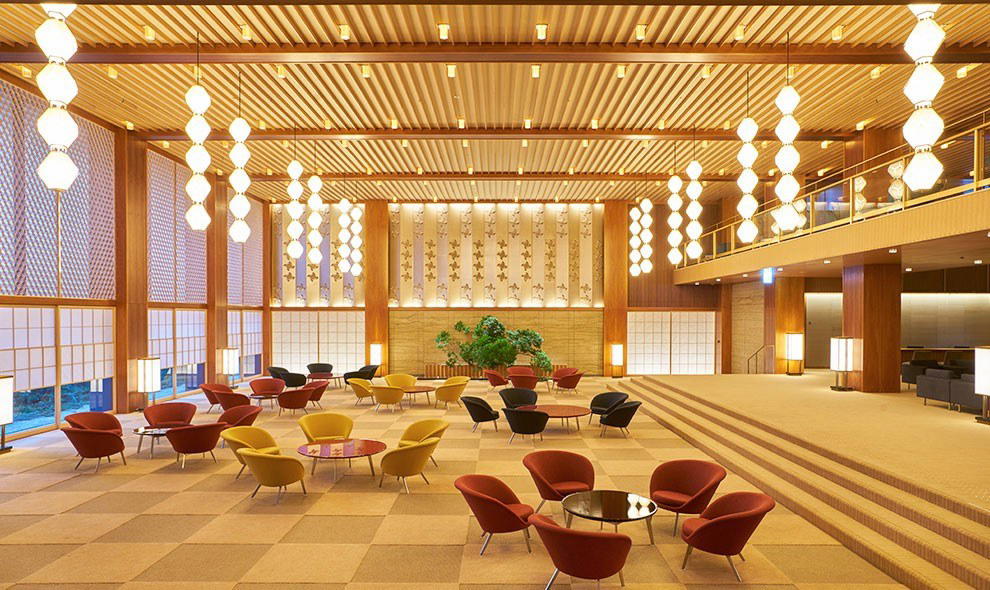
Akasaka changes character after office hours: ministries, media offices, hotels, and side-street restaurants pull different crowds into the same few blocks. Korean dining has long fitted that rhythm because it works for groups, late meals, shared tables, and drink-led dinners without the ceremony attached to Tokyo’s counter formats. Cheongsol belongs to that practical Akasaka category, where the room matters as much as the cooking: 100 seats, private rooms, tatami and sunken seating, and enough scale to make it useful for families, colleagues, and friends rather than only couples chasing a small counter.
The value proposition is not about bargain hunting. It is about how much occasion the format carries for its spend. In Tokyo, Korean restaurants can split sharply between quick lunch counters, yakiniku-focused rooms, and polished group-dinner addresses. Cheongsol sits in the middle band: more structured than a casual lunch stop, less rarefied than chef-led dégustation dining, and better suited to a table that wants conversation, grilled and shared dishes, fish emphasis, shochu, and wine in the same sitting. Its selection for Tabelog 100 - Asian cuisine / Ethnic cuisine - TOKYO - 2024 gives the room a useful external marker in a category that can be hard to read from the street.
Akasaka Korean dining built around groups, not ceremony
Tokyo’s Korean food scene is not a single genre. Shin-Okubo supplies scale and youth traffic; Ginza and Roppongi price Korean barbecue against corporate entertainment; Akasaka has a more mixed identity, shaped by political offices, business hotels, embassy traffic, and regular diners who need meals that can flex from lunch to late-night gatherings. In that context, Korean dining’s advantage is structural. It accommodates shared plates, larger tables, multiple drinks, and a looser pace than sushi or kappo counters, while still offering enough specificity to draw serious diners.
That is where Cheongsol’s recognition matters. A Tabelog score of 3.61 and inclusion in the 2024 Tokyo Asian and ethnic cuisine selection place it inside a vetted citywide conversation rather than merely a neighbourhood convenience. The category is broad, covering cuisines with different service models, so the signal should be read carefully: this is not a claim of haute cuisine in the French or sushi sense. It is a sign that the restaurant has traction among Tokyo diners within a competitive non-Japanese category.
Comparison clarifies the lane. Yakiniku Horumon Kinju and Yakiniku Horumon Kinju Hanare sit in a higher dinner spend band and push toward meat-focused Korean-Japanese grill culture. Akasaka Ichiryu Bekkan operates at a lower spending level, closer to the everyday-meal end of the spectrum. Cheongsol’s middle position explains its appeal: it gives a group more room, a broader Korean frame, and a level of recognition that makes the choice feel safer than a blind pick in a dense district.
What the money buys: space, flexibility, and a Korean table that can stretch
Tokyo value is often misread through price alone. A small counter can justify a high tariff through scarcity, ingredient control, and direct chef contact. A larger Korean restaurant has to justify itself differently, through comfort, pacing, and the ability to absorb a range of occasions without losing its identity. Here, the draw is not a named chef narrative or a single signature plate. The defining idea is the table itself: Korean food served in a format that works for groups, with private rooms available and seating styles that include tatami and sunken arrangements.
The food category is listed as Korean, with an emphasis on fish, and the drinks framework includes shochu and wine. That combination points away from a narrow barbecue-only reading. It also makes the restaurant more useful for mixed parties: diners who want Korean flavours without committing the entire evening to grill smoke, and groups that need a room where drink choices are not restricted to beer and soju alone. The presence of a designated smoking area is another old-Tokyo practicality, relevant for some groups and a clear planning point for others.
Cheongsol is also family friendly, with school-age children welcome. That detail matters in Tokyo, where many smaller specialist restaurants are poor fits for younger diners or larger family groups even when the food itself is casual. Korean restaurants often handle that gap better than counter-led Japanese formats: shared dishes, adaptable pacing, and private rooms reduce the friction. In a city where premium travel dining can become a sequence of hard-to-secure seats, this kind of room has a separate use case.
How to place it within a Tokyo itinerary
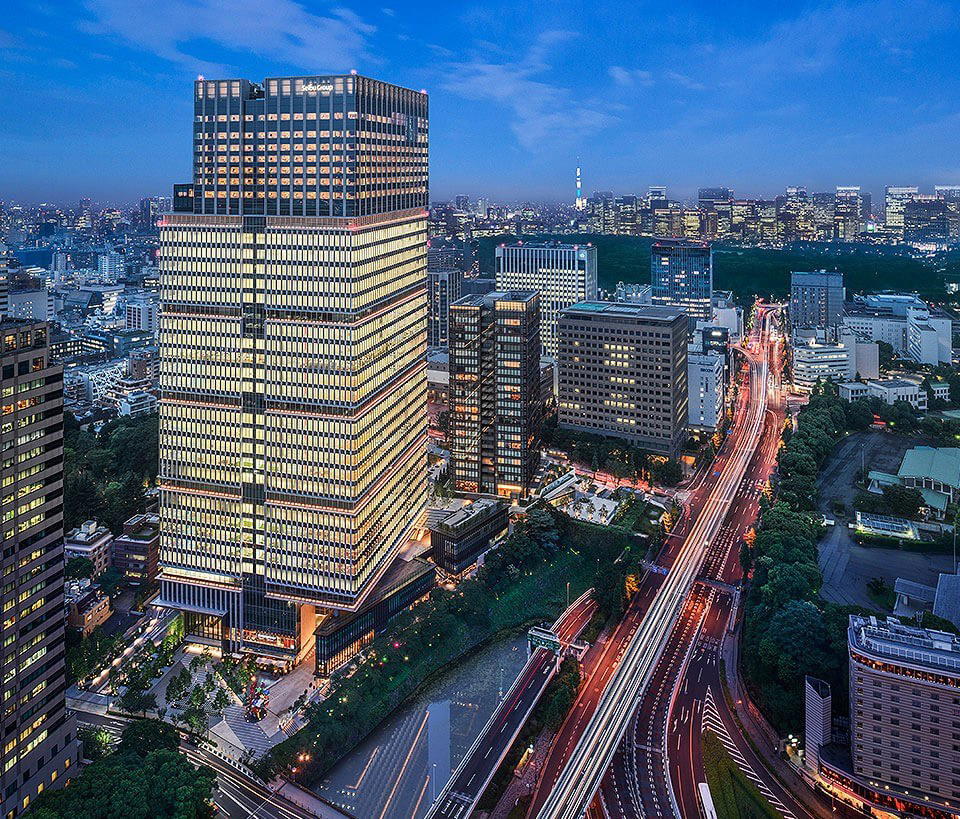
Akasaka rewards strategic scheduling. It is close enough to Roppongi, Nagatacho, and central hotel districts to function as an evening anchor, but it is less theatrical than Shibuya and less tourist-coded than Ginza. For travellers building a Tokyo food itinerary, Cheongsol makes sense when the meal needs to be social rather than performative: a late dinner after a bar, a family meal in Minato, or a Korean counterpoint to sushi, tempura, ramen, and yakitori-heavy planning.
鮪と炭火焼き うお炭 秋葉原店, 12/10 Shinjuku ten, 124. KAGURAZAKA (Yakitori), 2D Cafe, and 3 Chome no Curry Ya San. Travellers extending the same trip planning beyond restaurants can use Our full Tokyo hotels guide, Our full Tokyo bars guide, Our full Tokyo wineries guide, and Our full Tokyo experiences guide.
For Japanese dining references outside central Tokyo, see -Grilled beef Sukiyaki- KAMAKURA TANUKIAN 鎌倉 たぬき庵 in Kamakura.cafe in Osaka.know in Kumamoto, (Shoku) Vietnam in Kawasaki, [Curry Senmon Ten] Maruyama Kyoju. in Sapporo, and [ki:] in Kyoto. For a transpacific contrast in casual Japanese formats, Jōdo Saké Bar in Los Angeles and Onigiri Time in Pasadena show how Japanese drinking and comfort-food ideas travel outside Japan.
Frequently asked questions
How do I find Cheongsol?
Cheongsol is located in Tokyo.
What are the opening hours for Cheongsol?
Hours at Cheongsol: Mon: Open 24 hours; Tue: Open 24 hours; Wed: Open 24 hours; Thu: Open 24 hours; Fri: Open 24 hours; Sat: Open 24 hours; Sun: Open 24 hours.
Is Cheongsol more mid-range or high-end?
Pricing at Cheongsol is listed as JPY 5,000 - JPY 5,999 - JPY 999.
What's the defining dish or idea at Cheongsol?
The defining idea is Korean cooking with a particular focus on fish, presented in a 100-seat Akasaka room. Its Tabelog 100 selection for Asian cuisine / Ethnic cuisine in Tokyo for 2024 gives it clear context among the city’s Korean addresses.
Cuisine Context
Comparable options at the same price tier.
| Venue | Cuisine | Price | Awards | Notes |
|---|---|---|---|---|
| CheongsolThis venue (the venue you are viewing) | 24-hour Korean BBQ & homestyle cuisine | $30–50 | Tabelog 100 #53 | Not listed |
| Ri Nan Ha Daikanyama ten | Creative Korean & Yakiniku | Not listed | Tabelog 100 #98 | Shibuya |
| Kayanoya (茅乃舎) | Japanese Regional Cuisine and Dashi | $10–20 | Not listed | Roppongi |
| Shiono | Traditional Japanese wagashi (sweets) | $10–20 | Tabelog 100 #68 | Minato |
| Kouhi En | Chinese Noodles | Not listed | Tabelog 100 #41 | Minato |
| 焼肉あたご 虎ノ門 | Casual Counter Yakiniku | $30–50 | Not listed | Minato |
Recognition history
Dated appearances from independent guides and award organizations, with the underlying list record or original source where available.
Tabelog 100 #53 · No. 53
Tabelog · Tabelog 100 - Asian cuisine / Ethnic cuisine - TOKYO - 2024