Chelsea Ristorante
Chelsea Ristorante occupies a corner of 8th Avenue where the neighbourhood's shift from meatpacking grit to gallery-district polish is still visible in the streetscape. The restaurant operates within a New York Italian dining tradition that has spent the past decade recalibrating around sourcing discipline and seasonal restraint. For visitors plotting a meal in Chelsea, it sits in a mid-tier competitive set shaped by the area's evolving food culture.
Pearl is the En Primeur Club membership app — saves, bookings, and concierge access live there. Same editors, same standards.
- Address
- 108 8th Ave, New York, NY 10011
- Phone
- +12129247786
- Website
- chrnyc.com
- Directions
- Get directions
 Saves & bookings on Pearl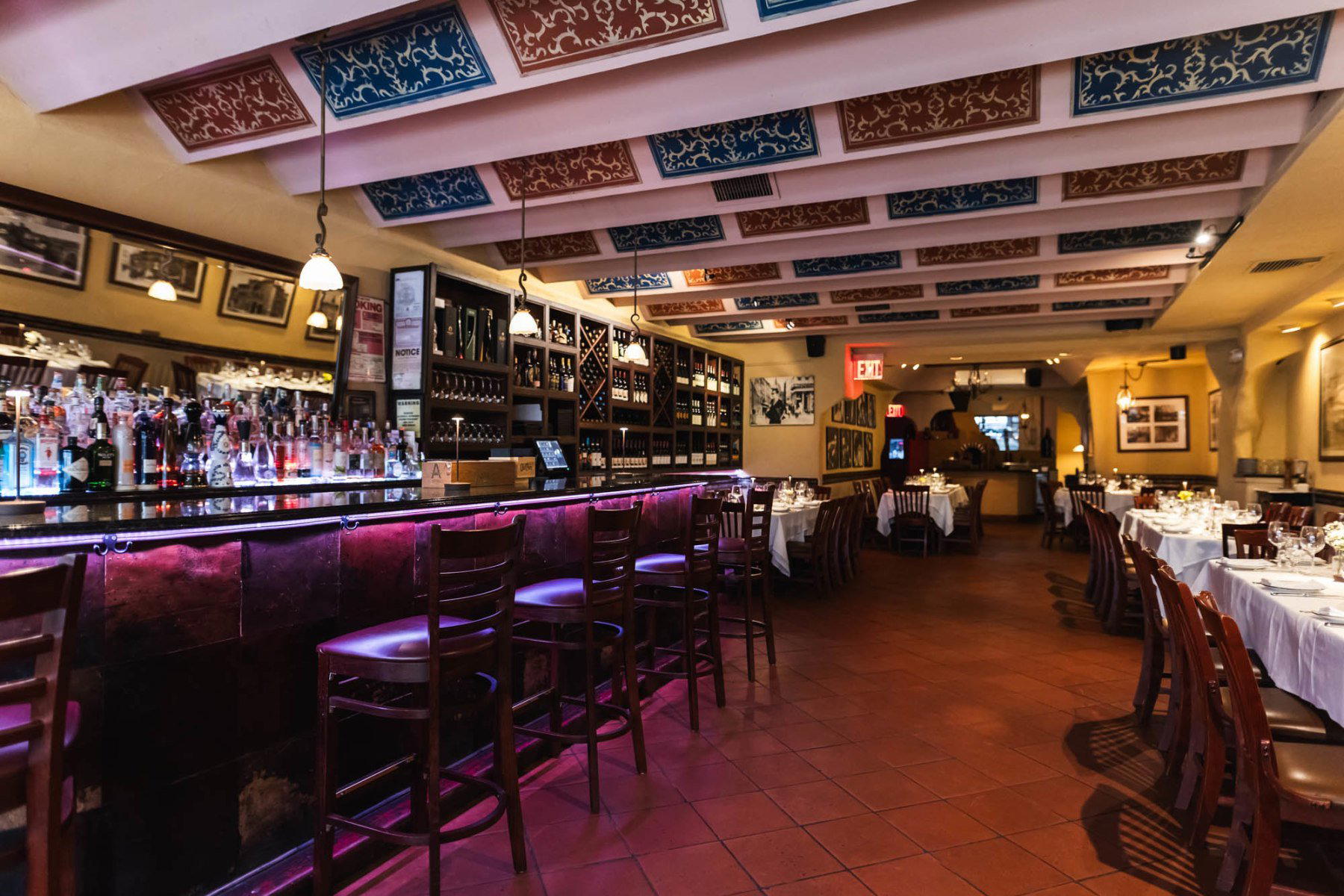
Chelsea's Italian Table and the Sourcing Question
New York's Italian restaurant category has quietly divided over the past decade. On one side: red-sauce institutions that trade on nostalgia and volume. On the other: a smaller cohort of Italian-rooted kitchens that have repositioned around ingredient provenance, seasonal rotation, and waste-reduction practices borrowed from the broader farm-to-table movement. Chelsea Ristorante, a traditional Italian restaurant in New York City with, operates in a neighbourhood where that tension plays out in real time. The area around 8th Avenue and 14th Street has absorbed gallery culture, tech-adjacent office tenants, and a dining public that increasingly asks where ingredients come from before asking what's on the menu.
That shift in consumer expectation is not distinctive to Chelsea. Across American cities, Italian-rooted restaurants have found that the sustainability argument, locally sourced produce, reduced food waste, ethical protein procurement, maps naturally onto the Italian cucina povera tradition, which was built on using everything and wasting nothing long before the term "farm-to-table" entered marketing copy. At restaurants like Blue Hill at Stone Barns in Tarrytown, that ethos is the explicit organizing principle of the entire operation. At Single Thread Farm in Healdsburg, the farm-to-table chain is literal, the restaurant and farm are owned by the same family. Chelsea Ristorante occupies a different register: a neighbourhood Italian in a high-cost Manhattan zip code, where sourcing integrity tends to be expressed through supplier relationships rather than on-site agriculture.
What the Italian Tradition Brings to the Sustainability Conversation
Italian regional cooking has always been a waste-reduction system dressed as a cuisine. Offal preparations from Lazio, bread-based dishes from Tuscany, vegetable-forward antipasti from Liguria: these are the outputs of a culinary culture that treated scarcity as a creative constraint. That heritage gives contemporary Italian restaurants a credible foundation for sustainability claims that other cuisines sometimes struggle to assert without appearing trendy.
In New York specifically, the Italian dining category has seen this play out across price tiers. At the high end, places like Le Bernardin and Eleven Madison Park have made sourcing transparency a structural element of their identity, though both operate in French or plant-based registers rather than strictly Italian. Per Se and Masa represent the tier where ingredient quality is assumed rather than marketed. The Italian mid-market in Manhattan sits below all of these, where the practical economics of sourcing ethically are harder to absorb without passing costs directly to the guest.
That middle zone is where the more interesting story is happening. Restaurants in the $40–$80 per-person range, before wine, face a genuine structural challenge: how do you commit to seasonal, locally sourced ingredients in a city where distributor relationships, not farmers' market runs, determine what reaches your kitchen? The answer, for many, involves a mix of compromise and selectivity: one or two anchor suppliers with verified provenance, seasonal specials that rotate when supply dictates, and a menu architecture that keeps food cost viable by minimising trim waste through whole-animal or whole-vegetable cookery.
Chelsea as a Dining Neighbourhood
Chelsea's restaurant scene has always been secondary to its identity as an art district, and that ordering shapes what works there. The High Line effect, foot traffic from tourists, a design-conscious local population, proximity to the gallery district between 20th and 27th Streets, has produced a dining public with specific expectations: rooms that look considered, food that references something beyond the plate, and price points that reflect the neighbourhood's real-estate realities without tipping into the four-figure tasting-menu tier occupied by Atomix in the Flatiron or the Upper West Side flagships.
Italian restaurants in this context tend to function as neighbourhood anchors rather than destination dining. That is not a diminishment. The neighbourhood anchor role, reliable, seasonally attentive, rooted enough to build a regular clientele, is the harder long-term proposition in New York, where destination dining cycles through trends while the room that fills on a Tuesday in February tends to be the one that has earned repeat business through consistency rather than novelty.
For comparison, consider how similar dynamics have played out in other American cities. Smyth in Chicago built its identity around hyper-local sourcing in a tasting-menu format. Lazy Bear in San Francisco made communal-table dining and seasonal foraging central to its proposition. Providence in Los Angeles has made sustainable seafood sourcing a defining credential. Emeril's in New Orleans and The Inn at Little Washington in Washington represent the longer-established model where regional identity and sourcing depth are intertwined. Addison in San Diego and Frasca Food and Wine in Boulder show how European culinary traditions, French and northern Italian respectively, translate into regional American contexts with sourcing integrity intact.
Chelsea Ristorante's position on 8th Avenue puts it in a different frame from all of the above: a Manhattan neighbourhood restaurant working within the economic and logistical constraints of urban Italian dining, where the sustainability story is less about headline credentials and more about the incremental choices that define what ends up on the plate.
For Italian dining with a European point of reference, Atelier Moessmer Norbert Niederkofler in Brunico and Dal Pescatore in Runate represent the standard against which Italian sourcing discipline is measured at the leading end.
Know Before You Go
Address: 108 8th Ave, New York, NY 10011
Neighbourhood: Chelsea, Manhattan
Nearest Subway: 14th Street (A/C/E) or 8th Avenue (L)
Price Range: About $40 per person
Reservations: Recommended
Hours: Mon: 12–4 PM, 5–9:30 PM; Tue: 12–4 PM, 5–10 PM; Wed: 12–4 PM, 5–10 PM; Thu: 12–4 PM, 5–10 PM; Fri: 12–4 PM, 5–10:30 PM; Sat: 12–10:30 PM; Sun: 12–9 PM
Awards: No confirmed awards on record
Fast Comparison
Comparable venues nearby, for context on price, style, and recognition.
| Venue | Cuisine | Price | Notes |
|---|---|---|---|
| Chelsea RistoranteThis venue — the venue you are viewing | Traditional Italian | $$$ | Not listed |
| La Pizza & La Pasta | Neapolitan Pizza & Fresh Pasta | $$$ | Midtown South-Flatiron-Union Square |
| Marcellino | Authentic Italian Wood-Fired Pizza and Pasta | $$$ | SoHo-Little Italy-Hudson Square |
| Mezzaluna | Classic Italian Trattoria | $$$ | Upper East Side-Carnegie Hill |
| Vic's | Seasonal Italian | $$$ | Greenwich Village |
| Via Toscana | Authentic Tuscan Italian | $$$ | Hell's Kitchen |
Continue exploring
More in New York City
Restaurants in New York City
Browse all →
Bars in New York City
Browse all →
Hotels in New York City
Browse all →




At a Glance
- Elegant
- Classic
- Cozy
- Date Night
- Business Dinner
- Group Dining
- Private Dining
Current opening hours
- Monday
- 12–4 PM, 5–9:30 PM
- Tuesday
- 12–4 PM, 5–10 PM
- Wednesday
- 12–4 PM, 5–10 PM
- Thursday
- 12–4 PM, 5–10 PM
- Friday
- 12–4 PM, 5–10:30 PM
- Saturday
- 12–10:30 PM
- Sunday
- 12–9 PM
Hours can change for holidays and private events. Last verified .
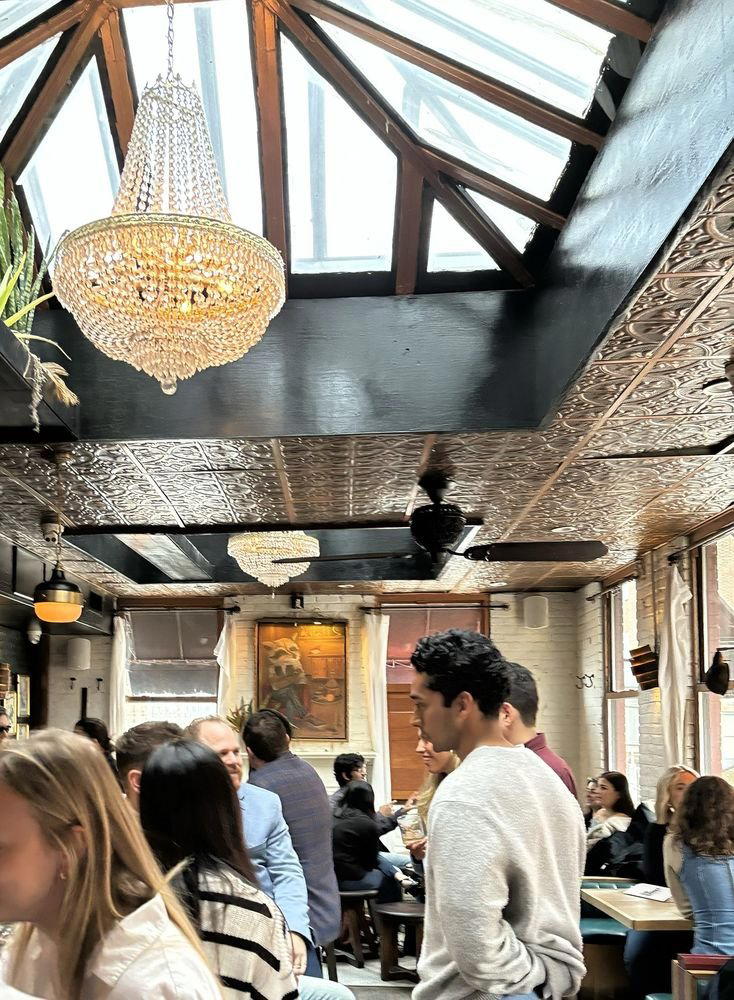
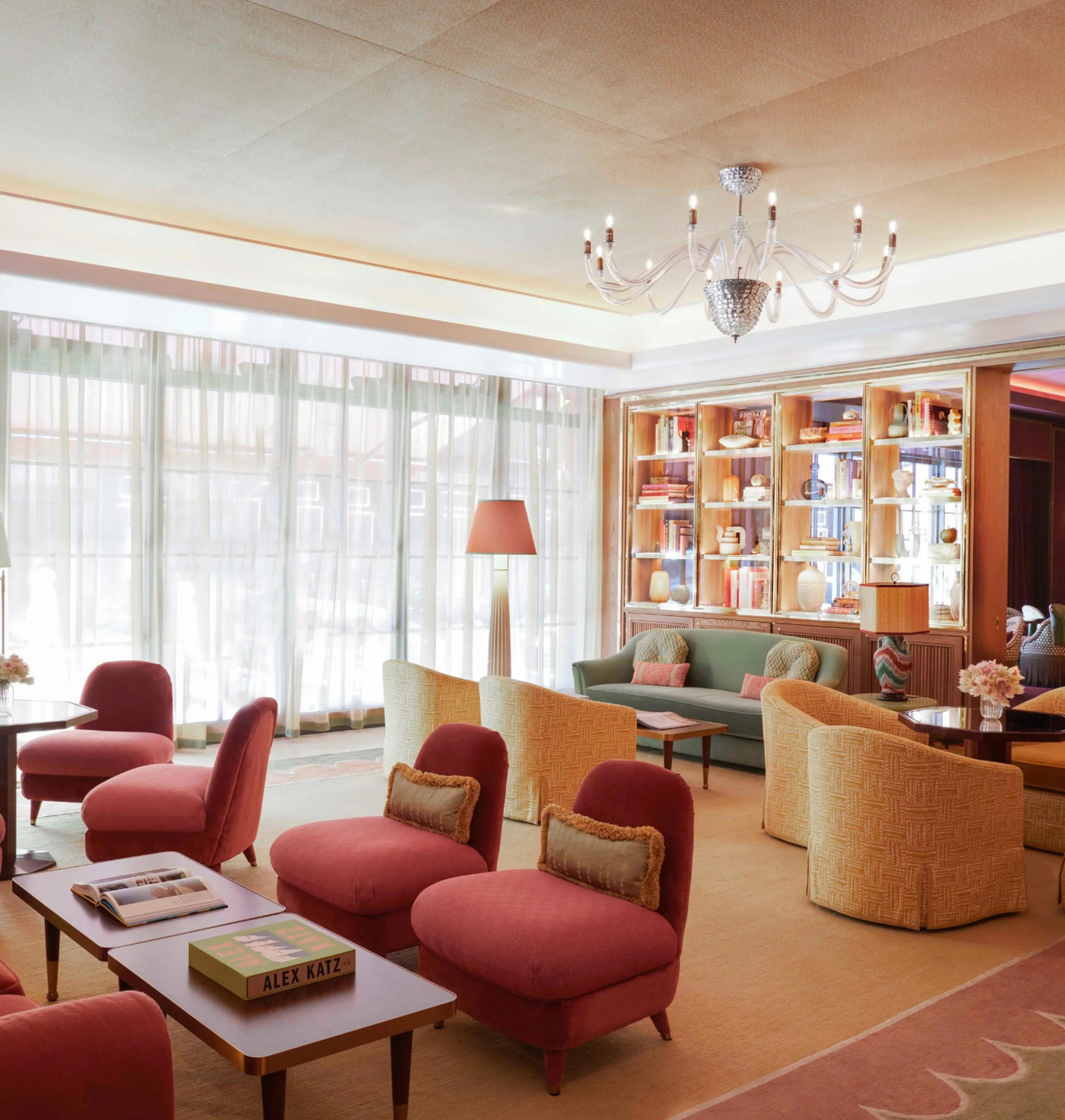
Warm and inviting atmosphere with casual but elegant design.