La Pizza & La Pasta
La Pizza & La Pasta occupies 200 Fifth Avenue in the Flatiron district, sitting inside Eataly's sprawling Italian market at one of Manhattan's most trafficked addresses. The restaurant brings Neapolitan and Roman traditions to a neighbourhood defined by ambitious dining, offering pizza and housemade pasta in a format that contrasts with the tasting-menu tier that dominates the surrounding blocks.
Pearl is the En Primeur Club membership app — saves, bookings, and concierge access live there. Same editors, same standards.
- Address
- 200 5th Ave, New York, NY 10010
- Phone
- +12122292560
- Website
- eataly.com
- Directions
- Get directions
 Saves & bookings on Pearl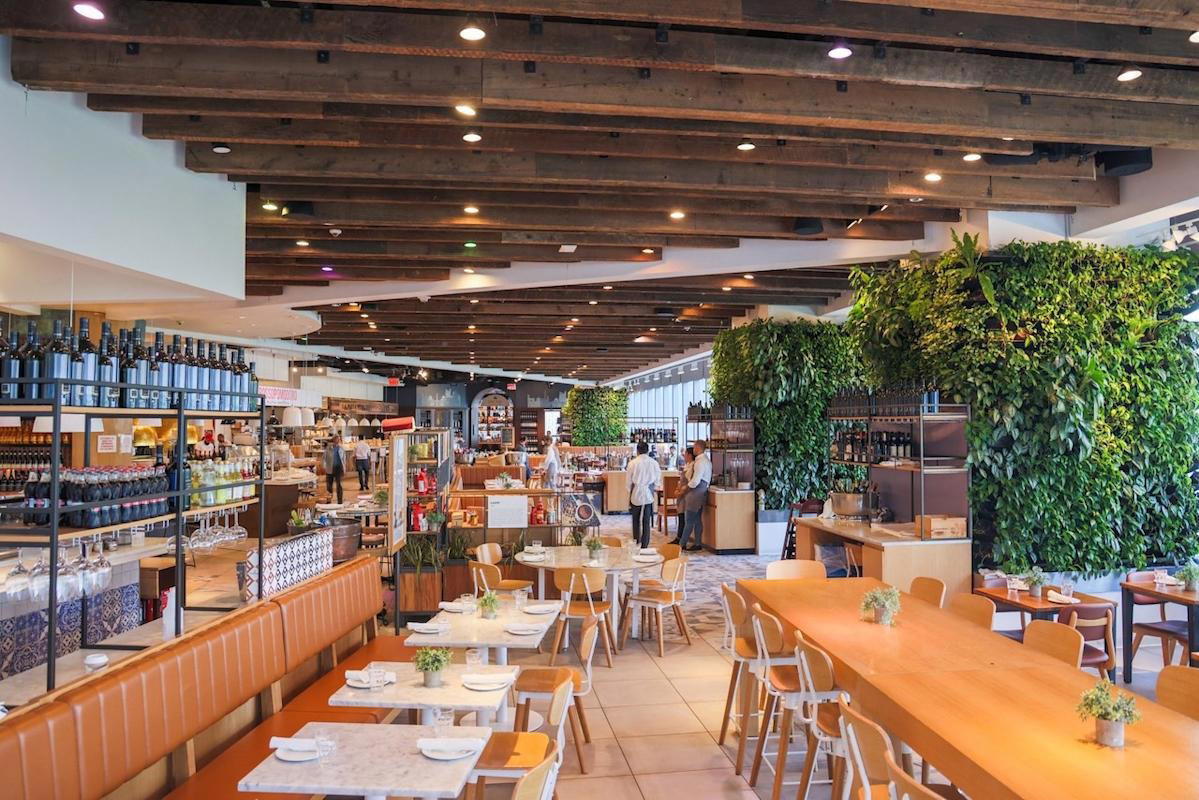
Fifth Avenue and the Italian Table: Where Flatiron's Food Culture Finds Its Footing
The stretch of Fifth Avenue around 23rd Street has spent the past decade absorbing a level of dining ambition that would feel out of place almost anywhere else in America. Within a few blocks, you have the kind of destination restaurants that measure their booking windows in months, the sort of precision-led rooms where a single course can run longer than a full meal elsewhere. Into this environment, La Pizza & La Pasta arrived as part of Eataly's New York City flagship at 200 Fifth Avenue. The restaurant's frame of reference is not the tasting-menu tier nearby; it is the trattoria tradition of Rome and Naples, transplanted to a building that functions simultaneously as grocery, cheese counter, butcher, and culinary event space.
That context matters more than it might seem. Flatiron is not a neighbourhood where casual Italian dining typically commands serious attention. The area tilts toward ambitious, often expensive formats: multi-course progressions, sourcing-led menus, rooms designed to signal occasion. La Pizza & La Pasta occupies a different position inside that ecosystem, one where the discipline is in the dough and the pasta rather than in the architectural plating. In a city where Per Se and Le Bernardin set one kind of benchmark, and where Atomix, Jungsik New York, and Masa define another, there is still a sustained appetite for Italian fundamentals executed with Italian-market seriousness.
What Eataly's Format Means for the Dining Experience
Eataly's model, is built around the idea that a market and a restaurant can share the same supply chain without either suffering for it. At 200 Fifth Avenue, that translates into a dining room that sits inside a retail environment, which has specific practical consequences. The energy of the space reflects the market's rhythm: daytime foot traffic, a lunchtime crowd drawn from the Flatiron office buildings, and an evening clientele that trends younger and less formal than the white-tablecloth tier a few blocks north toward Midtown.
For the pizza and pasta themselves, the market integration is a genuine structural advantage. Proximity to Eataly's imported goods and fresh-production areas means the ingredients feeding the restaurant's kitchen are the same ones available for retail purchase at the counters outside. This is not incidental to the dining experience, it is the organizing logic of the entire Eataly concept, and it places La Pizza & La Pasta in a category distinct from standalone Italian restaurants operating on conventional supply chains. Comparable in concept, if not in city or price tier, the format has found particularly receptive audiences in cities like New York City, where the density of Italian-American culinary history creates an informed and opinionated dining public.
Pizza and Pasta as a Discipline, Not a Category
In New York, Neapolitan pizza and fresh pasta occupy a spectrum that runs from neighborhood staple to object of serious critical attention. The city has imported Neapolitan masters, trained its own pizzaioli through formal programs, and watched the arrival of Roman-style al taglio formats compete for attention with classic round pies. Within that context, a restaurant positioned inside a premium Italian market sits closer to the serious end of the spectrum than the genre label might initially suggest.
The same dynamic applies to fresh pasta, where New York's appetite for hand-rolled and extruded formats has grown substantially over the past decade. Housemade pasta programs now appear across price tiers, from neighborhood spots to rooms operating at the level of Blue Hill at Stone Barns in Tarrytown, which draws on farm-to-table sourcing of a different kind. In the Italian-market context, pasta production is visible and legible to guests, the dough, the technique, the specific cuts, in a way that standalone restaurant kitchens rarely allow. That transparency functions as a trust signal in itself.
The integrated model has influenced how destination food halls and market restaurants operate across the country. La Pizza & La Pasta is not trying to occupy the same tier as those rooms; it is making a different argument about what serious Italian eating looks like when anchored inside a market rather than a standalone dining room.
The Flatiron Address and Its Implications for Visiting
200 Fifth Avenue is one of the more accessible major dining addresses in Manhattan. The Flatiron Building sits a short walk south; Madison Square Park is directly adjacent to the north. Subway access is direct from the N, R, and W trains at 23rd Street, and the 6 train stops one block east. By Manhattan standards, the address is unusually easy to reach from multiple directions, which contributes to the market's consistent foot traffic and the restaurant's mixed clientele of tourists, office workers, and destination diners.
The scale of Eataly's Fifth Avenue location also means the dining room can absorb walk-in guests more readily than many restaurants in the surrounding neighbourhood. The market-restaurant format is designed for a different relationship with access and spontaneity. That is a feature, not a concession, the Eataly model is premised on Italian food culture's emphasis on regularity and conviviality over occasion-dining formality.
For those approaching from outside New York, the Flatiron location also functions as a useful orientation point within the city's Italian dining geography. The neighbourhood sits between the West Village's dense concentration of Italian spots and Midtown's hotel-anchored dining, occupying a middle ground that skews toward a younger, tech- and media-industry clientele during the week. Italian restaurants that open in Flatiron are making a bet on that demographic, which tends to prioritize quality-to-value ratio and informality over ceremony.
Other American restaurant destinations operating in the serious-but-unpretentious register include Providence in Los Angeles, Addison in San Diego, and Bacchanalia in Atlanta, though all three operate at a formality and price tier removed from the Eataly format. For international comparison, the seriousness with which Italian fundamentals are treated at institutions like 8½ Otto e Mezzo Bombana in Hong Kong or the classical French discipline at Alain Ducasse's Louis XV in Monte Carlo illustrates how much headroom exists within a single culinary tradition when the sourcing and technique are treated as primary concerns. La Pizza & La Pasta works within a narrower register, but the Italian market context gives it a coherence that a standalone pizza-and-pasta restaurant without that supply chain would find difficult to replicate.
Planning Your Visit
200 Fifth Avenue, New York, NY 10010, within Eataly's Flatiron flagship. Accessible via N/R/W (23rd St) or 6 (23rd St). Walk-in access generally possible given the market format and capacity.
Recognition, Side-by-Side
Comparable venues nearby, for context on price, style, and recognition.
| Venue | Cuisine | Price | Notes |
|---|---|---|---|
| La Pizza & La PastaThis venue — the venue you are viewing | Neapolitan Pizza & Fresh Pasta | $$$ | Not listed |
| Rossini's | Northern Italian Trattoria | $$$ | Murray Hill-Kips Bay |
| Osteria Delbianco Bryant Park | Traditional Northern Italian | $$$ | Midtown-Times Square |
| Altesi Downtown | Classic Italian Trattoria | $$$ | SoHo-Little Italy-Hudson Square |
| Joanne Trattoria | Southern Italian Trattoria | $$$ | Upper West Side-Lincoln Square |
| Ainslie | Italian Wood-Fired Pizza and Pasta | $$$ | Williamsburg |
Continue exploring
More in New York City
Restaurants in New York City
Browse all →
Bars in New York City
Browse all →
Hotels in New York City
Browse all →






At a Glance
- Lively
- Classic
- Energetic
- Casual Hangout
- Group Dining
- Family
- Open Kitchen
- Standalone
- Beer Program
- Local Sourcing
Current opening hours
- Monday
- 11 AM–10:30 PM
- Tuesday
- 11 AM–10:30 PM
- Wednesday
- 11 AM–10:30 PM
- Thursday
- 11 AM–10:30 PM
- Friday
- 11 AM–10:30 PM
- Saturday
- 11 AM–10:30 PM
- Sunday
- 11 AM–10:30 PM
Hours can change for holidays and private events. Last verified .
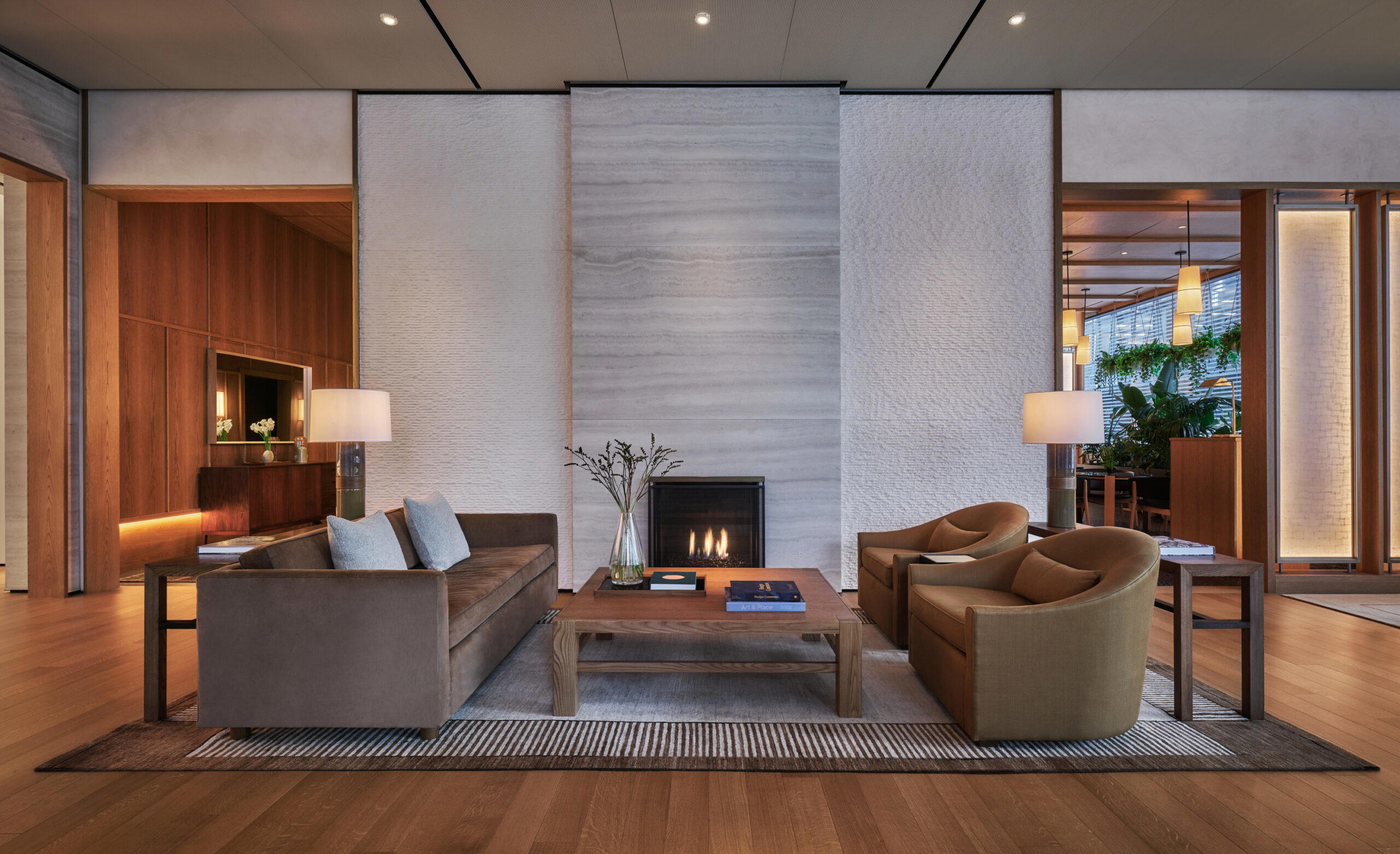
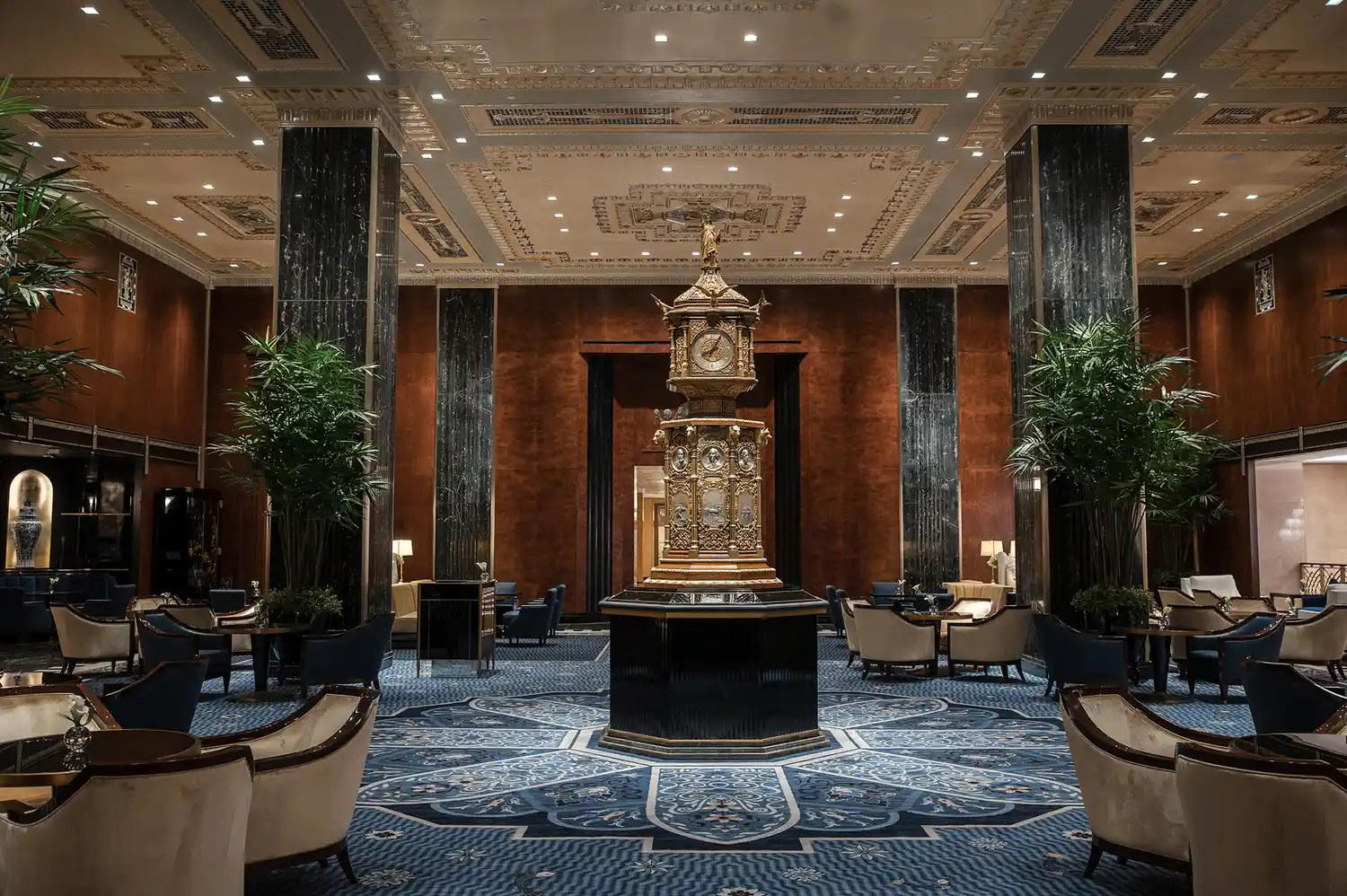
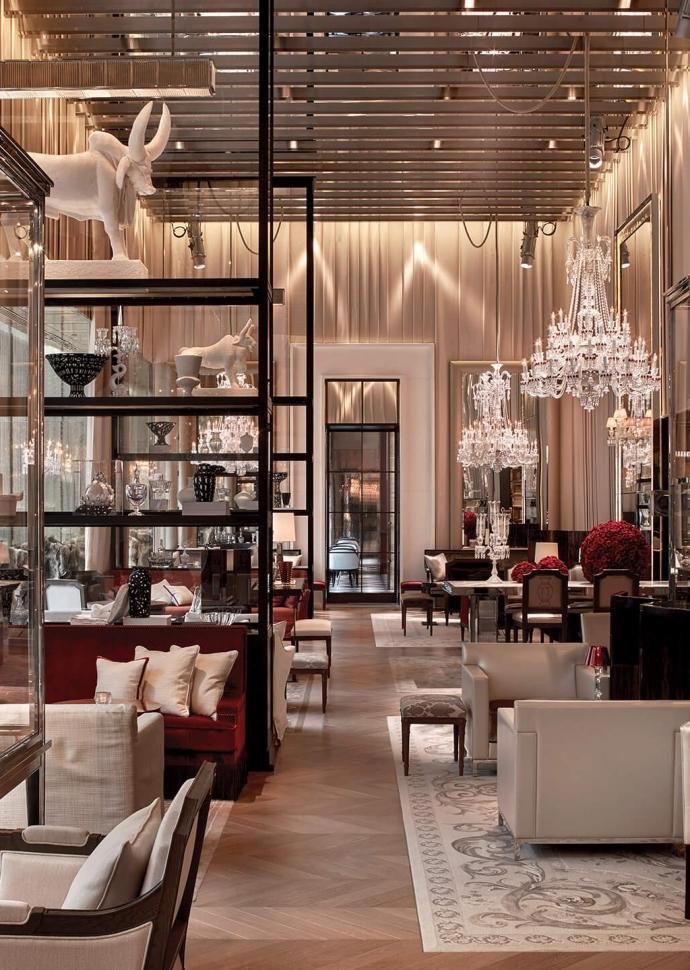
Lively and bustling atmosphere with a spacious dining area featuring two counters and wide table spread, creating an energetic yet welcoming Italian marketplace setting.