Mezzaluna

Our verdict
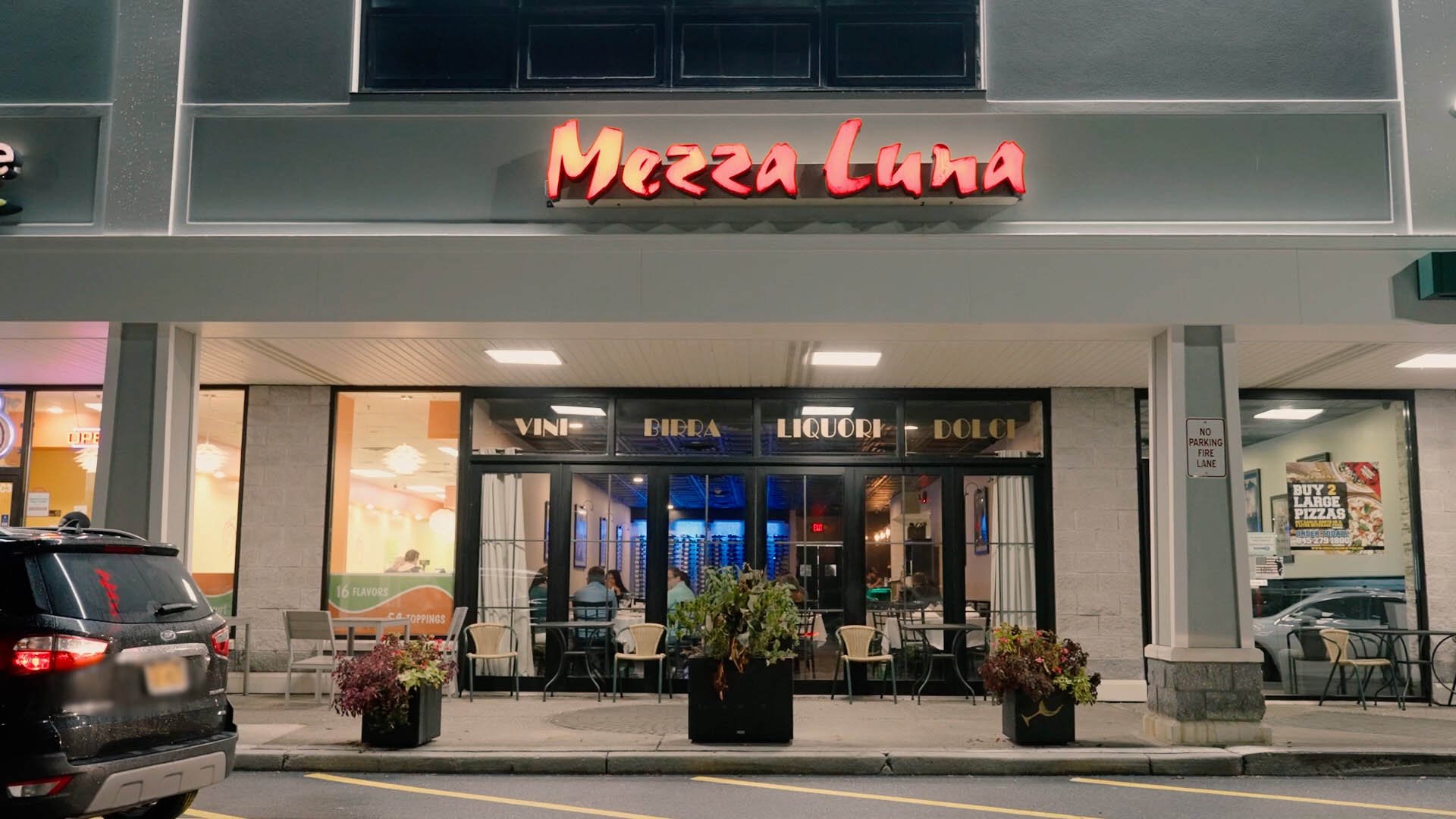
Mezzaluna on Manhattan's Upper East Side is a long-standing Italian address at 1295 Third Avenue, positioned within a neighborhood that rewards restaurants built on consistency over spectacle. The room draws a local crowd that returns on rhythm rather than occasion, placing it in a different register from the trophy-dining circuit downtown. For Italian dining in a residential key, it occupies familiar, reliable ground.

Pearl is the En Primeur Club membership app, where members save venues, book tables and use the concierge.
The menu
What to order
- Margherita Pizza
- Penne alla Vodka
- Spaghettini alle Vongole
- Bufalina Pizza
A Neighborhood Italian in the Era of Conscious Dining
Upper East Side Italian restaurants have operated on a different logic from their downtown counterparts for decades. Where Tribeca and the Flatiron attract destination diners chasing tasting menus and critical attention, Third Avenue between the 70s and 90s has long sustained a parallel circuit: rooms built around repetition, regularity, and the kind of loyalty that fills a dining room on a Tuesday without a reservation incentive. Mezzaluna, at 1295 Third Avenue, belongs to that tradition. It has occupied its address long enough to become part of the neighborhood's dining furniture, the sort of place that appears in a regular's week rather than a special-occasion shortlist.
That distinction matters more now than it did fifteen years ago. As the broader conversation around restaurant sustainability shifts from menu sourcing to the carbon cost of the dining-out culture itself, the neighborhood Italian, low-drama, walkable, consistent, has quietly become an ethical argument as much as a culinary one. Destination dining at the level of Le Bernardin or Per Se carries its own weight: the flights, the taxis, the pre-dinner hotels. A restaurant that a household visits forty times a year on foot operates at a structurally different environmental footprint, regardless of what it serves.
Italian Dining and the Sustainability Frame
Italian cuisine, in its traditional domestic form, was already aligned with what we now call sustainable practice before the term entered food criticism. The cucina povera tradition, built around legumes, seasonal vegetables, cured meats, preserved fish, and whole-animal approaches to protein, predates modern sourcing ethics by centuries. The emphasis on pasta and grain-based dishes over large-format protein, the use of offal and secondary cuts, the culture of preserving and pickling: these are all responses to scarcity that happen to map cleanly onto contemporary low-waste cooking principles.
New York's Italian restaurants sit across a wide range on this spectrum. At one end, white-tablecloth southern Italian rooms import ingredients at significant cost and carbon load to maintain authenticity claims. At the other, trattorias and neighborhood spots have always sourced closer to home out of economic necessity rather than ideology, which tends to produce a more genuinely local product. The Upper East Side's residential character historically pushed its Italian restaurants toward the latter model: the clientele is local, the volume is steady, and the supply chain rewards reliability over provenance theatre.
For wider reference on how American restaurants are integrating ethical sourcing at the fine-dining level, Blue Hill at Stone Barns in Tarrytown sets the benchmark, with its farm-to-table model built around the surrounding Rockefeller land grant. Single Thread Farm in Healdsburg operates a similarly integrated approach, with produce grown on the restaurant's own farm. These are high-cost, high-intention models. The neighborhood Italian operates at a different scale, less institutional, less documented, but the outcome in terms of local economic circulation and reduced supply-chain complexity can be comparable.
The Upper East Side Dining Context
The Upper East Side's restaurant scene is frequently underestimated by critics focused on lower Manhattan. The neighborhood's dining character is shaped by its residential density, its relatively older demographic profile, and a culture that values consistency over novelty. Restaurants here that survive past a decade tend to do so because they have solved the repeat-visit problem: the food is reliable enough to become habitual, the room is comfortable enough to make regulars feel proprietary, and the pricing is stable enough to absorb without deliberation.
That is a harder achievement than it sounds. New York's restaurant mortality rate is among the highest of any market globally. A venue that holds a fixed address on Third Avenue for multiple years has demonstrated something about its operational discipline that a newer critical favorite downtown has not yet had time to prove. The comparison set for Mezzaluna is not Atomix or Masa or Jungsik New York, those rooms compete in a different category entirely.
For readers building a broader picture of New York's dining range, the EP Club New York City guide maps the full spectrum from the Upper East Side's residential rhythm to the tasting-menu circuit and beyond.
Sourcing and the Low-Visibility Restaurant
One of the structural differences between neighborhood restaurants and destination venues is visibility into their supply chains. Restaurants at the level of The French Laundry, Alinea, or Providence in Los Angeles publish sourcing information, court agricultural partnerships, and build press narratives around their procurement choices. Neighborhood restaurants rarely do. This creates an information asymmetry: the destination room's sustainability practices are legible because they have been communicated; the neighborhood room's are invisible because no one has written the press release.
That invisibility does not imply worse practice. Italian cuisine's structural reliance on shelf-stable staples, dried pasta, olive oil, canned tomatoes, aged cheeses, means that the supply chain for an Italian neighborhood restaurant is often less complex and less perishable-intensive than the hyperlocal tasting-menu format, which requires daily delivery of micro-seasonal produce. Waste profiles differ too: a pasta-heavy menu generates less plate waste and spoilage than a multi-course tasting format where precise quantities must be portioned and unused trim discarded. Across the American dining scene, comparable conversations are happening at venues like Emeril's in New Orleans, Addison in San Diego, and Bacchanalia in Atlanta, each navigating the tension between sourcing ambition and operational reality in different regional contexts.
In a global frame, Italian cooking's relationship to locality and season predates modern sustainability discourse by centuries. The approach at 8½ Otto e Mezzo Bombana in Hong Kong and Alain Ducasse's Louis XV in Monte Carlo shows how Mediterranean kitchen discipline translates across geographies when the foundational logic is ingredient quality over volume. The neighborhood Italian, at its finest, operates on the same principle at a fraction of the price point and publicity. Lazy Bear in San Francisco and The Inn at Little Washington represent the chef-driven end of the sustainability conversation in American fine dining, instructive as benchmarks, but not the template for how most people eat most of the time.
Planning Your Visit
Mezzaluna is located at 1295 Third Avenue, in the Lenox Hill section of the Upper East Side, accessible by subway on the 4, 5, and 6 lines at 77th Street. The address is walkable from much of the surrounding residential grid, which is part of the restaurant's structural advantage as a neighborhood institution. Specific hours, pricing, and reservation availability are best confirmed directly with the restaurant, as published details are limited. For the Upper East Side context, expect a room calibrated to regulars: lower ambient noise than the downtown dining circuit, and a pace set by the neighborhood's own rhythms rather than a kitchen's tasting-menu tempo.
Quick reference: 1295 Third Avenue, New York, NY 10021. Nearest subway: 77th Street (4/5/6 lines).
Frequently asked questions
What's the must-try dish at Mezzaluna?
Italian neighborhood restaurants in this part of the Upper East Side typically anchor their menus around pasta and classic secondi. For verified dish recommendations from Mezzaluna's current menu, contacting the venue directly or consulting recent diner reviews is the most reliable route. For a sense of the broader Italian fine-dining register in New York, Le Bernardin and Per Se represent the upper ceiling of the city's European tasting format, against which the neighborhood Italian positions itself as a different proposition entirely.
Do they take walk-ins at Mezzaluna?
In the Upper East Side neighborhood Italian category, walk-in availability tends to be more accessible than at the city's high-demand destination rooms, venues like Atomix or Masa require advance booking weeks or months out, while residential-neighborhood Italian restaurants with a repeat-visitor base typically maintain more flexible floor management. Confirming directly with Mezzaluna before arrival is advisable, particularly on weekend evenings when demand from the local residential catchment increases.
How does Mezzaluna fit into the Upper East Side's Italian dining tradition?
The Upper East Side has supported a distinct tier of Italian dining for several decades, separate from the downtown tasting-menu circuit and from the red-sauce institution format of older New York neighborhoods. Restaurants at this address and in this price band serve a residential audience that values reliability and return-visit consistency. Mezzaluna's Third Avenue location places it within that tradition, at an address the neighborhood has engaged with across multiple dining generations. For readers mapping New York's Italian dining range more broadly, the EP Club New York City guide provides the full context.
Recognition, Side-by-Side
Comparable venues nearby, for context on price, style, and recognition.
| Venue | Cuisine | Price | Awards | Notes |
|---|---|---|---|---|
| MezzalunaThis venue (the venue you are viewing) | Classic Italian Trattoria | $30–50 | Not listed | Not listed |
| See No Evil Slice | Contemporary Pizza | $20–30 | Michelin Plate | Midtown Manhattan |
| Orso | Regional Italian Trattoria | $30–50 | Not listed | Hell's Kitchen |
| Palma | Organic Italian with Housemade Pasta | $50–100 | Not listed | West Village |
| Il Falco | Authentic Italian Trattoria | Not listed | Not listed | Long Island City-Hunters Point |
| Osteria al Doge | Authentic Venetian Italian | $50–100 | Not listed | Midtown-Times Square |
Recognition history
Dated appearances from independent guides and award organizations, with the underlying list record or original source where available.
Opinionated About Dining Casual in North America Recommended
Opinionated About Dining
Full recognition history (2 entries)
Opinionated About Dining Top Restaurants in Asia Highly Recommended
Opinionated About Dining
Continue exploring
More in New York City
Restaurants in New York City
All restaurants in New York City →
Bars in New York City
All bars in New York City →






Details
- Classic
- Cozy
- Intimate
- Date Night
- Casual Hangout
- Open Kitchen
- A La Carte
- Small Plates
- Vegetarian Friendly
- Gluten Free Options
Current opening hours
- Monday
- 12–3:30 PM, 5–10 PM
- Tuesday
- 12–3:30 PM, 5–10 PM
- Wednesday
- 12–3:30 PM, 5–10 PM
- Thursday
- 12–3:30 PM, 5–10 PM
- Friday
- 12–4 PM, 5–10:30 PM
- Saturday
- 12–4 PM, 5–10:30 PM
- Sunday
- 12–4 PM, 5–10 PM
Hours can change for holidays and private events. Hours as of .
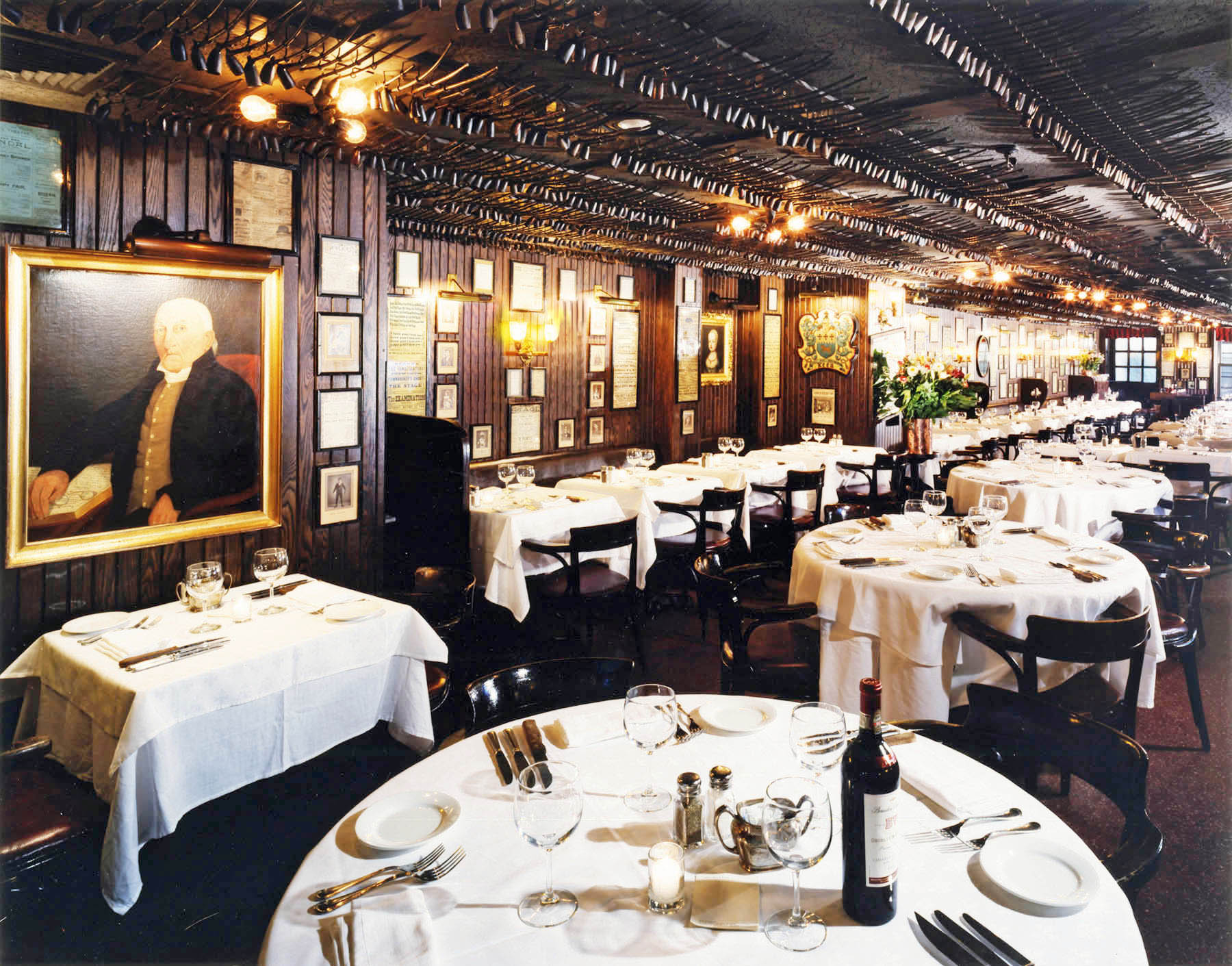
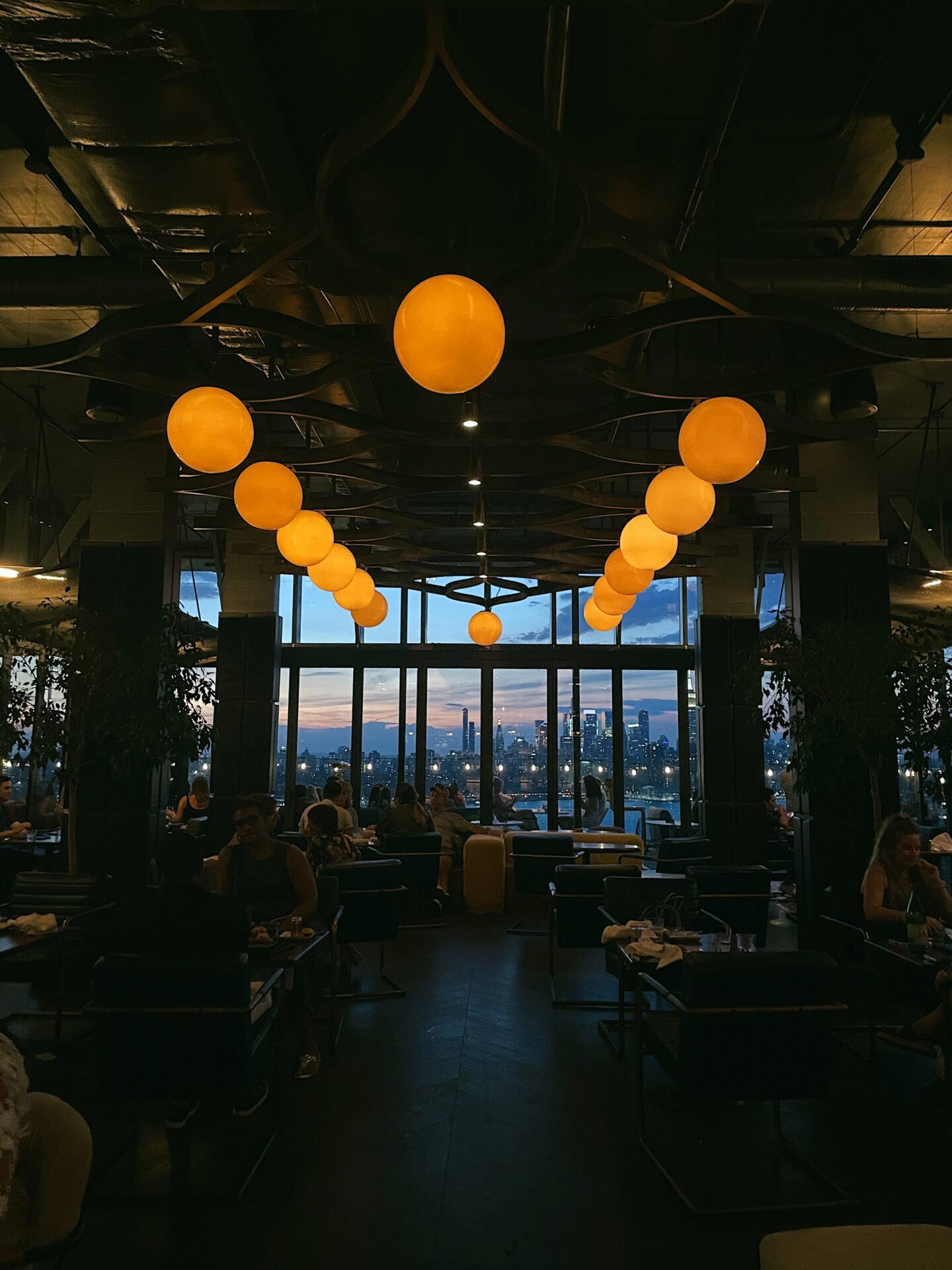
Cramped, narrow quarters with colorful drawings, painted-sky ceiling, marble tables, and close-together tables creating a lively, cacophonous, and authentic Italian cafe atmosphere.