Chao
Located on Nuuanu Avenue in Honolulu's Chinatown-adjacent corridor, Chao occupies a stretch of the city where local dining habits and immigrant food traditions intersect. The venue sits within a Honolulu dining scene that rewards deliberate exploration over convenience, making it a reference point for visitors tracking the city's less-touristed restaurant geography.
Pearl is the En Primeur Club membership app — saves, bookings, and concierge access live there. Same editors, same standards.
- Address
- 1613 Nuuanu Ave, Honolulu, HI 96817
- Phone
- +18085828055
- Website
- chaohawaii.com
- Directions
- Get directions
 Saves & bookings on Pearl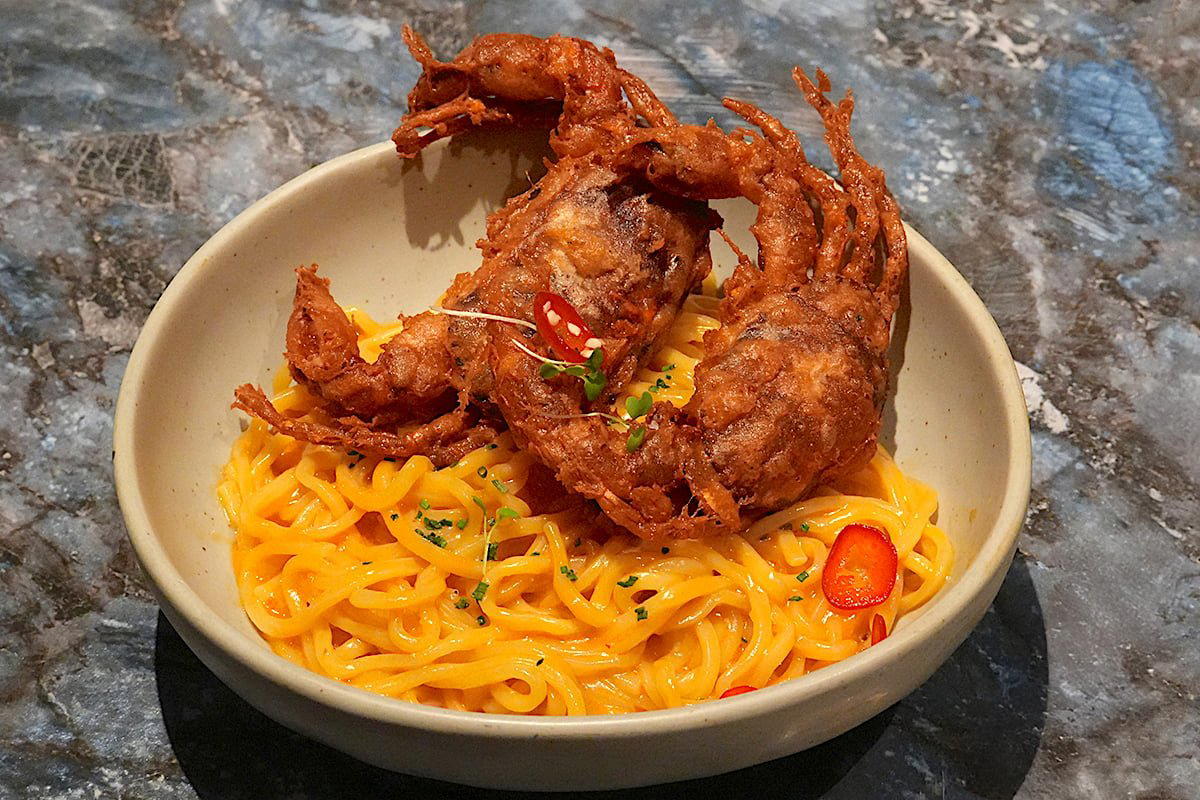
Nuuanu Avenue and the Dining Customs That Define It
Nuuanu Avenue runs through one of Honolulu's most historically layered corridors, connecting the edge of Chinatown to the residential climb toward the Pali. The blocks around 1613 carry the character of a neighborhood that has housed successive waves of immigrant communities, each leaving residue in the food culture. Chao is a restaurant serving Modern Vietnamese Fusion at 1613 Nuuanu Ave in Honolulu, with a recommended reservation policy and a price tier of 3.
Honolulu's dining geography splits fairly cleanly between the resort corridor, the downtown and Chinatown blocks, and the residential neighborhoods that stretch toward Kaimuki, Manoa, and the Nuuanu valley. The middle and outer tiers have seen interesting restaurant activity over the past decade, with venues like Miro Kaimuki in the French-Japanese register and Fête in New American representing how Honolulu's serious cooking has migrated away from hotel dining rooms and toward neighborhood formats. Chao sits in that same broader migration, on a street where the pace of a meal is set by the room rather than a fixed tasting clock.
The Ritual of the Meal on Nuuanu
The dining customs that define neighborhood restaurants in this part of Honolulu tend toward longer tables, shared ordering, and a pacing that follows conversation rather than a kitchen's sequence logic. This is not the omakase counter model, where a chef's progression dictates every interval, nor the formal tasting format that has become standard at destination restaurants like The French Laundry in Napa or Le Bernardin in New York City. The dining ritual in Honolulu's neighborhood corridors is closer in spirit to the community-table traditions of the city's plantation-era food culture, where eating together meant ordering broadly and moving through dishes at the table's own tempo.
That tradition connects to a broader pattern visible across the city's most locally embedded restaurants. At 3660 On the Rise, the Euro-island format has sustained a loyal neighborhood following for decades precisely because the meal experience accommodates conversation-first dining. The venues on the Nuuanu corridor operate under similar assumptions: the table is the unit of experience, not the individual plate sequence.
Where Chao Sits in the Honolulu Restaurant Spectrum
Honolulu's restaurant market occupies a particular position within American dining. It is not a city that accrues major award recognition at the rate of San Francisco, where Lazy Bear built its reputation through a highly deliberate communal-tasting format, or Chicago, where Smyth represents the precision end of ingredient-driven cooking. Hawaii's version of fine dining intersects with a distinct local food culture rooted in Japanese, Chinese, Korean, Filipino, and Native Hawaiian traditions, and the restaurants that resonate most durably tend to work with that inheritance rather than against it.
The Nuuanu Avenue address places Chao adjacent to Chinatown, which remains the densest concentration of culturally specific restaurants in the city. That proximity is a locating signal. The restaurants that succeed on and near this corridor typically read the room correctly: they price and pace for regular return visits rather than single-occasion spending, and they maintain menus that speak to the food memories of a multiethnic local population. Compare this to the destination-occasion dining model at venues like 53 By The Sea, where the view and the occasion drive the visit as much as the food, or the celebratory luau format at Ahaaina Luau, which serves a different function in the city's hospitality ecosystem.
Within the U.S. context, the restaurants closest in spirit to what Honolulu's neighborhood corridor venues attempt are places like Providence in Los Angeles, which built serious cooking around local seafood identity, or Addison in San Diego, where California's agricultural specificity grounds a technically demanding kitchen. The difference is scale of ambition and institutional recognition. Honolulu's neighborhood restaurants rarely seek that register; they are building something more durable and harder to replicate: habitual local trust.
Planning a Visit to Chao
Nuuanu Avenue is accessible from downtown Honolulu by a short drive or a direct bus route heading toward the Pali Highway. The address at 1613 places it north of the main Chinatown cluster, closer to the residential stretches of the avenue. Visitors arriving from Waikiki should expect a twenty-minute drive under normal traffic conditions. The corridor is leading approached as part of a broader Chinatown-adjacent evening, pairing a meal here with a walk through the Nuuanu blocks before or after. Chao is open Mon to Thu 11 AM to 9 PM, Fri and Sat 11 AM to 10 PM, and Sun 11 AM to 8 PM.
Those building a fuller picture of Honolulu's serious dining scene should cross-reference the broader canon: 855-ALOHA represents another angle on the city's local restaurant culture, and the full Honolulu restaurants guide maps the city's dining geography across neighborhoods and price tiers. For those using Honolulu as a base for comparing Pacific Rim dining traditions globally, the omakase and kaiseki programs at venues like Atomix in New York City offer a useful benchmark for how Japanese-influenced fine dining rituals translate into Western urban contexts. The farm-to-table progression at Blue Hill at Stone Barns in Tarrytown or the alpine sourcing discipline at Atelier Moessmer Norbert Niederkofler in Brunico and the Southern heritage focus at Emeril's in New Orleans each illustrate how a restaurant can embed itself in regional identity without being limited by it, a model the leading Honolulu neighborhood restaurants are quietly working toward.
Cost and Credentials
Comparable venues nearby, for context on price, style, and recognition.
| Venue | Cuisine | Price | Notes |
|---|---|---|---|
| ChaoThis venue — the venue you are viewing | Punchbowl, Modern Vietnamese Fusion | $$$ | Not listed |
| The Pig and The Lady | Not listed | $$ | Kaimuki, Modern Vietnamese with Southeast Asian Influences |
| Upstairs at Pier 38 | Iwilei, Rustic French Seafood & Steak | $$$ | Not listed |
| Robata JINYA - Honolulu | Ala Moana, Japanese Robatayaki Izakaya | $$$ | Not listed |
| Arancino di Mare | Diamond Head, Modern Italian Seafood | $$$ | Not listed |
| An Di Dzo | Ala Moana, Modern Vietnamese | $$ | Not listed |
At a Glance
- Modern
- Trendy
- Casual Hangout
- Brunch
- Date Night
- Open Kitchen
- Craft Cocktails
Current opening hours
- Monday
- 11 AM–9 PM
- Tuesday
- 11 AM–9 PM
- Wednesday
- 11 AM–9 PM
- Thursday
- 11 AM–9 PM
- Friday
- 11 AM–10 PM
- Saturday
- 11 AM–10 PM
- Sunday
- 11 AM–8 PM
Hours can change for holidays and private events. Last verified .
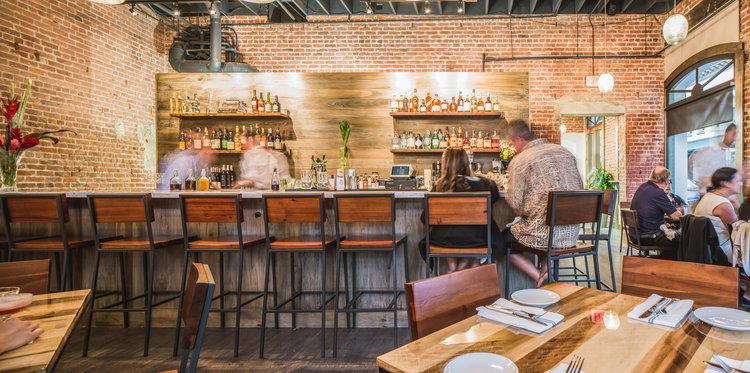
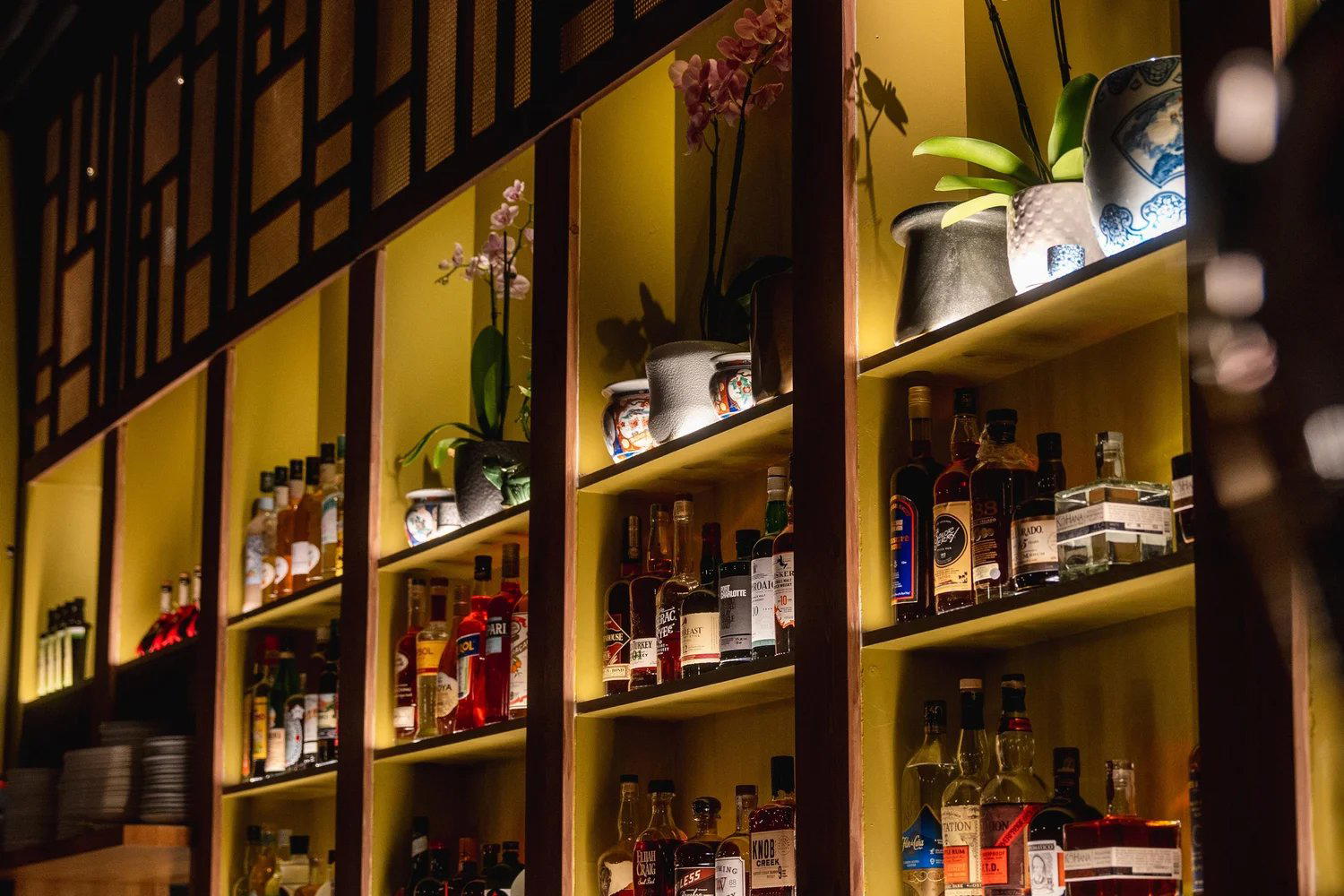
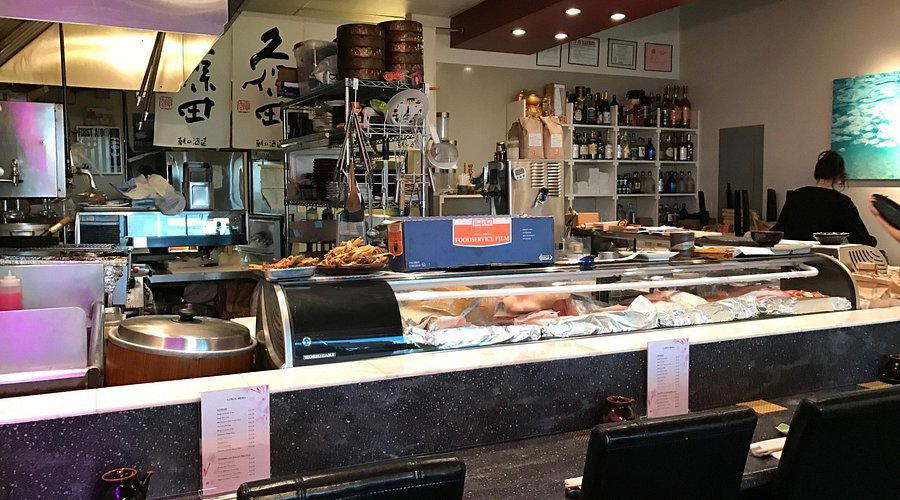
Moderate noise level with contemporary atmosphere blending traditional Vietnamese flavors and modern presentations.