The Pig and The Lady
On Waialae Avenue in Kaimuki, The Pig and The Lady operates in a neighbourhood that has become one of Honolulu's most compelling dining corridors. The kitchen works the intersection of Southeast Asian traditions and local Hawaiian produce, producing food that reads as distinctly of this place rather than imported from elsewhere. It belongs to a tier of Honolulu restaurants that take culinary reference points seriously without performing formality.
Pearl is the En Primeur Club membership app — saves, bookings, and concierge access live there. Same editors, same standards.
- Address
- 3650 Waialae Ave, Honolulu, HI 96816
- Phone
- +18085858255
- Website
- thepigandthelady.com
- Directions
- Get directions
 Saves & bookings on Pearl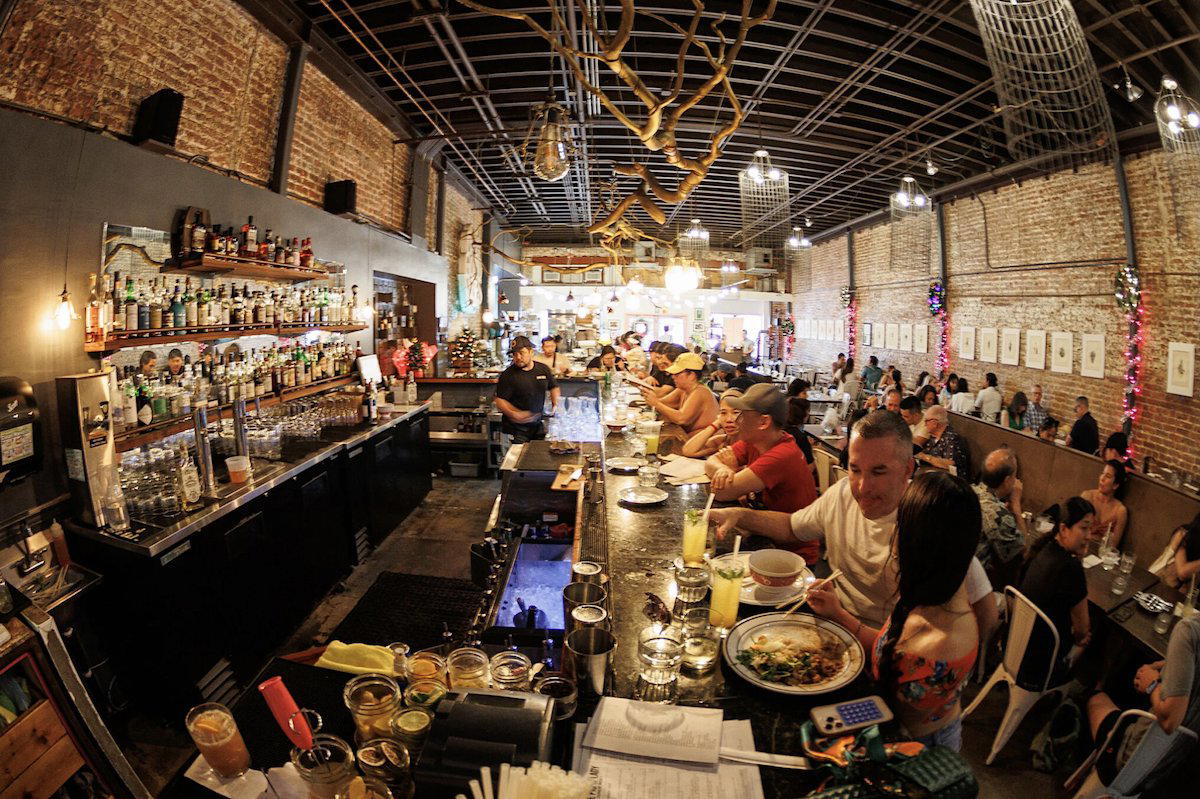
Kaimuki and the Case for Neighbourhood Dining in Honolulu
Waialae Avenue in Kaimuki has quietly accumulated more serious dining per block than almost any other street in Honolulu. The corridor sits away from Waikiki's resort concentration, which means the restaurants along it serve a local clientele first and visitors who know to look second. That dynamic tends to produce more honest food: kitchens cooking for regulars rather than for one-time tourists have longer institutional memory and higher stakes in consistency. The Pig and The Lady, at 3650 Waialae Ave, Honolulu, operates squarely inside that logic.
Kaimuki's dining character reflects something broader about how Honolulu has evolved. As premium hotel dining has consolidated around recognisable international formats, the neighbourhood restaurant scene has become the place where genuinely local food culture develops. The interplay of Vietnamese, Filipino, Japanese, Chinese, Korean, and Hawaiian culinary traditions in Hawaii is not a marketing conceit; it is the lived daily reality of the islands' food, and Kaimuki's restaurants tend to engage with it more directly than the polished venues along the waterfront.
The Cultural Roots on the Plate
Southeast Asian cuisine has a particular relationship to Hawaii that other American states cannot replicate. Large Vietnamese and Filipino communities have been present in the islands for generations, and their culinary contributions are woven into everyday eating in a way that goes well beyond restaurant-district representation. Pho broth technique, fish sauce acidity, lemongrass aromatics, and the structural logic of Vietnamese cooking sit in the collective palate of Honolulu in a way that even Los Angeles, with its larger Vietnamese population, does not quite match in terms of cultural integration.
The Pig and The Lady works within that inherited context. The kitchen's approach to Southeast Asian flavour frameworks, applied to local Hawaiian ingredients, represents a mode of cooking that has become increasingly significant in how the American food conversation understands regional identity. It is the same logic that animates venues like Lazy Bear in San Francisco or Blue Hill at Stone Barns in Tarrytown: the idea that meaningful cooking expresses a specific place and its food history, not a universal fine-dining language. In Honolulu's case, that place-specific language includes Vietnamese technique, Pacific produce, and the layered cultural mix that makes Hawaiian food genuinely its own thing.
This is worth stating plainly because it distinguishes the restaurant from a different category of Honolulu dining entirely. Venues like 53 By The Sea or 3660 On the Rise occupy a more formal register, drawing on European-influenced technique and presentation conventions that align them with a continental fine-dining comparable set. The Pig and The Lady operates in a different register entirely, one where the reference points are Hanoi as much as anywhere in the Western culinary tradition.
Where It Sits in the Honolulu Restaurant Picture
Honolulu's restaurant scene has diversified considerably in the past decade. The city that once relied heavily on hotel dining rooms and Japanese restaurant tourism has developed a genuinely varied independent sector. That sector now includes cocktail-led formats, chef-driven neighbourhood spots, and a growing number of restaurants that treat Hawaii's multicultural food inheritance as primary material rather than local colour.
Within that picture, the restaurant occupies what might be described as the informed neighbourhood restaurant tier: serious enough in its cooking to draw food-literate visitors, casual enough in its format to function as a weekly local. This tier sits between the formal tasting-menu end of the market, represented locally by venues like Fête, and the purely casual end. It is the tier that tends to generate sustained critical interest and longest-lasting local reputation, because it requires consistent kitchen discipline without the safety net of ceremony and price anchoring.
For comparison with the broader American restaurant conversation: the cultural-rootedness that defines the restaurant's approach is the same quality that distinguishes Atomix in New York City in its engagement with Korean culinary tradition, or Providence in Los Angeles in its relationship to Pacific seafood. The form differs but the underlying editorial point is similar: the restaurants that endure in critical esteem are usually the ones that have a clear cultural argument to make through food.
Other Honolulu options in adjacent registers include 855-ALOHA and Ahaaina Luau, which approach Hawaiian food culture through different formats and price points. Internationally, the conversation around technically ambitious cooking anchored to a specific cultural heritage includes venues from Le Bernardin in New York City to 8 1/2 Otto e Mezzo Bombana in Hong Kong, and more broadly Alinea in Chicago, Single Thread Farm in Healdsburg, The French Laundry in Napa, Addison in San Diego, The Inn at Little Washington, and Emeril's in New Orleans. The restaurant does not operate at the same price or formality level as those venues, but the cultural seriousness of its culinary argument places it in a meaningful conversation with that broader movement.
For a fuller picture of where this restaurant fits within Honolulu's dining options, the EP Club Honolulu restaurants guide maps the full range of formats and neighbourhoods across the city.
Planning Your Visit
The restaurant is located at 3650 Waialae Ave in Kaimuki, a ten-to-fifteen minute drive from Waikiki depending on traffic. Street parking along Waialae and the surrounding residential streets is one practical approach; the neighbourhood is walkable once you arrive. Kaimuki rewards arriving early to explore the street before or after a meal.
| Venue | Format | Neighbourhood | Register |
|---|---|---|---|
| The restaurant | Neighbourhood restaurant, SE Asian-influenced | Kaimuki (Waialae Ave) | Informal-to-mid |
| Fête | New American, chef-driven | Chinatown | Mid-to-formal |
| 3660 On the Rise | Contemporary Euro-Pacific | Kaimuki | Formal |
| 53 By The Sea | Upscale contemporary | Waterfront | Formal |
Pricing, Compared
Comparable venues nearby, for context on price, style, and recognition.
| Venue | Cuisine | Price | Notes |
|---|---|---|---|
| The Pig and The LadyThis venue — the venue you are viewing | Not listed | $$ | Not listed |
| An Di Dzo | Ala Moana, Modern Vietnamese | $$ | Not listed |
| Hale Vietnam Restaurant | Kaimuki, Traditional Vietnamese | $$ | Not listed |
| Gyotaku - King St. | Moiliili, Japanese Sushi and Tempura | $$ | Not listed |
| Tanaka of Tokyo Central | Waikiki, Teppanyaki Steakhouse | $$ | Not listed |
| Jimbo Restaurant | Not listed | $$ | McCully-Moiliili, Traditional Japanese Udon |
At a Glance
- Trendy
- Modern
- Well Known
- Casual Hangout
- Group Dining
- Date Night
- Brunch
- Open Kitchen
- Standalone
- Craft Cocktails
- Local Sourcing
- Farm To Table
Current opening hours
- Monday
- Closed
- Tuesday
- 5–9:30 PM
- Wednesday
- 11 AM–2:30 PM, 5–9:30 PM
- Thursday
- 11 AM–2:30 PM, 5–9:30 PM
- Friday
- 11 AM–2:30 PM, 5–9:30 PM
- Saturday
- 11 AM–2:30 PM, 5–9:30 PM
- Sunday
- 11 AM–2:30 PM
Hours can change for holidays and private events. Last verified .
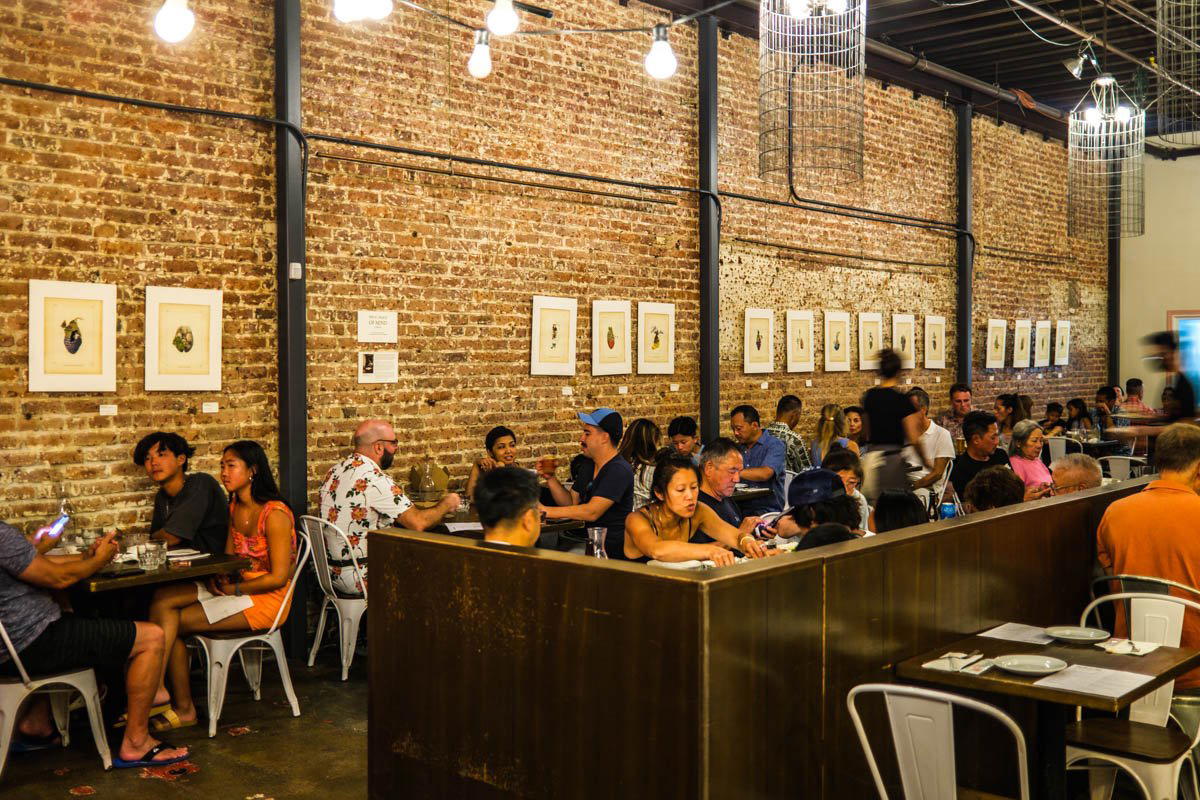
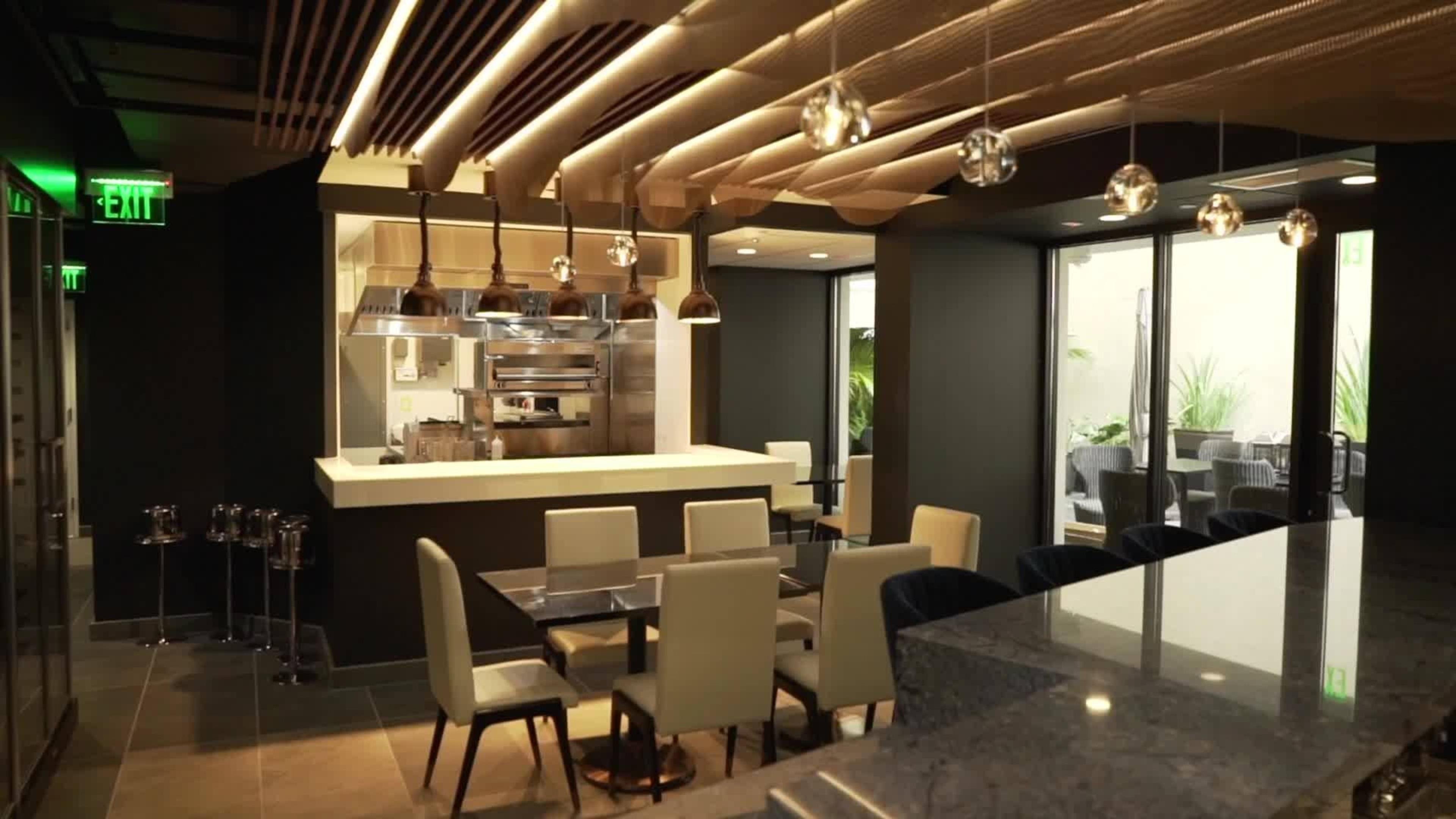
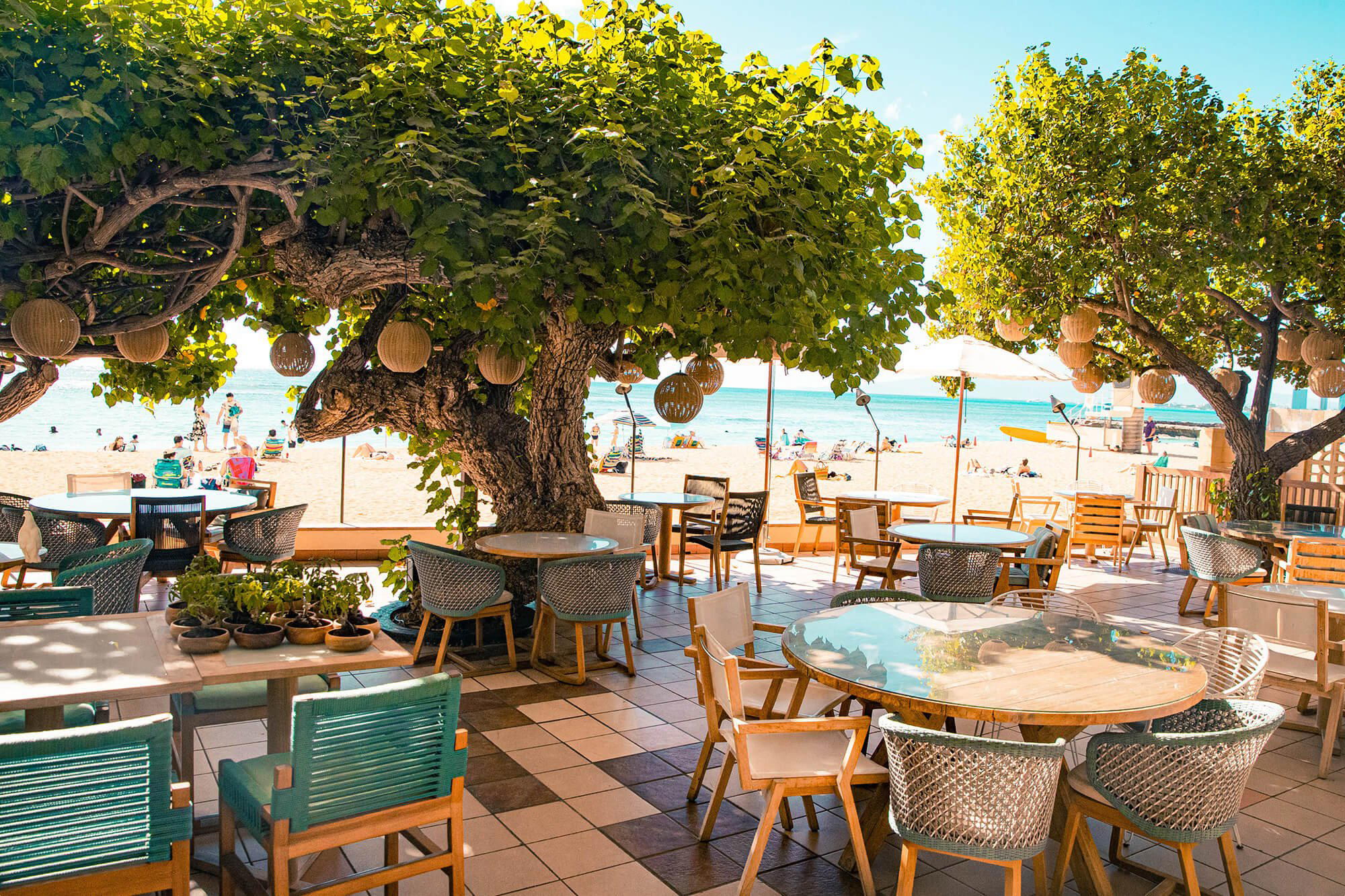
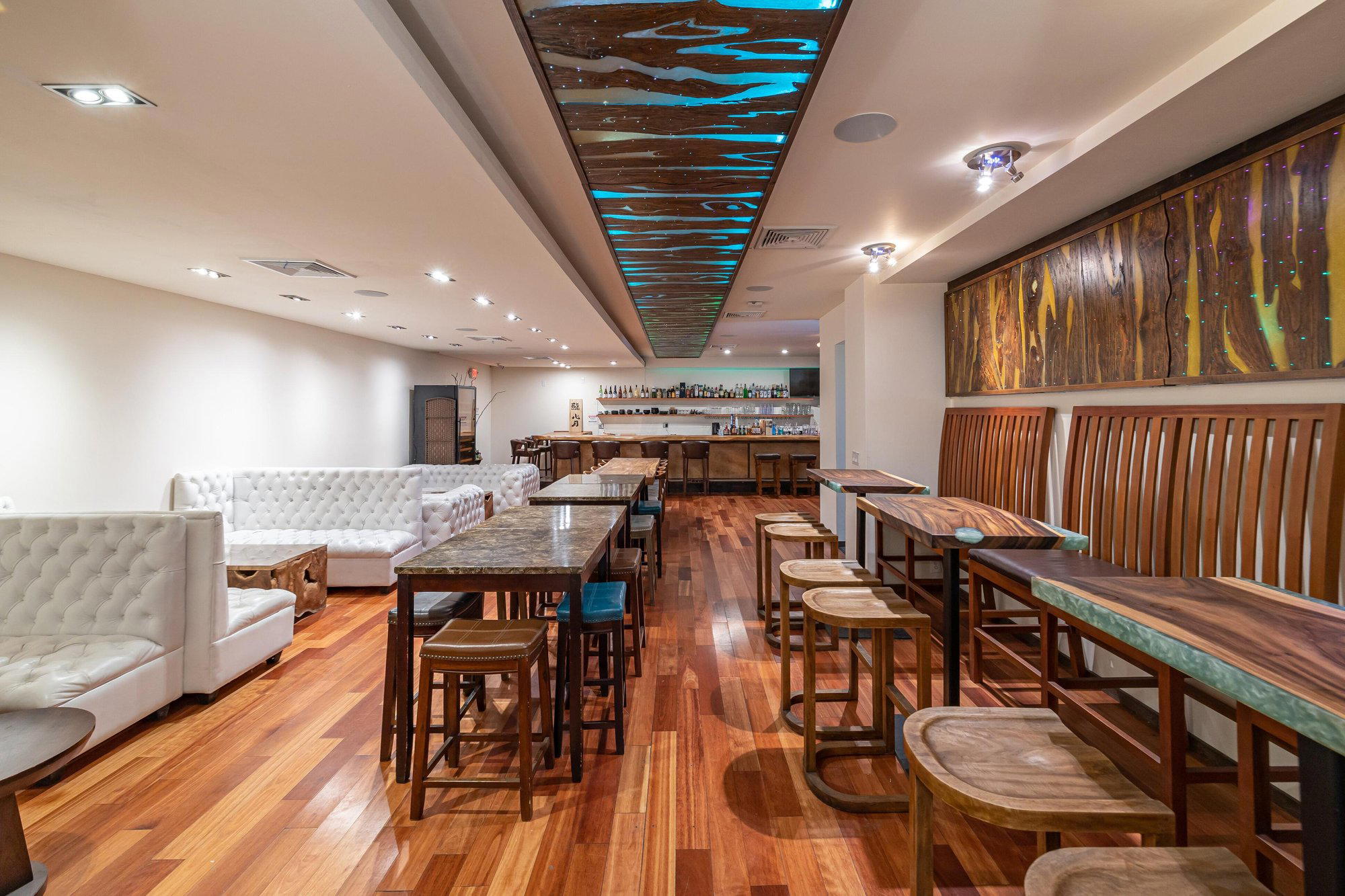
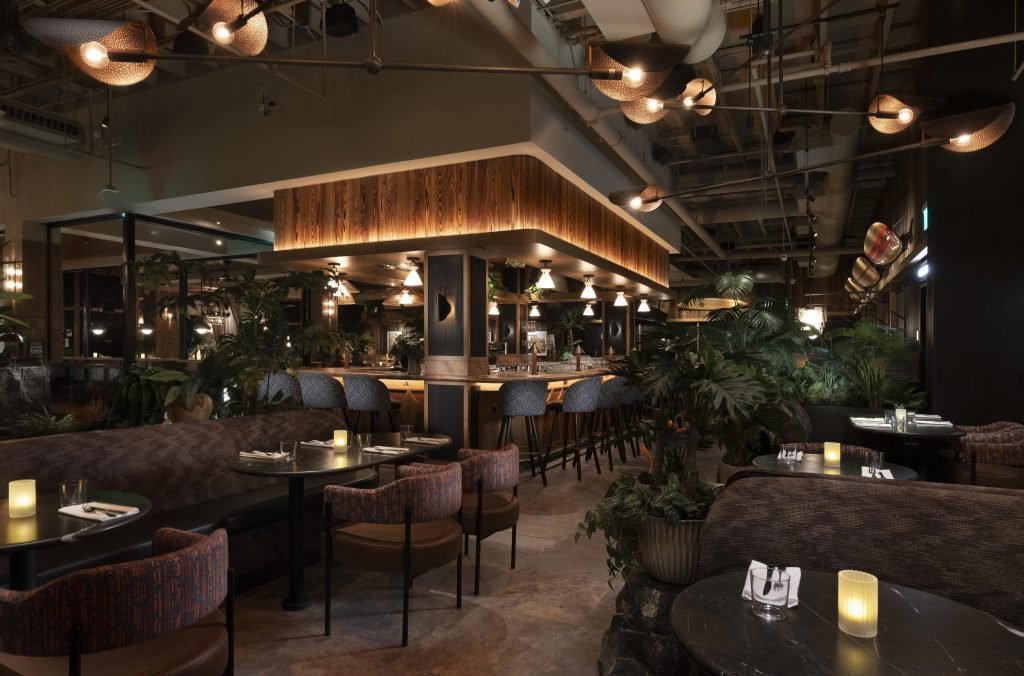
Casual, lively Chinatown setting with a fun and fearless energy; modern, fresh aesthetic reflecting the restaurant's evolution from pop-up to brick-and-mortar destination.