Miro Kaimuki

Our verdict
Miro Kaimuki brings French-Japanese technique to a Honolulu neighbourhood far removed from the resort strip, earning consecutive Opinionated About Dining recognition in North America through 2025. Chef Chris Kajioka operates a focused kitchen on 12th Avenue in Kaimuki, where a Tuesday closure and tight evening hours signal the kitchen's priorities. The result is one of Hawaii's most critically noted fine dining addresses.

Pearl is the En Primeur Club membership app, where members save venues, book tables and use the concierge.
The menu
What to order
- Ahi_brioche
- Chive_madeleines
Kaimuki and the Case for Dining Off-Strip
Honolulu's serious dining rarely happens where the hotels are thickest. The corridor around 12th Avenue in Kaimuki has accumulated a density of purposeful restaurants over the past decade, and Miro sits within that pattern rather than apart from it. The neighbourhood runs along a hillside grid above Waikiki, residential in character, with low storefronts and street parking that signals nothing about what's happening inside the kitchens. Arriving at Miro on a Friday evening, you're in a part of the city that local residents actually use, which is both the point and the reward.
That geographic choice matters beyond sentiment. The fine dining venues that have earned sustained critical recognition in Honolulu tend to cluster away from the tourist infrastructure precisely because the cost structures and guest expectations differ. Kaimuki's dining scene operates on repeat clientele and earned reputation rather than foot traffic, and the restaurants that thrive there, including Miro, have had to prove their position over time rather than inherit it from a hotel address. For broader context on where Miro fits within Honolulu's eating and drinking options, our full Honolulu restaurants guide maps the city's dining character across neighbourhoods.
French-Japanese as a Hawaiian Proposition
The French-Japanese cuisine category has a complicated geography. In metropolitan contexts, it often reads as precision-driven fusion from classically trained chefs who have absorbed Japanese technique alongside French foundations. In Hawaii, the proposition carries additional weight. The state has the largest Japanese-American population per capita in the United States, which means the Japanese half of the equation isn't imported reference material; it's woven into the food culture of the islands at a community level. When a kitchen in Honolulu works with French-Japanese registers, it is working within a culinary tradition that local diners have genuine familiarity with, not presenting it as an exotic novelty.
That distinction separates Miro from European or continental American contexts for the same cuisine type. The comparison points exist globally: 1920 in Megève operates in an Alpine French-Japanese register, and Zest by Konishi in Hong Kong works the same category from an East Asian base. But neither operates within a community context where the Japanese side of the hyphen has a century of local culinary history behind it. Hawaii's position as a Pacific meeting point gives the cuisine a rootedness here that it doesn't carry in most other locations.
Chef Chris Kajioka's background connects this local context to a broader continental pedigree. Training and kitchen time at establishments with the calibre of Le Bernardin in New York and The French Laundry in Napa positions him in a lineage of technically rigorous American fine dining, alongside chefs associated with places like Alinea in Chicago and Lazy Bear in San Francisco, and that training shows up in the precision of execution rather than in any particular dish or technique.
What the OAD Ranking Signals
Opinionated About Dining's North America list draws rankings from a pool of serious restaurant diners rather than a static inspector body, which makes its signals different from guide-based recognition. Miro appeared on that list in 2023 at position 90, then shifted to position 140 in both 2024 and 2025. The ranking trajectory reflects the competitive deepening of the OAD list rather than a drop in quality: the North America pool has become more contested as more high-standard restaurants enter consideration.
For Honolulu, that matters because the city doesn't have the critical mass of fine dining that cities like New York, San Francisco, or Chicago carry. A Honolulu kitchen appearing on a continental list at this level is operating against a much larger competitive field than local reputation alone would suggest. Peer restaurants in the broader American fine dining context, such as Single Thread Farm in Healdsburg and Emeril's in New Orleans, represent the scale of the reference set Miro sits within on that ranking.
That alignment between critical and general audience reception narrows the gap between reputation and reality.
Honolulu's Broader Fine Dining Context
Miro occupies a specific tier within Honolulu's restaurant map. The city has Italian representation at the hotel-adjacent end, exemplified by Arancino at The Kahala, and New American ambition at venues like Fête. Japanese cuisines occupy a wide bandwidth, from casual formats at Ginza Bairin to the crossover territory of Fujiyama Texas. The cocktail and omakase overlap gets its own space at Bar Maze.
That positioning means Miro draws a different kind of visitor engagement than most Honolulu restaurants. Diners who prioritise it on a Honolulu trip are typically working through the city's critically recognised options systematically, the same way they might approach a city with a denser fine dining concentration. For those visitors, the OAD ranking is the entry point; the Kaimuki location and French-Japanese framework are what they're there to assess in person. Honolulu's broader hospitality picture, including where to stay and what to drink around a meal at this level, is covered in our Honolulu hotels guide, bars guide, and experiences guide.
Planning a Visit
Miro operates from 5 to 9 pm on Monday, Wednesday, Thursday, Friday, Saturday, and Sunday. Tuesday is the weekly closure. The address is 1108 12th Ave C in Kaimuki, a neighbourhood where street parking is generally available but the surrounding blocks are residential, so arrival time has practical implications. The kitchen's hours are tighter than hotel-district restaurants tend to run, which is consistent with the format priorities, this is not a venue built around late-night flexibility. Booking well in advance is advisable given the sustained critical attention and the narrow weekly window. For those building a broader Honolulu itinerary around venues of this calibre, our Honolulu wineries guide covers the local wine context. The concentrated operating hours and single weekly closure day suggest a kitchen that manages volume deliberately, which in practice means that last-minute seats are an exception rather than a realistic expectation.
Frequently asked questions
What days is Miro Kaimuki closed?
Hours at Miro Kaimuki: Hours: Monday 5–9 pm Tuesday Closed Wednesday 5–9 pm Thursday 5–9 pm Friday 5–9 pm Saturday 5–9 pm Sunday 5–9 pm.
What's Miro Kaimuki known for in terms of accolades?
Miro Kaimuki has received recognition including: Opinionated About Dining Top Restaurants in North America Ranked #140 (2025); Opinionated About Dining Top Restaurants in North America Ranked #140 (2024); Opinionated About Dining Top Restaurants in North America Ranked #90 (2023).
What's Miro Kaimuki best at?
The sustained OAD North America ranking across three years points to execution consistency as the kitchen's defining quality, the kind of reliability that keeps a restaurant in the top 150 on a peer-reviewed list rather than spiking and fading. Chris Kajioka's French-Japanese format is relatively rare in Hawaii, where the cuisine category tends to skew either Pacific Rim casual or hotel-anchored Continental, giving Miro a distinct position within Honolulu's fine dining tier.
In Context: Similar Options
A quick peer list to put this venue’s basics in context.
| Venue | Cuisine | Price | Awards | Notes |
|---|---|---|---|---|
| Miro KaimukiThis venue (the venue you are viewing) | French-Japanese Fusion | $100–150 | Not listed | Not listed |
| Fête | Modern American Farm-to-Table | $50–100 | Not listed | New American |
| Arancino at The Kahala | Modern Italian | $50–100 | Wine Spectator Award of Excellence | Italian |
| Bar Maze | Modern Japanese Omakase with Cocktail Pairings | $200–300 | James Beard Award Semi Finalist | Cocktail Bar-Omakase |
| Fujiyama Texas | Japanese Kushi-Katsu Izakaya | $30–50 | Not listed | Japanese |
| Ginza Bairin | Authentic Japanese Tonkatsu & Yoshoku Bistro | $30–50 | Not listed | Japanese |
Recognition history
Dated appearances from independent guides and award organizations, with the underlying list record or original source where available.
Opinionated About Dining Top Restaurants in North America Highly Recommended
Opinionated About Dining
Full recognition history (4 entries)
Opinionated About Dining Top Restaurants in North America Ranked #140
Opinionated About Dining
Opinionated About Dining Top Restaurants in North America Ranked #140
Opinionated About Dining
Opinionated About Dining Top Restaurants in North America Ranked #90
Opinionated About Dining
Continue exploring
More in Honolulu
Restaurants in Honolulu
All restaurants in Honolulu →
Bars in Honolulu
All bars in Honolulu →
Details
- Modern
- Elegant
- Sophisticated
- Intimate
- Date Night
- Special Occasion
- Celebration
- Chefs Counter
- Open Kitchen
- Craft Cocktails
- Zero Proof
- Prix Fixe
- Tasting Menu
- A La Carte
- Vegetarian Friendly
- Allergy Accommodating
Current opening hours
- Monday
- Closed
- Tuesday
- Closed
- Wednesday
- 5–9 PM
- Thursday
- 5–9 PM
- Friday
- 5–9 PM
- Saturday
- 5–9 PM
- Sunday
- 5–9 PM
Hours can change for holidays and private events. Hours as of .
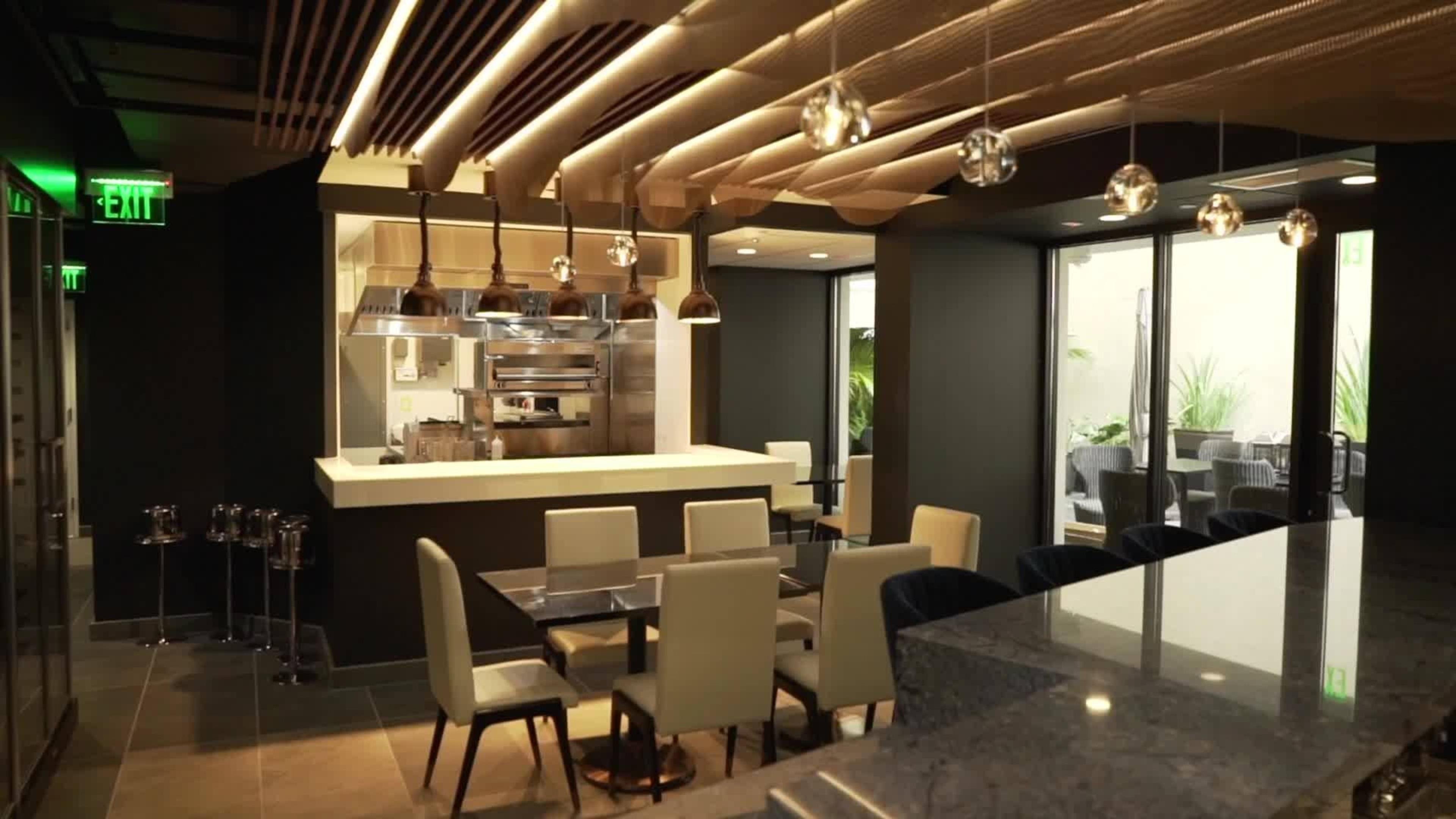
Modern fine dining atmosphere with warm attentive service though dining room can become loud when full.