
Chambre d'enfants is a reservation-only French counter in Nagoya’s Hananoki area, selected for Tabelog French EAST “Tabelog 100” 2025. The draw is a compact, wine-conscious format: counter seating, sommelier service, non-smoking room, and a dinner spend in the JPY 15,000–19,999 range before service charge.
Pearl is the En Primeur Club membership app — saves, bookings, and concierge access live there. Same editors, same standards.
- Address
- 3 Chome-6-14 Hananoki, Nishi Ward, Nagoya, Aichi 451-0062, Japan
- Phone
- +81 52-990-4513
- Website
- instagram.com
 Saves & bookings on Pearl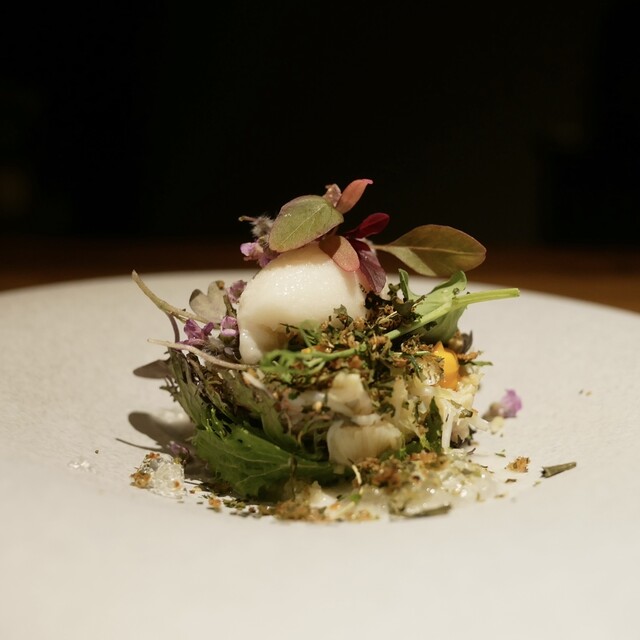
The room announces its priorities before the first plate: counter seating, a small number of places, and the quiet discipline of a restaurant built around sequence rather than volume. In Nagoya, where high-end dining often splits between hotel formality, sushi-counter precision, and neighborhood restaurants with loyal local followings, Chambre d'enfants belongs to the French counter category: intimate, reservation-led, and dependent on the kitchen’s ability to make sourcing feel coherent across the meal.
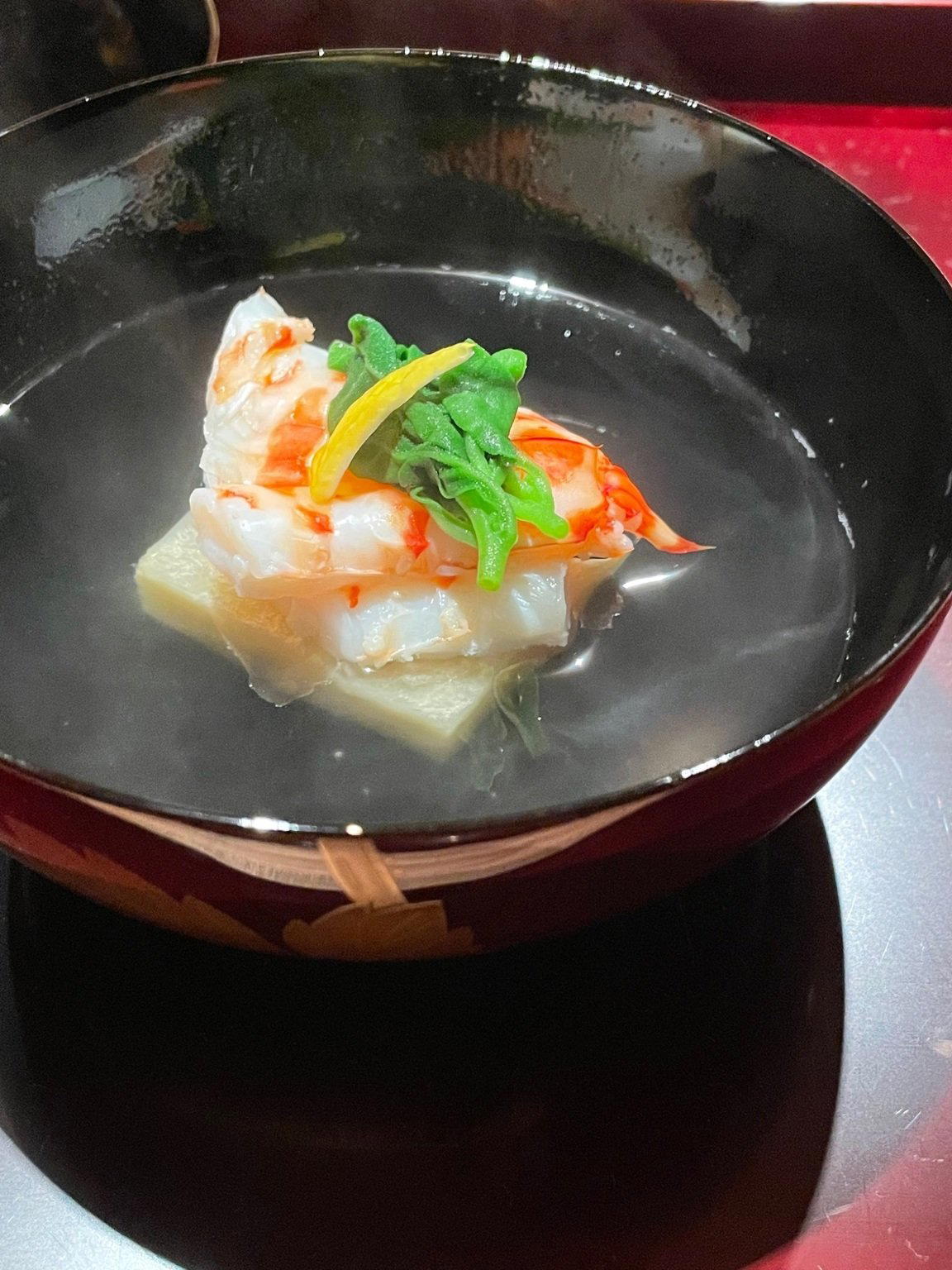
That matters because French dining in Japan is rarely about importing a Paris template wholesale. The stronger rooms translate technique through Japanese procurement: vegetables with clear seasonality, seafood treated with restraint, meat and sauce work calibrated to the pace of a tasting-style dinner, and wine service expected to carry part of the argument. Here, the public signals point in that direction without overexplaining it: French category, wine emphasis, sommelier service, and a counter format that keeps production close to the guest.
A French counter where sourcing has to carry the meal
Nagoya’s dining identity is often discussed through local comfort dishes and corporate entertaining, but its serious restaurant tier has become more varied. The city can support sushi counters, Italian rooms, yakiniku, and French restaurants without forcing them into the same price lane. Against that spread, Chambre d'enfants sits above casual neighborhood French and below the spectacle-driven luxury dining found in larger capitals. Its recognition in Tabelog French EAST “Tabelog 100” 2025 places it in a regional French conversation rather than a purely local one.
The ingredient-sourcing angle is not decoration in a restaurant of this size; it is the operating model. A counter with limited seating gives less room for menu sprawl and more pressure on each course to justify its place. Japanese French cooking at this level tends to succeed when it treats produce, fish, and meat as the structure of the meal, then uses classical technique as grammar. Heavy-handed luxury signals age badly here. Precision, temperature, pacing, and wine alignment matter more than theatrical abundance.
The price tier reinforces the point. Dinner at JPY 15,000–19,999 puts the restaurant in a category where diners expect more than a competent bistro but not the ceremonial overhead of a grand dining room. That middle-upper band is unforgiving: it rewards restaurants that can show procurement discipline and punishes those that rely on imported prestige ingredients without a point of view. The sommelier service is not a minor detail; in a compact French room, wine becomes part of the sourcing conversation, connecting domestic seasonality with Old World technique and broader cellar choices.
Nagoya context: smaller room, narrower brief, sharper expectations
Useful comparison in Nagoya is not only other French restaurants. Osteria Orcadoro occupies a lower dinner band at JPY 8,000–9,999, while Sumibi Yakiniku Takenouchi Honten sits around JPY 5,000–5,999; Don Hyara operates in a much lighter price bracket. Sushi Shimizu and Hanaichi point to the city’s parallel appetite for focused specialist formats. This spread explains the decision facing a visitor: choose a category with ceremony, choose a local staple, or choose a small room where the kitchen’s sourcing and pacing are the entire proposition.
Within that decision, counter French has a specific advantage. It narrows the distance between production and service, which suits restaurants that want to communicate seasonality without long speeches or printed manifestos. It also makes weak sequencing obvious. At this scale, the room cannot hide behind atmosphere, large staffing, or a deep à la carte list. The appeal is concentration: a small number of guests, a controlled dinner window, and a format that asks diners to pay attention.
For travelers mapping a Nagoya food itinerary, this is not the same decision as booking a hotel dining room or chasing a famous regional dish. It belongs to the evening slot reserved for a composed meal, preferably with wine, and with enough time left in the schedule to let the dinner set the pace. The practical constraints are part of the character: reservation-only service, no private rooms, non-smoking policy, credit cards accepted, and no parking. A service charge applies, and the restaurant’s public details list electronic money and QR payments as unavailable.
How to place it in a wider Nagoya itinerary
Nagoya rewards travelers who avoid treating the city as a transit stop between Tokyo and Kyoto. The restaurant scene is less internationally mythologized than those cities, but that can make the choices more revealing. A French counter in Hananoki says something about the city’s current dining confidence: serious but not performative, local enough to depend on repeat diners, and selective enough to gain regional recognition.
Use the rest of the trip to build contrast. For broader planning, start with Our full Nagoya restaurants guide, then pair dinner planning with Our full Nagoya hotels guide, Our full Nagoya bars guide, Our full Nagoya wineries guide, and Our full Nagoya experiences guide. Nearby restaurant research can extend through 1022, 451, Aaron, Alan., and All Day Dining Montmartre.
For readers building a Japan-wide food route, the useful exercise is contrast rather than ranking. Compare Nagoya’s compact French counter culture with -Grilled beef Sukiyaki- KAMAKURA TANUKIAN 鎌倉 たぬき庵 in Kamakura. 鮪と炭火焼き うお炭 秋葉原店 in Tokyo.cafe in Osaka.know in Kumamoto, (Shoku) Vietnam in Kawasaki, and [Curry Senmon Ten] Maruyama Kyoju. in Sapporo. Outside Japan, Jōdo Saké Bar in Los Angeles and Onigiri Time in Pasadena show how Japanese drinking and casual-food formats translate abroad.
Price and Recognition
Comparable options at the same price tier.
| Venue | Cuisine | Price | Notes |
|---|---|---|---|
| Chambre d'enfantsThis venue — the venue you are viewing | Nishi, Modern French fine dining | $$$$ | Not listed |
| MIKUNI NAGOYA | Not listed | $$$$ | Nakamura, Seasonal French fine dining with Japanese ‘japonisé’ influence |
| Chez Kobe | Shōwa, Classic French Fine Dining | $$$$ | Not listed |
| French Ryori Kochuten | Higashi, Traditional French Fine Dining | $$$$ | Not listed |
| ル・レストラン シンジ コガ | Naka, Modern French Fine Dining | $$$$ | Not listed |
| ビストロ ダイア | Shinei, Neo French Bistro | $$$ | Not listed |
Recognition history
Dated appearances from independent guides and award organizations, with the underlying list record or original source where available.
Tabelog 100 #62 · No. 62
Tabelog · Tabelog 100 - French - EAST - 2025
Continue exploring
More in Nagoya
Restaurants in Nagoya
Browse all →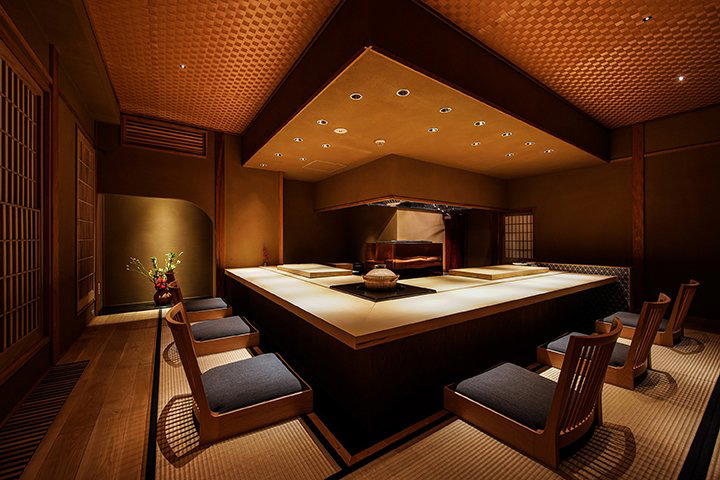
At a Glance
- Intimate
- Elegant
- Cozy
- Romantic
- Date Night
- Special Occasion
- Celebration
- Business Dinner
- Design Destination
- Standalone
- Extensive Wine List
Current opening hours
- Monday
- Closed
- Tuesday
- 6–10 PM
- Wednesday
- 6–10 PM
- Thursday
- 6–10 PM
- Friday
- 6–10 PM
- Saturday
- 6–10 PM
- Sunday
- Closed
Hours can change for holidays and private events. Last verified .
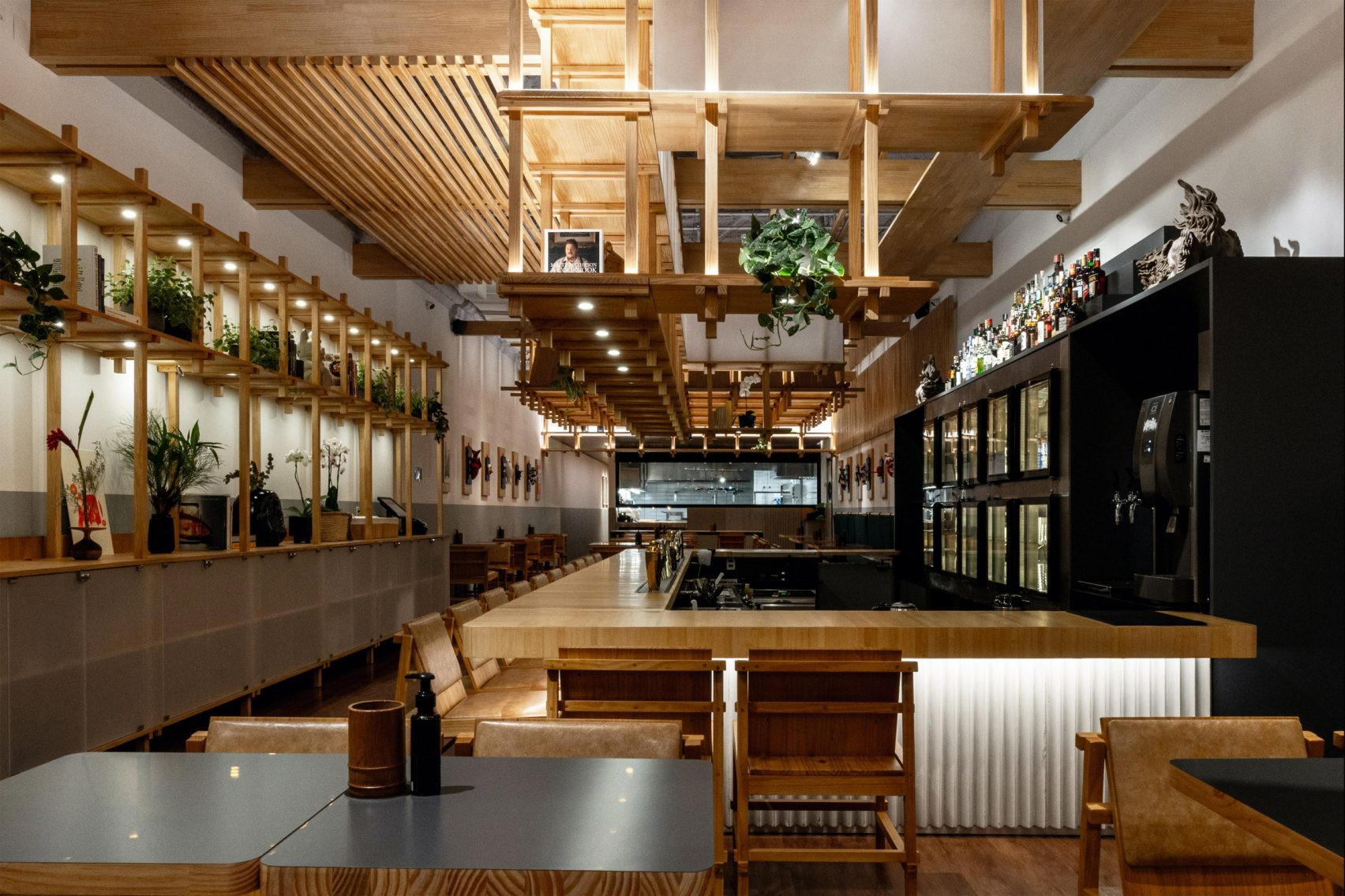
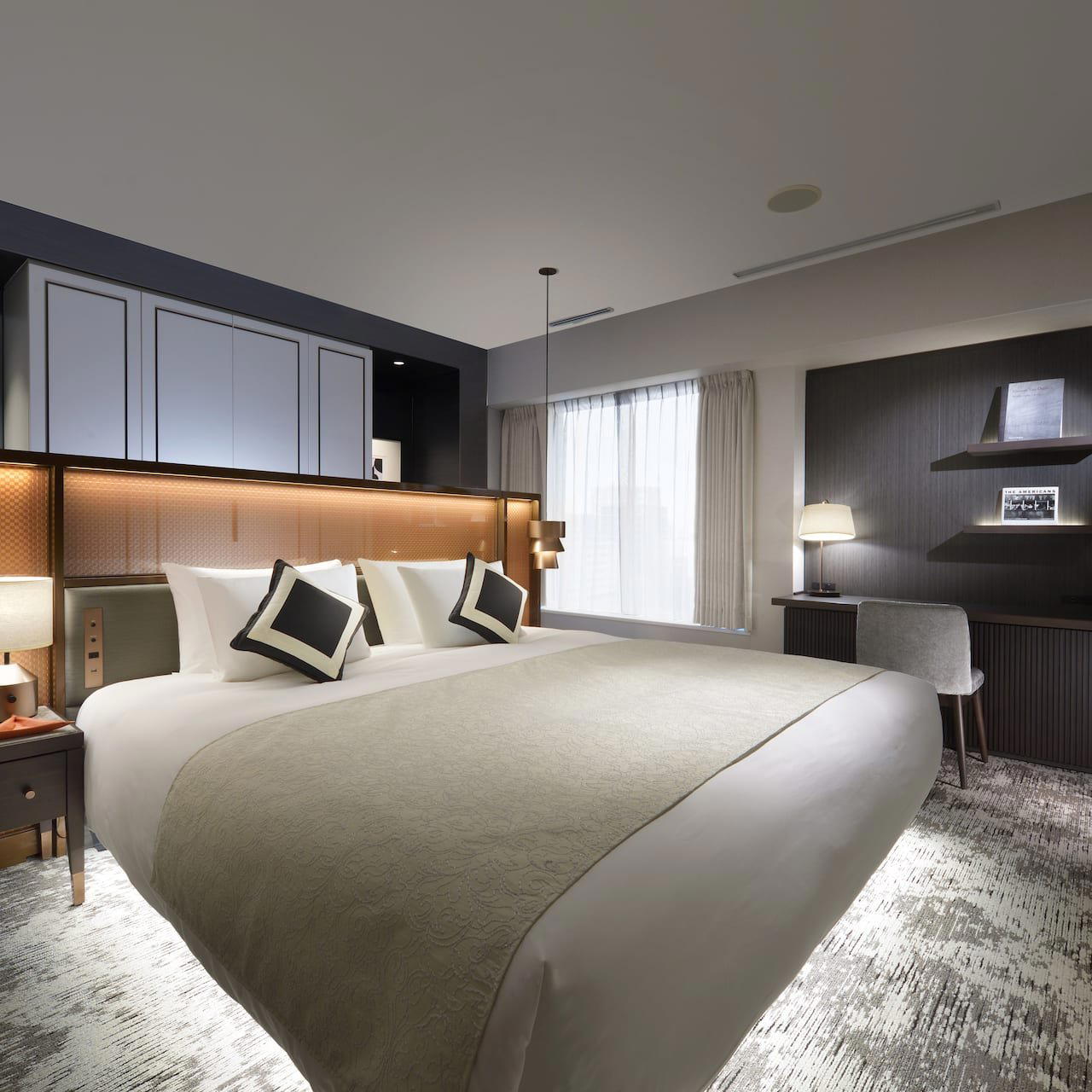
Softly lit, quiet and intimate with a warm, home-like feel; the decor plays on a children’s room theme but the overall atmosphere is elegant and grown‑up, suited to special-occasion dining rather than casual meals.