Essence

Michelin Plate
Our verdict
A Michelin Plate-recognised bistro in Seocho-gu where Chef Kim Yeong-seon steps back from the formality of his previous Restaurant Soleil to serve classical French cooking at a more accessible register. The kitchen prioritises precisely executed sauces and carefully cooked ingredients over novelty, positioning Essence as a counter-argument to Seoul's appetite for fusion and innovation.

Pearl is the En Primeur Club membership app, where members save venues, book tables and use the concierge.
The menu
What to order
- Ris de Veau
- Saint-Jacques
- Mont Blanc
- Duck Terrine
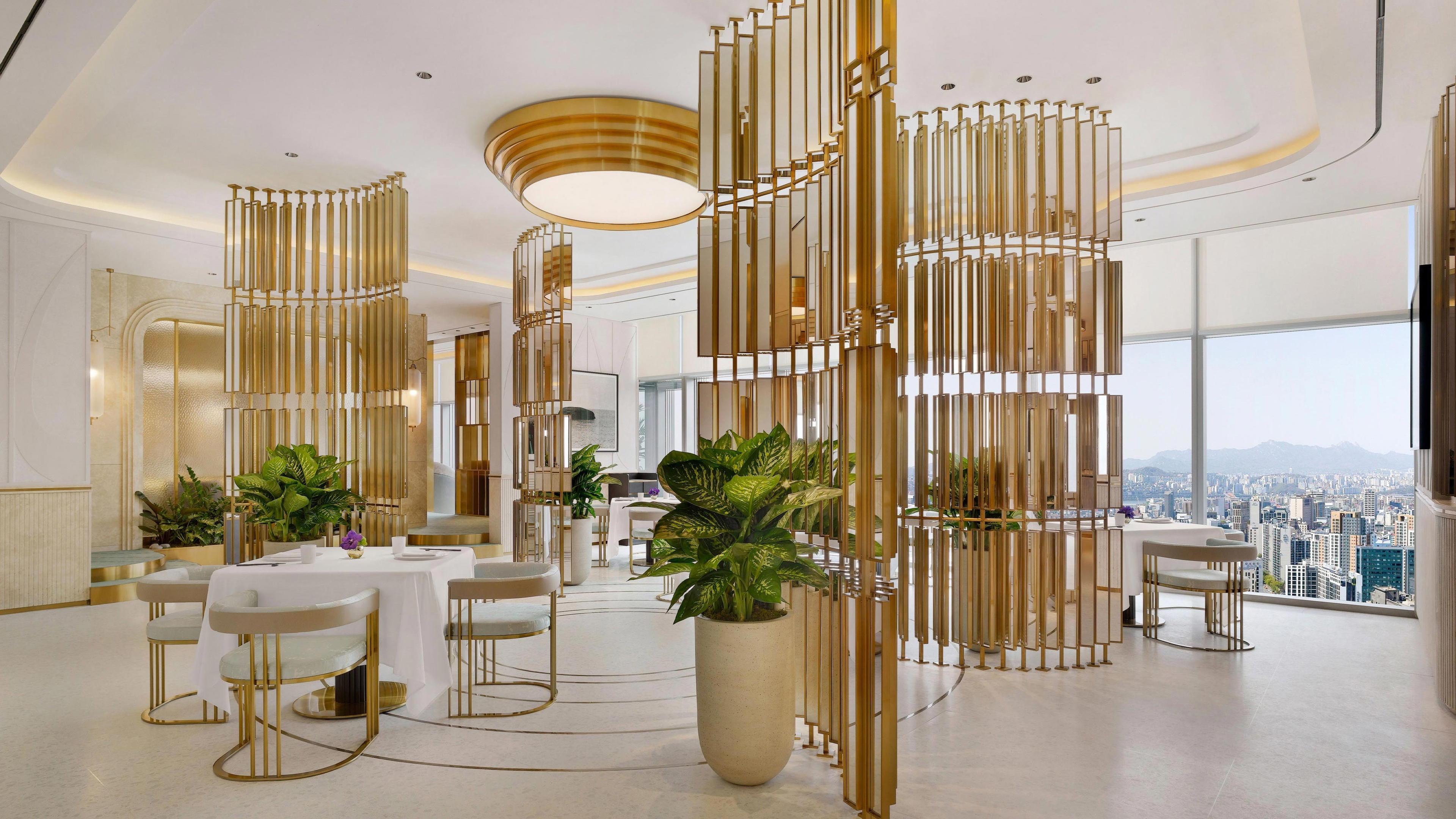
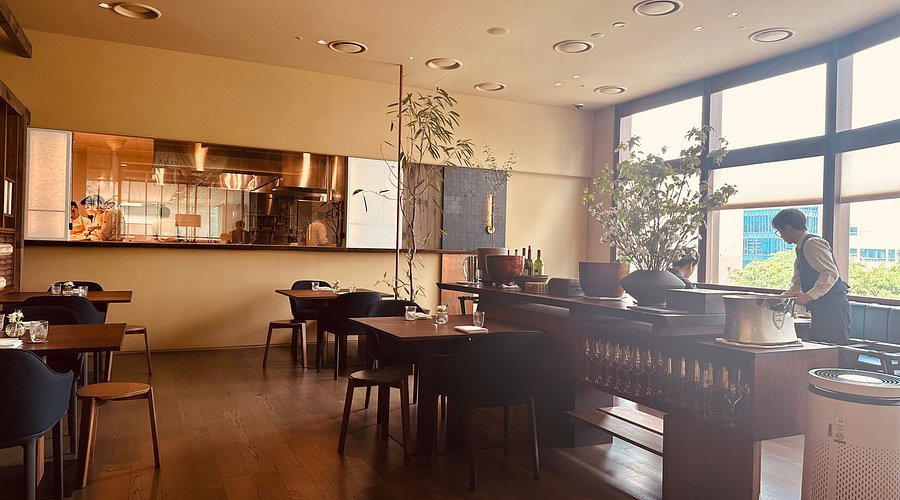
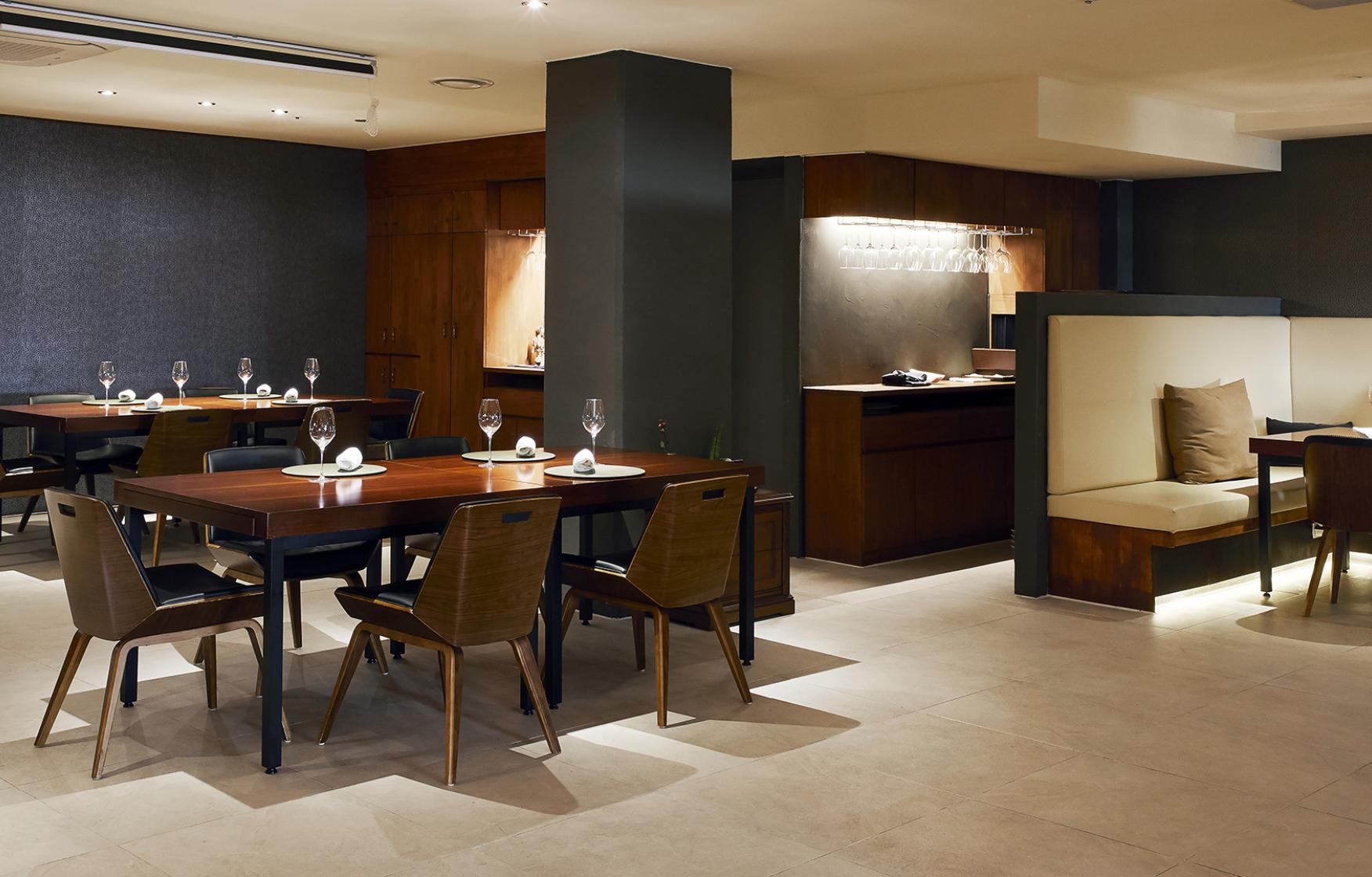
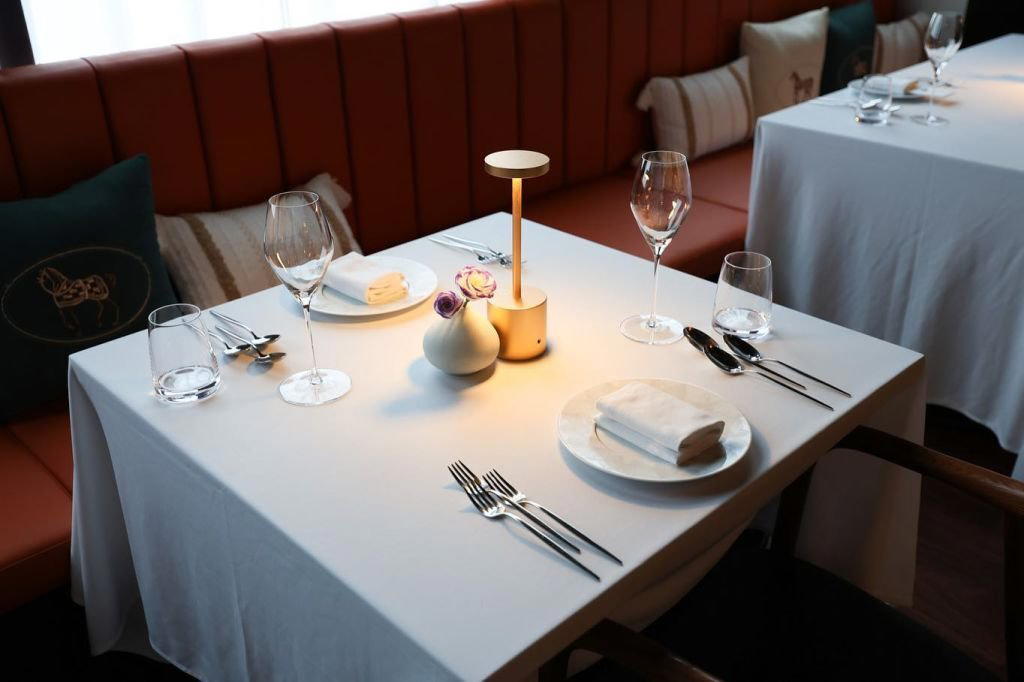
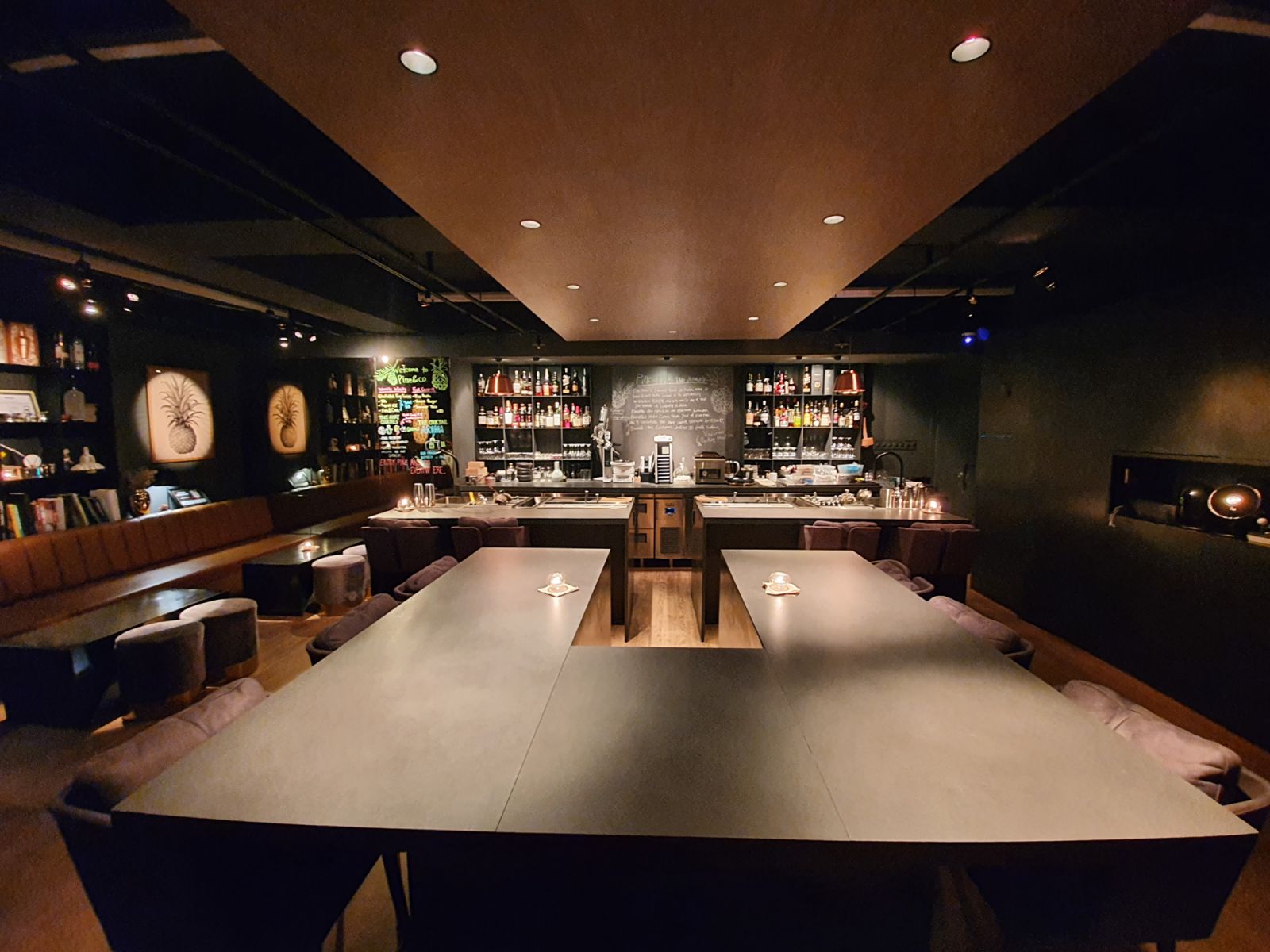
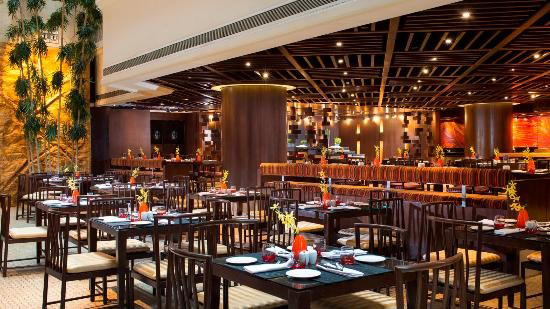
Seocho-gu is not Seoul's most talked-about dining district. Gangnam draws the flashier openings; Jongno holds the heritage restaurants. But Seocho has its own quiet logic: a neighbourhood of long-established professional offices, residential blocks, and restaurants that depend less on foot traffic than on reputation passed between regulars. On a side street off Seocho-daero, Essence fits that pattern exactly. There is no dramatic frontage, no queue management system, no ambient playlist calibrated to make the space feel younger than it is. What you encounter instead is the kind of room that signals its intentions through restraint: close-set tables, light that reads as warm rather than designed, and an atmosphere that belongs to a Paris arrondissement more than to contemporary Seoul dining.
What Classical French Cooking Looks Like in Seoul in 2025
Seoul's French restaurant tier has fragmented considerably over the past decade. At one end, places like L'Amitié hold Michelin stars and operate within a high-formality framework, with prix-fixe structures and wine pairings that pitch the meal as occasion dining. At the other end, bistro formats have multiplied, though many have drifted toward Korean-French hybrids or contemporary menus driven by seasonal novelty. Tutoiement and Au Bouillon occupy different positions in that middle tier. Essence makes a different argument entirely: that classical French bistro cooking, executed without concession to trend, remains a coherent and satisfying proposition. The 2025 Michelin Plate recognition is the guide's signal that the cooking clears a quality threshold worth noting, even without the star tier's formality.
Across Asia, French cooking has often arrived filtered through the lens of fine dining. Les Amis in Singapore and L'Effervescence in Tokyo represent the upper bracket of that tradition, and Hotel de Ville Crissier in Crissier anchors the European reference point for the classical canon. What is rarer, in Seoul particularly, is a kitchen that takes the bistro register seriously as an end in itself rather than as a stepping stone or a deliberate downshift in ambition. Essence operates at the ₩₩ price tier, placing it well below the ₩₩₩ and ₩₩₩₩ brackets where most of Seoul's recognised French kitchens compete.
The Ritual of the Meal
French bistro dining carries its own etiquette, and Essence observes it. The pace of service at a classical bistro is slower than the tasting-menu format that now dominates Seoul's premium dining scene. Courses arrive in a logical sequence rather than as a series of composed moments designed for visual impact. Sauces are the structural grammar of the kitchen here: reductions, fonds, and classic preparations that require time and precision rather than technique borrowed from elsewhere. This is cooking that asks the diner to pay attention to flavour depth rather than to presentation complexity.
That approach runs against the current direction of Seoul's most-discussed restaurants. The ₩₩₩₩ tier Korean and contemporary venues, including Onjium, Eatanic Garden, and 7th Door, build their menus around the articulation of Korean identity through contemporary technique or the interrogation of local ingredients through an international framework. Zero Complex works explicitly at the Korean-French fusion point. Essence does not compete in any of those registers. It is a French restaurant in the classical sense: one where the cuisine's internal logic, rather than its dialogue with Korean cooking, is the organising principle.
For a diner accustomed to the formal omakase or tasting-menu pacing that defines much of Seoul's high-end dining, an evening at a bistro like Essence requires a different kind of attention. The meal is not structured as a revelation sequence. It is structured as dinner: aperitif, starter, main, and the kind of sauce-led cooking that rewards appetite rather than restraint.
Where Essence Sits in the Seoul French Tier
Chef Kim Yeong-seon's previous restaurant, Restaurant Soleil, operated in a more formal register. The move to Essence represents a deliberate choice about which part of the French tradition to carry forward: not the tablecloth formality, but the core technical discipline around heat, time, and sauce. That discipline is visible in the Michelin Plate recognition, which the 2025 guide frames explicitly around deep flavours achieved through precise cooking rather than through contemporary novelty.
At the ₩₩ price point, Essence sits in a different competitive frame from the starred French venues. Bistrot de Yountville occupies a comparable bistro-register position. The question for a diner choosing between Seoul's French options is what they want the meal to do. If the answer is to eat classical French food cooked with care and served without ceremony, Essence is the more direct route.
Seoul's broader dining scene, which you can map through our full Seoul restaurants guide, has moved consistently toward the contemporary and the hybrid over the past five years. Venues like Gaon and Kwon Sook Soo have built their reputations on the articulation of Korean culinary identity at a high level. KANG MINCHUL represents another strand of the Seoul premium scene. Against all of that activity, a kitchen that simply commits to classical French cooking without qualification is genuinely countercultural, even if it does not present itself that way.
Planning Your Visit
Essence is located at 1451-86 Seocho-dong in the Seocho District, reachable from Seocho station on Line 2 within a short walk. The ₩₩ price tier makes it one of the more accessible Michelin-recognised French options in the city, and the bistro format means the meal does not require the advance planning that Seoul's tasting-menu restaurants typically demand. If you are building a broader Seoul itinerary, the Seoul hotels guide, bars guide, and experiences guide provide context across categories. For those extending travel beyond Seoul, Mori in Busan and Baegyangsa Temple in Jangseong-gun offer contrasting reference points for Korean dining at different registers, while The Flying Hog in Seogwipo covers Jeju. The Seoul wineries guide rounds out the picture for those interested in the city's wine scene alongside their dining.
What Should I Eat at Essence?
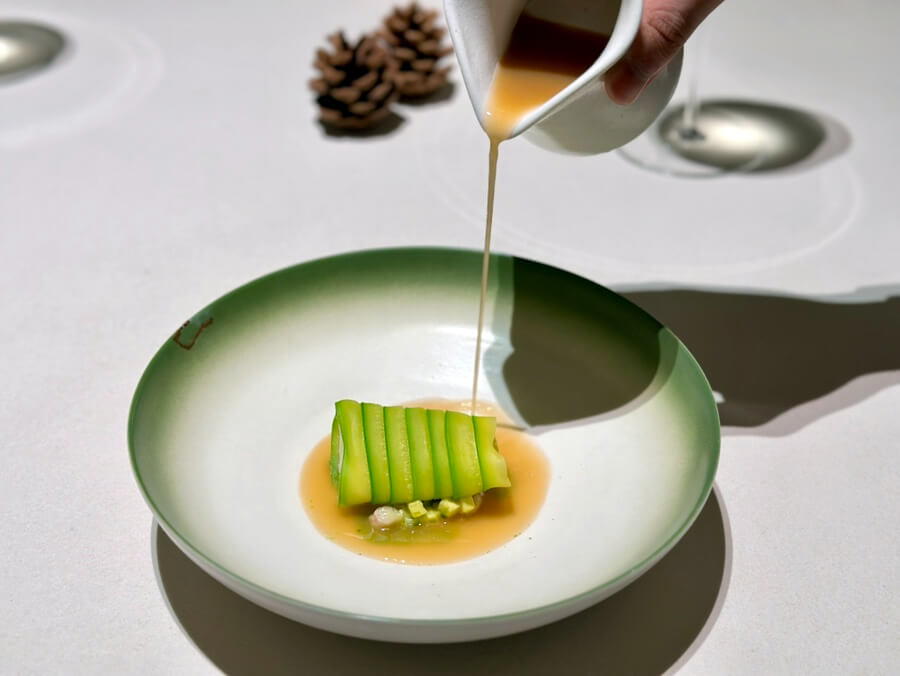
The menu at Essence is built around the classical French bistro repertoire, with sauce-led preparations and precisely cooked ingredients as the kitchen's primary focus. The Michelin Plate citation points specifically to deep flavours achieved through careful cooking technique rather than through novelty or fusion. No specific dishes are confirmed in available data, but the kitchen's orientation is clear: this is a restaurant where the main courses and their accompanying sauces carry the weight of the meal, rather than a procession of small composed plates. The bistro format means the menu is likely shorter and more direct than what Seoul's tasting-menu French restaurants offer, reflecting Chef Kim Yeong-seon's deliberate shift toward accessibility and authenticity over formal occasion dining.
Frequently asked questions
What kind of recognition has Essence received?
Essence has received recognition including: Michelin Plate (2025); After a series of twists and turns, Chef Kim Yeong-seon wrapped up his famed career as a classic French chef at Restaurant Soleil and opened Essence to offer his very own version of French cuisine. Here, the chef prov….
Where do I go for Essence?
Essence is located at 1451-86 Seocho-dong, Seocho District, Seoul, South Korea, Seoul.
What should I eat at Essence?
The kitchen at Essence is built around sauce-led preparations and precisely cooked ingredients, the structural pillars of classical French bistro cooking. Michelin inspectors specifically noted the chef's commitment to deep flavors achieved through careful baking, cooking technique, and house-crafted sauces. The menu is lighter and more accessible than the formal French register Chef Kim Yeong-seon maintained at Restaurant Soleil, so the focus sits on well-executed bistro staples rather than elaborate tasting-course architecture. Order with the sauces in mind: they are the point.
What does dinner at Essence typically cost?
Pricing at Essence is listed as ₩₩.
Peers in This Market
Comparable options at a glance, pulled from our tracked venues.
| Venue | Cuisine | Price | Awards | Notes |
|---|---|---|---|---|
| EssenceThis venue (the venue you are viewing) | French Bistro | Not listed | Michelin Plate | Not listed |
| 7th Door | Modern Korean Fermentation Fine Dining | $100–150 | 1 Michelin Star · World's 50 Best #49 | Korean, Contemporary |
| Solbam | Contemporary Neo-Classical Korean | $200–300 | 1 Michelin Star · World's 50 Best #55 | Contemporary |
| Onjium | Modern Korean Royal Court Cuisine | Not listed | 1 Michelin Star · World's 50 Best #41 | Korean |
| L'Amitié | Classic French Fine Dining | $100–150 | 1 Michelin Star · La Liste Top Restaurants | French |
| Zero Complex | Modern French Neo-Bistro | $100–150 | 1 Michelin Star · La Liste Top Restaurants | Korean-French, Innovative |
Recognition history
Dated appearances from independent guides and award organizations, with the underlying list record or original source where available.
Michelin Plate
Michelin
Full recognition history (2 entries)
Michelin Plate
Michelin