On Cumberland Street in the heart of Yorkville, Chabrol occupies the kind of address where French bistro tradition meets Toronto's appetite for precise, ingredient-led cooking. The room rewards those who come without a rush, lingering over the wine list is part of the point. It sits in a mid-to-upper tier of Toronto's French-influenced dining scene, distinct from the city's tasting-menu circuit but no less considered in its ambitions.
- Address
- 156 Cumberland St, Toronto, ON M5R 1A8, Canada
- Phone
- +1 416 428 6641
- Website
- chabrolrestaurant.com
- Directions
- Get directions
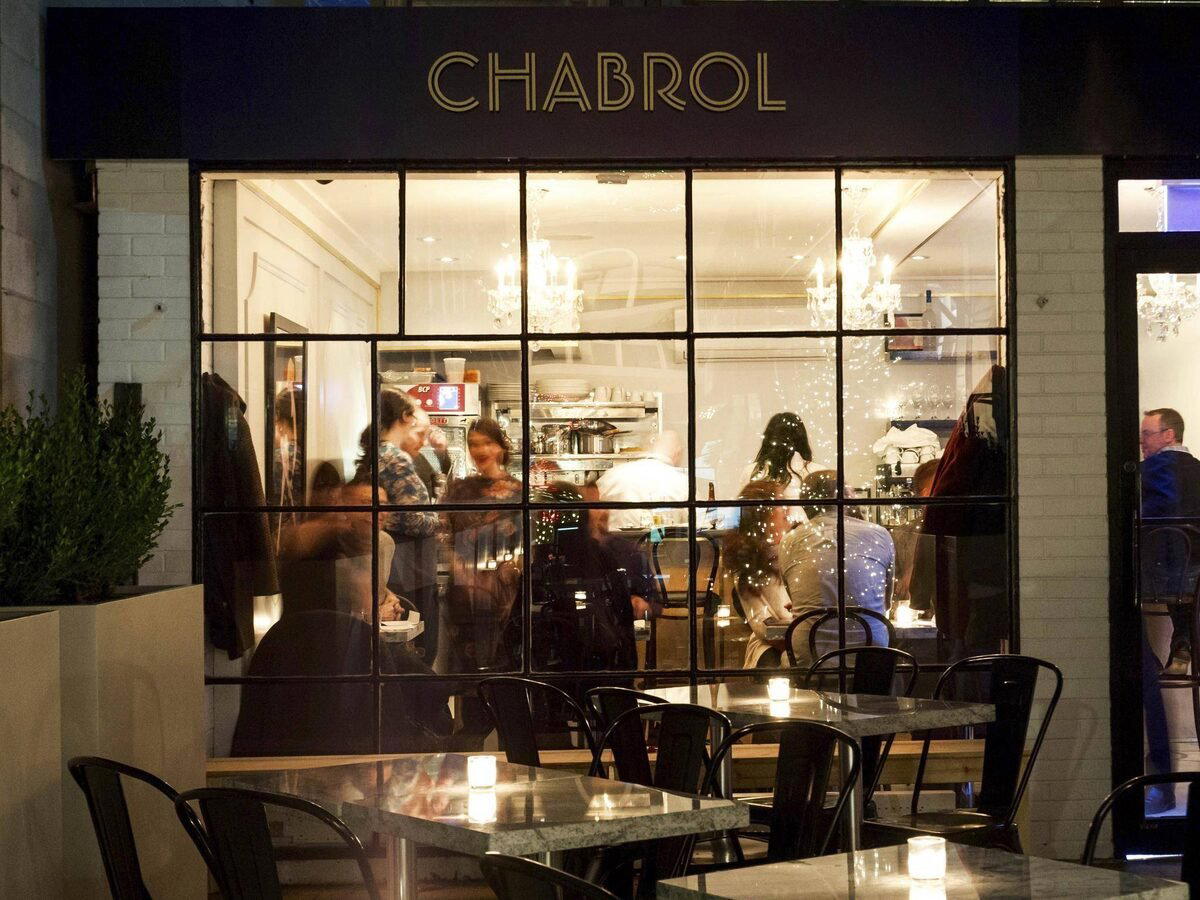
A French Register on Cumberland Street
Yorkville has always held a particular tension in Toronto's dining fabric: boutique hotels, gallery-adjacent foot traffic, and a clientele that expects a certain calibre without necessarily wanting ceremony. Cumberland Street, where Chabrol occupies number 156, sits near the quieter residential edge of that neighbourhood, a few blocks from the Bloor Street retail corridor but removed enough to feel considered rather than convenient. The approach, past low-rise townhouses and the kind of tree-lined pavement that feels more Montreal than downtown Toronto, already signals that whatever is inside is not aimed at the pre-theatre crowd.
The name Chabrol is a reference worth pausing on. Claude Chabrol was the French New Wave director whose films were preoccupied with bourgeois tension, surfaces that concealed depth, and a dry, unsentimental intelligence. For a French-inflected Toronto restaurant to carry that name is, at minimum, a declaration of sensibility. It positions the room before a single plate arrives: this is not a brasserie in the tourist sense, not a patio bistro with a chalkboard menu and a romanticised Parisian affect. The register is quieter and more deliberate than that.
Where It Sits in Toronto's French Dining Tier
Toronto's French-influenced dining has never been a monolith. At the summit of the price tier, tasting-menu rooms like Alo operate with a French-contemporary framework at the $$$$ bracket, booking windows that stretch months ahead, and Michelin recognition as of the Guide's Toronto debut. Below that, a cluster of more casual European rooms competes on wine programs, room atmosphere, and cooking that prioritises technique over spectacle. Chabrol's address and positioning place it in that second tier, the kind of room where the French bistro tradition functions not as nostalgia but as a working vocabulary for what hospitality should feel like.
That distinction matters in a city where the French bistro category has historically been underserved relative to the Japanese end of the premium spectrum. Sushi Masaki Saito and Aburi Hana represent the city's strongest showing in Japanese fine dining, both operating at the $$$$ tier with allocation-style access. Italian fine dining has its own anchor points in DaNico and Don Alfonso 1890. The French register, by contrast, has fewer addresses that hold the line between approachable and serious, and that gap is precisely where Chabrol operates.
The Atmosphere as Argument
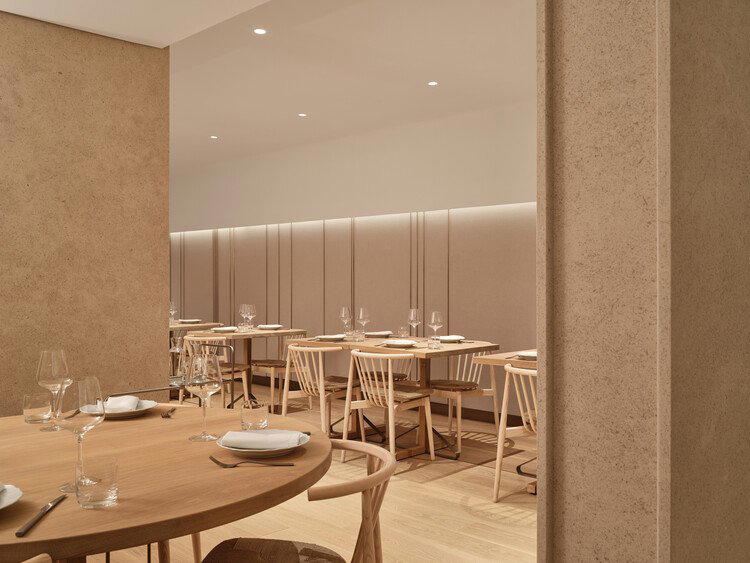
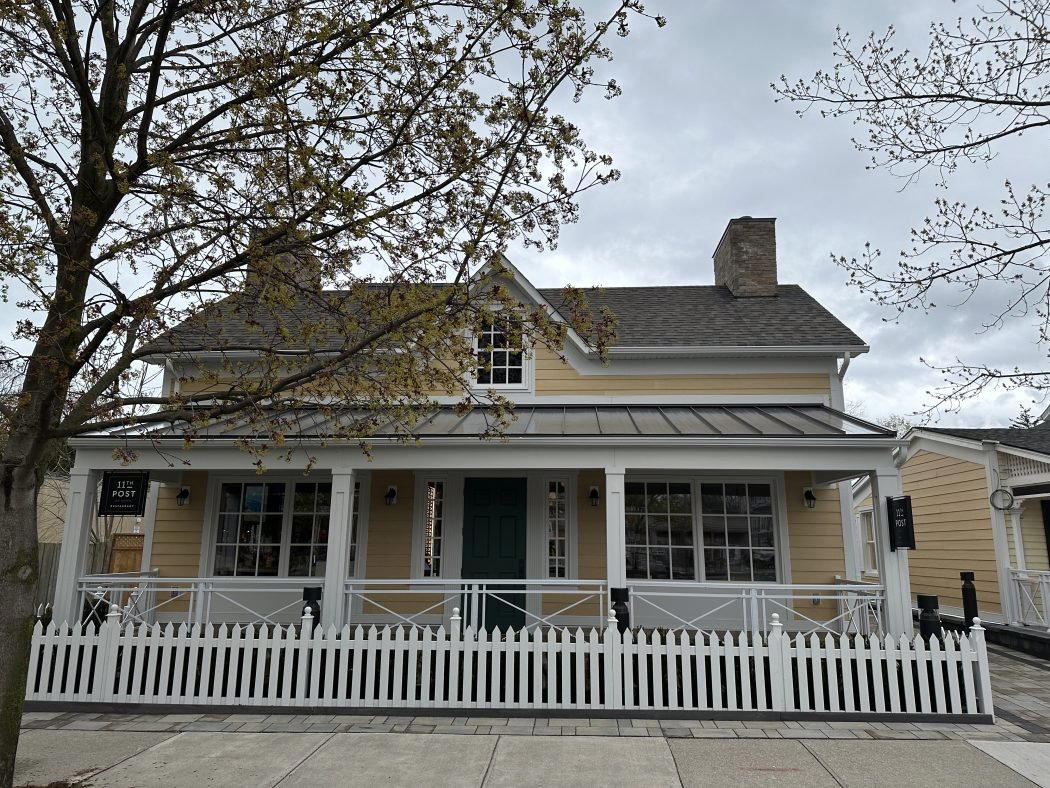
French bistro rooms in North America tend to fail in one of two directions: they either over-signify Frenchness through zinc bars and reproduction Belle Époque posters, or they strip the tradition entirely and serve Continental food in a generic contemporary shell. At Chabrol, the Cumberland Street address, a townhouse-scale building rather than a converted warehouse, keeps the proportions human. The dining room operates at a scale where conversation carries and where the ambient noise lands in the register that signals occupation rather than overcrowding.
That kind of sonic calibration is not accidental in well-run French rooms. The French bistro tradition, at its functional leading, is engineered for duration: meals that extend through multiple courses and a bottle, where the room supports rather than competes with the table. Whether Chabrol achieves this on any given evening depends on service pacing and the composition of the room, variables that no pre-visit account can guarantee, but the physical conditions of the address support the ambition.
What to Order and What to Expect
What the French bistro tradition at this tier reliably delivers, and what any room bearing this kind of name should be held to, is cooking where technique is legible in the result rather than announced in the description. Classic preparations that show knife work, sauce reduction, and sourcing discipline tend to be the litmus test: how a kitchen handles duck, whether it respects the acidity of a dressing, what it does with offal if it appears at all.
The wine list at a room like this carries as much weight as the food. Chabrol's French register implies a program that takes Burgundy and the Loire seriously, the two regions that most directly inform the cuisine type, alongside natural and low-intervention producers that have become standard in this tier of European-inflected Toronto dining. Booking in advance is advisable for weekend sittings; Yorkville rooms at this price point and profile tend to fill Thursday through Saturday, particularly for tables of four or more.
For broader context on where Chabrol sits within Canada's French-influenced fine dining scene, it is worth noting that Jérôme Ferrer - Europea in Montreal and the more terroir-focused approach of Tanière³ in Quebec City. Within Ontario, the farm-to-table current runs through rooms like Eigensinn Farm in Singhampton and Restaurant Pearl Morissette in Lincoln, both of which approach ingredient sourcing with a rigour that informs the expectations of Toronto diners who move between the city and those destinations. Chabrol operates within that broader sensibility, even if its register is more explicitly urban and bistro-scaled.
Those travelling across Canada may also find useful comparisons in AnnaLena in Vancouver or the atmospheric specificity of Fogo Island Inn Dining Room in Joe Batt's Arm, rooms that, like Chabrol, define themselves as much by place and register as by cuisine category. Closer to Toronto's own French-adjacent dining circuit, The Pine in Creemore represents what happens when European technique relocates to a small-town Ontario context. Narval in Rimouski, Busters Barbeque in Kenora, and Cafe Brio in Victoria each represent different corners of Canadian dining worth knowing. Internationally, the French-seafood standard set by Le Bernardin in New York City and the communal-tasting format of Lazy Bear in San Francisco offer calibration points for what European-influenced fine dining achieves at its most resolved.
Planning a Visit
Chabrol is located at 156 Cumberland Street, Toronto, within comfortable walking distance of the Bay and Bloor subway station. The Yorkville address means parking options are limited and expensive; arrival by transit or rideshare is the practical choice. For booking, contacting the restaurant directly is the standard approach for rooms at this scale; OpenTable and Resy both serve Toronto's mid-to-upper dining tier and either may apply here. Weekend evenings in Yorkville compress quickly, particularly in autumn when the neighbourhood's restaurant traffic peaks alongside cultural programming at the nearby Royal Ontario Museum and the TIFF-adjacent hospitality circuit in September.
Same-City Peers
Comparable venues nearby, for context on price, style, and recognition.
| Venue | Cuisine | Price | Notes |
|---|---|---|---|
| ChabrolThis venue — the venue you are viewing | Southern French Bistro | $$$ | Not listed |
| Pompette | Modern French Bistro | $$$ | Little Italy |
| Batifole | Authentic French Bistro | $$$ | Riverdale |
| Chantecler Boucherie | French Bistro | $$$ | Parkdale |
| Maison Selby | French Bistro with Modern Accent | $$$ | St James Town |
| The Rushton | French Bistro with Mediterranean Influences | $$$ | Humewood |
Continue exploring
More in Toronto
Restaurants in Toronto
Browse all →
Bars in Toronto
Browse all →
Hotels in Toronto
Browse all →

At a Glance
- Intimate
- Cozy
- Elegant
- Sophisticated
- Date Night
- Special Occasion
- Courtyard
- Sustainable Seafood
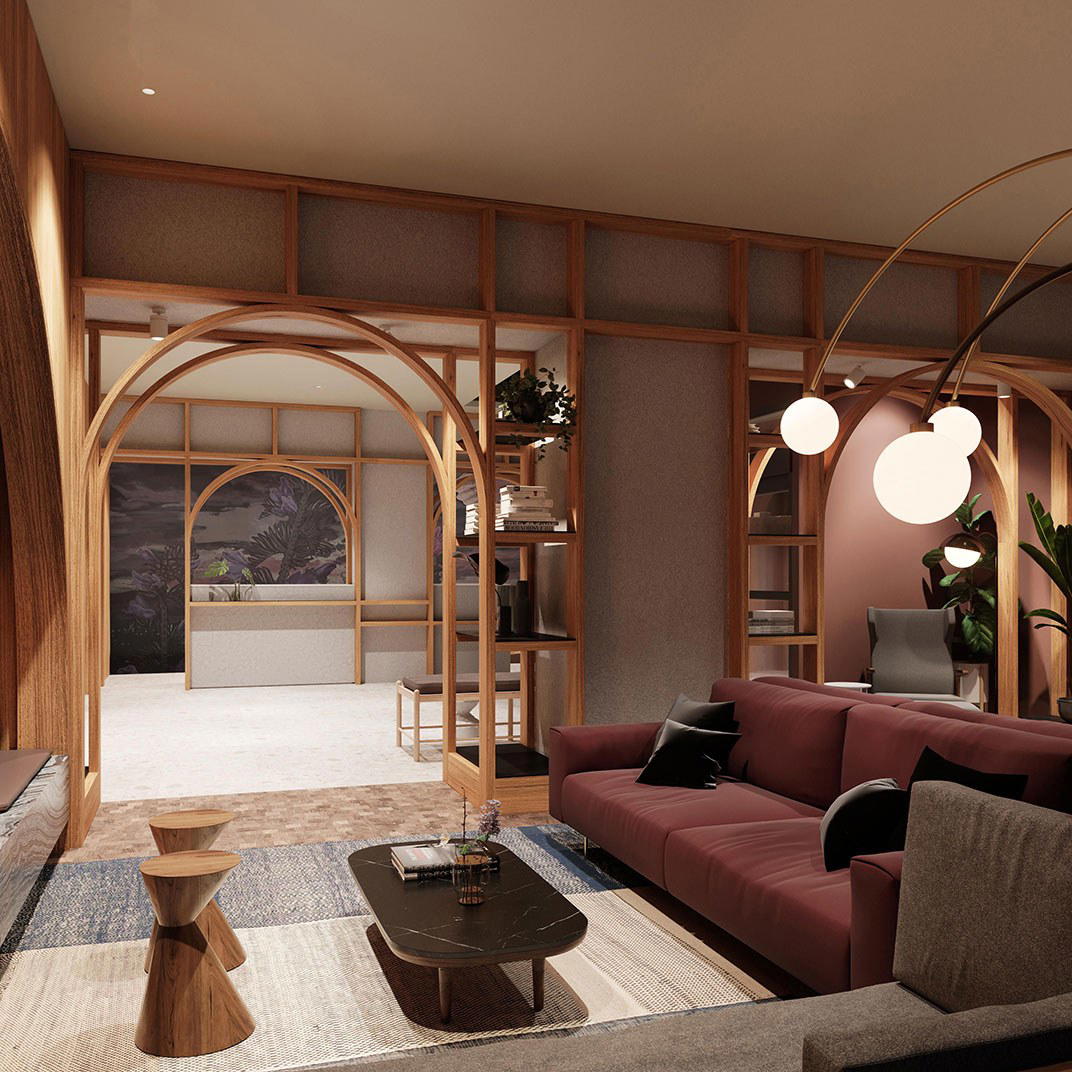
Cozy jewel box space with natural light from bright windows, crystal chandeliers, and a sophisticated yet casual French café atmosphere.