
Suehiro Zushi belongs to Shimizu’s fish-first sushi tradition, where proximity to Suruga Bay matters more than theatrical luxury. Its Tabelog Sushi EAST 100 selection in 2025 and 2021, 3.85 score, counter seating, private rooms, and take-out service place it in a practical but serious tier for Shizuoka sushi rather than a Ginza-style performance format.
Pearl is the En Primeur Club membership app — saves, bookings, and concierge access live there. Same editors, same standards.
- Address
- 2 Chome-5-28 Ejirihigashi, Shimizu Ward, Shizuoka, 424-0815, Japan
- Phone
- +81 54-366-6083
- Website
- tabelog.com
 Saves & bookings on Pearl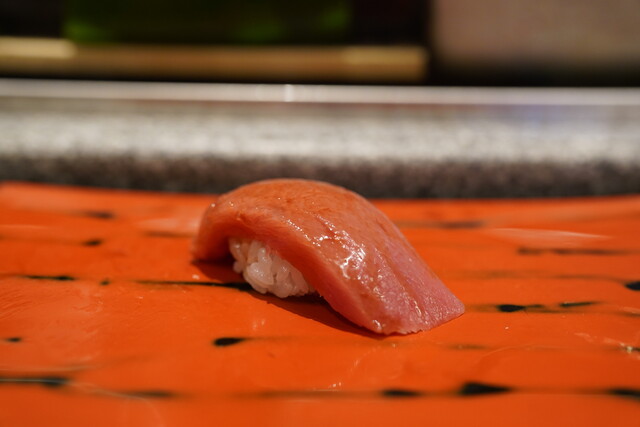
Shimizu sushi begins before the counter: station streets, port traffic, and the plain fact that Suruga Bay is one of Japan’s serious seafood larders. The appeal here is not Tokyo-style scarcity theatre. It is access, freshness, and the confidence of a city that does not need to explain why fish matters. Suehiro Zushi fits that Shimizu grammar: a sushi restaurant with counter seats, table seating, and tatami-room capacity, recognized in Tabelog’s Sushi EAST 100 in both 2021 and 2025, and carrying a 3.85 Tabelog score. Those signals put it above a casual neighborhood stop, but the format remains grounded in the rhythms of a working port city.
Shimizu sushi is built around fish access, not performance
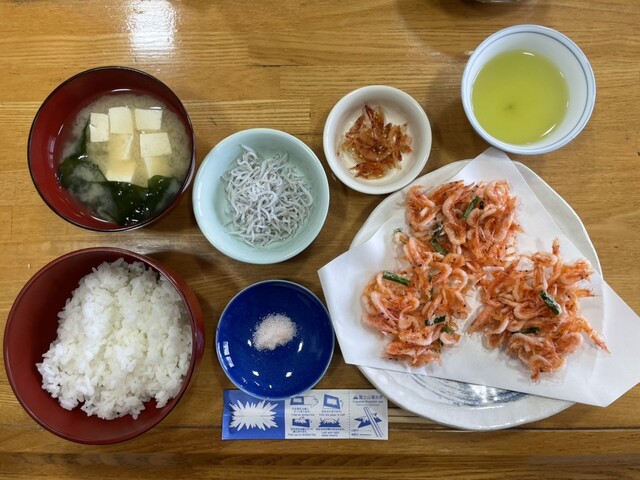
Shizuoka’s sushi culture sits in a different lane from the capital’s high-pressure omakase counters. Tokyo often rewards microscopic ceremony: limited seats, chef lineage, and a price structure that can make the meal feel like a financial decision before it becomes a culinary one. Shimizu’s argument is more direct. Suruga Bay, tuna routes, sakura ebi associations, and the port economy shape expectations around fish quality. A sushi counter here is judged less by spectacle than by procurement, handling, and whether the meal feels connected to place.
That is why the restaurant’s Tabelog Sushi EAST 100 recognition matters. The list is not a Michelin star, and it should not be read as one. It does, however, place Suehiro Zushi inside a regional group of sushi addresses that Japanese diners have enough confidence in to separate from the broader field. In Shizuoka, where serious eating can range from eel to kaiseki to Chinese tasting menus, that distinction gives the restaurant a clear role: a fish-led sushi address with enough credibility for a planned meal, without requiring the traveller to treat it like a rarefied Tokyo reservation.
The city’s broader dining map reinforces that point. Eel specialists such as Unagi Shun show how Shizuoka’s food identity often begins with product and repetition rather than chef theatrics. Higher-spend meals, including Chinese Muramatsu, occupy a different tier, while lower-priced local fixtures such as Suien Dosai Honten and Ooyakiimo point to the city’s range outside formal dining. For a wider read on where sushi, eel, kaiseki, and regional cooking sit together, Our full Shizuoka restaurants guide is the more useful frame than treating any single counter as the whole story.
The room tells you this is Shizuoka hospitality, not a closed counter club
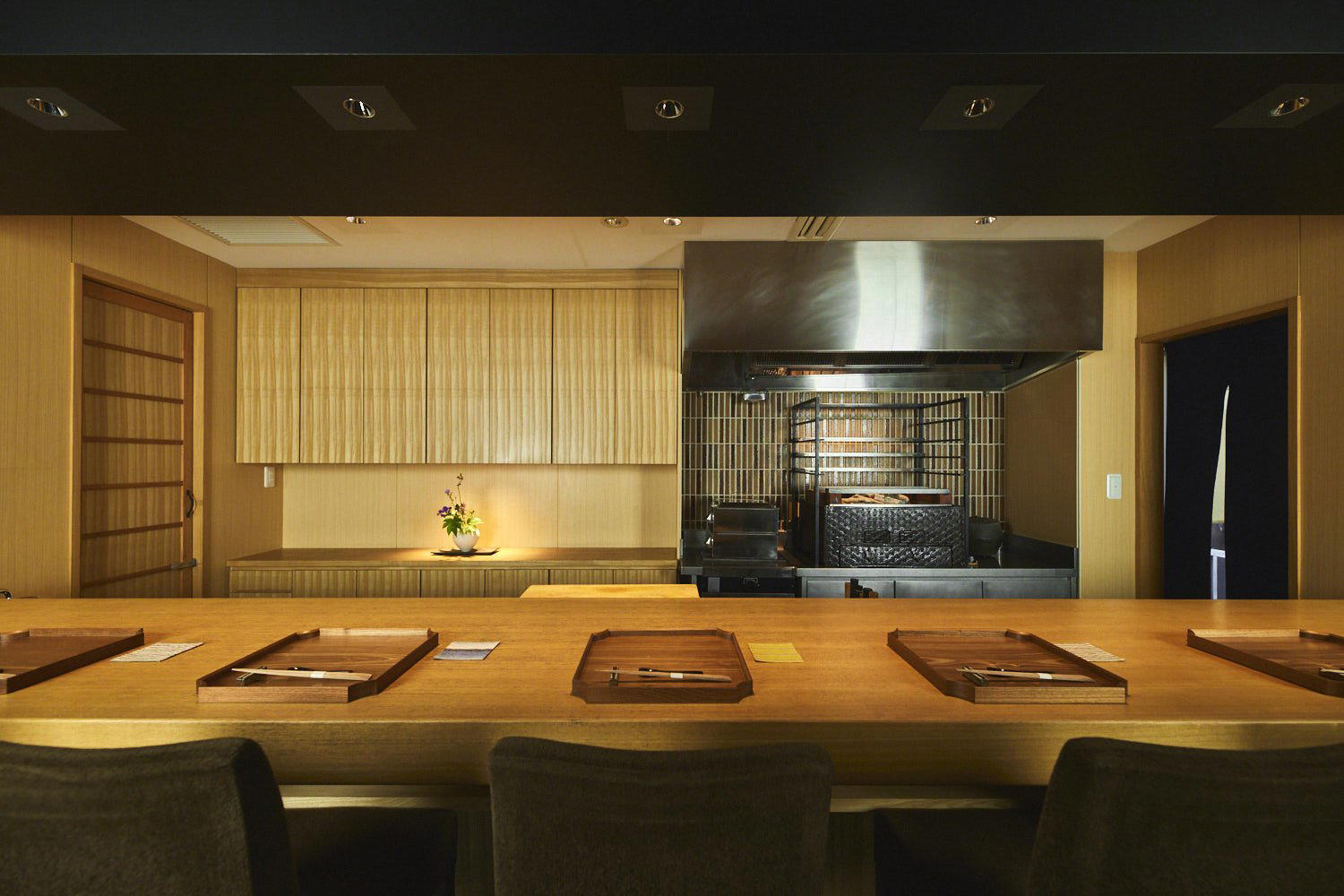
The physical format matters. An 83-seat sushi restaurant with 11 counter seats, 12 table seats, and a 60-seat tatami room belongs to a different social category than the eight-seat omakase temples that dominate international sushi chatter. Counter seating still gives the meal focus, but the presence of private rooms for small and mid-size groups, non-smoking policy, children-welcome stance, parking, and take-out service make the address legible to local families and business diners as well as visitors.
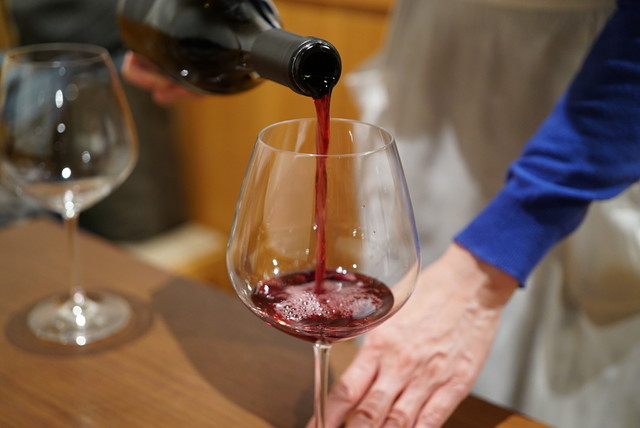
That breadth is not a weakness. In many regional Japanese cities, serious restaurants are not always austere. They function as family celebration rooms, business lunch rooms, and repeat-diner counters at once. Suehiro Zushi’s structure reflects that pattern. The counter is the sharper choice for travellers who want the sushi-house rhythm, but the tatami and private-room capacity explain why the restaurant reads locally as more than a narrow connoisseur’s address. Drinks also follow the expected range for a sushi room, with sake, shochu, and wine listed, enough to support the meal without turning the cellar into the headline.
Shizuoka rewards that kind of practicality. A visitor building a short food itinerary could pair sushi in Shimizu with kaiseki at Asaba (Kaiseki), a different local register at Aozora, or a more casual city meal at Blue Label or Chabo. The point is not to chase a single trophy table. It is to understand how Shizuoka eating works across fish, eel, old inns, everyday counters, and specialist rooms.
How to place it in a Shizuoka itinerary
The restaurant is strongest as a Shimizu-focused sushi meal, especially for diners who care about ingredient sourcing and regional context more than a choreographed luxury script. The restaurant’s recognition in Tabelog’s Sushi EAST 100 gives it an external trust signal, while its room configuration keeps it accessible for mixed groups. For a traveller, that combination is useful: credible enough to anchor a meal, flexible enough not to consume an entire itinerary.
Shizuoka also benefits from being planned as a full destination rather than a single lunch detour. Hotels, bars, wineries, and local experiences change the pace of a food trip, particularly if the route includes port-side eating, onsen towns, or tea-country excursions. Use Our full Shizuoka hotels guide, Our full Shizuoka bars guide, Our full Shizuoka wineries guide, and Our full Shizuoka experiences guide to build the rest of the trip around the meal rather than tacking the meal onto transit time.
For readers comparing regional Japanese dining beyond Shizuoka, the same ingredient-led lens travels well. Beef-led formats such as -Grilled beef Sukiyaki- KAMAKURA TANUKIAN 鎌倉 たぬき庵 in Kamakura, tuna and charcoal cooking at. 鮪と炭火焼き うお炭 秋葉原店 in Tokyo, cafe culture at.cafe in Osaka, and local-format dining at.know in Kumamoto each show how place and product shape the table differently. The comparison is not about ranking cities. It is about reading what a restaurant’s format reveals about its market.
That same thinking extends outside Japan: (Shoku) Vietnam in Kawasaki points to diaspora cooking inside a Japanese city, [Curry Senmon Ten] Maruyama Kyoju. in Sapporo shows the discipline of a narrow specialty, and Los Angeles-area addresses such as Jōdo Saké Bar in Los Angeles and Onigiri Time in Pasadena translate Japanese drinking and rice formats into another dining culture. Against that wider field, the restaurant’s value is clear: it offers Shimizu sushi in a room built for local use, backed by repeat Tabelog Sushi EAST 100 recognition, with fish as the organizing principle rather than decoration.
Comparable Spots, Quickly
Comparable venues by cuisine and price in the same metro.
| Venue | Cuisine | Price | Notes |
|---|---|---|---|
| Suehiro ZushiThis venue — the venue you are viewing | Traditional Shimizu Sushi with Hagashi Tuna | $$$ | Not listed |
| Chabo | Traditional Yakitori | $$$ | Aoi Ward |
| カワサキ | French Gastronomy with Game & Seasonal Vegetables | $$$ | Aoi-ku |
| Oomura | Shizuoka chicken wings & oden izakaya | $$ | Aoi-ku |
| Seki Beya | Traditional Japanese wagashi & Abekawa mochi | $ | Aoi-ku |
| Ichi Unagi | Traditional Japanese Unagi | $$$ | Ito |
Recognition history
Dated appearances from independent guides and award organizations, with the underlying list record or original source where available.
Tabelog 100 #72 · No. 72
Tabelog · Tabelog 100 - Sushi - EAST - 2025
Continue exploring
More in Shizuoka
Restaurants in Shizuoka
Browse all →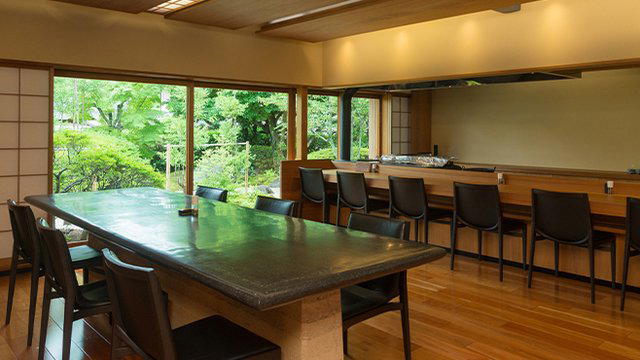
Hotels in Shizuoka
Browse all →
Wineries in Shizuoka
Browse all →
At a Glance
- Classic
- Lively
- Cozy
- Well Known
- Business Dinner
- Family
- Group Dining
- Special Occasion
- Solo
- Chefs Counter
- Private Dining
- Standalone
- Sake Program
- Local Sourcing
- Sustainable Seafood
Current opening hours
- Monday
- 11:30 AM–9:30 PM
- Tuesday
- 11:30 AM–9:30 PM
- Wednesday
- Closed
- Thursday
- 11:30 AM–9:30 PM
- Friday
- 11:30 AM–9:30 PM
- Saturday
- 11:30 AM–9:30 PM
- Sunday
- 11:30 AM–9:30 PM
Hours can change for holidays and private events. Last verified .
Traditional, spacious sushi house with counter seats and large tatami rooms, offering a relaxed but energetic atmosphere suited to both families and business diners rather than an intimate omakase bar vibe.