
Michelin Plate
Our verdict
A Michelin Plate-recognised bistrot in Pompei that pairs Campanian cooking with a museum setting, CENERE sits in the mid-price tier (€€) alongside peers like Cosmo and Il Principe. It brings regional ingredient traditions to a town better known for ancient ruins than serious dining. The dual identity, part exhibition space, part kitchen, makes it a reference point for the town's emerging restaurant scene.

Pearl is the En Primeur Club membership app, where members save venues, book tables and use the concierge.
Pompei Beyond the Ruins: Where the Dining Scene Is Now
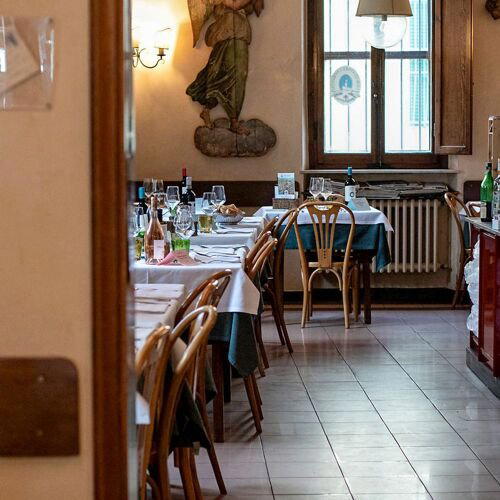
Most visitors to Pompei arrive with archaeology on the agenda and food as an afterthought. That calculation has been shifting. A small cohort of restaurants in and around the town has begun to argue that Campanian cooking deserves attention on its own terms, not merely as fuel between excavation sites. CENERE - Museum & Bistrot sits inside that argument, occupying a format that is genuinely uncommon in provincial Campania: a space that operates simultaneously as a dining room and a cultural venue, placing regional cuisine in deliberate conversation with the material history that surrounds the town.
The Michelin Guide awarded CENERE a Plate in both 2024 and 2025, a consecutive recognition that signals consistent kitchen execution rather than a single strong year. At the €€ price range, CENERE positions itself in the same tier as Cosmo Restaurant and Il Principe locally, while President occupies the step above at €€€. That positioning matters: it makes Michelin-recognised Campanian cooking accessible at a price point that does not require advance financial planning.
The Cultural Frame: Campanian Cuisine as Living Archaeology
Campanian food culture is one of the most historically layered in Italy. The region's cooking draws on Greek colonial influence, Roman agricultural patterns, and the volcanic soil of the Vesuvian zone, which produces tomatoes, wine grapes, and vegetables with a mineral intensity that more temperate Italian regions cannot replicate. San Marzano tomatoes, fior di latte mozzarella from the Agerola plateau, Gragnano pasta dried at low temperature in mountain air, these are not generic Italian ingredients. They are specific to this strip of southern Italy and carry provenance that has shaped the region's cooking identity for centuries.
CENERE's decision to frame its dining within a museum context is, in that light, more coherent than it might first appear. Pompei itself is a site where the domestic and culinary life of a Roman city was preserved mid-moment, grain stores, bread ovens, thermopolia serving vessels still in situ. Placing contemporary Campanian cooking inside a space that references that history is a curatorial act, connecting what the region grows and eats now to a longer continuum. The approach mirrors what a handful of Italian restaurants in other regions have explored: Piazza Duomo in Alba and Le Calandre in Rubano both situate their cooking within strong regional identity frameworks, albeit with more Michelin hardware behind them.
Reading the Room: What the Setting Signals
The bistrot designation in CENERE's name is worth pausing on. In the Italian context, bistrot has come to mean something more specific than its French origin suggests: a mid-register format that allows serious cooking without the formality of a full ristorante experience. The format has gained ground in Italian cities as a way to make ingredient-led, technically considered food available to a broader dining public. CENERE applies that logic in Pompei, where the dining options at the upper end of the market have historically been thin outside of a handful of addresses.
Pompei receives high visitor volumes, and restaurants in the historic centre can rely on one-time diners who are unlikely to return and therefore less demanding to satisfy. A rating maintained at that level under those conditions points to a kitchen and front-of-house that hold standards regardless of table turnover pressure.
Campanian Cooking in Regional Context
Understanding where CENERE sits requires some sense of what serious Campanian restaurant cooking looks like at the regional level. The tradition is anchored in Naples, where the fish counter, the wood-fired pizza, and the ragù napoletano form a triumvirate that dominates the city's food identity, but the broader Campanian region contains a wider range. To the south, Le Trabe in Paestum works within the same regional tradition, drawing on the buffalo dairy products and coastal ingredients of the Cilento. Further inland, Oasis - Sapori Antichi in Vallesaccarda represents the mountain-facing Irpinia tradition, with aged cheeses, cured meats, and the Aglianico-based wines of Taurasi. CENERE's Pompei address places it in the Vesuvian zone, where the volcanic terroir gives the local produce its particular character and where the Roman ruins create a tourism context that few other Italian dining addresses can claim.
For visitors already planning time in the broader region, the Campanian dining circuit rewards a deliberate approach. Capasanta offers another point of reference within Pompei itself. Beyond Campania, those tracking Italian restaurant cooking at different price and ambition points might also consider Atelier Moessmer Norbert Niederkofler in Brunico, Dal Pescatore in Runate, or Enrico Bartolini in Milan for comparison across Italy's regional range.
Planning Your Visit
CENERE sits at the €€ price point, making it one of the more accessible Michelin-recognised dining options in the Pompei area. Given its dual identity as bistrot and museum, it functions as a destination in its own right rather than simply a refuelling stop between archaeological visits. Booking ahead is advisable, particularly during peak archaeological tourism season in the spring and autumn months when Pompei's visitor numbers spike. The restaurant's address is central to Pompei town, within reach of both the main excavation entrance and the town's commercial centre. For those building a broader Pompei itinerary, the full Pompei restaurants guide maps the dining options across price tiers; the Pompei hotels guide, bars guide, wineries guide, and experiences guide cover the rest of the town's offer.
Frequently asked questions
Is CENERE - Museum & Bistrot award-winning?
CENERE - Museum & Bistrot has received recognition including: Michelin Plate (2025); Michelin Plate (2024).
What part of town is CENERE - Museum & Bistrot in?
CENERE - Museum & Bistrot is located at CENERE - Museum & Bistrot, Pompei, CAM, Italy, Pompei.
What do people recommend at CENERE - Museum & Bistrot?
The Michelin Plate recognition in both 2024 and 2025 points to a kitchen delivering at a sustained level rather than a single strong season. At the €€ price point, it represents one of the more accessible Michelin-recognised options in the Pompei area, which may explain why the format draws repeat attention from both local diners and visiting travellers.
What's the price range at CENERE - Museum & Bistrot?
Pricing at CENERE - Museum & Bistrot is listed as €€.
Price and Positioning
| Venue | Cuisine | Price | Awards | Notes |
|---|---|---|---|---|
| CENERE - Museum & BistrotThis venue (the venue you are viewing) | Modern Italian Bistrot | Not listed | Michelin Plate | Not listed |
| Il Principe | Modern Campanian Fine Dining | Not listed | Michelin Plate | Modern Cuisine |
| President | Modern Italian Fine Dining with Campania Roots | Not listed | 1 Michelin Star | Mediterranean Cuisine |
| Capasanta | Modern Seafood | Not listed | Michelin Plate | Not listed |
| Cosmo Restaurant | Modern Italian Fine Dining | $50–100 | Michelin Plate | Modern Cuisine |
Recognition history
Dated appearances from independent guides and award organizations, with the underlying list record or original source where available.
Michelin Plate
Michelin
Full recognition history (2 entries)
Michelin Plate
Michelin
Continue exploring
More in Pompei
Restaurants in Pompei
All restaurants in Pompei →
Bars in Pompei
Browse all →


Details
- Intimate
- Cozy
- Elegant
- Date Night
- Special Occasion
- Historic Building
- Private Dining
- Extensive Wine List
- A La Carte
- Tasting Menu
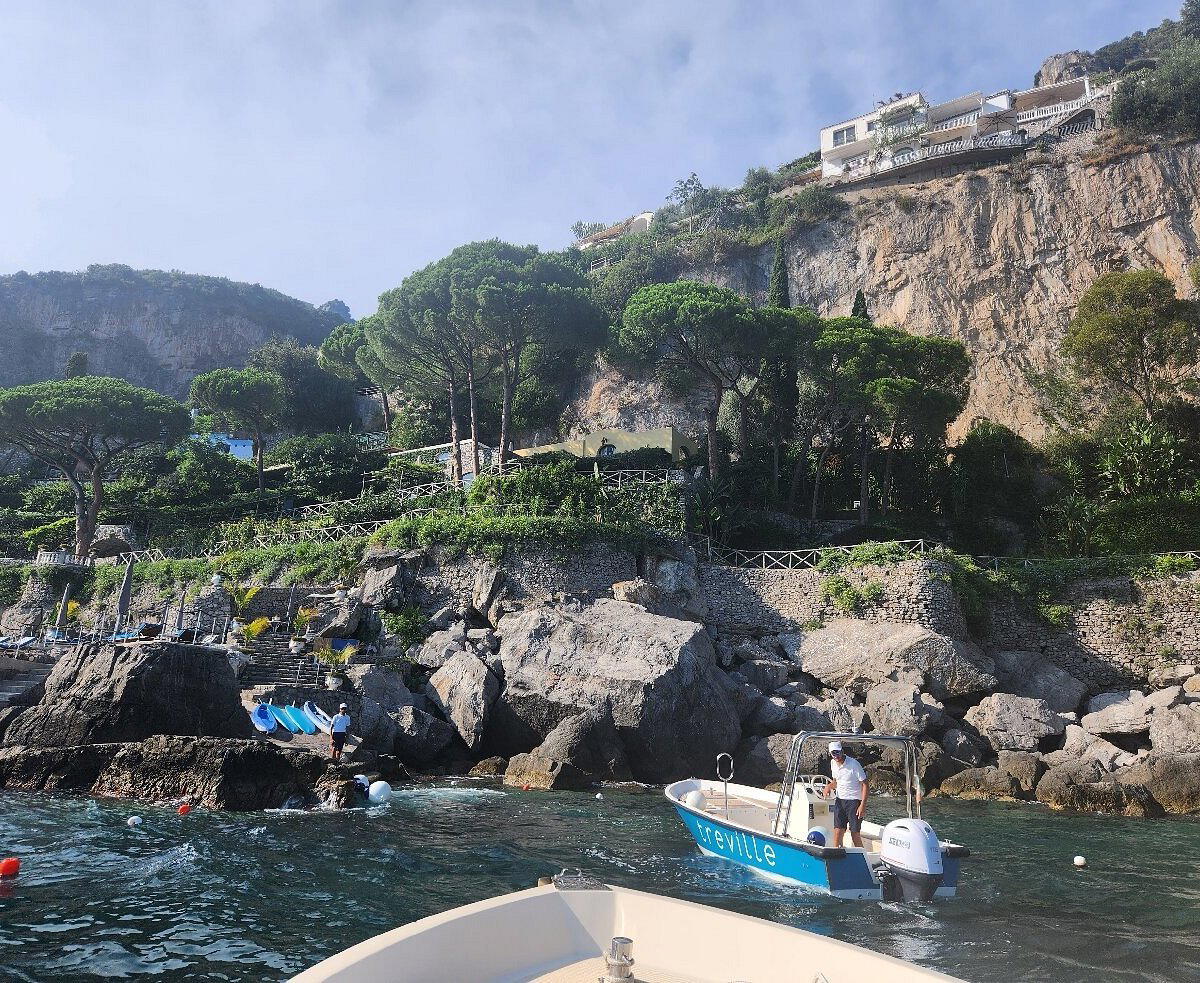
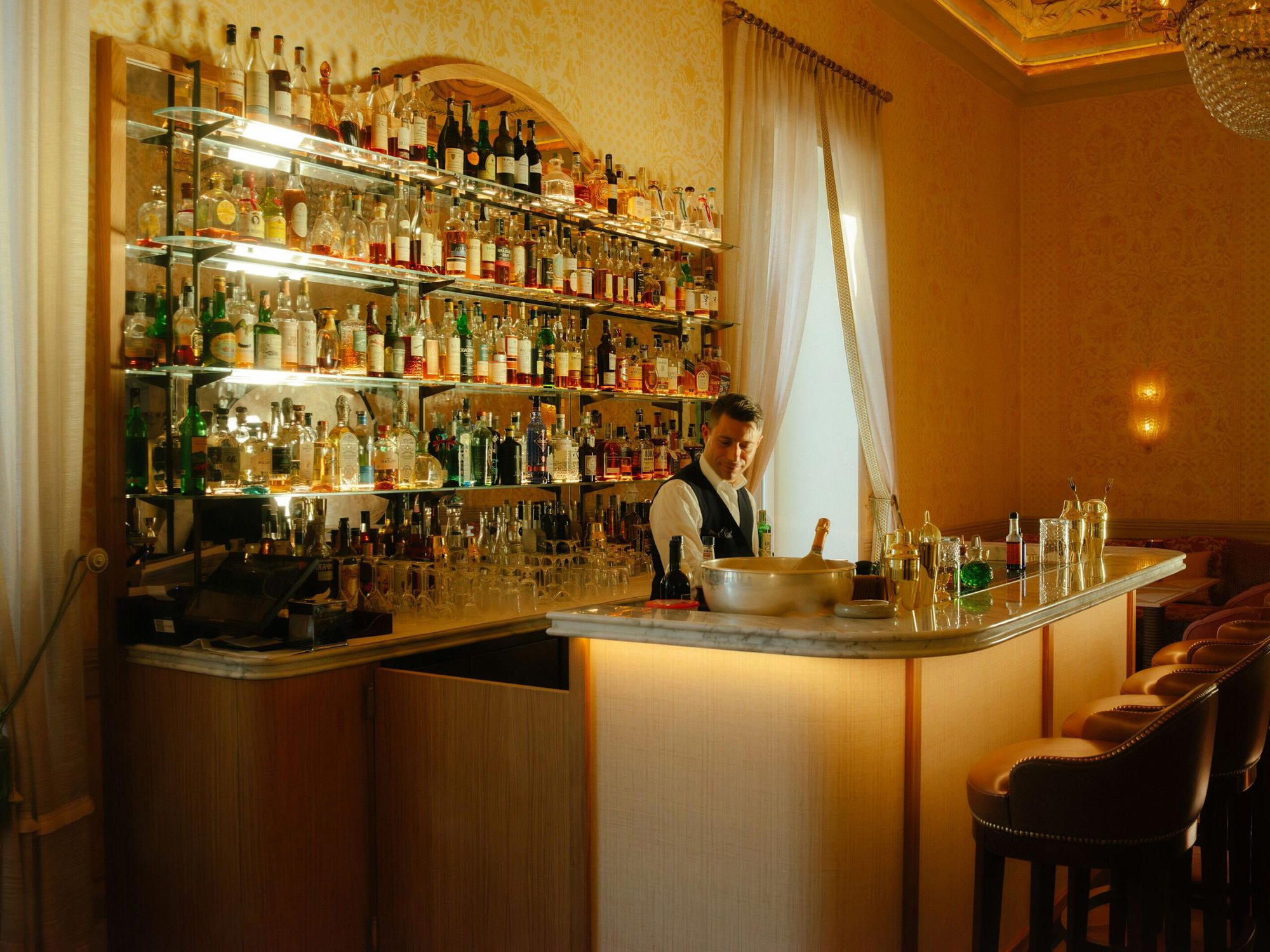
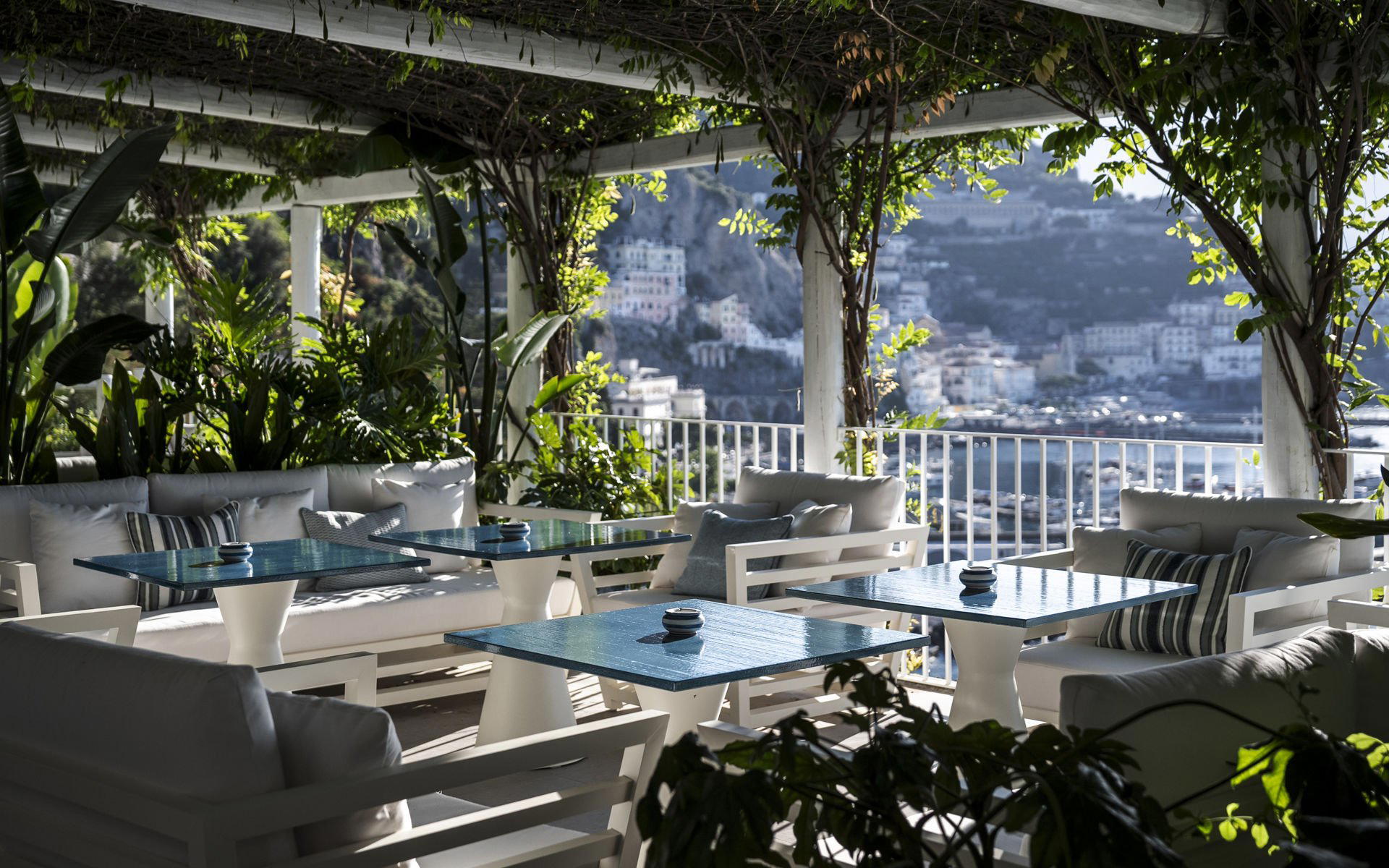
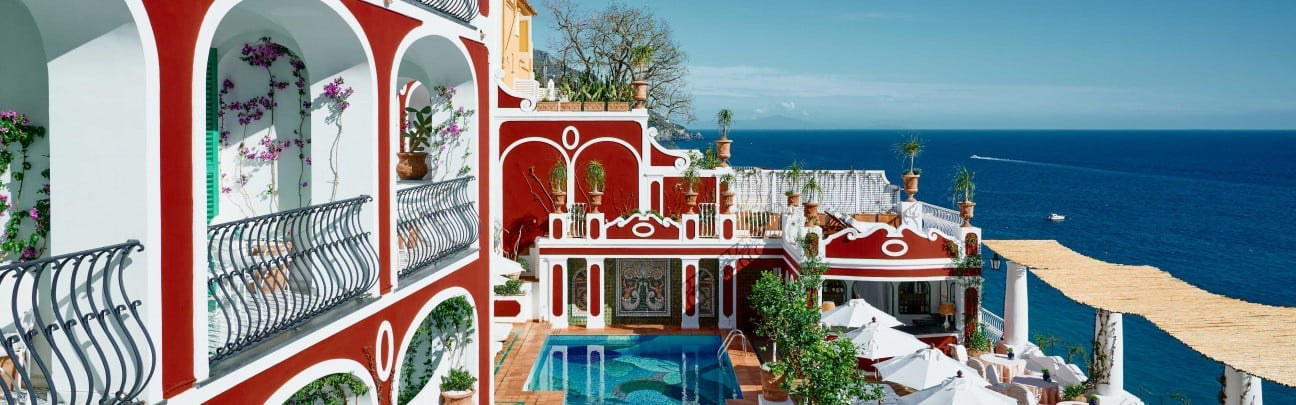
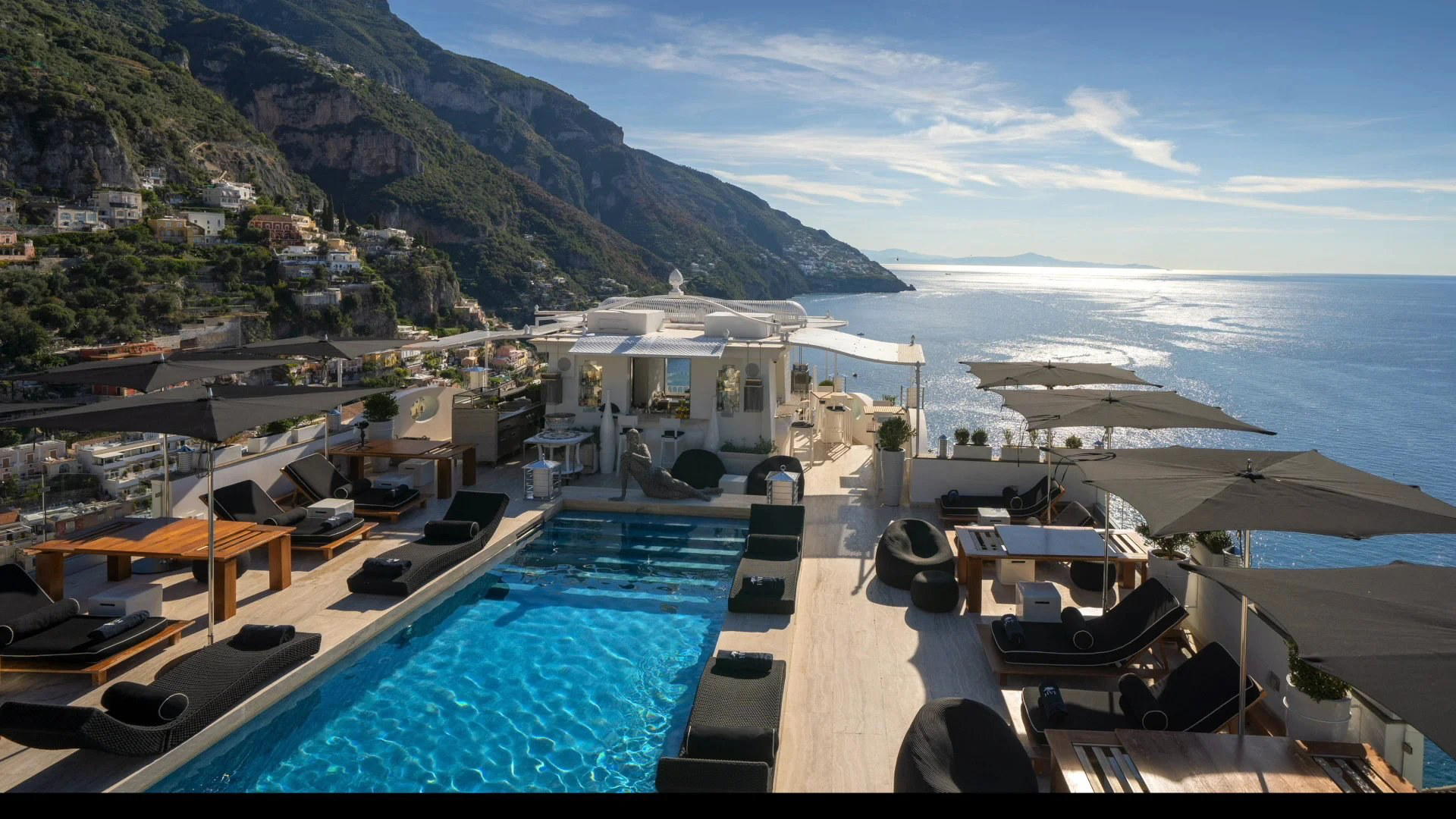
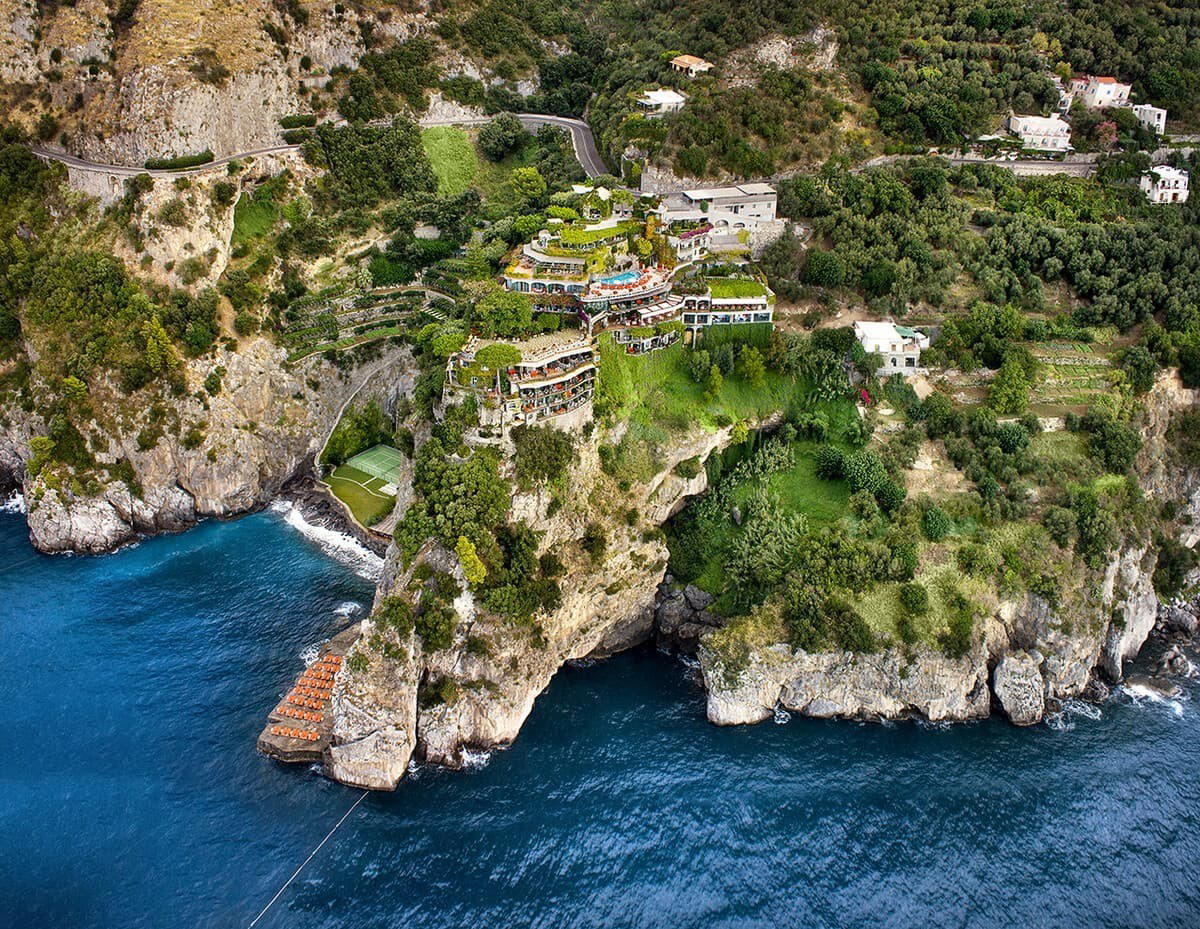
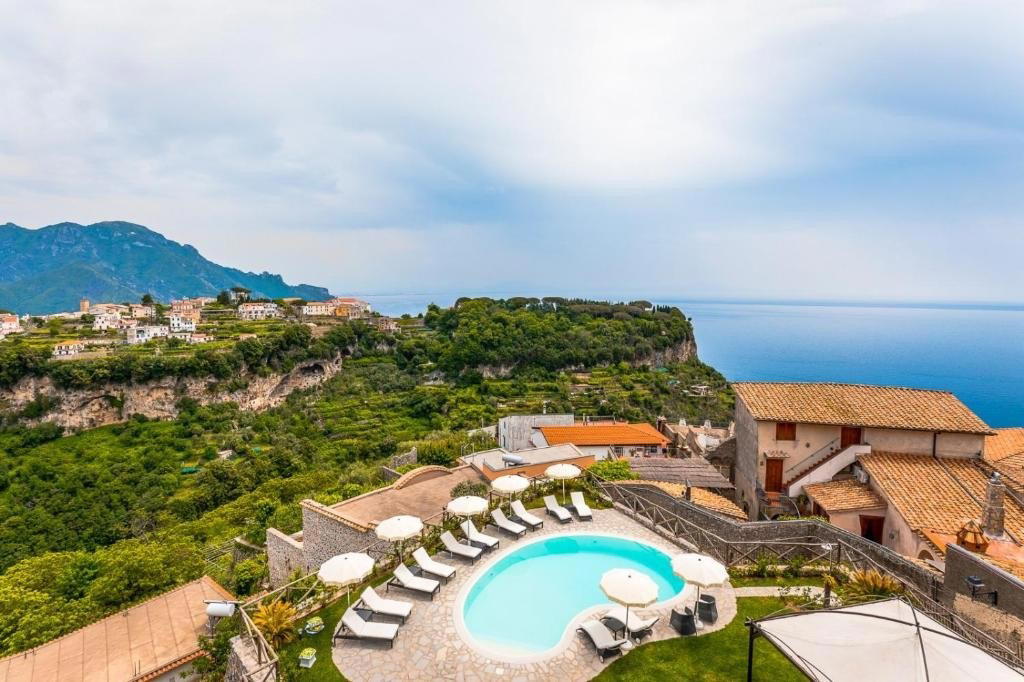
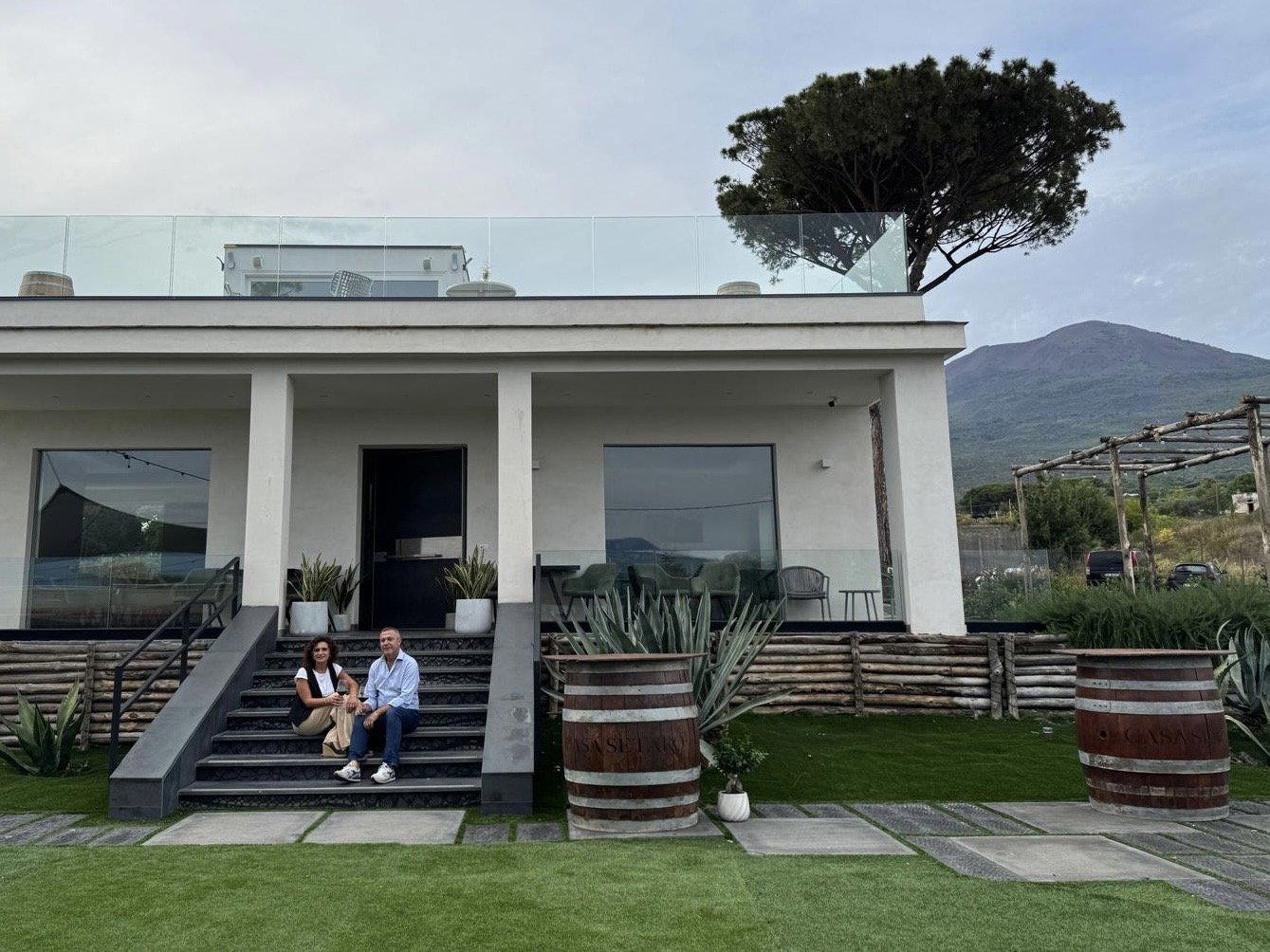
Warm, welcoming with discreet elegance; upstairs emulates Pompeii ruin paintings, downstairs cellar adds intimate historic charm.