Located on Section 2 of Zhongqing Road in Taichung's Beitun District, 阿福師滷味餐餐館 occupies a corner of the city where neighbourhood braised-food traditions run deep. The restaurant draws on Taiwan's lu wei (滷味) canon, the slow-simmered, spice-forward style that defines street-level eating culture across the island. Booking details and current hours are best confirmed directly before visiting.
Pearl is the En Primeur Club membership app — saves, bookings, and concierge access live there. Same editors, same standards.
- Address
- No. 706, Section 2, Zhongqing Rd, Chenping Village, Beitun District, Taichung City, Taiwan 406
- Phone
- +886 4 2293 5628
- Directions
- Get directions
 Saves & bookings on Pearl
Braised and Unhurried: Taichung's Lu Wei Tradition
Across Taiwan, lu wei, the art of slow-braising proteins, tofu, offal, and vegetables in a master stock seasoned with soy, star anise, cinnamon, and Sichuan pepper, functions less as a restaurant genre and more as a civic institution. Night markets run on it. Neighbourhood shops stake reputations on the depth of a single pot kept active for years. In Taichung, that tradition has a particular register: the city's braised-food culture leans toward richer, slightly sweeter profiles than the sharper, saltier versions common in Taipei, reflecting the broader culinary temperament of central Taiwan. 阿禧師懷舊餐館, positioned on Section 2 of Zhongqing Road in the Beitun District, sits inside this tradition rather than above it, which is precisely the point.
The Progression of a Lu Wei Meal
A lu wei meal does not follow the same sequencing logic as a Western tasting menu, but it has its own arc. The experience at this type of Taiwanese braised-food establishment typically begins at the selection counter, where proteins, vegetables, and accompaniments are chosen before cooking. This moment, browsing the raw or par-prepared ingredients, deciding between tendon and tripe, between bitter melon and wood-ear mushroom, functions as the amuse-bouche of the format. The decision-making is part of the meal's structure.
What follows is the braising itself, which in serious lu wei operations is not a quick simmer but a calibrated immersion in a stock that carries the accumulated flavour of repeated use. The resulting dishes arrive carrying a depth that no single-batch cooking process can replicate. The proteins absorb spice gradually rather than sharply, and the finish tends toward a long, warming fade rather than an immediate hit. For readers accustomed to the tasting progression at places like JL Studio in Taichung or logy in Taipei, where multi-course sequencing is architect-precise, the lu wei format offers a different kind of narrative: looser, more communal, but no less intentional in the hands of an experienced operator.
The meal's midpoint is typically the textures. A well-run braised-food kitchen understands that variety across the table matters as much as the quality of the stock. Silken tofu cut against firm ear mushroom, fatty pork belly against the cleaner bite of lotus root, these contrasts sustain the meal across its middle section in a way that a single protein, however well-executed, cannot. The closing notes of a lu wei spread are often the accompaniments: pickled vegetables, dipping sauces built around chilli and garlic, and plain rice or noodles that allow the palate to reset between bites.
Beitun District and Its Dining Character
The Beitun District sits in northern Taichung, away from the tourist-facing concentration of restaurants in the city centre and the Fengjia Night Market corridor. Dining in Beitun tends to serve a local residential population rather than passing visitors, which shapes both the price expectations and the operational style of venues there. This is not a district built around theatre or presentation; it is built around frequency of visit and consistency of output. Regulars return not because a dish surprised them but because it did not disappoint them, a distinction that matters considerably in braised-food culture, where the master stock's continuity is itself the product.
For visitors exploring Taichung beyond the well-documented dining nodes, the Beitun area offers a counterpoint to the more internationally profiled options. Venues like A Kun Mian, Burger Joint, and cafe crotchet represent different registers of the city's eating culture, while Abura Yakiniku and DIN YUE RESTAURANT sit in different format categories altogether.
Taiwan's Lu Wei in National Context
Understanding 阿福師滷味餐餐館 requires some sense of where Taichung fits within Taiwan's braised-food hierarchy. The island's lu wei culture is not monolithic. Tainan, home to venues like Amei, tends toward sweeter, more restrained spicing. Kaohsiung's food culture, represented at places like GEN in Kaohsiung, skews toward bolder, more direct flavour profiles. Taichung sits between these poles, historically influenced by both the Hakka traditions of the surrounding countryside and the Hokkien-inflected cooking of its urban core.
Across Taiwan, the braised-food format has also bifurcated. At the high end, chefs trained in Western or Japanese techniques have begun applying precision temperature control and sourcing discipline to lu wei-adjacent preparations, a trend visible in the more ambitious restaurants documented across Bebu in Hsinchu County and Chi Yuan in New Taipei. At the neighbourhood level, the format remains largely unchanged from its mid-century configuration: a master stock, a rotating cast of ingredients, and the knowledge accumulated by whoever tends the pot. This is the tier where 阿福師滷味餐餐館 operates, and that positioning is a choice, not a limitation.
The comparison to formally structured tasting experiences, whether at Le Bernardin in New York City or Lazy Bear in San Francisco, is less about quality than about format. Both ends of the dining spectrum offer a progression; the difference is in who controls it. A tasting menu sequences the guest through courses on the kitchen's terms. A lu wei counter sequences the guest through choices on their own terms, with the kitchen delivering execution against whatever the diner has assembled. That reversal of agency is not informal, it is structural to the genre.
Planning a Visit
阿福師滷味餐餐館 is located at No. 706, Section 2, Zhongqing Road, Beitun District, Taichung City. Given the neighbourhood's residential character and the format's reliance on fresh stock and ingredient availability, visiting during active meal service periods, rather than off-peak hours, generally produces a better result. Visitors coming from central Taichung should factor transit time to Beitun into their planning, as the district sits at some remove from the main hotel and cultural corridors. For context on how this restaurant fits within Taichung's broader dining range, the resources below cover venues from Akame in Wutai Township to Shen Yen in Yilan and Volando Urai Spring Spa and Resort in Wulai District, giving a fuller picture of Taiwan's regional dining range at different price and format levels. The Dongmen Rice Noodle Soup in Hsinchu City also offers a useful parallel for readers interested in how single-format neighbourhood institutions operate across Taiwan's mid-sized cities.
Reputation Context
Comparable venues nearby, for context on price, style, and recognition.
| Venue | Cuisine | Price | Awards | Notes |
|---|---|---|---|---|
| 阿禧師懷舊餐館This venue — the venue you are viewing | Taiwanese Hot Pot | Not listed | Not listed | Not listed |
| 森森燒肉 台中中科店 | Chinese Restaurant | $$ | Not listed | Yong'an |
| 千味海鮮 | Taiwanese Seafood | Not listed | Not listed | Fengle |
| 佐賀野仁 | Taiwanese | Not listed | Not listed | Xinsheng |
| VARMT (West) | Modern Sichuan Noodles | $$ | Michelin Plate | Zhongxing |
| Küisine | Taiwanese-Japanese-Southeast Asian Fusion | $$ | Not listed | Minlong |
At a Glance
- Casual Hangout
- Standalone
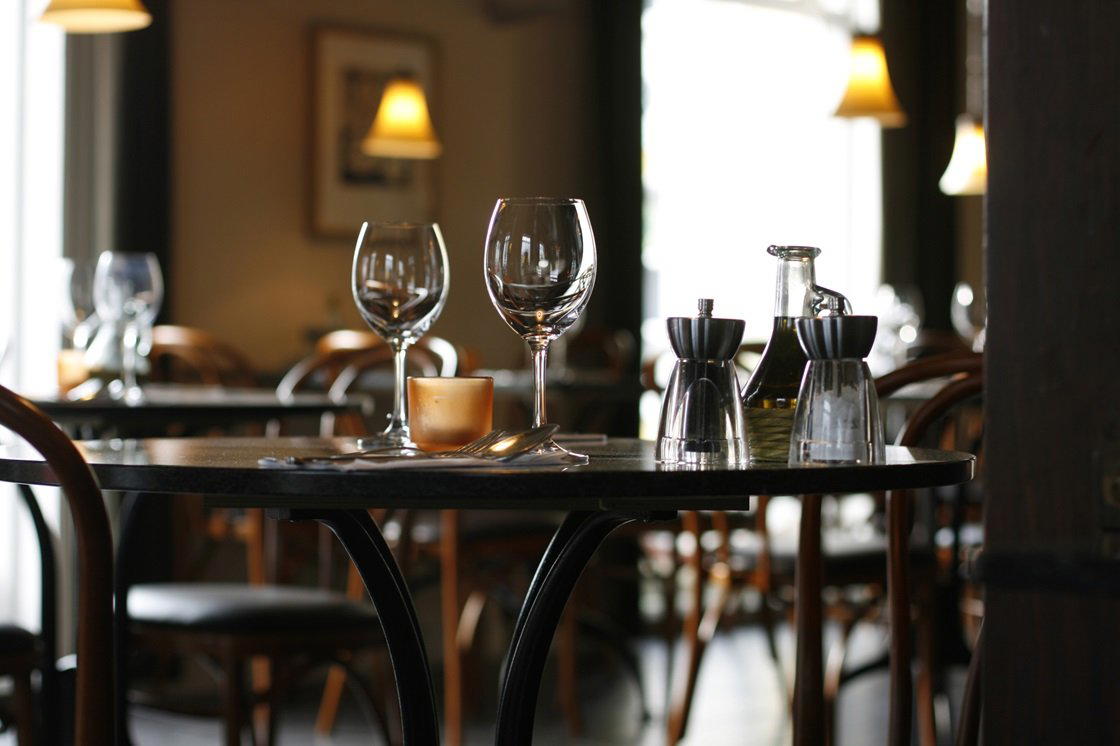
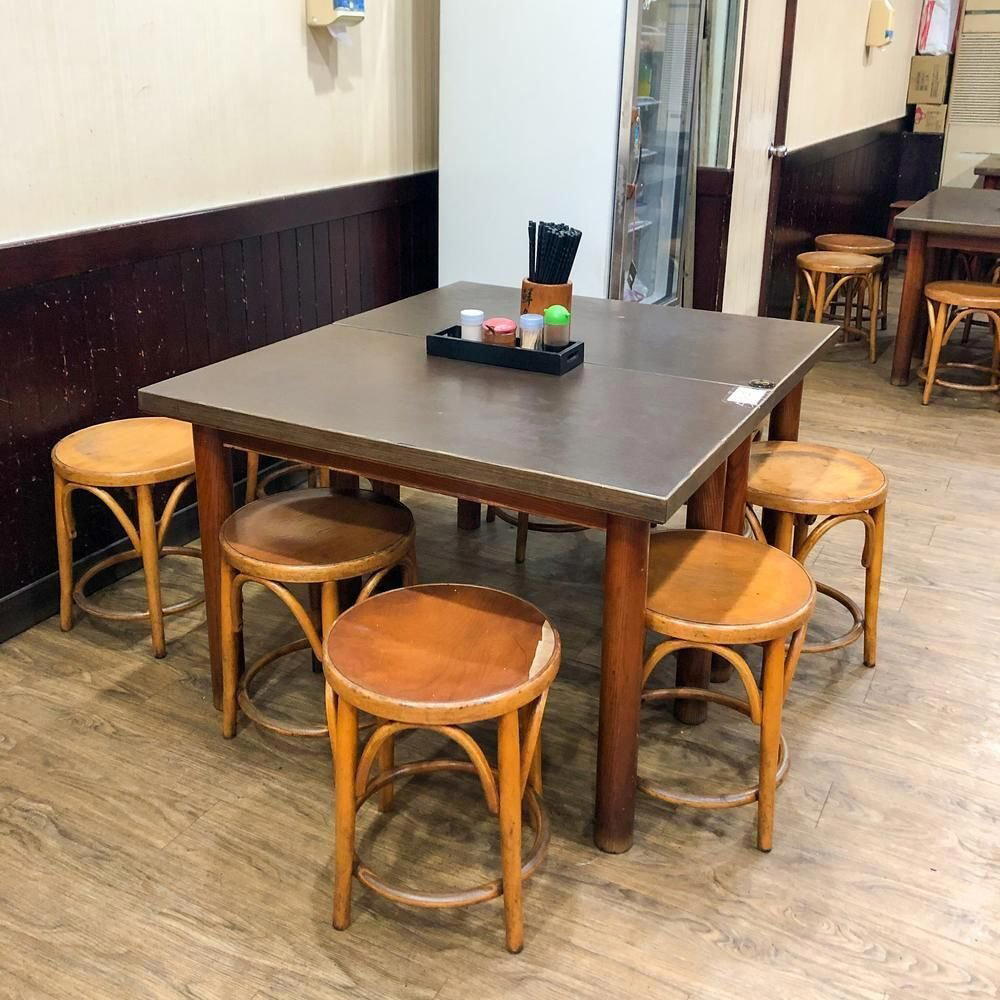
Casual dining atmosphere typical of local Taiwanese eateries.