
VARMT (West) sits beside PARK2 Caowu Square in Taichung's West District, drawing a steady crowd of younger diners to its plant-filled interior and warm-toned wooden furniture. The menu organises around three flavour registers, garlicky and hot, spicy and tingling, and chef's specials, with Sichuan pepper used as a structural ingredient rather than an afterthought. The dan dan noodles with thousand-year egg are the kitchen's clearest statement of intent.
Pearl is the En Primeur Club membership app — saves, bookings, and concierge access live there. Same editors, same standards.
- Address
- 403, Taiwan, Taichung City, West District, 公正路133號
- Phone
- +886 958 053 182
- Website
- instagram.com
- Directions
- Get directions
 Saves & bookings on Pearl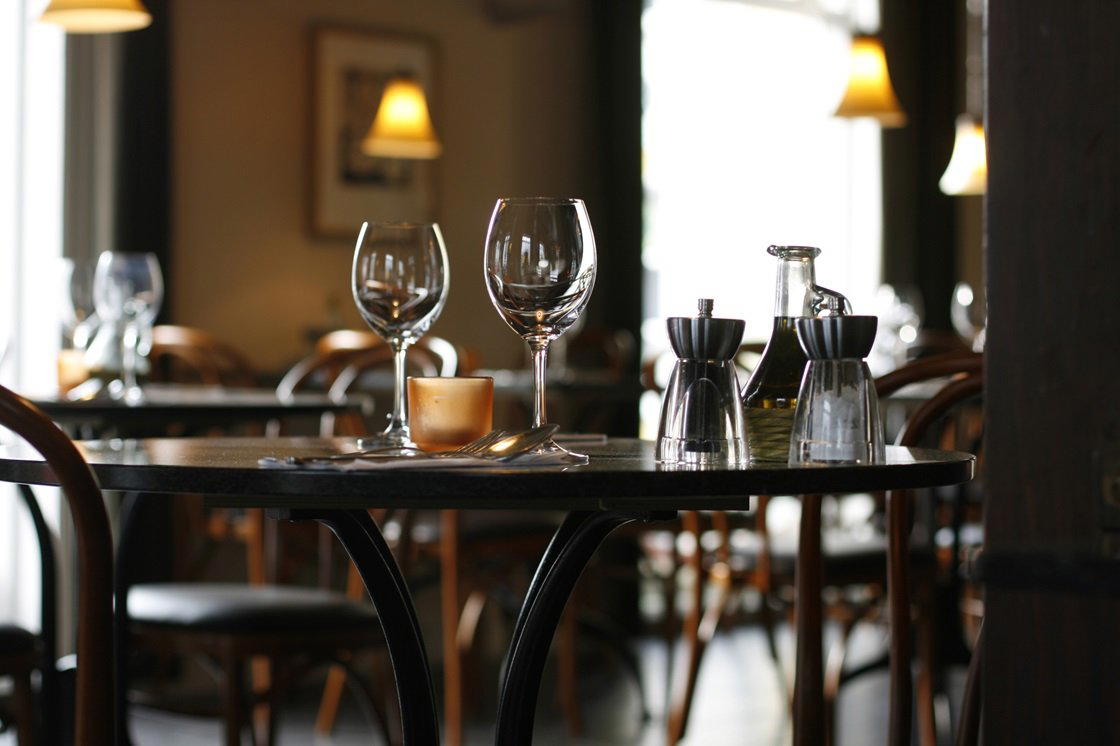
Where the Bowl Sets the Tone
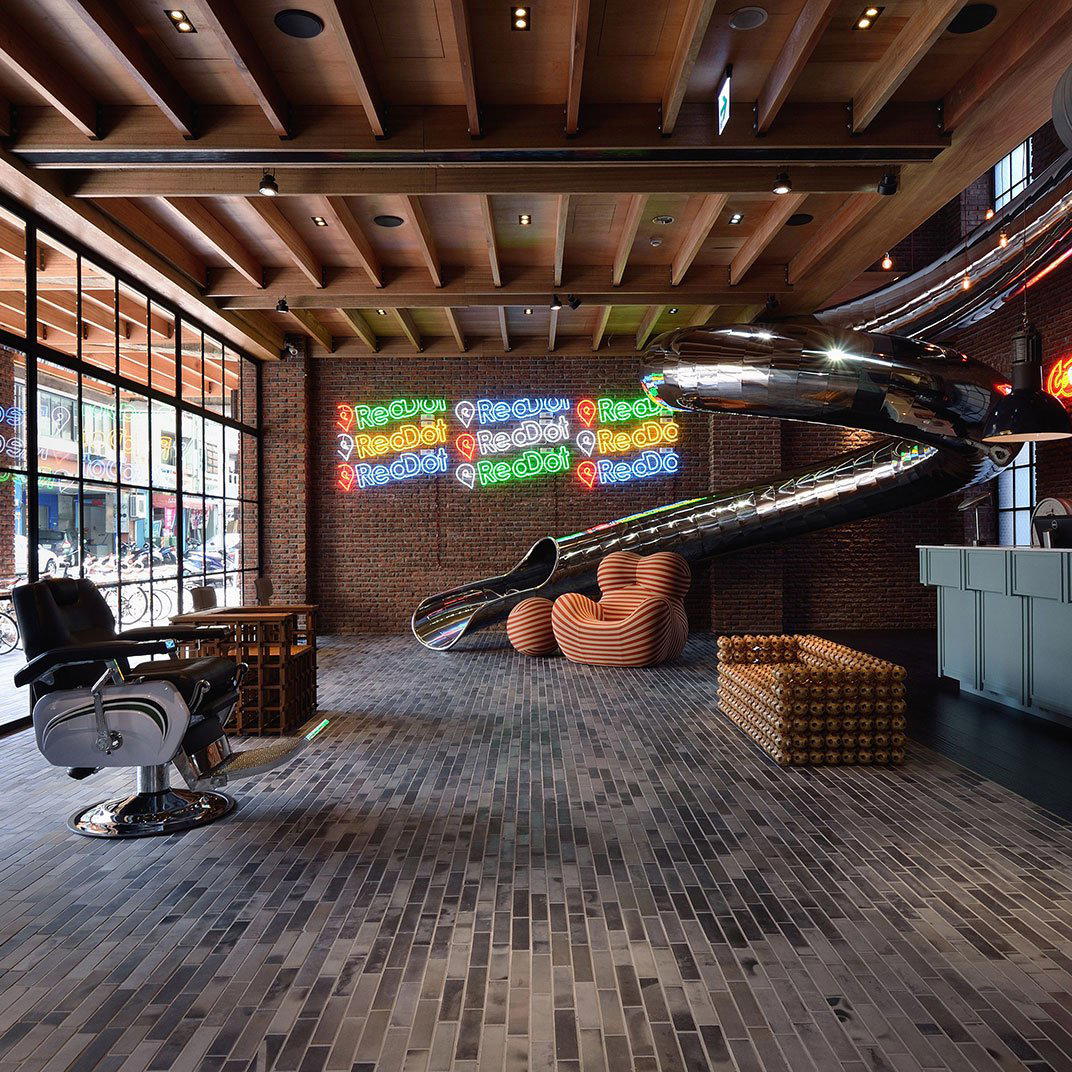
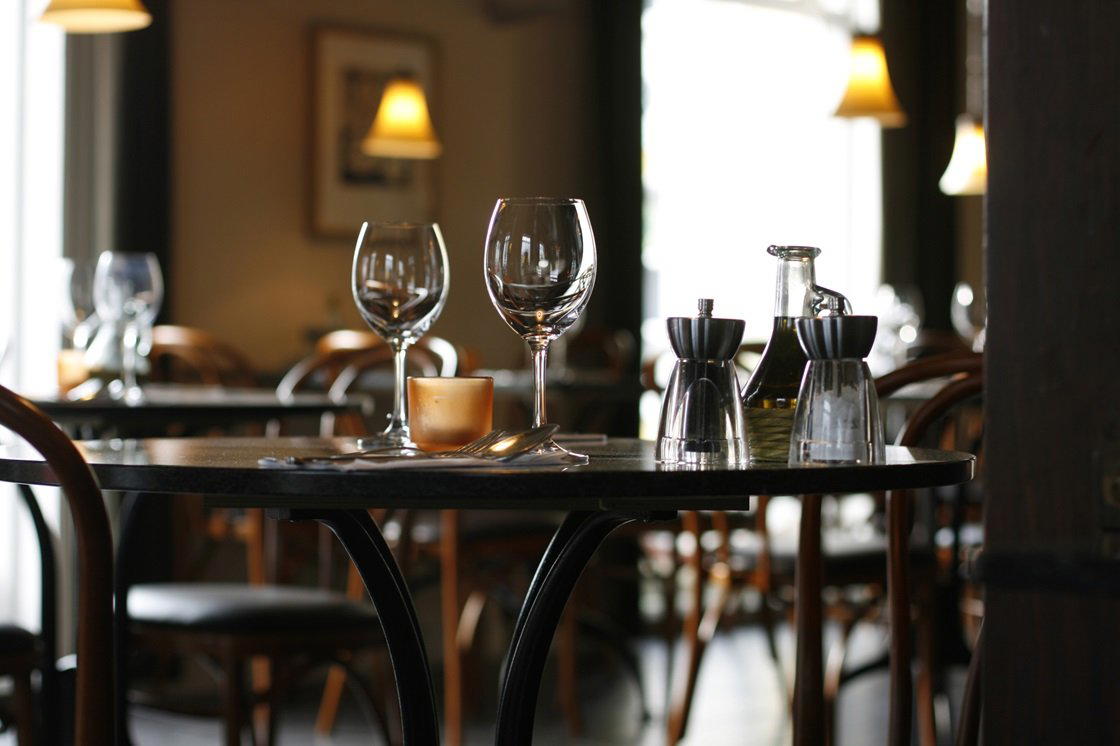
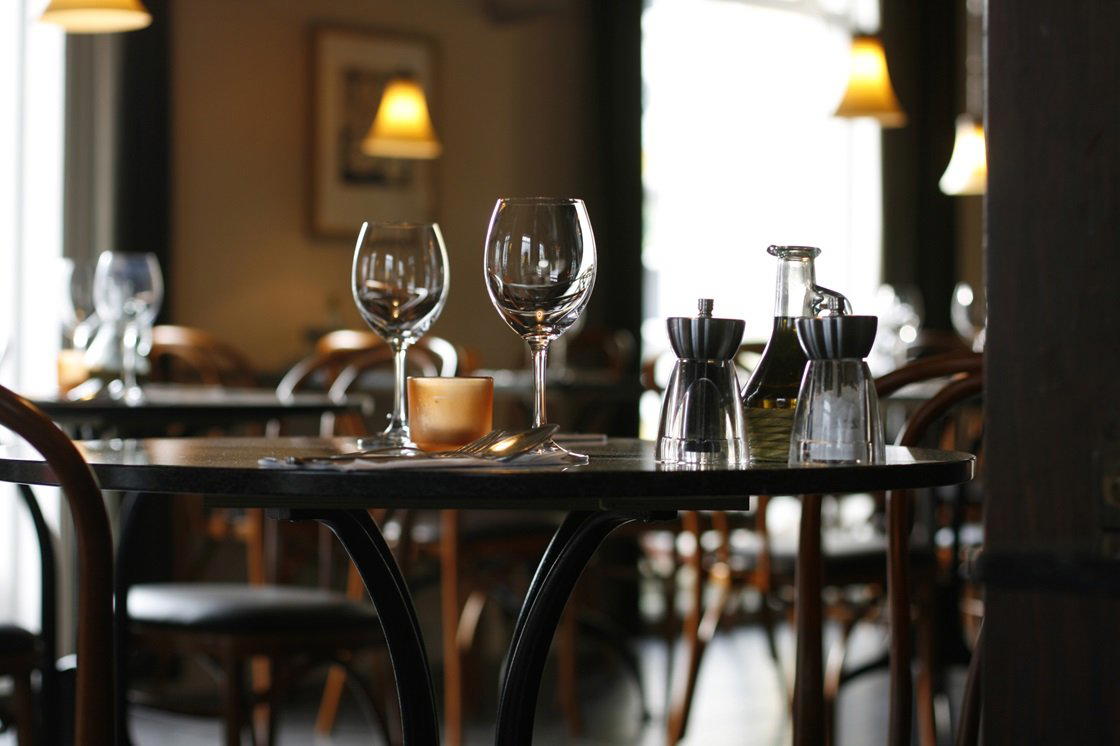
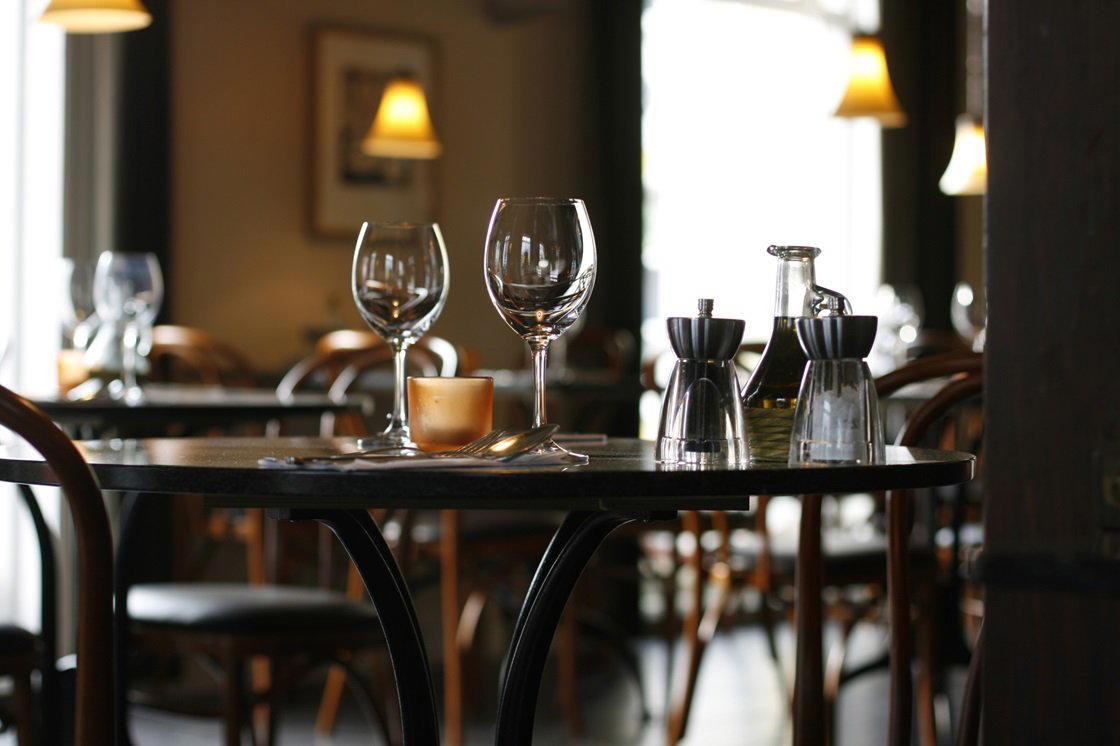
VARMT is a casual restaurant in Taichung's West District serving modern Sichuan noodles. On Gongjheng Road in Taichung's West District, the approach to VARMT already signals what kind of place this is. The shopfront sits directly adjacent to PARK2 Caowu Square, a creative retail and cultural complex. Step inside and the room reads as a considered aesthetic decision: trailing plants suspended at varying heights, warm-toned wooden furniture, and lighting calibrated to feel more like a neighbourhood living room than a canteen. It is something more deliberately constructed, and the room carries that intention.
Casual noodle formats across Taiwan's mid-sized cities have spent the past decade splitting along a visible fault line. One side holds traditional stalls and family-run shops where the bowl has barely changed in thirty years. The other side has produced a smaller but growing category of addresses that treat noodle culture as a design and flavour project, attracting a demographic that cycles through Instagram before it cycles through a second visit. VARMT occupies that second category, but unlike some entries in it, the kitchen earns its audience through the food rather than just the room.
Three Flavour Registers, One Clear Argument
The menu at VARMT is structured around three sections that function less as categories and more as a map of intensity and origin. The first section, garlicky and hot, works in the register of punchy, allium-forward heat. The second, spicy and tingling, is where Sichuan pepper becomes the dominant structural element. The third, the chef's specials, sits outside that taxonomy and invites a different kind of attention.
Sichuan pepper deserves a specific note here. In much of the noodle culture that has migrated from Sichuan into Taiwan, the numbing quality of the pepper is used as a background effect, present but not foregrounded. VARMT makes the opposite choice: the kitchen applies it generously, treating the mala (numbing-hot) sensation not as a secondary layer but as a defining experience of the bowl. This aligns the restaurant with a broader trend in how younger Taiwanese diners have embraced Sichuan flavour profiles over the past several years, moving from curiosity to genuine fluency with the cuisine's more assertive registers.
The dan dan noodles with thousand-year egg represent the clearest expression of that philosophy. Dan dan, in its Sichuan iteration, is a sauce-dressed noodle dish built on sesame paste, chilli oil, preserved vegetables, and minced meat. The addition of thousand-year egg (pi dan) introduces a contrasting texture and an umami depth that sits differently from the sauce's heat. The combination rewards attention to pacing: eat too fast and the flavours compress into a single impression; slow down and the bowl reveals its layering. That tension between restraint and boldness is what places this dish on the list of things worth returning for.
The Ritual of the Bowl
How you eat at VARMT matters as much as what you order. The format here is not the long, convivial table-share of a hotpot house or the silent focus of a high-end omakase counter. It is a mid-tempo dining ritual shaped by the noodle itself: a bowl that demands a degree of engagement, because the sauce at the bottom separates from the noodles above and requires the diner to do the first act of mixing. This is common to many Sichuan-influenced dry noodle preparations, and regulars at this category of restaurant know to toss the noodles immediately on arrival, before the temperature drops and the oil begins to congeal.
A single bowl with a side order or two is typically a twenty-to-thirty-minute sit. The format does not encourage lingering in the way that a more elaborate tasting format might, but it rewards focused attention to the bowl itself. The warm interior and the PARK2 adjacency mean that VARMT functions as a natural pre- or post-activity stop for the square's visitors, and
Addresses like Ke Kou Beef Noodles, Mu Gong Noodles, and Lao Shih Kuan Noodles occupy the more traditional end of that spectrum, while A Kun Mian and VARMT mark the direction in which younger kitchens are moving. Neither pole is more authentic than the other, they reflect different moments in the same evolving tradition.
A Cun Beef Soup (Baoan Road) in Tainan represents a different regional character, while the regional noodle traditions of mainland China find expression at places like A Bing Bao Shan Mian in Hangzhou, A Niang Mian Guan in Shanghai, and A Xin Xian Lao (Gongnong Road) in Fuzhou. Each has a distinct regional DNA; VARMT's Sichuan orientation places it in a clear lineage within that broader field.
Know Before You Go8 from 6,830 reviewsPhone / Website not listed; walk-in format likely
Comparable Spots
Comparable venues nearby, for context on price, style, and recognition.
| Venue | Cuisine | Price | Notes |
|---|---|---|---|
| VARMT (West)This venue — the venue you are viewing | Modern Sichuan Noodles | $$ | Not listed |
| Moment in Beijing | Northern Chinese Classics | $$ | Shengping |
| Orient Dragon | Traditional Taiwanese Home-Style Cooking with Sichuanese Influences | $$ | Gouqian |
| Chef Ah-Hsi's Old Time Restaurant | Taiwanese Roast Goose | $$ | Ren'ai |
| Ajisai | Jiangzhe-Style Noodles | $$ | Daye |
| Saka | Traditional Taiwanese Rice Wine Chicken | $$ | Guangfu |
Recognition history
Dated appearances from independent guides and award organizations, with the underlying list record or original source where available.
Michelin Plate
Michelin

At a Glance
- Modern
- Trendy
- Cozy
- Casual Hangout
- Open Kitchen
Current opening hours
- Monday
- 11:30 AM–2:30 PM, 5–8:30 PM
- Tuesday
- 11:30 AM–2:30 PM, 5–8:30 PM
- Wednesday
- 11:30 AM–2:30 PM, 5–8:30 PM
- Thursday
- 11:30 AM–2:30 PM, 5–8:30 PM
- Friday
- 11:30 AM–2:30 PM, 5–8:30 PM
- Saturday
- 11:30 AM–2:30 PM, 5–8:30 PM
- Sunday
- 11:30 AM–2:30 PM, 5–8:30 PM
Hours can change for holidays and private events. Last verified .
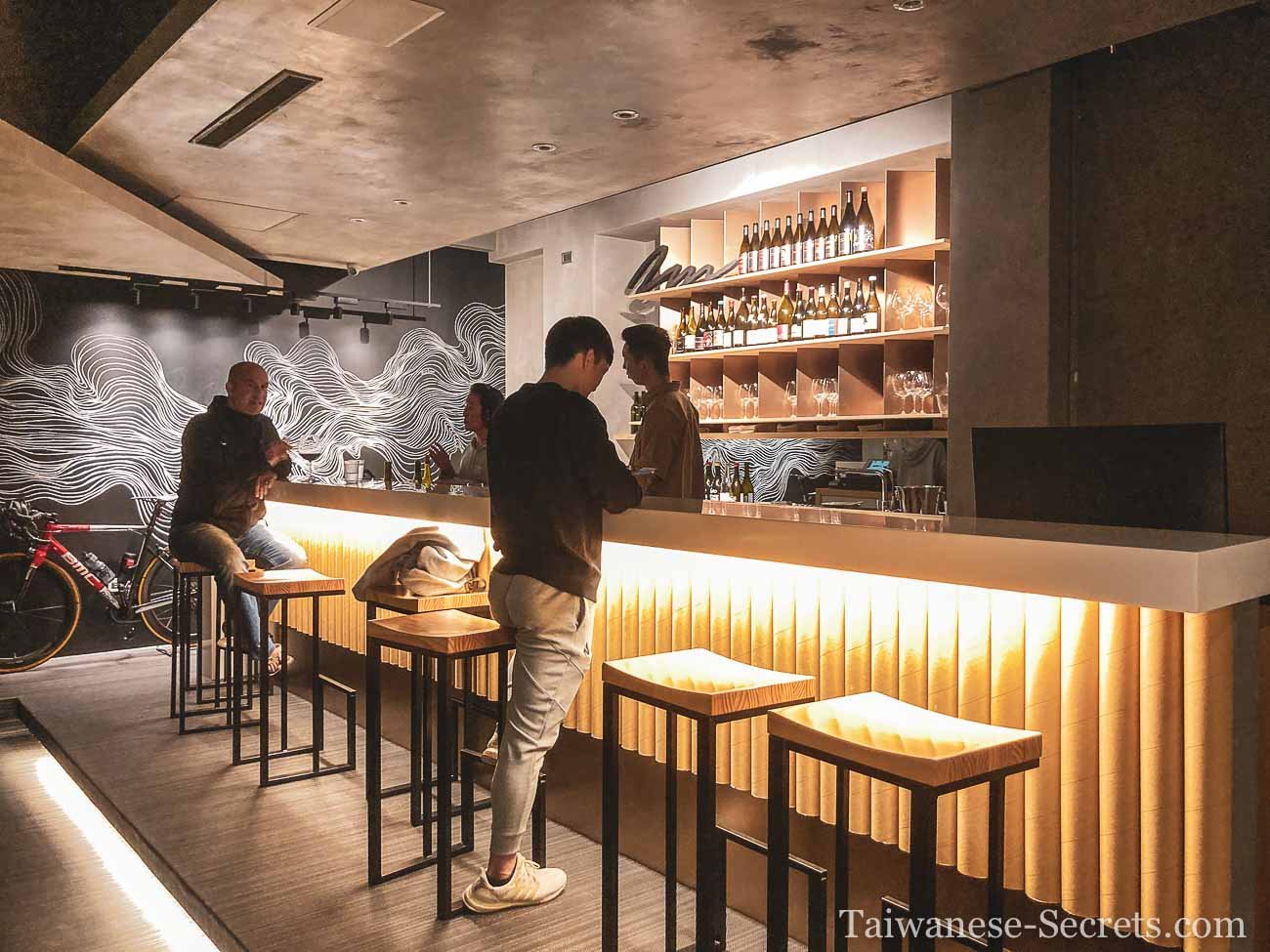
Plant-filled interior with warm-toned wooden furniture creating a modern, cozy atmosphere.