On Calle de Serrano, in the heart of Madrid's Salamanca district, Castizo Serrano positions itself within a neighbourhood defined by serious dining expectations and high ingredient standards. The address places it squarely in the city's most affluent dining corridor, where sourcing provenance and kitchen discipline carry more weight than spectacle. A reference point for those tracking Madrid's traditional-rooted restaurant scene.
Pearl is the En Primeur Club membership app — saves, bookings, and concierge access live there. Same editors, same standards.
- Address
- C. de Serrano, 4, Salamanca, 28001 Madrid, Spain
- Phone
- +34910884618
- Website
- glhrestaurants.com
- Directions
- Get directions
 Saves & bookings on Pearl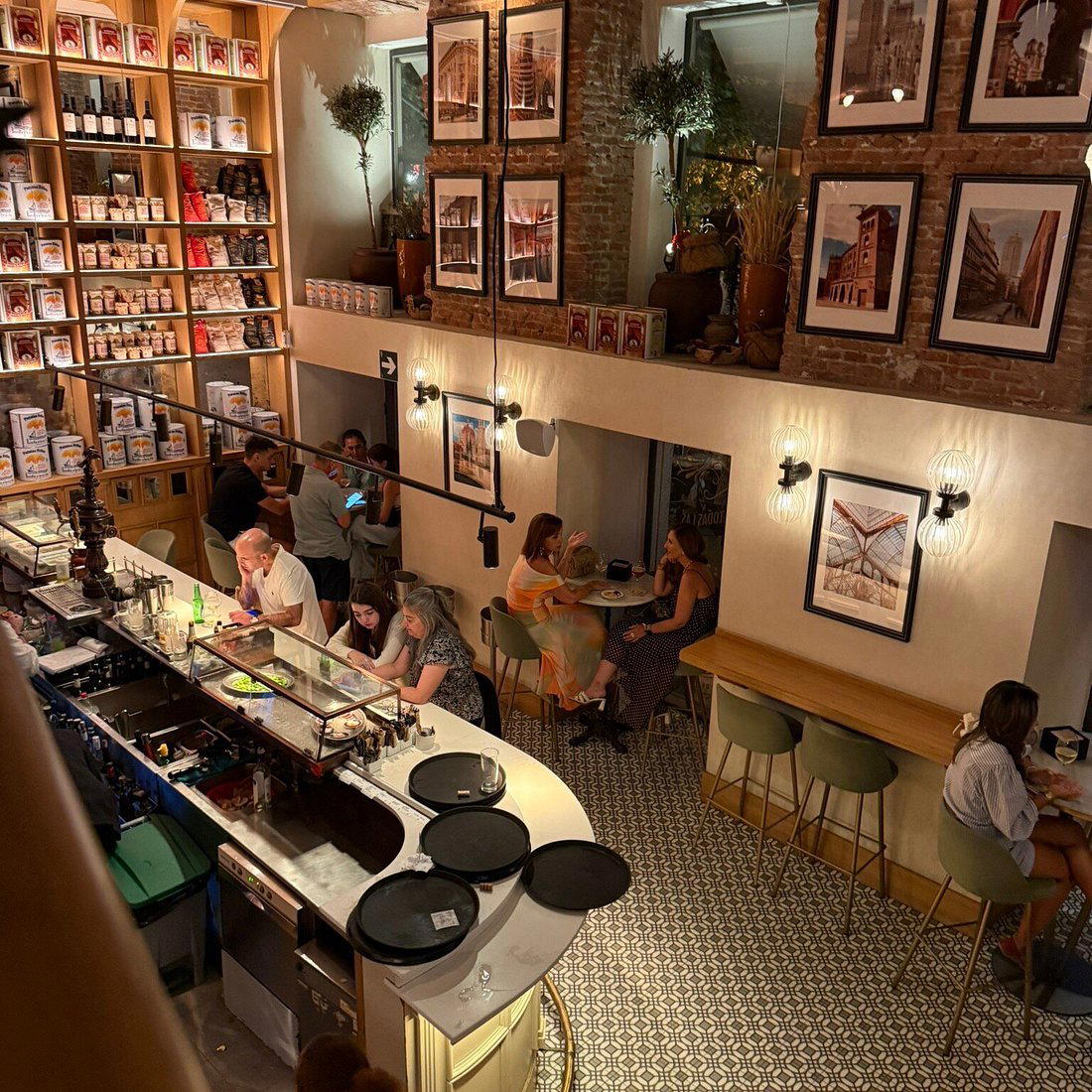
Serrano, Salamanca, and the Geography of Madrid's Ingredient-Driven Dining
Calle de Serrano runs through the Salamanca district like a spine, connecting the city's most financially confident neighbourhood to its most demanding dining expectations. The streets here have long attracted restaurants that source with precision rather than trend-chase, partly because the clientele, older, wealthier, deeply familiar with Spanish produce at its peak, tends to punish shortcuts. A restaurant on this street is not making a low-stakes bet. It is declaring, through address alone, that its kitchen can carry the weight of the postcode.
Madrid's ingredient-driven dining scene has fragmented across two broad registers in recent years. The first is the creative, technique-forward tier represented by houses like DiverXO, Coque, and Deessa, where sourcing is one variable among many in a broader compositional argument. The second is a quieter, more rooted register where the sourcing itself is the argument, where the story of a dish begins at the farm, the dock, or the dehesa, not the plating station. Castizo Serrano appears to operate within this second register, the name itself carrying the weight of its intent. Castizo, in Spanish, implies something authentically local, genuinely of the place, a deliberate positioning against the internationalism of the broader fine-dining conversation.
What Sourcing Means on Serrano
In a city where restaurants at the Paco Roncero and DSTAgE level compete on technical vocabulary, the ingredient-led position is neither a retreat nor a compromise. Spain's larder is among the more consequential in Europe: Extremaduran acorn-fed Iberian pork, Galician beef aged on grass pastures, vegetables from the Ebro valley market gardens, seafood from the Cantabrian coast pulled to order. A restaurant that names itself after authentic local character is making a wager that the sourcing chain itself can sustain a dining experience, that a properly sourced product, handled with restraint, will outperform a mediocre product over-engineered at the pass.
This approach has significant precedent in Spain. Outside Madrid, the argument has been made most powerfully at places like Quique Dacosta in Dénia, where Mediterranean produce anchors even particularly technically ambitious tasting menus, and at Aponiente in El Puerto de Santa María, where marine sourcing has become a philosophical position. At El Celler de Can Roca in Girona and Azurmendi in Larrabetzu, the sourcing argument extends into agricultural ethics and seasonal discipline. Within Madrid itself, this thread runs less visibly through the headline creative restaurants, which makes the restaurants that do hold this position more consequential to the city's dining breadth.
The Salamanca Positioning
Salamanca's restaurant district sits at a specific intersection of wealth, conservatism, and genuine culinary seriousness. It is not the neighbourhood where Madrid's avant-garde restaurants tend to open, those tend toward Chueca, Malasaña, or the more eclectic pockets of the centre. Salamanca audiences, broadly, know what quality looks like in a glass of Ribera del Duero and in a plate of grilled turbot. They have spent years at tables where ingredients were respected, and they notice when they are not.
This creates a demanding but coherent context for a restaurant with castizo in its name. The Serrano address signals a specific price bracket and service register, placing Castizo Serrano in the same general tier as the neighbourhood's established restaurant set rather than in the experimental mid-market. For visitors arriving from outside the city, Salamanca dining functions as a reliable indicator of technical baseline: restaurants in this district tend to be consistent, ingredient-focused, and oriented toward a local rather than tourist audience.
Comparison within Madrid's broader €€€€ tier is instructive. Where houses like Coque operate a full theatrical arc, multiple rooms, extended sequences, wine pairings as a secondary narrative, the ingredient-led Salamanca register tends toward edited formats: fewer courses, sharper product focus, less elaborate presentation. The argument is made with the produce itself.
Spain's Sourcing Tradition and Where Madrid Sits in It
Spain's ingredient sourcing tradition has European peers but few equals in terms of regional product diversity. The Basque Country alone supplies two distinct culinary arguments: the nueva cocina tradition represented by Arzak in San Sebastián and the more conceptually restless position held by Mugaritz in Errenteria. Catalunya's market-driven cooking at Cocina Hermanos Torres in Barcelona draws on La Boqueria and the Maresme coast. Valencia's tradition, visible at Ricard Camarena in València, builds on L'Horta's vegetable growing landscape. Even Extremadura, historically underrepresented in the fine-dining conversation, has its voice in the produce that reaches tables like Atrio in Cáceres.
Madrid, without its own coast or a defined agricultural hinterland in the way that Basque or Catalan kitchens have, has historically played a different role: the city as aggregator, pulling the country's leading produce toward its centre by economic gravity. A restaurant on Serrano benefits from exactly this, access to Spain's full geographic range, with the purchasing power of one of the country's most affluent dining streets behind it. The castizo argument, in this context, is not about narrow regional identity but about commitment to Spanish provenance as a guiding principle.
Planning Your Visit
Castizo Serrano sits at C. de Serrano, 4, Salamanca, 28001 Madrid, Spain. The neighbourhood is well-connected by metro (Serrano station, Line 4) and walkable from the Retiro and Recoletos areas. For visitors building a Madrid dining itinerary across multiple registers, the full picture of the city's creative scene is mapped in our full Madrid restaurants guide. Those comparing Madrid's sourcing-led tradition to international peers might also consider how the argument plays out at Le Bernardin in New York City or Lazy Bear in San Francisco, both of which hold ingredient provenance as a structural value rather than a marketing note.
The restaurant is recommended for reservations and is open daily from 9 AM to 1 AM.
| Venue | Style | Price Tier | Primary Emphasis |
|---|---|---|---|
| The restaurant | Traditional-rooted | Salamanca tier | Spanish provenance |
| DiverXO | Progressive Asian, Creative | €€€€ | Technique and concept |
| Coque | Spanish, Creative | €€€€ | Multi-room theatrical format |
| Deessa | Modern Spanish, Creative | €€€€ | Hotel fine dining |
| Paco Roncero | Creative | €€€€ | Avant-garde tasting format |
At-a-Glance Comparison
Comparable venues nearby, for context on price, style, and recognition.
| Venue | Cuisine | Price | Notes |
|---|---|---|---|
| Castizo SerranoThis venue — the venue you are viewing | Traditional Spanish Tapas | $ | Not listed |
| Puzles Madrid | Traditional Spanish Tapas & Vermouth | $$ | Ibiza |
| El Café de la Ópera | Traditional Spanish with Opera | $$ | Palacio |
| Las Margaritas - Casa de Comidas | Traditional Spanish Casa de Comidas | $$ | El Plantio |
| La Malontina | Modern Spanish Bistro | $$ | Barrio de las Letras |
| Warehouse | Spanish | $$ | El Viso |
Continue exploring
More in Madrid
Restaurants in Madrid
Browse all →
Bars in Madrid
Browse all →
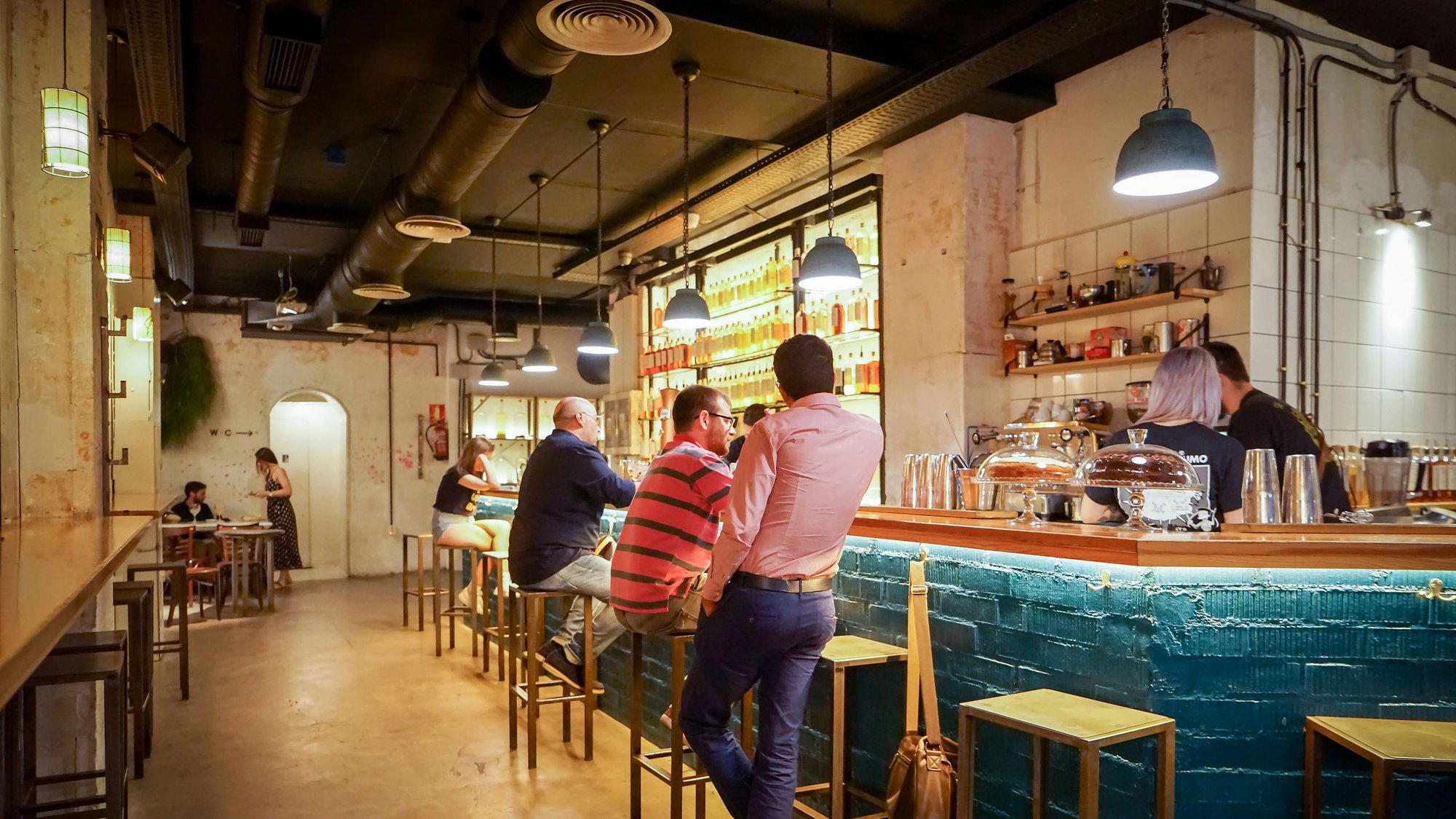
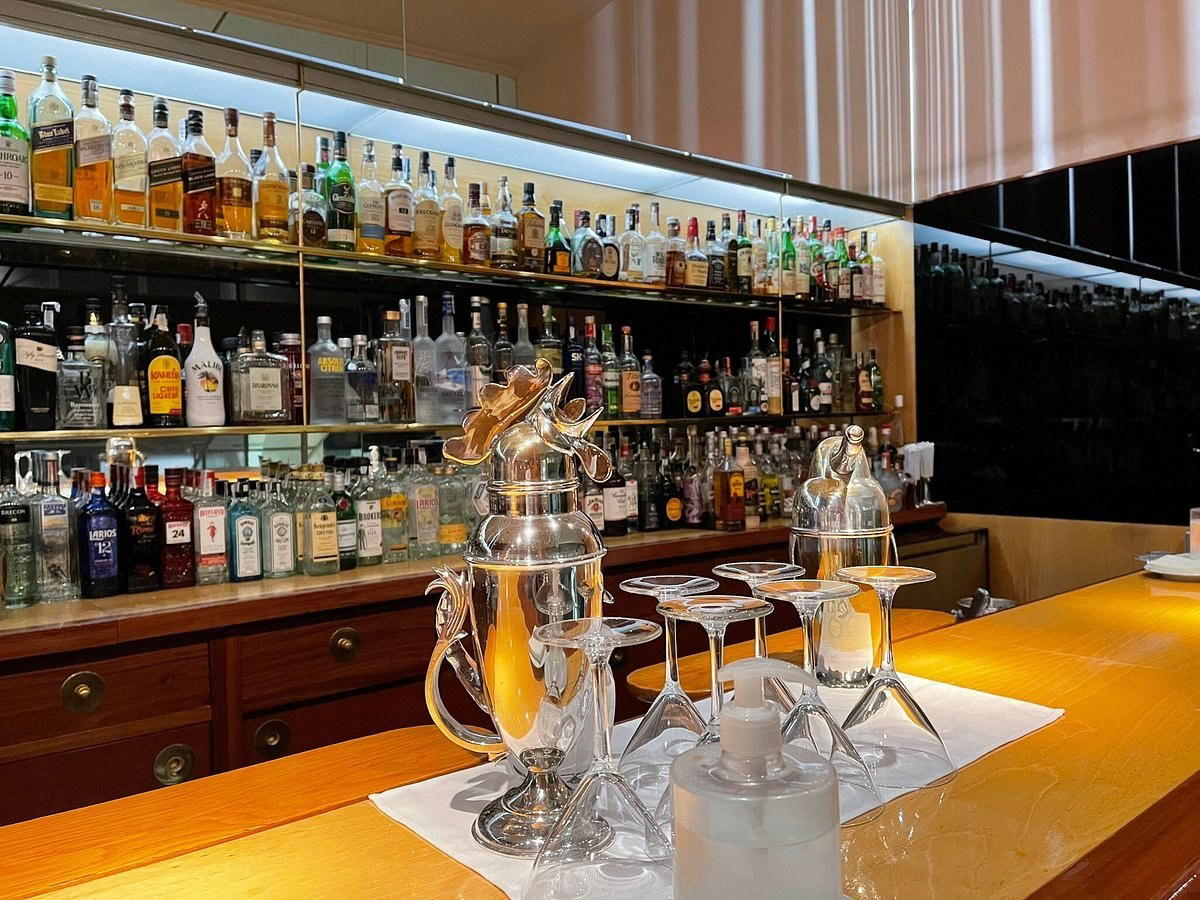
Hotels in Madrid
Browse all →
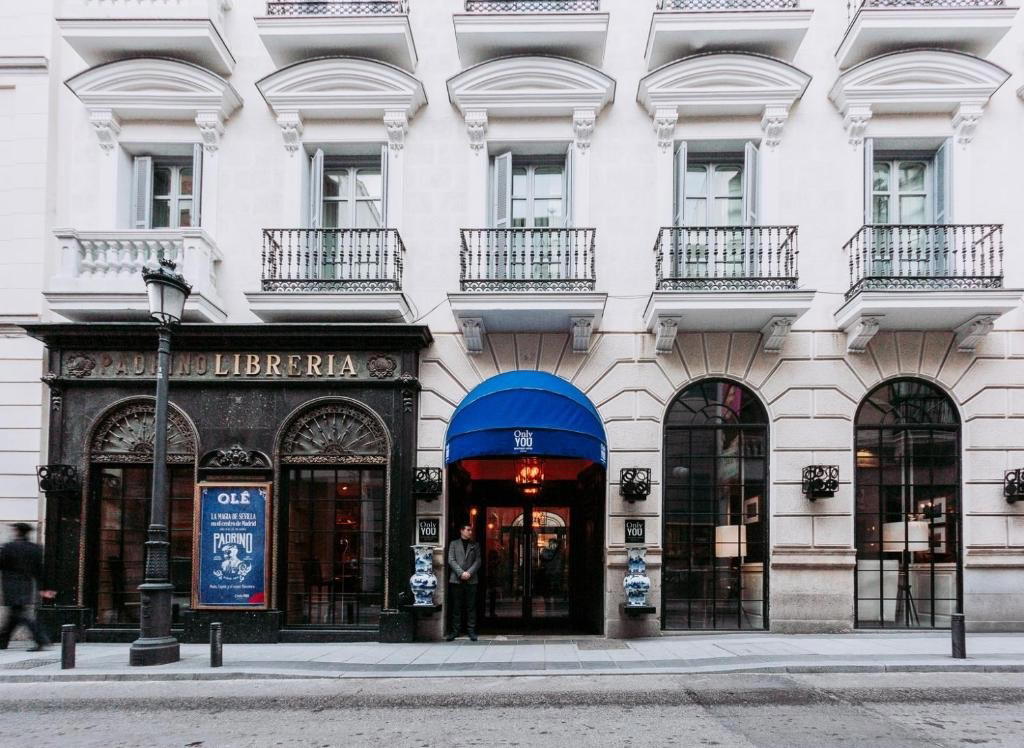
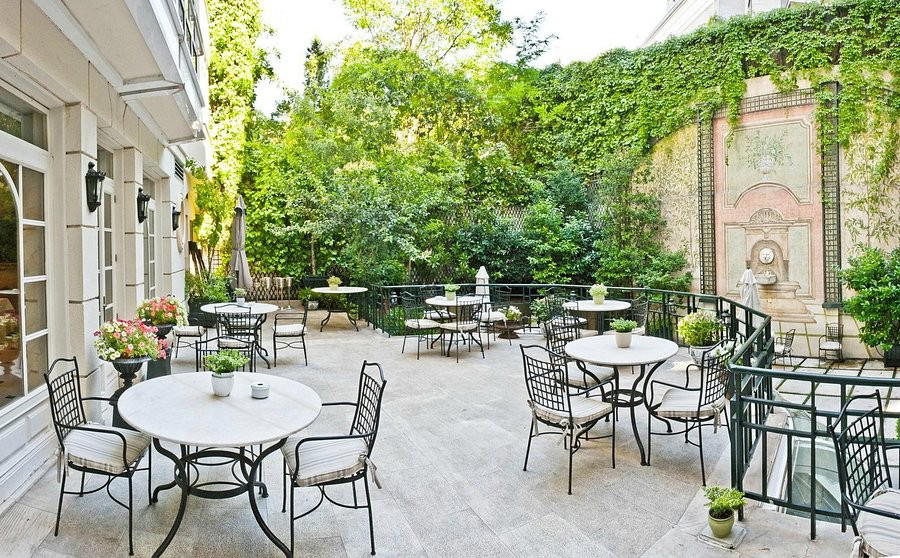


At a Glance
- Modern
- Classic
- Lively
- Group Dining
- Casual Hangout
- Business Dinner
- Brunch
- After Work
- Standalone
- Craft Cocktails
- Beer Program
- Local Sourcing
- Street Scene
Current opening hours
- Monday
- 9 AM–1 AM
- Tuesday
- 9 AM–1 AM
- Wednesday
- 9 AM–1 AM
- Thursday
- 9 AM–1 AM
- Friday
- 9 AM–1 AM
- Saturday
- 9 AM–1 AM
- Sunday
- 9 AM–1 AM
Hours can change for holidays and private events. Last verified .
A contemporary tavern atmosphere that blends traditional Madrid identity with a modern touch; reviews and descriptions emphasize a casual, lively, product-driven setting rather than formal fine dining.