Casse Croute occupies a quiet but deliberate position in Hamburg's ABC-Straße corridor, a neighbourhood that has become a reference point for mid-to-upper dining in the city centre. The name signals a French sensibility, and the address places it within walking distance of several of Hamburg's more serious restaurant tables. Booking ahead is advisable, particularly for evening sittings.
Pearl is the En Primeur Club membership app — saves, bookings, and concierge access live there. Same editors, same standards.
- Address
- ABC-Straße 44-46, 20354 Hamburg, Germany
- Phone
- +494940343373
- Website
- casse-croute.de
- Directions
- Get directions
 Saves & bookings on Pearl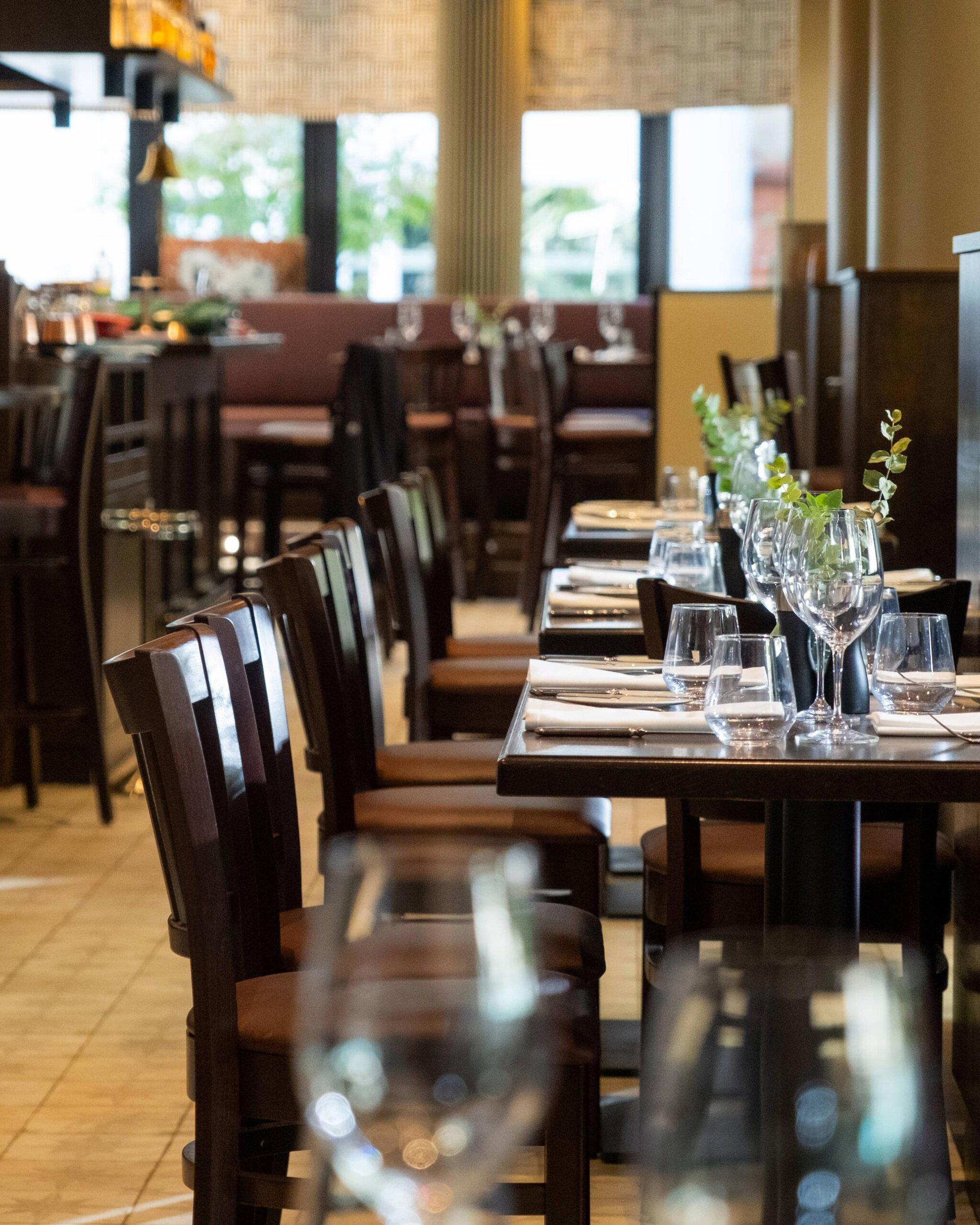
Where the Menu Does the Talking
Hamburg's city-centre dining corridor along ABC-Straße runs through a district where restaurants compete less on spectacle and more on what lands on the plate. The area sits close to the Neustadt quarter, a neighbourhood that has shed much of its office-lunch identity over the past decade to become a more credible destination for evening dining. Casse Croute, addressed at ABC-Straße 44-46, sits inside this shift rather than ahead of it — a positioning that tells you something about the kind of restaurant it is.
The name itself frames expectations before you walk through the door. In French, casse-croûte refers to a simple, satisfying meal taken without ceremony — the kind of eating that values substance over performance. In Hamburg, where the restaurant scene spans everything from The Table Kevin Fehling at the formal creative end to neighbourhood bistros with handwritten menus, a name that signals French casualness is a deliberate editorial choice. It sets a tone: this is not a tasting-menu marathon or a showroom for modernist technique.
Reading the Menu Architecture
French bistro-coded names in German cities tend to fall into two broad categories. The first is the pastiche, the red-checked tablecloths, the laminated wine list, the steak-frites offered at volume. The second is the genuinely considered version, where the bistro register is used as a structural frame for serious cooking rather than nostalgia. The menu architecture at a restaurant operating under the casse-croûte banner typically reflects the latter ambition: a shorter card, a focus on a smaller number of dishes executed with precision, and a kitchen less interested in impressing through complexity than in convincing through consistency.
That structural logic matters in Hamburg's current dining environment. The city's highest-tier tables, among them Restaurant Haerlin and 100/200 Kitchen, operate on multi-course formats where the sequence itself is the statement. A restaurant working in a shorter, à-la-carte or limited-choice register occupies a different position in that hierarchy, one where individual dishes bear more weight precisely because there are fewer of them. Every plate has to justify its presence on the card.
French-influenced restaurants in northern Germany also navigate a specific tension between regional produce and classical technique. The North Sea and surrounding agricultural regions offer strong raw material, fish, game, root vegetables, that maps well onto the French tradition of letting geography define the menu. When that dialogue between local supply and French technique works, it produces cooking that feels grounded rather than imported. When it fails, the result reads as category confusion. The casse-croûte format, at its most disciplined, is one of the more forgiving structures for that kind of regional-classical conversation, because the register already assumes restraint.
Hamburg's Mid-Tier: Where the Real Work Happens
Germany's fine dining conversation often gravitates toward its three-star addresses: Schwarzwaldstube in Baiersbronn, Aqua in Wolfsburg, or Vendôme in Bergisch Gladbach. But the more instructive part of any city's restaurant culture tends to sit one tier below the summit, where kitchens are not underwritten by hotel groups or destination-dining tourism and must earn repeat customers on the strength of the food alone.
In Hamburg specifically, the mid-to-upper independent tier is where the dining identity of the city is most honestly expressed. bianc operates in the modern Mediterranean register at the higher price point; Lakeside holds its own lane with a German lakeside orientation. A French-coded restaurant at the ABC-Straße address competes for a diner who wants cooking with a clear point of view but is not necessarily committed to a three-hour format. That is a sizeable and discerning audience in a city of Hamburg's size and commercial weight.
For comparative context beyond Hamburg, French-influenced cooking at this register appears at addresses like Bagatelle in Trier and, at the highest level internationally, Le Bernardin in New York City, a restaurant whose menu architecture, focused almost entirely on fish with a similarly restrained French classical grammar, has influenced how European bistro-fine dining kitchens think about product-driven minimalism.
The ABC-Straße Address
Location in Hamburg's dining geography carries information. The ABC-Straße corridor is not the Elbphilharmonie waterfront, where restaurants pitch to tourists and post-concert crowds, nor is it the Sternschanze, where the city's more informal and experimental kitchens tend to cluster. The city centre address suggests a restaurant that relies on a combination of business-lunch regulars and informed evening diners, a mix that typically produces a more disciplined service rhythm than destination-only formats.
That positioning also places Casse Croute within easy reach of Hamburg's central hotel cluster, which means it sits in the consideration set for visitors to the city who want something more considered than a hotel dining room but are not planning the kind of weeks-in-advance booking that restaurants like The Table Kevin Fehling require. For readers building a Hamburg itinerary, the full picture of what the city offers across price points and formats is covered in our full Hamburg restaurants guide.
German cities with strong regional restaurant cultures, Munich's JAN, Berlin's CODA Dessert Dining, or the Bavarian precision of ES:SENZ in Grassau, all demonstrate that the most durable independent restaurants in Germany tend to occupy clearly defined positions rather than trying to compete across multiple registers at once. A bistro name that commits to the casual-serious French format is, in that sense, a structural decision as much as a culinary one.
Know Before You Go
Address: ABC-Straße 44-46, 20354 Hamburg, Germany
Booking: Advance reservation recommended, particularly for evening sittings; direct contact with the restaurant advised
Nearby reference points: Central Hamburg, close to Neustadt and the city's main hotel corridor
Planning note: For broader context on Hamburg's restaurant scene at multiple price points, see our Hamburg dining guide
Continue exploring
More in Hamburg
Restaurants in Hamburg
Browse all →
Bars in Hamburg
Browse all →

Hotels in Hamburg
Browse all →
Wineries in Hamburg
Browse all →
At a Glance
- Elegant
- Cozy
- Classic
- Business Dinner
- Special Occasion
- Casual Hangout
- Standalone
- Extensive Wine List
Current opening hours
- Monday
- 12–10 PM
- Tuesday
- 12–10 PM
- Wednesday
- 12–10 PM
- Thursday
- 12–10 PM
- Friday
- 12–10 PM
- Saturday
- 5–10 PM
- Sunday
- Closed
Hours can change for holidays and private events. Last verified .
Cozy and elegant bistro atmosphere with leather banquettes, candlelit white tablecloths, and a welcoming classic vibe.
Know Before You Go
- Getting there
- ABC-Straße 44-46, 20354 Hamburg, Germany