


1 Michelin Star · Macarfi 8.9 Food Rating · Guía Repsol 2 Soles
Our verdict
Casona del Judío holds a Michelin star (2024) and occupies a 19th-century colonial-style property on the edge of Santander, where chef Sergio Bastard runs two tasting menus built around Cantabrian coastal ingredients, algae, and sea-derived ferments. At €€€€ pricing, it sits at the upper end of the city's fine dining tier, above one-star peer El Serbal, and draws guests specifically for its format: snacks prepared and explained by the chef before guests are seated.

Pearl is the En Primeur Club membership app — saves, bookings, and concierge access live there. Same editors, same standards.
- Address
- C. Repuente, 20, 39012 Santander, Cantabria, Spain
- Phone
- +34 942 34 27 26
- Hours
- Mon–Tue ClosedWed–Thu 1:30–3:15 PMFri–Sat 1:30–3:15 PM, 8:30–10 PMSun 1:30–3:15 PM
- Website
- casonadeljudio.com
- Directions
- Get directions
- Booking
- Book on TheFork
The menu
What to order
- Verdinas con gamba roja
- Chipirón curado
A 19th-Century House and a Michelin Star in Santander's Upper Tier
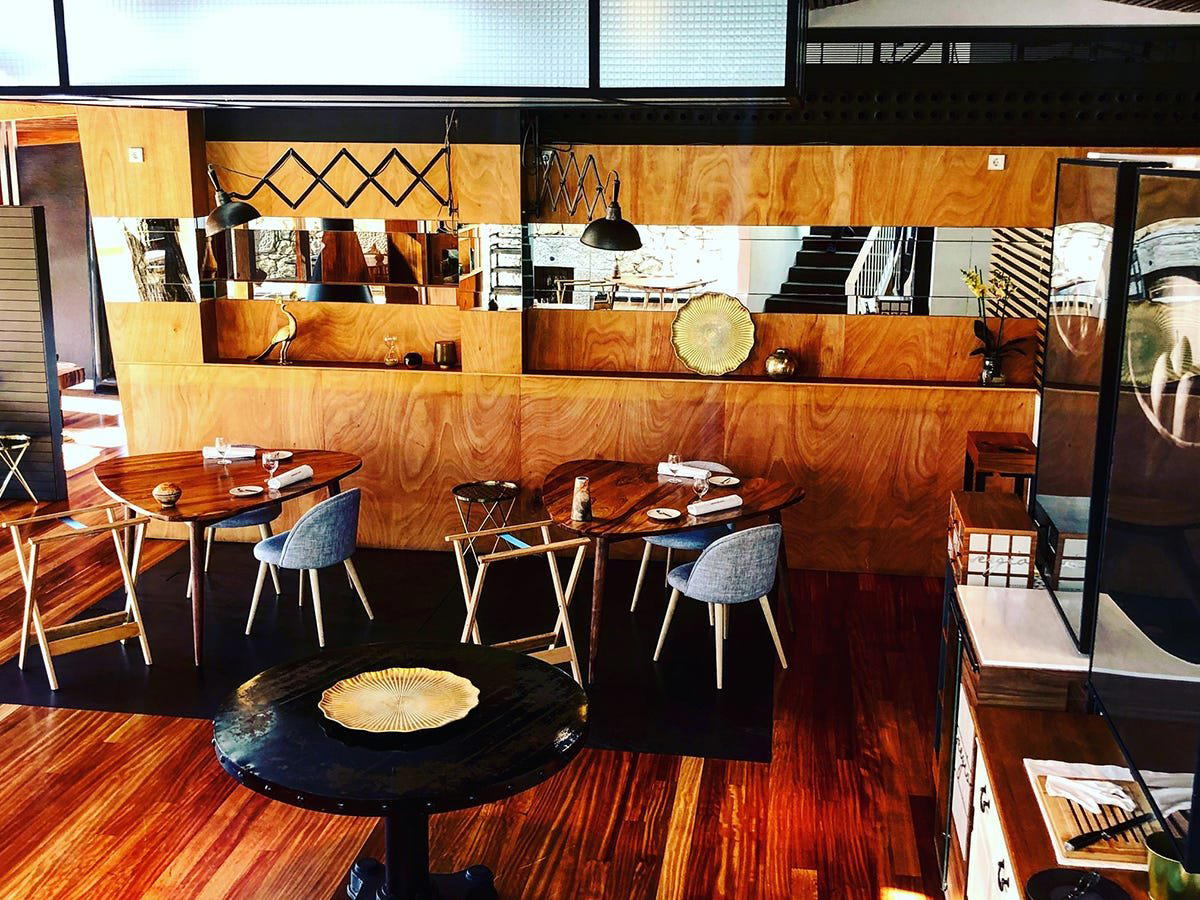
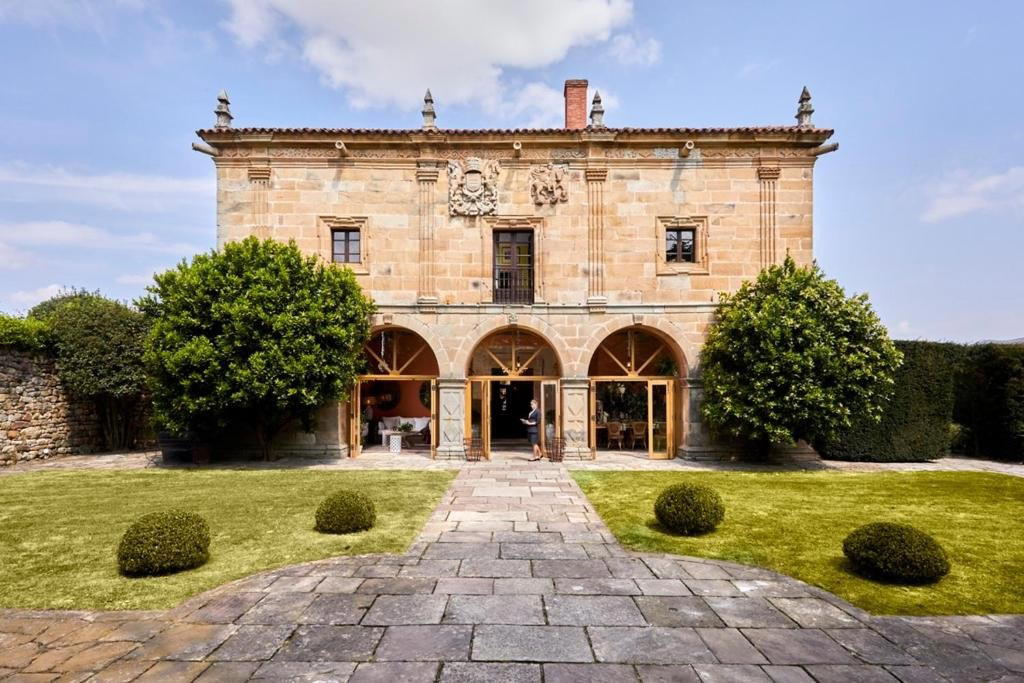
The approach to Casona del Judío sets the register before a single dish arrives. The restaurant occupies a 19th-century colonial-style property in the Repuente district, and the architecture does something that purpose-built restaurant spaces rarely manage: it creates a sense of occasion that precedes the food entirely. Walking through the Casona, guests enter a dedicated room where chef Sergio Bastard prepares and explains his opening snacks. That sequencing is deliberate. The kitchen-to-table narrative is embedded in the physical journey through the building, not merely implied by a menu note.
Santander's fine dining scene is modest in scale but coherent in identity. The city's proximity to the Cantabrian Sea and its access to northern Spain's coastal larder give its better restaurants a clear ingredient logic. El Serbal holds the city's other Michelin star at the €€€ tier, while restaurants like Cadelo, Daría, and Umma occupy the contemporary mid-range. Casona del Judío prices above that entire group at €€€€, positioning itself in a bracket where the architectural setting, two-menu tasting format, and starred kitchen combine into a full evening rather than a meal with ambitions.
What Michelin Recognition Signals Here
The 2024 Michelin star is the clearest external calibration point available for Casona del Judío, and what it signals is specific: inspectors awarded a star for a kitchen that demonstrates consistent technical execution, a coherent ingredient philosophy, and dishes with genuine identity. That last criterion matters here. Bastard's approach centres on the Cantabrian coast not as a broad regional concept but as a source of specific, sometimes unconventional materials. Algae and coastal herbs appear in the tasting menus alongside the premium local seafood that Cantabrian restaurants broadly share, and the kitchen's fermentation work, particularly around anchovy brine, gives the menu a signature that extends beyond sourcing into technique.
Within Spain's Michelin-starred tier, the restaurant sits in a different competitive register from the country's higher-profile addresses. El Celler de Can Roca in Girona, Arzak in San Sebastián, and Azurmendi in Larrabetzu operate at three stars with international profiles and corresponding demand. DiverXO in Madrid, Cocina Hermanos Torres in Barcelona, and Aponiente in El Puerto de Santa María carry multi-star credentials alongside strong international recognition. Casona del Judío operates in a quieter register: a single star, a regional city, and a kitchen whose identity is shaped by its specific coastal geography rather than a bid for national prominence. For readers who have covered Spain's more heralded addresses, it offers a tasting menu shaped by its local coastal geography.
Two Menus, One Ingredient Logic
The kitchen runs two tasting menus: Festival and Chef's Table.
The ingredient philosophy is worth understanding on its own terms before arriving. Algae and coastal herbs appear not as garnish or textural accent but as flavour contributors alongside Cantabrian seafood. The kitchen's most documented original contribution is, an anchovy brine that Bastard prepares in small bottles and uses in sauces to add depth and controlled salinity to dishes. The technique draws on the Cantabrian tradition of preserving anchovies (the region, particularly around Santoña, produces some of Spain's most prized preserved anchovies) but repurposes the brine as a building block rather than a finished product. Documented dishes include Verdina beans with red prawns and brine-cured squid with a black garlic macaroon, both from the opening courses. These demonstrate the kitchen's structural approach: a legume or preserved seafood base, a precision-cooked premium ingredient, and a preparation that introduces textural contrast through technique rather than through architectural plating alone.
The Property as Part of the Experience
The 19th-century colonial-style building is not incidental context. In a city where most of the serious restaurants operate from contemporary or converted commercial spaces, the Casona provides an architectural counterpoint. The sequence matters: guests move through the house before reaching the dining room, encountering the chef in an intermediate space where snacks are prepared tableside and explained. This pre-dinner ritual is a format choice that places the kitchen's process in direct view before the formal meal begins, which has become a considered structural element rather than a novelty. Similar formats appear at high-end tasting menu restaurants across northern Spain, where the arrival experience is treated as the first course in editorial terms.
For the reader choosing between Santander's fine dining options, the Casona occupies a clear position: it is the highest-priced address in the city's restaurant tier, it carries the strongest external validation in the form of its Michelin star, and it offers a multi-stage format (arrival room, snack presentation, seated menu) that none of its direct city peers currently replicate. Agua Salada and the city's contemporary mid-range operate in a different price and format register. The comparison that matters is with starred houses in comparable regional cities across northern Spain, where the Casona competes on a kitchen-forward, ingredient-specific tasting menu model.
Planning Your Visit
Casona del Judío is located at C. Repuente, 20, in the 39012 district of Santander. The pre-dinner room experience means guests should allow more time than a standard tasting menu requires; the full evening, from arrival through dessert, is likely to run three hours or more at the Chef's Table format.
Santander is accessible by rail from Madrid (approximately four to five hours on intercity services), and the city's compact geography means most hotels are within reasonable distance of the Repuente address. For full orientation on where to stay, what else to eat, and how to spend time in the city, see our full Santander experiences guide. For readers interested in how single-star tasting menu formats compare at an international level, Frantzén in Stockholm and FZN by Björn Frantzén in Dubai offer points of comparison for the multi-stage arrival format that Casona del Judío has developed in its own regional key.
Frequently asked questions
What should I order at Casona del Judío?
The kitchen does not operate à la carte, so the question is which of the two tasting menus to choose. For the fullest expression of Bastard's Cantabrian coastal philosophy, the Chef's Table format is the stronger choice, as it is designed to extend the range of the kitchen's ingredient work and technique. Among the documented dishes, the Verdina beans with red prawns and the brine-cured squid with black garlic macaroon appear in the opening courses and represent the kitchen's approach clearly: a preserved or slow-cooked base, a premium Cantabrian seafood element, and a preparation that introduces textural contrast without theatrical plating. The, an anchovy brine used in sauces across the menu, is the kitchen's most original technical contribution and appears as a flavour thread through multiple courses rather than a single dish to single out.
Budget and Context
| Venue | Cuisine | Price | Awards | Notes |
|---|---|---|---|---|
| Casona del JudíoThis venue — the venue you are viewing | Modern Cantabrian Fine Dining | Not listed | 1 Michelin Star · Macarfi 8.9 Food Rating | Not listed |
| El Serbal | Modern Cantabrian Fine Dining | $50–100 | 1 Michelin Star · Guía Repsol 1 Sol | Modern Cuisine |
| Cañadío | Traditional Cantabrian | $50–100 | Michelin Plate · Macarfi 7.9 Food Rating | Not listed |
| La Bombi | Traditional Cantabrian Seafood | Not listed | Michelin Plate · Macarfi 8.2 Food Rating | Not listed |
| Agua Salada | Modern Mediterranean Spanish Gastrobar | $30–50 | Michelin Bib Gourmand · Macarfi 7.7 Food Rating | Not listed |
| Bodega Cigalena | Traditional Cantabrian Spanish | Not listed | Macarfi 8 Food Rating | Not listed |
Recognition history
Dated appearances from independent guides and award organizations, with the underlying list record or original source where available.
Michelin 1 Star
Michelin
Guía Repsol 2 Soles
Guía Repsol
Macarfi 8.9 Food Rating
Macarfi
Full recognition history (5 entries)
Michelin 1 Star
Michelin
Michelin 1 Star
Michelin
Continue exploring
More in Santander
Restaurants in Santander
Browse all →
Details
- Elegant
- Rustic
- Intimate
- Sophisticated
- Date Night
- Special Occasion
- Celebration
- Historic Building
- Garden
- Local Sourcing
- Garden
- Tasting Menu
- Vegetarian Friendly
- Vegan Options
Current opening hours
- Monday
- Closed
- Tuesday
- Closed
- Wednesday
- 1:30–3:15 PM
- Thursday
- 1:30–3:15 PM
- Friday
- 1:30–3:15 PM, 8:30–10 PM
- Saturday
- 1:30–3:15 PM, 8:30–10 PM
- Sunday
- 1:30–3:15 PM
Hours can change for holidays and private events. Last verified .
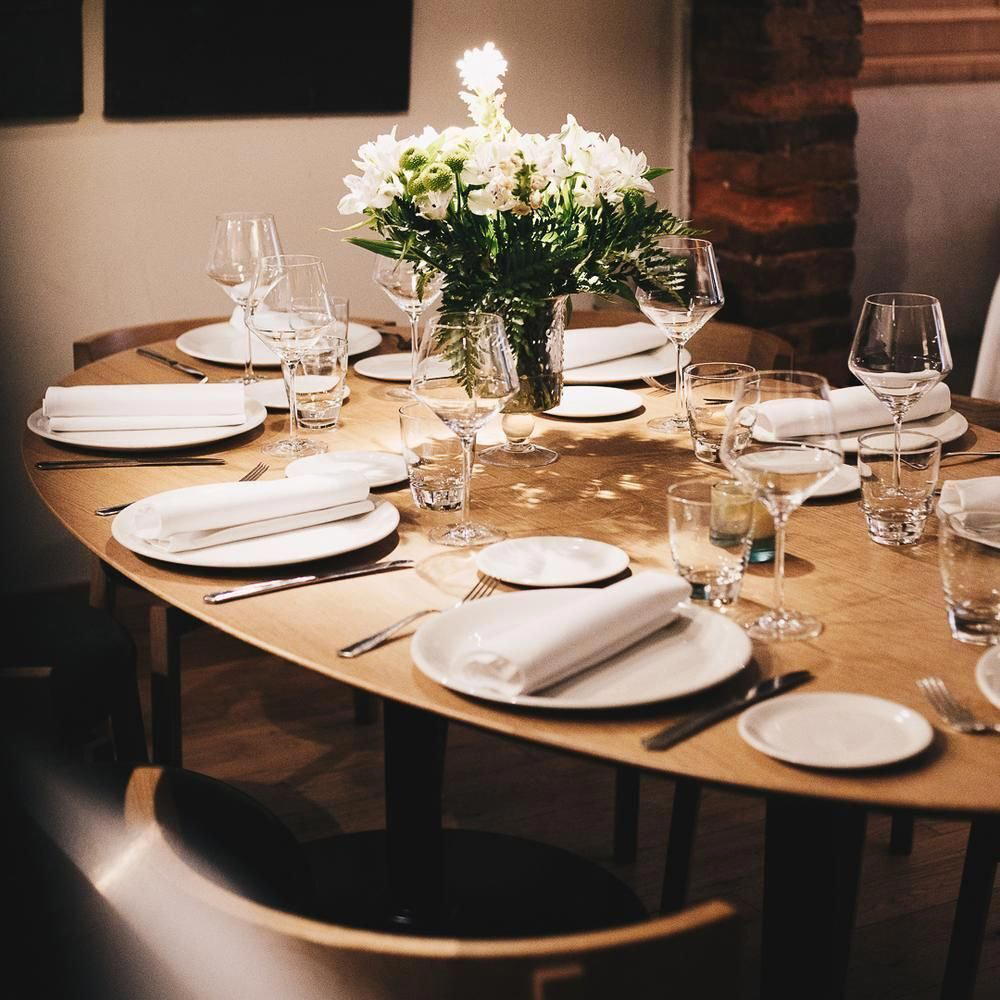
Refined and tranquil atmosphere in a historic casona with garden views, featuring modernized elegant decor and a sense of secluded charm.