


A Michelin-starred address on the rural edge of Llanes, El Retiro operates inside a three-generation family property that spans an informal bistro and a dedicated tasting menu room. Chef Ricardo González Sotres applies contemporary technique to Asturian ingredients with a precision that has earned consistent recognition from both Michelin and Opinionated About Dining's European rankings. The San Patricio tasting menu is the main event.
Pearl is the En Primeur Club membership app — saves, bookings, and concierge access live there. Same editors, same standards.
- Address
- Ctra. Pancar, 33509 Pancar, Asturias, Spain
- Phone
- +34 985 40 02 40
- Website
- elretirollanes.es
- Directions
- Get directions
 Saves & bookings on Pearl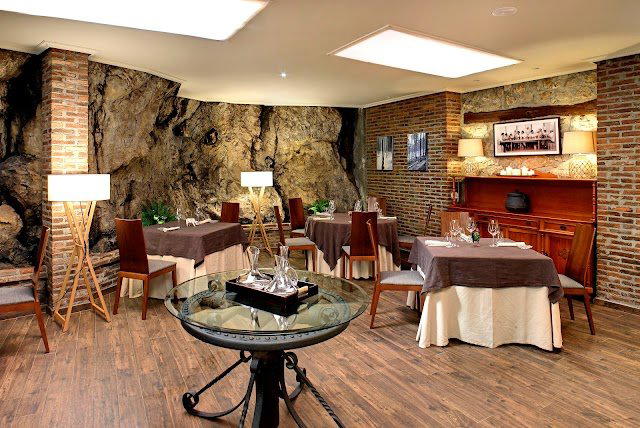
A Village Address in the Asturian Fine Dining Circuit
Rural Asturias has produced a disproportionate number of Spain's most serious tasting menu restaurants. The coastline and interior of this northern region supply some of the country's most consistent raw material: Cantabrian seafood, mountain cheeses, indigenous pork breeds, wild herbs, and cider-valley produce that chefs elsewhere import at considerable expense. In this context, the concentration of high-ambition cooking in small Asturian villages is less of a surprise than it first appears. El Retiro, on the road to Pancar just outside Llanes, sits inside that pattern, a one-Michelin-star restaurant occupying a converted family property in a setting that reads more like a country lane than a dining destination.
Asturian fine dining tends to operate at a different register from the high-profile restaurants of the Basque Country or Catalonia. Venues like Arzak in San Sebastián, Azurmendi in Larrabetzu, or El Celler de Can Roca in Girona carry international visibility and price points to match their three-star status. El Retiro operates at €€€, which places it inside a more accessible tier of Spanish tasting menu dining without abandoning the precision or local sourcing that defines the category at its upper end.
The Property: Chigre, Bistro, and Gastronomic Room
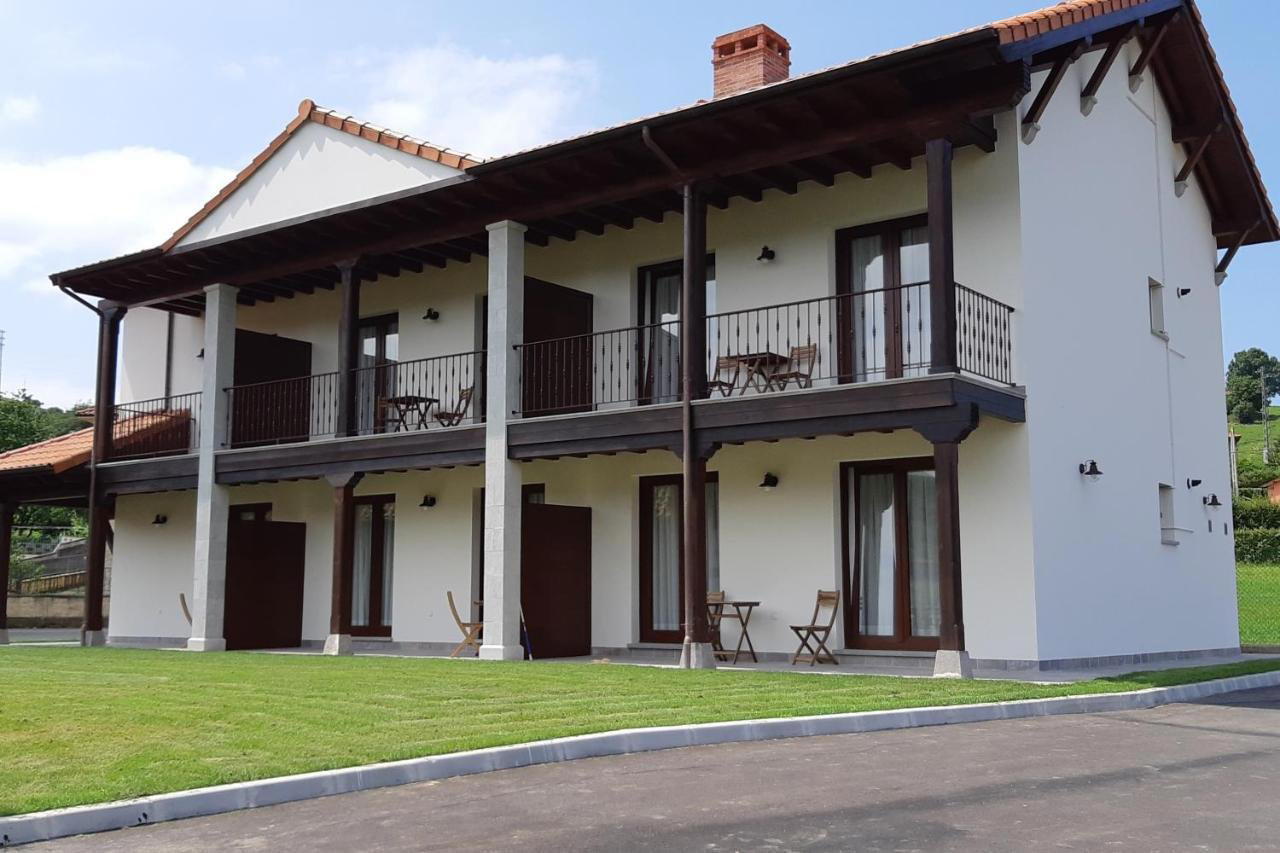
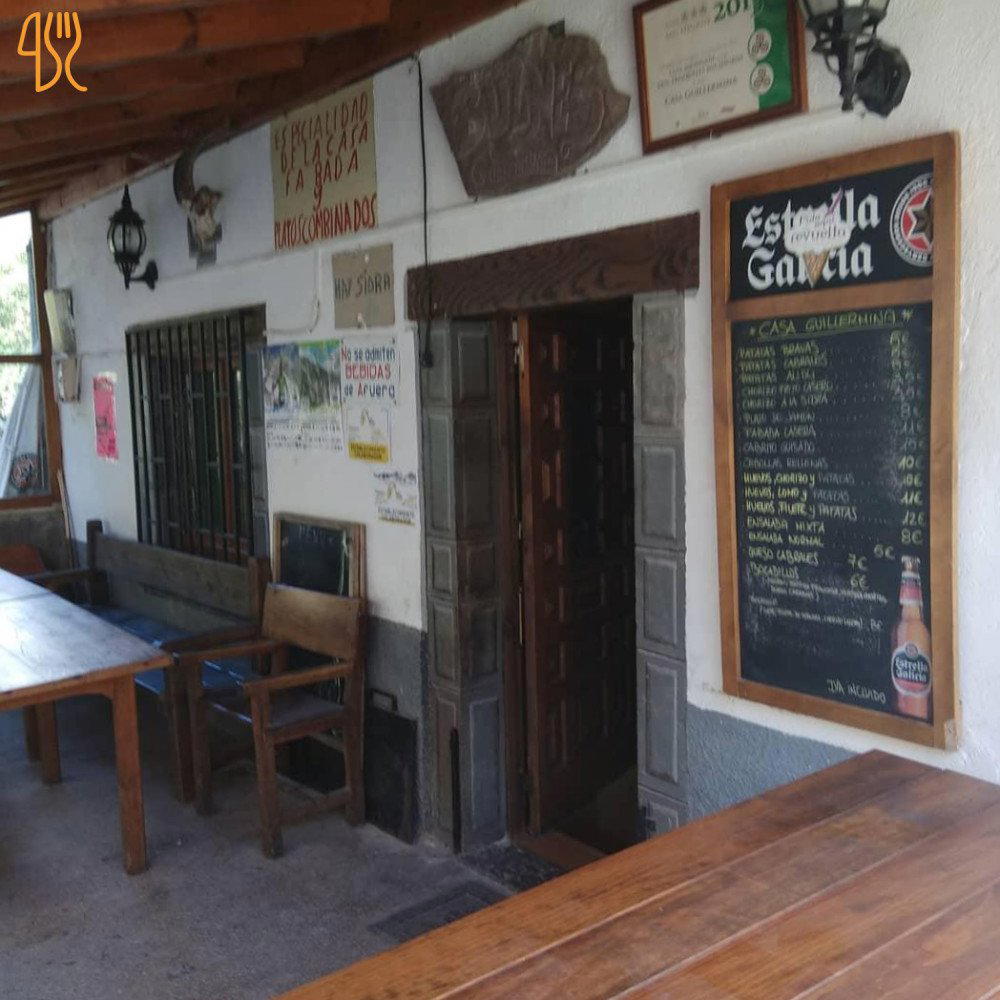
The structure of the El Retiro property tells a clear story about how rural Spanish hospitality has evolved across generations. The original building was a chigre, the Asturian term for a traditional tavern, established by the current chef's grandparents. That original space survives as Le Bistró, a room that preserves the building's rustic character and offers a menu grounded in regional classics. The formal dining room, El Retiro proper, was developed as a separate gastronomic space dedicated to the tasting menu format.
This dual-format model is a recurring pattern in Spanish fine dining. The bistro absorbs walk-in traffic and local regulars; the tasting menu room operates at a different pace and with different expectations. It also allows the kitchen to maintain two distinct creative registers without one compromising the other. Approaching from the road to Pancar, the setting is agricultural and quiet, the sort of environment that, in Spain's north, has come to signal a restaurant that relies on reputation and repeat visits rather than passing footfall.
San Patricio: The Tasting Menu and What It Represents
The tasting menu at the restaurant carries the name San Patricio, a reference to the chapel at Pancar and a three-hundred-year-old holm oak at the church entrance. The naming choice is worth noting as an editorial signal: menus named after local landmarks rather than abstract concepts tend to anchor the food in place rather than in technique for its own sake, and the cooking at the restaurant follows that logic.
The kitchen's approach is described as modern Asturian cuisine with technique and creativity applied in service of local ingredients. Two dishes from the menu have received specific recognition. The cod belly with pil pil, white asparagus, ricotta, and black garlic works within a Cantabrian coastal tradition, pil pil is a Basque emulsion sauce made from the collagen released by salt cod, a preparation that requires patience and control, while incorporating Italian dairy and the fermenting influence of black garlic. The second highlighted dish moves further from that regional base: an Asturian gochu snout stew with carabinero prawns and curry, presented in three variations. The gochu asturcelta is an indigenous Asturian pig breed; combining it with carabinero, a deep-water prawn with intense iodine flavour, and curry across multiple preparations is a genuinely unusual move, and one that the kitchen commits to with enough confidence to offer three iterations of the same concept.
That Asian-Asturian fusion dimension connects the restaurant, at a stylistic level, with some of the more experimental rooms in Spanish fine dining. DiverXO in Madrid has made Asian-Spanish fusion its entire identity at the three-star level. The restaurant's version is more targeted, a single structural idea applied to specific local ingredients rather than a whole-menu philosophy, which keeps the regional identity of the cooking intact.
Pork Tradition and Asturian Identity on the Plate
Spain's relationship with pork runs deeper than Ibérico jamón, though that curing tradition is one internationally visible expression of it. In Asturias, the relevant reference points are different: the gochu asturcelta pig, a breed tied to the region's chestnut forests and mountain pasture, and preparations like the cocido asturiano, the region's version of the slow-cooked legume and pork stew that exists in different forms across northern Spain.
The appearance of gochu snout in the San Patricio menu is an assertion of Asturian pork identity rather than a gesture toward the Ibérico tradition further south. Offal and secondary cuts from indigenous breeds have been central to northern Spanish cooking for generations; what changes in the contemporary tasting menu context is the level of technical refinement applied to those cuts and the willingness to place them alongside luxury seafood like carabinero. That juxtaposition, peasant ingredient, high-end technique, expensive complementary product, is one of the recurring structural moves in progressive Spanish cooking, visible across different rooms from Mugaritz in Errenteria to Quique Dacosta in Dénia.
For readers tracing the broader evolution of Spanish ham and pork culture through the country's fine dining rooms, the restaurant offers an Asturian counterpoint to the Ibérico-dominated narrative, one where the breed, the preparation tradition, and the regional cooking vocabulary are distinct from the cured-ham culture of Extremadura or Andalusia.
Recognition and Competitive Position
The restaurant holds one Michelin star (awarded 2024) and has appeared in Opinionated About Dining's ranking of leading European restaurants, placing at number 539 in 2024 and moving to number 555 in 2025. The OAD ranking system is crowd-sourced from regular high-frequency diners rather than anonymous inspectors, which means it captures repeat-visit enthusiasm rather than single-inspection assessment. A presence in both systems suggests the restaurant performs consistently across different types of critical attention.
Within the Spanish one-star tier, the restaurant's €€€ pricing places it comparably to other serious regional rooms outside the major cities. The contrast with three-star Spanish addresses, Martin Berasategui in Lasarte-Oria, Cocina Hermanos Torres in Barcelona, or Aponiente in El Puerto de Santa María, is instructive: those rooms price significantly higher and require more logistical planning. The restaurant sits at a level where the investment is meaningful but not prohibitive for a region-specific dining trip. It also compares interestingly with other Spanish modern cuisine addresses at the one-star tier, such as El Bohío in Illescas or Amós in Madrid.
At that volume, the score reflects genuine sustained satisfaction rather than a small sample of enthusiastic early visitors, and it suggests the room performs consistently for a broad range of guests, not just specialist tasting menu audiences.
Locally, the El Bálamu seafood restaurant in Llanes represents a different point on the local dining spectrum, and is worth considering as part of a wider Llanes itinerary alongside the restaurant.
Planning a Visit
The restaurant is open Monday, Thursday, Friday, Saturday, and Sunday for lunch from 1:30 PM to 4 PM, with dinner on Friday and Saturday from 8:30 PM to 12 AM. The restaurant is located at Ctra. Pancar, 33509 Pancar, Asturias, Spain. At €€€ pricing for a tasting menu format with Michelin recognition, booking ahead is essential.
Cost and Credentials
Comparable venues nearby, for context on price, style, and recognition.
| Venue | Cuisine | Price | Awards | Notes |
|---|---|---|---|---|
| El RetiroThis venue — the venue you are viewing | Pancar, Modern Asturian Fine Dining | $$$$ | Michelin 1 Star | Not listed |
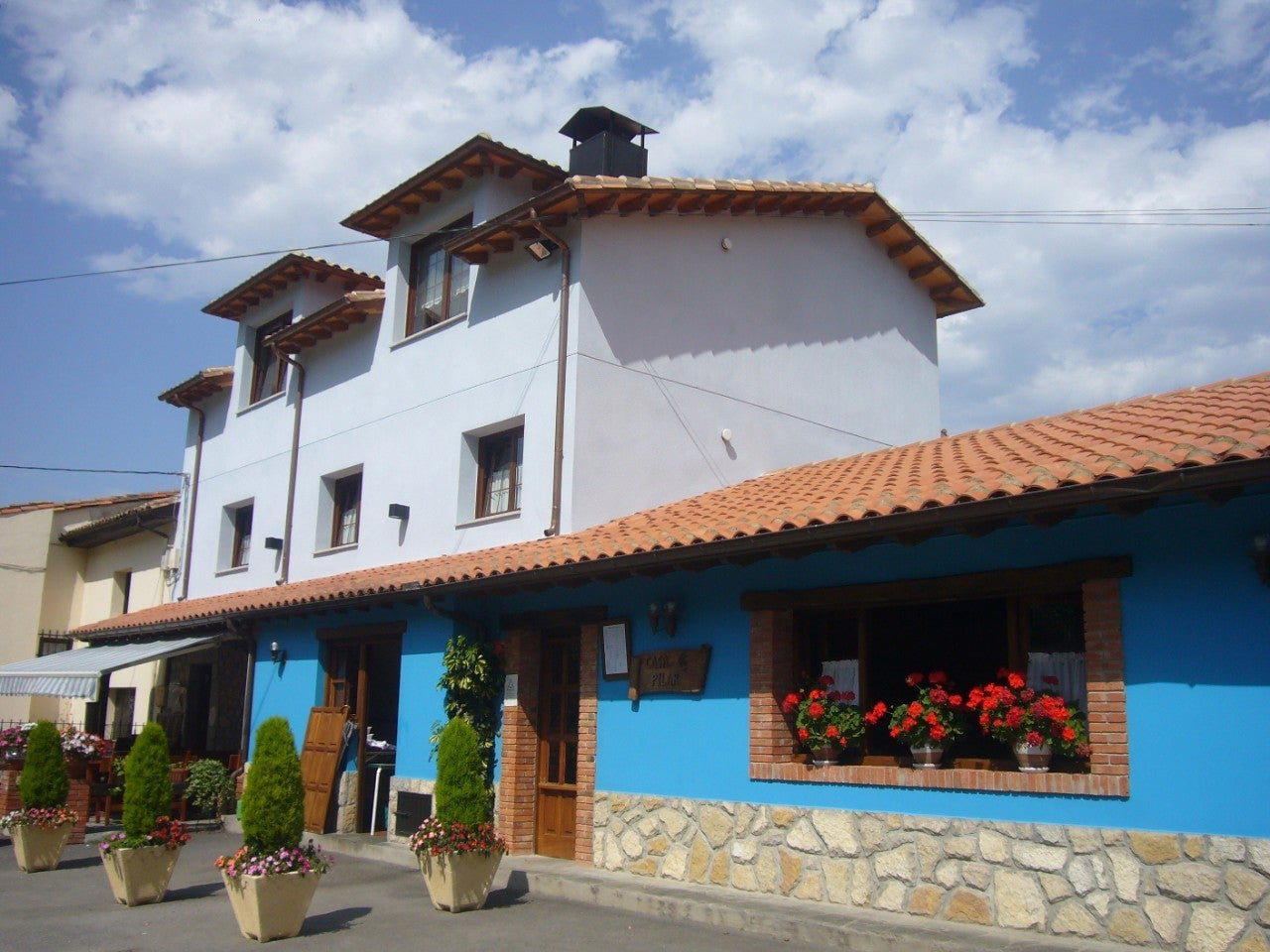
| Casa Pilar | Not listed | $$$ | Not listed | Nueva de Llanes, Traditional Asturian seafood restaurant |
| El Bálamu | Llanes, Spanish Seafood | $$$ | Michelin Plate | Not listed |
| Married Cocina | Not listed | $$$ | Not listed | Hontoria, Contemporary Asturian and French-influenced fine dining |
| Le Bistró | Llanes, Traditional Asturian Bistro | $$ | Bib Gourmand | Not listed |
| Zarate | Abando, Modern Basque Seafood | $$$$ | Michelin 1 Star | Not listed |
Recognition history
Dated appearances from independent guides and award organizations, with the underlying list record or original source where available.
Guía Repsol 2 Soles
Guía Repsol
Michelin 1 Star
Michelin
Opinionated About Dining Top Restaurants in Europe Recommended
Opinionated About Dining
Michelin 1 Star
Michelin
Opinionated About Dining Top Restaurants in Europe Ranked #555
Opinionated About Dining
Michelin 1 Star
Michelin
Opinionated About Dining Top Restaurants in Europe Ranked #539
Opinionated About Dining
At a Glance
- Elegant
- Rustic
- Sophisticated
- Special Occasion
- Date Night
- Private Dining
- Extensive Wine List
- Local Sourcing
Current opening hours
- Monday
- 1:30–4 PM
- Tuesday
- Closed
- Wednesday
- Closed
- Thursday
- 1:30–4 PM
- Friday
- 1:30–4 PM, 8:30 PM–12 AM
- Saturday
- 1:30–4 PM, 8:30 PM–12 AM
- Sunday
- 1:30–4 PM
Hours can change for holidays and private events. Last verified .
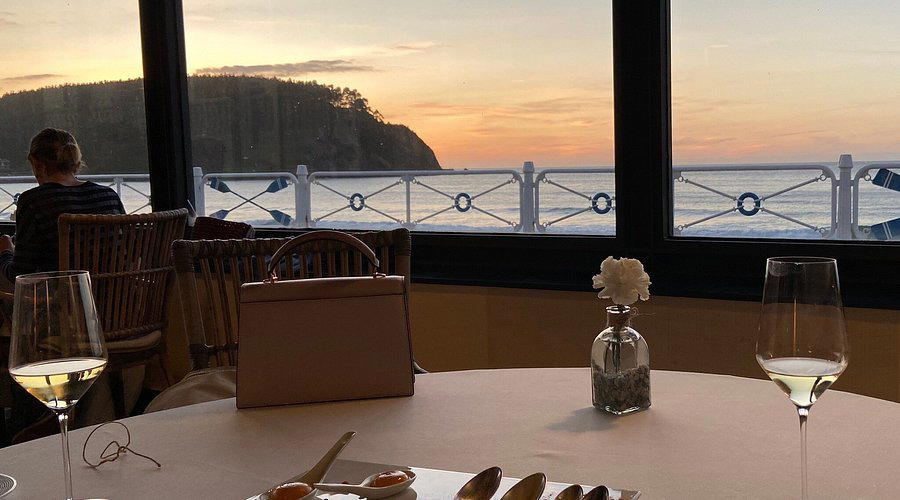
Elegant setting with bare-stone walls, rustic charm, modern touches, and pleasant atmosphere enhanced by friendly service and stylish decor.