



A Michelin-starred restaurant in Cantabria's hill country, Solana sits metres from the Santuario de la Bien Aparecida and frames its cooking around the same geography it overlooks: mountain pastures, coastal waters, and a kitchen garden sourced from the Bajo Asón valley. Chef Nacho Solano runs the kitchen alongside his sister Inma on the floor, producing a menu that holds tradition and contemporary technique in careful balance.
Pearl is the En Primeur Club membership app — saves, bookings, and concierge access live there. Same editors, same standards.
- Address
- La Bien Aparecida, 11, 39849 Ampuero, Cantabria, Spain
- Phone
- +34 942 67 67 18
- Website
- restaurantesolana.com
- Directions
- Get directions
 Saves & bookings on Pearl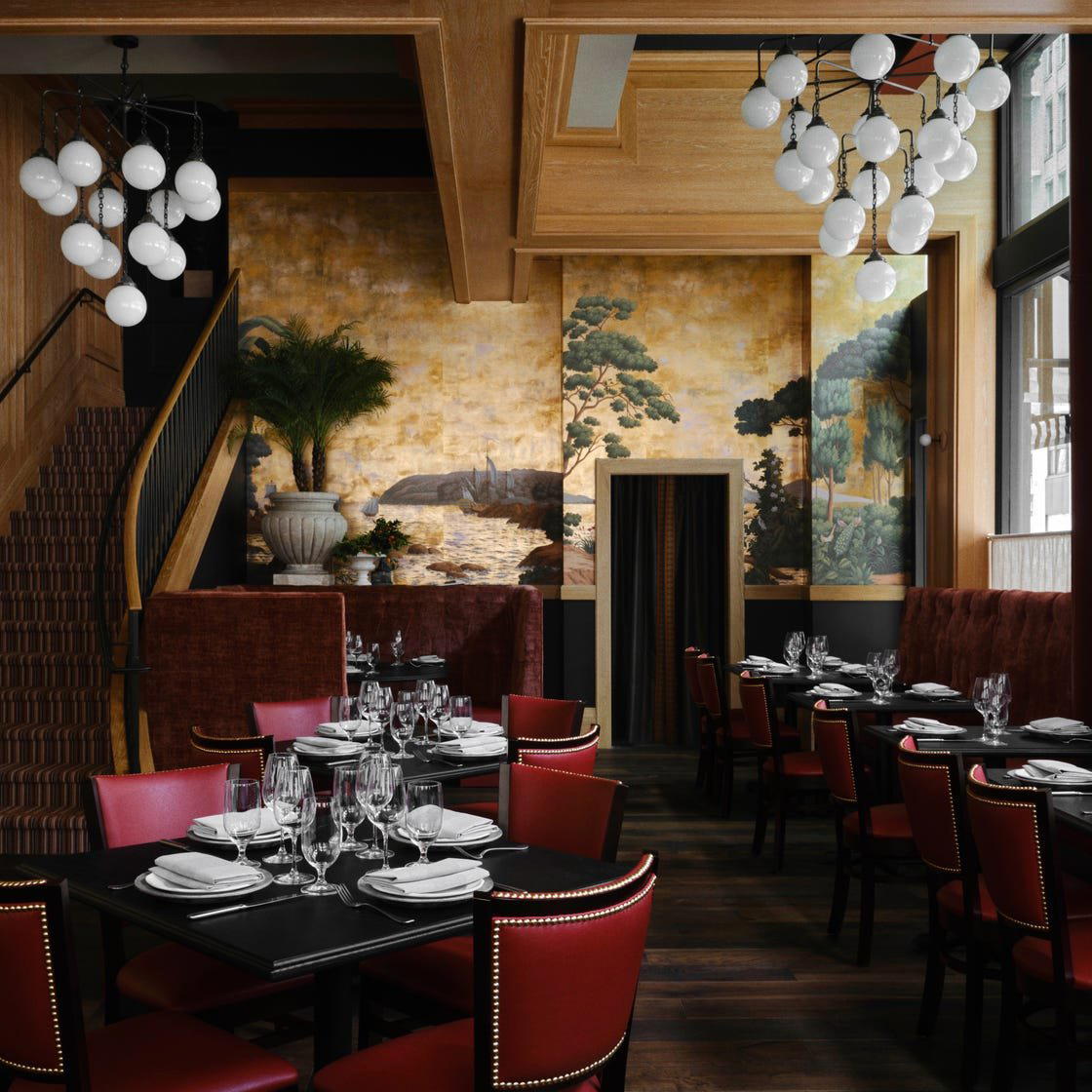
Where the Cantabrian Mountains Meet the Table
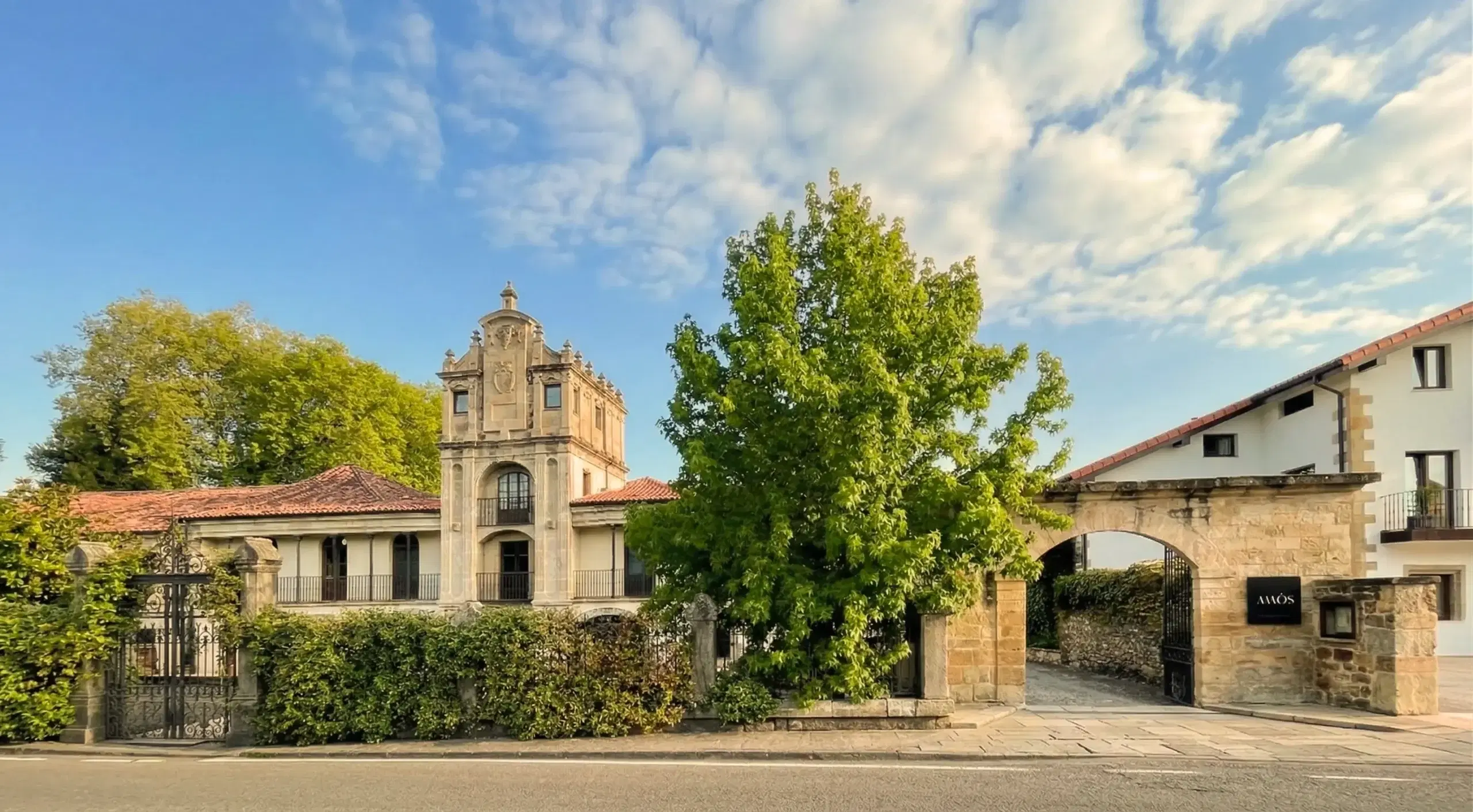
The approach to Solana sets the terms before you reach the door. The road climbs through green hill country above the Asón valley, passing the Santuario de la Bien Aparecida, Cantabria's patron saint shrine, before arriving at a restaurant whose dining room looks directly onto the meadows below. The cows grazing at the treeline are not incidental to the scene; they are the scene, and the kitchen's logic follows directly from that view. This is not a restaurant that gestures at regional provenance from a city address. The raw materials, the landscape, and the cooking share the same postcode.
Cantabria occupies an unusual position in Spain's fine dining conversation. It lacks the institutional weight of the Basque Country to the east, where Arzak in San Sebastián and Mugaritz in Errenteria have shaped the national narrative for decades, and it lacks the international visibility of Catalonia, where El Celler de Can Roca in Girona and Disfrutar in Barcelona compete at the summit of global rankings. What Cantabria has instead is an intensely local culinary identity built around anchovies, bonito, cocido montañés, and dairy produce of a quality that is difficult to overstate. Solana works within that identity rather than against it, and the Michelin star it holds (awarded 2024) reflects a kitchen operating at a level where regional specificity is a strength, not a limitation.
A Kitchen Shaped by Place and Family
The culinary evolution at Solana is inseparable from the Solano family's relationship with the land around Ampuero. Chef Nacho Solano runs the kitchen; his sister Inma manages the front of house and the wine programme. The family structure is common enough in Spanish regional restaurants, but what makes this particular arrangement notable is how it shapes the menu's dual character. The à la carte reads as an act of inheritance: ham croquettes, cod fritters, maganos (small squid) with onions, chicken stew. These dishes draw directly from the chef's mother's cooking and are maintained with the kind of deliberate continuity that distinguishes a living tradition from nostalgia. The plates are not reconstructions of memory. They are the memory.
That foundation of deep-rooted regional cooking is what gives the two tasting menus, Breñas and Golmaje, their coherence. Contemporary technique applied without a strong traditional base tends to produce food that is technically accomplished but directionless. At Solana, the opposite condition applies: the tradition is stable enough to support experimentation without losing its footing. The kitchen gardens and market gardeners of the Bajo Asón area supply seasonal vegetables that shift the menus through the year, ensuring that the produce arriving on the table reflects what the surrounding terrain is actually producing at that moment. Compare this to the more architecturally ambitious programmes at Quique Dacosta in Dénia or Aponiente in El Puerto de Santa María, where the culinary proposition is built around intellectual frameworks as much as raw materials. Solana's proposition is quieter and more rooted in the specific valley it occupies.
The Menu Structure and What It Signals
Solana offers two formats running in parallel: an à la carte built around the kitchen's signature dishes, and two tasting menus named Breñas and Golmaje. The names themselves are telling. Breñas refers to rough, scrubby terrain, the kind of hillside landscape visible from the dining room. Golmaje is a Cantabrian colloquialism for a hearty meal, something satisfying and substantial. Neither name gestures toward abstraction or international reference points. Both anchor the experience firmly in regional identity.
The à la carte's role here is worth noting in a broader context. At many starred restaurants in Spain, the à la carte has been quietly retired in favour of fixed tasting formats only. Solana's decision to maintain it alongside the tasting menus preserves access for guests who want the kitchen's most celebrated dishes without committing to a full progression. The ham croquettes and maganos with onions that appear on the à la carte are described by Opinionated About Dining, which ranks Solana at #606 in its 2025 Leading Restaurants in Europe list, as signature dishes in the truest sense: specific to this kitchen and not interchangeable with their equivalents elsewhere. In the broader Spanish fine dining context, where restaurants like Martin Berasategui in Lasarte-Oria and DiverXO in Madrid operate primarily through fixed menu formats, Solana's hybrid approach is a considered editorial position as much as a commercial one.
Ampuero and the Case for Destination Dining Outside the Circuit
Ampuero sits in the Bajo Asón valley in eastern Cantabria, roughly equidistant between Bilbao and Santander. It is not a town that appears on standard travel itineraries, which means Solana operates as a genuine destination rather than a convenient stop. Guests arrive specifically for the restaurant, many making the journey from Bilbao or San Sebastián, cities with dense concentrations of starred kitchens that nonetheless lack Solana's particular combination of setting and cooking style.
This geography matters because it affects how the restaurant reads as an experience. In cities like Barcelona or Madrid, a Michelin-starred meal is one option among many in a given evening. In Ampuero, Solana anchors an entire day's travel. The Santuario de la Bien Aparecida adjacent to the restaurant is a meaningful cultural site in its own right, drawing Cantabrian pilgrims and visitors throughout the year. For those planning around the restaurant, the broader Cantabrian coast, Santillana del Mar, the prehistoric caves at Altamira, the anchovies of Santoña, provides substantial context. Our full Ampuero experiences guide covers the surrounding area in more detail, and [our full Ampuero hotels guide]() is useful for those planning an overnight stay.
Pricing at the €€€ tier positions Solana below the €€€€ ceiling of the Basque and Catalan restaurants it is most frequently compared to, including Azurmendi in Larrabetzu and Ricard Camarena in València. For the level of cooking, the setting, and the Michelin recognition, the price positioning represents a meaningful differential from the peer group. It is also worth noting that Solana opens Tuesday through Saturday from 10:30 AM to 9:30 PM, Sunday until 7:00 PM, and is closed on Mondays. The extended midday window reflects the Spanish regional dining rhythm where the long lunch remains the primary format for serious meals. Reservations are advisable well in advance, particularly for weekend visits and for the tasting menus. [Our full Ampuero restaurants guide]() includes broader context on the area's dining options if you are building a longer itinerary.
Where Solana Sits in the Wider Picture
The pattern of high-quality regional restaurants operating outside Spain's main culinary centres has grown steadily over the past decade. Atrio in Cáceres in Extremadura represents an earlier version of the same model: serious cooking, serious wine, a destination setting that requires deliberate travel. Internationally, the parallel holds with places like Frantzén in Stockholm or FZN by Björn Frantzén in Dubai, where cooking of the highest order operates from addresses that are not automatically on every traveller's map.
What Solana offers that most of its starred peers cannot is a specific sense of place that is geographical rather than conceptual. The mountains you see from the table are the same mountains that produced the vegetables on the plate. The traditions the kitchen preserves are those of the valley below the window. In a period when modern Spanish cuisine has produced extraordinary intellectual achievements across all tiers, from the molecular laboratories of DiverXO to the conceptual restraint of Mugaritz, Solana's argument is quieter but no less considered: that cooking with deep local roots, served in the landscape that produced it, remains among the more coherent propositions in Spanish food. The OAD ranking at #606 in Europe for 2025 and the Michelin star confirm that the argument is landing.
For those building a Cantabrian itinerary, [our full Ampuero bars guide]() and [our full Ampuero wineries guide]() provide useful additions to the day around a meal at Solana.
Quick Comparison
Comparable venues nearby, for context on price, style, and recognition.
| Venue | Cuisine | Price | Awards | Notes |
|---|---|---|---|---|
| SolanaThis venue — the venue you are viewing | Modern Spanish Fine Dining | $$$$ | Michelin 1 Star | Not listed |
| El Serbal | Modern Cantabrian Fine Dining | $$$ | Michelin 1 Star | Sardinero |
| Casona del Judío | Modern Cantabrian Fine Dining | $$$$ | Michelin 1 Star | Barrio de Monte |
| La Lobita | Seasonal Mycological Fine Dining | $$$$ | Michelin 1 Star | Navaleno |
| El Retiro | Modern Asturian Fine Dining | $$$$ | Michelin 1 Star | Pancar |
| Cobo Evolución | Modern Spanish Evolution Tasting | $$$$ | Michelin 1 Star | Plaza de la Libertad |
Recognition history
Dated appearances from independent guides and award organizations, with the underlying list record or original source where available.
Guía Repsol 2 Soles
Guía Repsol
Macarfi 9.2 Food Rating
Macarfi
Michelin 1 Star
Michelin
Opinionated About Dining Top Restaurants in Europe Recommended
Opinionated About Dining
Michelin 1 Star
Michelin
Opinionated About Dining Top Restaurants in Europe Ranked #606
Opinionated About Dining
Michelin 1 Star
Michelin
At a Glance
- Elegant
- Scenic
- Cozy
- Sophisticated
- Special Occasion
- Date Night
- Celebration
- Open Kitchen
- Panoramic View
- Extensive Wine List
- Local Sourcing
- Farm To Table
- Mountain
- Street Scene
Current opening hours
- Monday
- Closed
- Tuesday
- 10:30 a.m.–7 p.m.
- Wednesday
- 10:30 a.m.–7 p.m.
- Thursday
- 10:30 a.m.–7 p.m.
- Friday
- 10:30 a.m.–9:45 p.m.
- Saturday
- 10:30 a.m.–9:45 p.m.
- Sunday
- 10:30 a.m.–7:30 p.m.
Hours can change for holidays and private events. Last verified .
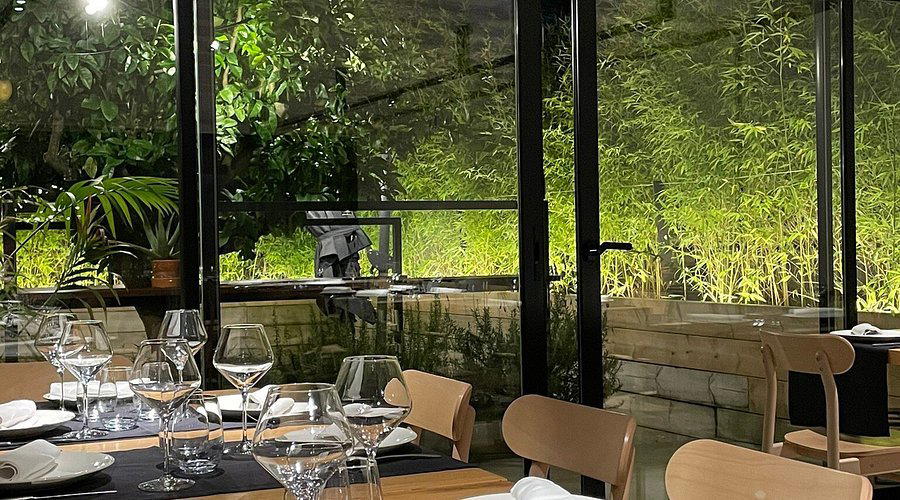
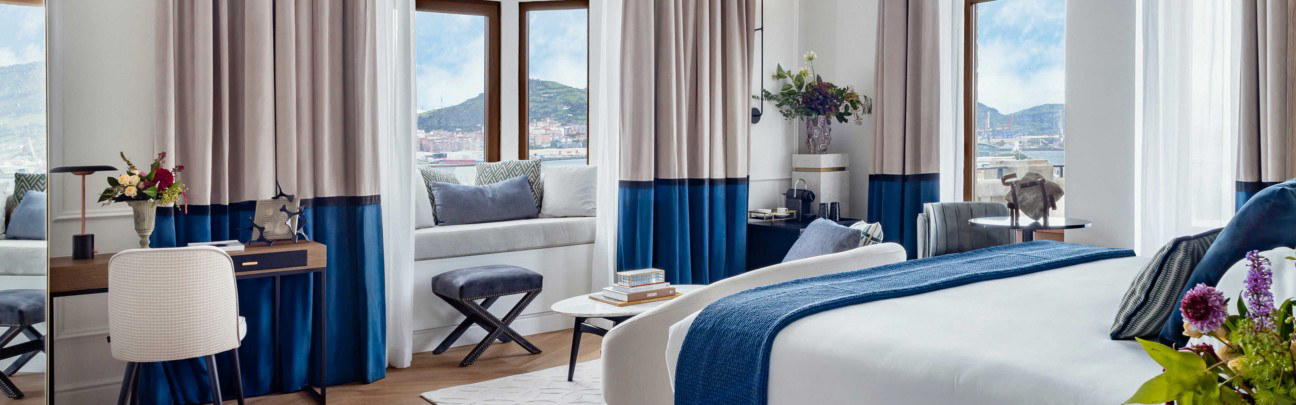
Spacious minimalist dining room with warm woods, cold walls, large windows framing valley views, creating a serene and elegant atmosphere.