


1 Michelin Star · Guía Repsol 1 Sol
Our verdict
Among Santander's Michelin-starred modern restaurants, El Serbal occupies a specific position: a first-floor dining room above Sardinero beach with a direct line to daily auction fish and a commitment to Cantabrian ingredients, including Tudanca beef. Ranked 560th in Opinionated About Dining's 2025 European list, it operates across three menus and an à la carte, with a separate bistro, Querida Mar, on the ground floor.

Pearl is the En Primeur Club membership app — saves, bookings, and concierge access live there. Same editors, same standards.
- Address
- Av. Manuel García Lago, 1E, 39005 Santander, Cantabria, Spain
- Phone
- +34 942 22 25 15
- Hours
- Mon ClosedTue 2–3:15 PMWed–Sat 2–3:15 PM, 8:30–10 PMSun 2–3:15 PM
- Website
- elserbal.com
- Directions
- Get directions
- Booking
- Book on TheFork
A Dining Room Facing the Cantabrian Sea
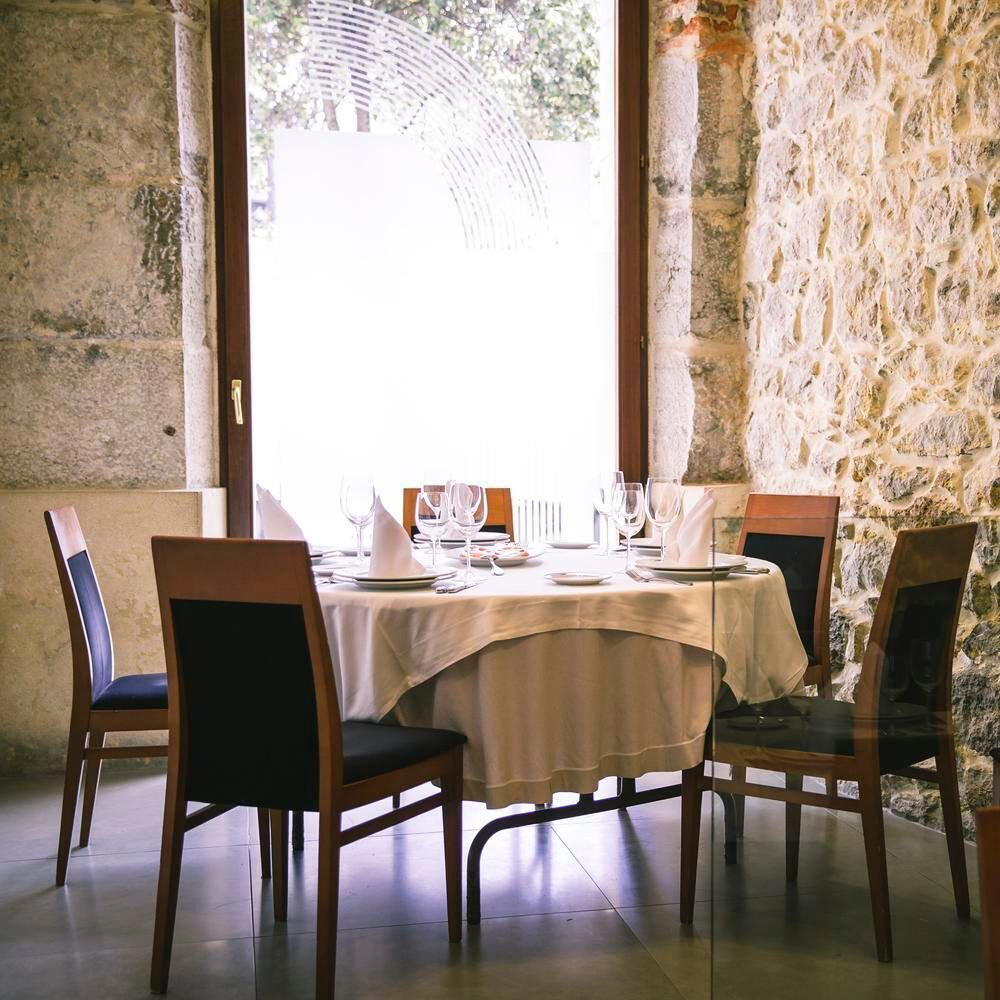
The approach to El Serbal sets the register for what follows. The Cormorán building sits on Av. Manuel García Lago at Sardinero beach, one of Santander's more composed stretches of seafront, and the restaurant occupies the first floor. Before a dish arrives, the view does its work: the Cantabrian Sea directly ahead, the light shifting depending on whether you arrive for the lunch service or the evening sitting. Few Michelin-starred rooms in northern Spain are this transparently connected to the ingredient source visible through the window.
That physical relationship between the room and the sea is not decorative. El Serbal purchases fish daily at auction, and the menu adjusts accordingly. Servers recite available fish options at the table — a format common in high-end Cantabrian cooking, where the morning catch dictates the afternoon menu rather than a fixed card. For a diner arriving without a research brief, this is useful to know: the seafood section of the menu will not read identically on two consecutive visits.
Where El Serbal Sits in Santander's Michelin Tier
Santander's modern restaurant scene operates across a clear price hierarchy. At the leading, Casona del Judío holds a Michelin star at the €€€€ tier, positioning itself as the city's highest-price fine dining address. El Serbal holds its own Michelin star at €€€, a step below in price but still within the serious tasting-menu bracket. Beneath that, Agua Salada (Contemporary) operates at €€ as a more accessible contemporary option, while traditional addresses like Cañadío and La Bombi occupy the mid-range Spanish and farm-to-table slots.
Within that structure, El Serbal's position is specific: a starred kitchen with Cantabrian roots, offering multiple menu formats at a price point that sits between casual dining and the city's most expensive room. For visitors building an itinerary that includes one serious dinner and one exploratory lunch, El Serbal covers the former convincingly. Those seeking a fuller picture of Santander's restaurant offer should consult our full Santander restaurants guide.
Beyond Santander, the broader northern Spain and European modern cuisine context is instructive. Spain's most discussed starred kitchens — Arzak in San Sebastián, Azurmendi in Larrabetzu, El Celler de Can Roca in Girona, DiverXO in Madrid, Cocina Hermanos Torres in Barcelona, and Aponiente in El Puerto de Santa María, tend to operate at higher price points with higher media profiles. El Serbal operates in a quieter register, which partly explains its Opinionated About Dining ranking of 560th in Europe for 2025: recognised, credentialed, but not in the circuit of destination restaurants that drive international travel decisions. That may make it more interesting for a certain kind of traveller.
The Menu Architecture
El Serbal runs three set menus alongside an à la carte. The Gastronomic and Tasting menus represent the kitchen's two main structured formats; a third option, a Dom Pérignon Moët Chandon menu, pairs courses against a champagne selection. The existence of a dedicated champagne pairing menu signals something about the restaurant's clientele and its ambitions: this is not a kitchen shy about the luxury register, even as it grounds itself in regional produce.
The à la carte anchors the menu in two Cantabrian ingredients that define the region's cooking identity. The Cantabrian Sea's fish, bought at daily auction, as noted, forms one axis. The other is Tudanca beef, a native Cantabrian breed with a distinct fat profile and a growing presence in the region's fine dining kitchens. Chef Ignacio Maese leads the kitchen, and the menu's emphasis on giving visibility to native ingredients over imported or fashionable ones is consistent with a wider trend in northern Spanish cooking that has been building since the early 2000s. The approach is conservative in the leading sense: it adds technique without subtracting origin.
The ground floor offers a different register. Querida Mar operates as a bistro-style space, more informal, presumably lower in price, and likely serving a different booking window than the main dining room above. For parties that include guests with different appetite for formality, the two-floor structure offers a practical split.
Planning the Visit: What to Know Before Booking
At the €€€ tier in a regional Spanish city, this is one of the better-documented value propositions in northern Spain's starred dining tier. By comparison, starred kitchens in San Sebastián or Madrid at the same price point operate in far more competitive booking environments.
Service schedule is worth mapping before travel. El Serbal is closed on Mondays. Tuesday runs lunch only (1:30–3:30 PM). Wednesday through Saturday offer both lunch (1:30–3:30 PM) and dinner (8:30–10:30 PM). Sunday returns to lunch only, with a slightly compressed window (1:30–3:00 PM). The dinner service window, 8:30 PM to 10:30 PM, aligns with standard northern Spanish dining rhythms, so visitors arriving from earlier-dining countries should adjust expectations: arriving at 7:00 PM is not an option here.
For those combining a meal at El Serbal with a broader stay in Santander, the city's other dining addresses worth considering include Cadelo, Daría, and Umma. For accommodation and other city planning, our full Santander hotels guide, bars guide, wineries guide, and experiences guide cover the wider picture. Internationally, modern cuisine at a comparable register can be found at addresses like Frantzén in Stockholm and FZN by Björn Frantzén in Dubai, though both operate at significantly higher price points than El Serbal's €€€ positioning.
What the Kitchen Prioritises
Northern Spain's fine dining tradition has always been coastal-led, but the specific Cantabrian variant differs from the Basque model in some material ways. Where the Basque kitchen has developed an international vocabulary and export identity, Cantabrian fine dining remains more locally oriented, sourcing from regional producers and speaking primarily to a regional audience. El Serbal fits that pattern: the auction fish, the Tudanca beef, the menu's stated commitment to Cantabrian roots. This is not a kitchen trying to be somewhere else.
The mackerel with parsnip and salmis noted in Michelin's own published commentary on the restaurant gives a representative data point on the kitchen's register: a pelagic fish not typically associated with fine dining, treated through classical French preparation (salmis is a reduced sauce from roasted bones and offcuts), with a root vegetable providing sweetness and body. The combination suggests a kitchen comfortable working across culinary traditions without abandoning the primary Cantabrian source material. That editorial note from Michelin's inspectors, citing a specific dish from a recent visit, carries more weight than generic awards language: it implies a kitchen cooking with purpose rather than formula.
What should I eat at El Serbal?
The kitchen structures around two Cantabrian ingredients: daily auction fish from the Cantabrian Sea and Tudanca beef, a native regional breed. The fish selection is recited at the table rather than fixed on a printed menu, so the specific options will depend on that morning's auction. The Gastronomic and Tasting menus offer the most structured version of the kitchen's cooking; the à la carte allows more selective ordering. Michelin's published commentary highlights the mackerel preparation as representative of the kitchen's approach: regional fish treated through classical technique. The Dom Pérignon menu is the highest-format option for those wanting a champagne pairing built into the meal structure. Given the Michelin one-star recognition and the OAD 2025 European ranking of 560th, the kitchen operates at a level where any of the three menu formats will reflect the full cooking standard.
Frequently asked questions
Who's behind the kitchen at El Serbal?
The chef associated with El Serbal is Ignacio Maese.
What should I eat at El Serbal?
The kitchen organises around two Cantabrian ingredients: fish bought daily at the Santander auction and Tudanca beef, a native regional cattle breed. The fish selection changes with each day's catch and is recited at the table rather than fixed on a printed menu. Across three structured formats — Gastronomic, Tasting, and a Dom Perignon Moët Chandon option — the à la carte also runs alongside, giving flexibility to focus on whichever ingredient is strongest that day.
Is El Serbal expensive?
Pricing at El Serbal is listed as €€€.
What days is El Serbal closed?
Hours at El Serbal: Monday closed Tuesday 1:30 PM-3:30 PM Wednesday 1:30 PM-3:30 PM 8:30 PM-10:30 PM Thursday 1:30 PM-3:30 PM 8:30 PM-10:30 PM Friday 1:30 PM-3:30 PM 8:30 PM-10:30 PM Saturday 1:30 PM-3:30 PM 8:30 PM-10:30 PM Sunday 1:30 PM-3 PM.
At a Glance
| Venue | Cuisine | Price | Awards | Notes |
|---|---|---|---|---|
| El SerbalThis venue — the venue you are viewing | Modern Cantabrian Fine Dining | $50–100 | 1 Michelin Star · Guía Repsol 1 Sol | Not listed |
| Cañadío | Traditional Cantabrian | $50–100 | Michelin Plate · Macarfi 7.9 Food Rating | Asturian, Traditional Cuisine |
| La Bombi | Traditional Cantabrian Seafood | Not listed | Michelin Plate · Macarfi 8.2 Food Rating | Spanish, Farm to table |
| Casona del Judío | Modern Cuisine | Not listed | Not listed | Not listed |
| Agua Salada | Modern Mediterranean Spanish Gastrobar | $30–50 | Michelin Bib Gourmand · Macarfi 7.7 Food Rating | Contemporary |
| Bodega Cigalena | Traditional Cantabrian Spanish | Not listed | Macarfi 8 Food Rating | Spanish |
Recognition history
Dated appearances from independent guides and award organizations, with the underlying list record or original source where available.
Michelin 1 Star
Michelin
Guía Repsol 1 Sol
Guía Repsol
Opinionated About Dining Top Restaurants in Europe Ranked #560
Opinionated About Dining
Full recognition history (5 entries)
Michelin 1 Star
Michelin
Michelin 1 Star
Michelin
Continue exploring
More in Santander
Restaurants in Santander
Browse all →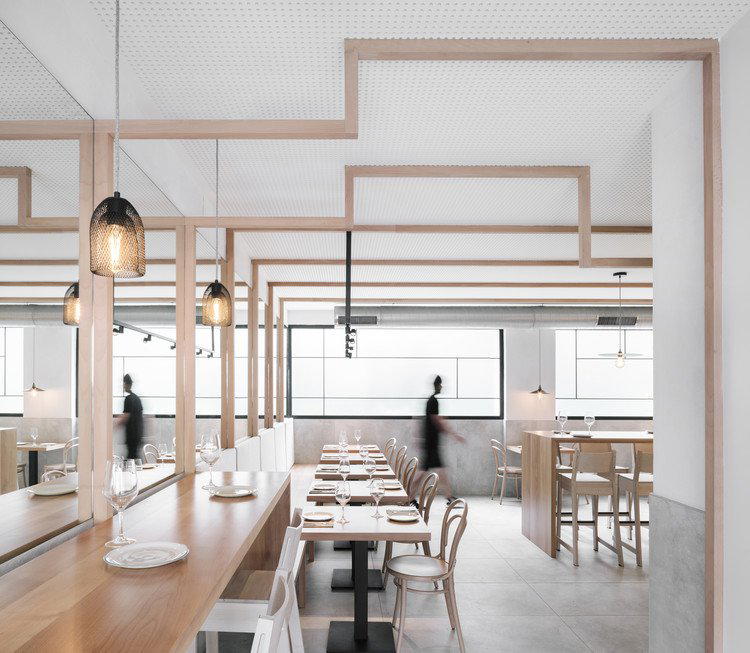
Details
- Elegant
- Romantic
- Sophisticated
- Date Night
- Special Occasion
- Waterfront
- Extensive Wine List
- Local Sourcing
- Waterfront
- Tasting Menu
- A La Carte
- Vegetarian Friendly
- Vegan Options
Current opening hours
- Monday
- Closed
- Tuesday
- 2–3:15 PM
- Wednesday
- 2–3:15 PM, 8:30–10 PM
- Thursday
- 2–3:15 PM, 8:30–10 PM
- Friday
- 2–3:15 PM, 8:30–10 PM
- Saturday
- 2–3:15 PM, 8:30–10 PM
- Sunday
- 2–3:15 PM
Hours can change for holidays and private events. Last verified .
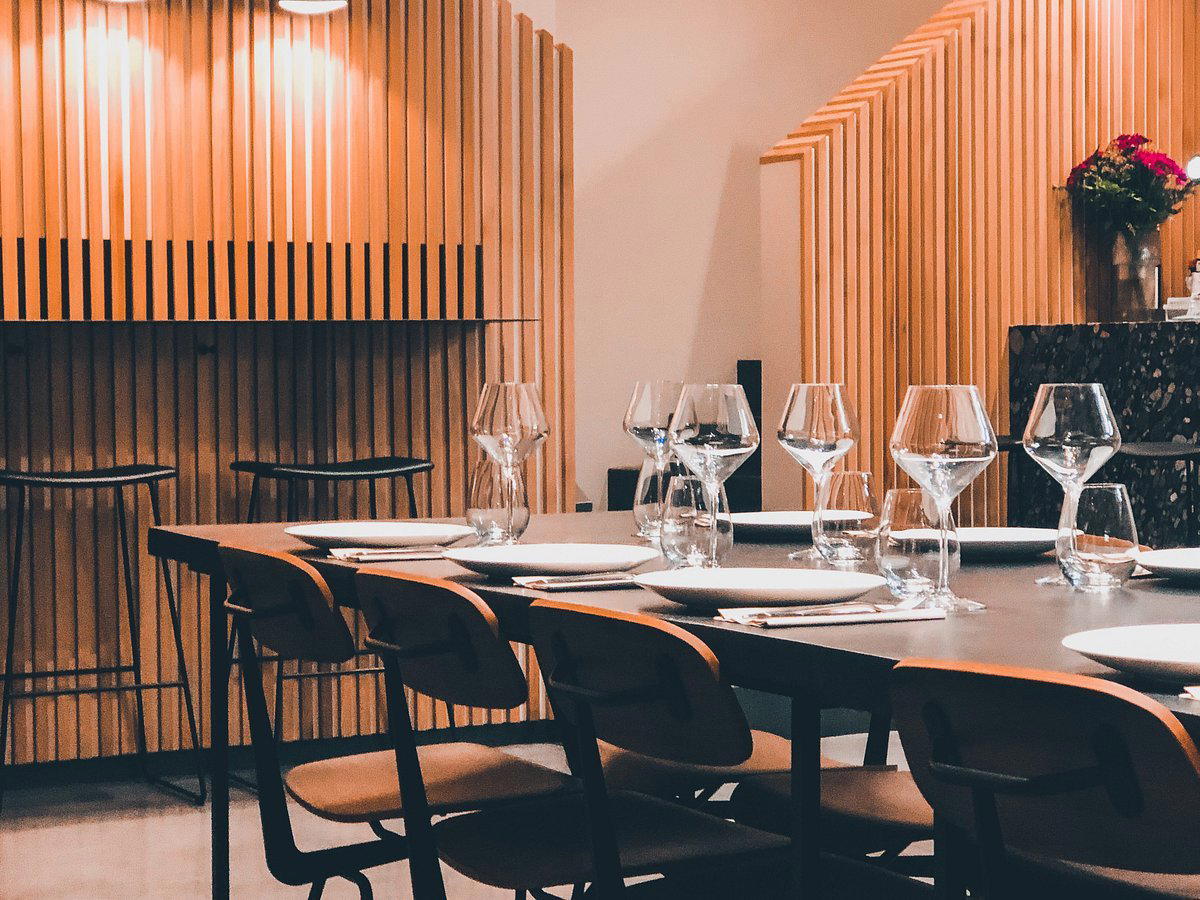
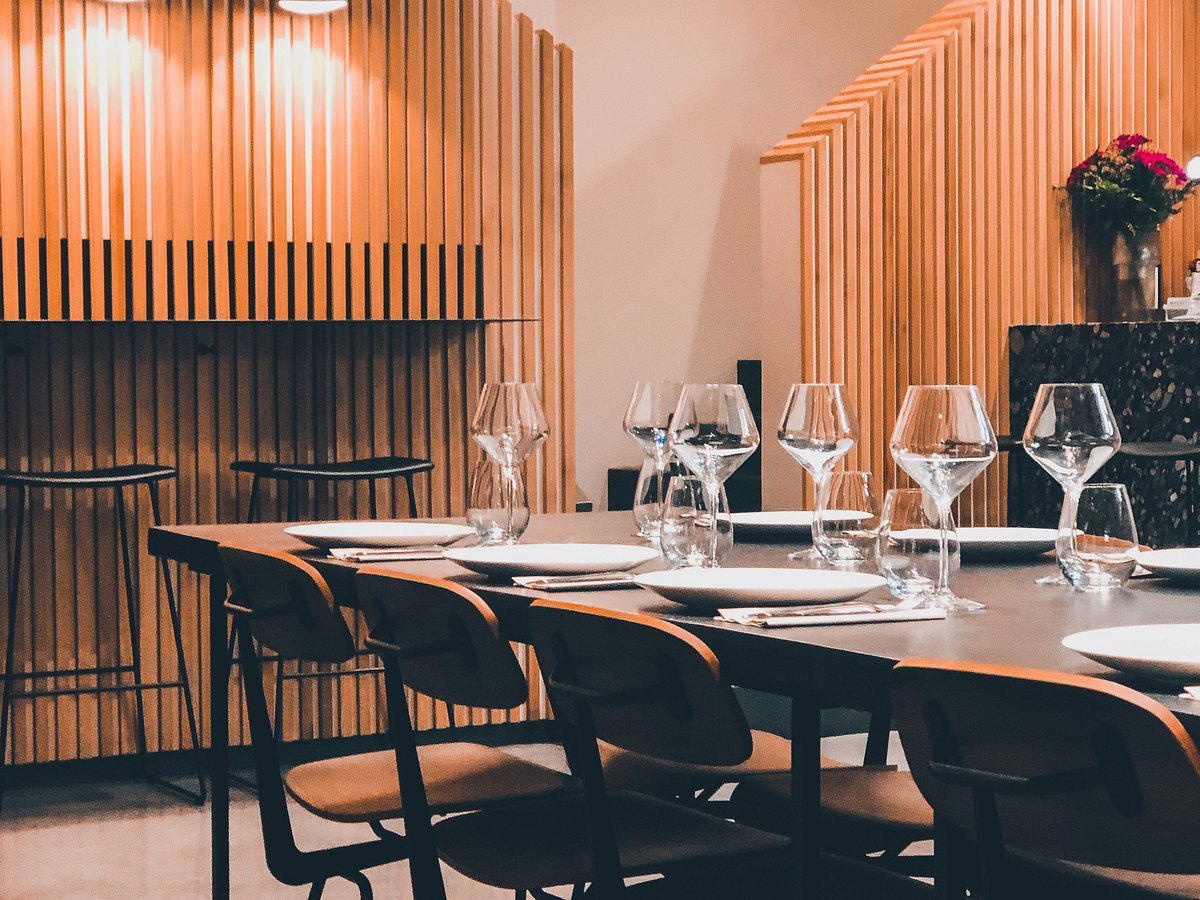
Elegant and warm dining room with modern decoration, wide table spacing, and panoramic beachfront views.