Google: 4.7 · 8,001 reviews
Casa Vigil
Casa Vigil sits on Videla Aranda in Maipú's Villa Seca, where the Mendoza wine country meets serious farm-to-table cooking. The setting is agricultural rather than resort-polished, placing it in a different register from the lodge-style wine country dining rooms that dominate the region. For travelers moving through the Maipú corridor, it occupies a distinct position in an increasingly competitive field.
 Discover on Pearl
Pearl is the En Primeur Club membership app — saves, bookings, and concierge access live there. Same editors, same standards.
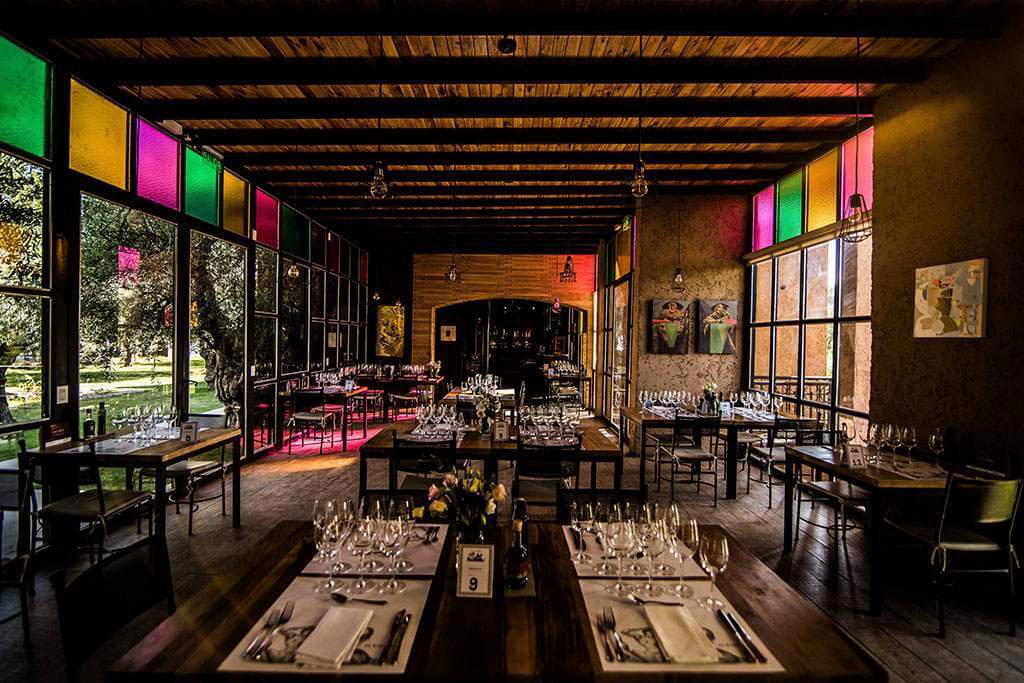
Where the Vineyard Meets the Table
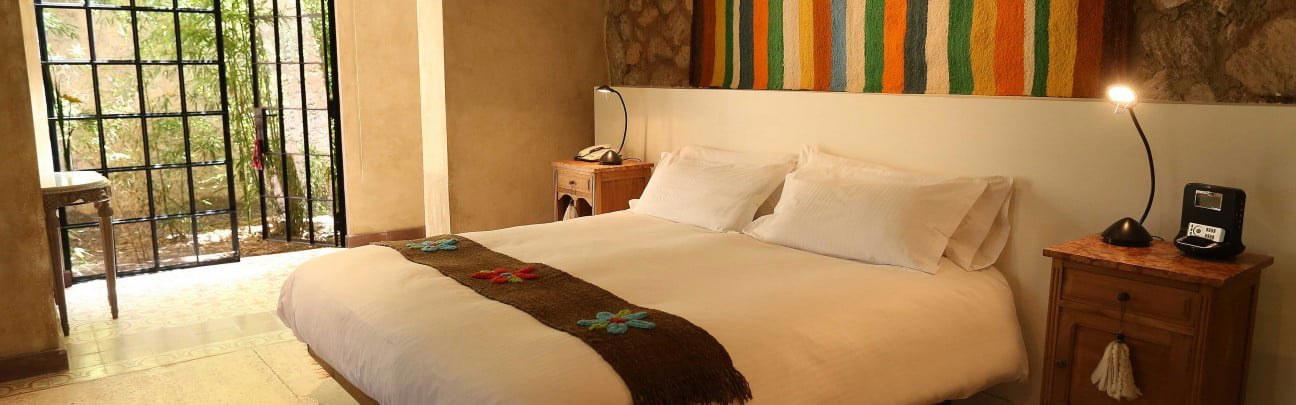
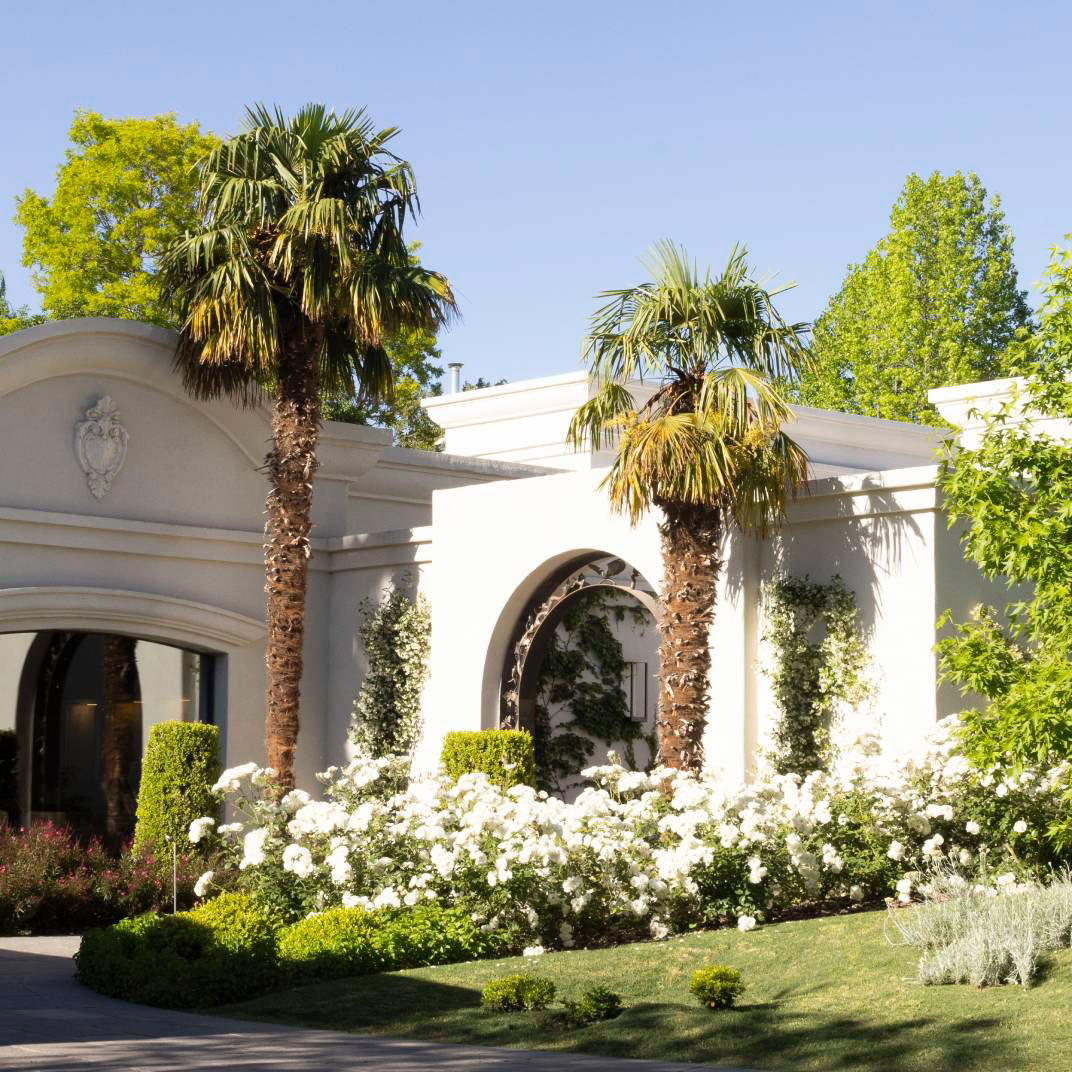
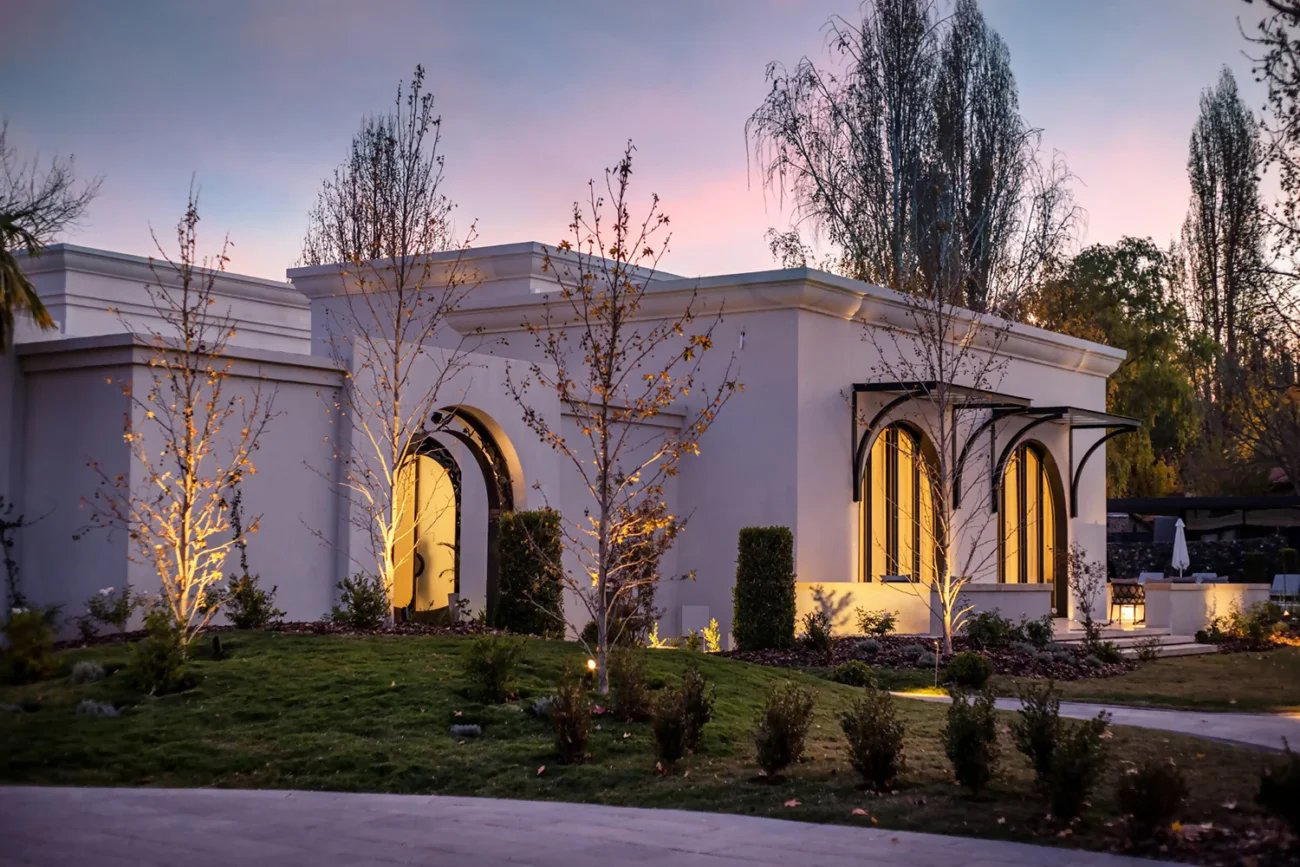
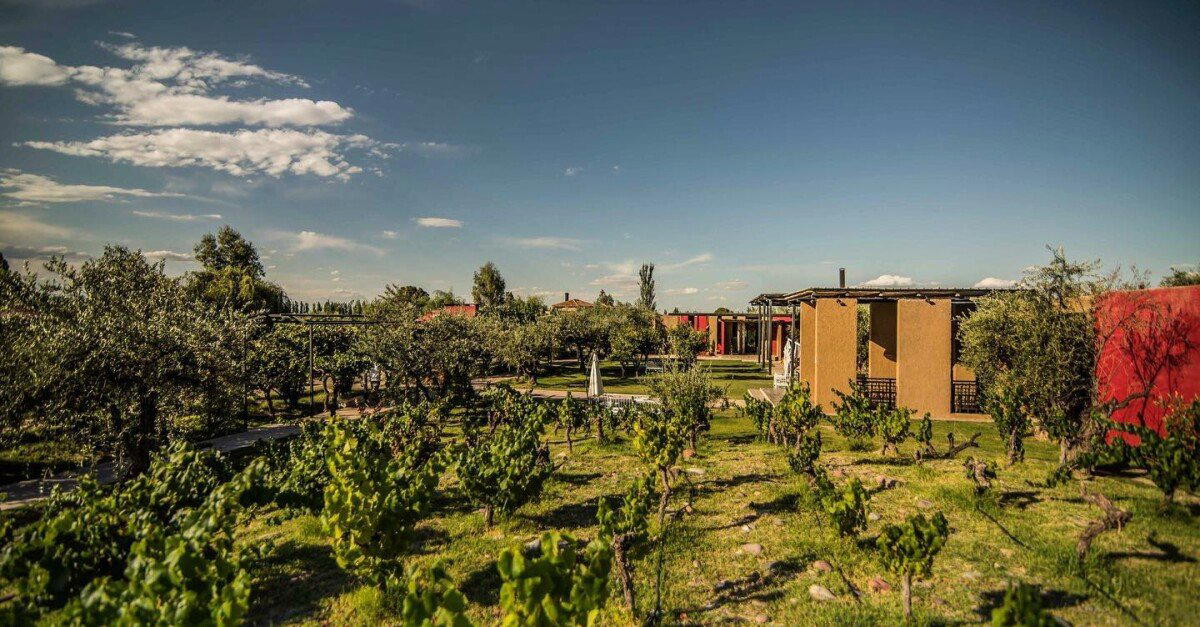
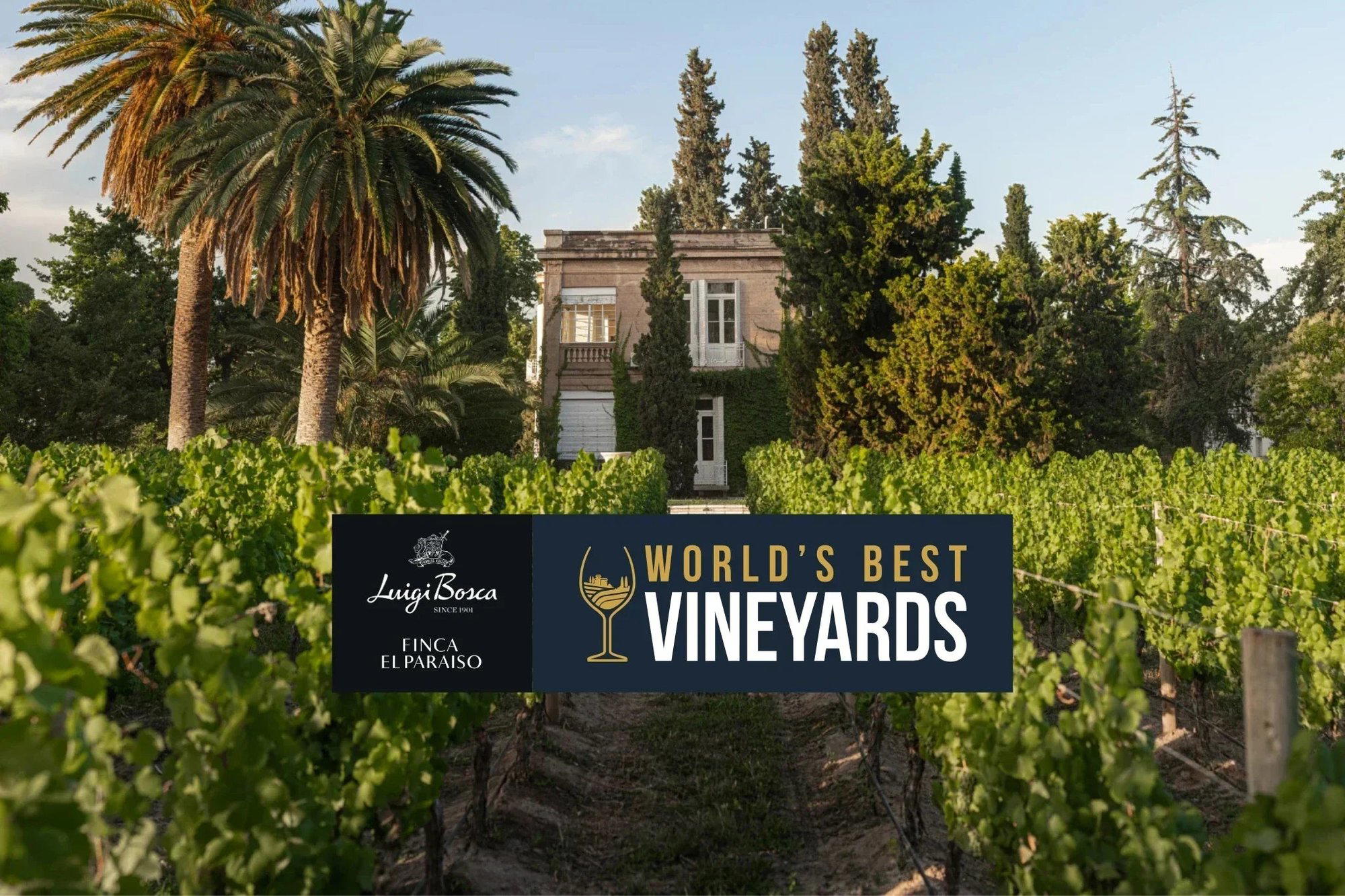
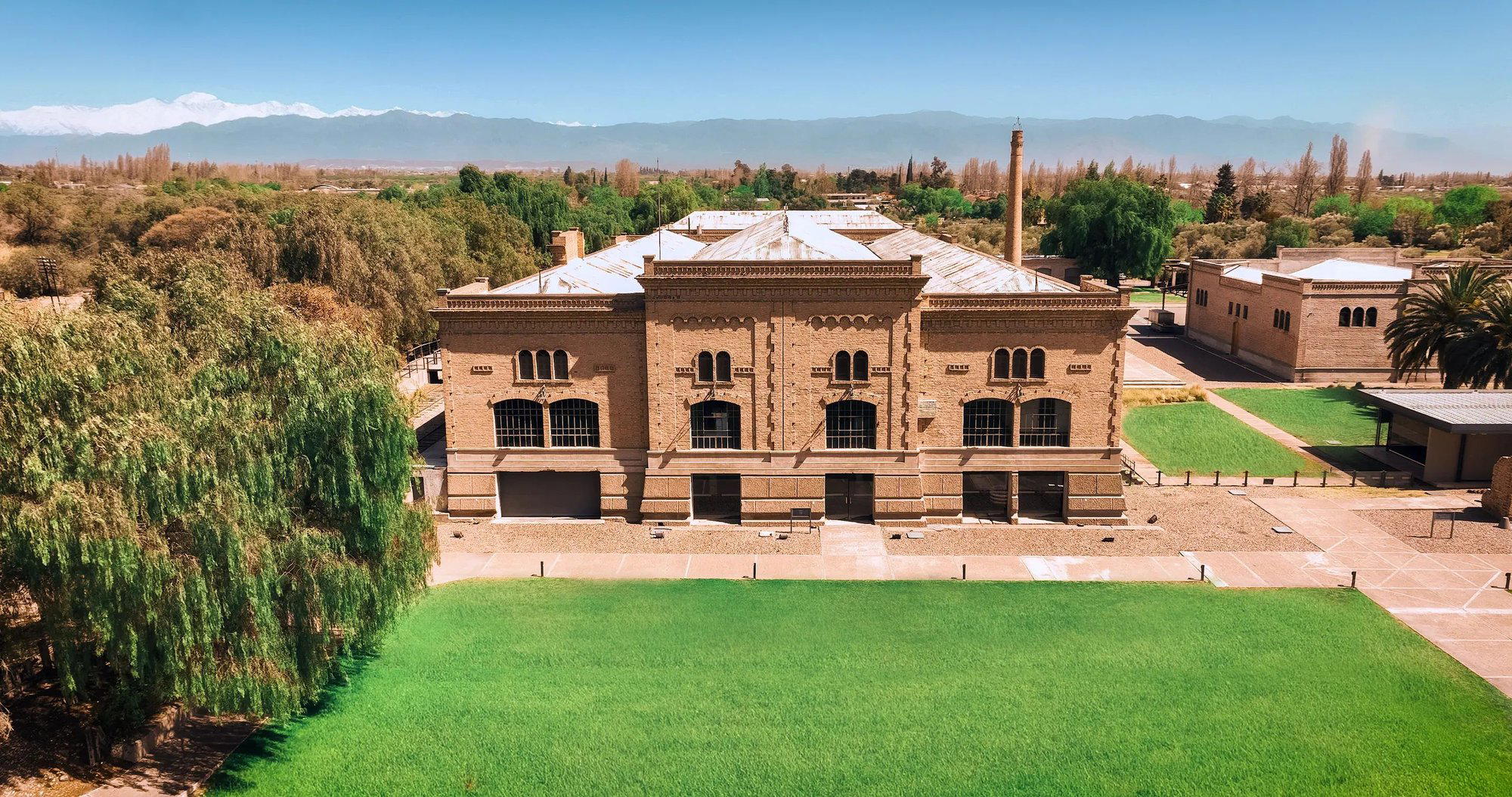
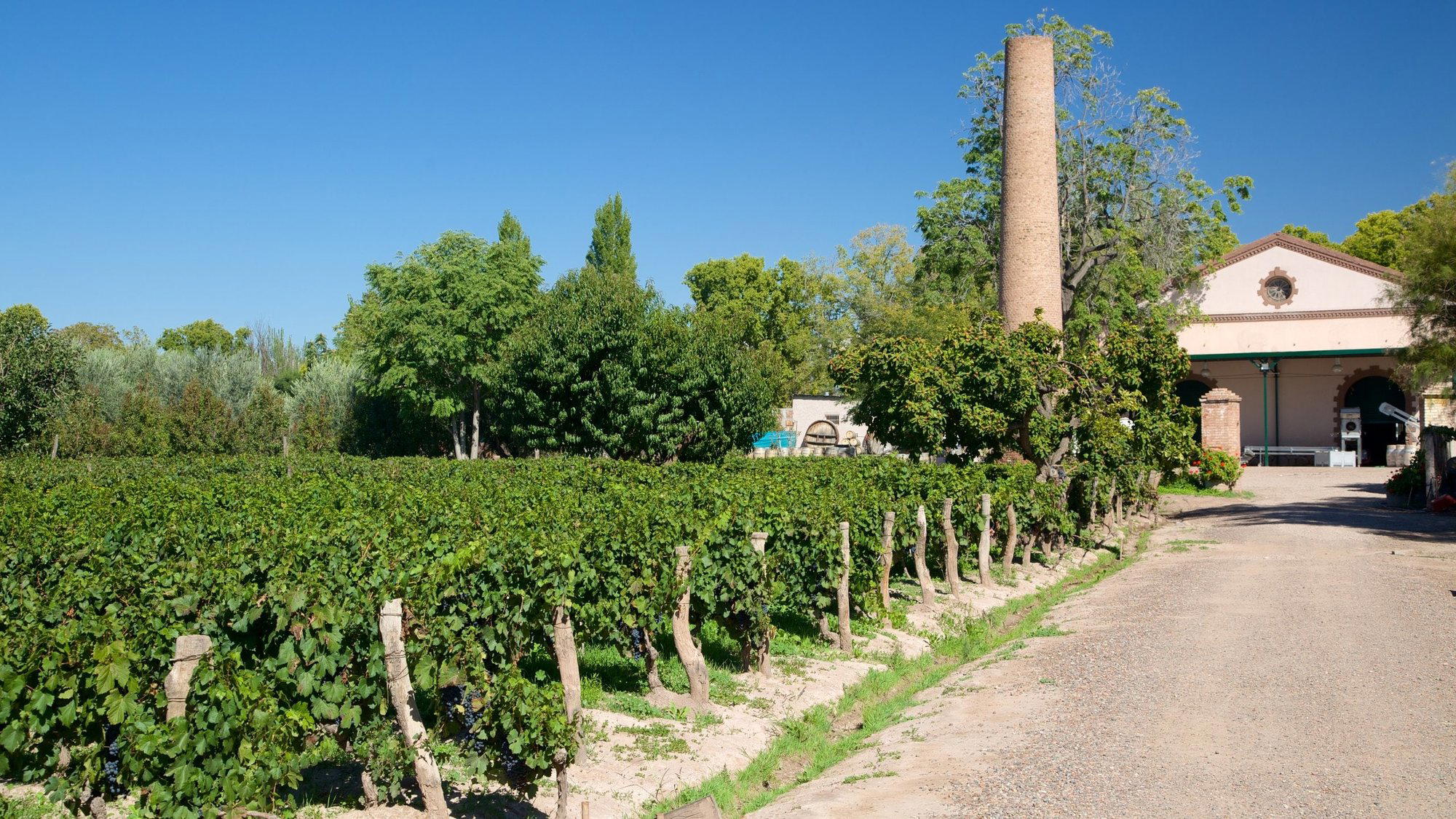
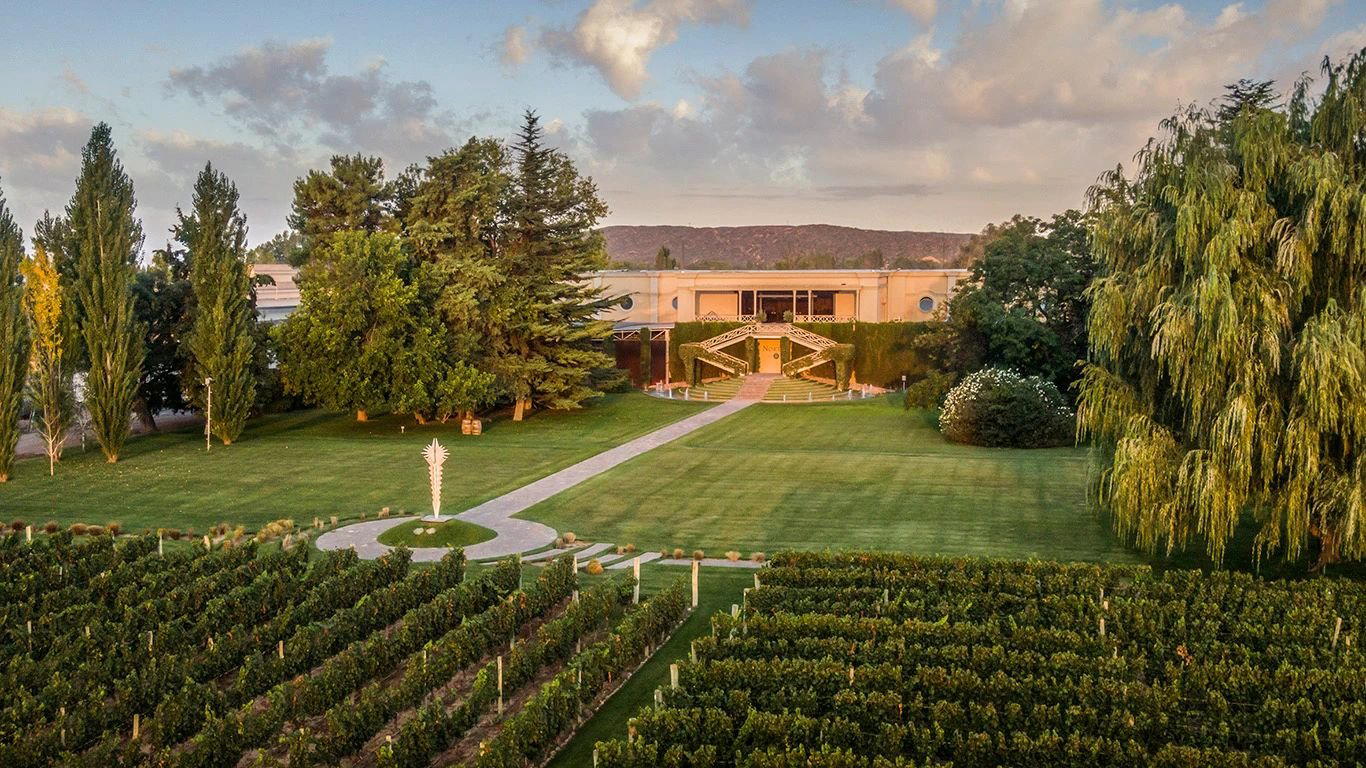
The approach to Casa Vigil along Videla Aranda 7008 in Villa Seca tells you something before you ever sit down. This is Maipú, not the curated resort strip of Luján de Cuyo, and the property carries that distinction without apology. The architecture reads as working agricultural estate rather than boutique hotel conversion — an increasingly rare posture in a region where wine country dining has trended toward high-gloss finishes and panoramic terraces engineered for photography. What you encounter here is something closer to the original logic of Mendoza hospitality: land, produce, and wine as the organizing principle, with the built environment arranged around them rather than the other way around.
This matters because the broader wine country dining category in Mendoza has bifurcated sharply over the past decade. On one side sit the resort-integrated restaurants at properties like Cavas Wine Lodge in Alto Agrelo and Entre Cielos in Luján de Cuyo, where the dining room is one amenity among several and the wine list is the property's own. On the other side sit destination-only tables where the food and provenance do the heavy lifting. Casa Vigil belongs to the second category, which positions it in a peer set more closely related to serious wine-country tables across South America than to its literal neighbors.
The Sourcing Logic Behind the Plate
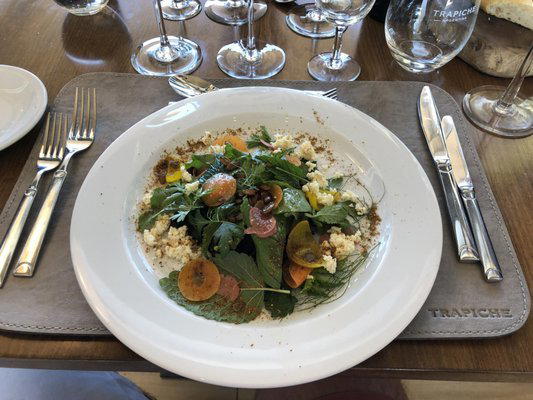
The editorial argument for Casa Vigil rests substantially on what Maipú's agricultural zone actually produces and how a kitchen positioned inside that zone can operate differently from one that sources through a distributor in Mendoza city. The Maipú department sits at the lower end of Mendoza's elevation gradient, which means warmer growing conditions, earlier harvests, and a density of small producers — olives, stone fruit, alliums, herbs , that don't reliably reach export channels or even the city's restaurant supply lines. A kitchen with physical proximity to those producers has access to a supply chain that simply isn't replicable elsewhere in the region.
This is the defining structural advantage of wine country restaurants that are genuinely embedded in agricultural land rather than adjacent to it. The comparison relevant here is not with Azafrán in Mendoza city, which has built a strong reputation for regional sourcing through deliberate supplier relationships, but rather with restaurants like Agrelo in Luján de Cuyo, where the vineyard itself is an ingredient supplier. The distinction is between curated sourcing as a program and proximity-based sourcing as a baseline condition. Casa Vigil operates in the latter mode.
Across Argentina more broadly, the farm-to-table premise has produced different outcomes depending on whether it represents a philosophy or a geography. At places like La Bamba de Areco in the Pampas, the sourcing story is tied to grass-fed cattle and the estancia tradition. At Awasi Iguazu, it's the jungle corridor that shapes what's on the plate. In Mendoza's wine country, the argument centers on altitude, aridity, and the distinctive mineral profile of produce grown in high-desert irrigation conditions. Casa Vigil's position in Villa Seca gives it direct access to that argument.
Mendoza's Wine Country Table in Context
Mendoza's premium dining tier has expanded considerably since the early 2000s wine boom brought international attention to the region. The benchmark for serious Argentinian steakhouse cooking remains places like Don Julio in Buenos Aires, which set the standard for provenance-driven beef in a restaurant context. But wine country dining in Mendoza has developed its own logic, one that prizes the wine-food pairing relationship above the standalone protein showcase that defines the Buenos Aires steakhouse tradition.
Within that Mendoza framework, the most credible tables sit at different price points and format types. Chacras de Coria represents one end of the spectrum; the more intimate, less-trafficked properties in Maipú and the eastern departments represent another. Los Talas del Entrerriano in General San Martín holds a specific place in that map as a traditional parilla format that draws serious attention from locals and visitors alike. Casa Vigil's positioning in Villa Seca places it in a different register: more deliberate in format, more ingredient-focused in approach, and oriented toward the kind of traveler who arrives with a specific table in mind rather than deciding at the door.
The international comparison for this kind of wine country table runs through places like Lazy Bear in San Francisco, where the communal format and producer relationships define the experience as much as any individual dish, or destination dining rooms in Europe where the estate is the context and the kitchen is the expression of it. Casa Vigil occupies that conceptual space in South America, alongside other destination properties like EOLO in El Calafate and La Table de House of Jasmines in Salta's foothills.
Planning Your Visit
Casa Vigil is located at Videla Aranda 7008 in Villa Seca, Maipú, which places it in the agricultural eastern zone of Greater Mendoza rather than the more heavily touristed Luján de Cuyo corridor. Visitors arriving from Mendoza city will typically drive or arrange private transfer, as the rural setting makes public transport impractical. Given the property's focus and positioning, booking in advance is the operative approach rather than walk-in availability, particularly during the Mendoza harvest season from February through April when wine country traffic peaks significantly. For travelers building a broader Mendoza itinerary, Casa Vigil pairs naturally with an exploration of Maipú's smaller producers and the contrast is instructive against the larger-scale experiences available closer to the city center. See our full Villa Seca restaurants guide for additional context on what the area offers across different formats and price points.
In Context: Similar Options
These are the closest comparables we have in our database for quick context.
| Venue | Cuisine | Price | Awards | Notes |
|---|---|---|---|---|
| Casa Vigil | This venue | |||
| Don Julio | Argentinian Steakhouse | $$$$ | Michelin 1 Star | Argentinian Steakhouse, $$$$ |
| Aramburu | Modern Argentinian, Creative | $$$$ | Michelin 2 Star | Modern Argentinian, Creative, $$$$ |
| 1884 Francis Mallmann | Argentinian Steakhouse, Traditional Cuisine | $$$$ | World's 50 Best | Argentinian Steakhouse, Traditional Cuisine, $$$$ |
| El Preferido de Palermo | Argentinian, Traditional Cuisine | $$ | Argentinian, Traditional Cuisine, $$ | |
| Elena | South American, Steakhouse | $$$ | South American, Steakhouse, $$$ |
Continue exploring
More in Villa Seca
Restaurants in Villa Seca
Browse all →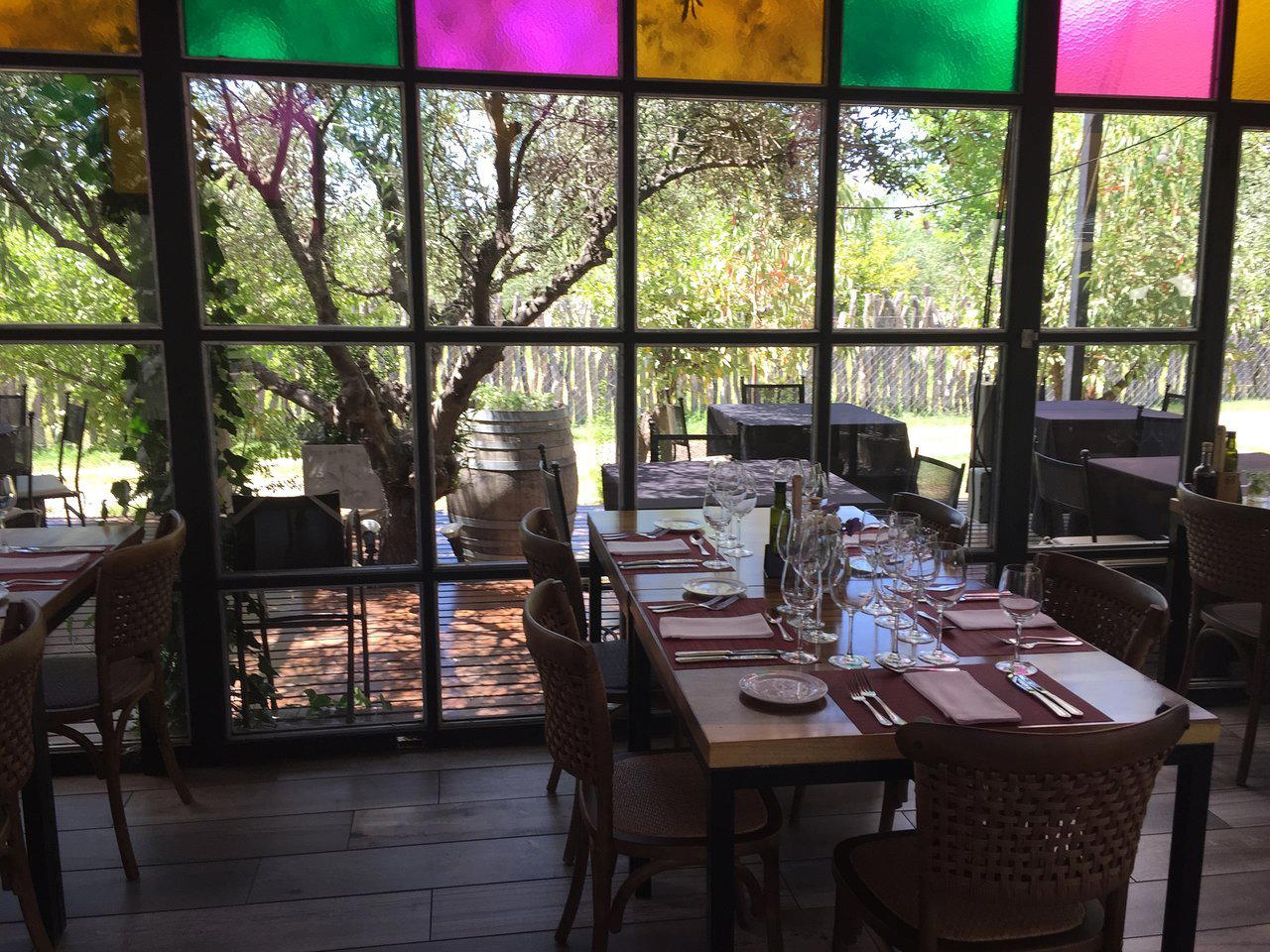
Bars in Villa Seca
Browse all →
Hotels in Villa Seca
Browse all →

At a Glance
- Modern
- Elegant
- Scenic
- Special Occasion
- Date Night
- Wine Cellar
- Garden
- Extensive Wine List
- Farm To Table
- Local Sourcing
- Garden
Conservatory dining with fresh garden produce, offering an elegant and scenic wine estate atmosphere.