Casa Pueblo Restaurante Uruguaio brings Uruguayan culinary tradition to the Laranjal district of Pelotas, a southern Brazilian city whose geography and culture sit closer to Montevideo than to São Paulo. Located on Av. Dr. Antônio Augusto de Assunção in the lakeside neighborhood, the restaurant addresses a genuine gap in the regional dining scene: a dedicated space for the beef-centered, slow-cooking traditions that define the Río de la Plata basin.
 Discover on Pearl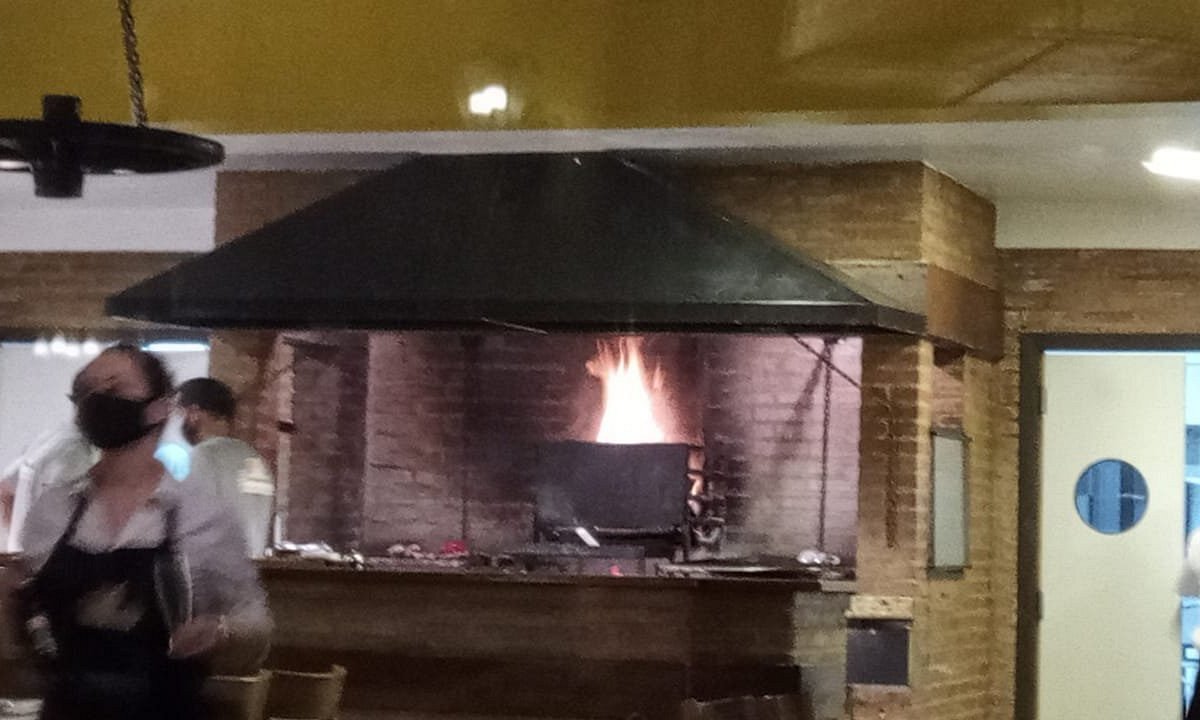
Where the Pampas Meet the Plate: Uruguayan Cooking in Southern Brazil
Pelotas sits in the far south of Rio Grande do Sul, close enough to the Uruguayan border that the cultural bleed between the two countries is a lived reality rather than a cartographic abstraction. The gaucho traditions of the Brazilian south and the Uruguayan interior share the same open grasslands, the same cattle-raising heritage, and broadly the same relationship between fire, meat, and communal eating. It is this shared geography that makes a Uruguayan restaurant in Pelotas something other than an exotic import. In this corner of Brazil, it reads more like a logical continuation of what is already on the table.
Casa Pueblo Restaurante Uruguaio occupies an address in the Laranjal district, along Av. Dr. Antônio Augusto de Assunção, a stretch of road that runs parallel to the Lagoa dos Patos waterfront. Laranjal is a neighborhood defined less by urban density than by a certain relaxed relationship with space: wider lots, views toward the water, a pace that feels closer to a beach town than a city center. Arriving here in the late afternoon, when the light off the lagoon flattens to a warm haze, the setting prepares you for the kind of meal that does not rush. Uruguayan cooking, at its most traditional, does not rush either.
The shortlist, unlocked.
Hard-to-book tables, cellar releases, and concierge-planned trips.
Get Exclusive Access →The Río de la Plata Table: What Uruguayan Cuisine Actually Means
Uruguayan food is frequently collapsed into a shorthand of asado and chimichurri, and while grilled beef is genuinely central to the national table, reducing it to that is like describing French cooking as steak frites. The Uruguayan culinary tradition draws on Spanish and Italian immigration layered over indigenous foodways, producing a cuisine that is substantive, unfussy, and deeply tied to the rhythms of agricultural life. Cuts like vacío (flank), colita de cuadril (rump cap), and entraña (skirt) are not backup options but primary choices, each handled with precision over live fire.
The cultural weight of the parrilla, the traditional grill, in Uruguay is comparable to what the churrasco holds in the Brazilian interior, though the technique differs. Uruguayan grilling tends toward lower, slower heat, with the grill positioned further from the coals to allow a longer, more even cook. The result is meat that carries more internal moisture and a crust that develops gradually rather than in a fast sear. In a Brazilian city already fluent in churrasco, a kitchen working to that Uruguayan register offers a legible but meaningfully different reference point.
Alongside the grill tradition, Uruguayan restaurants typically carry dishes that reflect the country's European immigration: milanesas (breaded cutlets), pasta formats descended from Italian settlers, and empanadas with regional fillings. These are not concessions to a broader menu but authentic expressions of what Uruguayan home cooking has always contained. For diners in Pelotas already familiar with the gaucho table, these overlaps and divergences are the most interesting part of the meal.
Pelotas in the Wider Brazilian Dining Conversation
Brazil's most-discussed restaurants tend to cluster in São Paulo and Rio de Janeiro. D.O.M. in São Paulo and Oteque in Rio de Janeiro represent the country's highest-profile tier, where tasting menus and international recognition set the frame. Further south, the conversation is different. In Curitiba, Manu has built a reputation on regional ingredients with a contemporary sensibility. In Gramado, Primrose and Castelo Saint Andrews operate within a European-inflected tourism economy. Pelotas sits outside these better-documented circuits, which means its restaurants answer to local demand rather than to the expectations of a reviewing class passing through.
That local demand in Pelotas includes a genuine appetite for the cross-border cooking of the southern cone. Rio Grande do Sul has historical and familial ties to Uruguay that other Brazilian states do not, and restaurants like Casa Pueblo are expressions of that connection rather than novelties within it. For visitors coming from outside the region, including those who have eaten well at Birosca S2 in Belo Horizonte or Manga in Salvador, the southern Brazilian table represents a distinct chapter in the country's culinary geography. For context on what the wider city offers, our full Pelotas restaurants guide maps the scene across neighborhoods and categories.
Within Pelotas itself, the dining picture includes seafood-focused spots like Cantinho do Peixe Pronto and broader gastronomic complexes like Los Chapas, which together give a sense of the range available in a mid-sized southern city. Casa Pueblo positions itself as the specific address for the Uruguayan reference within that range.
Planning Your Visit
The Laranjal address places Casa Pueblo away from Pelotas's central neighborhoods, which means arriving by car is the practical default for most visitors. The lakeside setting makes an evening visit the logical choice, when the surrounding area carries more atmosphere and the cooking format aligns naturally with a longer, unhurried dinner. Contact details are not currently listed in our database, so confirming hours and reservation availability directly before visiting is advisable. For travelers who have been planning a southern Brazil itinerary that already takes in Mina in Campos do Jordão or Olivetto in Campinas, adding a Pelotas stop for this kind of regional specificity is a reasonable extension of the same interest in Brazilian regional cooking at its more grounded end. Those with a broader international frame of reference, who track restaurants like Le Bernardin in New York or Lazy Bear in San Francisco, will find Casa Pueblo operating at a different register entirely but representing something the higher-profile circuit rarely offers: a cooking tradition that belongs specifically to its place.
Frequently Asked Questions
- Would Casa Pueblo Restaurante Uruguaio be comfortable with kids?
- Pelotas restaurants in the casual-to-mid-range bracket generally accommodate families without difficulty, and a grill-focused Uruguayan restaurant in a lakeside neighborhood reads as a more relaxed setting than a city-center fine dining address.
- What should I expect atmosphere-wise at Casa Pueblo Restaurante Uruguaio?
- The Laranjal location, away from Pelotas's urban core and close to the Lagoa dos Patos waterfront, suggests an informal, spacious setting rather than a formal dining room. Uruguayan restaurant culture in the southern cone tradition tends toward communal, table-centered meals over long evenings, and that rhythm is likely to carry here. Specific awards or price data for this venue are not currently in our database, so the atmosphere assessment draws on regional and culinary context rather than documented recognition.
- What do people recommend at Casa Pueblo Restaurante Uruguaio?
- Without confirmed menu data in our records, specific dish recommendations cannot be verified. What the Uruguayan cooking tradition reliably delivers in a restaurant of this type includes grilled cuts from the parrilla, milanesas, and empanadas rooted in the Río de la Plata culinary canon. These are the categories worth asking about when you arrive or when making contact to confirm the current menu.
- Is Casa Pueblo Restaurante Uruguaio a good option for experiencing cross-border southern cone cooking without traveling to Uruguay itself?
- For anyone based in or passing through southern Brazil, Pelotas's proximity to the Uruguayan border makes it one of the more geographically and culturally plausible places in Brazil to find this cooking tradition represented with some authenticity. A dedicated Uruguayan restaurant in this city is drawing on a genuinely local cultural connection rather than importing a foreign concept, which is a meaningful distinction in how the food tends to be handled. Specific chef credentials and awards are not currently documented in our records, but the cultural logic of the location is its own form of provenance.
For more on dining across Brazil's regions, see also Orixás in Itacaré, State of Espírito Santo in Rio Bananal, Lobby Café in Belém, and Açaí Cuiabano in Cuiabá.
Budget Reality Check
These are the closest comparables we have in our database for quick context.
| Venue | Price | Awards | Notes |
|---|---|---|---|
| Casa Pueblo Restaurante Uruguaio | This venue | ||
| Oteque | $$$$ | Michelin 2 Star | Modern Brazilian, Modern Cuisine, $$$$ |
| D.O.M. | $$$$ | Michelin 2 Star | Modern Brazilian, Creative, $$$$ |
| Evvai | $$$$ | Michelin 2 Star | Contemporary Italian, Modern Cuisine, $$$$ |
| Lasai | $$$$ | Michelin 2 Star | Regional Brazilian, Modern Cuisine, $$$$ |
| Maní | $$$ | Michelin 1 Star | Brazilian - International, Creative, $$$ |
Need a table?
Our members enjoy priority alerts and concierge-led booking support for the world's most difficult tables.
Get Exclusive AccessThe shortlist, unlocked.
Hard-to-book tables, cellar releases, and concierge-planned trips.
Get Exclusive Access →