Casa Colombia Orangeburg
Casa Colombia at 323 NY-303 in Orangeburg, New York sits in a stretch of Rockland County where Colombian kitchens have quietly built a consistent following among locals and commuters alike. The restaurant represents a broader pattern in the Hudson Valley corridor: Latin American cooking that draws on ingredient traditions rooted in South American markets and family sourcing. Details on current hours and booking are best confirmed directly with the venue.
Pearl is the En Primeur Club membership app — saves, bookings, and concierge access live there. Same editors, same standards.
- Address
- 323 NY-303, Orangeburg, NY 10962
- Phone
- +18456806007
- Website
- instagram.com
- Directions
- Get directions
 Saves & bookings on Pearl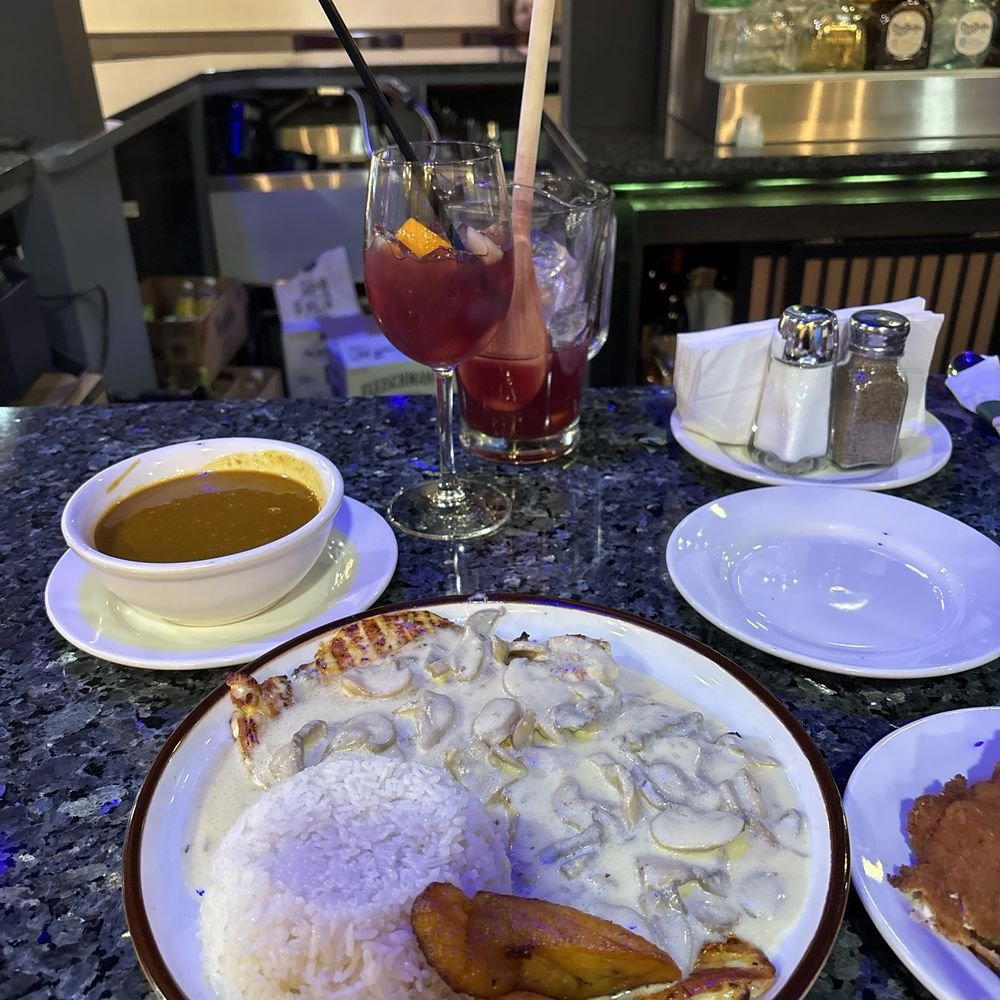
Where Rockland County Meets Colombian Kitchen Tradition
The stretch of NY-303 running through Orangeburg is not the kind of road that appears in feature travel pieces about the Hudson Valley. It is functional, suburban, and easily driven past. But the Colombian restaurants that have taken root along this corridor over the past two decades tell a more considered story about how immigrant food culture settles into American suburban geography. Casa Colombia, at 323 NY-303, is part of that pattern. Its address places it in a pocket of Rockland County where Colombian cooking has found a durable audience, not through destination dining hype, but through the kind of repeat-visit reliability that suburban communities actually sustain.
The Sourcing Logic Behind Colombian Cooking in the Northeast
Colombian cuisine in the United States operates under a particular sourcing tension. The backbone ingredients of the tradition, arepas made from masarepa, slow-braised meats like bandeja paisa components, ajiaco built on three distinct potato varieties, and fresh tropical fruits for juices, all require either reliable Latin grocery supply chains or active import sourcing. In major metropolitan centers like New York City, that supply infrastructure is well established. In suburban Rockland County, kitchens that maintain those standards are working harder for the same result.
This matters because ingredient sourcing is where the quality gap between Colombian restaurants in the New York metro area tends to open up. A kitchen that shortcuts on potato variety in an ajiaco or uses the wrong grade of masarepa in its arepas will produce food that reads as Colombian in outline but loses the textural and flavor specificity that defines the tradition. The Colombian dining rooms that hold a loyal following in areas like Orangeburg typically do so because they have solved the sourcing question in a way that satisfies customers who grew up eating the reference dishes. That built-in comparison set, the food memory of Colombian-American diners, is a more demanding standard than any critic's checklist.
Restaurants operating at the farm-to-table end of the American spectrum, from Blue Hill at Stone Barns in Tarrytown to Single Thread Farm in Healdsburg, have built entire editorial identities around sourcing transparency. Colombian neighborhood restaurants achieve something related but less documented: the sourcing discipline is embedded in the cultural accountability of serving a diaspora community rather than in press releases or tasting menus.
Rockland County's Colombian Corridor in Context
Rockland County's Colombian population is among the more concentrated in the New York metro region outside of Queens and northern New Jersey. That demographic reality shapes what a restaurant like Casa Colombia is actually doing commercially. It is not positioning itself as an introduction to Colombian food for curious outsiders, the way a restaurant in Manhattan's more tourist-facing dining corridors might. It is operating as a neighborhood institution, which places different demands on consistency, value, and menu depth.
The comparison set for a restaurant in this position is not Le Bernardin or Atomix. It is the other Colombian kitchens within a fifteen-minute drive. That competitive frame is more honest and more useful for a reader deciding where to spend an evening. Restaurants that win in that comparable set do so on the strength of their execution of core dishes, the warmth and speed of service in a high-turnover dining room, and pricing that reflects what the local market will sustain.
For readers more accustomed to the tasting-menu tier of American dining, from The French Laundry in Napa to Smyth in Chicago or Addison in San Diego, the Colombian neighborhood restaurant offers a structurally different kind of value proposition. The ambition is not vertical, reaching for novelty or technique display, but horizontal, covering a broad menu of traditional dishes with enough consistency that any given table can order differently and eat well. That horizontal ambition is harder to sustain than it sounds, and the restaurants that manage it over years deserve recognition for what they are rather than assessment against what they are not.
Other American restaurants that have built reputations around place-rooted food culture include Bacchanalia in Atlanta, Frasca Food and Wine in Boulder, and Oyster Oyster in Washington, D.C.. Each of those operates at a different price point and with a different media profile, but all share a commitment to ingredient sourcing as the primary editorial argument for the food.
Planning a Visit
Casa Colombia sits at 323 NY-303, Orangeburg, NY 10962, in a stretch of road accessible by car from the Palisades Parkway. The venue's phone number and website are not currently listed, and prospective visitors should confirm current hours before making a trip from a distance. Rockland County is roughly thirty to forty minutes north of the George Washington Bridge under normal traffic conditions, making it a reasonable detour from a Hudson Valley itinerary or a dedicated trip from the northern suburbs.
Restaurants in this category and price tier in the New York metro region tend to be busiest on weekend evenings when Colombian-American families eat out together, which means table waits can run long on Friday and Saturday nights without a reservation. Midweek visits or early weekend lunches typically offer more relaxed service timing and, often, the same menu at the same quality.
Comparable Venues
Comparable venues nearby, for context on price, style, and recognition.
| Venue | Cuisine | Price | Notes |
|---|---|---|---|
| Casa Colombia OrangeburgThis venue — the venue you are viewing | Colombian | $$ | Not listed |
| Paladar | Authentic Hispanic Latin Cuisine | $$ | Lower East Side |
| Cas West Indian & American Restaurant | Jamaican / West Indian | $$ | Crown Heights |
| Bird Pepper | Caribbean | $$ | Prospect Heights |
| Jasmine's Caribbean Cuisine | Authentic Caribbean Cuisine | $$ | Hell's Kitchen |
| The Door | Authentic Jamaican | $$ | Baisley Park |
Continue exploring
More in Orangeburg
Restaurants in Orangeburg
Browse all →
Bars in Orangeburg
Browse all →

Hotels in Orangeburg
Browse all →







At a Glance
- Lively
- Group Dining
- Casual Hangout
- Standalone
Current opening hours
- Monday
- 7 AM–10 PM
- Tuesday
- 7 AM–10 PM
- Wednesday
- 7 AM–10 PM
- Thursday
- 7 AM–10 PM
- Friday
- 7 AM–11 PM
- Saturday
- 7 AM–11 PM
- Sunday
- 7 AM–10 PM
Hours can change for holidays and private events. Last verified .
Casual and welcoming with friendly staff and sports bar elements.