Our verdict
CASA occupies a quiet address on Guangcai Street in Chiayi's East District, placing it at some distance from the city's more trafficked turkey rice counters and night market circuits. The venue sits within a dining scene that has grown steadily more attentive to format and setting without abandoning the ingredient-led instincts that define central Taiwan cooking.

Pearl is the En Primeur Club membership app — saves, bookings, and concierge access live there. Same editors, same standards.
- Address
- No. 132號, Guangcai St, East District, Chiayi City, Taiwan 600
- Phone
- +88652786588
- Hours
- Mon ClosedTue–Sat 7 PM–1 AMSun Closed
- Website
- instagram.com
- Directions
- Get directions
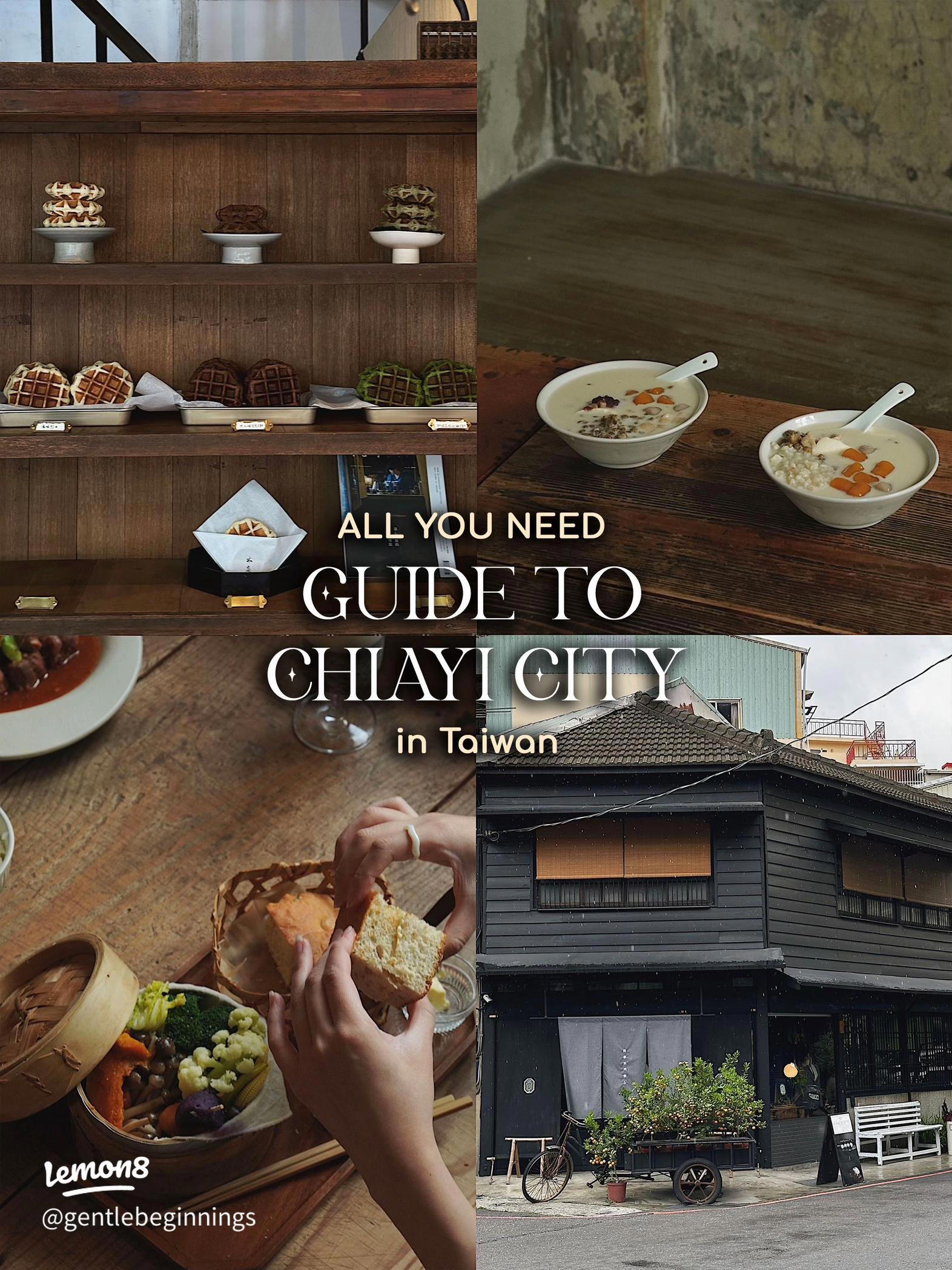
Chiayi's Quieter Register
Chiayi has a well-documented food identity built on turkey rice, douhua, and the kind of street-level precision that draws Taiwanese food writers down from Taipei on weekend trains. That reputation, earned over decades, tends to compress the city's dining conversation into a tight cluster of heritage dishes and long-running stalls. What gets less coverage is the parallel layer that has developed in quieter residential pockets — venues that operate with more deliberate formatting and less foot-traffic dependency, drawing a local clientele that already knows where to find Lin Family Turkey Rice and A Eh Douhua and is now looking for something with a different tempo.
CASA on Guangcai Street sits in that quieter register. The East District address places it away from the dense commercial corridors where most visitors orient themselves, which is itself a signal about the venue's intended audience. In Taiwan's mid-sized cities, a restaurant that chooses a residential street over a market-adjacent location is usually making a deliberate statement about format, pace, and who it wants in the room.
The Cultural Weight of the Word Home
The name CASA — Portuguese and Spanish for house or home, carries specific cultural resonance in Taiwan. The island's relationship with Iberian colonial history is indirect, but the word has circulated in Taiwanese café and dining culture as shorthand for a particular kind of warmth: informal without being careless, personal without being precious. It's a register that sits somewhere between a family kitchen and a considered dining room, and it implies food that is rooted rather than architectural.
That framing matters in the context of central Taiwan's culinary traditions. Chiayi's cooking has always prioritized produce sourced from the Alishan foothills and the Chiayi Plains, ingredients that arrive with enough inherent quality to require less intervention than the composed, technique-heavy menus common in Taiwan's northern fine dining circuit. Venues like JL Studio in Taichung and logy in Taipei have built internationally recognized programs on rigorous technique applied to local ingredients. Chiayi's version of that conversation tends to be less formal, more ingredient-deferential, and closer in spirit to what CASA's name suggests.
Where CASA Fits in Chiayi's Dining Distribution
Chiayi's restaurant scene distributes across several clear tiers. At the street level, you have the heritage counters: the turkey rice shops, the soy milk and tofu specialists like Chiayi Pin An Soy Milk Tofu, and vendors like Granny's Grilled Corn that operate as singular expressions of a single product done with long-practiced discipline. Above that sits a mid-tier of izakaya-style venues, Can Xi Izakaya Restaurant represents this bracket, that draw on Japanese format conventions while using locally sourced proteins and produce.
CASA appears to occupy a position adjacent to that mid-tier, with a name and address that suggest a more intimate, home-style format rather than the open, social geometry of an izakaya. In Taiwan's regional cities, this category has grown as younger diners have moved away from banquet hall formality without wanting to sacrifice considered cooking. The comparison points are not the grand tasting-menu operations that have defined Taiwan's fine dining decade, the GEN in Kaohsiung or Amei in Tainan tier, but rather the smaller, less-announced venues that anchor neighborhood dining in cities beyond the capital.
Taiwan's broader regional dining scene has developed considerable depth in this format. Properties like Volando Urai Spring Spa and Resort in Wulai District, Bebu in Hsinchu County, and Shen Yen in Yilan each demonstrate that considered hospitality in Taiwan does not require a Taipei address or an international award. The country's regional venues increasingly hold their own against the capital's more scrutinized operations, a point underscored by how often Taiwan's regional dining features in conversation alongside internationally benchmarked programs like Le Bernardin in New York City or Lazy Bear in San Francisco when food writers discuss the global spread of ingredient-focused, low-intervention cooking.
Central Taiwan's Ingredient Argument
The strongest editorial case for visiting Chiayi has always been ingredient access. The city sits at the base of the Alishan range, giving kitchens within the city limits proximity to high-altitude vegetables, tea, and forest-adjacent produce that Taipei restaurants pay a premium to source. That geographic proximity does not automatically translate into better cooking, but it does shift the baseline. A kitchen working 30 kilometers from its vegetable supply operates under different conditions than one importing from three prefectures away.
This is the context in which any Chiayi venue with a domestic, home-style positioning makes its strongest argument. The cooking tradition in this part of Taiwan leans toward clarity: fewer components, shorter cooking times, and a general preference for letting temperature and seasoning do the work that technique-heavy preparations handle elsewhere. What the address and naming suggest is an alignment with Chiayi's quieter, more residential dining culture rather than an ambition to compete with the city's street-food heritage on its own terms.
Planning a Visit
CASA is located at No. 132, Guangcai Street, East District, Chiayi City. The East District is accessible from central Chiayi by taxi or scooter in under ten minutes; Chiayi's High Speed Rail station connects to central Taipei in roughly 90 minutes, making the city a viable day-trip destination for those traveling through western Taiwan. For a fuller picture of what the city offers across price points and formats, our full Chiayi restaurants guide maps the scene from heritage street counters through to more deliberate dining rooms. Additional regional context is available through comparable mid-Taiwan venues like Chi Yuan in New Taipei, Dongmen Rice Noodle Soup in Hsinchu City, and Akame in Wutai Township, each of which illustrates a different approach to regional Taiwanese cooking outside the capital.
Frequently asked questions
Would CASA be comfortable with kids?
CASA's address on Guangcai Street in Chiayi's East District places it in a residential-scale neighbourhood rather than a high-traffic tourist zone, which tends to suit a lower-key family visit.
Is CASA better for a quiet night or a lively one?
The name itself — Portuguese and Spanish for home — signals a domestic register rather than a scene-driven one. Guangcai Street in Chiayi's East District is not a nightlife corridor, so the surrounding context skews toward quieter evenings. Expect an atmosphere closer to a neighbourhood table than a buzzing city-centre room.
How does CASA fit into Chiayi's dining scene compared to the city's street-food heritage?
Chiayi has a well-documented street-level food identity built on turkey rice and douhua counters, but CASA sits in a different register, operating from a fixed address at No. 132, Guangcai Street in the East District rather than a market stall or roadside shop. The name's reference to home — drawn from Iberian linguistic heritage with specific resonance in Taiwan — positions the venue as a sit-down alternative to Chiayi's heritage counter culture. It occupies the space between the city's street staples and the fewer, more formal dining rooms further up the price tier.
What's the must-try dish at CASA?
What the venue's Chiayi location does suggest is proximity to the Alishan mountain range, a supply chain that gives kitchens in this city access to high-altitude produce that most urban Taiwan restaurants cannot source as easily. Check directly with CASA at No. 132, Guangcai Street for current menu specifics.
Where exactly is CASA?
CASA is located at No. 132è, Guangcai St, East District, Chiayi City, Taiwan 600, Chiayi.
Is CASA reservation-only?
Booking policy for CASA has not been publicly confirmed. Given the East District address in Chiayi — a city where the better-regarded dining rooms tend to fill on weekends — it is worth attempting to contact the venue in advance rather than arriving without a reservation.
Price Lens
Comparable venues nearby, for context on price, style, and recognition.
| Venue | Cuisine | Price | Notes |
|---|---|---|---|
| CASAThis venue — the venue you are viewing | Taiwanese Turkey Rice | Not listed | Not listed |
| 燒瓶子。大肆の鍋 嘉義店 | Taiwanese Hotpot | $10–20 | 西區, Taiwanese Hotpot |
| Smart Fish | Traditional Chinese Fish Head Stew | $1–10 | East District, Traditional Chinese Fish Head Stew |
| 松山土窯羊肉 | Traditional Taiwanese Earth Kiln Smoked Lamb | $10–20 | 民雄鄉松山村, Traditional Taiwanese Earth Kiln Smoked Lamb |
| 阿玲煎餃 | Taiwanese Dumpling House | $1–10 | 東區, Taiwanese Dumpling House |
| Ling's Dumplings | East District, Taiwanese Dumpling House | Not listed | Not listed |

Details
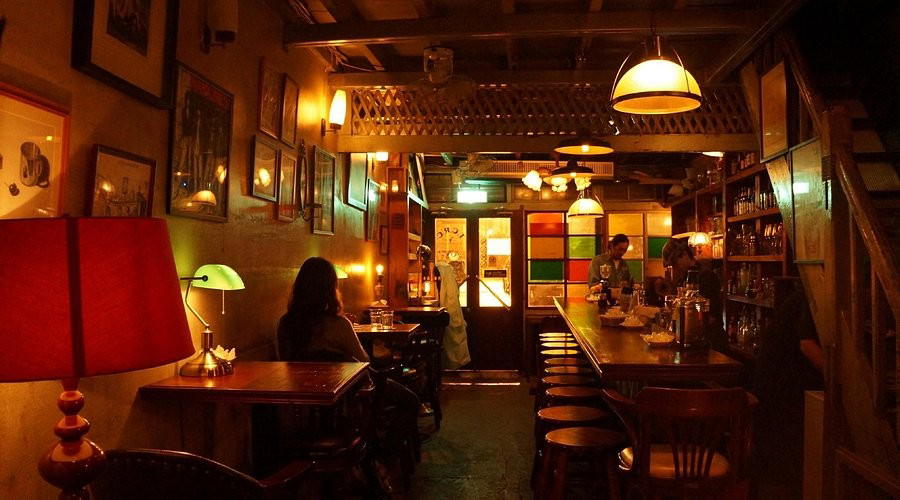
- Cozy
- Casual Hangout
- A La Carte
Current opening hours
- Monday
- Closed
- Tuesday
- 7 PM–1 AM
- Wednesday
- 7 PM–1 AM
- Thursday
- 7 PM–1 AM
- Friday
- 7 PM–1 AM
- Saturday
- 7 PM–1 AM
- Sunday
- Closed
Hours can change for holidays and private events. Last verified .
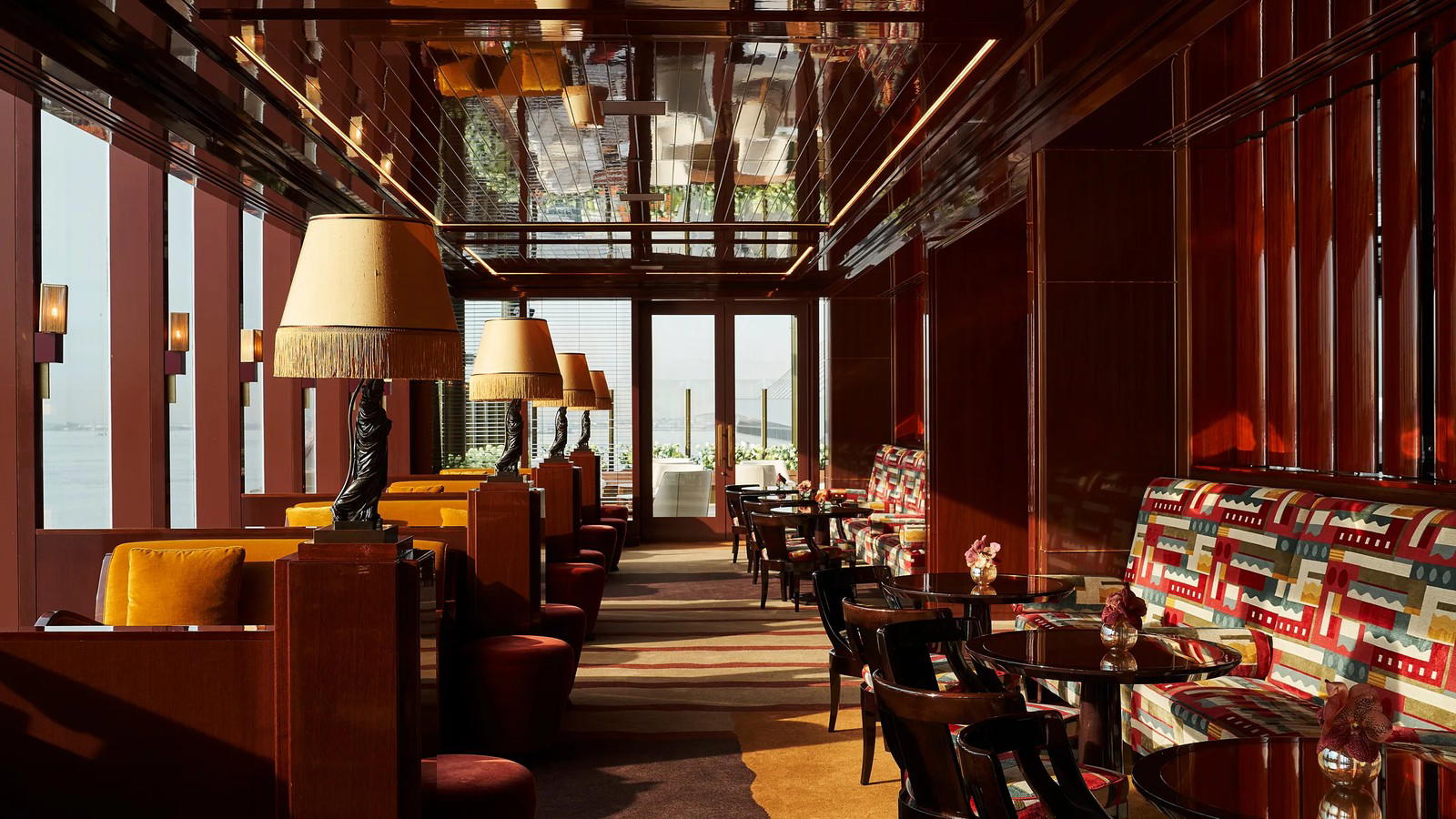
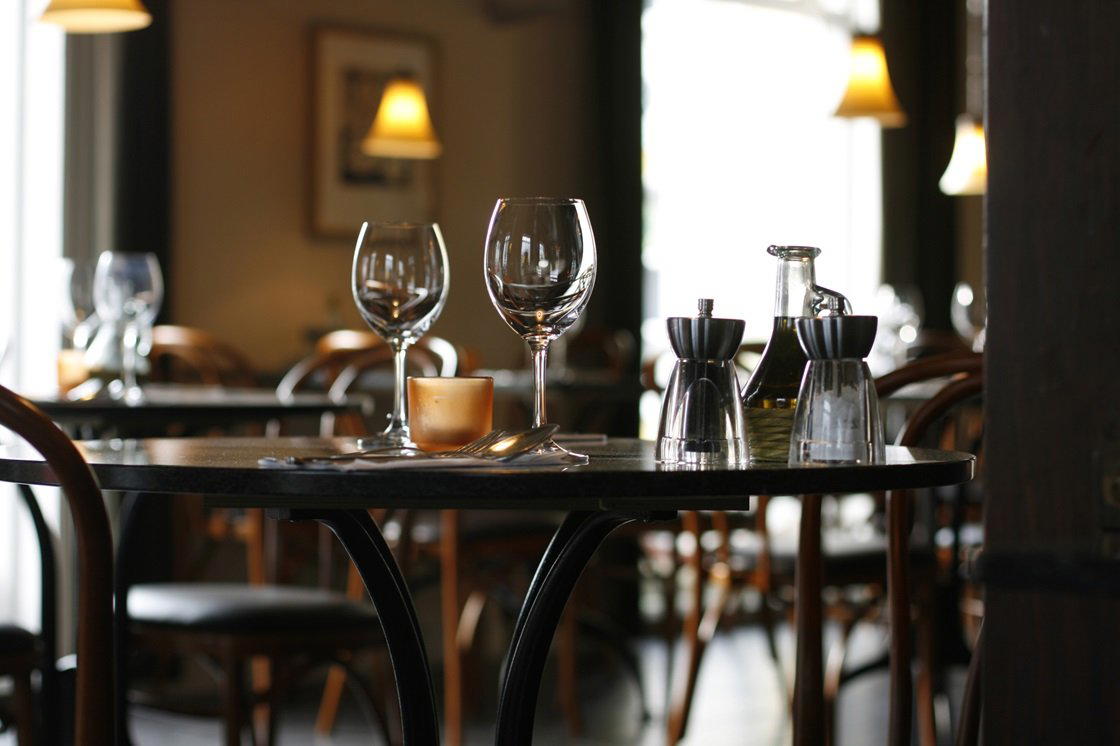
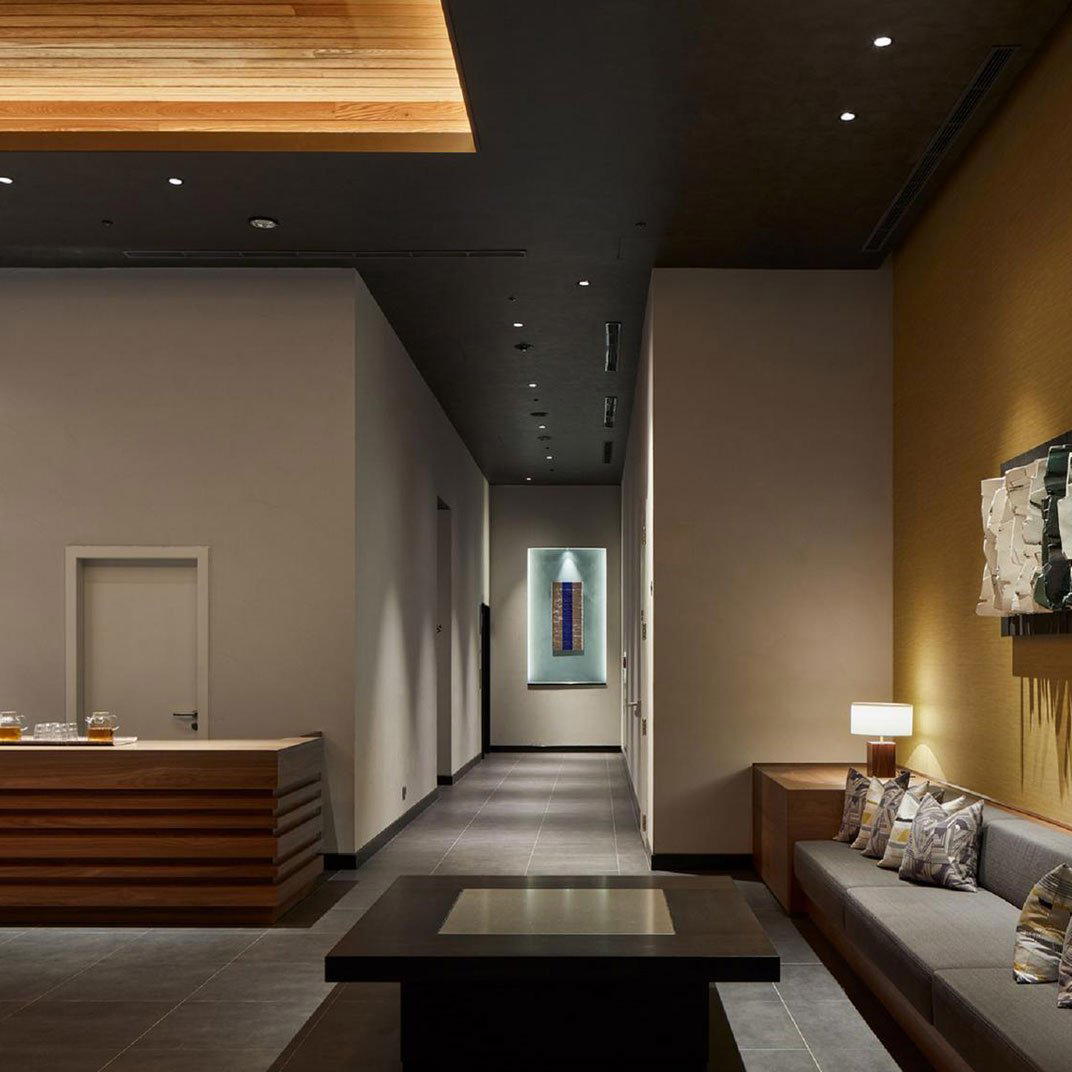
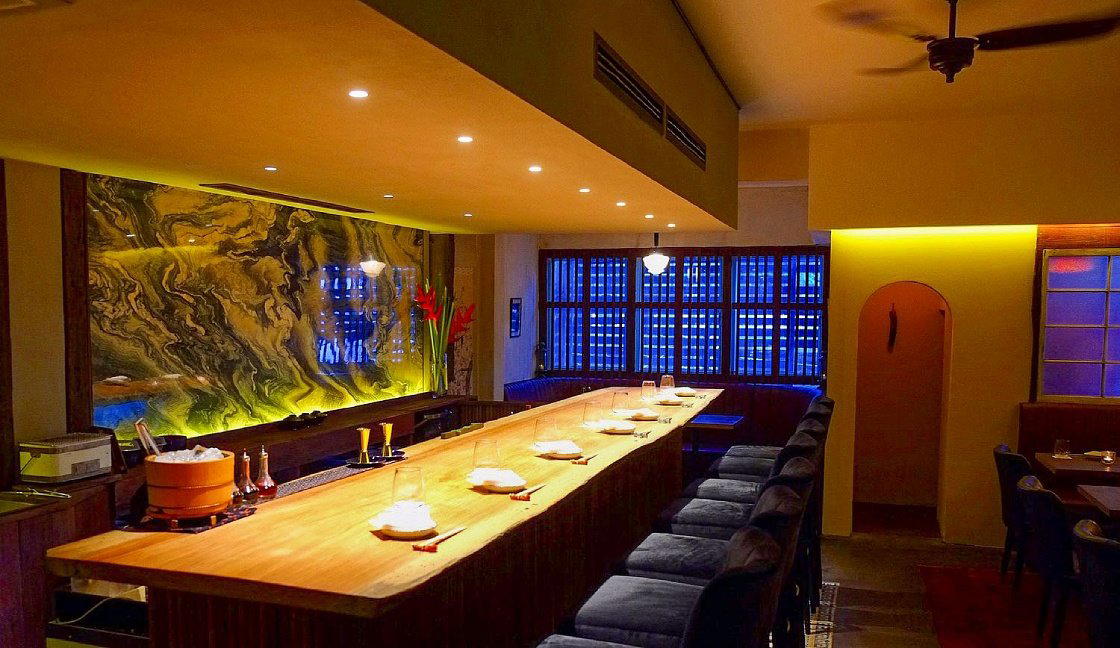
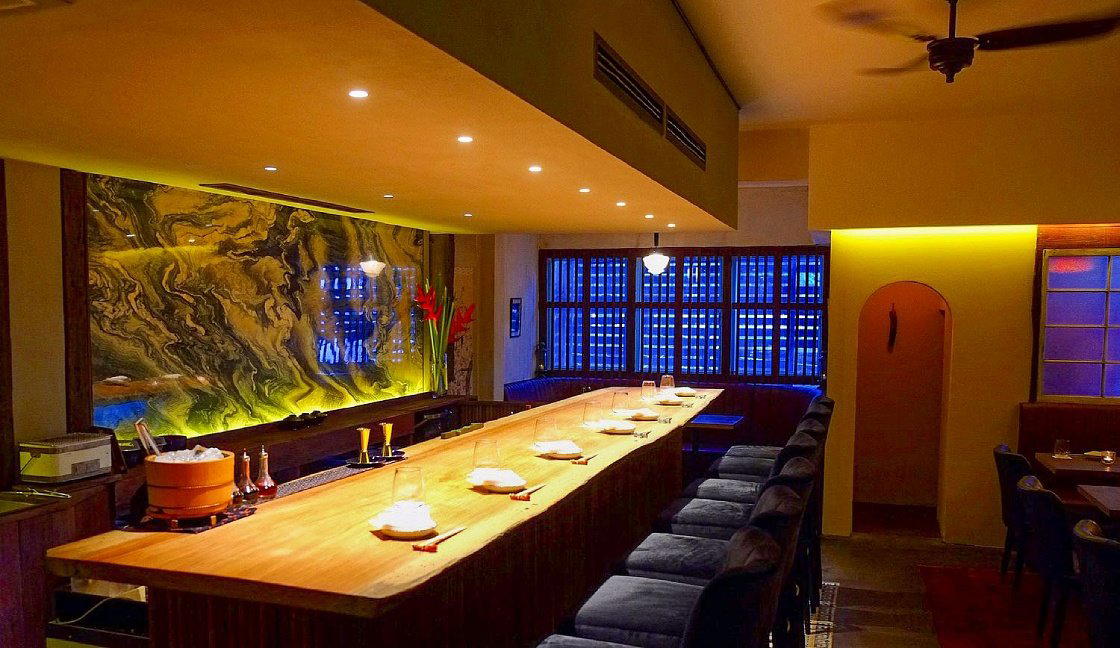
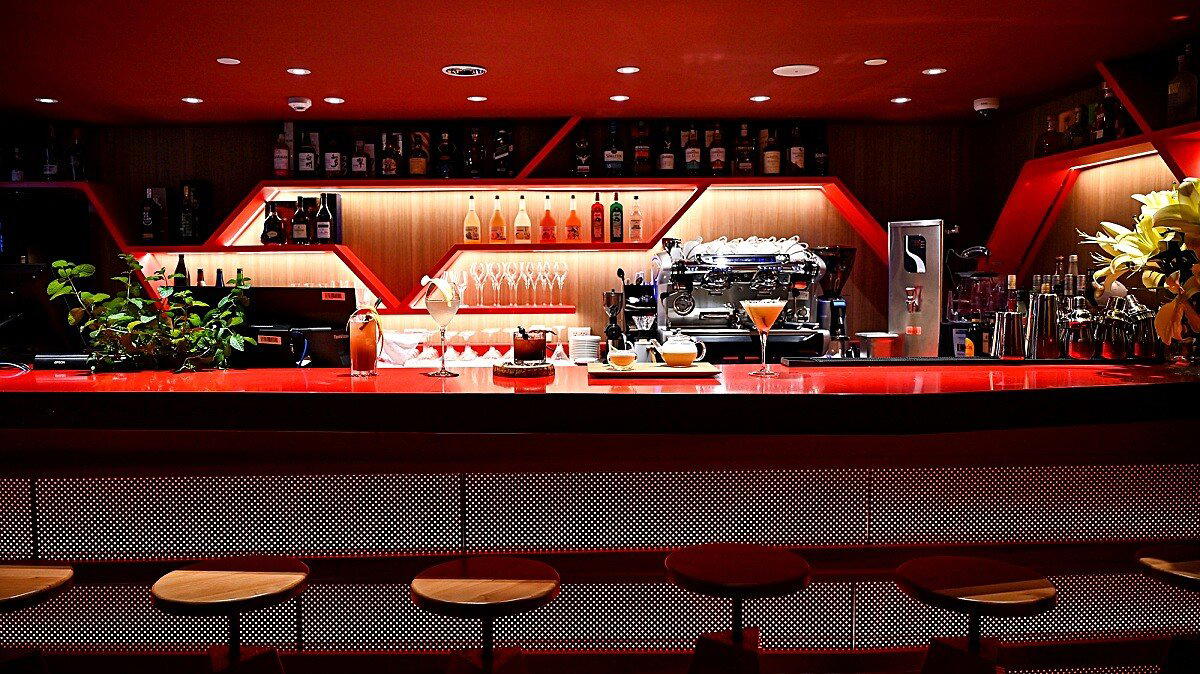
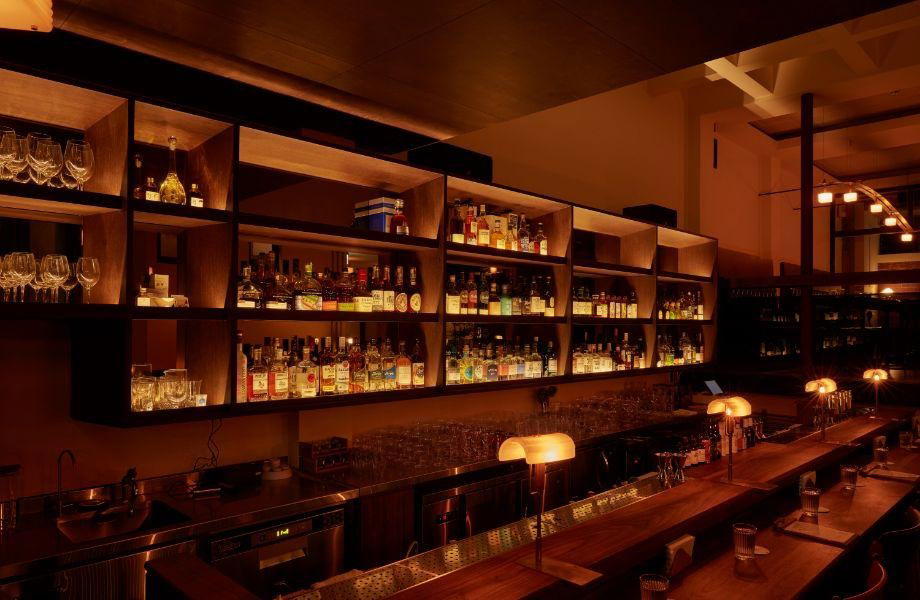
Casual and relaxed atmosphere.