On Minsheng North Road in Chiayi's West District, 燒瓶子。大肆の鍋 operates in the shabu-shabu and hot pot register that Taiwanese diners treat as both comfort dining and social occasion. Positioned against Chiayi's broader casual dining scene, it draws from a format tradition rooted equally in Japanese nabe culture and local Taiwanese ingredient habits. A practical choice for those moving through the city's less-visited dining corridor.
Pearl is the En Primeur Club membership app — saves, bookings, and concierge access live there. Same editors, same standards.
- Address
- No. 309號, Minsheng N Rd, West District, Chiayi City, Taiwan 600
- Phone
- +88652273898
- Website
- shaopingzi.com
- Directions
- Get directions
 Saves & bookings on Pearl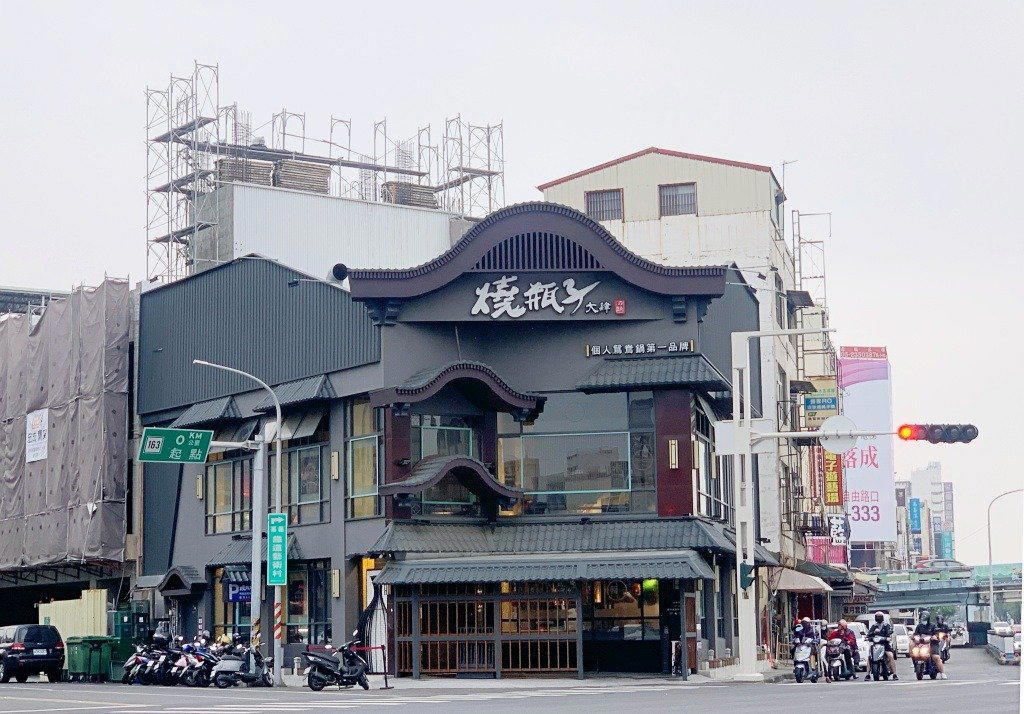
Hot Pot in a City That Takes Its Eating Seriously
燒瓶子。大肆の鍋 嘉義店 is a Taiwanese hotpot restaurant in Chiayi City, priced at about US$15 per person. It lacks the density of Taipei's scene or the fine-dining ambition of JL Studio in Taichung and logy in Taipei, yet its local eating culture is disciplined and specific. The city has produced durable food institutions across a narrow register: douhua houses like A Eh Douhua, soy milk specialists like Chiayi Pin An Soy Milk Tofu, and street-register staples like Granny's Grilled Corn. Against that backdrop, the hot pot format occupies a distinct social tier: it is the format Taiwanese diners choose when the meal is as much about the table as the food.
燒瓶子。大肆の鍋 嘉義店 sits on Minsheng North Road in the West District, an address that places it within a workaday commercial strip rather than any curated dining cluster. That matters as context. Chiayi's dining geography has never coalesced around a single neighbourhood in the way that Taipei's Da'an or Tainan's Anping have. Venues here are distributed across the city's grid, and diners navigate by category rather than by district. A hot pot operation on Minsheng North Road is, in that sense, a neighbourhood-serving proposition rather than a destination address.
The Format Itself: What Hot Pot Means in This Context
The shabu-shabu and hot pot category in Taiwan draws from two distinct lineages. Japanese nabe culture contributed the individual portioning logic, the dashi-based broth vocabulary, and the precision around thinly sliced proteins. Taiwanese practice layered onto that a preference for communal formats, bolder broths, and ingredient variety that reflects the island's produce abundance. The result, across most Taiwanese hot pot operations, is a format that prizes customisation and tableside control over any chef-driven singular vision.
This is a fundamentally different dining contract than what you encounter at GEN in Kaohsiung or A Xia in Tainan, where the kitchen drives the sequence. In the hot pot register, the diner holds more agency: broth selection, protein cuts, vegetable combinations, and cooking time are all decisions made at the table. The restaurant's role is to supply quality ingredients, maintain the heat source reliably, and manage a service rhythm that allows extended group dining. These are operational demands that differ substantially from à la carte or tasting menu formats.
Space and Setting: Reading the Physical Container
The name itself carries signals worth parsing. 燒瓶子 translates loosely to "burning flask" or "fired vessel", a reference to the central heat source that defines the format. 大肆の鍋 layers in Japanese script (の) alongside Chinese characters, a hybrid naming convention that has become common in Taiwanese dining operations seeking to signal both local roots and Japanese-influenced technique. This cross-script branding is not decorative; it communicates a specific tier within the hot pot market, one positioned above street-level operations but within casual dining's broader orbit.
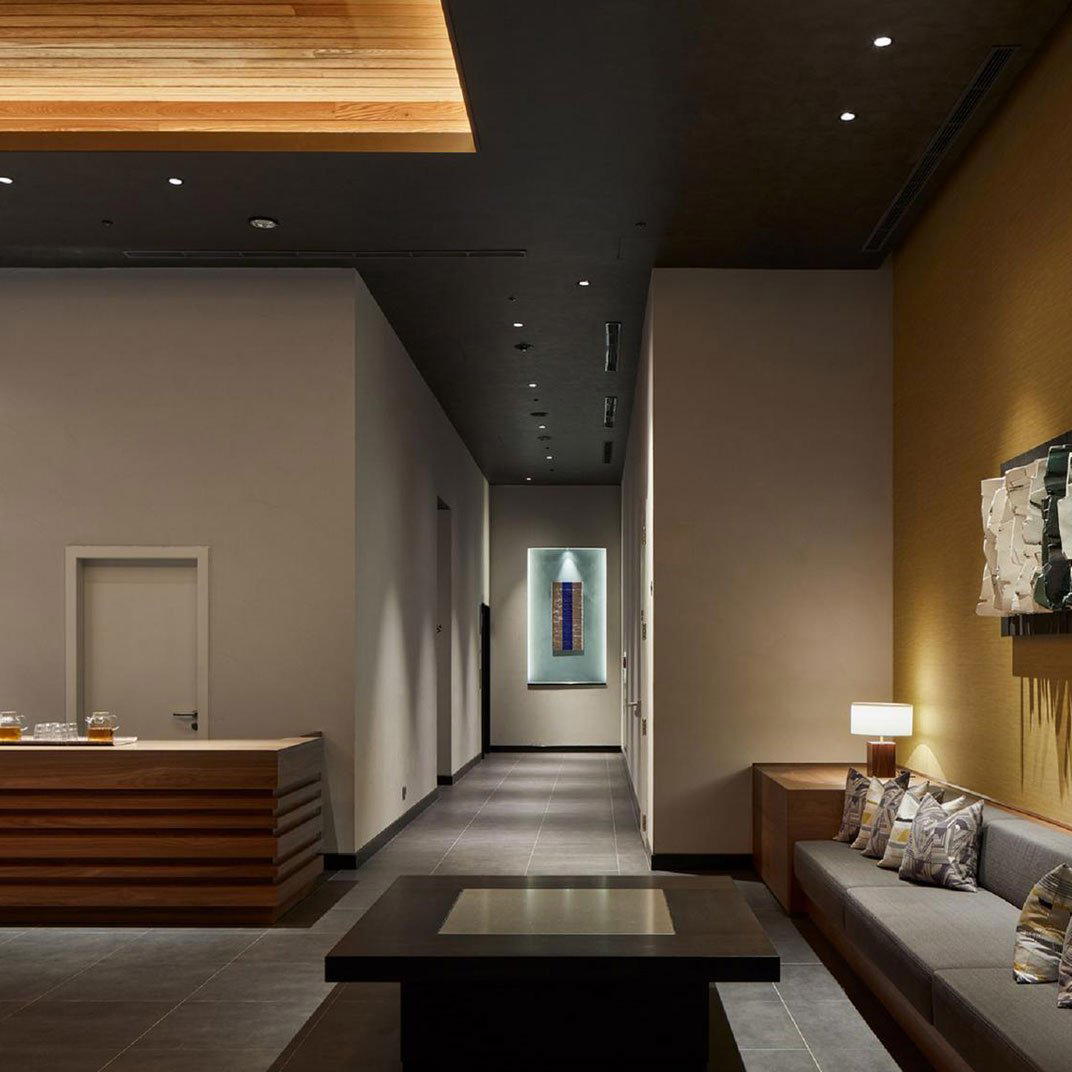
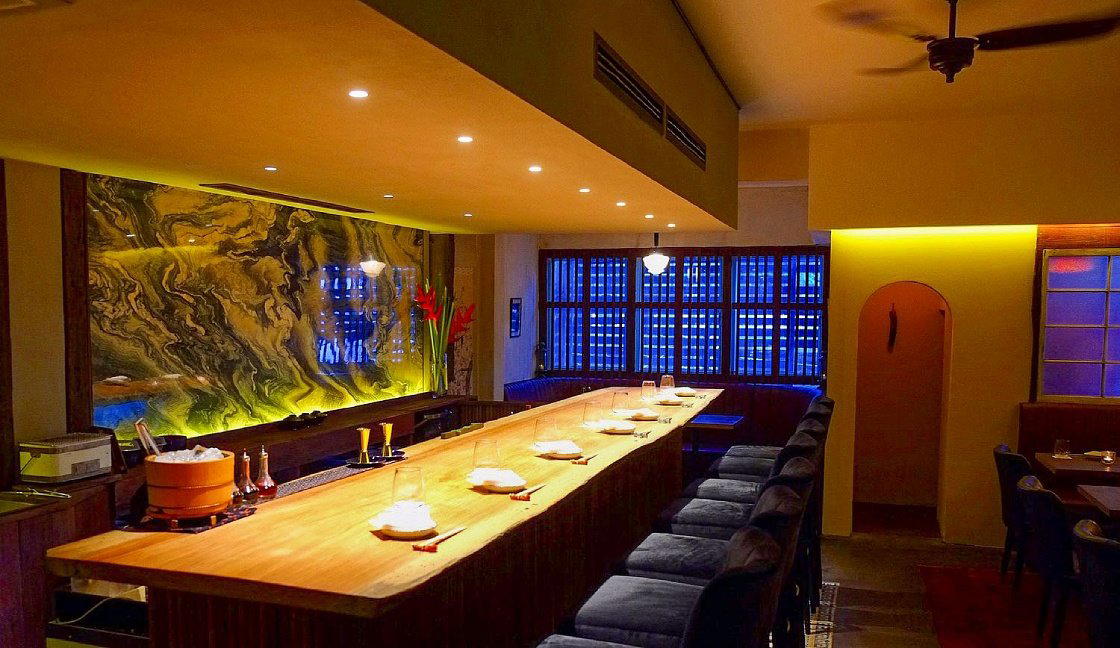
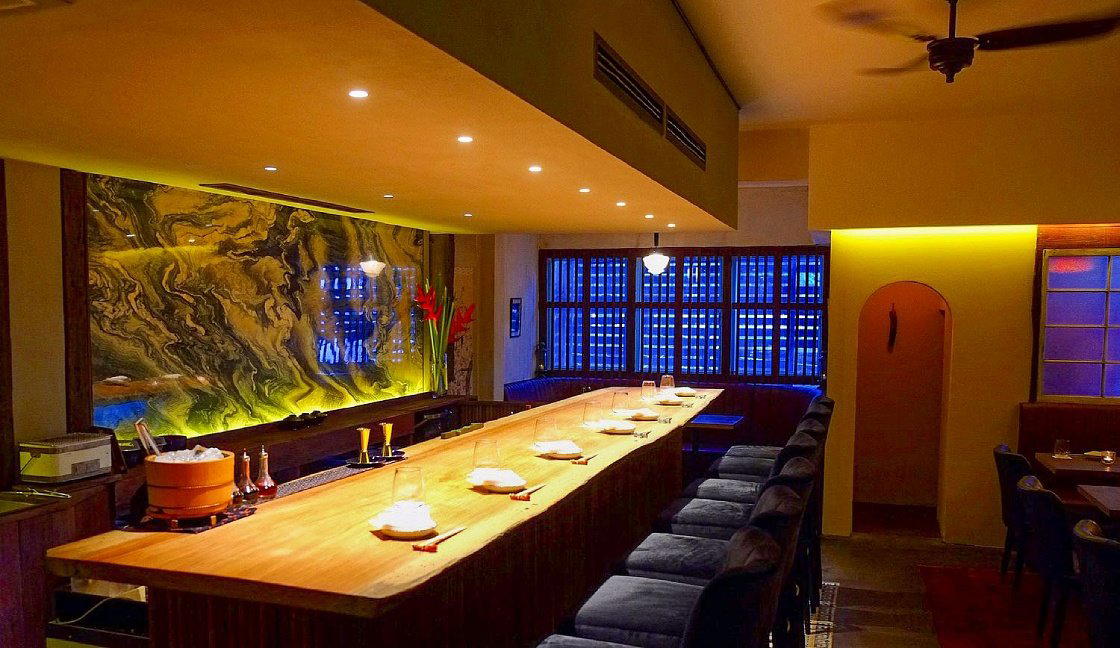
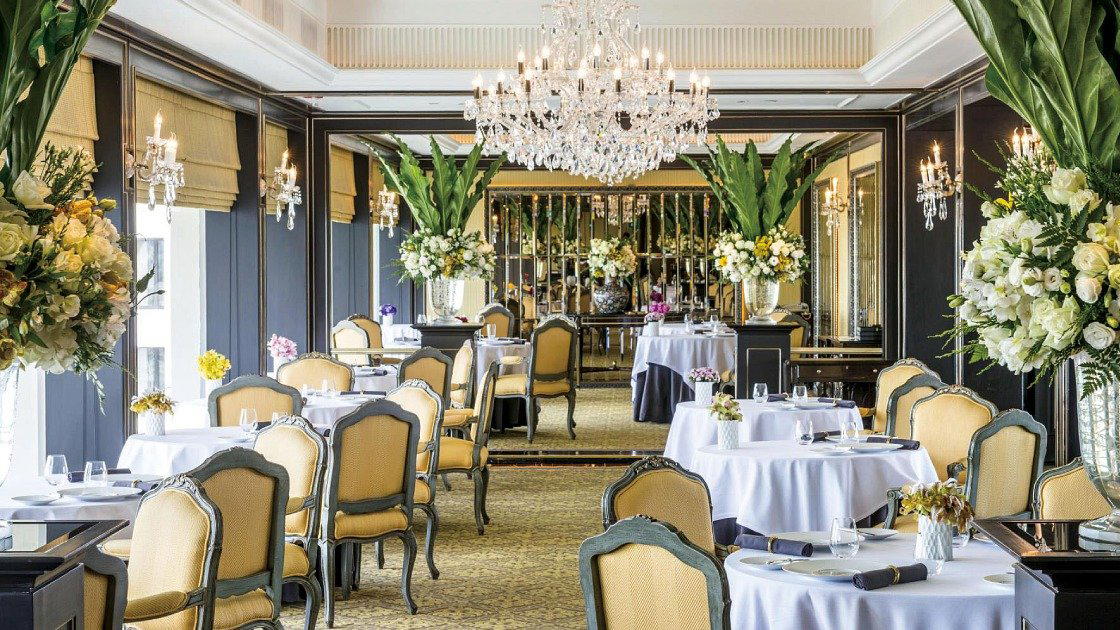
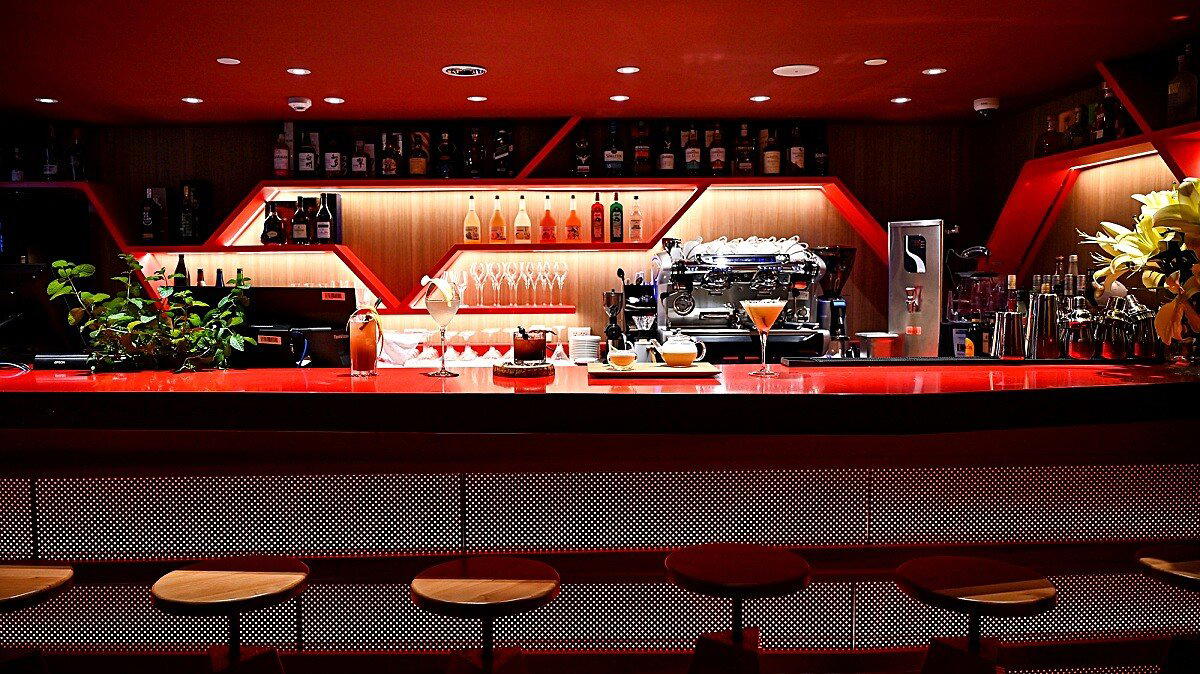
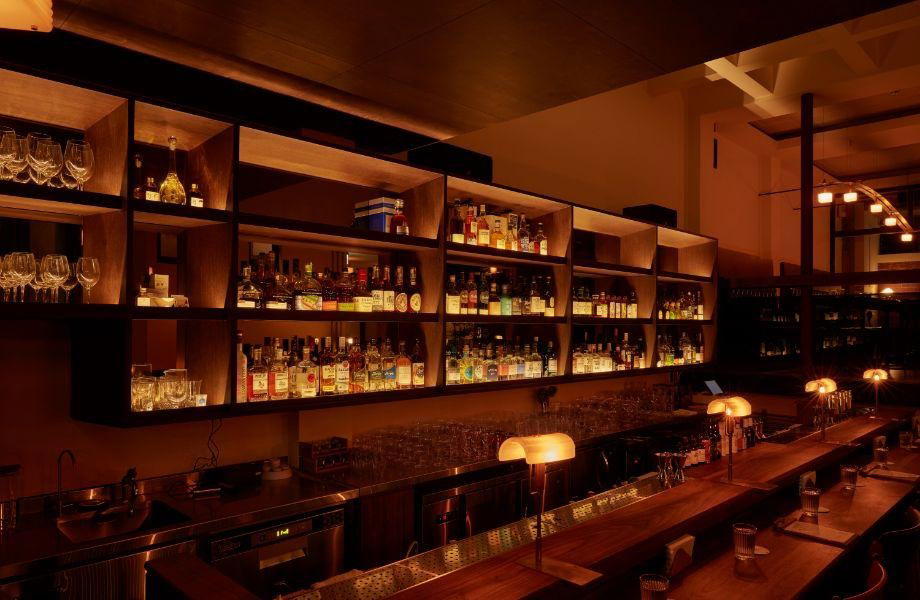
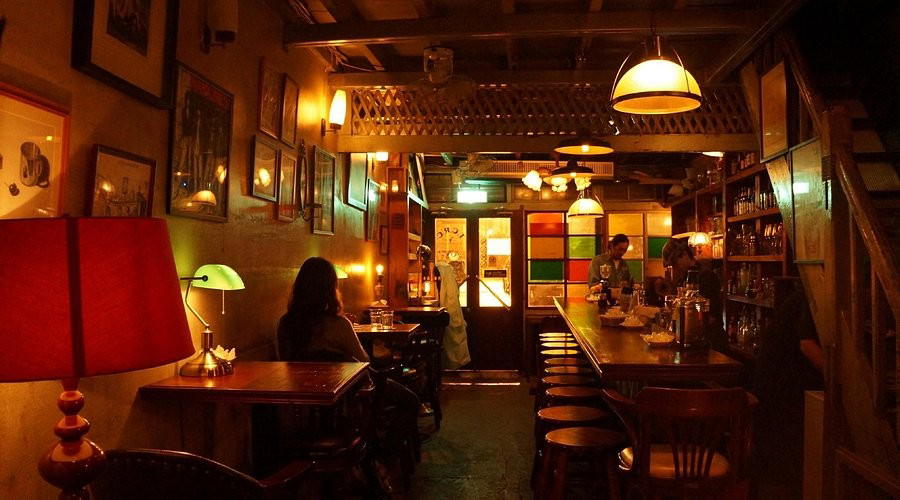
On Minsheng North Road, the physical address puts the venue in a district that functions as everyday Chiayi rather than tourist Chiayi. The West District's dining character is shaped by local regulars, not by itinerary-driven visitors. Spaces in this register typically prioritise table density and turnover efficiency over dramatic interior statements. That practical orientation is consistent with how most Taiwanese hot pot operations are designed: the table, the burner, and the shared pot are the architectural logic. Individual décor choices tend to serve that central function rather than compete with it.
For a different register of Chiayi dining design, CASA and Can Xi Izakaya Restaurant each occupy more deliberate spatial propositions. Hot pot venues like 燒瓶子。大肆の鍋 solve a different design problem: how to seat multiple groups in a format that requires both shared table intimacy and enough physical separation to manage individual heat sources. That is an interior challenge distinctive to the category.
Chiayi's Hot Pot Tier in Broader Perspective
Across Taiwan, the hot pot category has stratified considerably over the past decade. At the upper end, operations like Volcanic Rock in Zhubei City signal premium positioning through ingredient sourcing and single-serving formats. At the accessible end, chain operations compete on price and broth variety. The middle tier, where most city-specific independent hot pot venues operate, differentiates on local ingredient emphasis, broth quality, and the social infrastructure of the dining experience rather than on fine-dining markers.
Within that middle tier, Chiayi-specific operations benefit from the city's agricultural hinterland.
For readers building a wider picture of Taiwan's dining range, the contrast between this format and the tasting-menu tier represented by venues like GARDENh in Yonghe District or Le Bernardin in New York City is instructive. Hot pot represents the opposite end of the chef-agency spectrum: maximum diner control, social pacing, and an open-ended duration that tasting menus structurally prohibit. Neither is a superior format; they answer different questions about what a meal is for.
Planning a Visit
燒瓶子。大肆の鍋 嘉義店 is located at No. 309, Minsheng North Road, West District, Chiayi City. The address is accessible from the city centre and sits within Chiayi's broader West District grid, reachable by local bus or taxi from Chiayi Station. It is open daily from 11 AM to 2 AM, with reservations recommended.
For comparable hot pot and casual dining formats elsewhere in Taiwan, this Taichung City entry and this Sanchong District venue offer useful reference points for understanding how the category performs across different city contexts.
A Tight Comparison
Comparable venues nearby, for context on price, style, and recognition.
| Venue | Cuisine | Price | Notes |
|---|---|---|---|
| 燒瓶子。大肆の鍋 嘉義店This venue — the venue you are viewing | 西區, Taiwanese Hotpot | $$ | Not listed |
| Uncle Goat | Not listed | $$ | Minxiong Township, Traditional Taiwanese Goat Stew |
| 阿玲煎餃 | 東區, Taiwanese Dumpling House | $$ | Not listed |
| Smart Fish | Not listed | $$ | East District, Traditional Chinese Fish Head Stew |
| 林聰明沙鍋魚頭 | Not listed | $$ | 東區, Traditional Taiwanese Sandpot Fish Head |
| Ling's Dumplings | East District, Taiwanese Dumpling House | $ | Not listed |
Continue exploring
More in Chiayi
Restaurants in Chiayi
Browse all →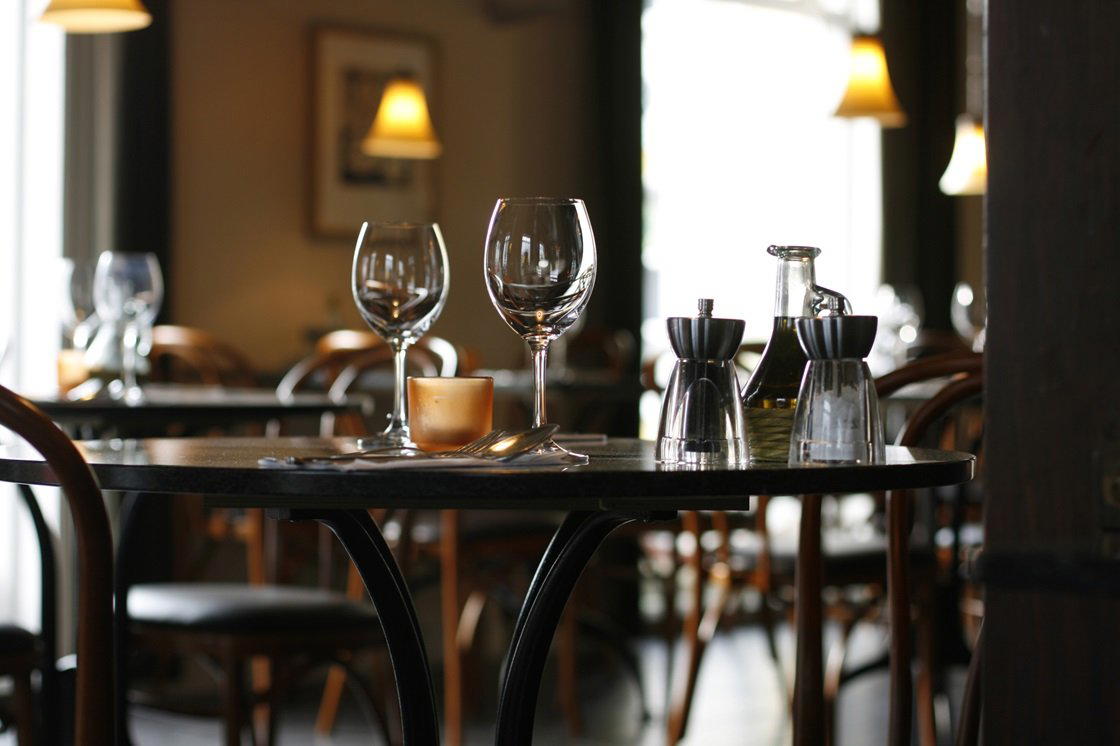



At a Glance
- Lively
- Trendy
- Group Dining
- Family
- Casual Hangout
Current opening hours
- Monday
- 11 AM–2 AM
- Tuesday
- 11 AM–2 AM
- Wednesday
- 11 AM–2 AM
- Thursday
- 11 AM–2 AM
- Friday
- 11 AM–2 AM
- Saturday
- 11 AM–2 AM
- Sunday
- 11 AM–2 AM
Hours can change for holidays and private events. Last verified .
中式帶日式風格的三層獨立建築,寬敞舒適適合聚餐。