Casa Anita En Paris serves Mediterranean seafood and Spanish tapas on Carrer de París, with seafood paella and grilled octopus among the signatures.
Pearl is the En Primeur Club membership app — saves, bookings, and concierge access live there. Same editors, same standards.
- Address
- Carrer de París, 175, Eixample, 08036 Barcelona, Spain
- Phone
- +34938026609
- Website
- casaanitaparis.com
- Directions
- Get directions
 Saves & bookings on Pearl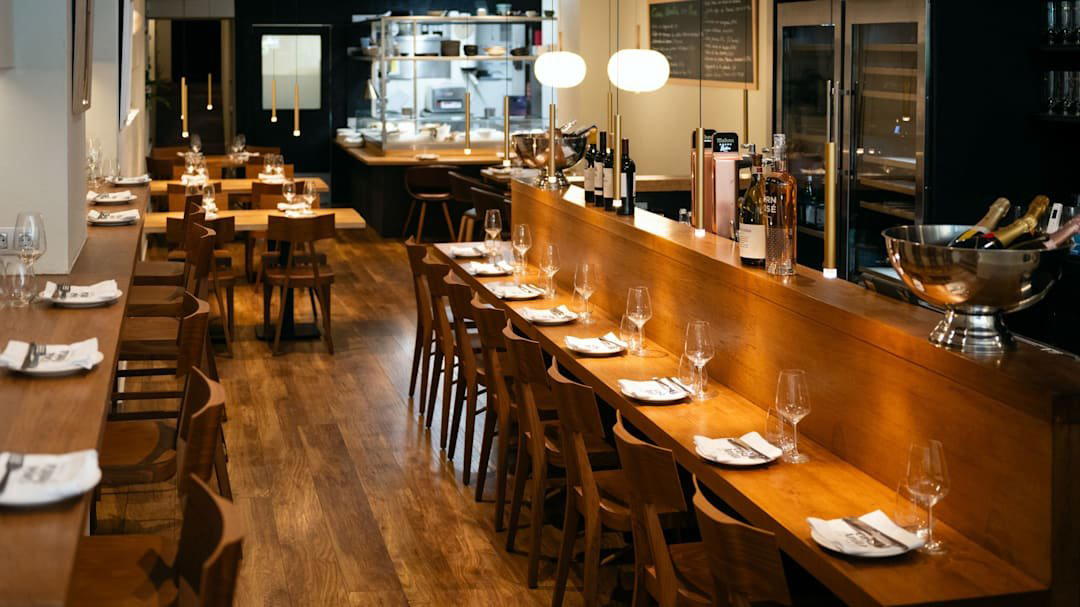
Carrer de París, Eixample: Where Neighbourhood Dining Meets Conscious Kitchens
The stretch of Carrer de París running through the Eixample grid carries a particular quality of Barcelona light in the late afternoon, when the city's orderly blocks catch the sun at an angle that makes even unremarkable facades look considered. It is a residential artery rather than a tourist corridor, which means the restaurants along it answer to a local clientele first.
Eixample has long been Barcelona's most structurally coherent district, its Cerda-planned grid producing a neighbourhood where dining rooms tend toward the serious and the settled. The creative vanguard, venues like Disfrutar, with its progressive tasting format, or Enigma, operating at the boundary of what restaurant experience can mean, occupies another register entirely. Casa Anita En Paris belongs to the stratum below those headline addresses: the neighbourhood room that earns its place through consistency and proximity to where people actually live.
The Sustainability Argument That Eixample Makes Quietly
Across Spain, a conversation about what responsible sourcing means in a restaurant context has been shifting from niche concern to operational expectation. Venues at the far end of the ambition scale have made it central to their identity: Azurmendi in Larrabetzu has constructed its entire production logic around on-site growing and waste reduction, while Aponiente in El Puerto de Santa María has built a programme around under-utilised marine species that is as much an ecological argument as a culinary one. These are deliberate, documented positions.
The neighbourhood dining room engages with the same set of questions differently. In a dense urban district like Eixample, proximity to the Mercat de l'Abaceria and the Sant Antoni market means that sourcing locally is less a marketing stance than a practical default. Seasonal menus in this context are often a function of what is available and affordable from nearby suppliers rather than a declared philosophy. That is not a lesser version of ethical sourcing; it is, in many ways, a more embedded one. Restaurants that buy from the same vendors week after week, that adjust their menus in response to what the market offers rather than what the branding department has approved, operate inside a supply chain that has a different kind of integrity.
Casa Anita En Paris operates in Eixample at a neighbourhood scale, which means its relationship to produce, waste, and seasonality is shaped by the rhythms of a local trading area rather than the demands of a high-turnover destination kitchen. That is a meaningful distinction in a city where the gap between the tasting-menu tier, Lasarte, ABaC, Cocina Hermanos Torres, and the local sala is wider than in almost any other Spanish city.
Barcelona's Neighbourhood Rooms in European Context
The neighbourhood restaurant as a category faces structural pressure in most major European cities. Rising rents, labour costs, and the gravitational pull of delivery platforms have thinned the middle tier in London, Paris, and Madrid alike. Barcelona has retained more of its local dining culture than most comparable cities, partly because of market infrastructure and partly because Catalan food culture places genuine value on the daily meal eaten close to home. The Sant Antoni and Eixample dining scenes operate on a logic where the everyday and the considered are not in opposition.
Compare this to the pressure-cooker destination tier: El Celler de Can Roca in Girona operates with a waiting list measured in months; Mugaritz in Errenteria requires forward planning of a different kind entirely. The neighbourhood room asks nothing of the kind, which is precisely its function in the broader ecology of how a city eats. It is the venue you return to rather than plan for, and in a city as well-supplied with planning-required restaurants as Barcelona, that distinction has value.
The Catalan Kitchen at Ground Level
Catalan cuisine at the neighbourhood level draws on a repertoire that is older and more grounded than the creative fireworks associated with the city internationally. The sofregit base, the romesco tradition, the integration of legumes and cured products, the reflex toward seasonal vegetables from the interior: these are the building blocks of a domestic kitchen that the leading neighbourhood restaurants in Barcelona treat with seriousness rather than nostalgia. The same commitment to ingredient-led cooking that animates chefs like Ricard Camarena in València or Quique Dacosta in Dénia at the fine-dining level finds its everyday expression in rooms like this one.
Spain's broader conversation about food, the one that produced DiverXO in Madrid, Arzak in San Sebastián, and Martin Berasategui in Lasarte-Oria, rests on a foundation of regional produce culture that neighbourhood restaurants maintain. Without that foundation, the creative tier has nothing to differentiate itself from. The local dining room is not the footnote to that story; it is the ground it is written on.
International visitors who have absorbed the logic of Lazy Bear in San Francisco or Le Bernardin in New York City will recognise the same seriousness about produce at different price points. The commitment to what is available and what is in season is a shared value, even when the format and the spend look entirely different. Atrio in Cáceres makes a similar point from the Extremadura end of Spanish cuisine: regional rootedness is not a consolation prize for restaurants that cannot reach the creative apex; it is a position in its own right.
Know Before You Go
- Address: Carrer de París, 175, Eixample, 08036 Barcelona, Spain
- District: Eixample, within walking distance of the Sant Antoni and Esquerra de l'Eixample dining belt
- Leading season: Spring and autumn, when Barcelona's market supply is at its most varied and the city operates at a pace that suits neighbourhood dining
- Getting there: Eixample is served by multiple metro lines; the Carrer de París address sits in a walkable residential block well connected to the wider city grid
- Reservations: Recommended
- Pricing: About $40 per person
Same-City Peers
Comparable venues nearby, for context on price, style, and recognition.
| Venue | Cuisine | Price | Notes |
|---|---|---|---|
| Casa Anita En ParisThis venue — the venue you are viewing | Mediterranean Seafood & Spanish Tapas | $$ | Not listed |
| La Flor de Barcelona Restaurant | Traditional Mediterranean | $$ | el Putxet i el Farro |
| Lincoln 32 | Modern Mediterranean Bistro | $$ | el Putxet i el Farro |
| Ultramarins Riera | Creative Mediterranean Bistro | $$ | Sants |
| SUPERLOCAL | Sustainable Mediterranean | $$ | la Vila Olimpica del Poblenou |
| La Dolça Herminia | Traditional Catalan with Modern Mediterranean Twists | $$ | Sant Pere, Santa Caterina i la Ribera |
Continue exploring
More in Barcelona
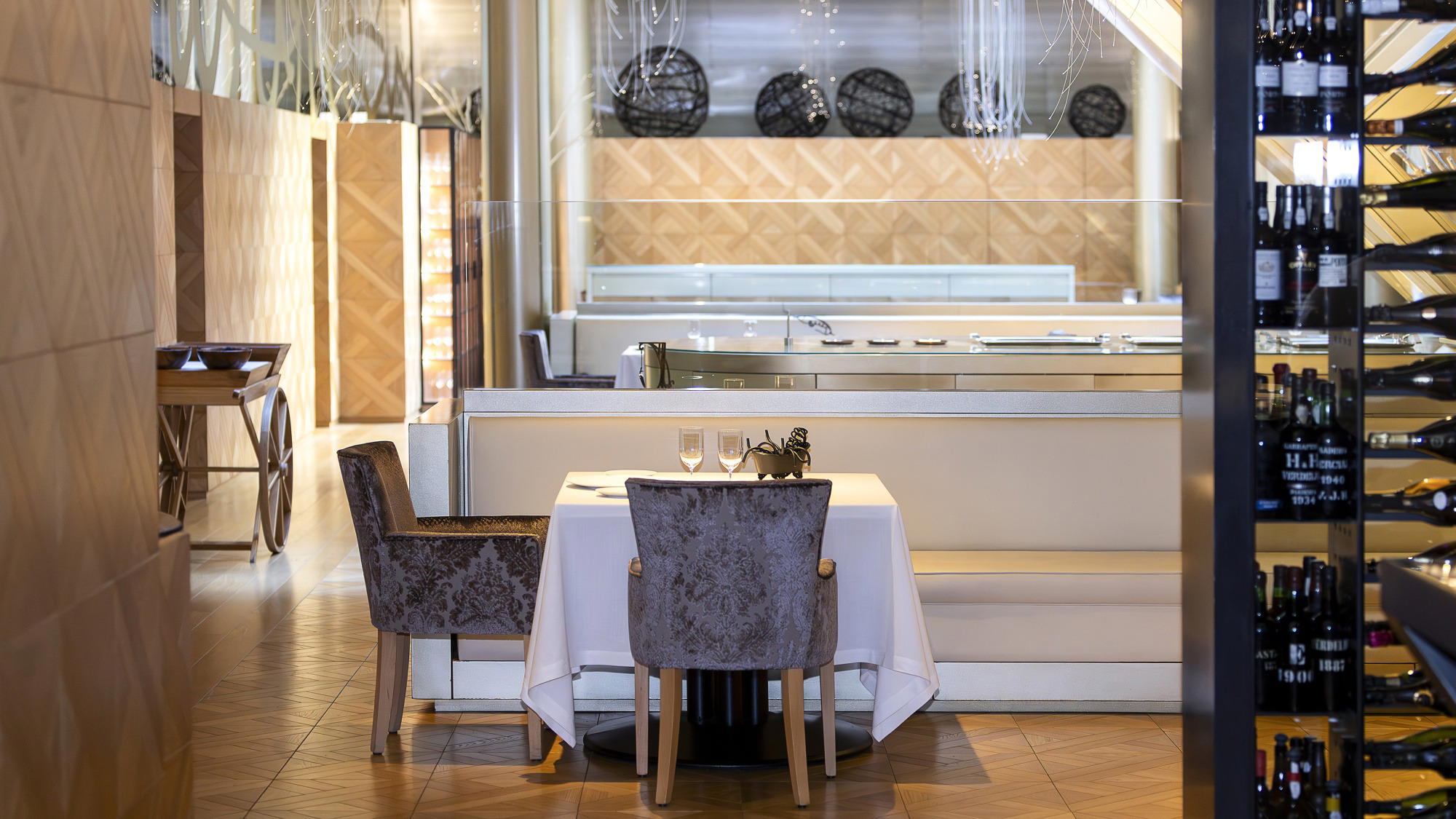
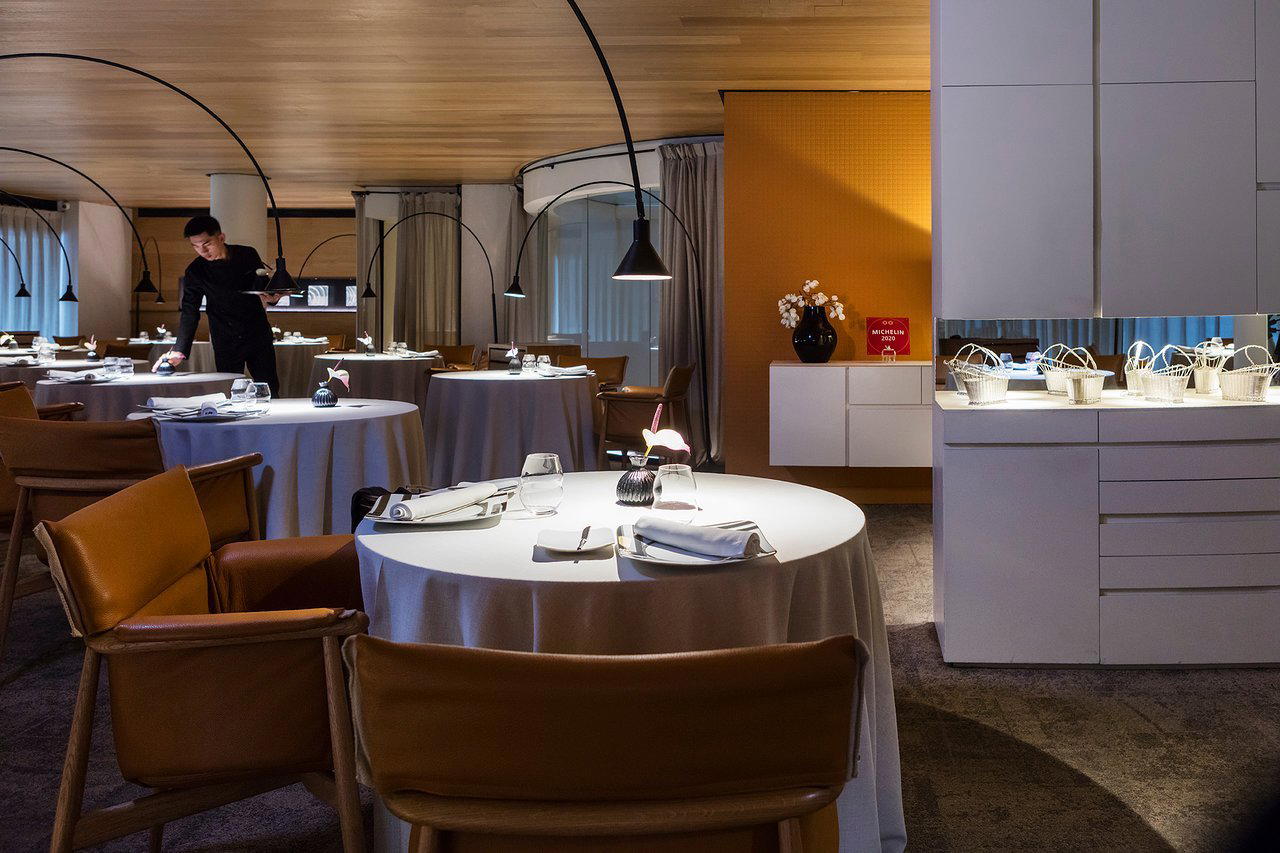
Restaurants in Barcelona
Browse all →
Bars in Barcelona
Browse all →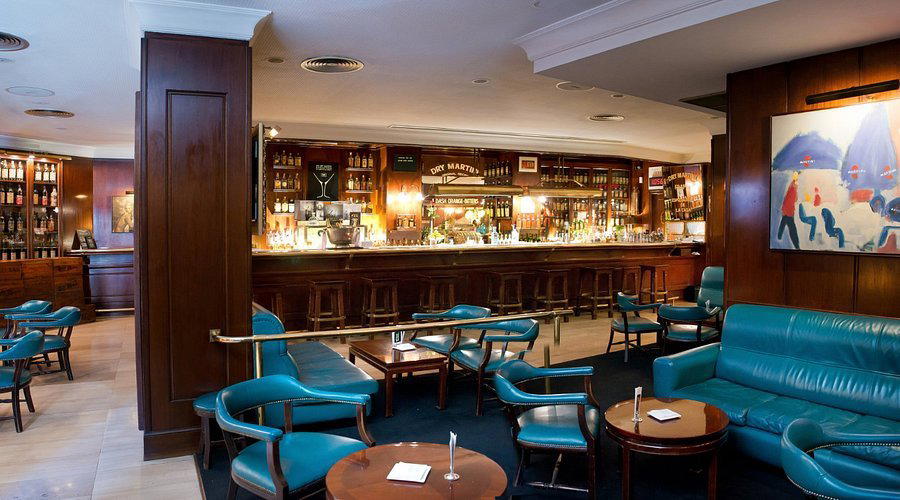
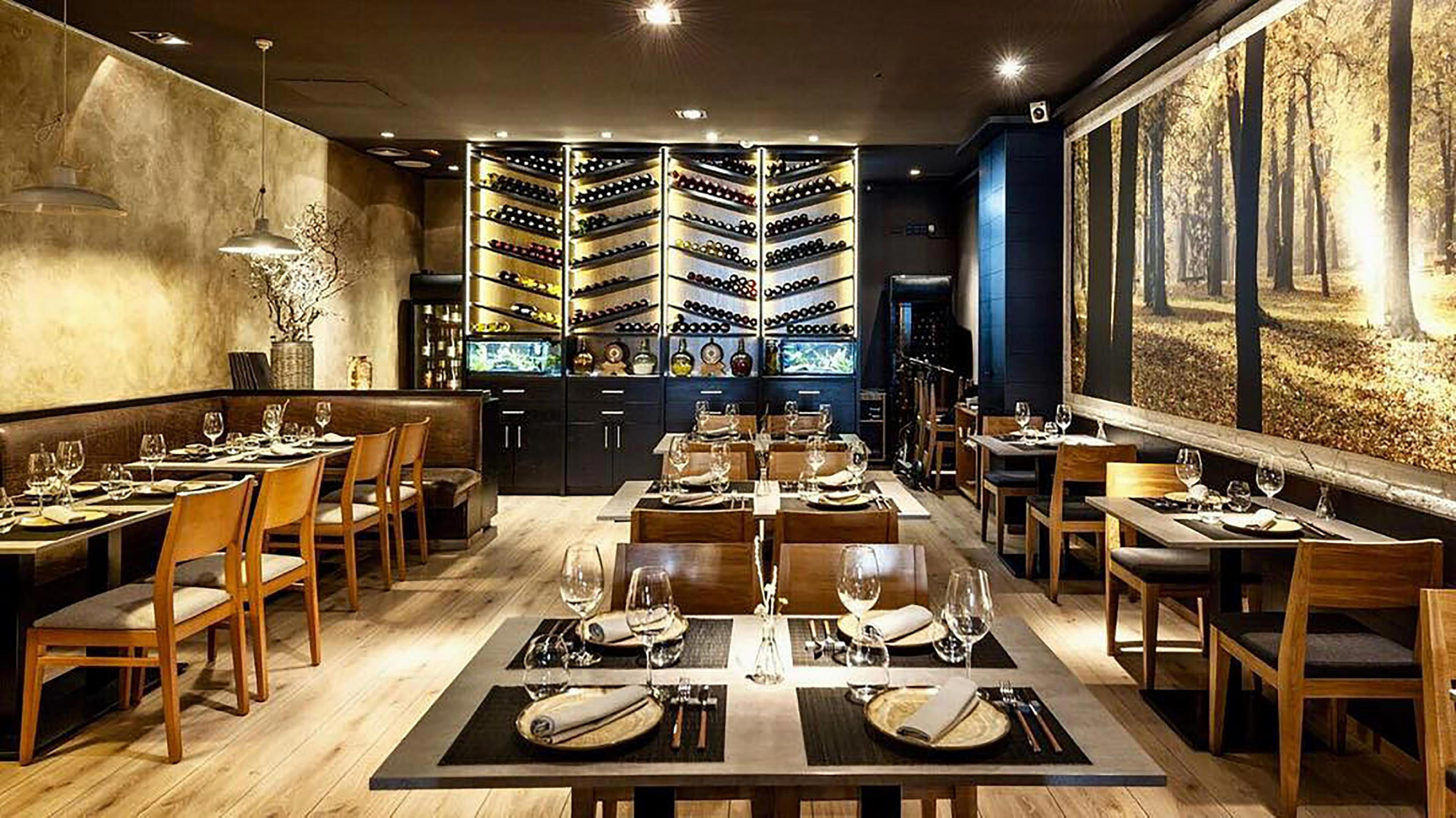
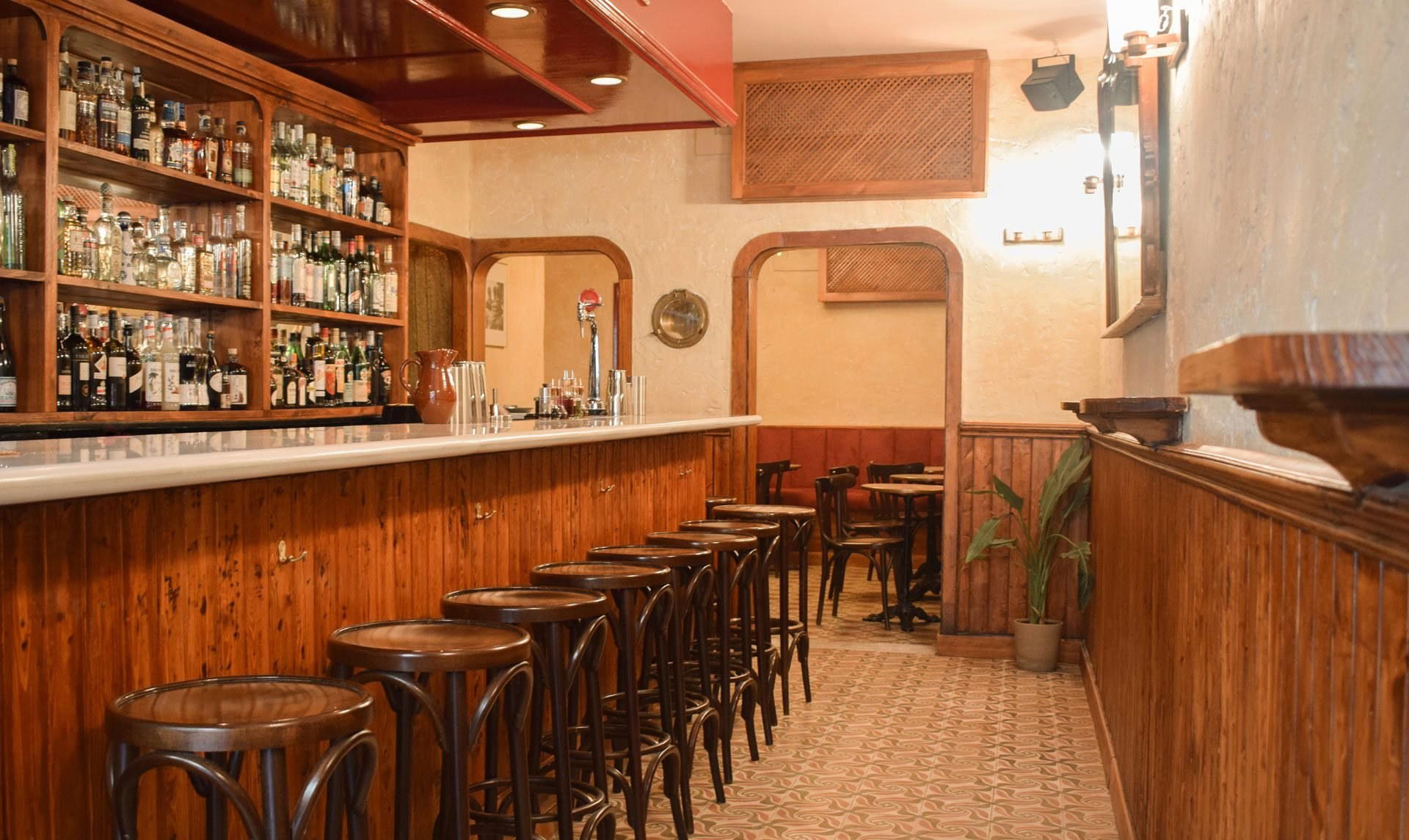
Hotels in Barcelona
Browse all →
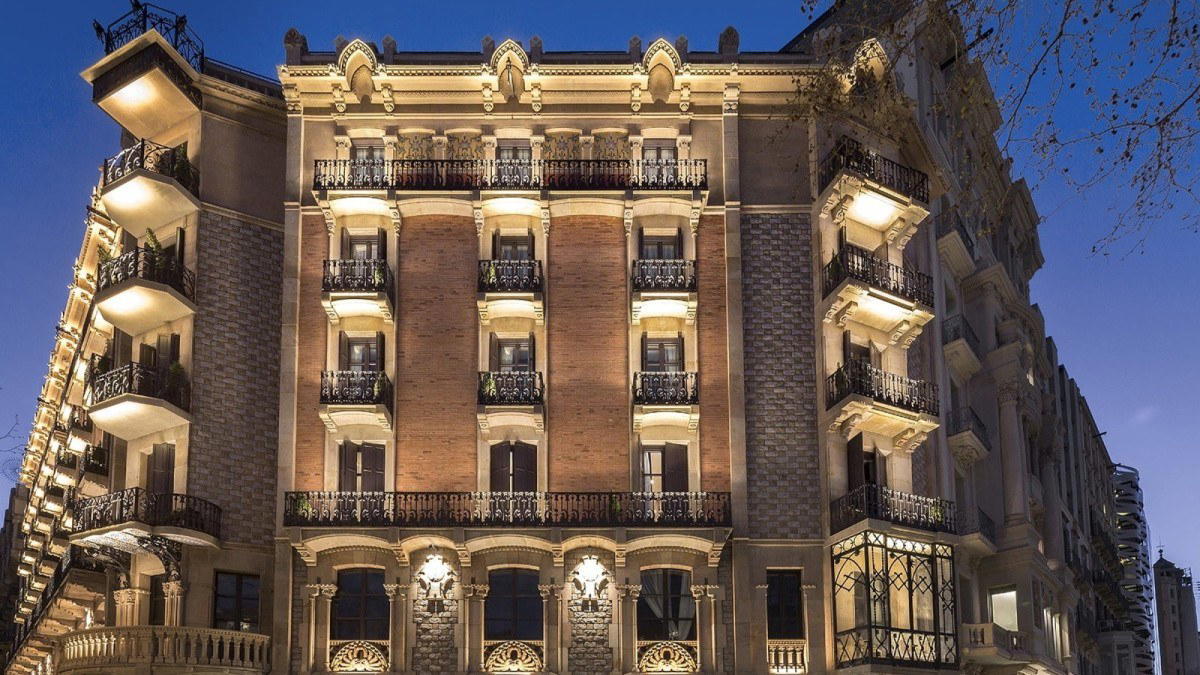
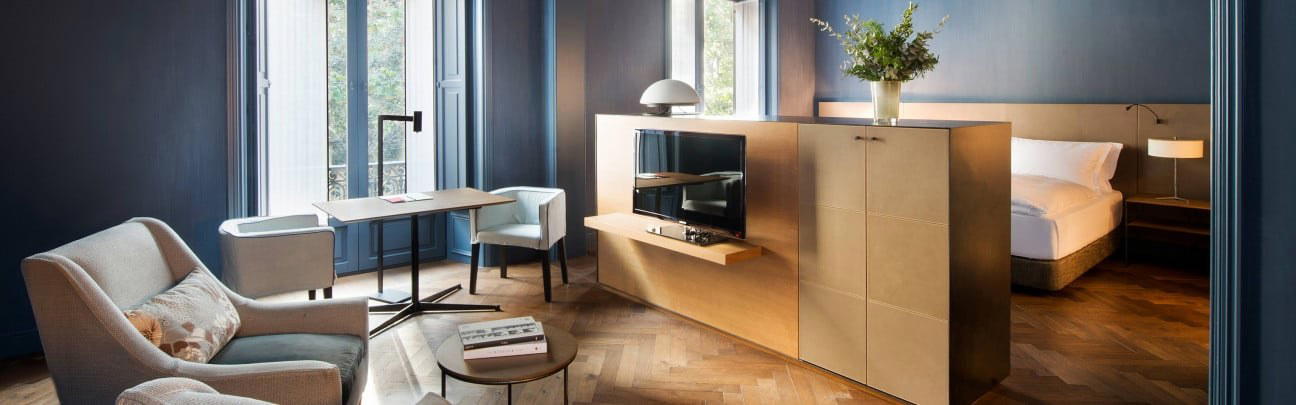

At a Glance
- Cozy
- Romantic
- Classic
- Group Dining
- Date Night
- Celebration
- Casual Hangout
- Standalone
- Craft Cocktails
- Beer Program
- Local Sourcing
- Farm To Table
Current opening hours
- Monday
- 1–11 PM
- Tuesday
- 1–11 PM
- Wednesday
- 1–11 PM
- Thursday
- 1–11 PM
- Friday
- 1 PM–12 AM
- Saturday
- 1 PM–12 AM
- Sunday
- 1–5 PM
Hours can change for holidays and private events. Last verified .
Warm and familiar atmosphere with a cozy, intimate setting that encourages social dining and conversation among guests.