At Port Olímpic, SUPERLOCAL operates from a position that most Barcelona dining rooms do not: directly on the waterfront, at the margin where the city's fishing heritage meets its contemporary appetite for ingredient-led cooking. The address alone signals something about priorities. This is a venue oriented toward the sea and what comes out of it, placing sourcing at the centre of the proposition rather than technique or spectacle.
Pearl is the En Primeur Club membership app — saves, bookings, and concierge access live there. Same editors, same standards.
- Address
- Port Olímpic, Moll de Gregal, local 5, Sant Martí, 08005 Barcelona, Spain
- Phone
- +34936117238
- Website
- superlocalbcn.com
- Directions
- Get directions
 Saves & bookings on Pearl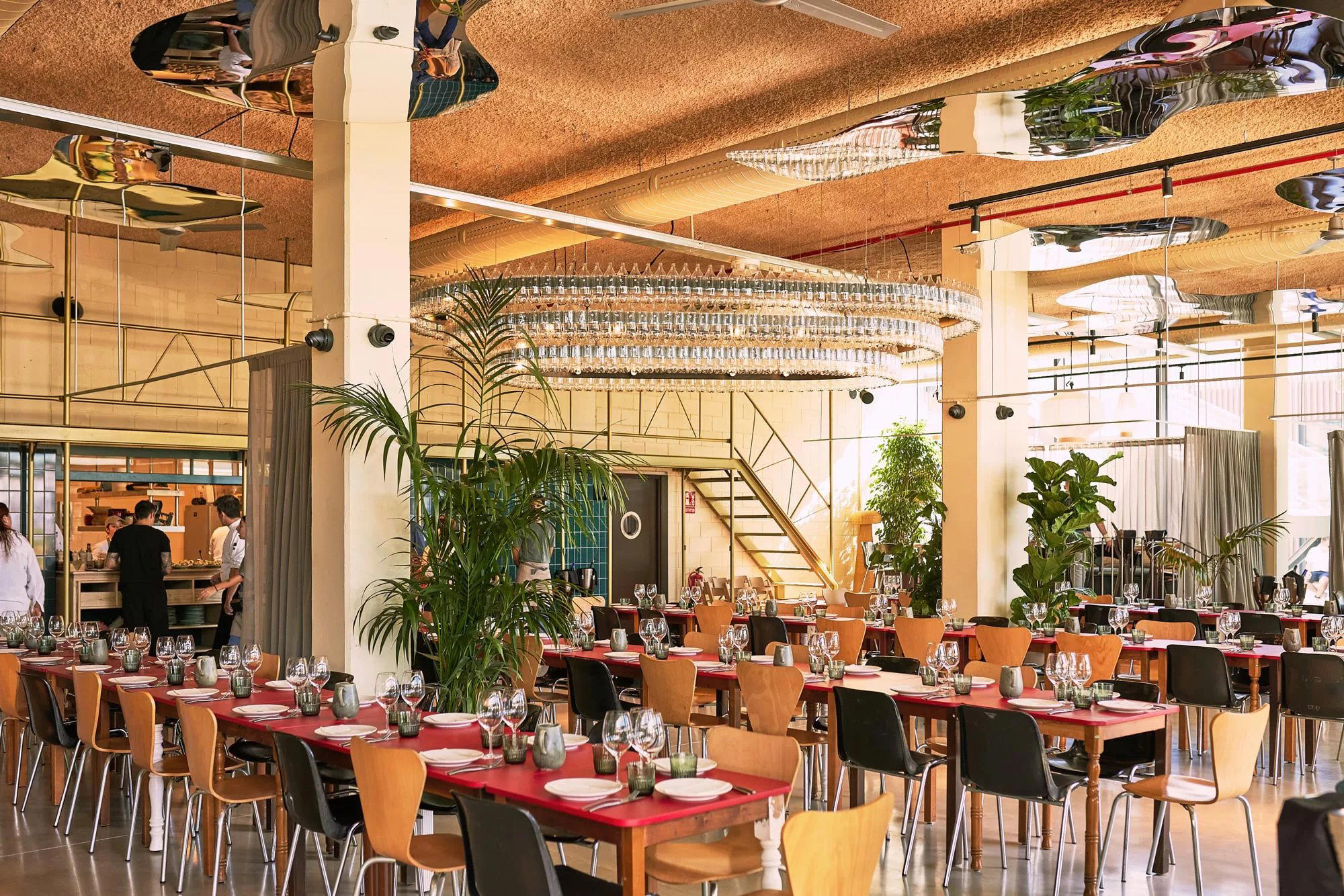
Where the Port Shapes the Plate
Port Olímpic sits at an odd juncture in Barcelona's geography: built for the 1992 Olympics, it carries the slightly temporary quality of infrastructure designed for a moment rather than a neighbourhood. Most of the restaurant strip that lines the marina has leaned into that transience, filling its terraces with tourist-facing menus and frozen paella. SUPERLOCAL occupies a different register. At Moll de Gregal, local 5, it positions itself within the port's physical context while pointing toward a different set of values, one rooted in what the Mediterranean actually produces rather than what visitors expect it to look like.
That distinction matters in Barcelona more than it might in other cities. The Catalan coast has a strong ingredient tradition, with fish markets at La Barceloneta, vegetable production in the Maresme, and produce from the Penedès hinterland. Restaurants that tap those networks sit in a different competitive conversation from those that do not, regardless of address or price point.
The Sourcing Logic Behind a Port Address
Spain's most discussed restaurants in recent years have largely made their names through technique: Disfrutar with its multi-textural progressions, Enigma with its spatial and sensory sequencing, Cocina Hermanos Torres with its garden-to-counter theatrics. These are all restaurants where the kitchen's intervention is the primary argument. A venue positioned around ingredient provenance makes the opposite case: that the distance between sea and plate is itself the value proposition, and that technique serves sourcing rather than the reverse.
This is not a new argument in Spanish gastronomy. Aponiente in El Puerto de Santa María has spent over a decade making the case that marine ingredients beyond the obvious cuts, plankton, bycatch species, saline grasses, are the frontier of Andalusian cooking. Ricard Camarena in València has built a body of work around the specific agricultural and coastal produce of the Valencian region. These are restaurants where geography is the first question, not the last. A Barcelona venue with a port address and a name that foregrounds locality is working in the same intellectual tradition, even if at a different scale.
The name SUPERLOCAL is not incidental. In the current European dining conversation, locality has moved from marketing language to structural principle. The restaurants that have made one coherent argument for it, from Fäviken in Sweden before its closure to Azurmendi in Larrabetzu with its garden, greenhouse, and beehive infrastructure, treat proximity of supply as a discipline rather than a preference. A name like SUPERLOCAL sets expectations in that direction and asks the kitchen to follow through.
Barcelona's Waterfront Dining in Context
The broader Barcelona restaurant scene has bifurcated sharply over the past decade. At the leading, Lasarte and ABaC maintain Michelin-starred formats with formal service and multi-course menus priced well above €150 per head. At the other end, the neighbourhood tapas bar and the market-adjacent lunch counter remain the city's most democratically accessible formats. The middle tier, ingredient-focused, moderately priced, informed without being precious, is where particularly interesting movement has happened, and where a Port Olímpic address with a sourcing-first philosophy would logically land.
Port Olímpic itself is undergoing a slow rehabilitation in local esteem. For years it was the address Barcelonins avoided in favour of the Barceloneta beach bars or the Poblenou restaurant corridor further north along the coast. That is shifting. A handful of operators have recognised that the marina's physical setting, water on one side, the city's skyline behind, is an asset that poor kitchens had squandered. A venue that takes the location seriously, that uses the port's proximity to the fish market and the morning catch as an operational reality rather than a decorative claim, has structural advantages that most of the city's landlocked dining rooms do not.
The Wider Spanish Reference Frame
Placing SUPERLOCAL in its national context requires acknowledging how crowded Spain's upper-middle tier has become. Martin Berasategui in Lasarte-Oria, Arzak in San Sebastián, Mugaritz in Errenteria, and Quique Dacosta in Dénia have established a Basque-and-Levantine axis that dominates international coverage of Spanish cuisine. Barcelona's contribution to that conversation runs through its progressive kitchens: El Celler de Can Roca in Girona sits close enough to the city to shape its dining culture, and DiverXO in Madrid represents the maximalist end of Spanish creative cooking. A Barcelona venue that defines itself through restraint and provenance rather than technique and spectacle occupies a counter-position within that national frame, and it is a counter-position with a coherent argument behind it.
Internationally, the sourcing-first model has found some of its most articulate expressions outside Europe. Le Bernardin in New York City has maintained for decades that the quality of the fish is the primary variable, and that the kitchen's role is to not compromise it. Atomix in New York City makes a parallel argument through Korean ingredients and fermentation logic. Both represent the serious end of ingredient-led cooking in a city that has room for both approaches. Barcelona, with its Mediterranean supply networks, has every structural reason to support a similarly serious local version.
What to Know Before You Go
SUPERLOCAL is located at Port Olímpic, Moll de Gregal, local 5, in the Sant Martí district of Barcelona, postcode 08005. The marina is accessible from the Ciutadella / Vila Olímpica metro station on Line 4, approximately a ten-minute walk along the waterfront from the station exit. For visitors arriving from the Eixample or the Gothic Quarter, the walk along the Barceloneta promenade takes around twenty minutes and orients you to the port's scale before you arrive. Reservations are recommended. Dress code is casual. Expect about $40 per person.
Cuisine-First Comparison
Comparable venues nearby, for context on price, style, and recognition.
| Venue | Cuisine | Price | Notes |
|---|---|---|---|
| SUPERLOCALThis venue — the venue you are viewing | Sustainable Mediterranean | $$ | Not listed |
| Restaurante Seventeen | Mediterranean and Catalan Fusion | $$ | la Dreta de l'Eixample |
| Ultramarins Riera | Creative Mediterranean Bistro | $$ | Sants |
| Chandigarh Café | Mediterranean with French Influences | $$ | Pedralbes |
| San Telmo | Modern Mediterranean Tapas | $$ | Sant Gervasi - Galvany |
| La Dentellière | Mediterranean Tapas & Small Plates | $$ | Barri Gotic |
Continue exploring
More in Barcelona
Restaurants in Barcelona
Browse all →

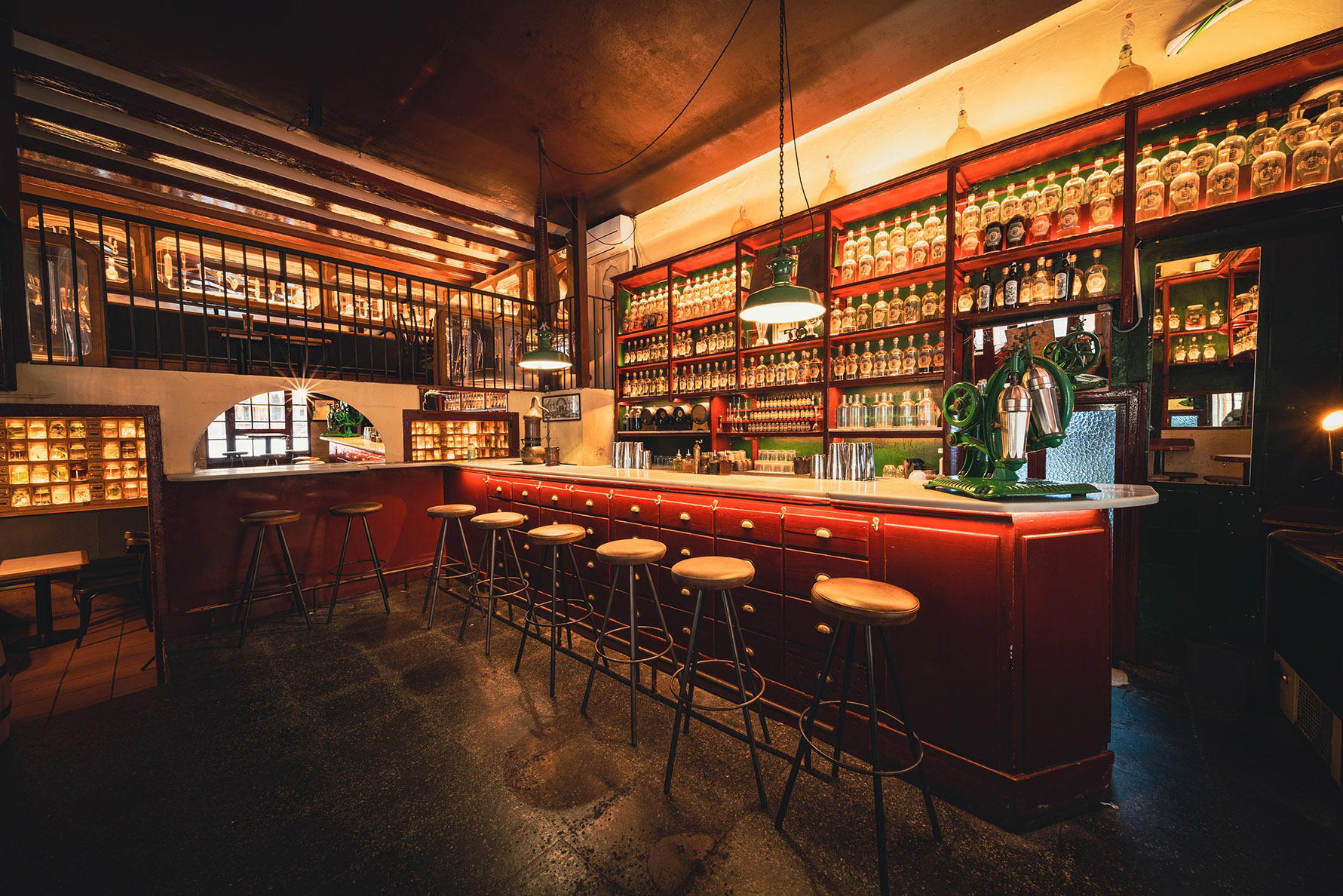
Bars in Barcelona
Browse all →
Hotels in Barcelona
Browse all →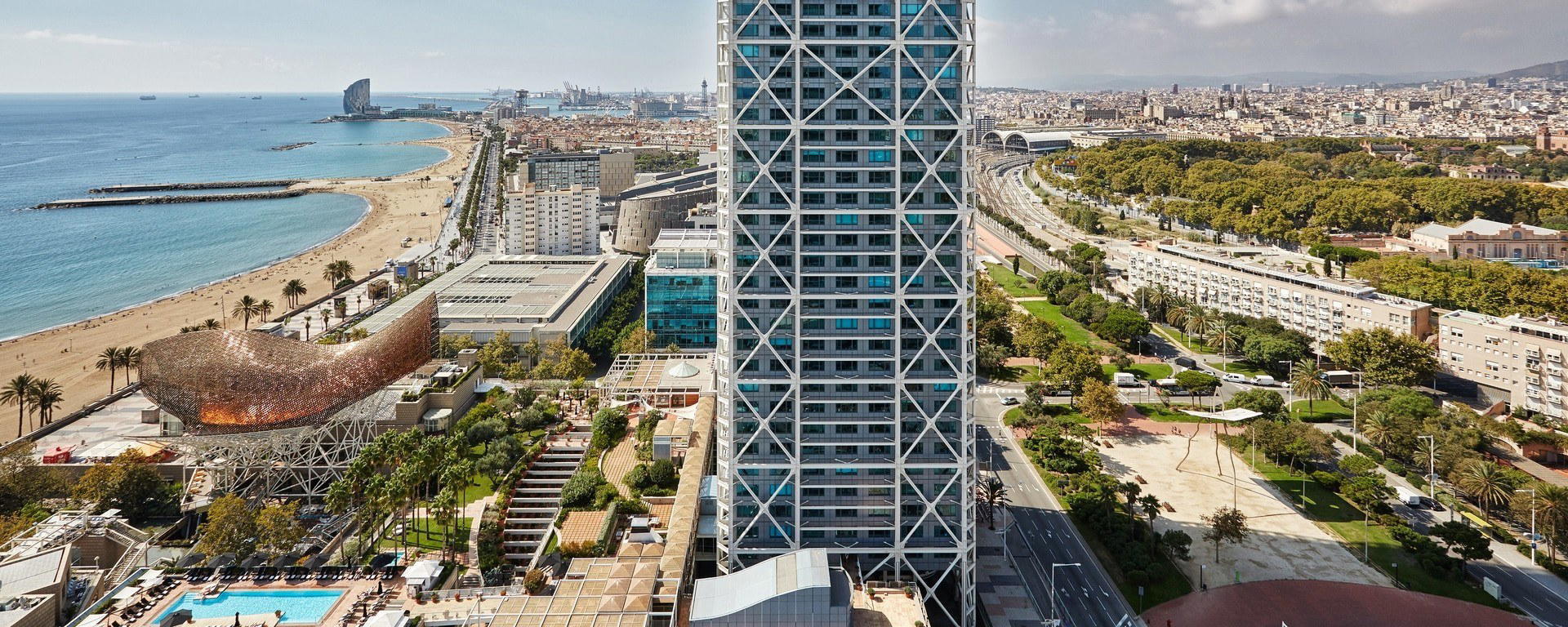

At a Glance
- Modern
- Cozy
- Trendy
- Group Dining
- Casual Hangout
- Special Occasion
- Terrace
- Waterfront
- Craft Cocktails
- Local Sourcing
- Farm To Table
- Waterfront
- Street Scene
Current opening hours
- Monday
- 1 PM–12 AM
- Tuesday
- Closed
- Wednesday
- 1 PM–12 AM
- Thursday
- 1 PM–12 AM
- Friday
- 1 PM–12 AM
- Saturday
- 12 PM–12 AM
- Sunday
- 12 PM–12 AM
Hours can change for holidays and private events. Last verified .
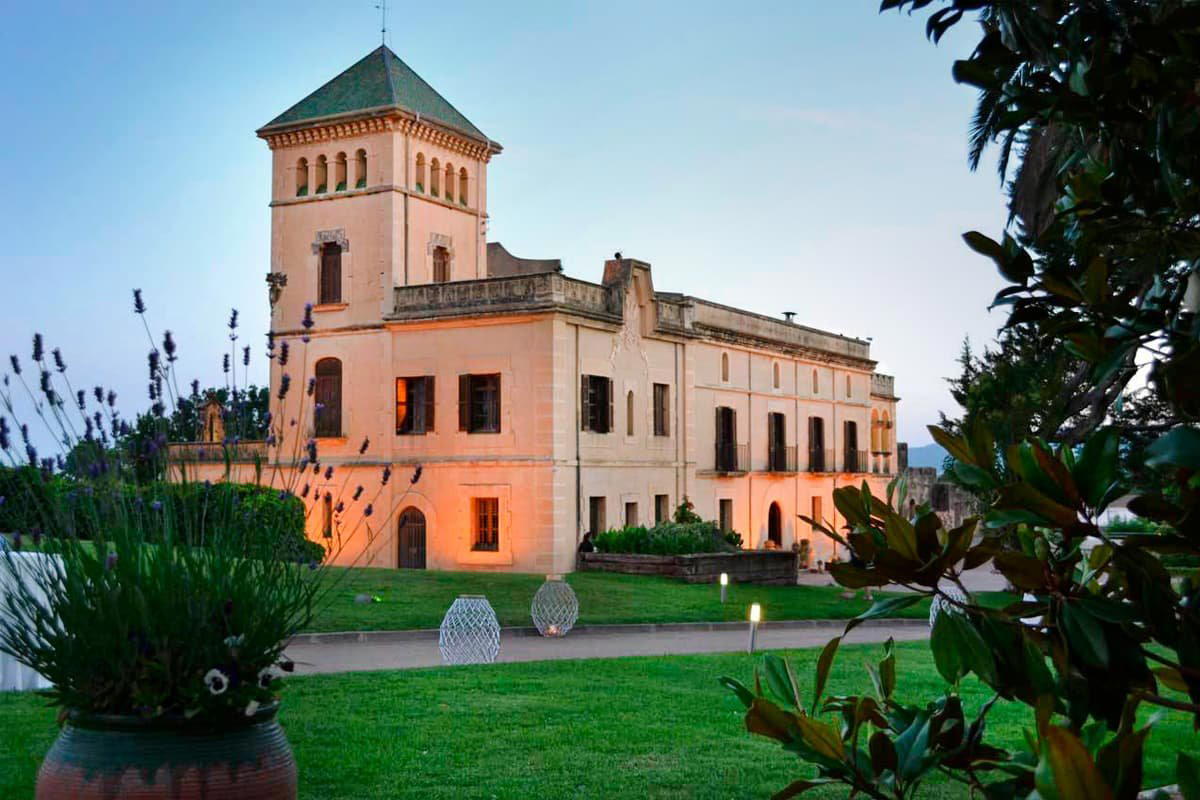
Cozy space with dramatic Mediterranean views, modern decor, and a welcoming festive atmosphere.