CAROLINA KITCHEN
Carolina Kitchen sits at 800 Shoppers Way in Upper Marlboro, Maryland, drawing a loyal local following for its Southern-rooted cooking in the Prince George's County corridor. The kitchen leans on the comfort-food traditions of the American South, from fried chicken to braised greens, serving a community that treats the restaurant as a neighborhood anchor rather than a dining destination. For anyone tracing the mid-Atlantic's relationship with Black culinary heritage, it is a practical and meaningful stop.
Pearl is the En Primeur Club membership app — saves, bookings, and concierge access live there. Same editors, same standards.
- Address
- 800 Shoppers Way, Upper Marlboro, MD 20774
- Phone
- +13013502929
- Website
- thecarolinakitchen.com
- Directions
- Get directions
 Saves & bookings on Pearl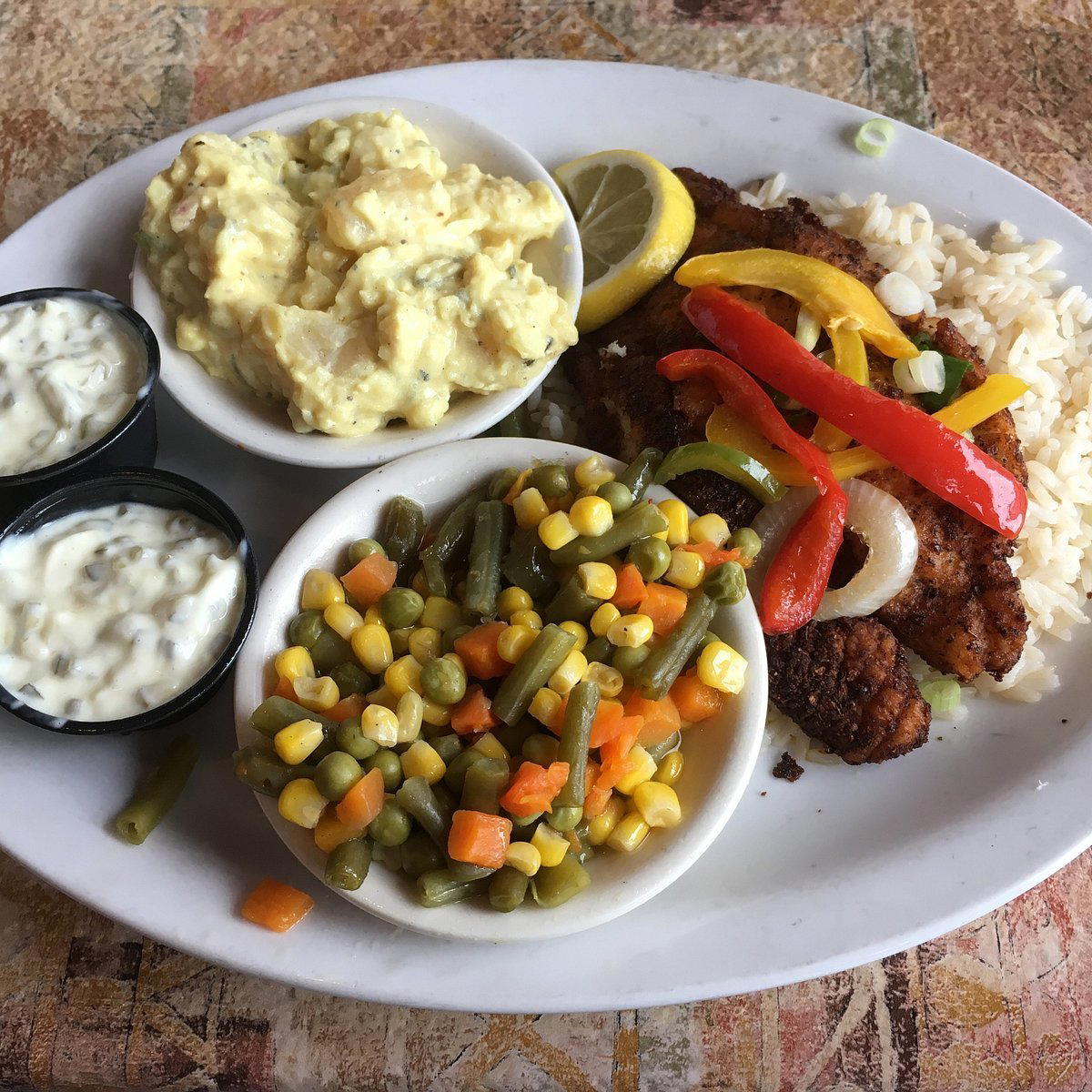
Southern Cooking in the Prince George's County Corridor
The stretch of retail anchoring Upper Marlboro's Shoppers Way tells you something about where Prince George's County situates itself in the broader Washington metropolitan area: close enough to the capital to absorb its energy, far enough removed to operate on its own terms. Carolina Kitchen, at 800 Shoppers Way, exists within that dynamic. It draws from a Southern cooking tradition that has deep roots in the Black communities of Maryland and the wider mid-Atlantic, a tradition that rarely gets the critical attention lavished on, say, the ingredient-driven American tasting menus at venues like Blue Hill at Stone Barns in Tarrytown or the produce-obsessed format at Smyth in Chicago. That distance from the critical mainstream is, in some ways, the point.
Southern food in the American restaurant conversation has long occupied an uncomfortable middle ground: celebrated in the abstract, frequently stripped of its specific cultural context when it moves upmarket, and underrepresented in the kind of serious editorial coverage reserved for fine-dining rooms. Carolina Kitchen operates outside that tension by not trying to resolve it. The cooking here reads as an expression of community appetite rather than a pitch to a broader dining public, which gives it a character that destination restaurants rarely replicate, regardless of their pedigree.
The Sourcing Logic Behind Southern Comfort Food
The ingredient conversation in American cooking has, over the past two decades, centered heavily on farm-to-table programs, named purveyors, and elaborate sourcing narratives. Restaurants like Single Thread Farm in Healdsburg and Lazy Bear in San Francisco have built entire identities around the provenance chain from soil to plate. Southern cooking has its own sourcing logic, one that predates the farm-to-table movement by generations, rooted in what was available, affordable, and capable of feeding large families or church congregations with dignity and flavor.
That logic shaped the canon: low-and-slow braises that extract maximum value from secondary cuts, fried proteins where crust development is as technically demanding as any classical French technique, cornbread and biscuits calibrated to work as both sustenance and vehicle for the rest of the plate, and vegetables cooked until they surrender — collard greens, black-eyed peas, candied yams — in ways that extract depth rather than preserve texture. These are not simple preparations dressed up as humble food. They are the product of accumulated domestic knowledge applied under constraints that fine-dining kitchens rarely face.
Carolina Kitchen draws from that tradition directly. The menu addresses the comfort-food register that this part of Maryland's dining population actively seeks, and the restaurant's continued operation in the Prince George's County market reflects genuine demand rather than novelty positioning. For context on how a very different set of sourcing priorities shapes restaurant identity elsewhere on the Eastern Seaboard, the operations at Oyster Oyster in Washington, D.C. offer a useful contrast: plant-forward, explicitly sustainability-framed, priced at the upper end. Carolina Kitchen occupies a different register entirely, one where affordability and community familiarity carry more weight than provenance storytelling.
Where It Sits in the Washington-Area Dining Conversation
The Washington D.C. metro area has produced serious fine-dining institutions: The Inn at Little Washington holds multiple Michelin stars and operates as a destination in its own right, drawing visitors from across the region and beyond. That tier of the market, tasting menus, rigorous sourcing documentation, extended wine programs, is served well across the district and its Virginia suburbs. Prince George's County, which is majority Black and has historically been among the wealthiest majority-Black counties in the United States, has a dining culture that reflects different priorities without being any less considered about what it values.
Carolina Kitchen fits that context. It is not competing with the institutions that anchor the high end of the regional dining economy, in the same way that The French Laundry in Napa or Le Bernardin in New York City operate in a category defined by cost and formality that most restaurants explicitly do not enter. Instead, it operates as a community dining anchor in a county whose food scene deserves more sustained attention from the kind of editorial platforms that tend to focus their coverage on urban cores and fine-dining credentials.
For a broader read on how Black culinary heritage is navigated at different price points and ambition levels across the American South and mid-Atlantic, it is worth considering how restaurants like Bacchanalia in Atlanta or Emeril's in New Orleans have carved out distinct identities within their respective regional contexts. The comparison is not about parity but about the range of ways that place and tradition shape what restaurants do and who they do it for.
Planning Your Visit
Carolina Kitchen is located at 800 Shoppers Way, Upper Marlboro, MD 20774, within a retail corridor that is accessible by car from both the D.C. beltway and the southern Prince George's County communities. The restaurant functions as a practical dining option for the surrounding residential area, which means it operates in a register where ease of access and consistency of experience matter more than the advance booking dynamics that govern reservation-heavy venues. For those building a broader picture of Upper Marlboro's dining options, our full Upper Marlboro restaurants guide maps the neighborhood's character more completely. Specific hours, pricing, and current menu availability are best confirmed directly with the venue before visiting, as those details were not available at the time of writing.
- Fried Chicken
- Fried Pork Chops
- Shrimp and Grits
- Collard Greens
- Mac and Cheese
- Blackened Catfish
- Corn Muffins
Continue exploring
More in Upper Marlboro
Restaurants in Upper Marlboro
Browse all →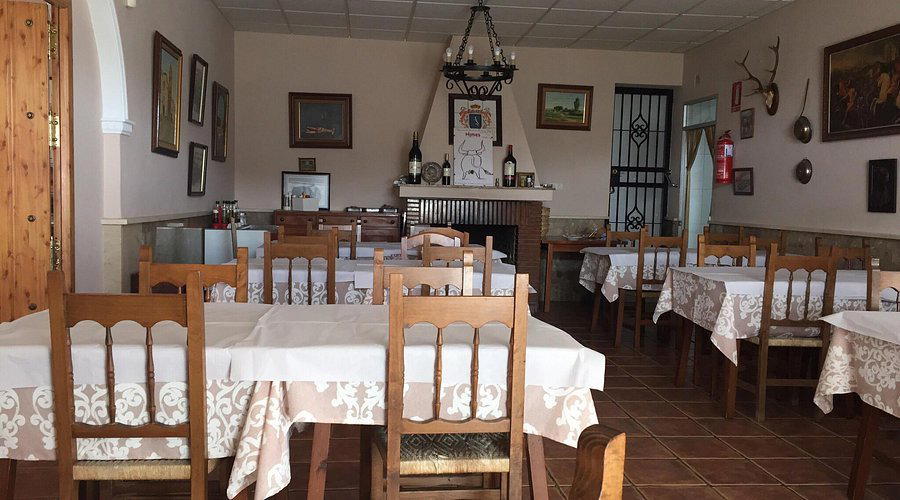
Bars in Upper Marlboro
Browse all →
Hotels in Upper Marlboro
Browse all →
Wineries in Upper Marlboro
Browse all →
At a Glance
- Cozy
- Rustic
- Classic
- Family
- Group Dining
- Casual Hangout
- After Work
- Standalone
Current opening hours
- Monday
- 11 AM–10 PM
- Tuesday
- 11 AM–10 PM
- Wednesday
- 11 AM–10 PM
- Thursday
- 11 AM–10 PM
- Friday
- 11 AM–10 PM
- Saturday
- 11 AM–10 PM
- Sunday
- 11 AM–10 PM
Hours can change for holidays and private events. Last verified .
Homey and cozy with a casual, informal atmosphere; described as clean and well-maintained with a cafeteria-style setup that encourages a relaxed dining experience.
Know Before You Go
- Getting there
- 800 Shoppers Way, Upper Marlboro, MD 20774