2Fifty Texas BBQ



James Beard Award Semi Finalist · Washingtonian 100 Very Best Restaurants #10 · RAMMYS Restaurateur of the Year
Our verdict
2Fifty Barbeque on Riverdale Road sits inside a Maryland barbecue scene that has grown more serious about sourcing and smoke over the past decade. Operating out of Riverdale, MD, the restaurant draws from a tradition where the quality of the raw product matters as much as the pit technique. For visitors exploring the greater Washington, D.C. corridor, it represents a grounded, no-shortcuts approach to American barbecue.

Pearl is the En Primeur Club membership app, where members save venues, book tables and use the concierge.
The menu
What to order
- Wagyu brisket
- Pork spare ribs
- Beef rib
- Pulled pork
Smoke, Source, and the Maryland Barbecue Tradition
There is a version of American barbecue that lives in the gap between regional purity and everyday accessibility, and the suburbs of Prince George's County, Maryland have quietly developed their own place within it. The stretch of Riverdale Road that runs through Riverdale, MD 20737 is not the kind of address that shows up in national food press, which is precisely what makes the barbecue coming out of 2Fifty Barbeque worth understanding in context. This is a part of the greater Washington, D.C. corridor that has its own food logic: proximity to a major federal city, a working-class residential base, and a population that has absorbed culinary influences from across the American South and beyond. For our full look at where 2Fifty fits in the broader local dining picture, see our full Riverdale restaurants guide.
Where the Meat Comes From: The Sourcing Argument
American barbecue's most meaningful quality divide in the 2020s is not between regions or rubs or smoke woods. It is between operations that treat the raw product as a commodity and those that treat it as the primary variable. In the Texas tradition, established pitmasters have long argued that a properly sourced brisket, given enough time and the right temperature, requires little else. That logic has spread outward from Central Texas into pockets of serious barbecue practice across the mid-Atlantic and upper South, including the Maryland suburbs of D.C.
2Fifty Barbeque operates in a part of the country where sourcing decisions carry real weight. The mid-Atlantic has access to both large commodity meat markets and smaller regional producers, and the choice between them is legible in the finished product. Barbecue at this price tier and in this geographic position competes not just with other local smoke houses but implicitly with the standard set by destination restaurants further up the culinary chain. Operations like Blue Hill at Stone Barns in Tarrytown have made sourcing a centerpiece of fine dining identity; barbecue's version of that argument is less theatrical but no less substantive when executed with discipline.
The Physical Setting and What It Signals
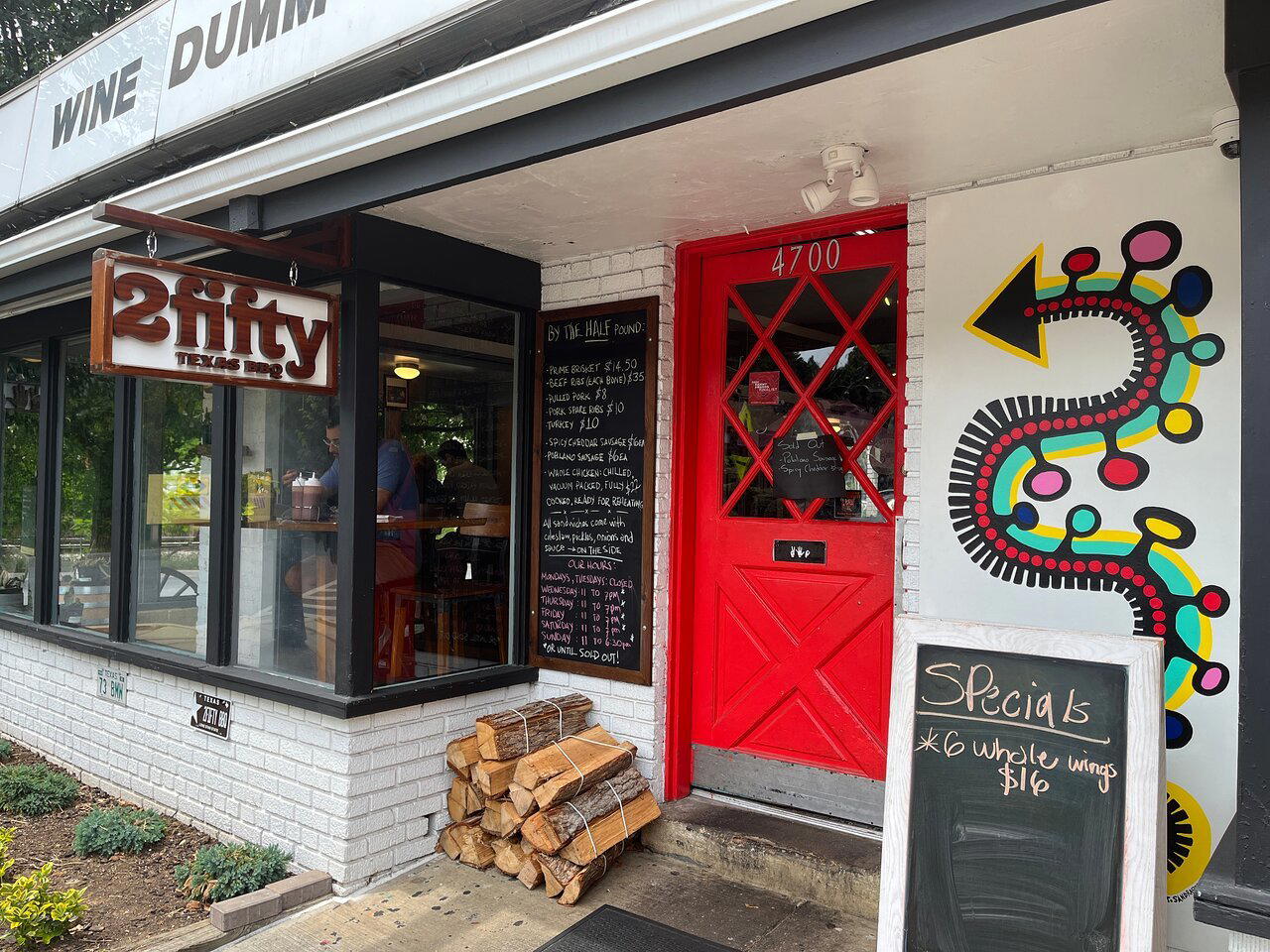
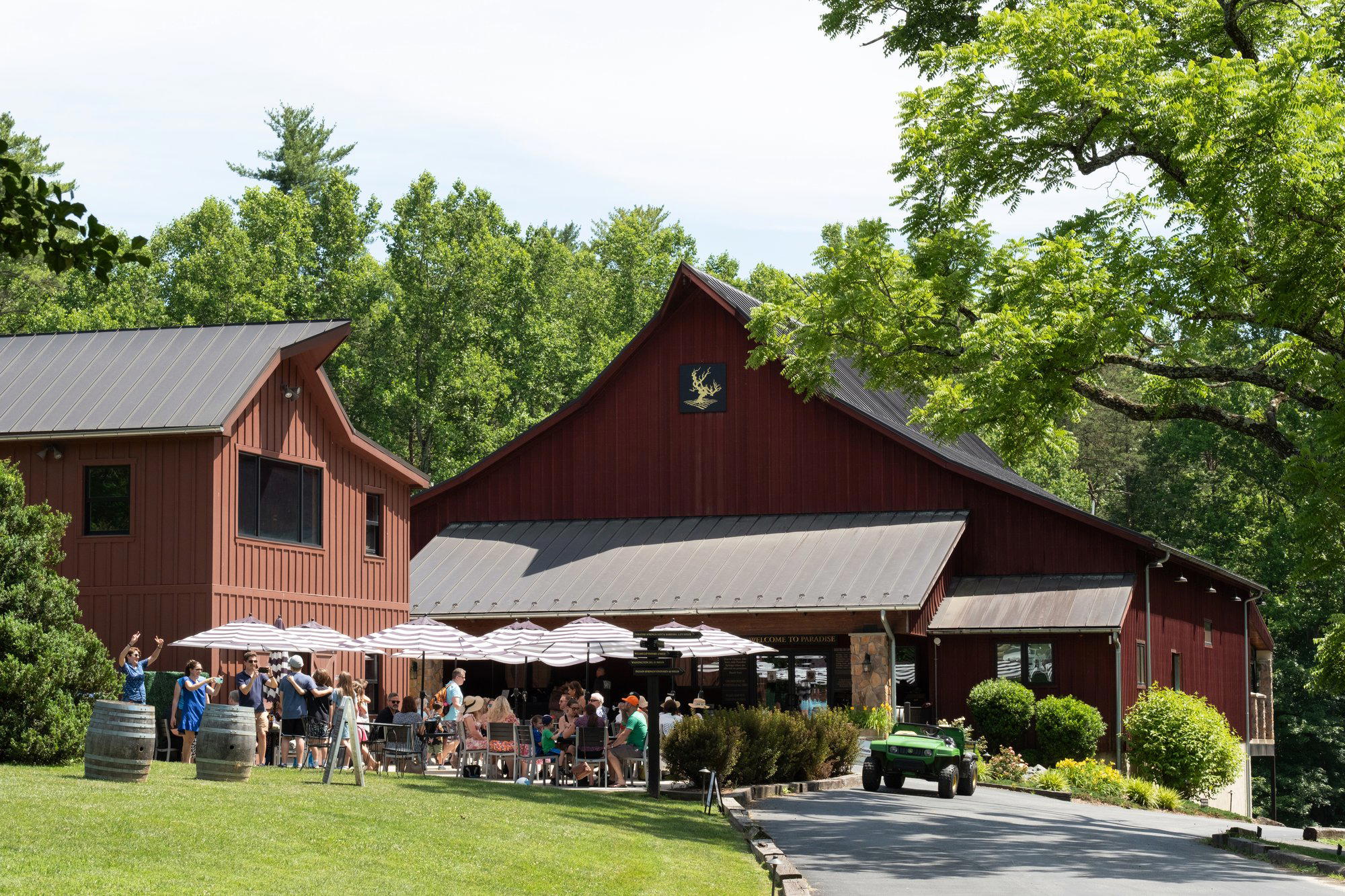
Approaching a barbecue counter in a strip-mall-adjacent setting along a Maryland state road tells you something specific about what you are getting into. The physical modesty of the address is part of the category's contract with its audience. Barbecue at its most serious in the American tradition does not require architectural ambition. What it requires is time, heat management, and an honest relationship with the ingredient. The atmosphere at 2Fifty is shaped by that understanding: this is a space built for the work, not for the performance of the work. The smell arrives before the signage does, as it should at any pit operation worth attention.
That contrast between unassuming setting and serious product commitment is a recurring feature of the most compelling barbecue in the greater D.C. region. The area supports a range of dining at every register, from the formality of The Inn at Little Washington to the more technically exacting modern American of Causa in Washington, D.C. Barbecue occupies a different tier of that ecosystem, one where the transaction is direct and the quality signals are embedded in the product itself rather than in the room around it.
Maryland's Position in the Broader American Smoke Tradition
Maryland does not carry the same barbecue mythology as Texas, the Carolinas, or Kansas City, but the mid-Atlantic state has a long history of outdoor cooking culture rooted in its Chesapeake and Southern border identity. That regional ambiguity is actually productive: Maryland pitmasters are not obligated to a single orthodoxy, which creates space for synthesis. The influence of D.C.'s diverse immigrant communities has also expanded the flavor vocabulary available to local barbecue operations in ways that would have been unusual a generation ago.
Across the broader American scene, the highest-regarded barbecue operations tend to cluster in regions with deeply codified traditions. But secondary markets with less rigid expectations have increasingly produced serious work. The same pattern of geographic underestimation followed by genuine quality emergence has played out in cities like Denver, where Brutø represents a different kind of culinary seriousness, or in Atlanta with places like Bacchanalia anchoring a regional fine dining identity. The mid-Atlantic is undergoing a comparable process at the barbecue tier.
How to Approach a Visit
Barbecue operations of this type in the greater D.C. suburbs typically sell out of their most in-demand cuts earlier in the day than casual visitors expect. Brisket, smoked ribs, and any specialty items are generally gone by early afternoon at serious pits, a function of the time investment required to produce them. Arriving before midday on a weekend is the practical move. The address at 4700 Riverdale Rd places 2Fifty within reasonable reach of central D.C. by car, making it a realistic stop for visitors based in the city who want to move beyond the dining options concentrated in neighborhoods like Shaw or Capitol Hill.
Booking, where relevant, is less a concern at barbecue counters than at the kind of tasting-menu operations that require months of lead time. By contrast, a reservation at a destination like Le Bernardin in New York City or Lazy Bear in San Francisco demands planning months in advance. Barbecue operates on a different clock: the commitment is in the pitmaster's hours of work before service, not in the diner's calendar management. Walk-in timing and sell-out patterns are the variables to manage here.
Frequently asked questions
Is 2Fifty Barbeque suitable for children?
Barbecue counters of this format along Maryland state roads tend to be casual, walk-up operations with no formal dress code or age restrictions. The Riverdale Road location and strip-adjacent setting suggest a relaxed environment where families eating informally would not be out of place. That said, seating arrangements and amenities are not documented in available detail, so calling ahead is the practical approach.
What is the atmosphere like at 2Fifty Barbeque?
The 4700 Riverdale Road address places 2Fifty Barbeque in a working suburban stretch of Prince George's County rather than a destination dining corridor. That context sets the tone: counter service, no-frills surroundings, and an audience that comes primarily for the meat. The atmosphere is functional and unpretentious in the way that most serious smoke operations tend to be.
How does 2Fifty Barbeque fit into the Maryland and D.C.-area barbecue scene?
Maryland sits outside the core barbecue mythology of Texas, the Carolinas, or Kansas City, which means operations like 2Fifty Barbeque in Riverdale carry the work of building a local identity largely from scratch. Located at 4700 Riverdale Road in Prince George's County, it serves a D.C. suburban corridor that has historically had fewer dedicated smoke houses per capita than the regions it draws influence from. That positioning gives it significance beyond the plate: it is part of a small cohort making a case for mid-Atlantic barbecue as a category worth taking seriously.
What's the must-try dish at 2Fifty Barbeque?
What is consistent across serious Maryland barbecue operations in the greater D.C. suburbs is that brisket and ribs are the cuts that sell out earliest in the day, arriving well before midday gives you the best access to whatever the house prioritizes.
What's the address for 2Fifty Barbeque?
2Fifty Barbeque is located at 4700 Riverdale Rd, Riverdale, MD 20737, Riverdale.
What's the best way to book 2Fifty Barbeque?
Barbecue counters operating at this scale in the D.C. suburbs typically run on a walk-in, first-come basis with no reservations. The practical strategy is to arrive early, since high-demand cuts at operations like this routinely sell out before early afternoon.
What has 2Fifty Barbeque built its reputation on?
2Fifty Barbeque operates in Prince George's County, a part of the Maryland suburbs where serious barbecue has historically been underrepresented relative to the demand from the broader D.C. metro area. Its reputation rests on filling that gap with a smoke-forward approach in a setting where the product, not the décor, does the work.
Comparable Spots, Quickly
Comparable venues nearby, for context on price, style, and recognition.
| Venue | Cuisine | Price | Awards | Notes |
|---|---|---|---|---|
| 2Fifty Texas BBQThis venue (the venue you are viewing) | Texas-Style BBQ with Salvadoran Twist | $20–30 | James Beard Award Semi Finalist · Washingtonian 100 Very Best Restaurants #10 | Not listed |
| Preserve | Modern American with Pickling and Fermentation | $30–50 | Washingtonian 100 Very Best Restaurants #69 | Downtown |
| PopUp Bagels | Artisan Bagels & Schmears | $10–20 | Not listed | Bethesda |
| a.k.a. Friscos | American Sandwiches & Salads | $10–20 | Not listed | Wedgewood |
| Milk & Honey - Clinton | Southern Inspired | $20–30 | Not listed | Clinton |
| Gladchuk Bros Restaurant | Classic American with European Flair | $20–30 | Not listed | Downtown Frederick |
Recognition history
Dated appearances from independent guides and award organizations, with the underlying list record or original source where available.
James Beard Award Semi Finalist
James Beard Award
RAMMYS Restaurateur of the Year
RAMMYS · RAMMYS 2026 Winners - Restaurateur of the Year
Washingtonian 100 Very Best Restaurants #10
Washingtonian
Continue exploring
More in Riverdale
Restaurants in Riverdale
All restaurants in Riverdale →
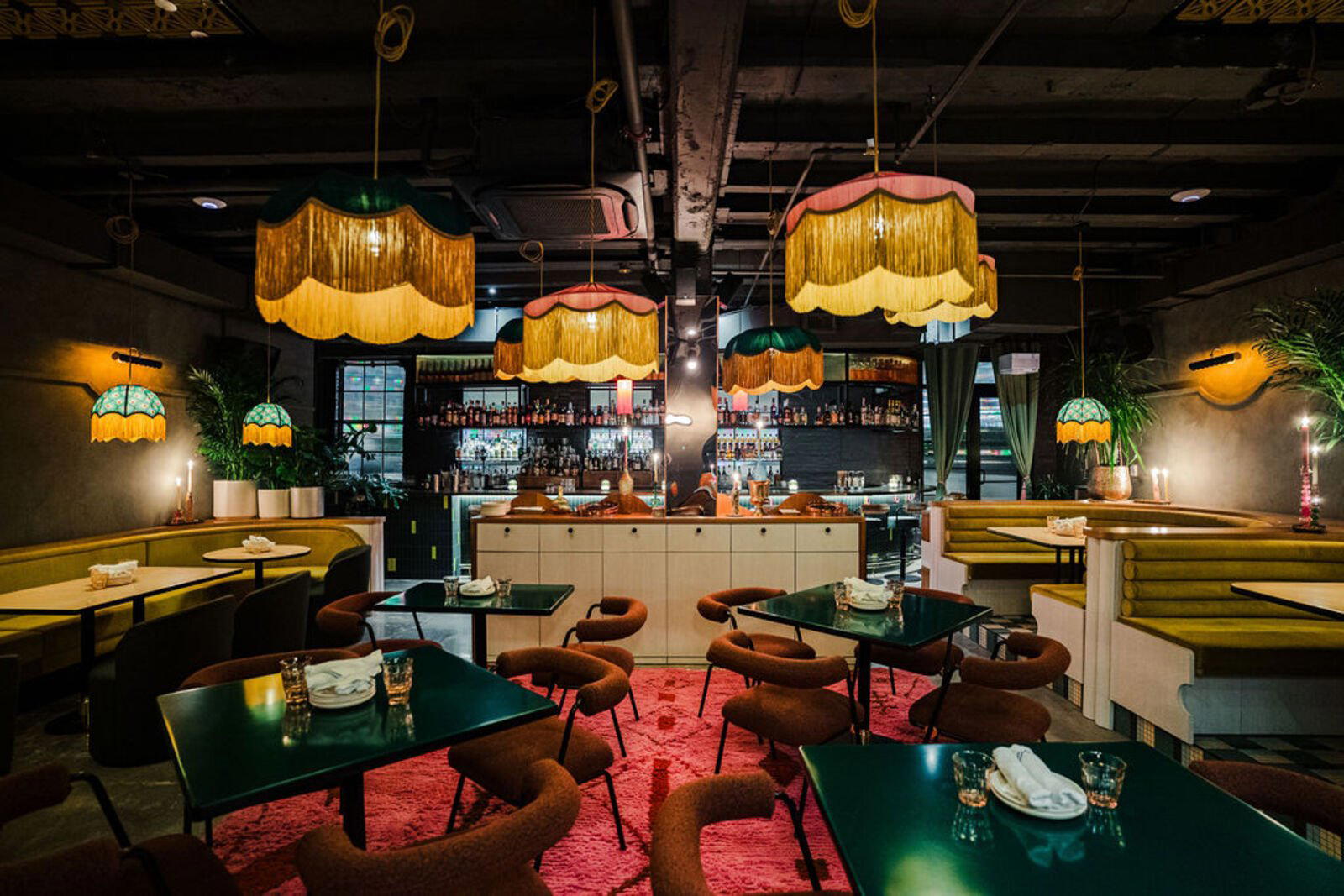
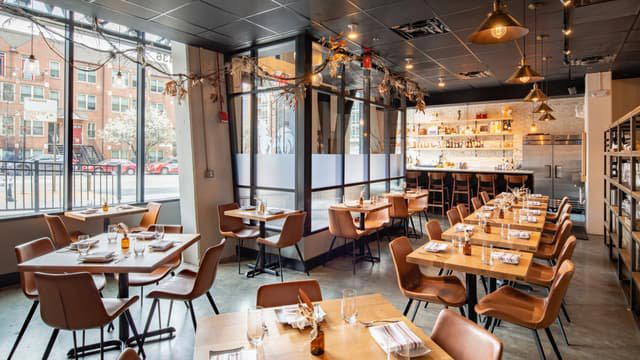
Bars in Riverdale
Browse all →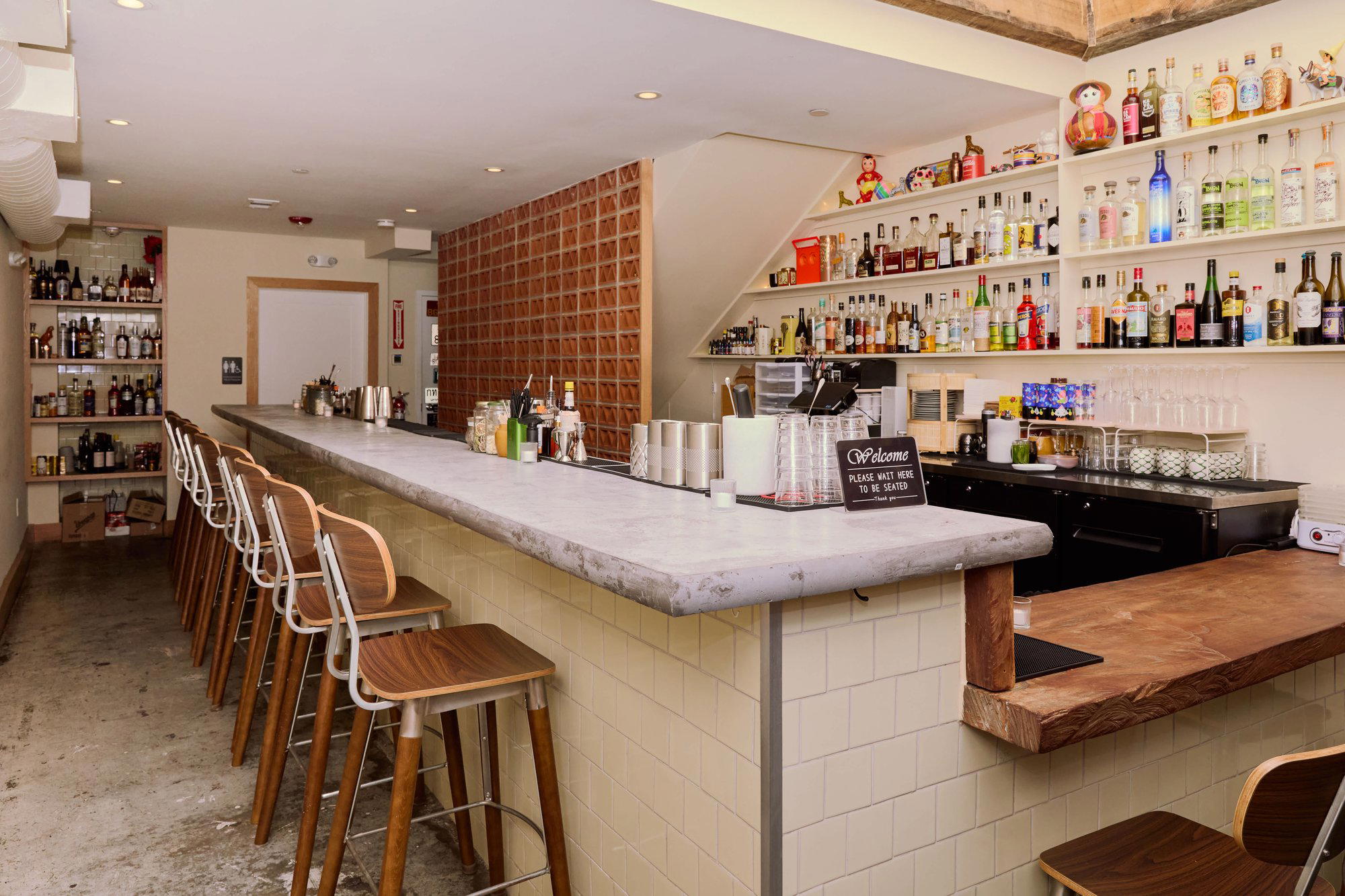
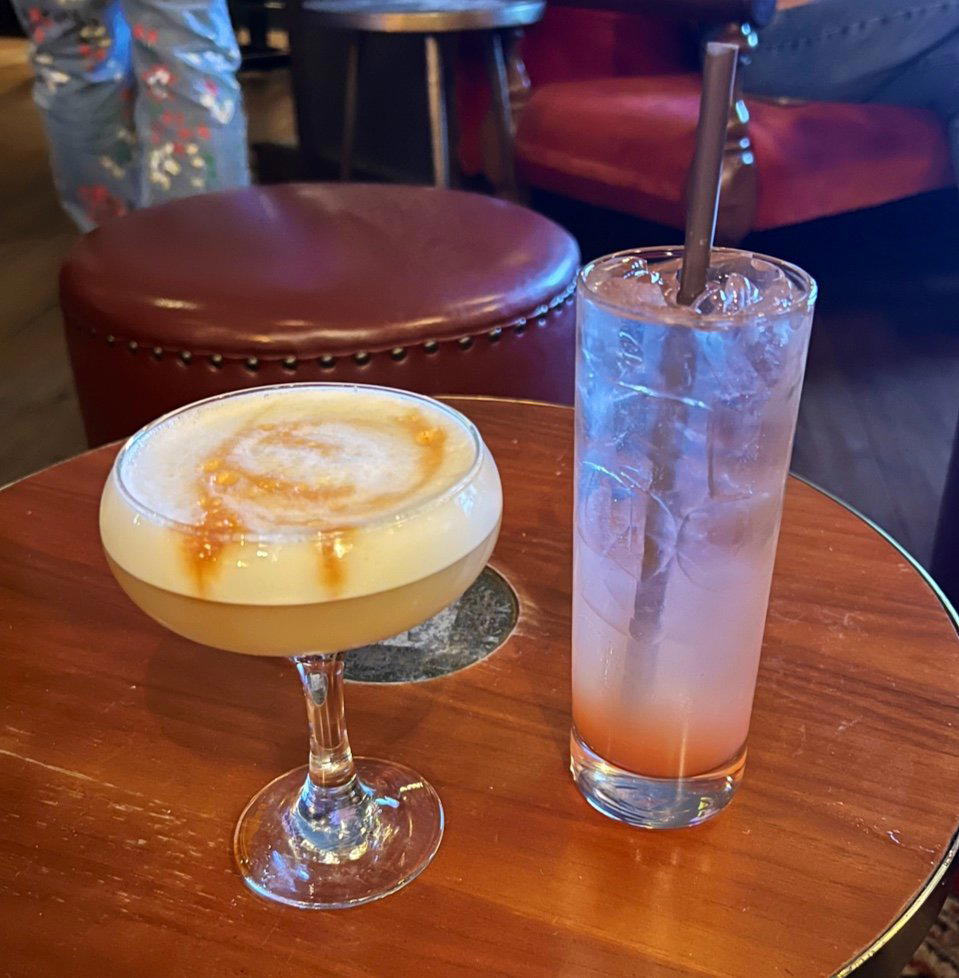
Details
- Rustic
- Cozy
- Family
- Group Dining
- Casual Hangout
- Open Kitchen
- Local Sourcing
- A La Carte
Current opening hours
- Monday
- 11 AM–7 PM
- Tuesday
- Closed
- Wednesday
- 11 AM–7 PM
- Thursday
- 11 AM–7 PM
- Friday
- 11 AM–7 PM
- Saturday
- 11 AM–7 PM
- Sunday
- 11 AM–7 PM
Hours can change for holidays and private events. Hours as of .
Casual neighborhood spot with limited indoor seating and shaded outdoor picnic tables, offering a welcoming atmosphere focused on quality barbecue.