MEDI
On North Halsted in Lincoln Park, MEDI occupies a stretch of Chicago's dining corridor where neighbourhood ambition tends to outpace neighbourhood noise. The address places it within reach of a dense cluster of serious restaurants, and the name gestures toward something Mediterranean in orientation. Confirm hours and reservation requirements directly before visiting.
Pearl is the En Primeur Club membership app — saves, bookings, and concierge access live there. Same editors, same standards.
- Address
- 2138 N Halsted St, Chicago, IL 60614
- Phone
- +18723152157
- Website
- medichicago.com
- Directions
- Get directions
 Saves & bookings on Pearl
Lincoln Park's Quieter Frequency
North Halsted Street in Lincoln Park runs through one of Chicago's most settled dining neighbourhoods, a corridor where the competition is less about spectacle and more about consistency. The blocks around 2138 N Halsted sit at a remove from the downtown circuits that generate most of the city's restaurant press, which means venues here tend to earn their audiences through repeat visits rather than opening-week momentum. MEDI is a Chicago restaurant at 2138 N Halsted St in Lincoln Park, with. MEDI occupies that position: a Lincoln Park address that implies a local-first programme rather than a destination play aimed at out-of-town visitors.
Chicago's broader restaurant geography matters here. The city's most-discussed rooms, including Alinea, Smyth, and Oriole, sit in a tier defined by prix-fixe formats, multi-month booking windows, and price points that price out casual visits. MEDI's Lincoln Park placement suggests a different register entirely, one where the neighbourhood context matters as much as the plate, and where the dining room is as likely to contain regulars as first-timers working through a list.
The Mediterranean Frame and What It Implies
Across American cities, Mediterranean-inflected cooking has become a serious editorial category rather than a catch-all for olive oil and shared plates. The leading examples, whether coastal Californian interpretations or the more disciplined Levantine programmes emerging in New York and Chicago, share a structural commitment to ingredient sourcing and seasonal rotation. At Lazy Bear in San Francisco or Single Thread Farm in Healdsburg, the Mediterranean adjacency comes with explicit farm provenance and supply chain transparency. That standard has migrated eastward, and Chicago diners now expect it in neighbourhood rooms as readily as in destination tasting menus.
The name MEDI positions the kitchen within that tradition, signalling a likely focus on produce-led cooking, fermented and preserved elements, and the kind of menu architecture that changes with what's available rather than what's fixed in print. In practice, this approach demands more from the sourcing operation than from the theatrics of the pass. Particularly durable Mediterranean programmes in American cities have built their reputations on supplier relationships, seasonal discipline, and a willingness to let the ingredient lead rather than the technique.
Sustainability as Structure, Not Decoration
The more interesting question for any produce-driven room in 2024 is not whether it sources locally, but how that commitment is built into the operational structure. Across American fine dining, sustainability language has split into two distinct categories. The first is cosmetic: a mention on the menu of regional farms, present mostly for marketing purposes. The second is structural: purchasing decisions that affect what appears on the menu, how much is wasted, and which suppliers the kitchen can sustain financially through consistent ordering.
Venues operating in the structural tier, like Blue Hill at Stone Barns in Tarrytown, have demonstrated that particularly credible sustainability programmes are the ones that constrain the kitchen rather than simply inspire it. When a kitchen commits to using the full animal, to building sauces from what would otherwise become waste, or to rotating proteins based on seasonal availability rather than guest preference patterns, the menu reads differently. Dishes acquire an internal logic that doesn't exist when purchasing is driven by consistency and convenience.
Lincoln Park's neighbourhood character supports this kind of programme. Chicago's urban agriculture network, its Green City Market supply chain, and the density of small regional producers within a two-hour driving radius give kitchens at this address genuine sourcing options. The city's commitment to year-round market infrastructure means that even winter menus can draw on preserved, fermented, and root-heavy seasonal material rather than defaulting to imported out-of-season produce. For a kitchen with Mediterranean orientation, that means winter citrus and preserved summer produce appearing alongside stored root vegetables and foraged winter greens, creating the kind of menu that only works if the kitchen has planned three seasons ahead.
Where MEDI Sits in the Chicago Conversation
Chicago's restaurant tier between neighbourhood bistro and full tasting-menu destination is genuinely competitive. Kasama has demonstrated that a neighbourhood address in Ukrainian Village can carry a Michelin star without abandoning its community roots. Next Restaurant proved that concept-driven programming can sustain long-term audience interest. The city's appetite for serious food outside the downtown corridor is well-documented, and Lincoln Park has historically supported rooms that prioritise cooking over atmosphere theatre.
The comparison set for MEDI is less usefully drawn from Chicago's headliner rooms and more productively drawn from the wider national conversation about neighbourhood-scale Mediterranean cooking with an ethical sourcing spine. Providence in Los Angeles has long operated with a sustainability credential built around sustainable seafood sourcing. Addison in San Diego has demonstrated that California's supply chain advantages can anchor a Michelin-level programme. Le Bernardin in New York City has maintained supply chain rigour as a defining institutional characteristic across decades. These are the standards that ambitious Mediterranean-leaning kitchens are measured against, regardless of address or format.
At the neighbourhood scale, the question is whether the kitchen's sourcing discipline is visible in what arrives on the table. A menu that changes genuinely with the season, that uses preserved and fermented elements to bridge supply gaps, and that demonstrates whole-ingredient thinking across courses is doing something structurally different from a menu that rotates its proteins while keeping its sauces constant. That distinction is where MEDI's identity will ultimately be defined, not by the name or the address, but by how consistently the kitchen's stated orientation shows up in the glass and on the plate.
Where the Accolades Land
Comparable venues nearby, for context on price, style, and recognition.
| Venue | Cuisine | Price | Notes |
|---|---|---|---|
| MEDIThis venue — the venue you are viewing | Modern Lebanese Mediterranean | $$$ | Not listed |
| Seville Chicago | Rustically Refined Mediterranean | $$$ | The Loop |
| Cafe Yaya | Mediterranean Bakery Cafe | $$ | Lincoln Park |
| Naia | Pan-Mediterranean Riverfront | $$$$ | Loop |
| Soul Prime | Polished Soul Food | $$$ | Lincoln Park |
| Avli Taverna | Contemporary Greek Taverna | $$$ | Lincoln Park |

At a Glance
- Modern
- Romantic
- Elegant
- Trendy
- Date Night
- Special Occasion
- Casual Hangout
- Group Dining
- Standalone
- Craft Cocktails
- Beer Program
- Local Sourcing
Current opening hours
- Monday
- Closed
- Tuesday
- 4–10 PM
- Wednesday
- 4–10 PM
- Thursday
- 4–10 PM
- Friday
- 4–11 PM
- Saturday
- 4–11 PM
- Sunday
- 3–9 PM
Hours can change for holidays and private events. Last verified .
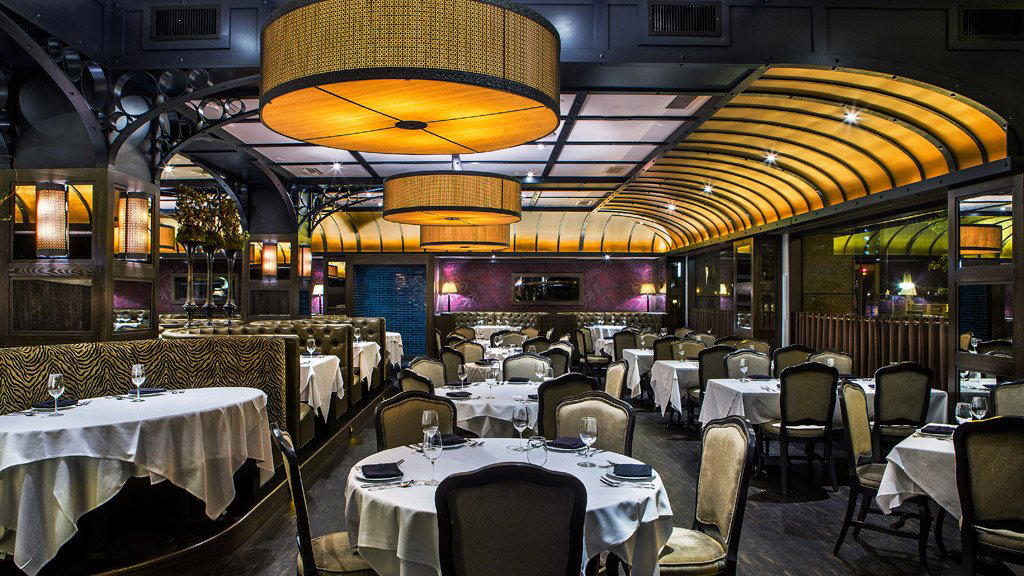
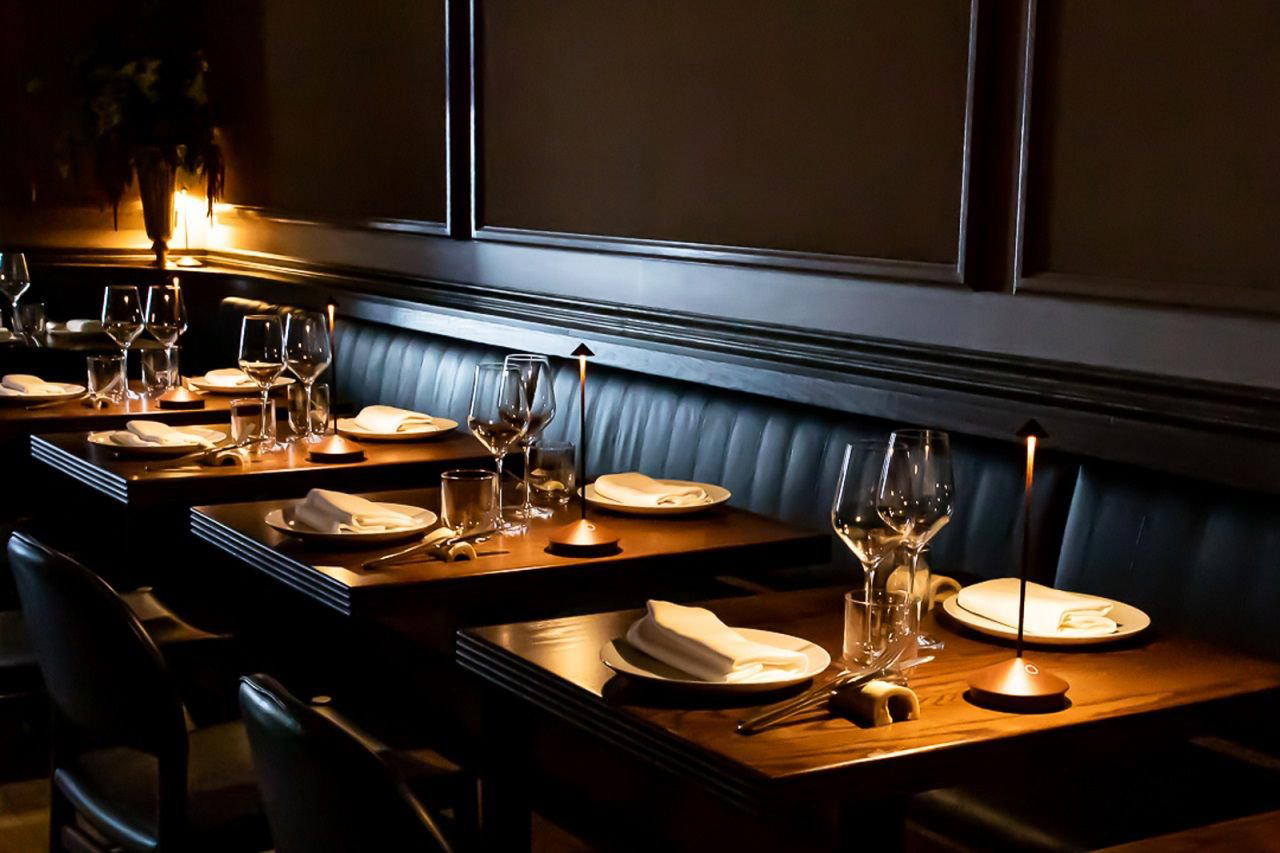
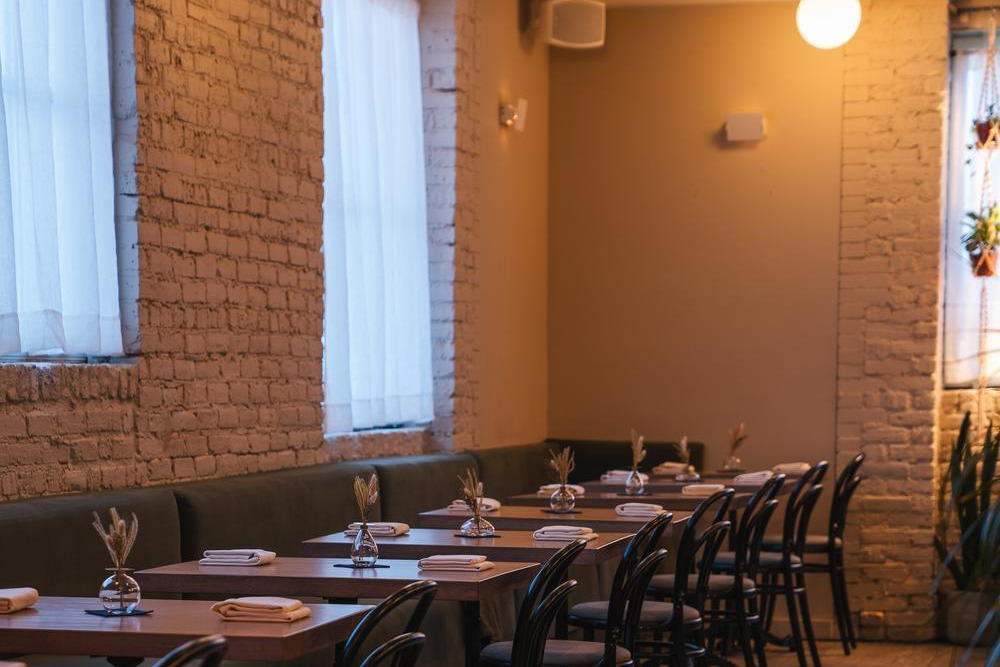
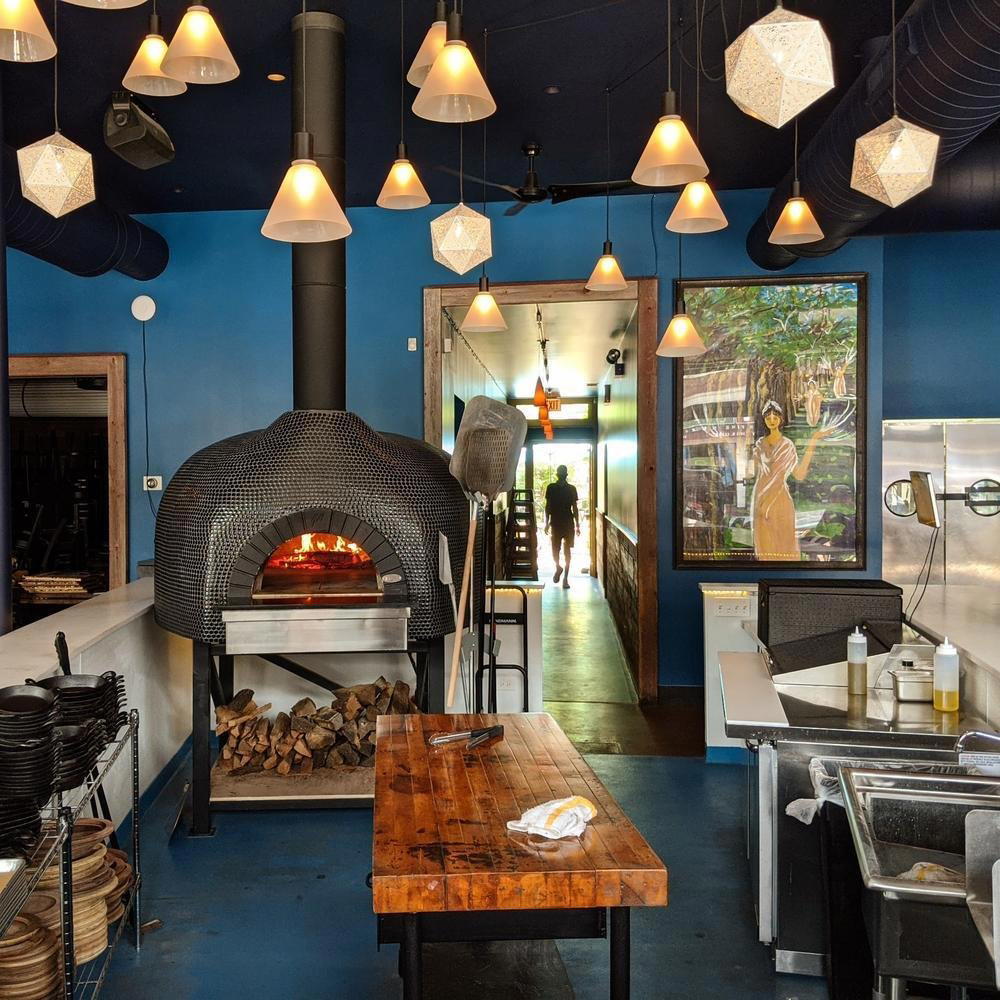
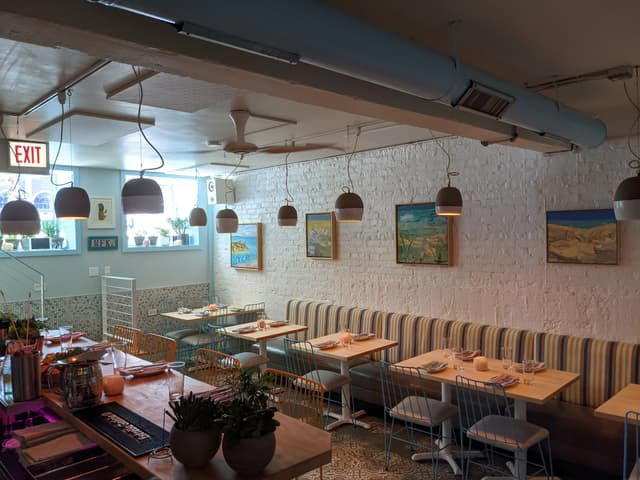
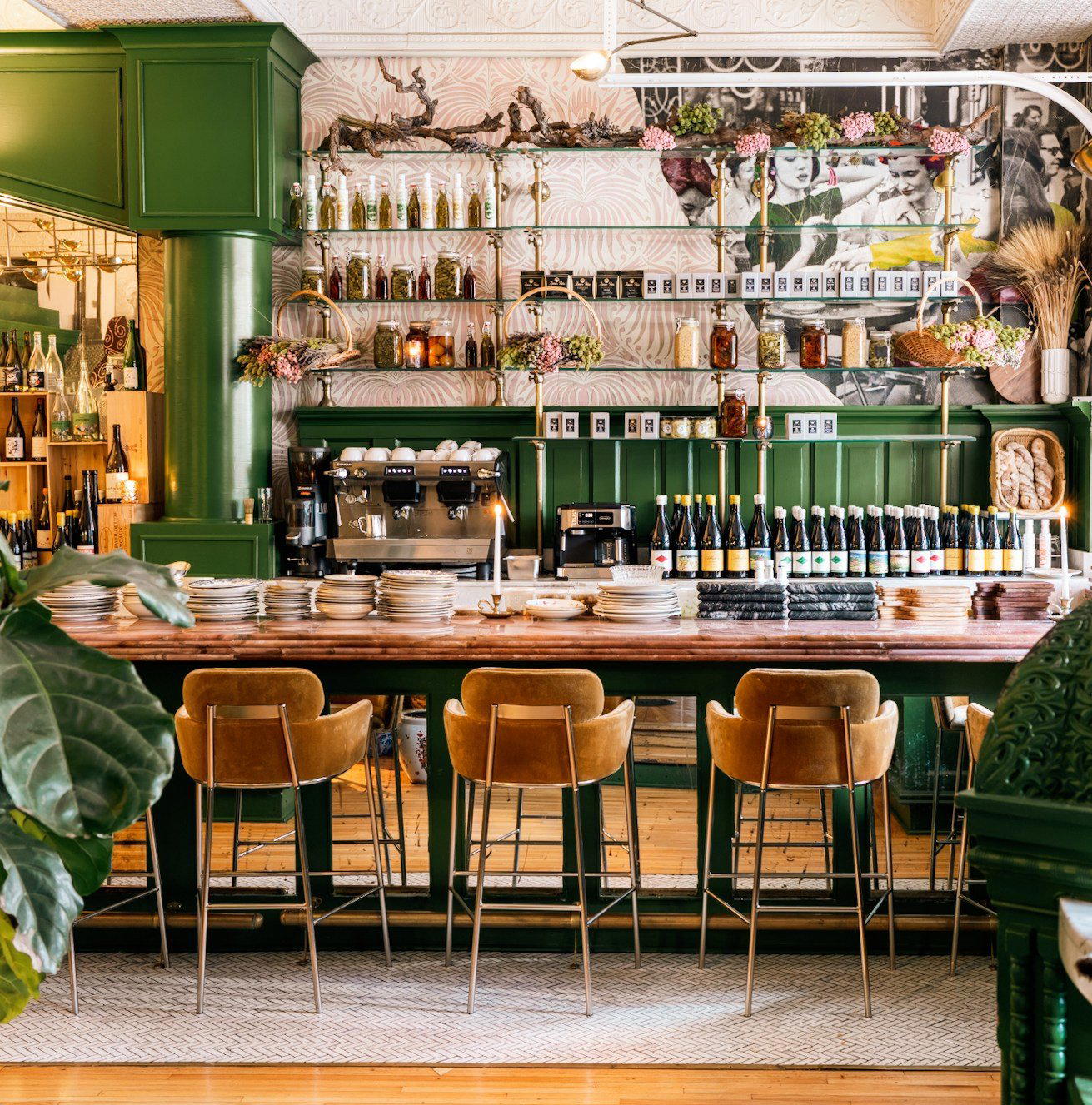
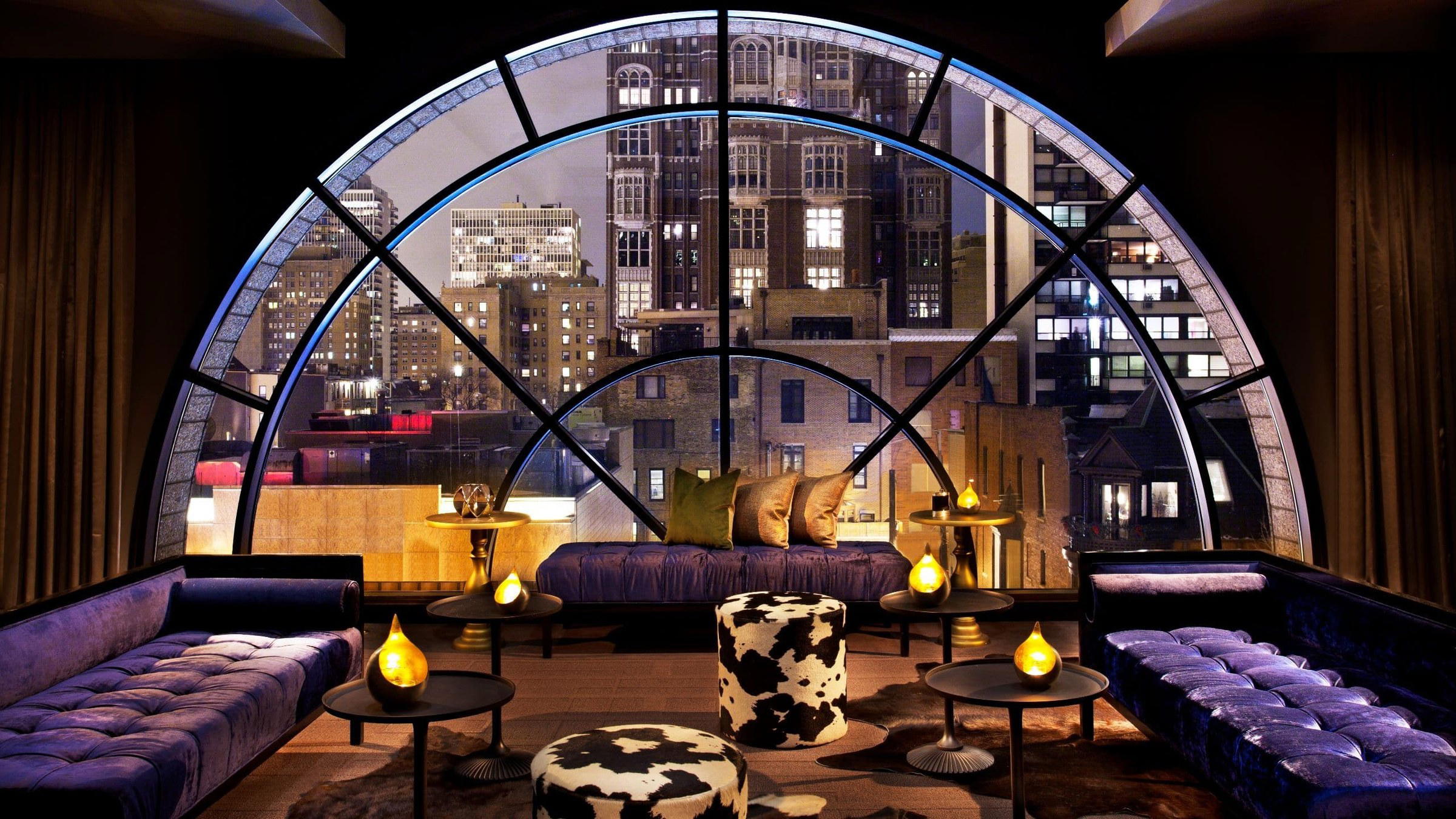
Contemporary space with Middle Eastern-inspired decor blended with modern accents, reflecting the cultural richness of the Mediterranean region.