Blackbird

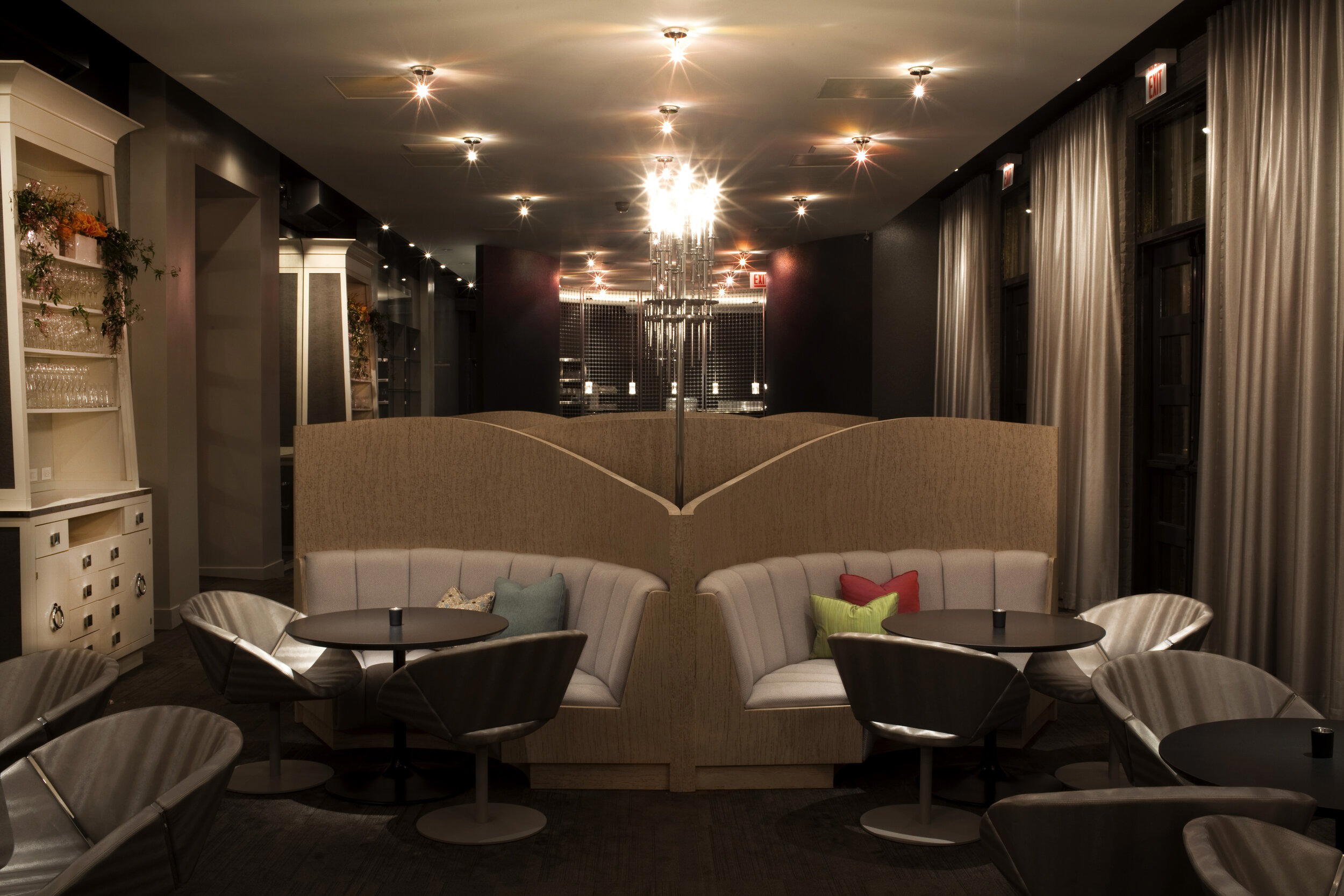
"Blackbird [CLOSED] When it opened doors in 1998, this West Loop destination helped pave the way for Restaurant Row and all of the gastronomic glory that would follow. Ever since, Blackbird's been filling seats (intimate banquette seating, thank you) with diners eager for refined New American fare, like ahi tuna poke with lamb bacon and sorrel, roasted Rohan duck with new potatoes and grilled gem lettuce, Slagel Farm beef striploin with eggplant and dandelion, everythingas enjoyable to look at as it is to eat. Try the tasting menu, a 10-course meal showcasing of some of the season’s best finds. For shared plates in a more casual setting, head next door to Avec, the restaurant’s sister spot specializing in Mediterranean-inspired fare."
- Address
- 619 W Randolph St, Chicago, IL 60661
- Phone
- +1 312 715 0708
- Directions
- Get directions
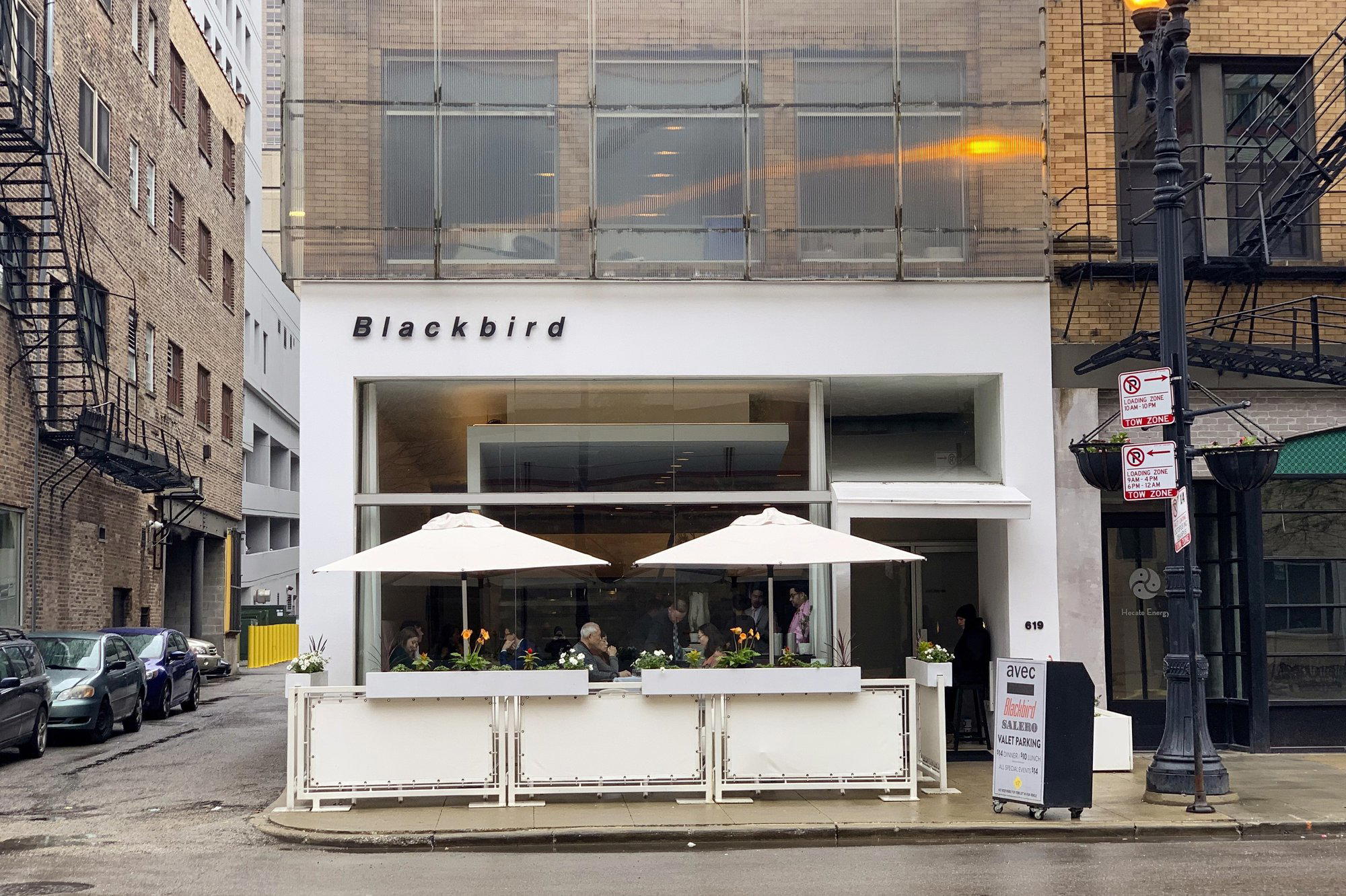
West Randolph and the Architecture of a Chicago Meal
Walking west along Randolph Street in the early evening, the shift from the Loop's office density to the Restaurant Row corridor is gradual, then sudden. The buildings lower, the sidewalks widen slightly, and the smell of kitchens working at full tilt arrives before the signage does. Blackbird Restaurant at 619 W Randolph sits inside this stretch.
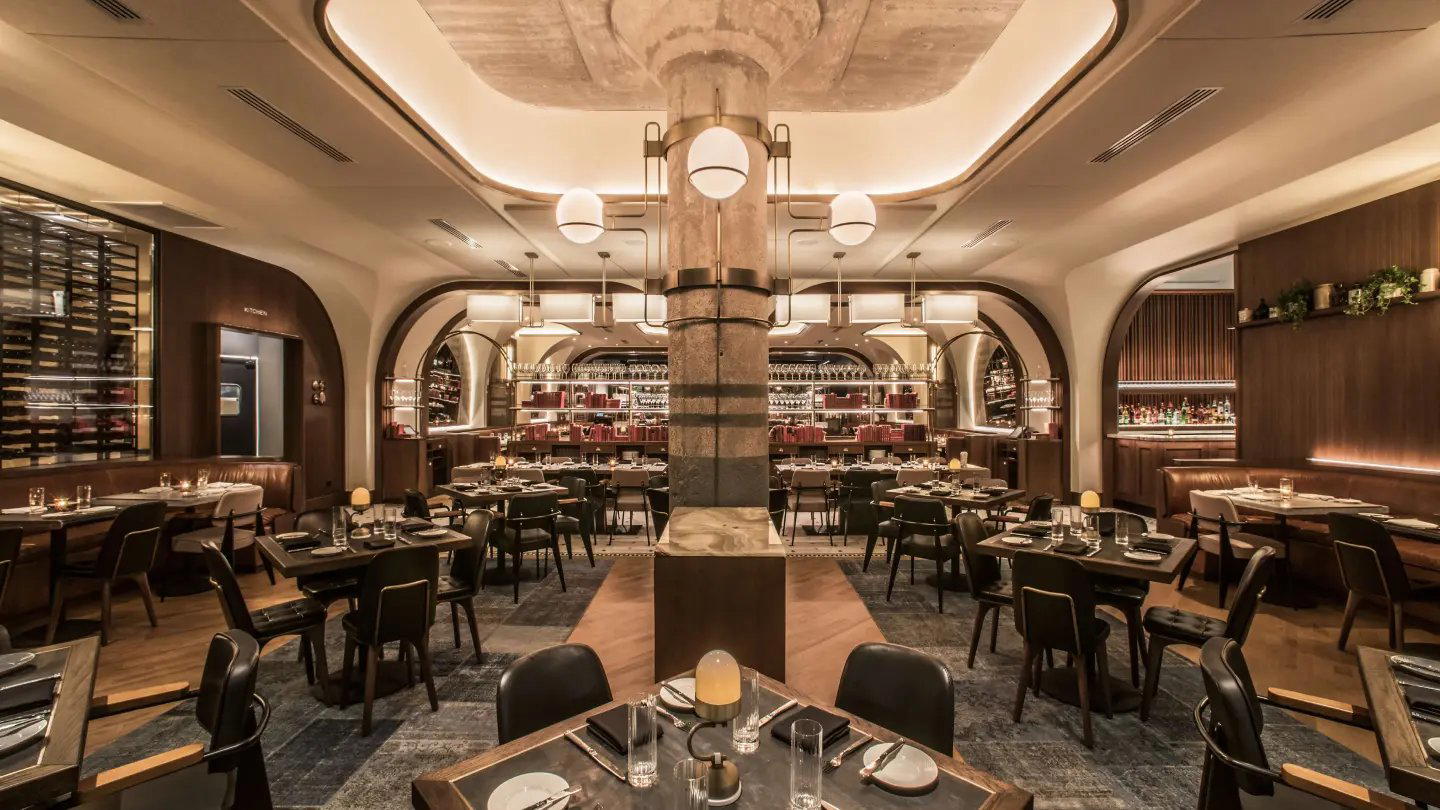
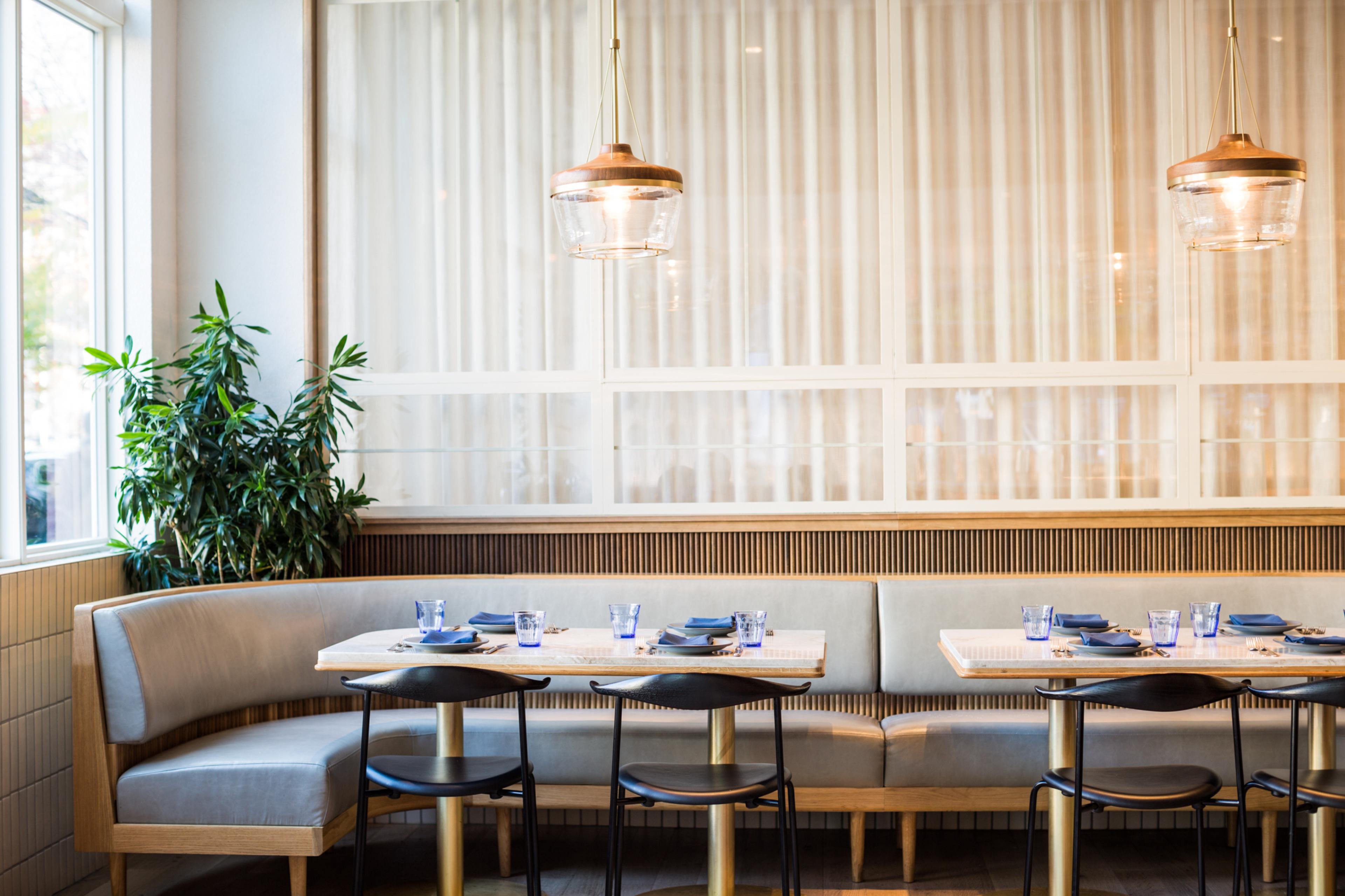
The West Loop's dining identity was shaped significantly by the restaurants that committed to Randolph Street in the late 1990s and early 2000s. That context matters because it explains the architectural register of the room: compact, precise, and stripped of ornamentation in a way that reads as a deliberate position rather than a budget constraint. Rooms like this were making an argument about what a serious American restaurant should look like at that moment, and that argument proved influential across Chicago's subsequent wave of contemporary openings.
How the Meal Unfolds
American fine dining in the progressive mode tends to organize itself around a tasting arc: lighter, more acidic preparations early; richer, protein-centered plates toward the middle; a deliberate deceleration through cheese and then dessert. This structure reflects both classical French influence and the more recent California-inflected emphasis on produce-forward cooking in the first courses. Blackbird has long operated within this tradition, with Chicago peers including Smyth and Oriole working variations of the same progression.
The early courses in menus of this type function as a thesis statement: what does the kitchen believe about acidity, temperature contrast, and the relationship between the plate and the season? Nationally, restaurants like Blue Hill at Stone Barns in Tarrytown and SingleThread Farm in Healdsburg have anchored this opening movement to hyperlocal sourcing; on the West Coast, Lazy Bear in San Francisco uses it to establish a communal, narrative-driven tone. At Blackbird, the opening sequence has historically signaled restraint, with fewer ingredients on each plate than the presentation might suggest.
Mid-meal, the kitchen's real technical commitments tend to surface. The protein courses in American contemporary dining at this level are where training lineage shows most clearly: the saucing tradition, the relationship to classical technique, whether the kitchen is interpolating French methods or working away from them. Peer comparisons are instructive here. Le Bernardin in New York City represents one end of the spectrum, where classical French architecture governs every plate; Alinea, a few blocks away on the same Chicago scene, represents a more disruptive position. Blackbird has historically occupied a considered middle ground: technically grounded, but with an American informality in the pacing and presentation.
The dessert sequence at restaurants of this category increasingly carries as much intellectual weight as the savory courses. Nationally, the pastry program has become a competitive differentiator, with kitchens like The French Laundry in Napa setting a high bar for mignardises and sugar work. In Chicago's current landscape, where Kasama has drawn significant attention for its pastry credentials, the dessert moment matters. A meal at Blackbird ends, by the room's design, on a compressed note: the tight, narrow dining room means service is intimate and the transition from last savory to first sweet is felt immediately.
Randolph Street in Competitive Context
Chicago's fine dining hierarchy has evolved considerably since Randolph Street established its initial reputation. The city now has multiple award-recognized tiers operating simultaneously: the experimental register of Alinea and Next Restaurant, the quieter precision of Smyth and Oriole, and the mid-luxury Filipino-American ambition of Kasama. Nationally, the progressive American category stretches from Providence in Los Angeles to Addison in San Diego to The Inn at Little Washington. Within this field, Blackbird's position is that of an originating address: a restaurant that helped define what the category looked like before the category had a name.
That originating status carries a specific kind of authority. Restaurants that shaped a scene tend to be evaluated differently than those that arrived into an established one. The comparison set for Blackbird is partly its current West Loop neighbors and partly the American restaurants that were making similar arguments in the same period, places like Emeril's in New Orleans, which was similarly engaged in the project of defining a regional American fine dining identity. The conversation between those restaurants and their successors, including internationally focused contemporary programs like Atomix in New York City and even European practitioners like Atelier Moessmer Norbert Niederkofler in Brunico, traces a direct line from the ambitions Randolph Street articulated in the early 2000s.
For a comprehensive orientation to Chicago's current dining range, The West Loop's density of serious restaurants makes pre-trip research more consequential than in cities where upper-tier dining is more dispersed, and Frasca Food and Wine in Boulder offers a useful comparative reference for the kind of culinary specificity and regional wine commitment that defines the leading American contemporary tier outside of major coastal markets.
Planning a Visit
619 W Randolph St places Blackbird within easy reach of the Loop by cab or rideshare, and the Green and Pink CTA lines serve the area from multiple downtown connection points. The West Loop's Restaurant Row operates at peak intensity on Thursday through Saturday evenings, when the concentration of serious restaurants on and around Randolph means that walk-in availability at this level becomes effectively zero. Reservations for weekend dinners at comparable Chicago addresses typically book two to four weeks out at minimum; Blackbird's specific current booking availability should be confirmed directly given.
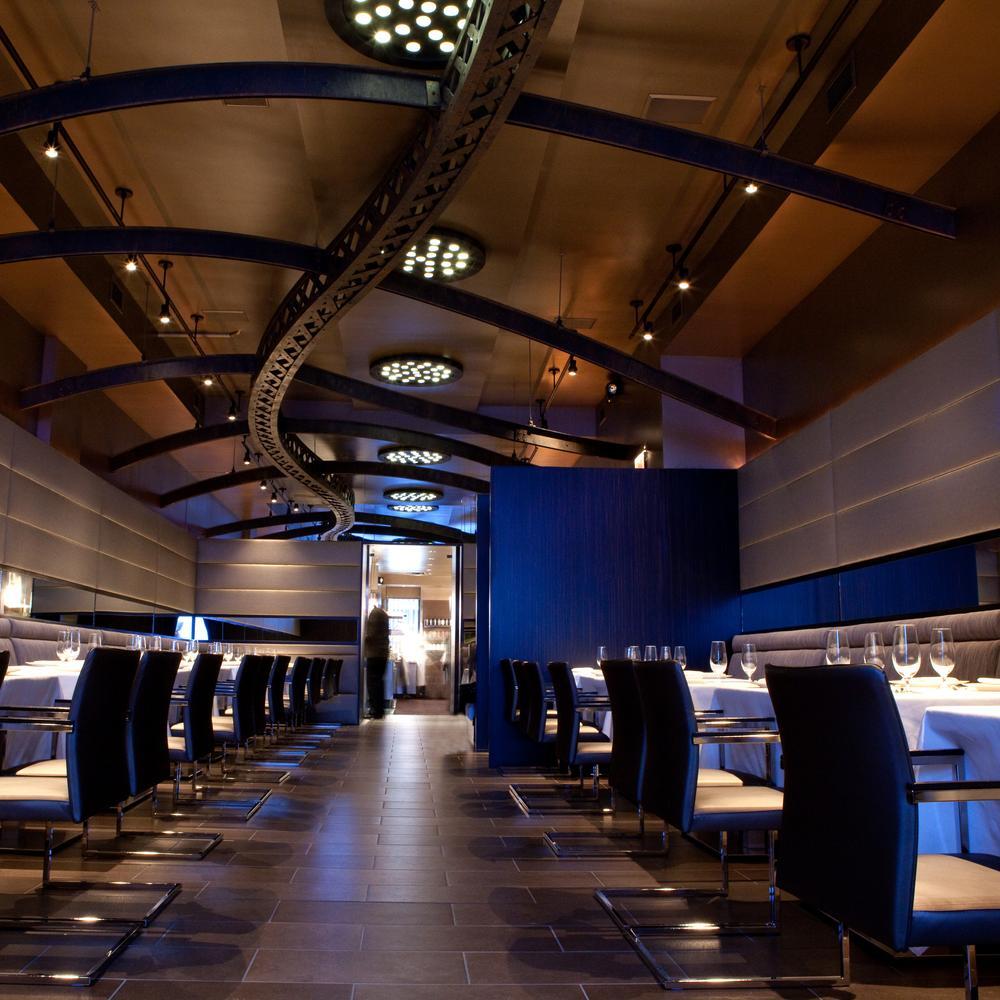
The room's compact dimensions mean that the experience is inherently close, both in terms of service distance and ambient sound. Guests who find large, high-ceilinged dining rooms too diffuse tend to respond well to this format. Guests who prioritize maximum privacy and separation will find the neighborhood's other options, including some of the more architecturally generous rooms on nearby Fulton Market, a better match.
Reputation Context
Comparable venues nearby, for context on price, style, and recognition.
| Venue | Cuisine | Price | Notes |
|---|---|---|---|
| Blackbird RestaurantThis venue — the venue you are viewing | Contemporary American Fine Dining | $$$ | Not listed |
| etc. | Polished Southern American with Global Influences | $$$ | Loop |
| The Hampton Social | New England-Style Seafood | $$$ | River North |
| Good Fortune | New American-Mediterranean | $$$ | Logan Square |
| Millennium Hall Restaurant | Contemporary American Gastropub with Neapolitan Pizza | $$$ | Millennium Park |
| The Promontory | Hearth-to-Table American | $$$ | Hyde Park |
Recognition history
Dated appearances from independent guides and award organizations, with the underlying list record or original source where available.
James Beard Award Outstanding Chef
James Beard Award
James Beard Award Best Chefs
James Beard Award
At a Glance
- Elegant
- Sophisticated
- Modern
- Romantic
- Intimate
- Date Night
- Special Occasion
- Business Dinner
- Open Kitchen
- Private Dining
- Extensive Wine List
- Local Sourcing
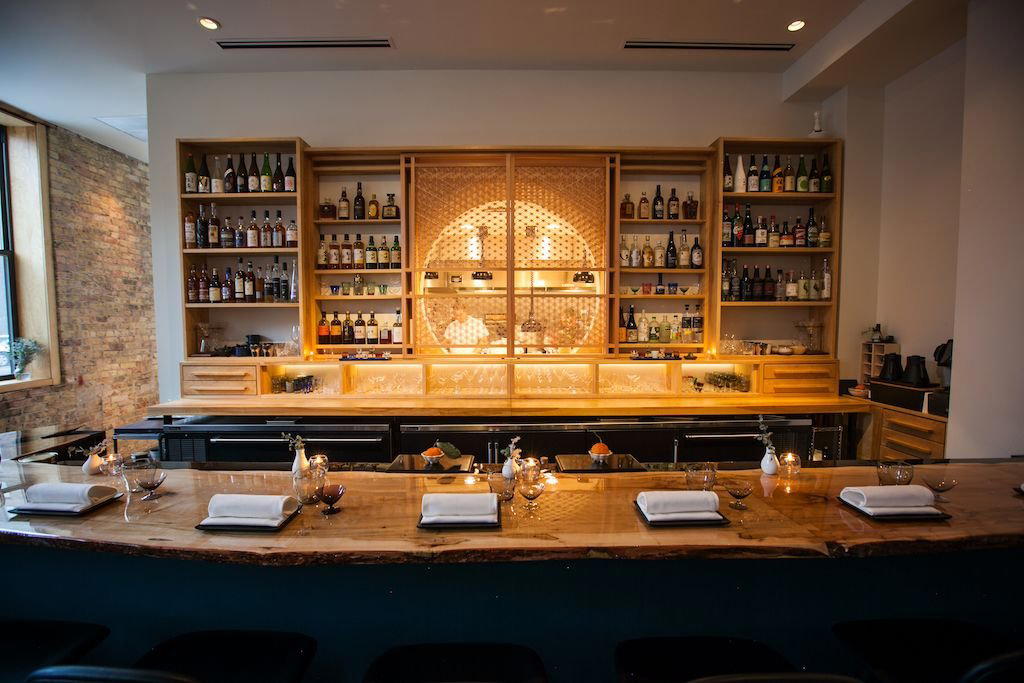
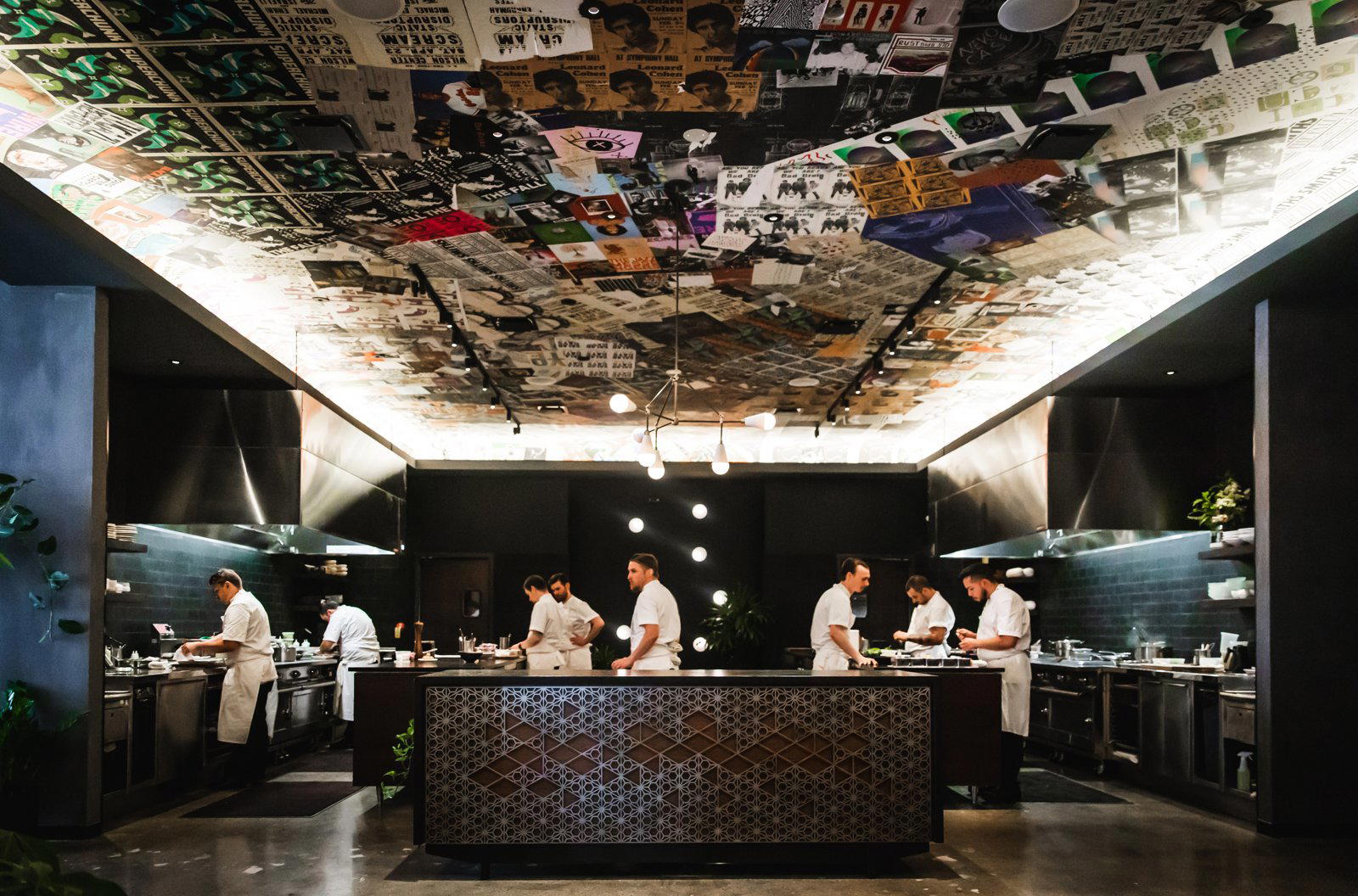
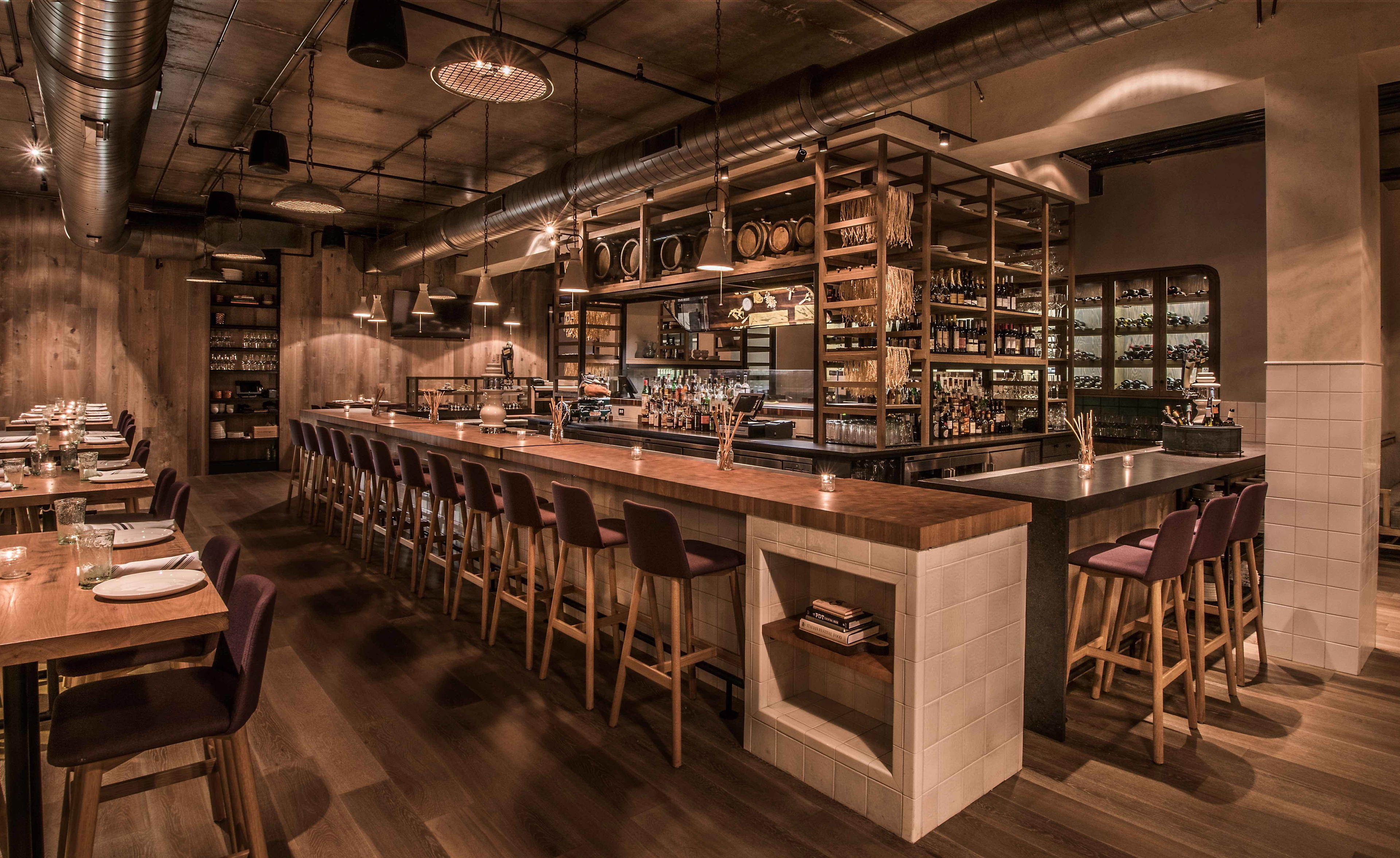
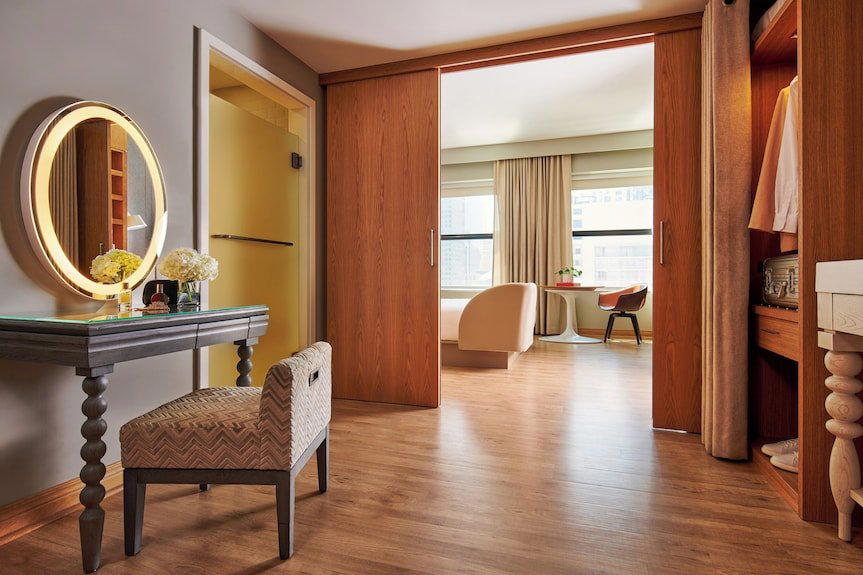
Minimalist and modernist with clean lines, uncluttered design, and powerful energy from floor-to-ceiling windows.