A camping and caravan site in the Dolomites' Pusteria Valley, Caravan Park Sexten sits outside the village of Sesto in South Tyrol, a region where Alpine agriculture and cross-border culinary tradition define what ends up on local tables. The area around Sexten produces some of Italy's most distinctive mountain ingredients, from cured meats to speck and aged dairy, placing it in direct dialogue with the broader Alto Adige food culture.
Pearl is the En Primeur Club membership app — saves, bookings, and concierge access live there. Same editors, same standards.
- Address
- Via S. Giuseppe, 54, 39030 Sesto BZ, Italy
- Phone
- +39474710444
- Website
- caravanparksexten.it
- Directions
- Get directions
 Saves & bookings on Pearl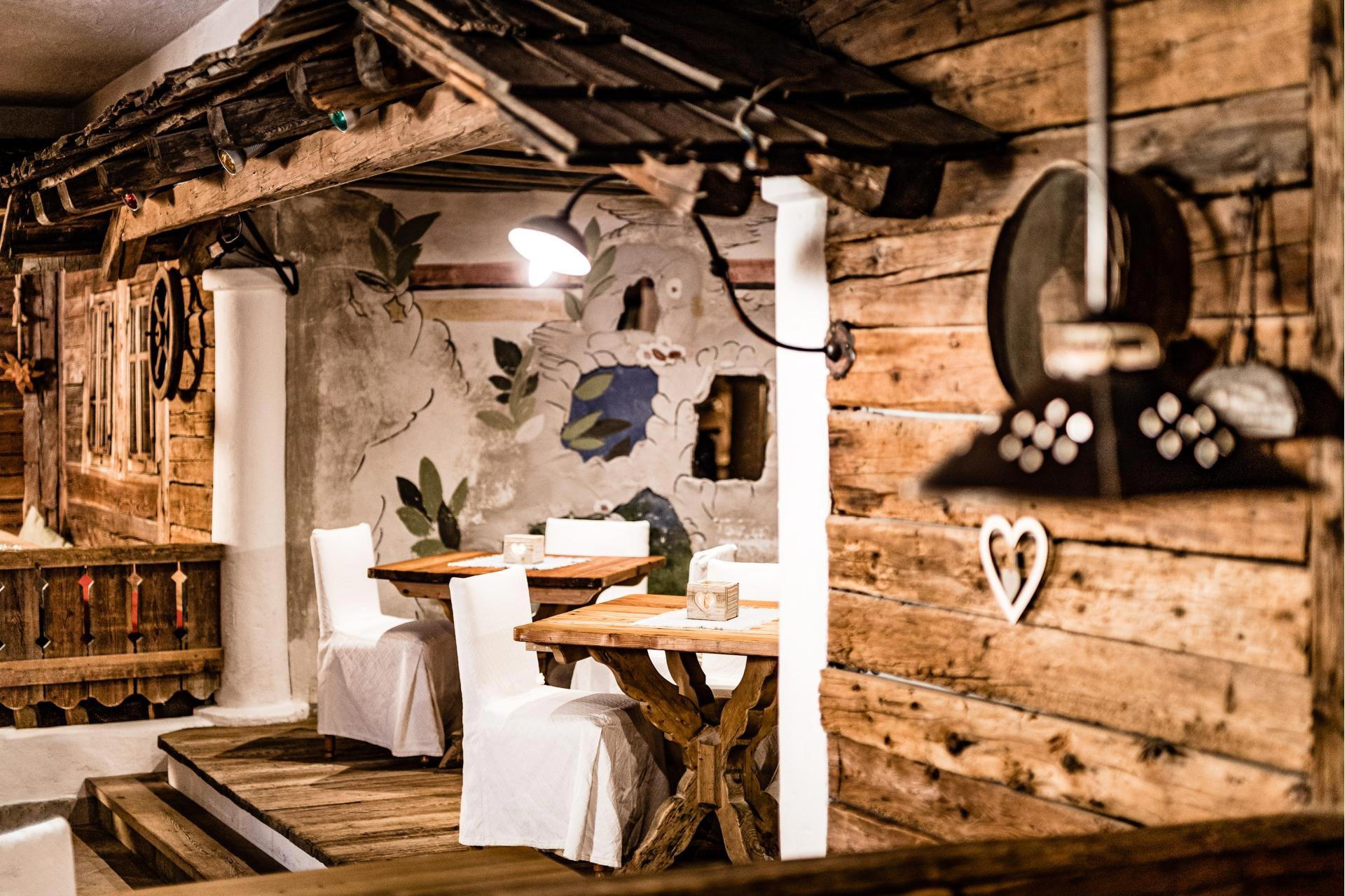
Where the Dolomites Set the Table
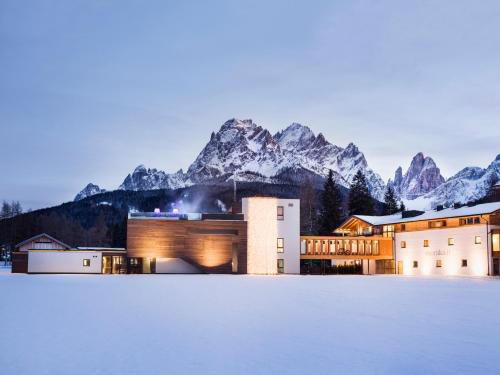
The road into Sesto (Sexten in German) follows the Val Fiscalina through a corridor of spruce forest and limestone peaks, the Tre Cime di Lavaredo visible in the distance on clear mornings. This is South Tyrol at its most geographically concentrated: a valley where Austrian and Italian traditions have been overlapping for centuries, and where that overlap shows up most clearly in the food. Caravan Park Sexten sits along Via S. Giuseppe in this landscape.
South Tyrol's culinary character is difficult to separate from its agricultural one. The region sits at the northern edge of Italy, sharing a border, a dialect, and a larder with Tyrol in Austria. What grows and is cured here reflects altitude, brevity of growing season, and a preservation culture that predates refrigeration by centuries. Speck Alto Adige, the region's cold-smoked, air-cured pork product, carries a Protected Geographical Indication and must be produced within the province of Bolzano. At elevation, that means curing in mountain air rather than sea air, which changes the fat development and texture considerably compared to prosciutto di Parma or San Daniele. For visitors based in Sexten, the local producers are not a detour; they are immediately within reach.
The Ingredient Tradition This Area Carries
The Pusteria Valley, of which Sexten forms the eastern anchor, is among the more historically significant dairy corridors in the Alps. Cheese production here follows seasonal transhumance patterns that shaped settlement across the valley for generations. Graukäse, a grey, low-fat acid-set cheese with a sharp, almost funky profile, is produced almost exclusively in this region and remains largely unknown outside it. It does not travel well and is rarely exported, which makes proximity to its source a reliable way to encounter it properly. Markets in nearby Innichen (San Candido) and farm stalls along the valley roads are the typical access points.
This is the ingredient context into which Caravan Park Sexten places its guests. The Dolomite food tradition is not built around restaurant theatre or long tasting menus in the way that, say, the haute-Alpine format of Atelier Moessmer Norbert Niederkofler in Brunico operates. It is built around specificity of place: this valley's speck, this farm's cheese, this season's mushrooms from these particular slopes. Visitors who engage with that directly, through markets, agriturismos, and the region's mid-range Stuben restaurants, tend to come away with a clearer read on South Tyrolean food than those who rely solely on higher-end dining formats.
Sexten in the South Tyrol Dining Map
South Tyrol has one of the highest concentrations of Michelin-starred restaurants per capita in Italy, a fact that tends to surprise visitors expecting a quieter provincial food scene. Brunico, roughly 40 kilometres west along the valley, operates as the regional culinary hub, with Niederkofler's work there representing one internationally discussed expression of mountain-sourced Alpine cooking in Italy. Further afield, the Italian fine dining circuit includes addresses like Osteria Francescana in Modena, Piazza Duomo in Alba, and La Pergola in Rome, but these represent a different register entirely: urban, technically elaborate, and geographically removed from the Alpine source-ingredient tradition that defines eating in Sexten.
The more relevant comparable set for a stay at Caravan Park Sexten is the network of valley-level restaurants in the eastern Dolomites: Stuben serving Schlutzkrapfen (spinach-and-ricotta half-moon pasta), venison ragù, and barley soup using locally grown grain. These are not the kind of addresses that appear on international award lists alongside Dal Pescatore in Runate or Le Calandre in Rubano, but they are the appropriate entry point for understanding how the Pusteria Valley feeds itself and how that feeding has remained largely consistent across generations.
For a broader view of where to eat in the area, the local dining map maps one relevant local options by type and occasion. Hotel Kreuzberg in Sexten represents one polished dining option within the village itself, operating in the Alpine hotel-restaurant format that is the dominant dining institution across this part of South Tyrol.
Arriving and Planning Around the Seasons
Ingredient availability shifts accordingly: summer brings wild herbs, porcini, and alpine berries; winter centres on cured meats, preserved vegetables, and root-vegetable-heavy slow cooking. Both periods are coherent food seasons, which is not always true across Italian mountain regions.
The camping and caravan category serves guests who prioritise proximity to the trail network and the flexibility of self-catering, which in a region with this quality of local produce is a genuinely reasonable choice rather than a budget compromise.
The Broader Italian Table, Placed in Context
To understand Sexten's food identity, it helps to hold it against the rest of Italy's dining map rather than against Alpine resorts elsewhere. Italian cuisine is deeply regional, and South Tyrolean food is more distinct from Neapolitan or Sicilian cooking than French Alsatian cooking is from Provençal. The speck, the Graukäse, the barley soups, and the Knödel (bread dumplings) of this valley share more with Innsbruck's table than with Rome's. That is not a weakness; it is the precise quality that makes the region worth understanding on its own terms.
Internationally recognised Italian kitchens such as Uliassi in Senigallia, Reale in Castel di Sangro, and Quattro Passi in Marina del Cantone each represent a specific Italian regional tradition reinterpreted through a contemporary fine-dining frame. South Tyrol produces a parallel tradition with its own technically sophisticated exponents, but the ground-level ingredient culture in the Pusteria Valley remains closer to the source and less mediated by kitchen ideology. That directness is the main reason a stay in this corner of the Dolomites holds culinary interest for visitors who care about provenance and place, not spectacle.
At-a-Glance Comparison
Comparable venues nearby, for context on price, style, and recognition.
| Venue | Cuisine | Price | Notes |
|---|---|---|---|
| Caravan Park SextenThis venue — the venue you are viewing | Alpine-Mediterranean Gourmet | $$$ | Not listed |
| Hotel Kreuzberg | South Tyrolean-Italian Gourmet | $$$ | Sexten |
| Luis Alm | Modern South Tyrolean & Mediterranean mountain restaurant | $$$ | Fischleintal / Val Fiscalina |
| Adler Stube | Modern Tyrolean-Italian | $$$ | Villabassa |
| Garsun | Ladin Trattoria | $$$ | Marebbe |
| Pedrocchino | Modern Venetian Seafood | $$$ | historical center |
At a Glance
- Elegant
- Romantic
- Cozy
- Scenic
- Date Night
- Special Occasion
- Group Dining
- Family
- Panoramic View
- Terrace
- Wine Cellar
- Hotel Restaurant
- Extensive Wine List
- Local Sourcing
- Farm To Table
- Mountain
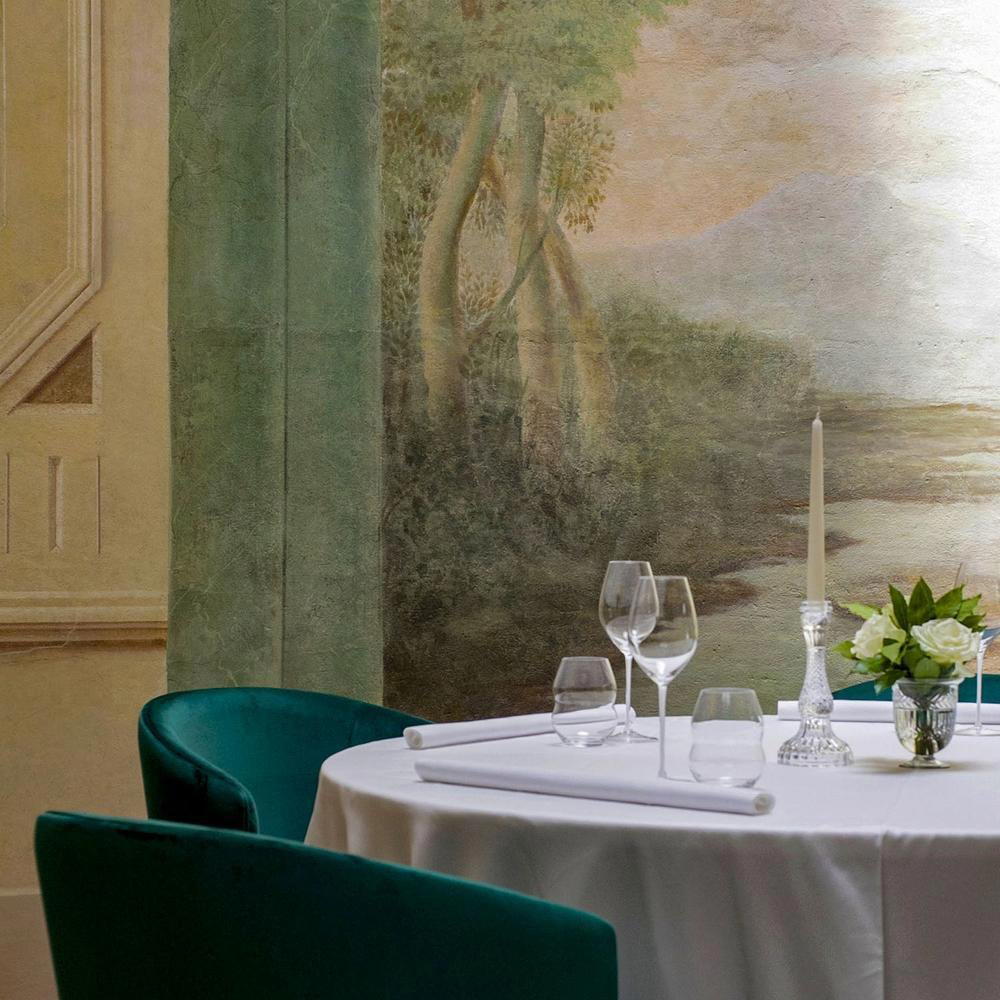
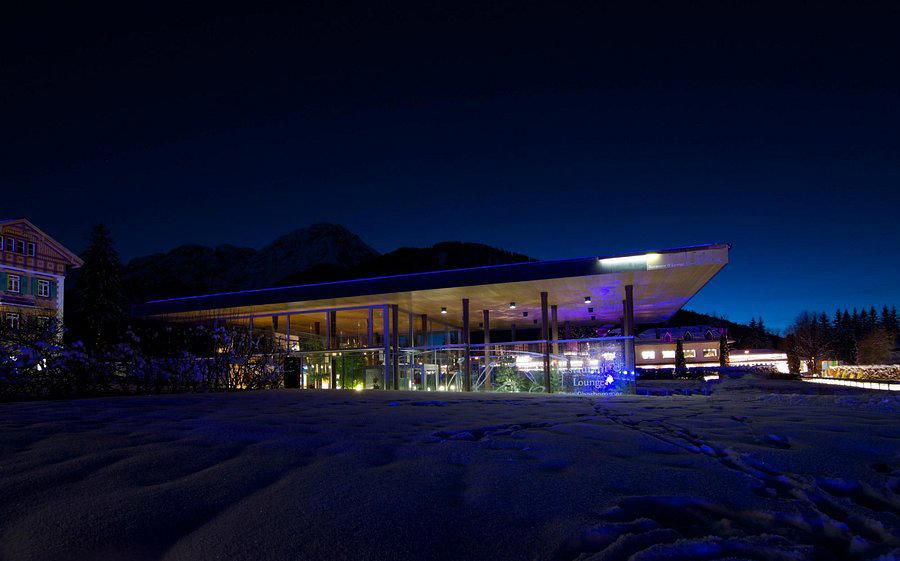
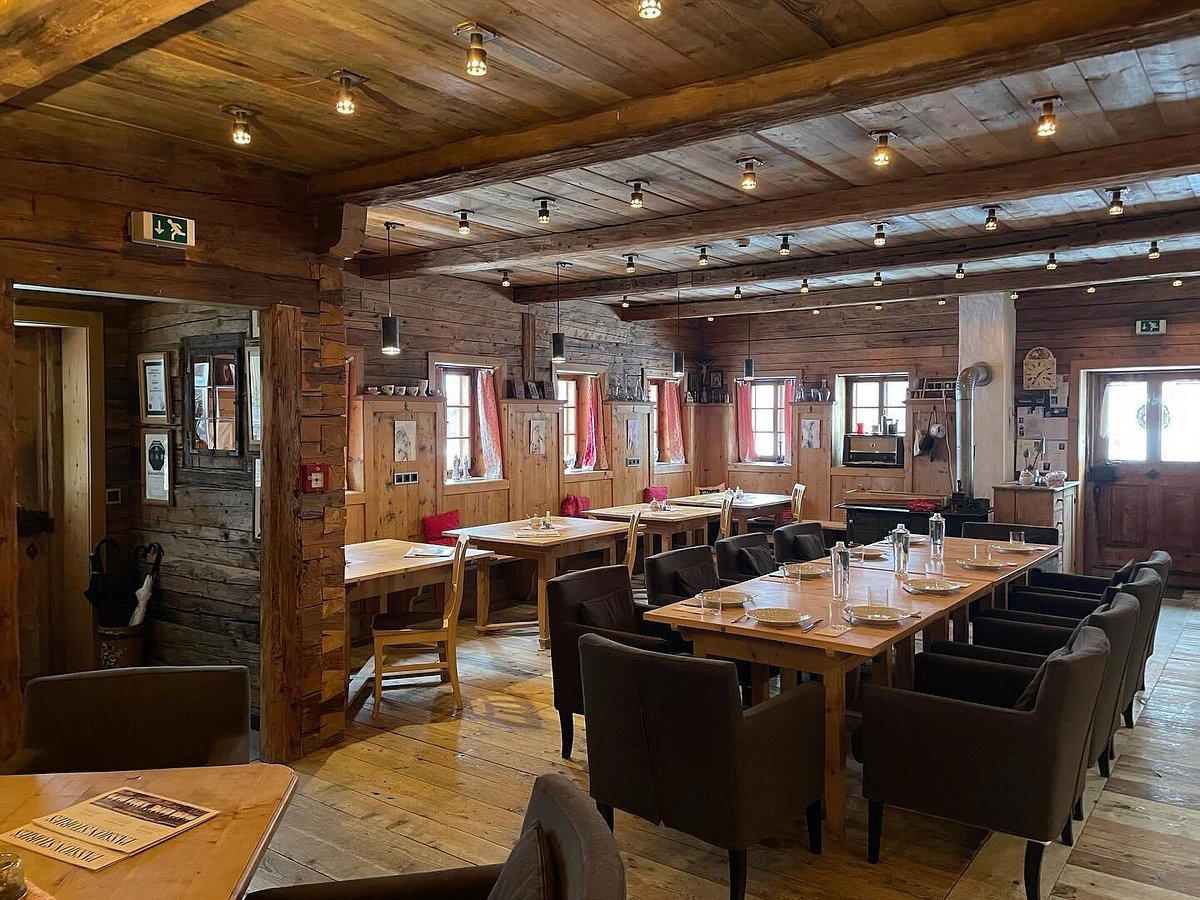
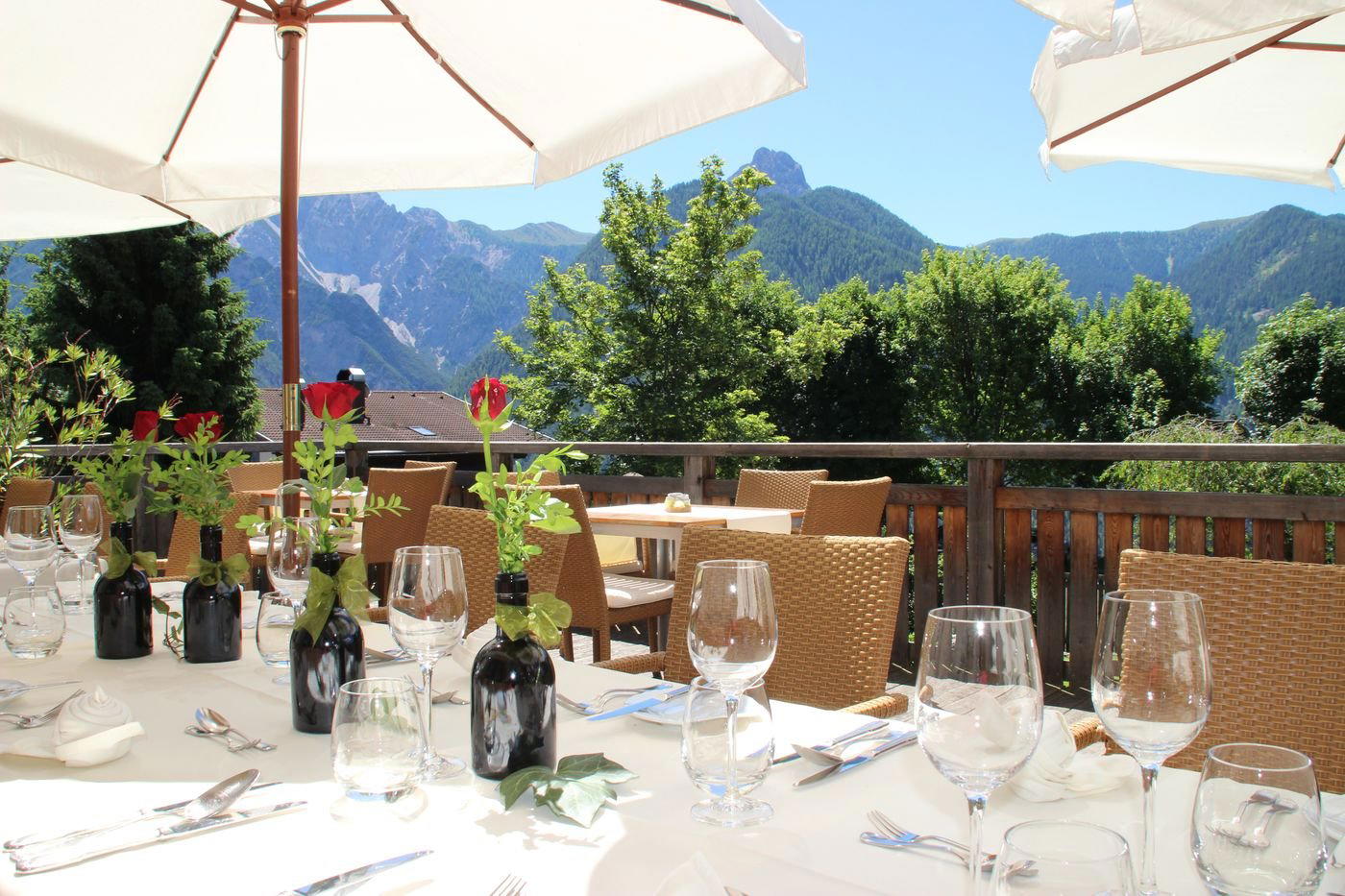
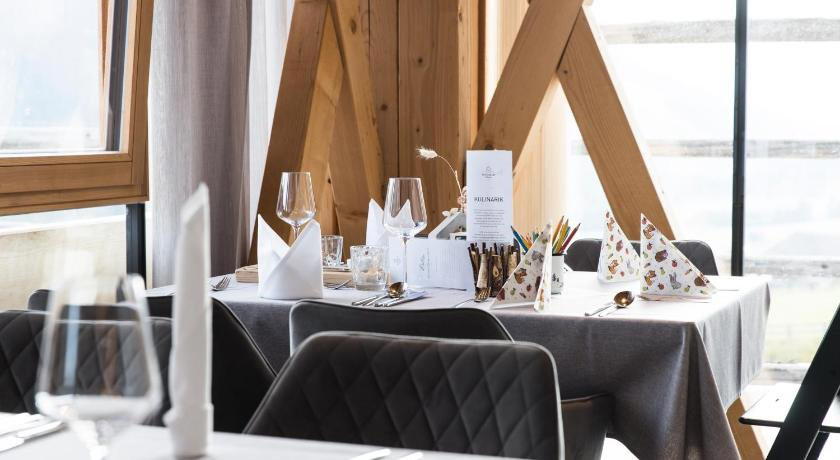
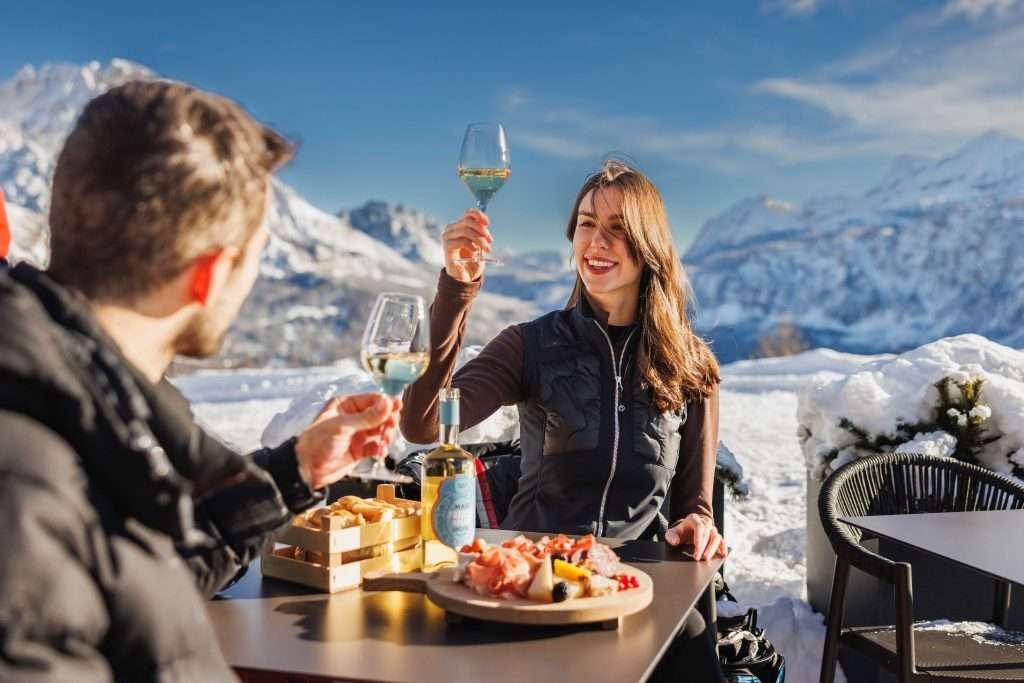
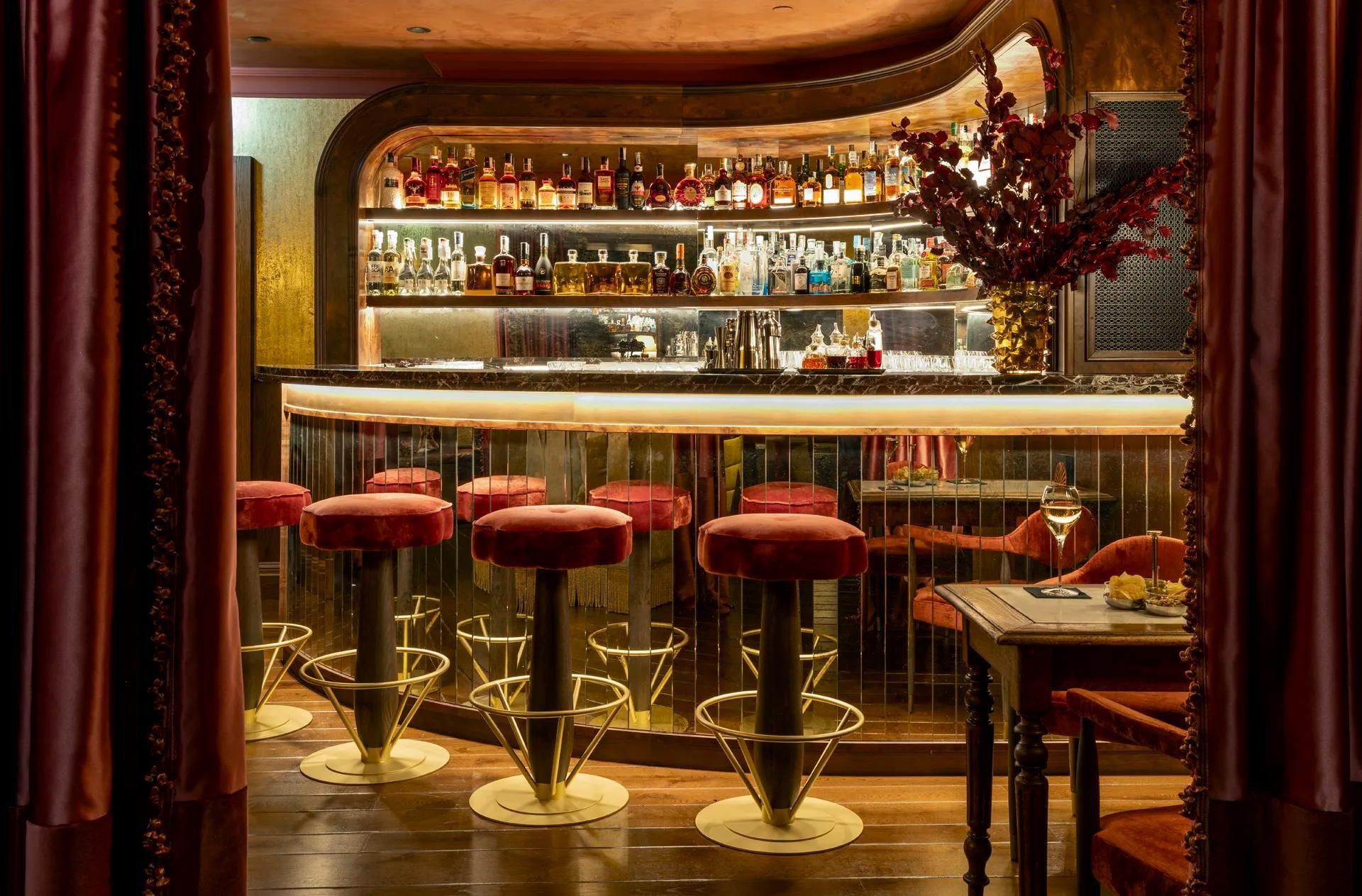
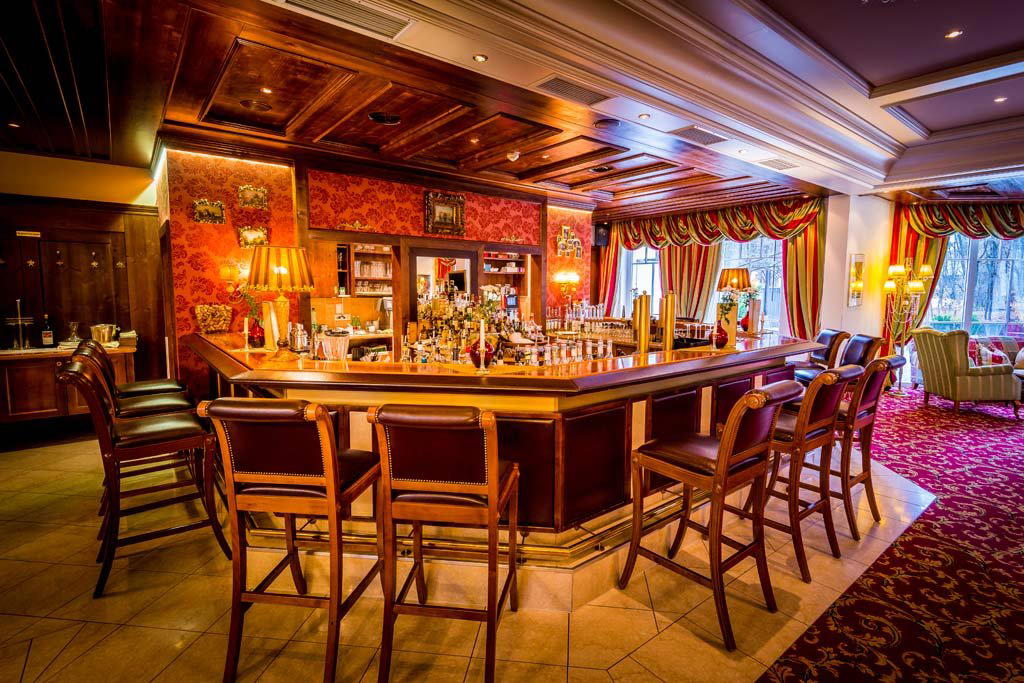
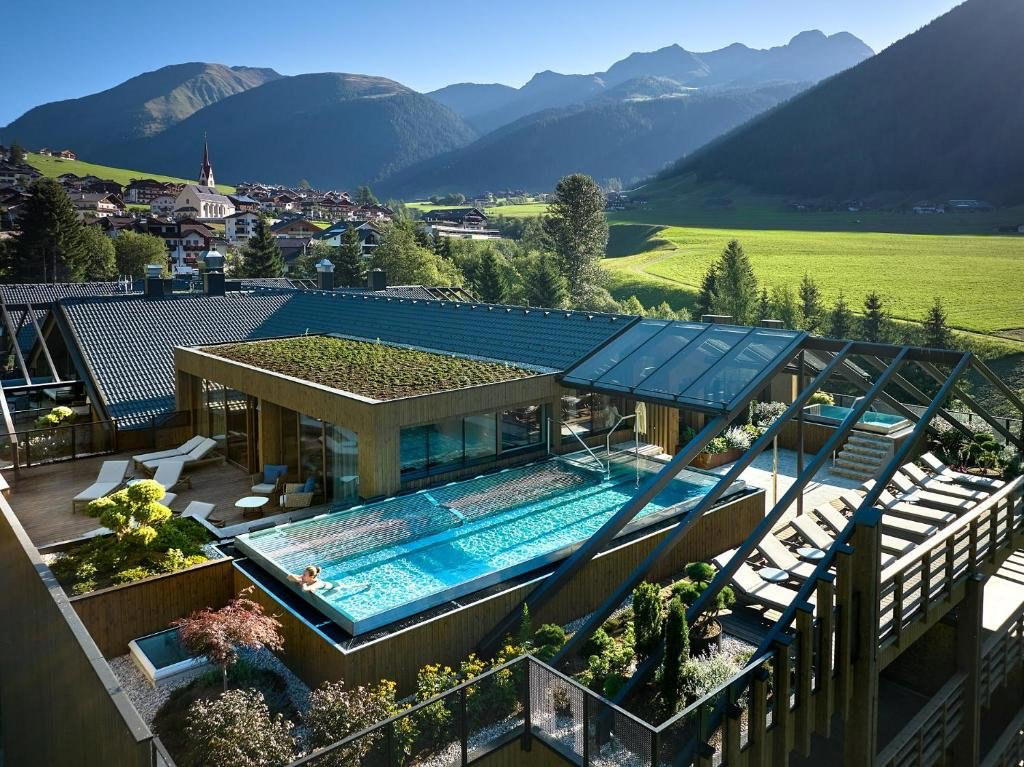
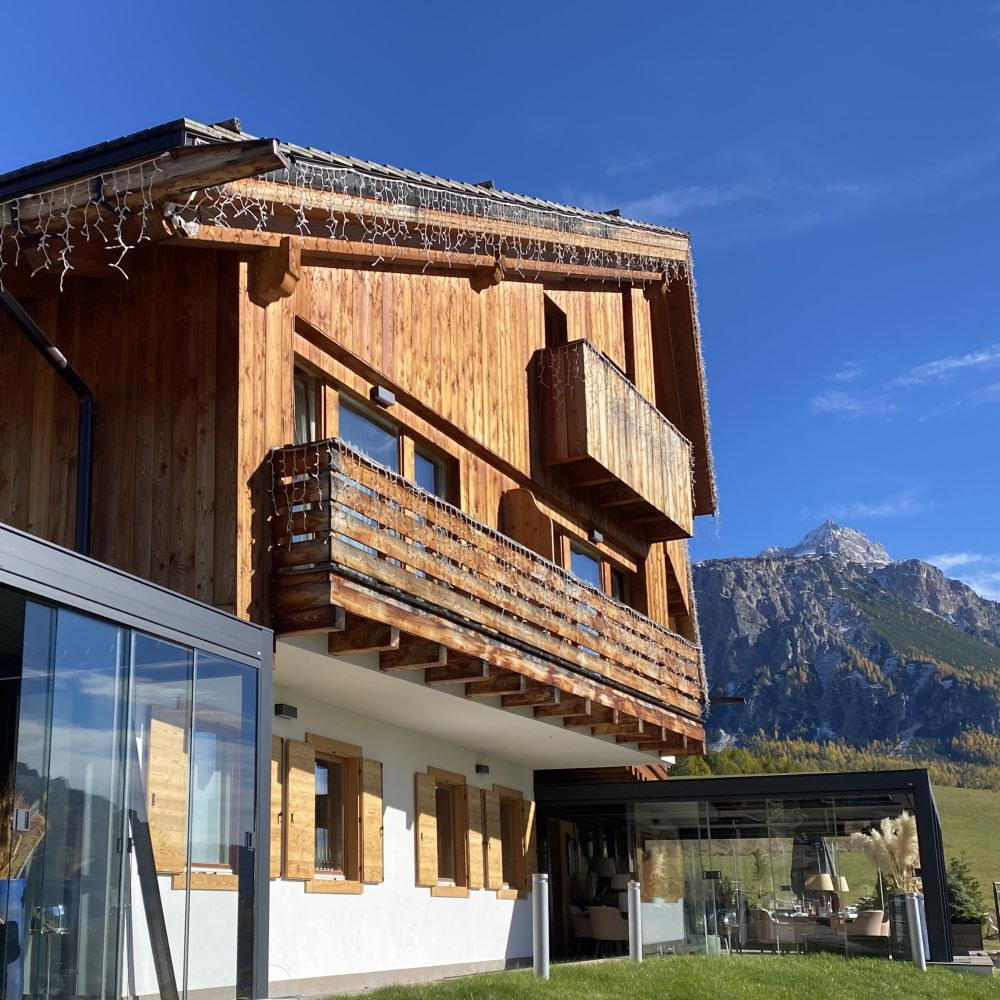
Intimate interior with panoramic windows overlooking the Dolomites, creating a warm and sophisticated Alpine atmosphere.