
Michelin Bib Gourmand
Our verdict
Durnwald sits in the Valle di Casies and delivers the kind of Alto Adige cooking that makes the region's ingredient traditions legible on the plate. Michelin Plate recognition in both 2024 and 2025 confirms its standing in the valley's dining circuit. The format is owner-led and unhurried, with food and wine selection guided personally from the front of house.

Pearl is the En Primeur Club membership app, where members save venues, book tables and use the concierge.
The menu
What to order
- Schlutzkrapfen
- Schwaßnudeln blood noodles with grey cheese
- Venison goulash
Where the Valley's Ingredients Define the Table
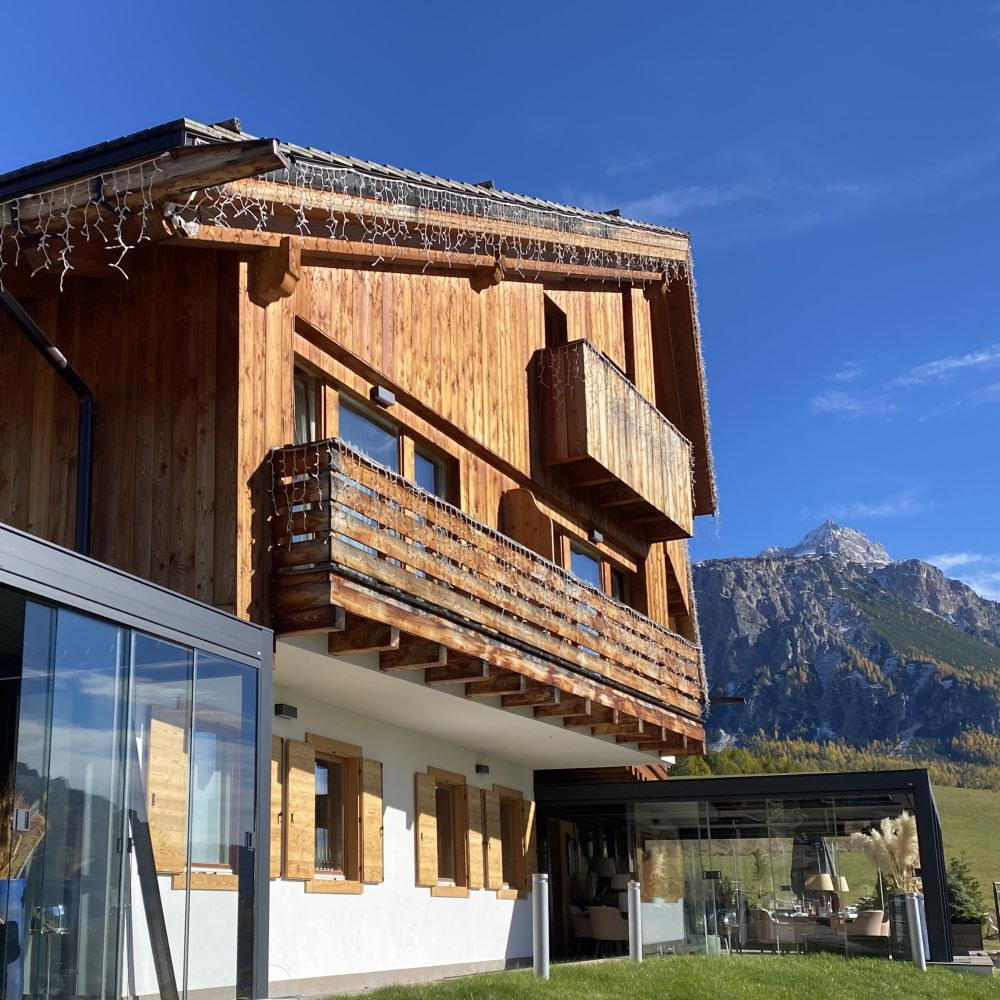
The Valle di Casies sits in South Tyrol's northeastern corner, far enough from the main Pustertal corridor that the landscape around it feels genuinely uninterrupted. In winter, the valley floor feeds skiers back toward the village; in summer, the same routes fill with hikers working the high trails. Either way, the appetite arriving at a table here is real, and the cooking at Durnwald reads that context precisely. From the dining room windows, the view inward to the surrounding ridgelines is not decoration, it is a direct line to the source logic of what ends up on the plate.
Alto Adige's regional cooking sits at a cultural crossroads between northern Italian and Tyrolean-Austrian traditions, and the table at Durnwald reflects that layering. The cuisine here is built around what the landscape and its farming history have produced for centuries: dairy from mountain pastures, foraged greens, rye flour, speck cured in the mountain air, and the kind of ricotta that comes from herds grazing at altitude. These are not marketing notes, they are the actual building blocks of a culinary culture that predates the modern tourism economy by several hundred years.
The Case for Schlutzkrapfen as a Regional Benchmark
Among Alto Adige's pasta traditions, Schlutzkrapfen occupies a specific and well-earned position. These half-moon parcels, stuffed with spinach and ricotta, represent a direct expression of mountain dairy culture: the filling relies entirely on the quality of the cheese and greens available locally, and the pasta itself is typically made with a rye and wheat blend that carries its own textural character. At Durnwald, this dish has earned specific mention in Michelin's documentation of the venue, a signal that it is being executed at a level that reviewers found worth naming. After a day on the trails or the slopes, it functions exactly as it should: substantial, grounding, and tied to the place you are eating it in.
The discipline of a kitchen that keeps this kind of dish on the menu without modernizing it into irrelevance is worth noting. Much of Alto Adige's fine dining circuit has moved toward elaborate reinterpretations of regional ingredients, venues like Atelier Moessmer Norbert Niederkofler in Brunico operate at the three-star level with a creative framework built around mountain terroir. Durnwald occupies a different register: the €€ price point and the Michelin Plate recognition position it as a venue where traditional form is the ambition, not the starting point for something else. That is a harder position to hold than it appears.
Michelin Recognition and What It Signals Here
Consecutive Michelin Plate recognition in 2024 and 2025 places Durnwald within the guide's documented quality tier for restaurants that do not yet carry a star but are cooking at a standard the inspectors found worth marking. In South Tyrol, a region with a density of Michelin-recognized addresses unusually high for its population size, even Plate-level recognition is meaningful, it locates a venue within the guide's field of attention rather than outside it. The Plate does not carry the prestige of a star, but in a valley as remote as Valle di Casies, it functions as a confirmation that the cooking holds up against regional standards, not just local ones.
For comparison, Italy's starred circuit includes addresses that have maintained three-star status across decades: Dal Pescatore in Runate, Enoteca Pinchiorri in Florence, Osteria Francescana in Modena, and Le Calandre in Rubano represent the apex of that circuit. Durnwald is not competing in that tier and is not trying to.
The Owner at the Table
The front-of-house at Durnwald is owner-led, a structural choice that shapes the experience more than any single menu decision. In a region where wine selection can be as complex as the food (South Tyrol produces Lagrein, Vernatsch, Gewürztraminer, and a range of white varieties that interact differently with mountain dairy and cured meat), having someone guide the pairing conversation rather than hand over a list makes a practical difference. The owner's presence also reflects a category of venue that the Alps have historically produced well: family-run houses where the distinction between host and restaurateur does not really apply.
Planning a Visit to Durnwald
Durnwald is located at Nikolaus Amhof Straße 6 in the Durnwald-Durna locality of Gsies (Valle di Casies), in the 39030 postal zone of South Tyrol. The valley sits east of Bruneck/Brunico and is most directly accessed by road through the Pustertal. The address is suited to visitors combining a meal with time in the valley itself, whether that means ski touring in the colder months or trail access in summer, the kitchen's menu logic aligns with that physical rhythm. At the €€ price tier, a full meal here represents accessible value relative to the starred circuit in the broader region. Booking arrangements should be confirmed directly with the restaurant, as hours and availability vary by season in this part of South Tyrol.
For wider orientation in the area, see our full Gsies restaurants guide, our Gsies hotels guide, our Gsies bars guide, our Gsies wineries guide, and our Gsies experiences guide. For Italy's wider dining circuit, our coverage includes Enrico Bartolini in Milan, Piazza Duomo in Alba, Reale in Castel di Sangro, Uliassi in Senigallia, Quattro Passi in Marina del Cantone, and Casa Perbellini 12 Apostoli in Verona.
Frequently asked questions
Is Durnwald okay with children?
The regional format at Durnwald, rooted in straightforward Alto Adige cooking like Schlutzkrapfen (spinach and ricotta ravioli), suits families well in practice. The owner-led front of house and the post-hike, post-ski context of Valle di Casies suggest a relaxed atmosphere rather than a formal one. No specific children's menu is documented, but the accessible €€ price range signals an approachable setting.
What's the vibe at Durnwald?
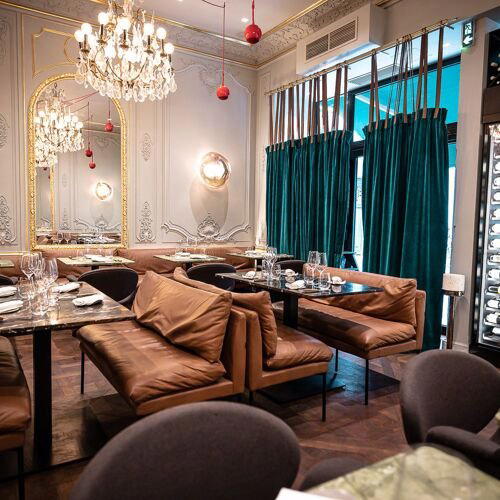
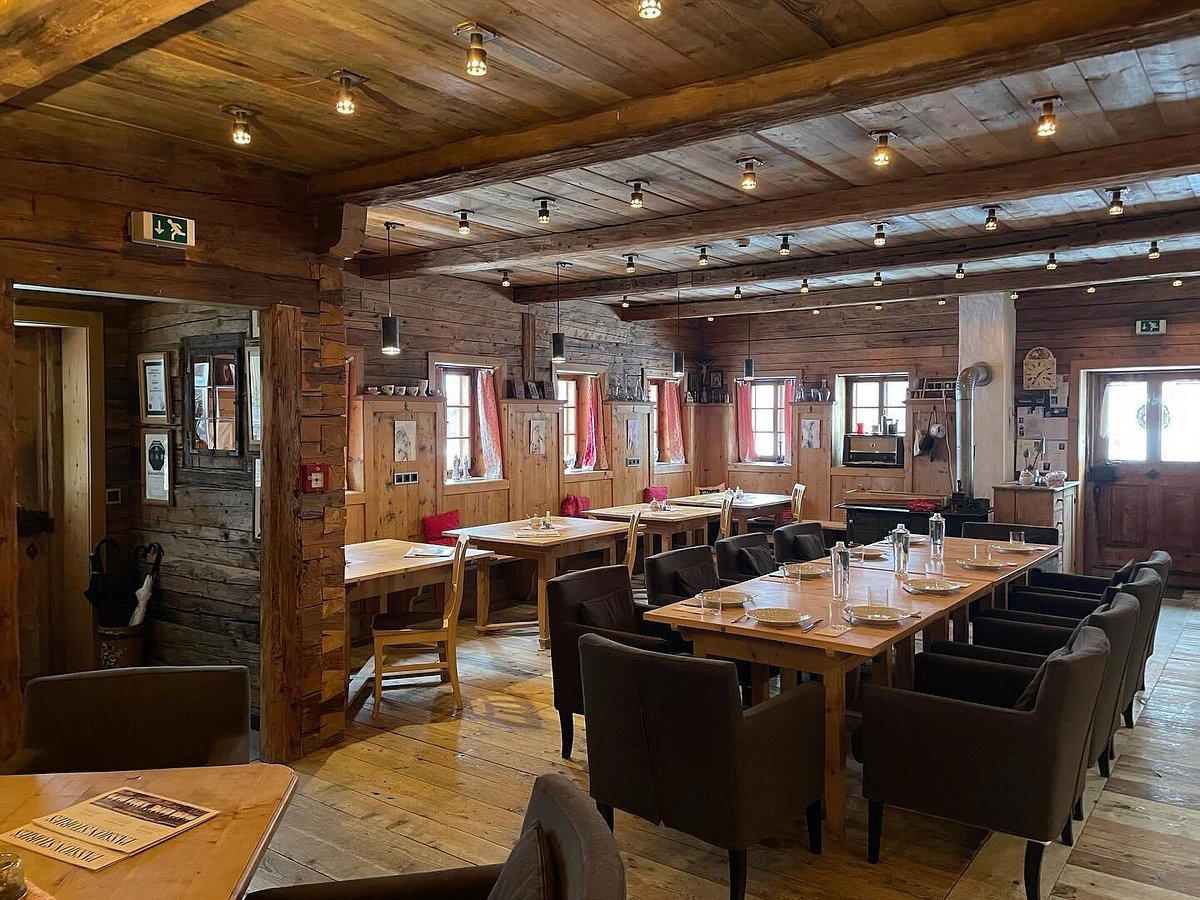
Durnwald reads as a room where the valley earns its place at the table: dining-room windows frame the surrounding landscape of Valle di Casies, and the owner works the floor personally, steering guests through food and wine choices. Consecutive Michelin Plate recognition in 2024 and 2025 confirms a quality standard, but the setting and price bracket (€€) sit firmly in the convivial rather than ceremonial register.
What's Durnwald known for in terms of accolades?
Durnwald has received recognition including: A delicious plate of Schlutzkrapfen (ravioli stuffed with spinach and ricotta) is just what’s needed after a good day’s skiing or a hike through the woods. And that’s not all – Durnwald celebrates the Alto Adige in all its glory, both in te….
What should I order at Durnwald?
Schlutzkrapfen, the half-moon Alto Adige ravioli filled with spinach and ricotta, is the dish the Michelin guide specifically calls out, and it represents the kitchen's commitment to regional tradition. Beyond that, the owner's role as floor guide is worth using: ask for a pairing from the local Alto Adige wine selection, a region that produces Lagrein, Gewürztraminer, and Pinot Grigio with genuine regional character.
How It Stacks Up
| Venue | Cuisine | Price | Awards | Notes |
|---|---|---|---|---|
| DurnwaldThis venue (the venue you are viewing) | Traditional South Tyrolean Alpine | $30–50 | Michelin Bib Gourmand | Not listed |
| Atelier Moessmer Norbert Niederkofler | Modern Alpine Fine Dining | $300–500 | 3 Michelin Stars · World's 50 Best #20 | Italian, Creative |
| Dal Pescatore | Classic Italian Fine Dining | $200–300 | 3 Michelin Stars · World's 50 Best #38 | Italian, Italian Contemporary |
| Enoteca Pinchiorri | Contemporary Italian Fine Dining | $200–300 | 3 Michelin Stars · World's 50 Best #32 | Italian - French, Italian Contemporary |
| Enrico Bartolini | Modern Italian Fine Dining | $300–500 | 3 Michelin Stars · World's 50 Best #85 | Creative |
| Osteria Francescana | Avant-Garde Italian Contemporary | $300–500 | 3 Michelin Stars · World's 50 Best #1 | Progressive Italian, Creative |
Recognition history
Dated appearances from independent guides and award organizations, with the underlying list record or original source where available.
Michelin Bib Gourmand
Michelin
Full recognition history (3 entries)
Michelin Plate
Michelin
Michelin Plate
Michelin
Continue exploring
More in Gsies
Restaurants in Gsies
All restaurants in Gsies →
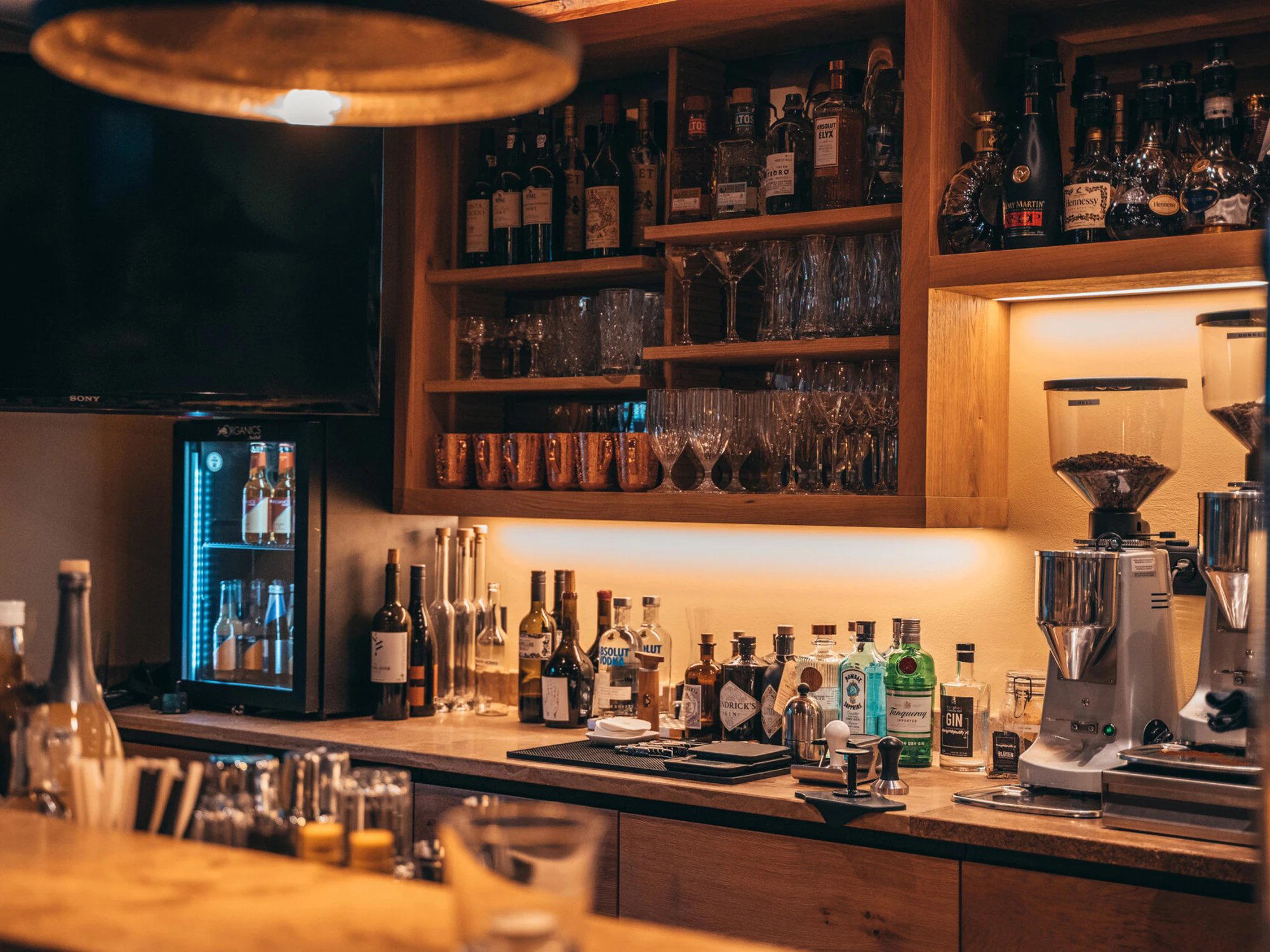
Hotels in Gsies
Browse all →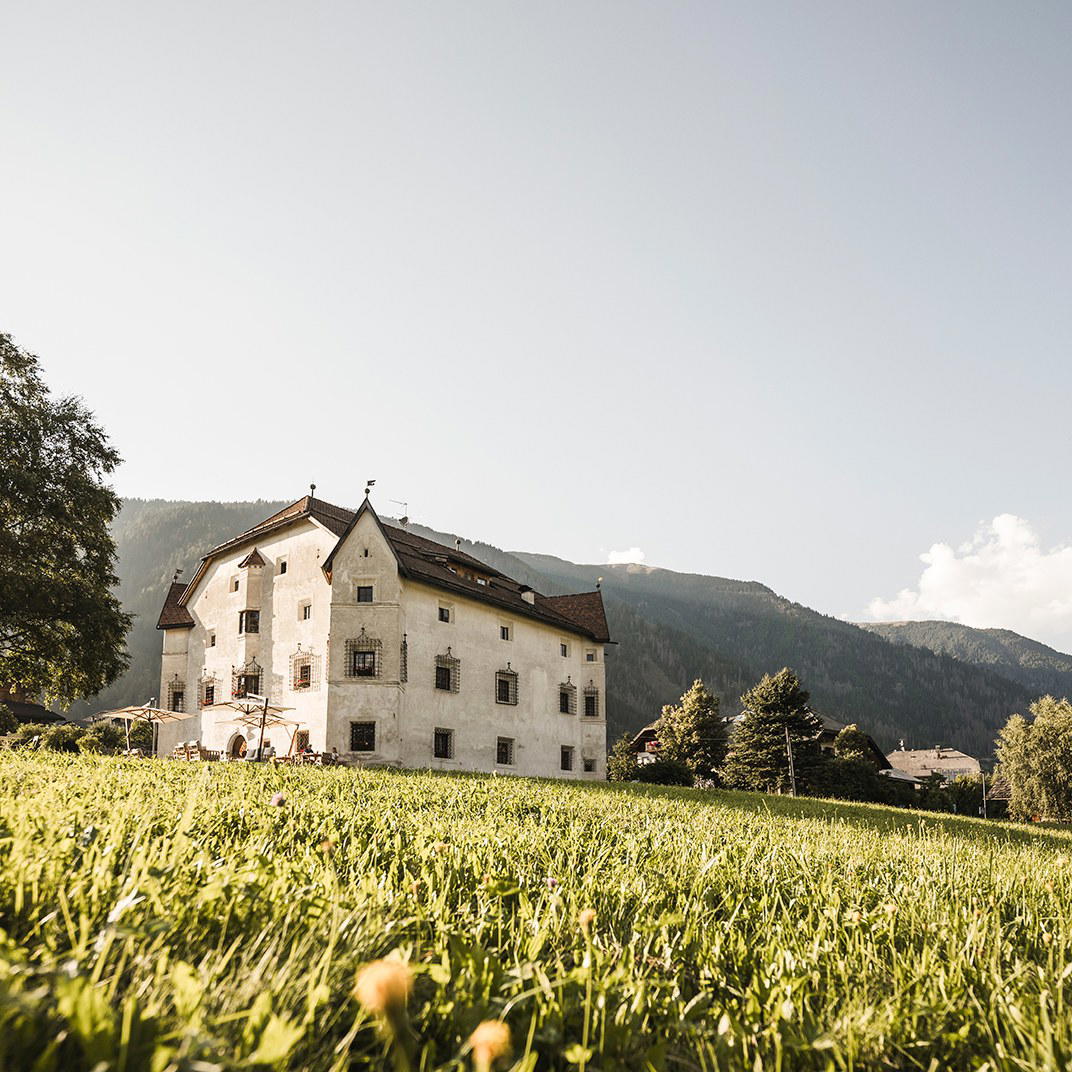
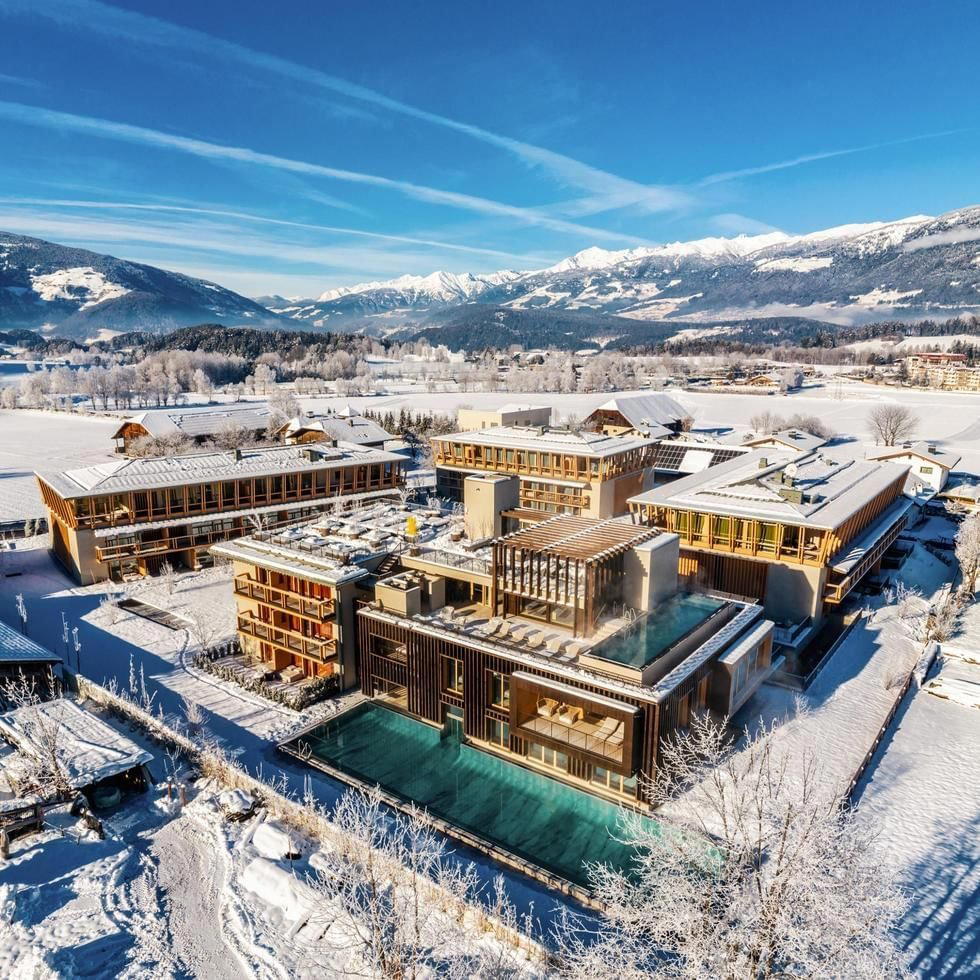
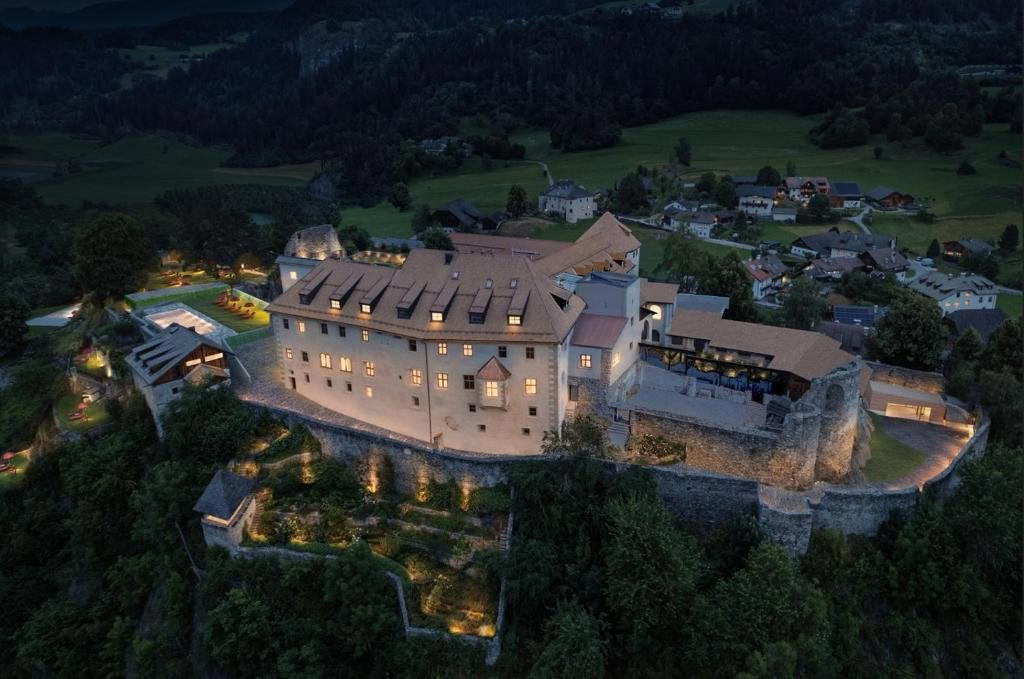
Wineries in Gsies
Browse all →
Details
- Cozy
- Rustic
- Scenic
- Elegant
- Family
- Celebration
- Group Dining
- Terrace
- Garden
- Extensive Wine List
- Local Sourcing
- Mountain
- Garden
- A La Carte
- Wine
- Vegetarian Friendly
- Gluten Free Options
Current opening hours
- Monday
- Closed
- Tuesday
- 12–2 PM, 7–9 PM
- Wednesday
- 12–2 PM, 7–9 PM
- Thursday
- 12–2 PM, 7–9 PM
- Friday
- 12–2 PM, 7–9 PM
- Saturday
- 12–2 PM, 7–9 PM
- Sunday
- 12–2 PM
Hours can change for holidays and private events. Hours as of .
Warm and inviting with sunlight through generous windows on blonde woods, crisp linens, and cozy dining rooms offering serene valley views.