Adler Stube
Set in the South Tyrolean village of Niederdorf, Adler Stube draws on the Alpine farming traditions that define this corner of the Dolomites, where proximity to mountain pastures, forest foragers, and valley producers shapes what reaches the table. The restaurant sits within a culinary region that has produced some of northern Italy's most serious kitchen work, and its Stube setting carries the architectural gravity of centuries-old Alpine hospitality.
Pearl is the En Primeur Club membership app — saves, bookings, and concierge access live there. Same editors, same standards.
- Address
- Piazza Von Kurz, 3, 39039 Villabassa BZ, Italy
- Phone
- +39474745128
- Website
- hoteladler.com
- Directions
- Get directions
 Saves & bookings on Pearl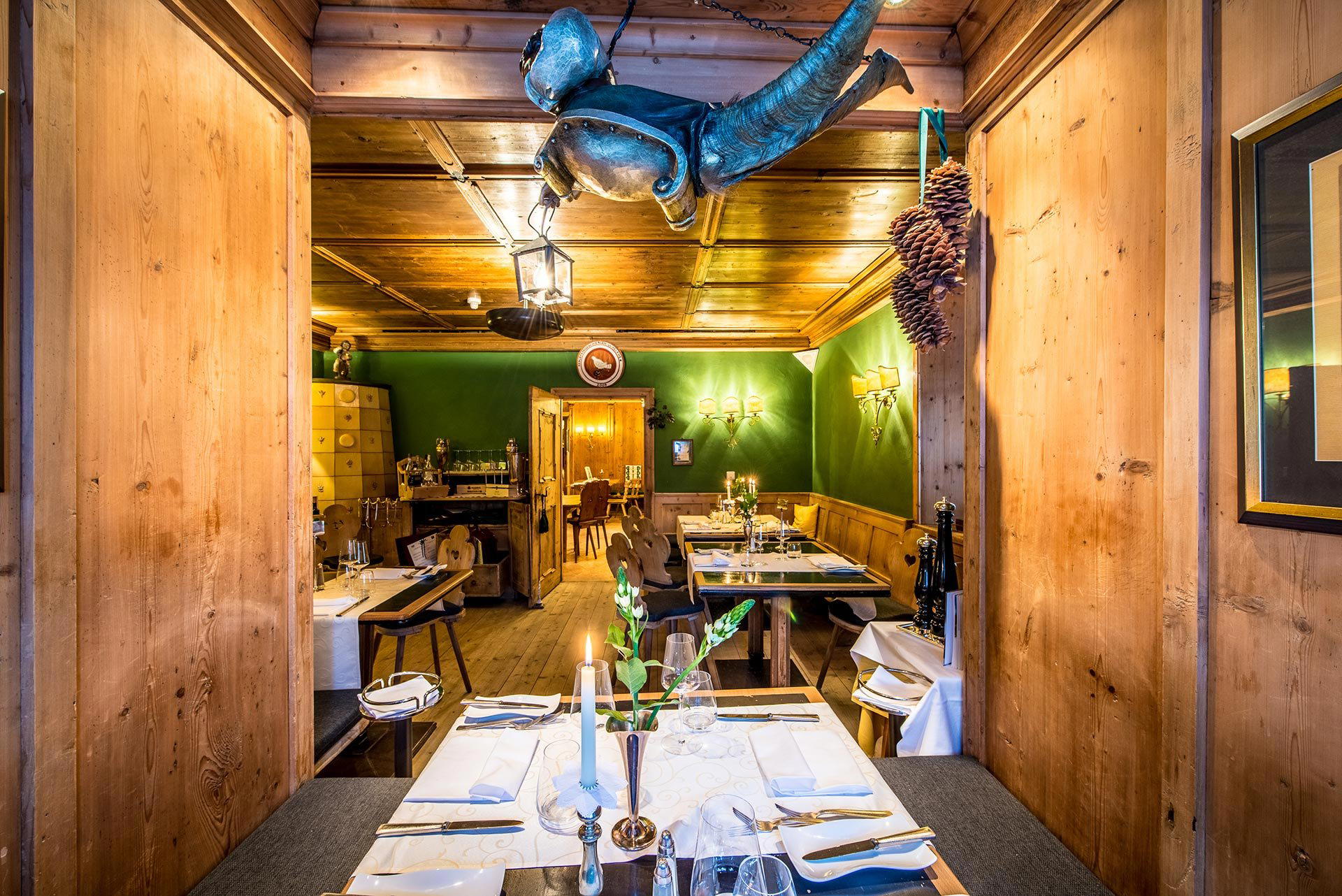
Where the Dolomites Meet the Plate
The Val Pusteria, the broad valley that connects Bruneck to the Austrian border and threads through villages like Niederdorf, operates on a different culinary logic than the rest of Italy. Here, the larder is defined less by olive groves and fishing ports and more by Alpine pasture, aged dairy, mountain game, rye cultivation, and the smoking and curing traditions that developed over centuries as practical responses to altitude and winter. Dining in this part of South Tyrol means engaging with an ingredient culture that has no direct equivalent in any other Italian region, and the Stube format, the panelled, low-ceilinged dining room rooted in Germanic Alpine architecture, is the physical container for that tradition.
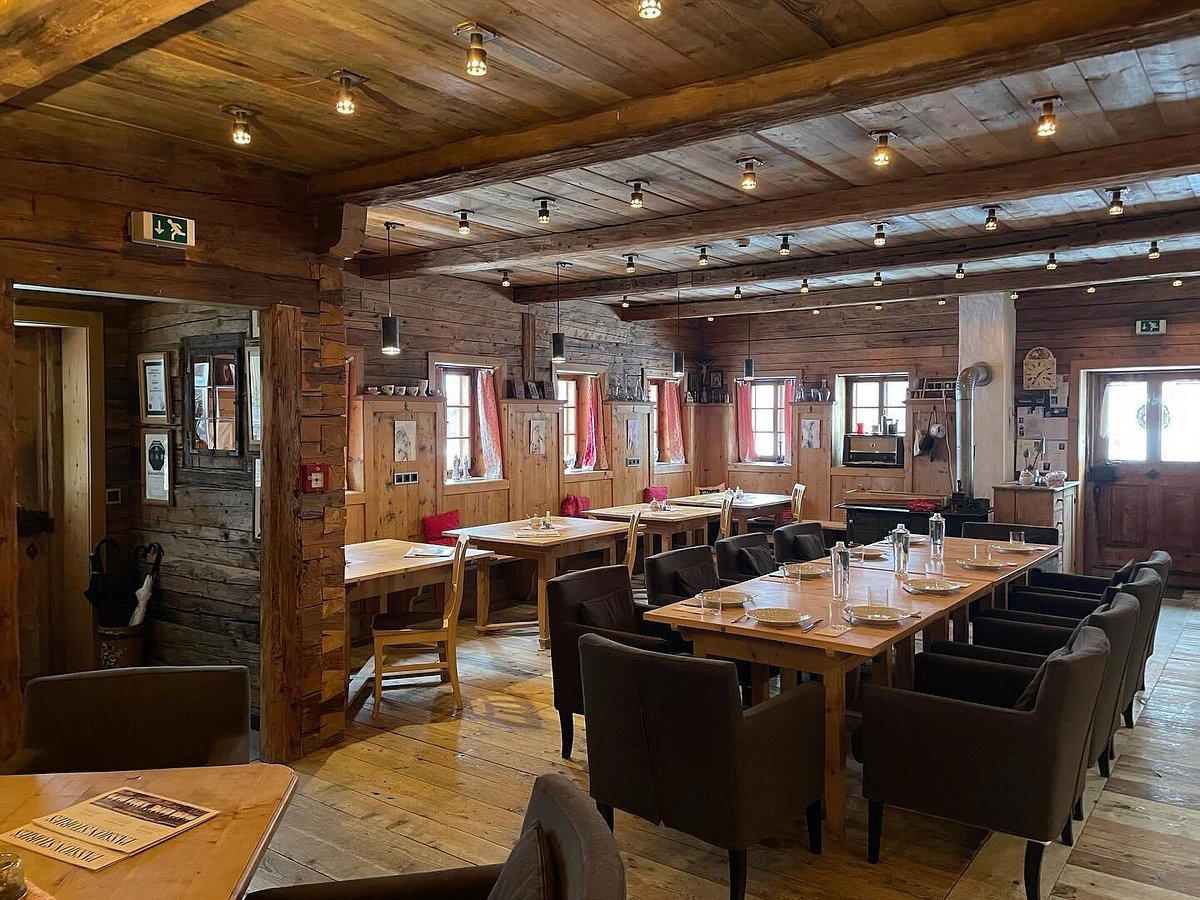
Adler Stube in Niederdorf sits within this context. The address, Piazza Von Kurz 3, places it in the village centre, and the room offers the enclosed warmth of carved timber that makes Alpine dining feel categorically different from anything you would find further south. The room itself does what good Stube design has always done, it creates a boundary between the cold outside and a specific, protected interior world.
Ingredient Geography: Why South Tyrol's Sourcing Matters
South Tyrol's restaurants have attracted sustained international attention over the past two decades, and ingredient sourcing is a large part of why. The region's producers operate at elevations and in microclimates that produce measurably different results: mountain cheeses with a complexity that reflects seasonal grazing patterns, speck made from local pigs and aged in valley air rather than industrial drying chambers, game from managed forests across the Dolomites, and wild herbs gathered from meadows above the treeline. These are not interchangeable commodity ingredients, and the kitchens that use them seriously treat sourcing as a technical decision with direct flavour consequences.
The Niederdorf area, specifically, sits at the heart of the Val Pusteria's agricultural corridor. Dairy farms on the valley floor and mountain pastures above supply a supply chain that is short by any European standard. For a kitchen working in the Stube format, that proximity enables a kind of menu coherence, where the ingredients reinforce the setting, and neither feels imported from somewhere else. This alignment between place, architecture, and produce is what separates serious Alpine dining from restaurants that simply use the Stube aesthetic as decoration.
To understand how rigorously this sourcing logic can be applied in northern Italy, it helps to look at the broader regional context. Atelier Moessmer Norbert Niederkofler in Brunico has built its entire programme around Alpine ingredient sourcing as a philosophical commitment, using only produce from mountain ecosystems and setting a benchmark that has influenced kitchens across the Dolomites. That influence is felt throughout South Tyrol, including in smaller village establishments that may not carry the same award profile but operate within the same regional ingredient logic.
South Tyrol in the Italian Fine Dining Framework
Italy's restaurant map at the serious end of the price spectrum is spread across multiple regional traditions, and South Tyrol occupies a specific and somewhat separate position from the country's other high-profile dining corridors. The grand northern Italian tables, Dal Pescatore in Runate, Le Calandre in Rubano, Casa Perbellini 12 Apostoli in Verona, work with Po Valley produce, freshwater fish, and the accumulated techniques of Veneto and Lombardy kitchens. Central Italian restaurants like Reale in Castel di Sangro draw from Apennine traditions. Coastal addresses like Uliassi in Senigallia, Quattro Passi in Marina del Cantone, and Gambero Rosso in Marina di Gioiosa Ionica answer to a seafood-centred discipline.
South Tyrolean kitchens belong to none of these traditions. They are closer, culturally and culinarily, to Tyrolean Austria than to Emilia-Romagna or Campania. The reference points are different, the preservation techniques are different, and the seasonal rhythms are different. Restaurants like Piazza Duomo in Alba or Osteria Francescana in Modena occupy a different lane entirely, as do Enoteca Pinchiorri in Florence, Enrico Bartolini in Milan, Da Vittorio in Brusaporto, Villa Crespi in Orta San Giulio, and La Pergola in Rome. All operate within the Italian fine dining framework but represent distinct regional traditions. South Tyrol's contribution to that framework is the one most directly shaped by Alpine geography, and Niederdorf sits squarely within it.
The Village Setting and What It Tells You
Niederdorf is a small market village rather than a resort town. It lacks the infrastructure density of Cortina d'Ampezzo or the spa-hotel scale of some Val Gardena centres. That character shapes what dining here tends to look like: more local in orientation, less likely to be calibrated primarily for international ski tourism, and more dependent on the rhythms of the valley's own population and the slow-travel visitors who seek out smaller communities over resort clusters.
For travellers arriving from outside the region, one practical approach to Niederdorf is via the Val Pusteria rail line, which connects Bruneck and Fortezza and makes the village accessible without a car. The village itself is compact enough to cover on foot. Given that reservations are recommended, contacting the restaurant directly before visiting is sensible, particularly outside the main summer and winter seasons when Alpine village restaurants sometimes adjust schedules significantly.
Broader Eating in Niederdorf and the Region
Niederdorf is one reference point within a valley that rewards exploration. The Val Pusteria's proximity to Brunico, home to Atelier Moessmer, makes it possible to combine a village-level Stube experience with a more formally structured contemporary Alpine tasting menu within a single short trip.
For context on what ingredient-led ambition looks like at the highest level of Italian kitchen discipline, the contrast with coastal-focused work underscores how distinctly landlocked, altitude-driven, and preservation-focused South Tyrolean cuisine remains.
Quick Comparison
Comparable venues nearby, for context on price, style, and recognition.
| Venue | Cuisine | Price | Notes |
|---|---|---|---|
| Adler StubeThis venue — the venue you are viewing | Modern Tyrolean-Italian | $$$ | Not listed |
| Meteo | Modern Northern Italian with Mediterranean Influences | $$$ | Winterpromenade |
| THEDL | South Tyrolean Italian | $$$ | Partschins |
| Pirbamer | Modern Northern Italian | $$$ | Auna di Sotto |
| 4 Sajons | Seasonal South Tyrolean Fine Dining | $$$ | Ortisei |
| Zolin | Traditional Italian Trattoria | $$$ | Sandrigo |
Continue exploring
More in Niederdorf
Restaurants in Niederdorf
Browse all →
Bars in Niederdorf
Browse all →
Hotels in Niederdorf
Browse all →
Wineries in Niederdorf
Browse all →
At a Glance
- Cozy
- Rustic
- Classic
- Intimate
- Date Night
- Special Occasion
- Historic Building
- Hotel Restaurant
- Extensive Wine List
Homely and cozy atmosphere with rustic wood paneling, 16th-century ceilings, warm tiled stove, and soft lighting creating an authentic Tyrolean lounge feel.