Pedrocchino occupies a corner of Piazza IV Novembre in Sacile, a small Friulian city where the agricultural hinterland and the Livenza river have shaped a quiet but serious food culture. The address alone signals something about priorities: a town square rather than a tourist strip, in a region where provenance and locality tend to matter more than reputation management.
Pearl is the En Primeur Club membership app — saves, bookings, and concierge access live there. Same editors, same standards.
- Address
- IL PEDROCCHINO, Piazza IV Novembre, 4, 33077 Sacile PN, Italy
- Phone
- +393943470034
- Website
- ilpedrocchino.com
- Directions
- Get directions
 Saves & bookings on Pearl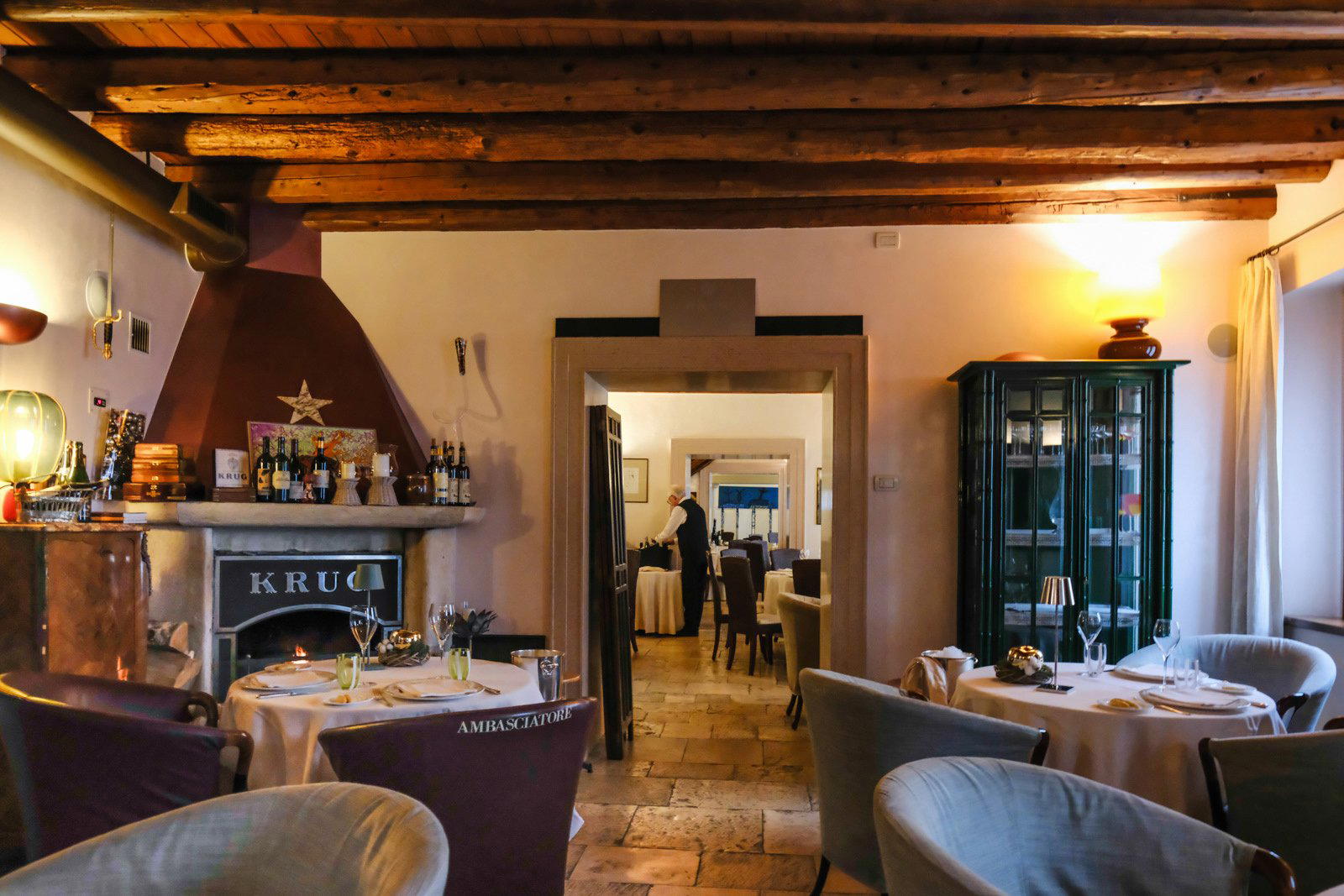
Sacile and the Friulian Ingredient Tradition
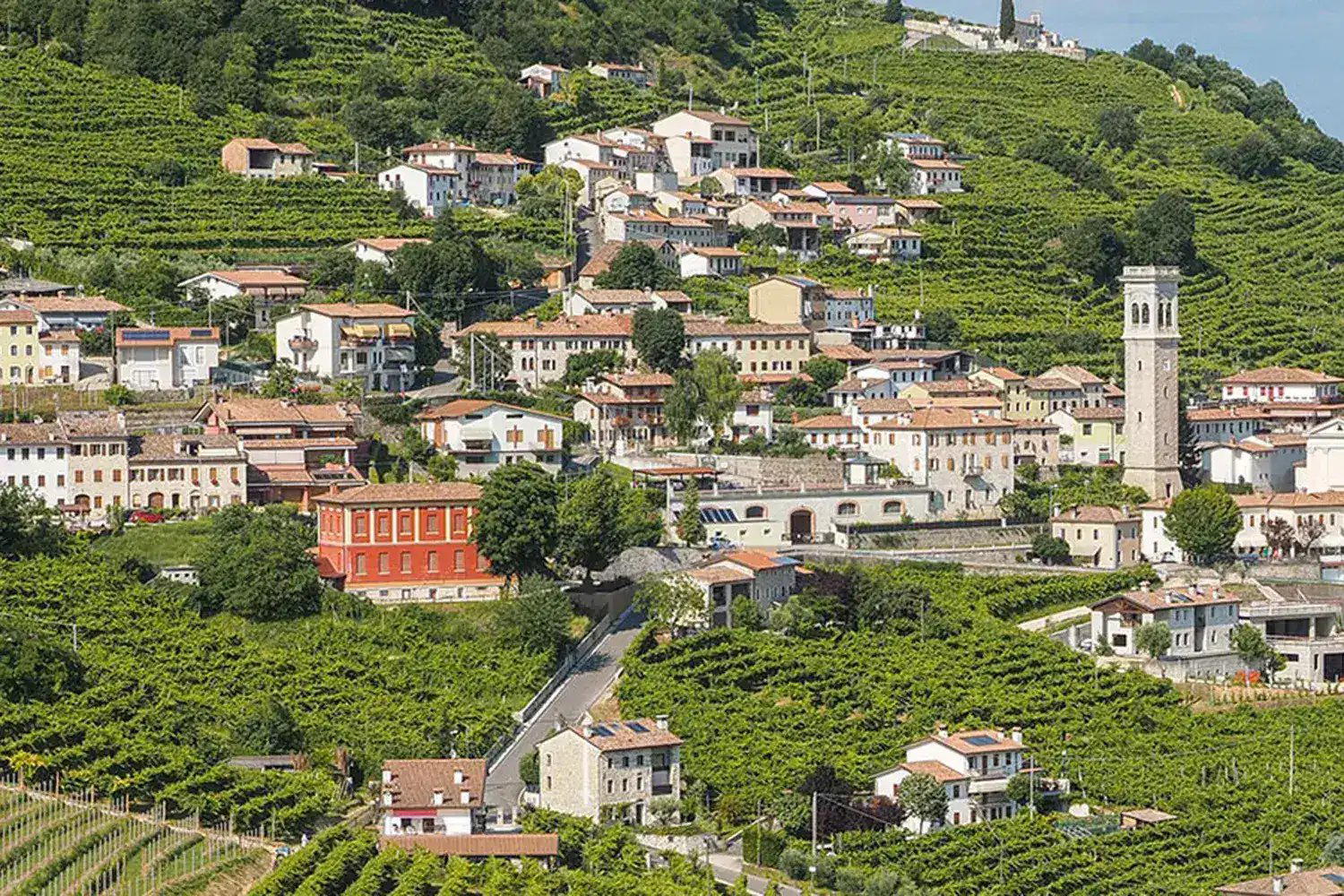
The northeastern corner of Italy that Friuli-Venezia Giulia occupies does not announce itself loudly in the way that Piedmont or Emilia-Romagna do. There are no single-region brands as dominant as Barolo or Parmigiano-Reggiano pulling international attention toward the area. What there is instead is a dense, precise agricultural culture: San Daniele prosciutto cured in the cool air of the Carnia foothills, Montasio cheese produced across the lowland plains, white asparagus from Tavagnacco, and the kind of freshwater fish traditions that follow river valleys rather than coastlines. This is the context in which a restaurant on Piazza IV Novembre in Sacile operates, and it matters more than any single menu item.
Sacile itself sits in the Pordenone province, roughly midway between Venice and the Julian Alps. The Livenza river cuts through the historic centre, and the town's medieval piazza has given it a durable local identity that tourism has never particularly disrupted. It is a working Friulian town rather than a destination in the conventional sense, and its restaurants tend to reflect that orientation: they are built around local producers and local clientele before they are built around external recognition. That arrangement tends to produce a different kind of dining than you find in cities calibrated toward visiting critics and guide inspectors.
What Piazza IV Novembre Signals
Pedrocchino's address on Piazza IV Novembre is worth paying attention to. Town-square restaurants in small Italian cities occupy a specific social role: they are the places where the community actually eats, not just where visitors are directed. That positioning implies a certain accountability to regulars that destination restaurants are never quite subject to. The kitchen has to be consistent because the same faces return week after week, and the sourcing has to be dependable because the local clientele knows exactly what the season should taste like and what the regional producers are capable of delivering.
This is a different competitive logic than the one at work at multi-starred restaurants further south and west in Italy. Restaurants like Le Calandre in Rubano, Dal Pescatore in Runate, or Osteria Francescana in Modena operate within a global attention economy and price and present themselves accordingly. The benchmark at those addresses is international peer comparison. The benchmark at a piazza restaurant in a small Friulian town is the accumulated knowledge of regular guests who have eaten their way through the season's produce for decades.
Ingredient Geography in Friuli
The sourcing argument for northeastern Italian cooking has become sharper over the past decade as the region's producers have attracted more attention from chefs further afield. The Tagliamento and Livenza river plains support a style of small-scale mixed farming that has largely disappeared from more industrialised agricultural zones of Italy. This means that kitchens in the area have access to ingredients that their counterparts in larger cities are actively seeking out and importing at considerable cost and time lag.
The proximity to both Alpine and Adriatic supply chains also gives Friulian cooking a broader palette than its modest national profile suggests. Freshwater fish from the river systems, game from the foothills, cured meats from the Carnia valleys, and shellfish accessible within a reasonable distance of the Adriatic coast all sit within reach of a kitchen in Sacile. The season determines the emphasis, and kitchens that have built relationships with local suppliers over years rather than months tend to get access to the better material before it reaches the wholesale markets. That relationship-based sourcing model is the defining structural advantage of restaurants embedded in small regional communities rather than positioned in major food capitals.
For comparison, consider how Atelier Moessmer Norbert Niederkofler in Brunico has built its entire identity around Alpine ingredient sourcing, or how Uliassi in Senigallia uses Adriatic proximity as its primary editorial frame. Both approaches reflect a broader Italian tendency to treat ingredient geography as the foundation of culinary identity rather than technique alone. A restaurant in Sacile inherits that same logic by geography, even if it operates at a quieter register than those more recognised addresses.
The Regional Dining Tier Pedrocchino Sits Within
Italy's dining culture has always maintained a strong middle tier between neighbourhood trattoria and destination fine dining, and the Veneto-Friuli corridor has historically been where some of that tier operates at its most consistent. These are not the kind of restaurants that attract attention from Enoteca Pinchiorri in Florence or La Pergola in Rome as peer comparisons. They operate in a different register, one where the kitchen's credibility is measured by its relationship to the immediate agricultural zone rather than by international tasting menus or starred recognition.
That tier includes places like Casa Perbellini 12 Apostoli in Verona, which sits at the more formally recognised end of the northeastern spectrum, and a broad range of less-documented restaurants in smaller Veneto and Friulian towns that serve their communities with the same consistency. Pedrocchino, at its piazza address in Sacile, belongs to the geography of the latter group. The full Sacile restaurants guide covers the wider context of how the town's dining scene fits into this regional pattern.
Planning a Visit
Sacile is accessible by train from both Venice and Trieste, sitting on the main Udine line, which makes it a feasible day trip or a stopping point on a longer northeastern Italy route. The piazza address means Pedrocchino is within walking distance of the historic centre and the Livenza bridges. Reservations are recommended, and the restaurant's smart casual dress code suits a direct piazza meal in Sacile. Pedrocchino is closed Monday; Tuesday through Friday it serves lunch from 12 to 2 PM and dinner from 7:30 to 10:30 PM, Saturday lunch runs 12 to 3 PM with dinner from 7:30 to 10:30 PM, and Sunday lunch runs 12 to 2 PM.
At-a-Glance Comparison
Comparable venues nearby, for context on price, style, and recognition.
| Venue | Cuisine | Price | Notes |
|---|---|---|---|
| PedrocchinoThis venue — the venue you are viewing | Modern Venetian Seafood | $$$ | Not listed |
| Al Castelletto | Traditional Trevisan Osteria | $$$ | Pedeguarda di Follina |
| Alla Rivetta | Traditional Venetian Seafood Trattoria | $$$ | Castello |
| Osteria Da Carla | Modern Venetian Osteria | $$$ | San Marco |
| Ombra del Leone | Classic Venetian Seafood | $$$ | San Marco |
| Salis | Modern Italian Fine Dining | $$$ | Valdobbiadene |
Continue exploring
More in Sacile
Restaurants in Sacile
Browse all →
Bars in Sacile
Browse all →
Hotels in Sacile
Browse all →
At a Glance
- Elegant
- Romantic
- Cozy
- Date Night
- Business Dinner
- Private Event
- Historic Building
- Private Dining
- Courtyard
- Extensive Wine List
- Local Sourcing
Current opening hours
- Monday
- Closed
- Tuesday
- 12–2 PM, 7:30–10:30 PM
- Wednesday
- 12–2 PM, 7:30–10:30 PM
- Thursday
- 12–2 PM, 7:30–10:30 PM
- Friday
- 12–2 PM, 7:30–10:30 PM
- Saturday
- 12–3 PM, 7:30–10:30 PM
- Sunday
- 12–2 PM
Hours can change for holidays and private events. Last verified .
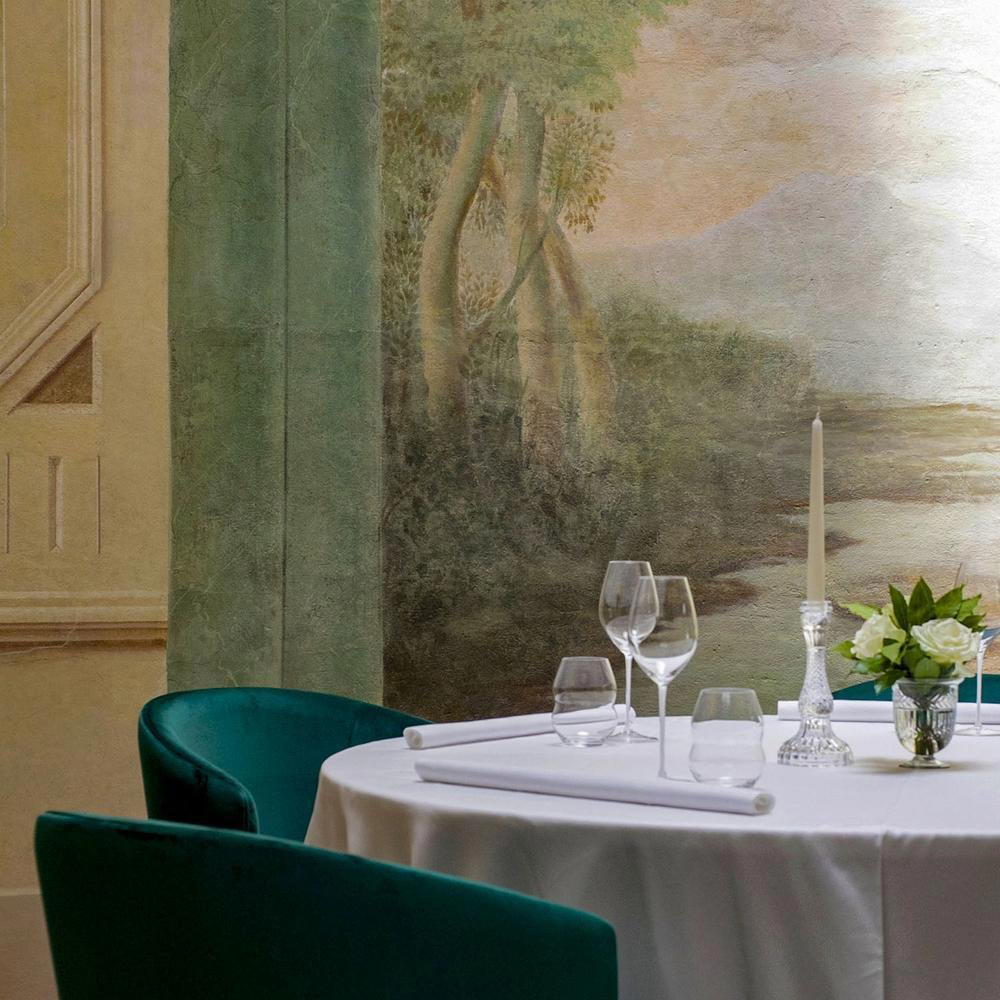
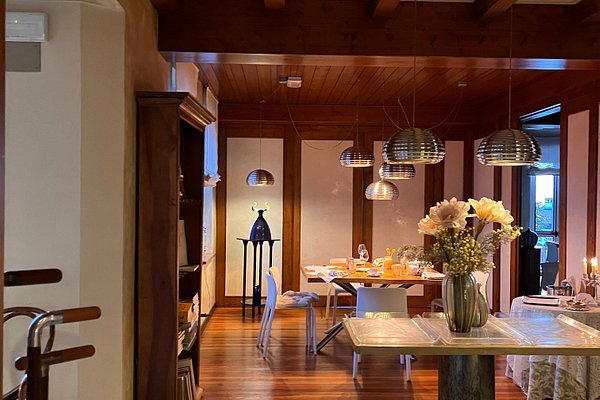
Warm and welcoming interior of old Veneto-Friuli patrician house with exposed beam ceilings and inner courtyard garden.