

Michelin Plate · Tabelog 100 #72
Our verdict
A Michelin Plate–recognised Sichuan address in Tsukiji that keeps its price point at ¥¥ while delivering a prix fixe format built around original combinations, steamed spicy chicken with liver pâté, fried egg and crab, shrimp chili made with whole large prawns. Weekday lunches compress the kitchen's range into a twice-cooked pork and dandan noodle set. Queue times form during peak service.

Pearl is the En Primeur Club membership app, where members save venues, book tables and use the concierge.
The menu
What to order
- Drooling Chicken
- Shirako Mapo Tofu
- Steamed Spicy Chicken with Liver Paté
- Dandan Noodles
- Twice-Cooked Pork
Sichuan in Tokyo's Mid-Market: A Different Kind of Heat
Tokyo's Chinese restaurant scene has long split along a familiar fault line. At one end sit the grand Cantonese dining rooms, places like Chugoku Hanten Kohakukyu (Amber Palace) and Chugoku Hanten Fureika, operating at ¥¥¥¥ price points with full ceremony. At the other sit the neighbourhood Sichuan canteens that prioritise volume and heat over precision. Tokyo Chinese Ichirin occupies the narrower middle band: a ¥¥ Sichuan address in Tsukiji that holds a Michelin Plate for 2024 and 2025 and takes its format seriously without inflating its cover charge.
The Michelin Plate designation, awarded to restaurants that deliver good cooking without reaching the star tier, positions Ichirin in a specific cohort, venues where the guide's inspectors found something worth noting but where the restaurant isn't competing on the same terms as a Ippei Hanten or a kaiseki room like Koshikiryori Koki.
Mellow Spiciness as a Technical Position
Sichuan cooking in Japan has a complicated relationship with the source tradition. The málà profile, numbing and hot in combination, gets softened for local palates at many Tokyo addresses, sometimes to the point where the cuisine loses its structural character. Ichirin's documented approach takes a different stance: the kitchen strives for mellow spiciness, which reads less as a concession to local preference and more as a deliberate calibration. Spiciness as texture and depth rather than as shock, the logic is closer to how Sichuan cooks in Chengdu talk about layering than it is to the Tokyo habit of dialling heat down wholesale.
That technical framing shows up most clearly in the evening prix fixe. The pairing of steamed spicy chicken with liver pâté is the most discussed combination, two proteins with contrasting textures placed against each other, the fat of the pâté acting as a counterweight to the spiced poultry. This kind of pairing has no obvious precedent in classical Sichuan or in Japanese Chinese cooking conventions, which makes it a genuine editorial point rather than a routine menu note. The kitchen is doing something structurally original at a price point where originality is rare.
The À La Carte Logic
The recommendation to add à la carte items to the prix fixe is built into the way the menu is positioned. Two items appear frequently in documentation: shrimp chili sauce made with whole large shrimp, and fried egg and crab described as airy as a soufflé. Both of these point to a kitchen interested in lightness, not the heaviness that Sichuan cooking sometimes carries when the oil-based sauces dominate.
The shrimp chili preparation with whole prawns rather than chopped or minced shellfish signals a prioritisation of ingredient integrity that sits closer to Japanese technique than to Chinese-restaurant norms. The crab-and-egg dish, with its soufflé-like texture, places the kitchen in conversation with Chinese egg-white techniques that require precise heat control. Neither dish is a standard Sichuan offering; both require a level of execution that justifies the Michelin recognition.
For comparison across China-influenced dining in major international cities, Mister Jiu's in San Francisco and Restaurant Tim Raue in Berlin represent different national interpretations of where Chinese cooking goes when it operates in a non-Chinese culinary context. Tokyo's version, at Ichirin's price tier, is less experimental in concept but more grounded in the source tradition.
Weekday Lunches and Format Discipline
The weekday lunch format, a set menu of twice-cooked pork and dandan noodles, operates as a separate entry point from the evening programme. Twice-cooked pork (huí guō ròu) is one of the canonical Sichuan dishes, dependent on a two-stage cooking process that produces crisp, slightly chewy pork belly with a fermented doubanjiang-based sauce. Dandan noodles bring the sesame and Sichuan pepper profile that defines the city's noodle identity. These are high-craft dishes when executed well, and choosing them as the lunch anchor rather than more accessible pan-Asian alternatives signals a kitchen that wants its midday service taken as seriously as its evening one.
The lunch format also serves a practical function: it offers a lower-risk entry point for first visits before committing to the evening prix fixe and its à la carte additions. Given that queues form during peak service, an occupancy signal at a restaurant without a stated booking capacity in the public record, arriving at lunch outside standard peak hours (roughly 12:00–13:30 on weekdays) likely reduces wait times.
Tsukiji Context
Address in Chuo City's Tsukiji district carries some weight as context. Tsukiji's reputation as a food neighbourhood predates and outlasts the wholesale fish market relocation; the area retains a density of serious eating establishments that give it continued credibility as a destination rather than a transit stop. A Sichuan restaurant holding Michelin recognition at a ¥¥ price point in Tsukiji fits a neighbourhood pattern of high-quality, accessible dining that has always distinguished the area from the more expensive enclaves of Ginza (a ten-minute walk west) or Nihonbashi.
For those organising a broader Tokyo dining itinerary, itsuka offers a different register of precision cooking in the city. Further afield, HAJIME in Osaka, Gion Sasaki in Kyoto, akordu in Nara, Goh in Fukuoka, 1000 in Yokohama, and 6 in Okinawa represent the range of serious dining available across Japan for those extending beyond the capital. EP Club's full Tokyo restaurants guide covers the wider field, alongside guides to hotels, bars, wineries, and experiences across the city.
Planning Your Visit
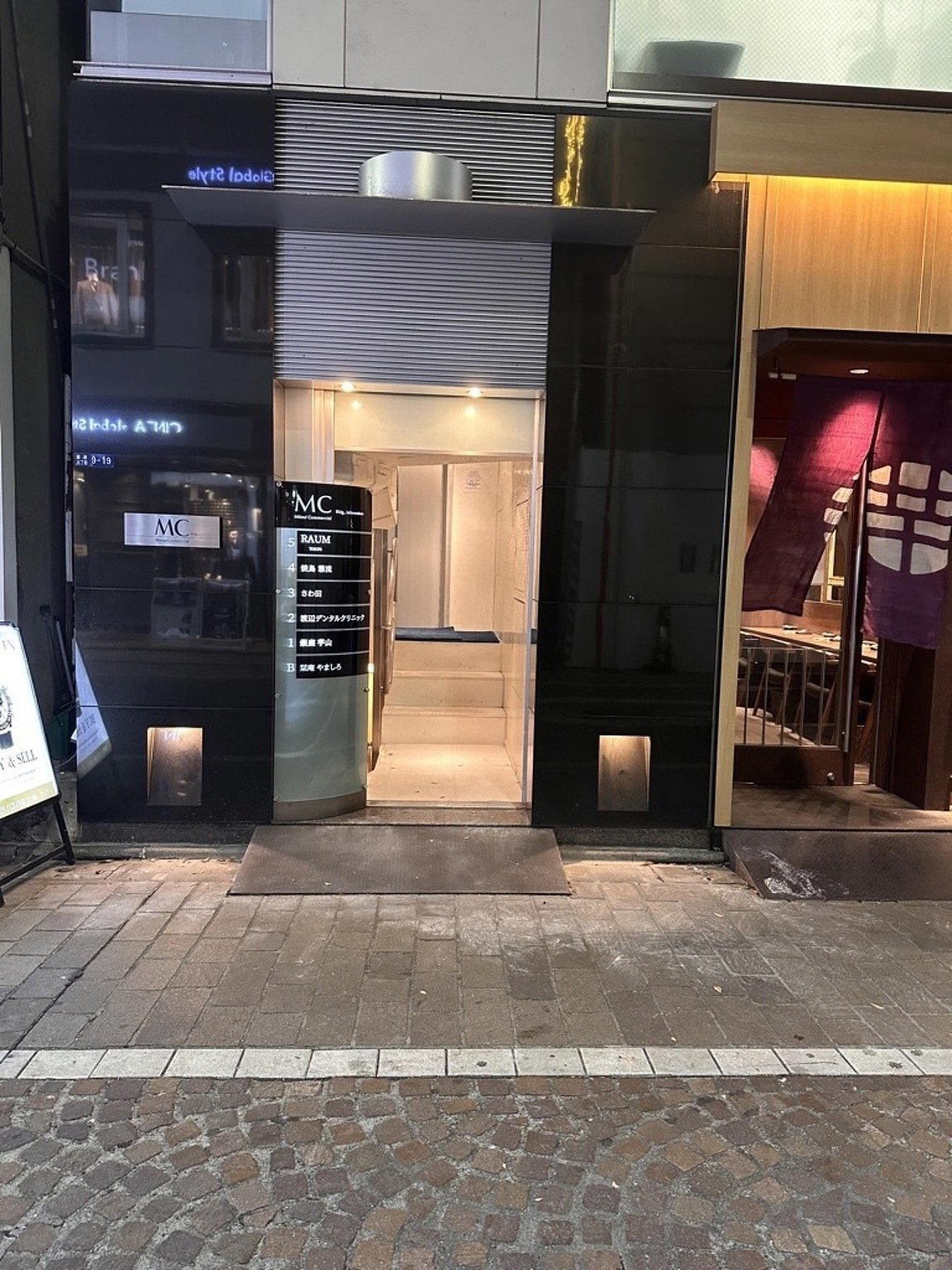
Ichirin sits at 1 Chome-5-8 Tsukiji, Chuo City, Tokyo, on the ground floor of the Hiizumi Building. No booking method is documented in the public record, which combined with the queue formation note suggests walk-in is the primary access mode, particularly for lunch. Evening visits, especially for the prix fixe, may warrant arriving early in the service rather than at peak hours. The ¥¥ price range places this well below the ¥¥¥¥ tier occupied by starred contemporaries, making it one of the few Michelin-recognised Chinese addresses in Tokyo accessible without a reservation budget to match.
Frequently asked questions
What should I eat at Tokyo Chinese Ichirin?
The evening prix fixe is the primary format and includes the steamed spicy chicken with liver pâté pairing, which represents the kitchen's most original work. Add the shrimp chili sauce with whole large prawns and the fried egg and crab if the format allows, both are flagged as dishes that demonstrate the kitchen's technical range. The weekday lunch set (twice-cooked pork and dandan noodles) is the right choice if you're visiting for the first time at midday.
How far ahead should I plan for Tokyo Chinese Ichirin?
No advance booking infrastructure appears in the public record, which at a ¥¥ Michelin Plate address in Tsukiji typically means walk-in with variable waits. Queue formation is documented, particularly during peak lunch and dinner service. For weekday lunches, arriving before 12:00 or after 13:30 reduces the likelihood of a wait. Evening visits benefit from arriving at the opening of service.
What is Tokyo Chinese Ichirin leading at?
The kitchen's documented strength is Sichuan cooking calibrated for depth rather than raw heat, at a price point where that level of precision is uncommon. The Michelin Plate (2024 and 2025) confirms consistency. Within Tokyo's Chinese restaurant field, which ranges from ceremonial Cantonese rooms at ¥¥¥¥ to neighbourhood stir-fry operations, Ichirin holds a specific position: structured prix fixe format, original dish combinations (the liver pâté pairing in particular), and technique-led à la carte items that reward attention. That combination of format discipline and culinary originality at ¥¥ is the clearest summary of where the restaurant delivers.
Peers Worth Knowing
| Venue | Cuisine | Price | Awards | Notes |
|---|---|---|---|---|
| Tokyo Chinese IchirinThis venue (the venue you are viewing) | Modern Sichuan | $50–100 | Michelin Plate · Tabelog 100 #72 | Not listed |
| Harutaka | Edo-Style Omakase Sushi | $200–300 | 3 Michelin Stars · World's 50 Best #76 | Sushi |
| RyuGin | Modern Kaiseki | $500+ | 3 Michelin Stars · World's 50 Best #41 | Kaiseki, Japanese |
| L'Effervescence | Modern French with Japanese Influences | $200–300 | 3 Michelin Stars · World's 50 Best #69 | French |
| HOMMAGE | Modern French with Japanese Influences | $150–200 | 2 Michelin Stars · World's 50 Best #78 | Innovtive French, French |
| MAZ | Innovative Peruvian-Japanese Fusion | $150–200 | 2 Michelin Stars · World's 50 Best #28 | Innovative |
Recognition history
Dated appearances from independent guides and award organizations, with the underlying list record or original source where available.
Michelin Plate
Michelin
Tabelog 100 #72 · No. 72
Tabelog · Tabelog 100 - Chinese cuisine - TOKYO - 2026
Full recognition history (4 entries)
Michelin Plate
Michelin
Michelin Plate
Michelin
Continue exploring
More in Tokyo
Restaurants in Tokyo
All restaurants in Tokyo →





Details
- Modern
- Lively
- Business Dinner
- Group Dining
- Solo
- Open Kitchen
- Craft Cocktails
- Local Sourcing
- Prix Fixe
- A La Carte
- Set Menu
- Wine
- Cocktails
- Chinese Liquor
- Vegetarian Friendly
Current opening hours
- Monday
- 12–2:30 PM, 6–7:30 PM
- Tuesday
- Closed
- Wednesday
- Closed
- Thursday
- 12–2:30 PM, 6–7:30 PM
- Friday
- 12–2:30 PM, 6–7:30 PM
- Saturday
- 12–2:30 PM, 6–7:30 PM
- Sunday
- 12–2:30 PM, 6–7:30 PM
Hours can change for holidays and private events. Hours as of .
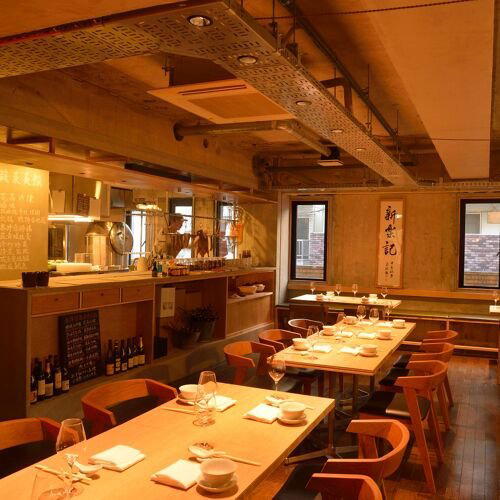
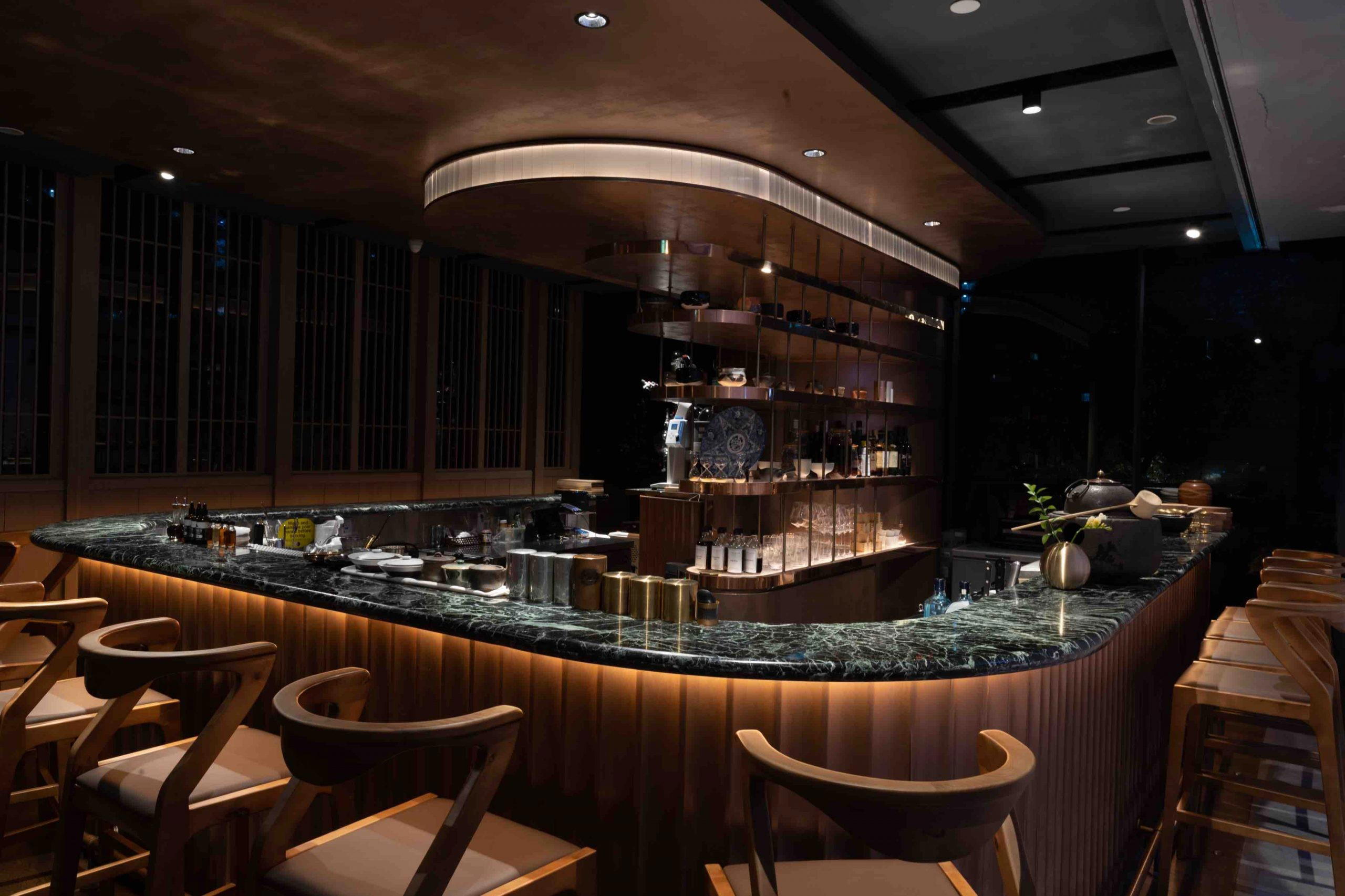
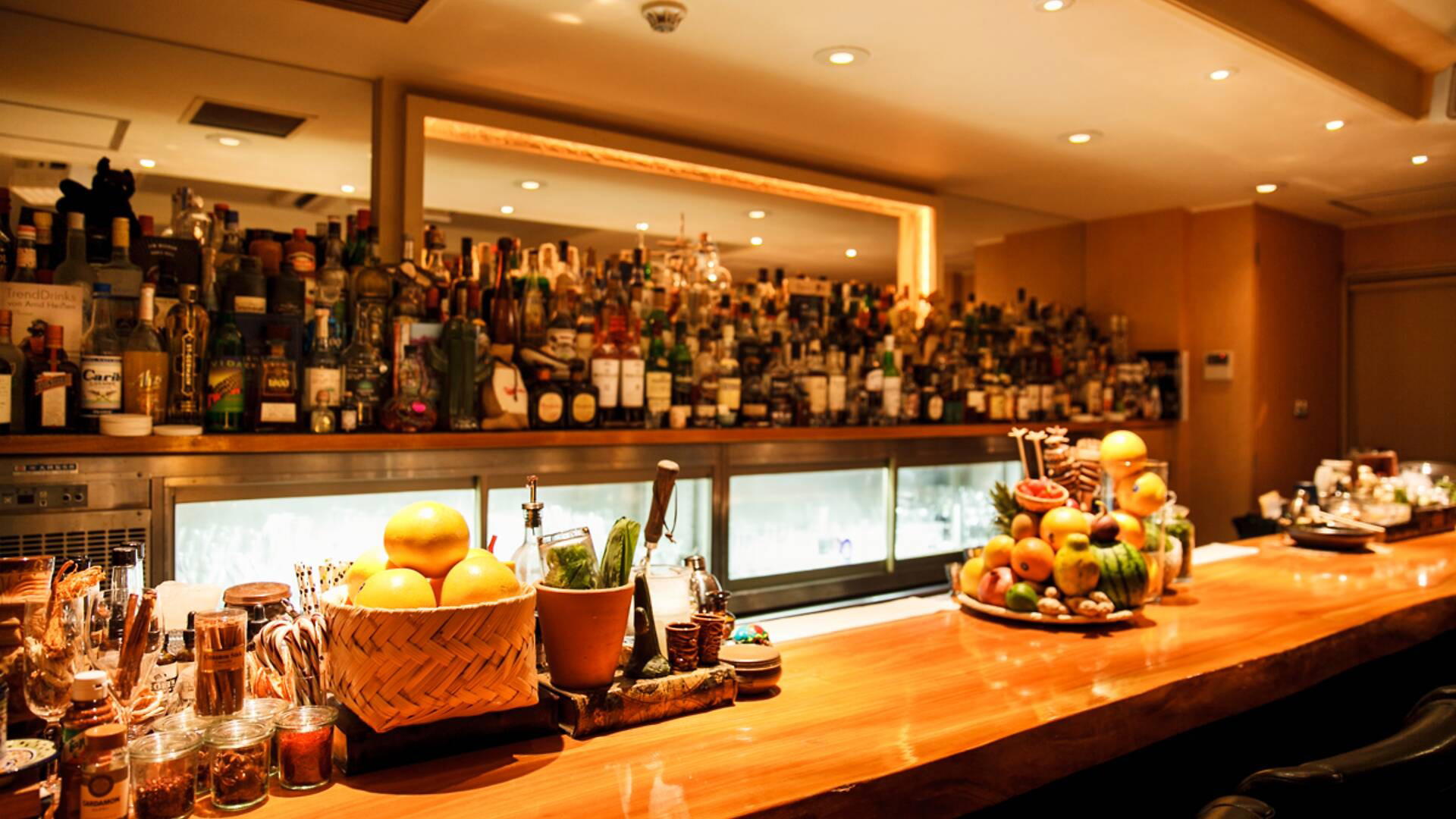
Clean, modern interior with counter seating overlooking the open kitchen and table seating in the back; simple yet sophisticated atmosphere with an energetic, bustling lunch service.