Darwisch
Darwisch sits on Rohrbacher Strasse in Heidelberg's southern residential corridor, a stretch that draws a local rather than tourist crowd. Positioned among a city that ranges from high-concept European cooking at Oben to casual international plates at Chambao, it occupies a distinct niche in Heidelberg's dining mix — one worth understanding before you book.
Pearl is the En Primeur Club membership app — saves, bookings, and concierge access live there. Same editors, same standards.
- Address
- Rohrbacher Str. 22, 69115 Heidelberg, Germany
- Phone
- +496221619333
- Website
- darwisch.com
- Directions
- Get directions
 Saves & bookings on Pearl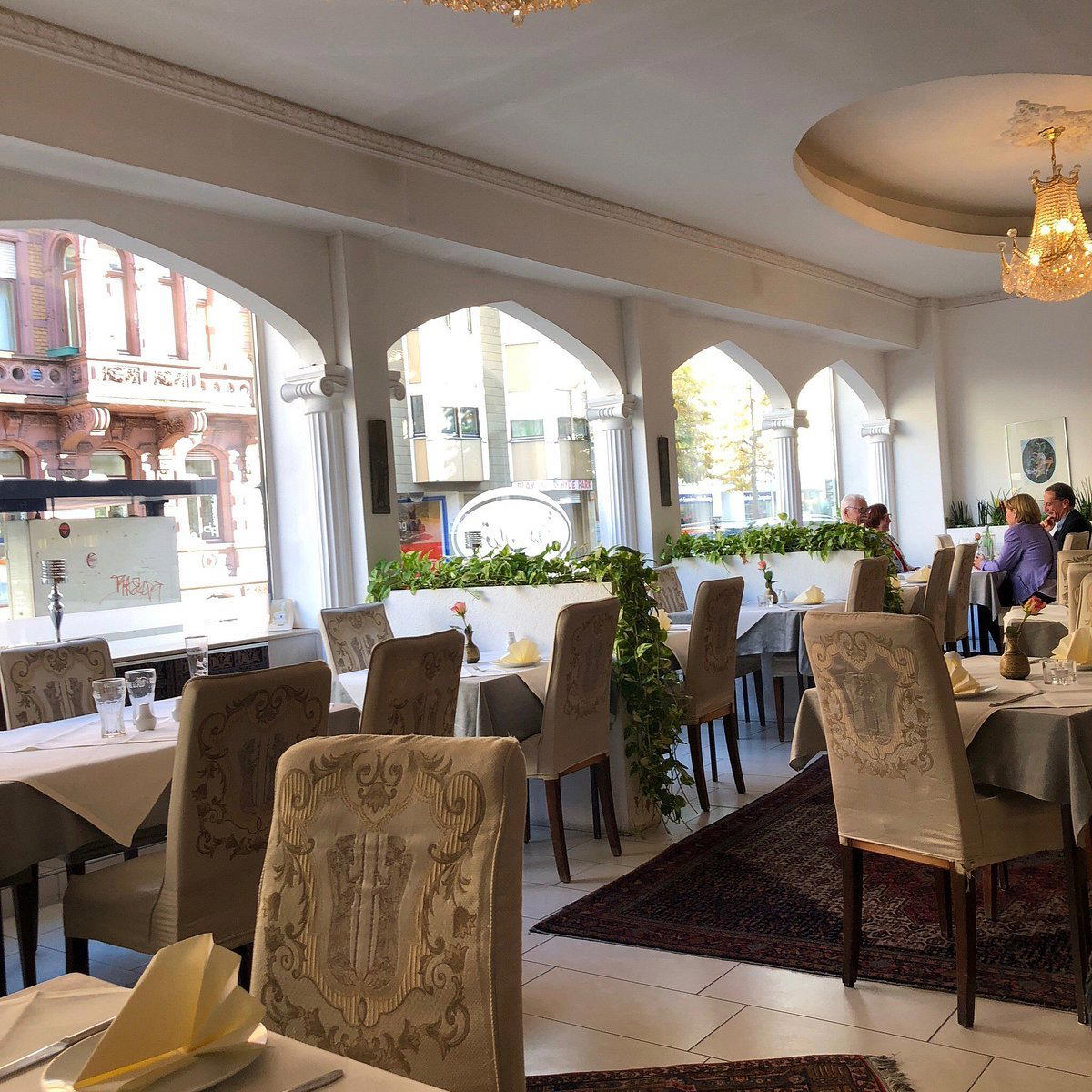
A Street That Feeds the City, Not the Postcard
Rohrbacher Strasse runs south from Heidelberg's Bismarckplatz toward the university hospital district, carrying a character quite different from the pedestrianised Altstadt a kilometre north. The restaurants and cafes along this corridor serve residents, students, and hospital staff rather than the Rhine-valley tourists who cluster around the castle viewpoints and the Hauptstrasse. That context matters when placing Darwisch. At number 22, it occupies a position on one of the city's more functional arteries — the kind of address that filters out casual walk-in traffic and builds, instead, on neighbourhood repetition and word-of-mouth among people who eat here regularly rather than once.
Heidelberg's dining scene splits fairly cleanly between its tourist-facing centre and its residential periphery. The Altstadt and Neuenheim bank carry the higher-profile rooms: Oben (Modern European, Creative) at the upper tier, 959 (Contemporary) in the middle, and the International plates of Chambao for a more casual register. Rohrbacher Strasse belongs to a different circuit — one where the crowd is more mixed, the atmosphere less curated, and the relationship between kitchen and regular guest more direct.
What the Location Signals About the Experience
Neighbourhood restaurants in German university cities tend to operate on a different logic than destination dining rooms. The pressure to perform for a tourist audience, or to signal status through interior design and tasting-menu architecture, is largely absent. What replaces it is consistency: a kitchen that needs to satisfy the same postcode week after week has less room for theatrical misfires and more incentive to get the fundamentals right. That structural difference, neighbourhood accountability over destination spectacle, is worth keeping in mind when reading Darwisch against the broader Heidelberg picture.
The name itself signals Middle Eastern or Levantine heritage (Darwisch, or dervish, carries resonance across Persian, Arabic, and Turkish cultural traditions), which would place it within a category of cooking that has grown steadily in German cities over the past decade. Germany's larger dining markets, Berlin, Munich, Hamburg, have seen significant development in this tier, from casual falafel counters to more considered rooms drawing on the culinary depth of the Levant, Persia, and Anatolia. Heidelberg, smaller and more provincial, has a thinner version of that range, which means a well-executed address in this register can fill a gap the centre of town does not adequately cover.
Reading Heidelberg's Dining Tiers From the Outside In
To understand where Darwisch sits, it helps to map the city's dining tiers briefly. At the leading, Heidelberg connects to the broader Baden-Württemberg fine dining circuit that includes destinations like Schwarzwaldstube in Baiersbronn and, further afield, Vendôme in Bergisch Gladbach, rooms operating at a national level with the awards infrastructure to match. Below that, the city has a functional mid-market of regional and international cooking, with Akam's Heidelberg and [CANTINACCIA] among the options for guests who want something specific rather than generic. The neighbourhood tier, of which Darwisch is part, sits below this in price and profile but above the purely functional. It is where most Heidelberg residents actually eat most of the time.
That positioning matters for expectations. A visitor arriving at Rohrbacher Str. 22 from, say, Aqua in Wolfsburg or JAN in Munich should recalibrate their frame of reference entirely. This is not a room competing on tasting-menu ambition or sommelier program depth. It is competing on the ground-level question of whether a neighbourhood restaurant in a mid-sized German city can do justice to a cooking tradition with considerable range and depth.
The Broader Case for Levantine and Middle Eastern Cooking in Germany
The growth of Middle Eastern and Levantine dining in German cities reflects a demographic and cultural shift that has been building for decades. Berlin's scene, anchored by addresses that range from Syrian street food to more composed Persian and Turkish cooking, has developed a density and seriousness that now attracts attention from outside Germany. Venues like CODA Dessert Dining in Berlin represent one axis of the city's ambition; the quieter, more rooted neighbourhood addresses represent another. Heidelberg is smaller, but the same logic applies: a city with a significant student population and a long history of cultural exchange tends to develop appetite for cooking that travels.
The question for any address in this category, in any German city, is whether the kitchen is working from genuine depth or from a surface reading of the cuisine. Spice sourcing, bread-making technique, the balance between acid and fat in dips and spreads, the timing of grilled proteins: these are the details that separate a serious Levantine kitchen from a generic one. They are also details that a neighbourhood crowd, eating regularly rather than occasionally, tends to notice and remember.
Planning a Visit to Darwisch
Rohrbacher Strasse is accessible from Heidelberg's central tram network, with stops on the route that connects Bismarckplatz to the southern residential districts. For visitors staying in the Altstadt or Neuenheim, the street is a short tram or taxi ride south, though it sits outside the main tourist circuit and involves a deliberate decision to leave the centre. That deliberateness is, in its own way, part of the point: the restaurants along this corridor are chosen rather than stumbled upon. Given that specific booking details, hours, and reservation policies for Darwisch are not publicly confirmed in available records, contacting the venue directly before visiting is the practical approach, particularly for larger groups or evening visits, when neighbourhood restaurants in this city tier tend to fill from their regular base rather than from walk-in traffic. For a fuller picture of what Heidelberg offers across price points and styles, the EP Club Heidelberg restaurants guide maps the city's rooms in detail.
Visitors interested in how Heidelberg's neighbourhood dining compares to Germany's more decorated rooms can also use EP Club's coverage of addresses like ES:SENZ in Grassau, Schanz in Piesport, Waldhotel Sonnora in Dreis, Restaurant Haerlin in Hamburg, and Victor's Fine Dining by christian bau in Perl as reference points for the country's upper tier. For international comparison at the level of long-established destination kitchens, Le Bernardin in New York City and Lazy Bear in San Francisco represent the kind of rooms that define what serious intent looks like at full scale.
Just the Basics
| Venue | Cuisine | Price |
|---|---|---|
| DarwischThis venue — the venue you are viewing | Not listed | Not listed |
| Oben | Modern European, Creative | €€€€ |
| Chambao | International | €€ |
| Die Kurfürstenstube | Classic French | €€€ |
| Grenzhof | Seasonal Cuisine | €€€ |
| Traube | Regional Cuisine | €€€€ |
Continue exploring
More in Heidelberg
Restaurants in Heidelberg
Browse all →
Bars in Heidelberg
Browse all →
Hotels in Heidelberg
Browse all →
At a Glance
- Cozy
- Elegant
- Intimate
- Date Night
- Group Dining
- Family
- Special Occasion
- Standalone
- Local Sourcing
Current opening hours
- Monday
- 5:30–10:30 PM
- Tuesday
- 5:30–10:30 PM
- Wednesday
- 5:30–10:30 PM
- Thursday
- 5:30–10:30 PM
- Friday
- 5:30–10:30 PM
- Saturday
- 12–10:30 PM
- Sunday
- 12–10:30 PM
Hours can change for holidays and private events. Last verified .
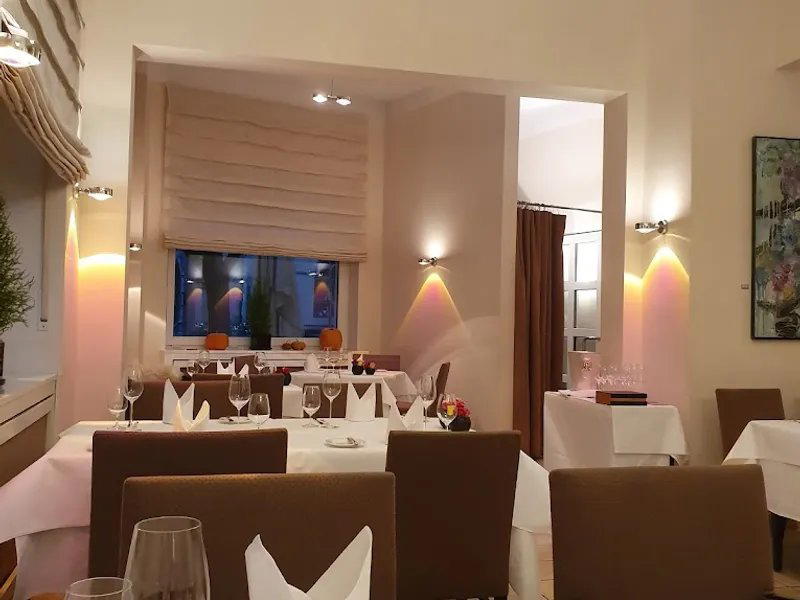
Cozy and welcoming dining room with a refined atmosphere; recently renovated to enhance the overall aesthetic experience.