Cane & Table
On Decatur Street at the edge of the French Quarter, Cane & Table occupies a position in New Orleans' drinking and dining scene that's harder to categorize than most. The room leans into the city's Caribbean colonial past, and the drink program reflects it. For those drawn to rum-forward cocktails with genuine historical grounding, this address rewards the detour.
 Discover on Pearl
Pearl is the En Primeur Club membership app — saves, bookings, and concierge access live there. Same editors, same standards.
- Address
- 1113 Decatur St, New Orleans, LA 70116
- Phone
- +15045811112
- Website
- caneandtablenola.com
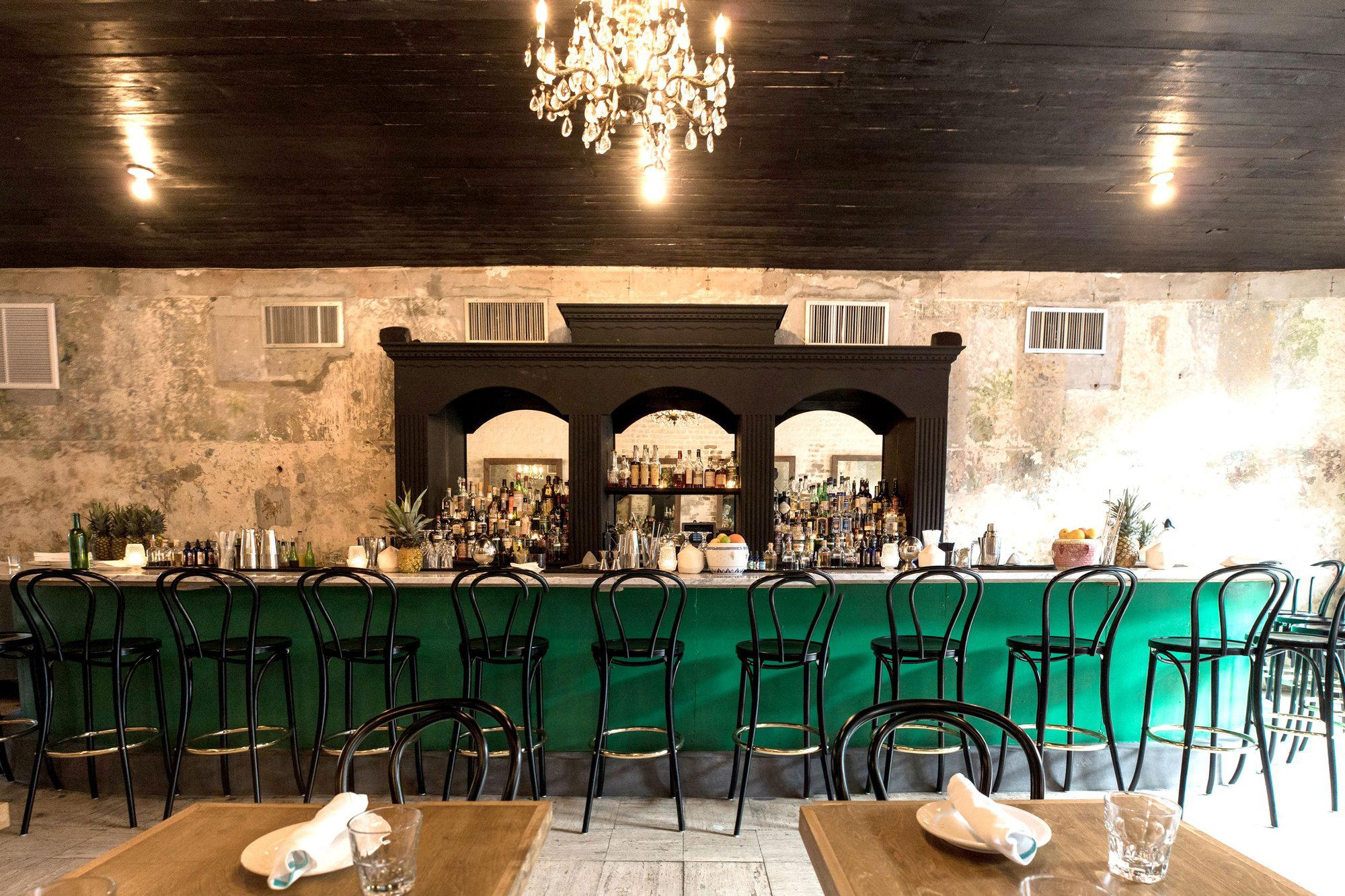
Decatur Street and the Caribbean Connection
New Orleans has always been a port city before it was a restaurant city. The goods that moved through its docks, sugar cane, rum, spices from the Caribbean basin, shaped its kitchens and its bars as fundamentally as any chef's technique or French culinary inheritance. Decatur Street, running along the river edge of the French Quarter, sits closest to that history. Cane & Table, at 1113 Decatur St, plants itself directly in that lineage: a bar and dining room that frames New Orleans not through the lens of Creole refinement or Cajun rusticity but through its older, murkier Caribbean identity.
That framing matters because it separates Cane & Table from most of the French Quarter's drinking establishments, which tend to trade on either tourist volume or the city's better-documented culinary traditions. The Caribbean colonial angle is less frequently pursued in the city's bar scene, which makes this address worth attention from anyone who has moved past the obvious stops and wants a different entry point into what New Orleans actually drank before the Sazerac became shorthand for the whole city.
The Ritual of the Room
Dining and drinking in New Orleans has always involved a certain pacing, a willingness to let an evening expand rather than compress it. The city's leading experiences, from Commander's Palace on Washington Avenue to the quieter rooms in the Marigny, share an understanding that the meal or the drink is a structure for conversation and time, not just consumption. Cane & Table operates inside that tradition, but with a rum-forward cocktail program that imposes its own rhythm: spirits that reward attention, combinations that reference colonial trade routes, and a format that encourages working through the list rather than committing to a single drink.
The approach places Cane & Table in a specific subset of American bars that have moved away from the novelty-cocktail format toward something more historically grounded. At the serious end of American cocktail culture, establishments like those in New York or San Francisco where the drink program carries the same weight as the food menu, there's been a sustained interest in rum as an under-examined spirit category. Cane & Table represents New Orleans' contribution to that conversation, with the added advantage of geographic and historical credibility that a bar in a landlocked city could not claim.
Where It Sits in the New Orleans Dining Order
The French Quarter's reputation in serious food circles has always been complicated. It contains some of the city's most historically significant restaurants alongside some of its most aggressively tourist-facing ones. A block can separate a genuinely considered meal from a frozen daiquiri window. Cane & Table occupies Decatur Street, which runs along the lower edge of the Quarter toward the river, a stretch that carries more foot traffic than the quieter blocks around Bourbon but that also supports a handful of addresses with genuine programs.
In the broader New Orleans restaurant context, the serious dining conversation tends to center on a different set of rooms. Emeril's anchors one end of the city's Cajun-influenced fine dining tradition. Bayona in the French Quarter represents the New American strand, running for decades on a consistent standard. Newer entries like Saint-Germain and Zasu sit at the contemporary end of the market, and Re Santi e Leoni brings a different European reference to the city's restaurant mix. Cane & Table doesn't compete directly with any of these; its frame of reference is different, its identity organized around the bar rather than the kitchen.
For visitors building a longer itinerary through the city, Cane & Table fits naturally as an early evening stop, the kind of place where an hour with the drink list complements dinner elsewhere.
The Cocktail Program as Historical Argument
Rum's absence from the serious American cocktail canon for most of the twentieth century is a documented anomaly. The spirit predates bourbon in American history and was the dominant drink of the colonial Atlantic world. Its retreat into tiki culture and away from considered cocktail contexts was a market accident more than a quality judgment. Bars that have made rum the organizing principle of a serious program, rather than an ingredient pulled in occasionally, are making an implicit historical argument, and in New Orleans that argument has more local grounding than it would almost anywhere else in the country.
At the level of pure craft ambition, Cane & Table sits below the national conversation dominated by rooms like Le Bernardin in New York City, Lazy Bear in San Francisco, or The French Laundry in Napa, those are tasting-menu operations organized around entirely different premises. But the comparison is useful precisely because it clarifies what Cane & Table is not trying to do. It's not competing with Smyth in Chicago, Single Thread Farm in Healdsburg, or Providence in Los Angeles on the terms of multi-course progression. Its ambition is narrower and, in its own register, more achievable: to make a convincing case for New Orleans' Caribbean inheritance as a drinking tradition worth taking seriously.
That's a more modest claim than the ones made at Blue Hill at Stone Barns, Addison in San Diego, The Inn at Little Washington, Frasca Food & Wine in Boulder, Atomix in New York City, or Atelier Moessmer Norbert Niederkofler in Brunico, but it's a claim that fits the city, the street, and the building.
Know Before You Go
Recognition, Side-by-Side
Comparable venues nearby, for context on price, style, and recognition.
| Venue | Cuisine | Price | Awards | Notes |
|---|---|---|---|---|
| Cane & TableThis venue — the venue you are viewing | Caribbean-Cuban Coastal | $$ | , | |
| Cafe Conmigo | Cuban Bakery Cafe | $$ | , | Freret |
| Cafe Maspero | Cajun & Creole Cafe | $$ | , | French Quarter |
| Cafe Degas | Classic French Bistro with Creole Touches | $$ | , | Esplanade Ridge |
| Mahony's Po-boys | New Orleans Po-boys | $$ | , | East Riverside |
| Killer Poboys at Erin Rose | Internationally Inspired New Orleans Po'boys | $$ | , | French Quarter |
Continue exploring
More in New Orleans
Restaurants in New Orleans
Browse all →
Bars in New Orleans
Browse all →
At a Glance
- Rustic
- Cozy
- Historic
- Lively
- Date Night
- Casual Hangout
- Special Occasion
- Courtyard
- Historic Building
- Private Dining
- Craft Cocktails
- Local Sourcing
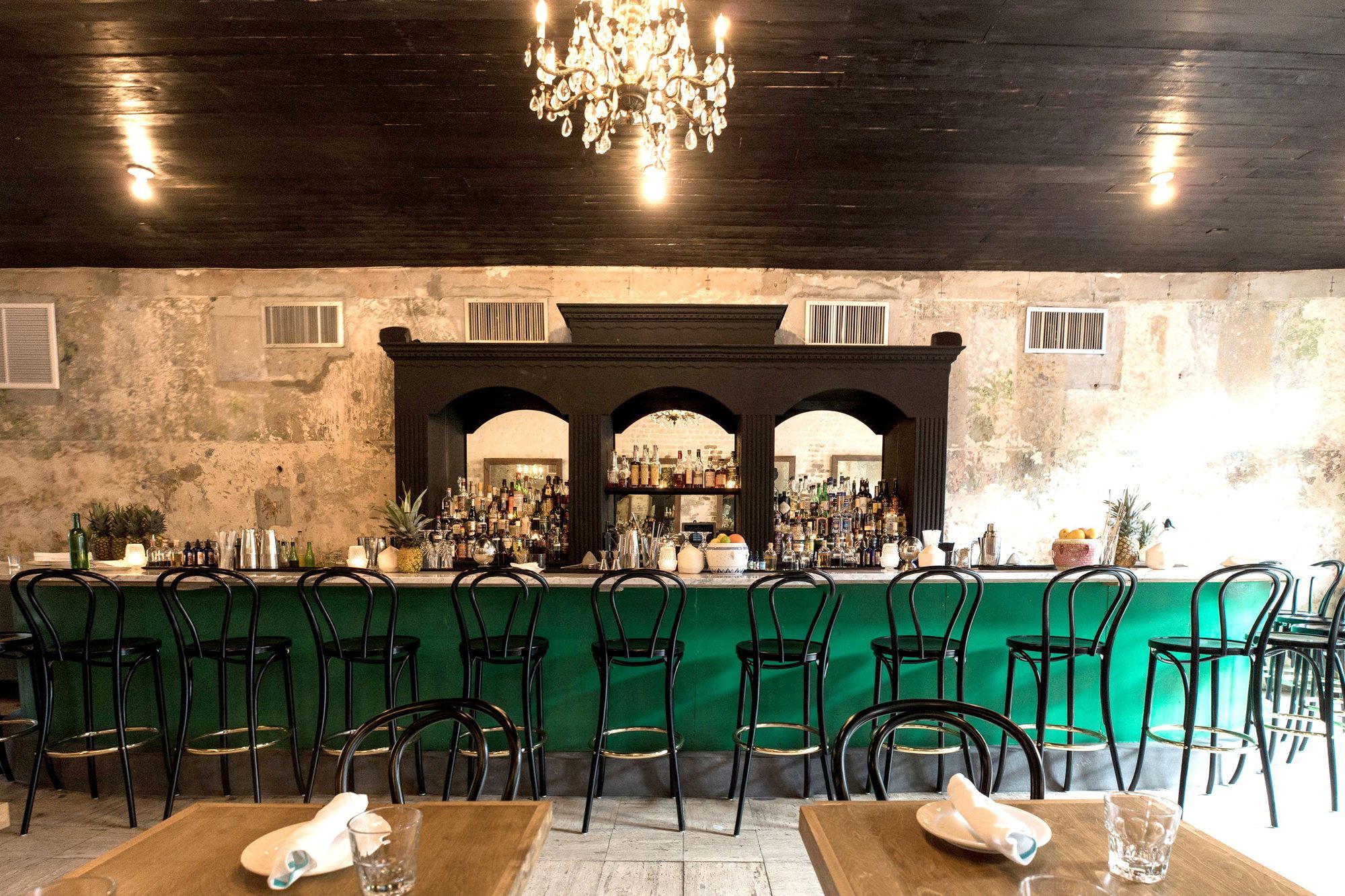
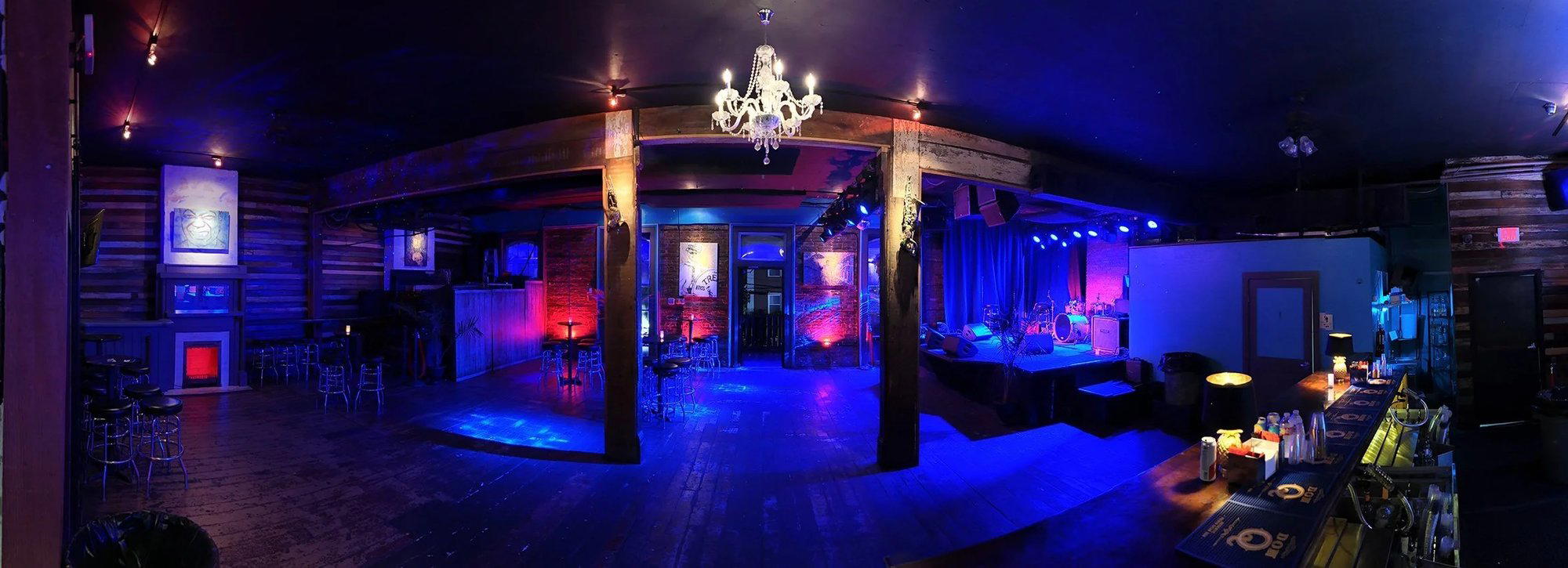
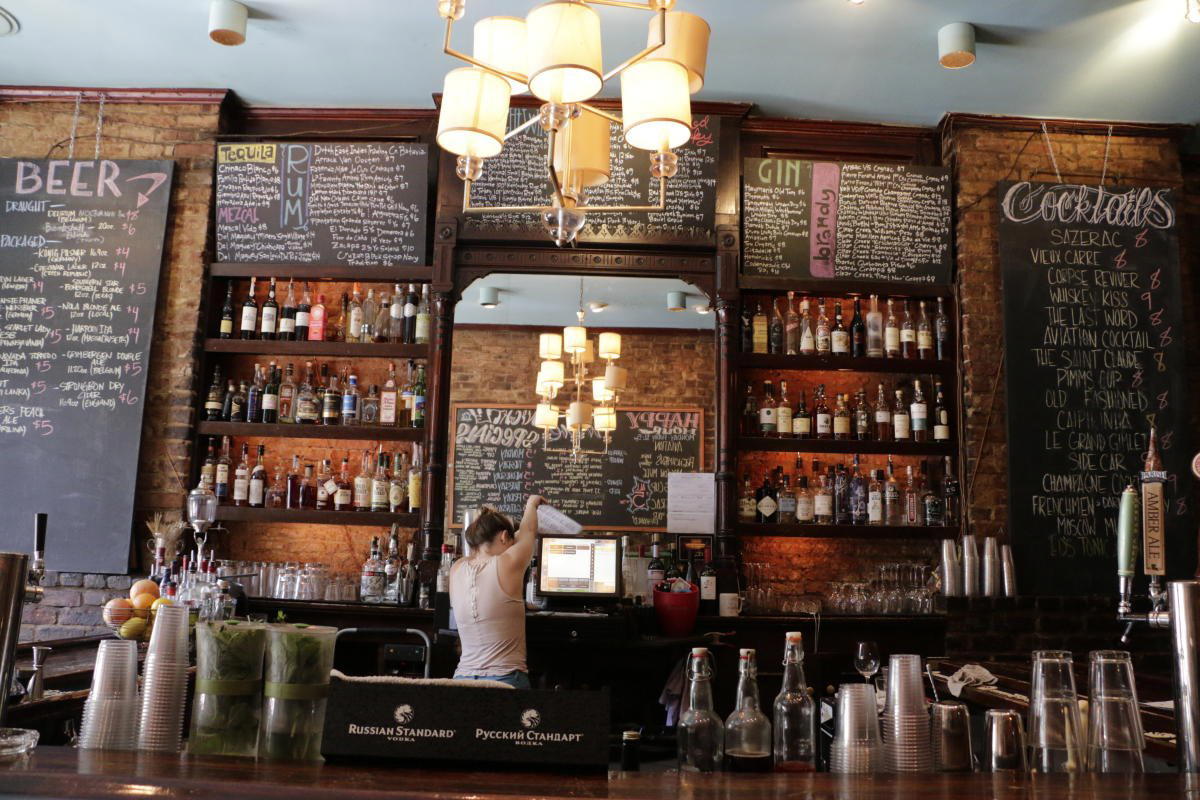
Brick interior with peeling wallpaper, candle wax drippings evoking history, peaceful oasis from French Quarter bustle, brighter fairy-lit courtyard patio.