Cafe Conmigo
Cuban Coffee on a New Orleans Side Street On Jena Street in the Garden District, the neighborhood's characteristic rhythm of slow mornings and deliberate afternoons finds a particular expression in the Cuban coffee tradition. Cafe Conmigo, at...
Pearl is the En Primeur Club membership app — saves, bookings, and concierge access live there. Same editors, same standards.
- Address
- 2511 Jena St, New Orleans, LA 70115
- Website
- instagram.com

Cuban Coffee on a New Orleans Side Street
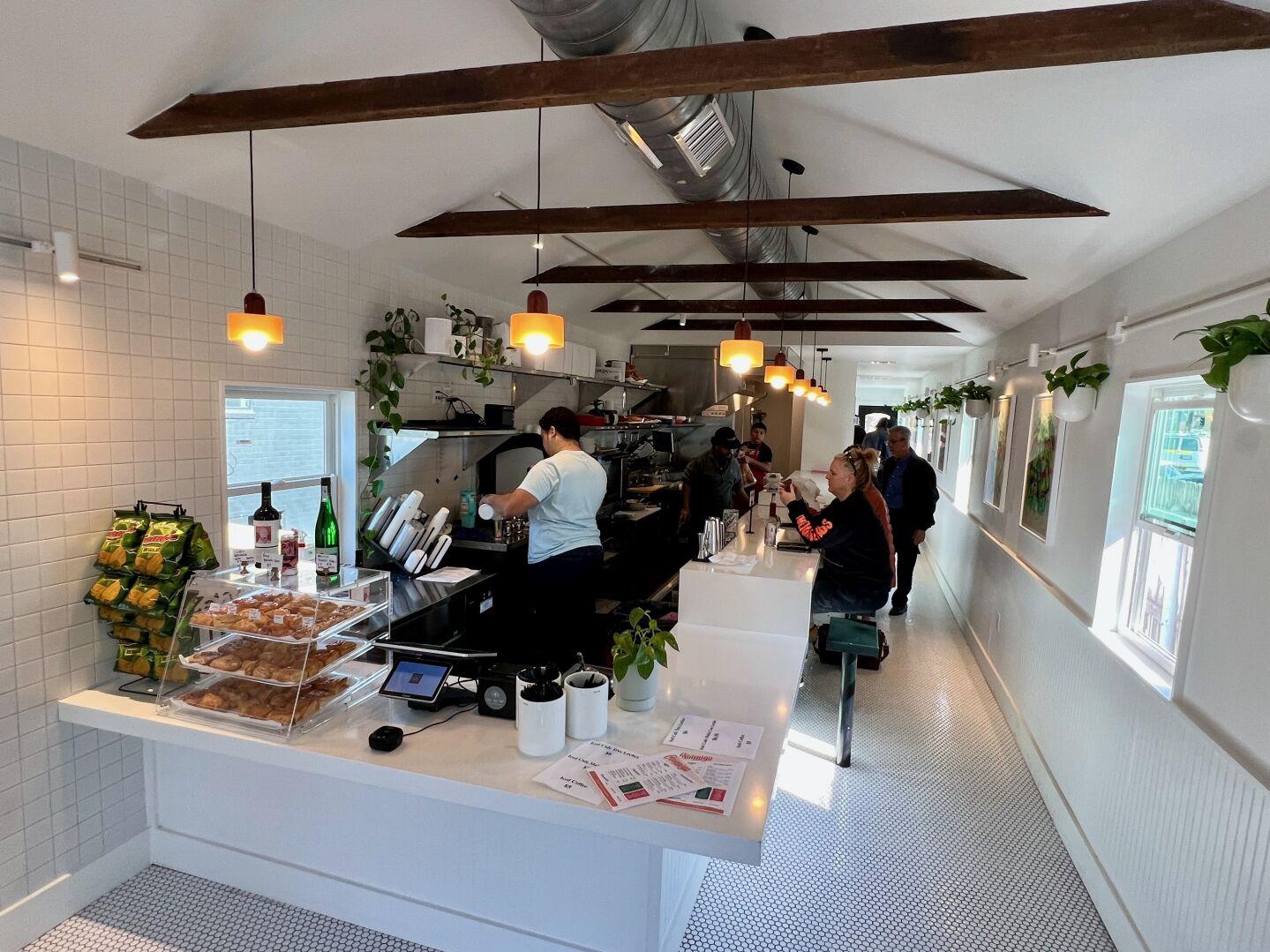
On Jena Street in the Garden District, the neighborhood's characteristic rhythm of slow mornings and deliberate afternoons finds a particular expression in the Cuban coffee tradition. Cafe Conmigo, at 2511 Jena St, is a Cuban Bakery Cafe in New Orleans with a 4.9 Google rating from 43 reviews and an average spend of about $15 per person. The Cuban coffee and sandwich category is a specific one: espresso pulled tight and sweet, sandwiches built on a logic of layered cured meat and pressed bread rather than the composed-plate sensibility that dominates the city's higher-ticket dining rooms. Where Emeril's and Bayona represent the city's Creole and New American ambitions at formal table service, this corner of the Garden District operates on a different register entirely.
What Cuban Coffee Culture Actually Means in This Context
Cuban coffee has a particular ingredient logic. The foundation is a dark-roasted espresso, often blended from beans selected for body over brightness, with sugar incorporated during the pull rather than added after. The result is a colada or cortadito with a texture and sweetness that reads as its own category, distinct from Italian espresso service or the third-wave light-roast format that now dominates much of the country's specialty coffee conversation. In Miami, the ventanita, the walk-up window, has been the primary delivery format for this tradition since at least the 1960s. In New Orleans, a city with its own entrenched cafe culture built around chicory and café au lait, Cuban coffee exists as a counter-tradition rather than a dominant one, which is part of what makes a dedicated spot in a residential neighborhood notable.
The sandwich side of Cuban coffee culture is equally specific in its sourcing logic. A traditional Cuban sandwich requires slow-roasted mojo pork, glazed ham, Swiss cheese, yellow mustard, and pickle, pressed in a plancha until the bread crisps and the layers compact. The ingredient sourcing argument here is not about provenance or farm-to-table signaling, it is about fidelity. The right bread (a Cuban loaf with a thin crust and soft interior), the right pork preparation (citrus and garlic mojo, long cook time), and the right press technique are what separate a Cuban sandwich from a pressed sandwich with Cuban adjacency. For the broader New Orleans dining scene, which already maintains a strong identity around po'boys and muffulettas, the Cuban sandwich occupies a distinct lane with its own sourcing and preparation standards.
The Garden District Context
The Garden District runs roughly from St. Charles Avenue toward Magazine Street, a residential grid with a dining and cafe scene that skews local rather than destination-focused. It sits at a different altitude from the French Quarter's concentrated visitor traffic and from the CBD's lunch-hour professional crowd. Magazine Street has historically carried the neighborhood's commercial energy, but side streets like Jena see less foot traffic, which shapes the format and pace of any cafe operating there. In neighborhoods like this across American cities, the Cuban cafe format works because it serves a community need, fast, quality coffee and a filling sandwich at a price point that makes it a daily option rather than an occasion.
For visitors working through the city's dining range, this neighborhood places Cafe Conmigo alongside a very different comparable set than the fine dining rooms that anchor New Orleans's national reputation. Saint-Germain and Re Santi e Leoni represent the city's contemporary tasting-menu ambitions; Zasu sits in the American contemporary bracket. The Cuban coffee and sandwich spot operates entirely outside that competitive tier and should be evaluated on its own terms: consistency, ingredient fidelity, and the specificity of its format.
Where This Fits in the City's Broader Coffee and Casual Dining Map
New Orleans has historically defined its cafe identity around Community Coffee and CDM chicory blends, a tradition that runs through Cafe Du Monde and into countless neighborhood diners. The Cuban coffee tradition represents a separate lineage, one with deep roots in the Gulf South through Florida and the Cuban diaspora communities that shaped Miami, Tampa's Ybor City, and their surrounding regions. That tradition arrived in New Orleans through a different vector than the city's French and Creole culinary heritage, which is precisely what gives a Cuban coffee specialist in this city its editorial interest: it is operating in a city with a very strong cafe identity of its own, making an argument for a parallel tradition through its ingredient sourcing and preparation standards.
Visitors who have worked through the city's formal dining circuit, or who are planning to and want to understand how the city's food culture extends beyond the white-tablecloth tier, will find this kind of spot provides a grounding that expensive tasting menus cannot. For reference on how the city's premium end compares nationally, the gap between a New Orleans tasting menu and institutions like Le Bernardin in New York City, Alinea in Chicago, or The French Laundry in Napa is instructive; but so is the range within a single city from those formal rooms down to a neighborhood Cuban cafe. Cities that sustain both ends of that range, as New Orleans does, tend to have healthier food cultures overall. Comparable premium-end reference points in other cities include Lazy Bear in San Francisco, Single Thread Farm in Healdsburg, Providence in Los Angeles, Atomix in New York City, and Alain Ducasse at Louis XV in Monte Carlo, all of which represent a formal dining register at the opposite end of the spectrum from the Cuban cafe format.
Planning a Visit
Cafe Conmigo sits at 2511 Jena St in the Garden District. The address places it in a residential block, accessible from Magazine Street or St. Charles Avenue on foot or by streetcar.
In Context: Similar Options
Comparable venues nearby, for context on price, style, and recognition.
| Venue | Cuisine | Price | Awards | Notes |
|---|---|---|---|---|
| Cafe ConmigoThis venue — the venue you are viewing | Cuban Bakery Cafe | $$ | , | |
| The Rum House | Caribbean-Inspired Tacos | $$ | , | Garden District |
| La Crepe Nanou | French Bistro & Crêperie | $$ | , | Uptown |
| Barcelona Tapas | Authentic Spanish Tapas & Paella | $$ | , | Riverbend |
| Luke | Creole-Inspired French Brasserie | $$ | , | Central Business District |
| Fritai | Haitian Street Food | $$ | 1 recognition | Treme |
Continue exploring
More in New Orleans
Restaurants in New Orleans
Browse all →Bars in New Orleans
Browse all →At a Glance
- Cozy
- Casual Hangout
- Brunch
Casual cafe atmosphere with Cuban flare.