2 Phat Vegans
On Decatur Street in the French Quarter, 2 Phat Vegans sits inside a corner of New Orleans dining that has grown considerably louder in recent years: plant-based cooking that takes its cues from Southern soul food rather than coastal health culture. The address places it squarely in one of the city's most trafficked corridors, making it a practical anchor for occasions that call for something deliberate and different.

Pearl is the En Primeur Club membership app, where members save venues, book tables and use the concierge.
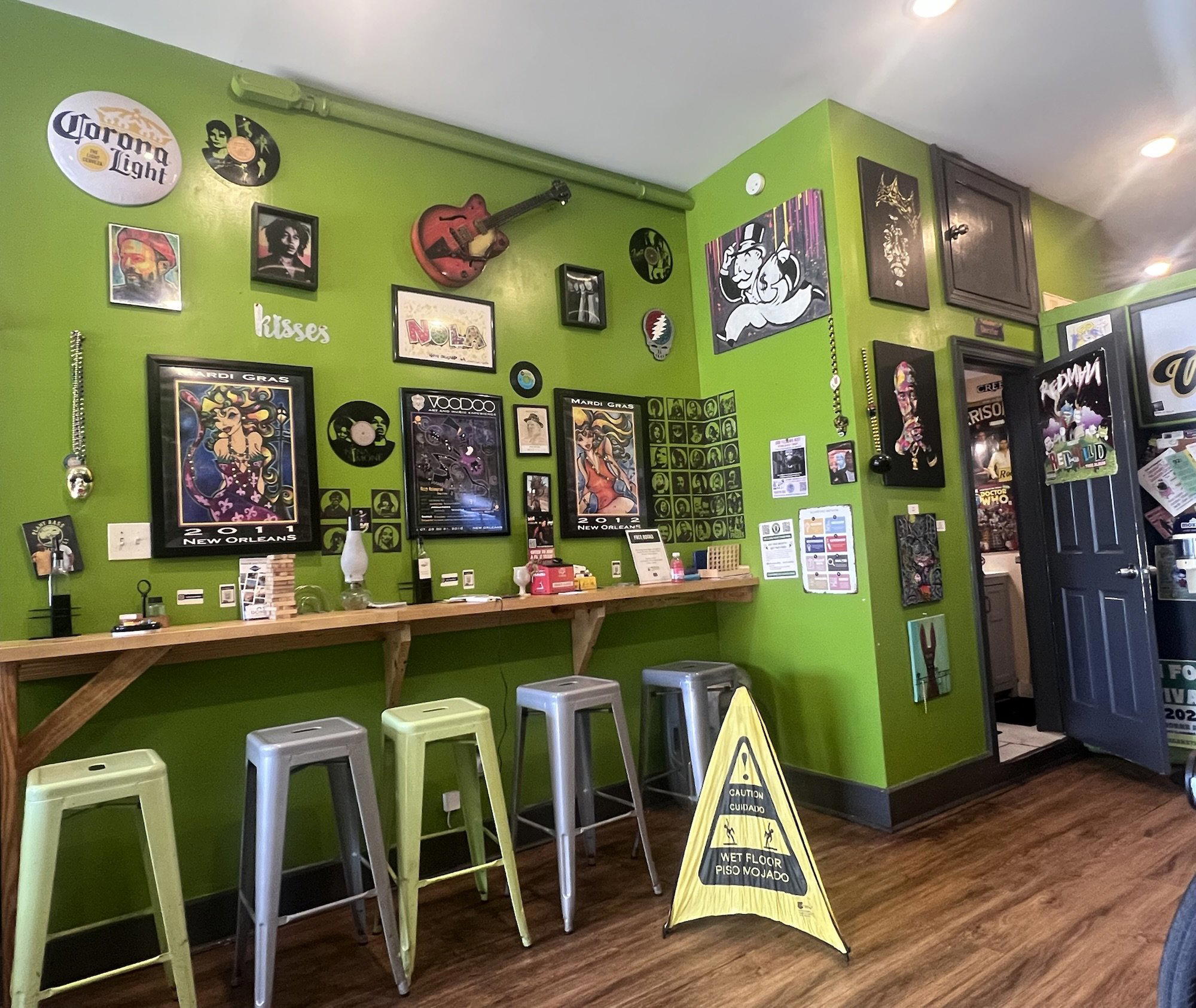
Decatur Street and the Plant-Based Shift in New Orleans Soul Food
New Orleans has always made its dining identity around excess and specificity: the roux-thickened, the fried, the slow-braised. Against that backdrop, the city's plant-based cooking has had to find its own vocabulary, and the most credible version of it leans into Southern soul food tradition rather than away from it. Venues that attempt the latter tend to read as imports. Venues that work within the tradition, swapping proteins while keeping the seasoning logic and the generosity of portion, tend to find a more durable foothold. 2 Phat Vegans, at 1303 Decatur Street in the French Quarter, sits in the second category.
Decatur runs along the river edge of the Quarter, connecting the market district to the Marigny, and it carries a different energy than the interior blocks. It is less tourist-theatrical than Bourbon Street and more transactional than Royal Street. The address puts 2 Phat Vegans in a zone where working locals and visitors overlap, which shapes both the format and the clientele. For an occasion meal, that geography matters: it is accessible without requiring deep neighbourhood knowledge, and the surrounding block offers the kind of pre- or post-dinner movement that keeps an evening with company from feeling too contained.
The Occasion Case for Plant-Based Dining in a Meat-Forward City
Special-occasion dining in New Orleans has a default setting: a white-tablecloth Creole room, or a chef-driven tasting counter, or a long table at one of the city's established Creole-Cajun institutions. What gets less attention is the growing tier of occasion dining that works precisely because it departs from that template. For groups with mixed dietary commitments, or for diners who have already done the canonical New Orleans meal and are looking for something that generates its own kind of conversation, a credible plant-based Southern kitchen becomes a serious option rather than a fallback.
The value of 2 Phat Vegans in that context is structural. The Decatur Street location means the evening can begin or end at one of the French Quarter's more serious drink programs. For cocktails before, Jewel of the South is a short walk and brings a historically informed aperitivo approach to the Quarter. For something with a tiki-adjacent lean, Beachbum Berry's Latitude 29 keeps serious rum programming in the neighbourhood. Post-dinner, Cure in Freret or Above The Grid offer different registers of the city's cocktail seriousness. Building a night around 2 Phat Vegans is entirely viable, which is itself a marker of how far plant-based dining has come in a city not historically associated with it.
What the Kitchen Signals About the Broader Category
Soul food's plant-based interpretation is one of the more contested areas in American regional cooking. The versions that work tend to avoid the twin failure modes: the overly processed mock-meat approach that prioritises mimicry over flavour, and the stripped-down clean-eating approach that abandons the richness that makes Southern food Southern. The credible middle ground involves understanding which elements of the tradition are about the ingredient and which are about the technique, the fat, the seasoning, and the time. That is a kitchen discipline question, not a philosophical one.
2 Phat Vegans operates from the position that the soul food canon is worth engaging seriously in plant-based terms, which places it in a small but growing set of American venues making that argument. Nationally, the conversation around plant-based Southern cooking has producers and chefs working at different scales and with different levels of recognition. Locally in New Orleans, the category remains thin enough that a venue with a clear position in it occupies meaningful ground. For travellers used to larger plant-based scenes in cities like New York or San Francisco, the New Orleans version still has the quality of something being actively built, which can read as either limitation or energy depending on what you're looking for in a meal.
Planning the Visit
The French Quarter address at 1303 Decatur Street is manageable on foot from most Quarter hotels and from the Marigny. For visitors staying further afield, the St. Claude corridor is a reasonable rideshare distance. The French Quarter operates at high volume on weekends, and Decatur Street specifically can have significant foot traffic on Friday and Saturday evenings, which affects street noise and arrival logistics. A weekday evening visit tends to allow more control over pacing.
For the broader New Orleans picture, including where 2 Phat Vegans sits relative to the city's other dining categories and neighbourhoods, see our full New Orleans restaurants guide. Elsewhere in the South and across the US, the plant-based and mission-driven dining format appears in different registers: Julep in Houston and Kumiko in Chicago are among the venues demonstrating that serious programming outside mainstream fine dining categories can hold both critical and local-community attention. For those cross-referencing cocktail-focused venues with strong editorial track records, Superbueno in New York City, ABV in San Francisco, Allegory in Washington, D.C., Bar Leather Apron in Honolulu, and The Parlour in Frankfurt on the Main each represent the kind of complementary evening programming worth mapping around a destination meal.
Side-by-Side Snapshot
Comparable venues nearby, for context on price, style, and recognition.
| Venue | Cuisine | Price | Notes |
|---|---|---|---|
| 2 Phat VegansThis venue (the venue you are viewing) | Bar | $10–20 | Not listed |
| Marie's Bar and Kitchen | dive_bar | Not listed | Marigny |
| BOTANICALS NOLA | Bar | Not listed | St. Roch |
| The Courtyard Brewery | Bar | Not listed | Central City |
| Golden Lantern | lounge | $20–30 | French Quarter |
| Bayou Beer Garden | beer_bar | $20–30 | Mid-City |
Continue exploring
More in New Orleans
Bars in New Orleans
All bars in New Orleans →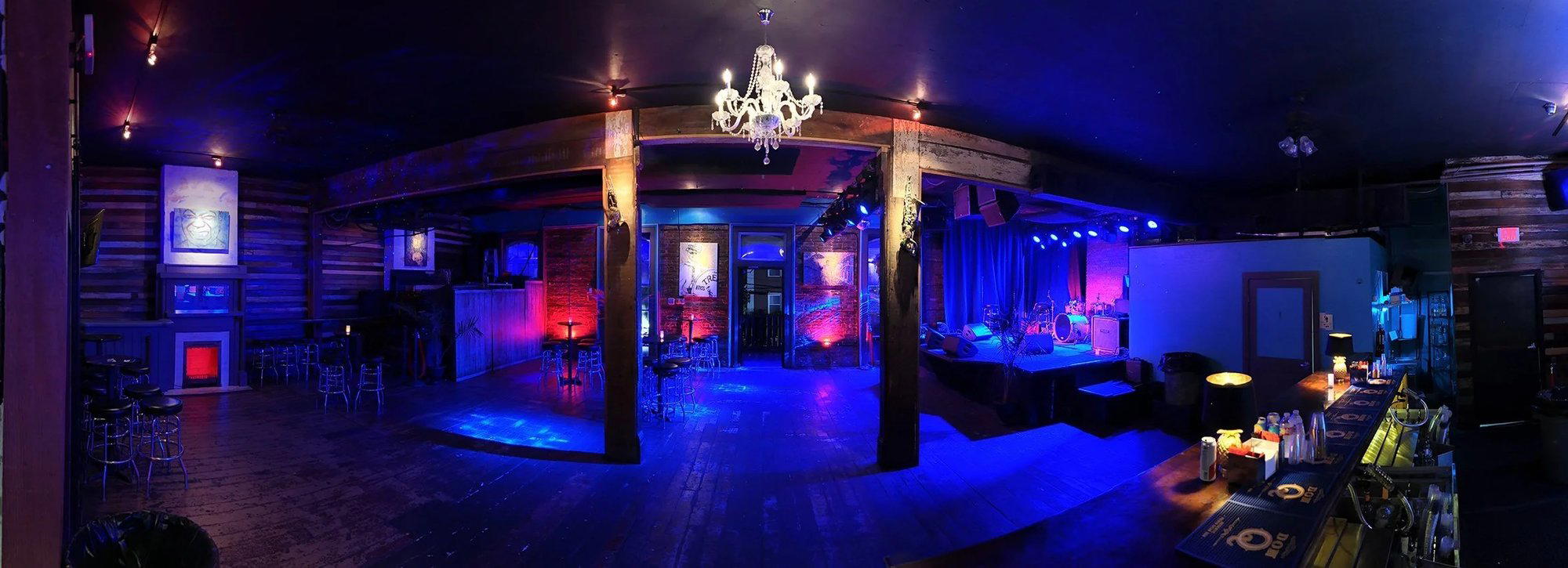
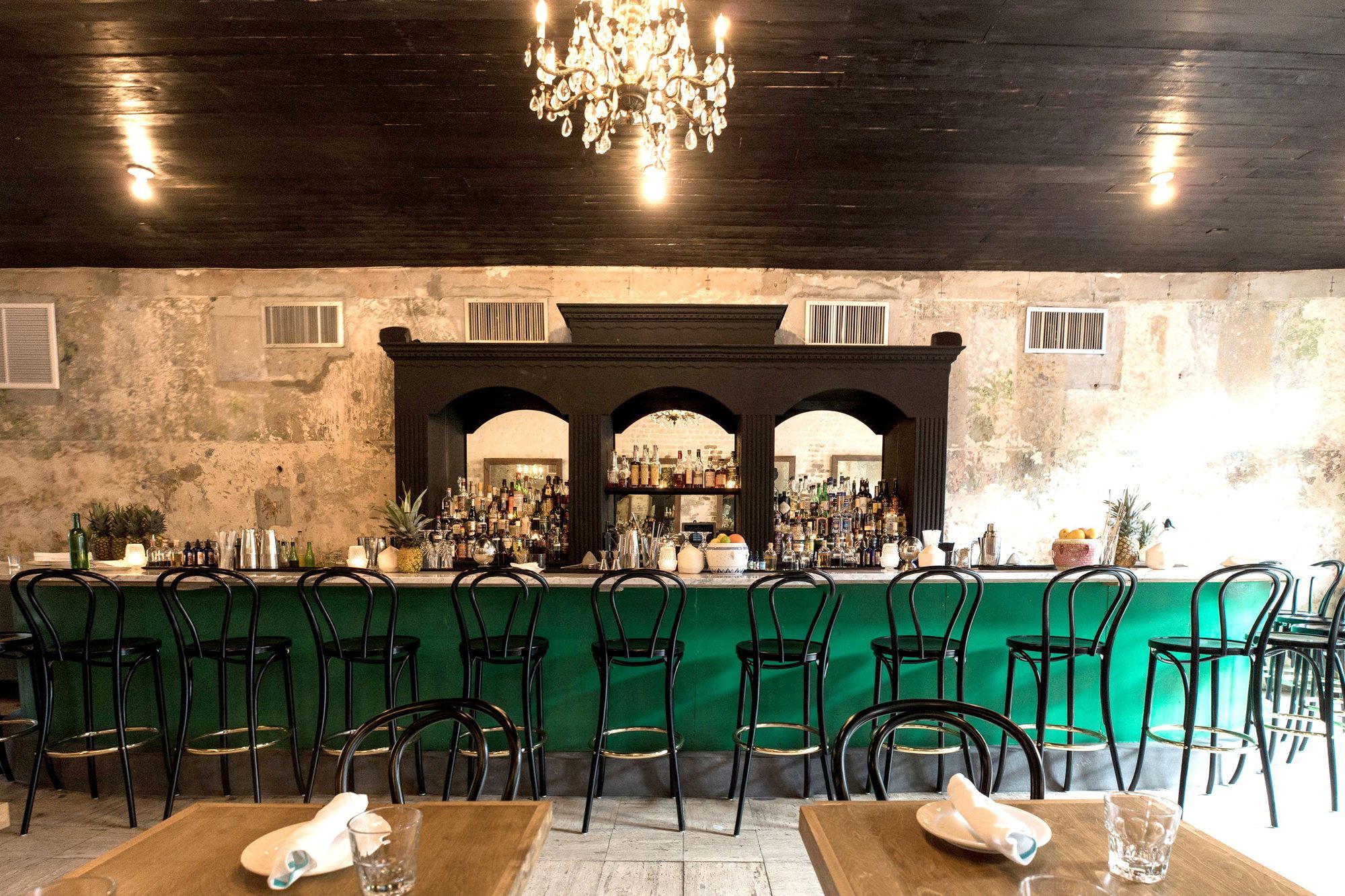
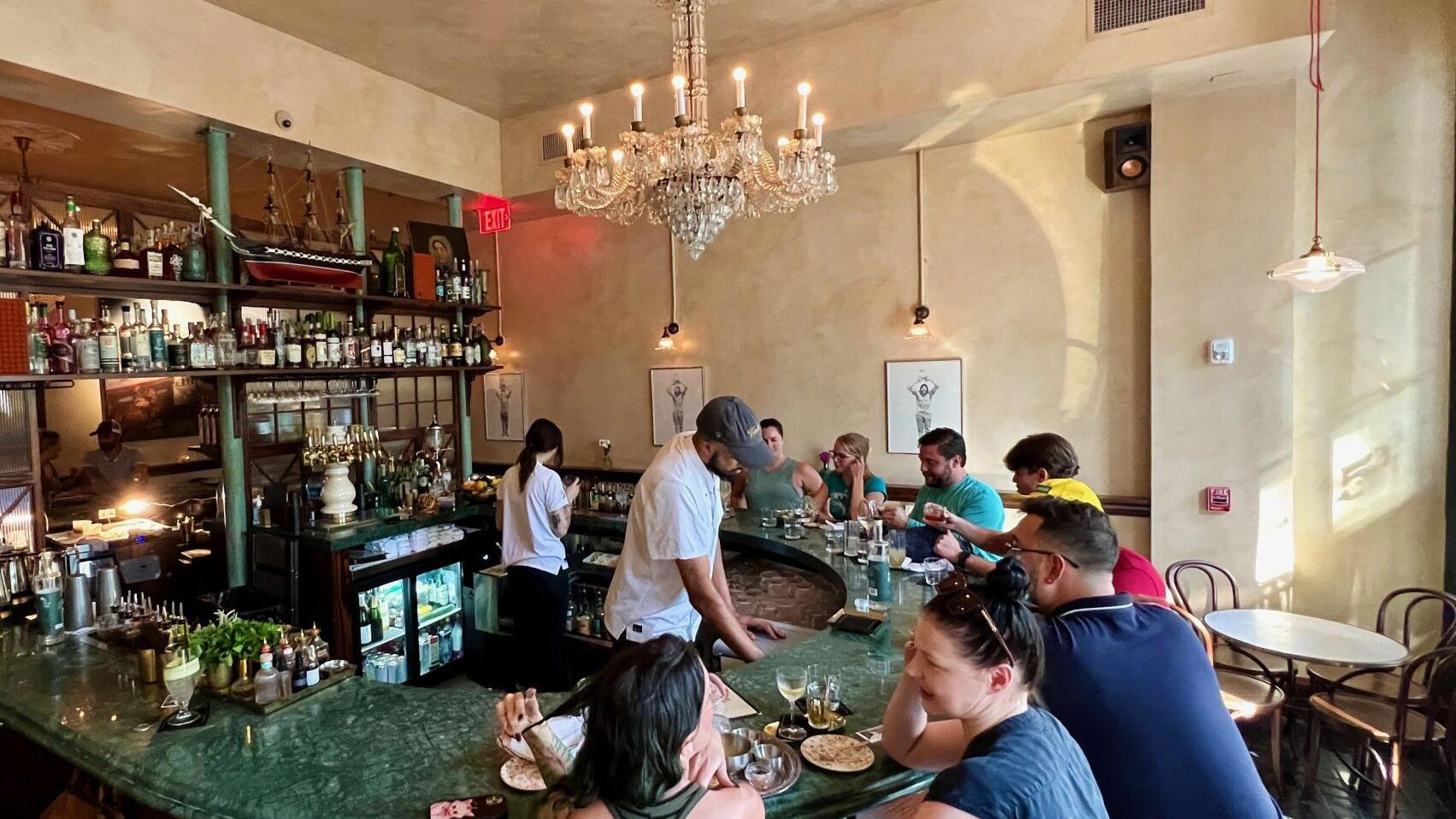
Restaurants in New Orleans
All restaurants in New Orleans →
Details
- Lively
- Trendy
- Casual Hangout
- Outdoor Terrace
- Street Scene
Current opening hours
- Monday
- 11 AM–1 AM
- Tuesday
- 11 AM–1 AM
- Wednesday
- 11 AM–1 AM
- Thursday
- 11 AM–1 AM
- Friday
- 11 AM–1 AM
- Saturday
- 11 AM–1 AM
- Sunday
- 11 AM–1 AM
Hours can change for holidays and private events. Hours as of .
Fun and lively indoor-outdoor atmosphere.