Blue Nile
Blue Nile anchors the live music end of Frenchmen Street, the stretch that locals treat as the city's working music corridor rather than its tourist front. The room's physical layout puts the stage and the crowd in genuine conversation, making it a different proposition from the polished cocktail bars nearby. It sits closer to the Frenchmen Street tradition of function-over-finish than to the design-led venues on Magazine Street.
Pearl is the En Primeur Club membership app — saves, bookings, and concierge access live there. Same editors, same standards.
- Address
- 532 Frenchmen St, New Orleans, LA 70116
- Phone
- +1 504 766 6193
- Website
- bluenilelive.com
- Directions
- Get directions
 Saves & bookings on Pearl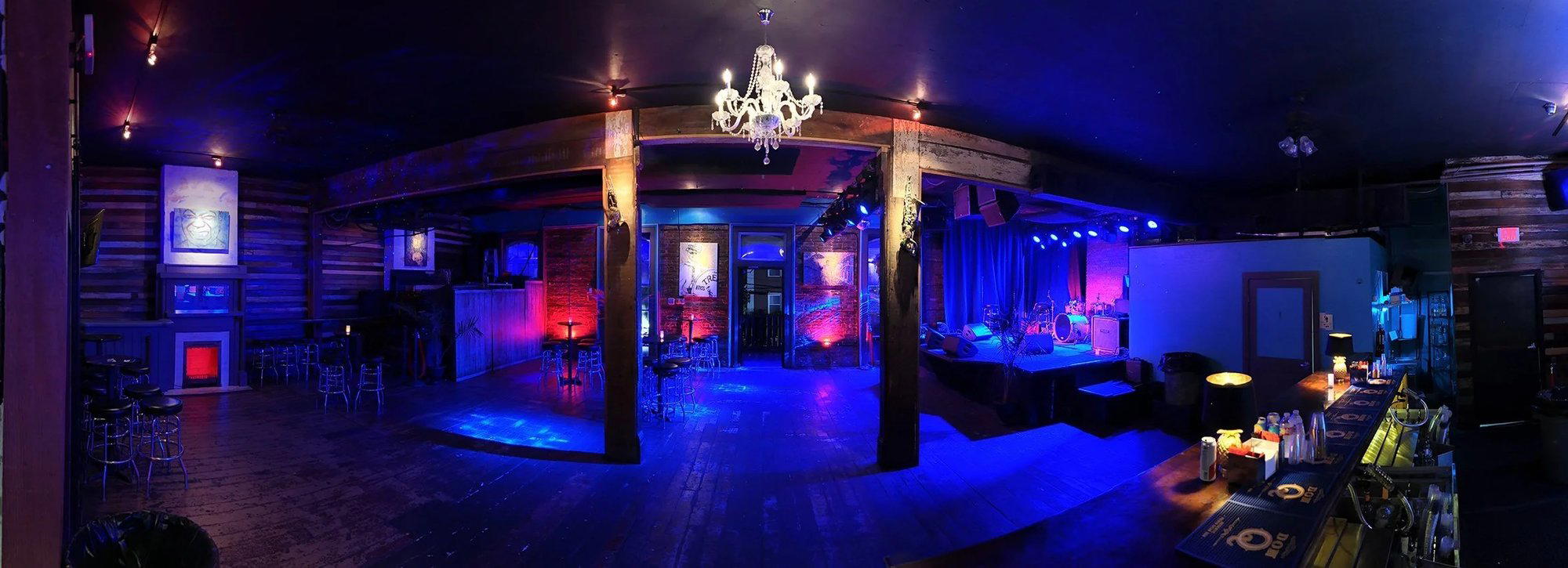
Frenchmen Street After Dark: The Room That Puts the Stage First
Frenchmen Street operates on different logic from Bourbon Street. Where Bourbon sells spectacle to visitors, Frenchmen has historically sold music to people who take it seriously. The strip between Royal and Chartres runs only a few blocks in the Marigny neighbourhood, but on any given night it concentrates more working musicians per square foot than almost any comparable stretch in American cities. Blue Nile, at 532 Frenchmen St, is a casual bar with a price point around $25 per person and has become one of the anchoring venues on a street that rewards walkers who are willing to follow their ears rather than a map.
The physical experience of arriving at Blue Nile is worth describing on its own terms. The building is a two-storey structure with a balcony that opens above the street, and on nights when the doors are open and a band is working the downstairs stage, the sound carries outward and down in a way that functions as its own advertisement. There is nothing architecturally subtle about the arrangement: the room is designed to get music out of it as effectively as possible, and the interior reflects that priority. Exposed brick, a stage positioned so that sight lines from most of the floor are workable, and a layout that keeps the bar accessible without pulling attention away from the performance. It is, in the leading sense, a working room.
Where Blue Nile Sits on the Frenchmen Street Spectrum
The Frenchmen Street venues divide, roughly, into two types: rooms that function primarily as bars with live music as an amenity, and rooms where the music is the reason to be there and the bar exists to support it. The bar belongs firmly to the second category. That distinction matters when you are deciding how to spend an evening. At venues like Jewel of the South, the cocktail program carries independent weight and the room has been designed with the kind of finish that signals a food-and-drink destination first. The bar makes no such argument. The draw is the programming, the physical energy of a crowd that has come to hear something, and the looseness that comes from a space that has not been over-designed.
That looseness is not the same as inattention. The balcony level gives the venue a second register, both spatially and socially. Downstairs is where you stand close to the stage; upstairs is where you watch the street, hear the music from a slight distance, and get a better sense of the block as a whole. The two floors create a kind of social architecture that most single-level bars cannot replicate. You can spend an entire evening moving between them and have meaningfully different experiences of the same night.
Compared to Cure on Magazine Street, which represents New Orleans' more technically driven cocktail bar tradition, or Beachbum Berry's Latitude 29, which has a distinct programmatic identity built around tiki, the bar does not compete on drink sophistication. Its comparable set is the other live music rooms on Frenchmen, and within that set it has maintained consistent presence across years when venues on the street have opened, shifted formats, and closed.
The Design Argument for a Room That Refuses to Perform
There is a category of hospitality space that communicates its purpose through absence of pretension, and the bar fits that description. The walls are not curated. The lighting serves the stage rather than the audience's self-presentation. The furniture is arranged so that it can be moved if the crowd needs the space. This is a deliberate spatial logic, even if it does not announce itself as design. The room says: the music is what matters here, and everything else will get out of the way.
This approach stands in contrast to the wave of atmosphere-forward venues that have defined premium nightlife elsewhere. Venues like Kumiko in Chicago, Allegory in Washington, D.C., or Bar Leather Apron in Honolulu invest heavily in the physical container as part of the offer. The bar inverts that relationship: the container is minimal and the content is everything. Whether that trade-off works for you depends entirely on what you came to Frenchmen Street to find.
For visitors accustomed to conceptually driven drink programs, the comparison to places like ABV in San Francisco, Julep in Houston, or Superbueno in New York City highlights just how differently the bar defines its value proposition. Those venues lead with craft and specificity. The bar leads with the room's energy and what happens when a band is at full volume inside it. These are not competing for the same evening.
The venue draws a mixed crowd of locals and visitors, and the balance shifts depending on the night and the band. Weeknight sets tend to skew toward a more local audience; weekends bring a broader mix. Either way, the room's physical design ensures that the music is audible from almost anywhere in it, which is a more practical consideration than it might seem in a city where some historic music venues have acoustic compromises baked into their architecture. For those interested in how the city's more design-conscious bar operators have developed alongside venues like Blue Nile, 2 Phat Vegans represents a different strand of the Marigny and Bywater scene. Internationally, the combination of strong spatial identity and music programming finds a different expression at places like The Parlour in Frankfurt on the Main, though the cultural contexts differ considerably.
A Lean Comparison
Comparable venues nearby, for context on price, style, and recognition.
| Venue | Cuisine | Price | Notes |
|---|---|---|---|
| Blue NileThis venue — the venue you are viewing | Marigny, Bar | $$ | Not listed |
| Frenchmen St | Marigny, pub | $$ | Not listed |
| Bourbon St | Central Business District, pub | $$ | Not listed |
| Bayou Beer Garden | Not listed | $$ | Mid-City, beer_bar |
| Turkey and the Wolf | Not listed | $$ | Saint Thomas Development, cocktail_bar |
| The Delachaise Wine Bar | Not listed | $$ | Touro, wine_bar |
Continue exploring
More in New Orleans
Bars in New Orleans
Browse all →
Restaurants in New Orleans
Browse all →
At a Glance
- Lively
- Energetic
- Well Known
- Late Night
- Group Outing
- Live Music
- Historic Building
- Standing Room
- Lounge Seating
- Classic Cocktails
- Street Scene
Current opening hours
- Monday
- Closed
- Tuesday
- Closed
- Wednesday
- 8 PM–12:30 AM
- Thursday
- 8:30 PM–3 AM
- Friday
- 7 PM–1 AM
- Saturday
- 7 PM–3 AM
- Sunday
- 7 PM–12:30 AM
Hours can change for holidays and private events. Last verified .
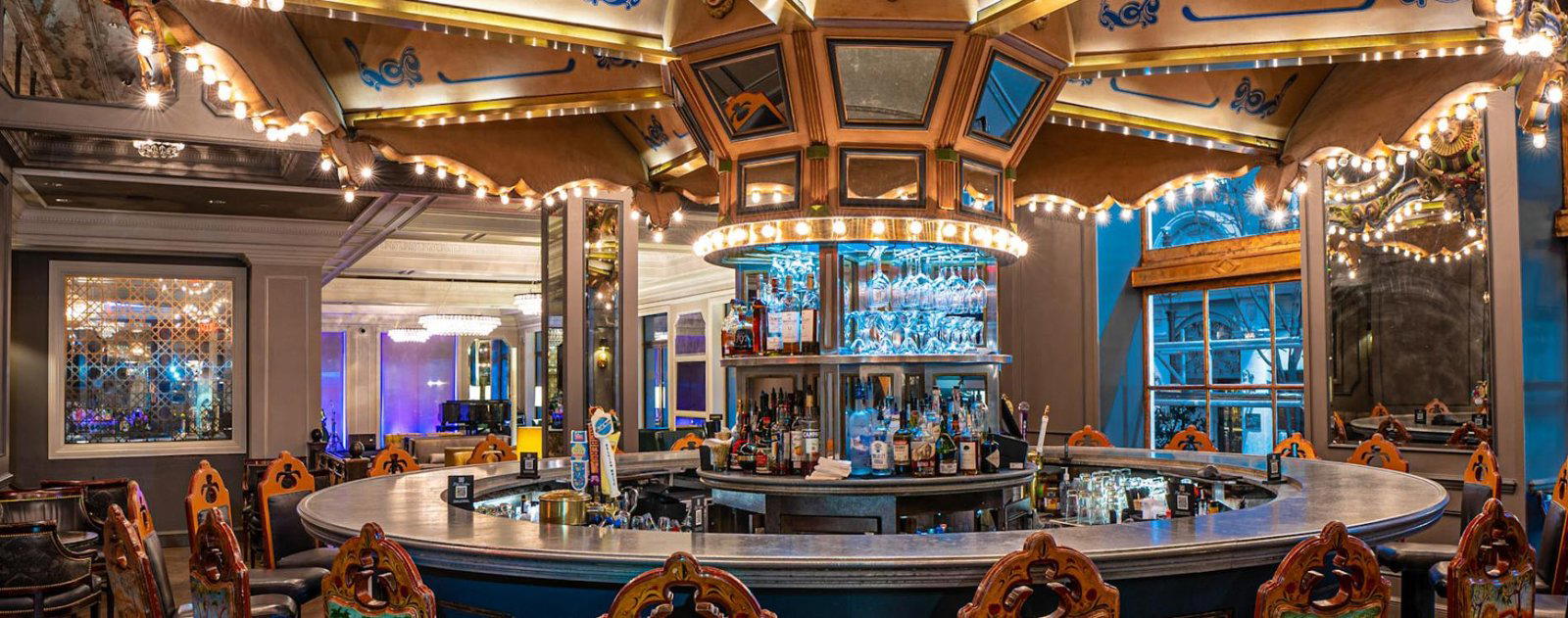
Jazzy decor in blue and gold with a lively, energetic atmosphere from live performances downstairs and spacious balcony upstairs.