AOKI Japanese Cuisine sits in South Jakarta’s Kebayoran Baru orbit, where Jakarta’s Japanese dining culture ranges from Blok M comfort food to polished hotel dining and compact sushi counters. With few public-facing format details, the stronger reason to track it is contextual: it belongs to a district where Japanese restaurants serve office regulars, embassy-area diners, and weekend tables looking beyond mall dining.
Pearl is the En Primeur Club membership app — saves, bookings, and concierge access live there. Same editors, same standards.
- Address
- Jl. Mahakam No.6 1, RT.1/RW.7, Kramat Pela, Kec. Kby. Baru, Kota Jakarta Selatan, Daerah Khusus Ibukota Jakarta 12130, Indonesia
- Phone
- +62 21 7258382
- Website
- granmahakam.com
- Directions
- Get directions
 Saves & bookings on Pearl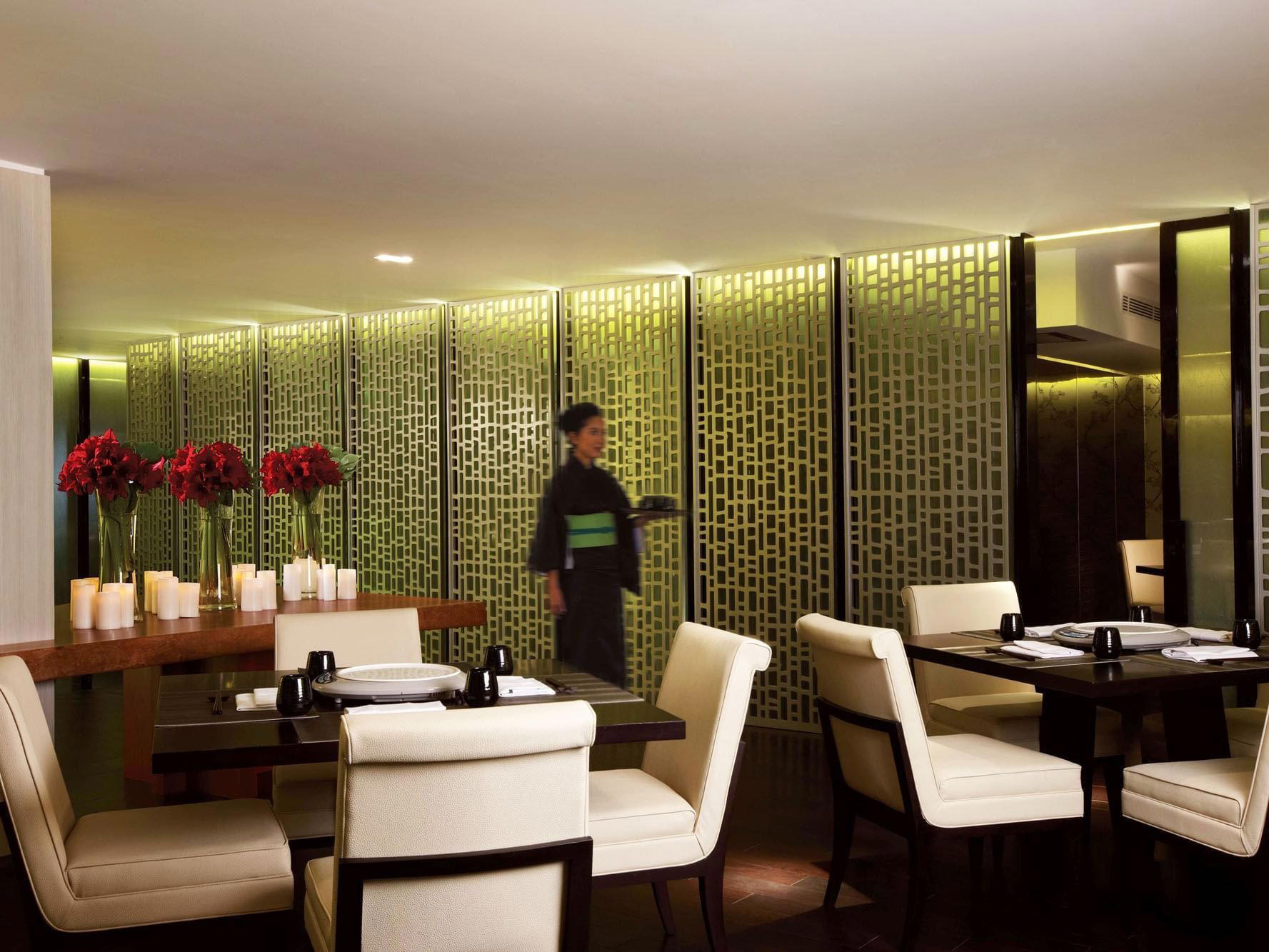
Approaching the Japanese restaurants around Kebayoran Baru, the city changes register. South Jakarta’s traffic remains close, but the dining rhythm becomes more deliberate: narrower streets, residential edges, office spillover, and a long-running Japanese presence shaped by Blok M, Senayan, and the Mahakam corridor. AOKI Japanese Cuisine belongs to that geography, not the spectacle-driven side of Jakarta dining. The useful way to read it is through the district’s appetite for Japanese food that can function as business lunch, family dinner, or quiet evening meal without needing the theatre of a destination tasting counter.
South Jakarta's Japanese table is built on habit, not novelty
Jakarta has one of Southeast Asia’s more practical Japanese dining cultures. The city’s Japanese restaurants are not clustered only around luxury hotels or omakase rooms; they also live in neighbourhood pockets where regularity matters. Blok M remains a reference point for Korean and Japanese casual dining, while Kebayoran Baru draws a more settled crowd: office diners, long-stay expatriates, and South Jakarta families who know the difference between a quick bowl, a sushi counter, and a more formal Japanese room.
That context matters for AOKI Japanese Cuisine because the name signals a Japanese-format restaurant without publicly listing the kind of high-ceremony details that would place it in the city’s rarefied omakase tier. In Jakarta, that middle ground can be more useful than it sounds. Not every Japanese dinner needs a chef-led counter, fixed menu, or imported-fish narrative. Many of the city’s stronger Japanese addresses earn repeat business by being adaptable: rice, grill, sushi, noodle, and set-meal logic under one roof, with enough polish for South Jakarta’s dining expectations.
For nearby reference points, Sushi Kawana sits in the same broad city conversation around Japanese dining, while Bornga Blok M reflects the area’s parallel Korean current. Le Gran Café and Five Monkeys Burger - Panglima Polim show how this part of Jakarta mixes international comfort formats rather than forming a single-cuisine enclave. Javanegra Gourmet Atelier points to another side of the city’s serious-dining audience, where imported ingredients and chef-led menus carry more weight. AOKI Japanese Cuisine is better understood against that spread than as an isolated address.
Kebayoran Baru gives Japanese dining a quieter frame
Kebayoran Baru has always been one of Jakarta’s more legible dining districts. Compared with the vertical mall culture of central Jakarta, its restaurants often feel tied to streets and routines. Japanese cuisine works well here because the tradition prizes repeatable formats: counter seats for focused meals, table service for groups, and set combinations that make lunch decisions easier in a city where crossing town can define the evening.
The cultural roots are also important. Japanese dining abroad often splits between two expectations: precision and comfort. Precision attracts diners chasing sushi technique, seasonal sourcing, or chef-led structure. Comfort brings in the broader audience for grilled fish, donburi, udon, tempura, curry, and izakaya-style pacing. Jakarta supports both, but South Jakarta’s strongest demand is often for restaurants that can absorb mixed groups. A table may include someone looking for sushi, someone wanting a hot dish, and someone treating Japanese food as a lower-friction alternative to a long Western meal.
That is where this address earns attention within the neighbourhood map. Its Mahakam-area position places it close to one of Jakarta’s established dining corridors, a short hop from Blok M’s dense restaurant grid and within the wider orbit of Senayan, Dharmawangsa, and Panglima Polim. For travellers, that matters more than decorative language. A dinner in this area can pair with a South Jakarta hotel stay, a bar-led evening, or a cross-city itinerary that avoids returning to the central business district after dark.
How to place it in a Jakarta itinerary
Readers building a Jakarta dining plan should separate Japanese restaurants by purpose. For ceremony, look for clearly stated counter formats, chef names, seating counts, and booking rules. For an easy South Jakarta dinner, prioritise location, group flexibility, and cuisine clarity. The restaurant fits the latter lane based on what is publicly visible: a Japanese restaurant in Kebayoran Baru rather than an award-led destination dining room.
That makes it a useful pin for travellers staying or meeting in South Jakarta, especially when the plan needs Japanese food without committing the whole evening to a formal sequence. It also sits within a broader Jakarta shortlist worth cross-checking by mood: Abunawas Restaurant - Kemang Branch for Middle Eastern dining in Kemang, Aged + Butchered Jakarta for steakhouse energy, Alice by Tom Aikens, Alto, and Arts Café by Raffles for hotel-anchored dining. For wider planning, use Our full Jakarta restaurants guide, Our full Jakarta hotels guide, Our full Jakarta bars guide, Our full Jakarta wineries guide, and Our full Jakarta experiences guide.
Indonesia-wide context helps too. The country’s dining map is no longer Jakarta versus Bali alone: Aer Restaurant in Lombok, Agreya Coffee Bogor in Bogor, Aira Cafe in Gianyar, Akademi in Badung, Akar in Bali, and Alu in Jimbaran show how regional dining formats are spreading across the archipelago. For Japanese-food travellers looking beyond Indonesia, Jōdo Saké Bar in Los Angeles and Onigiri Time in Pasadena sit in a different diaspora context, where sake-bar and onigiri formats speak to a more specialised urban audience.
- Dry Sukiyaki
- Shabu-shabu
- Sashimi platters
- Sushi rolls
- Bento boxes
- Jyu box
Budget and Context
Nearby venues at a similar price tier for orientation.
| Venue | Price |
|---|---|
| AOKI Japanese Cuisine | This venue |
At a Glance
- Elegant
- Romantic
- Cozy
- Classic
- Intimate
- Sophisticated
- Date Night
- Business Dinner
- Group Dining
- Family
- Celebration
- Special Occasion
- After Work
- Private Event
- Private Dining
- Design Destination
- Hotel Restaurant
- Sake Program
Current opening hours
- Monday
- 12–2:30 PM, 6–10 PM
- Tuesday
- 12–2:30 PM, 6–10 PM
- Wednesday
- 12–2:30 PM, 6–10 PM
- Thursday
- 12–2:30 PM, 6–10 PM
- Friday
- 12–2:30 PM, 6–10 PM
- Saturday
- 12–2:30 PM, 6–10 PM
- Sunday
- 11:30 AM–3 PM, 6–10 PM
Hours can change for holidays and private events. Last verified .
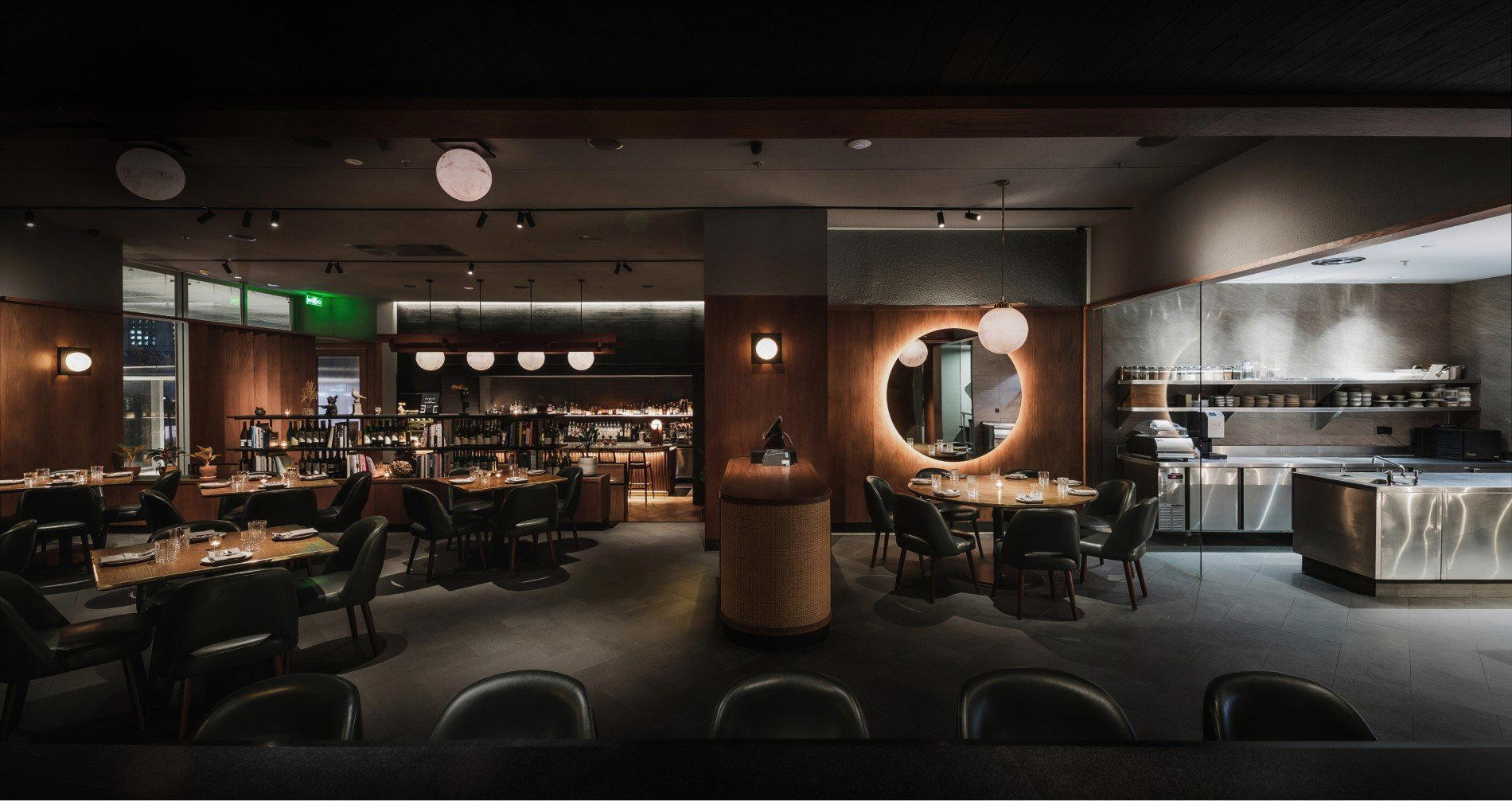
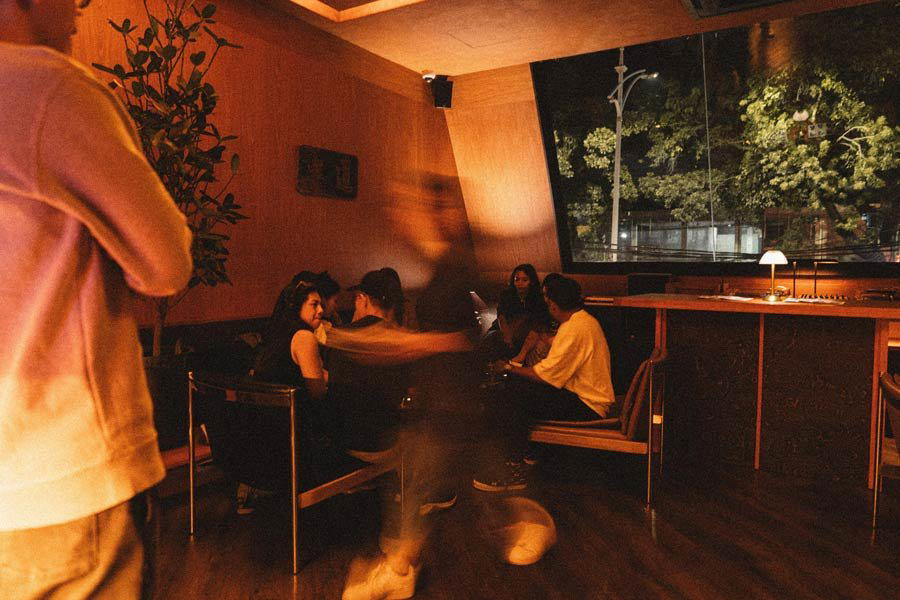
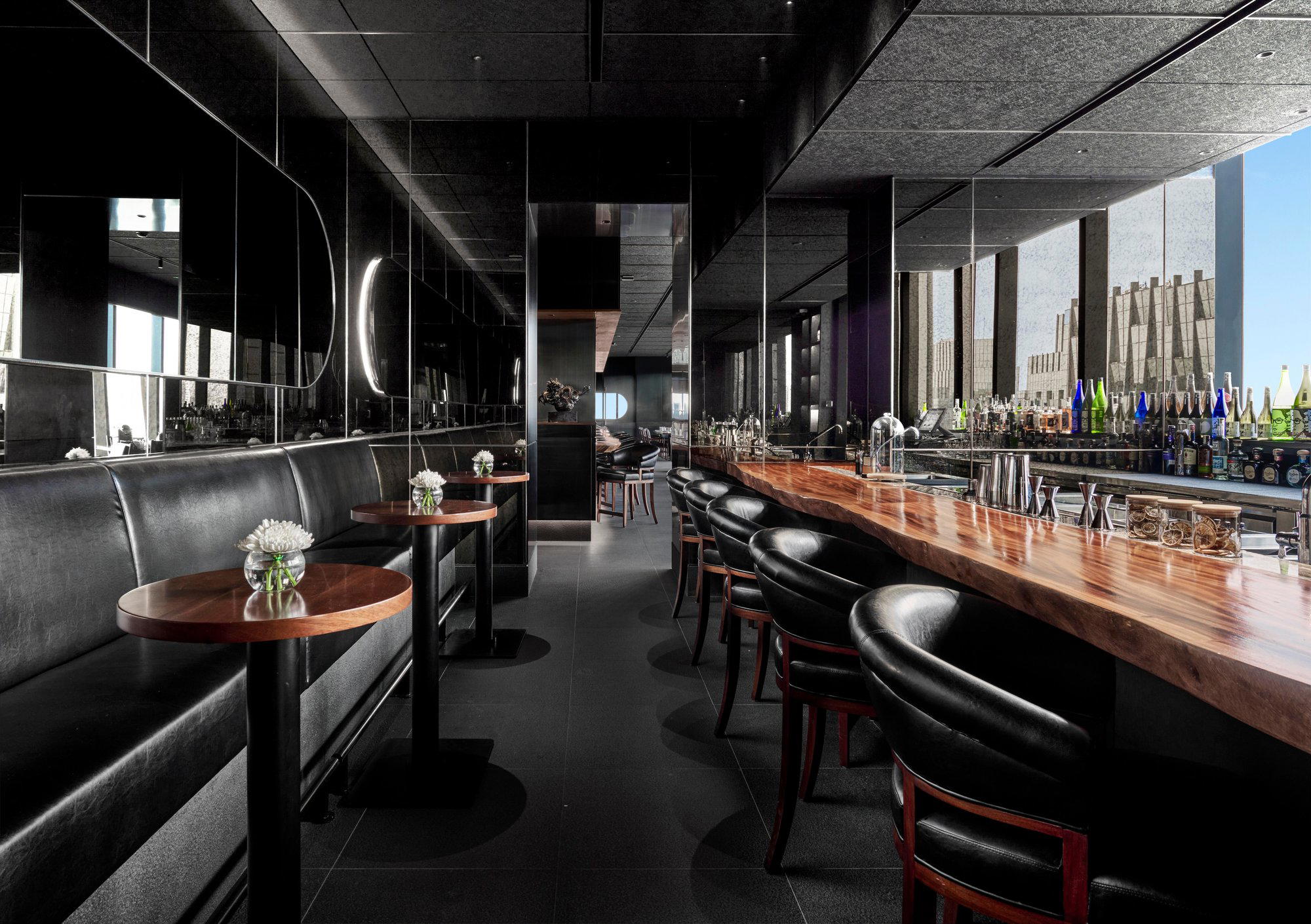
Located on the lower lobby level and accessed by a staircase, the room uses dark tones and classic Japanese design for a modern yet intimate feel, with quiet, private dining areas that create an elegant, romantic atmosphere suited to relaxed conversations and celebrations.