Camino Monument
Camino Monument sits in the heart of the City of London, where the financial district's stone-and-glass geometry meets a bar and restaurant scene built around the rhythms of the working week. The address on Mincing Lane places it deep in EC3 territory, steps from Monument station and the Thames-side edge of the Square Mile. For those moving through this part of the city, it functions as a reliable anchor in a neighbourhood that rarely slows down.
Pearl is the En Primeur Club membership app — saves, bookings, and concierge access live there. Same editors, same standards.
- Address
- 15 Mincing Ln., London EC3R 7BD, United Kingdom
- Phone
- +442078417335
- Website
- camino.uk.com
- Directions
- Get directions
 Saves & bookings on Pearl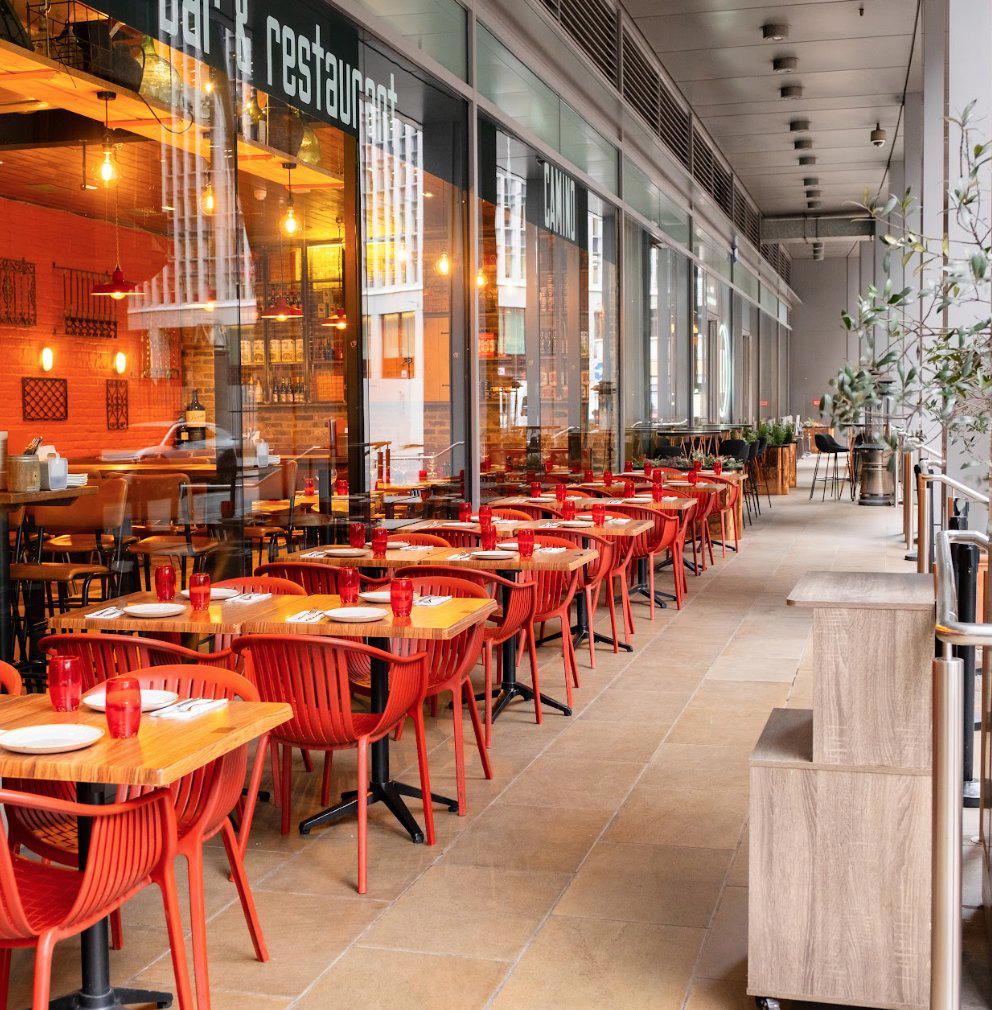
The City After Hours: Drinking and Dining in EC3
The Square Mile operates on a schedule unlike any other London neighbourhood. By 9am it is running at full intensity; by 9pm, the streets around Monument, Cannon Street, and the Mincing Lane corridor have largely emptied. The venues that survive here do so by serving a specific constituency, City workers, financial district visitors, and the occasional tourist cutting through from the Thames to the Barbican, and Camino Monument, at 15 Mincing Lane, is a Spanish tapas restaurant with. Its address places it inside one of London's most transactional neighbourhoods, which shapes everything from the rhythm of service to the logic of the drinks list.
Mincing Lane itself is a short, functional street that connects Fenchurch Street to Great Tower Street, flanked by office buildings and the kind of blank-glass facades that characterise post-1980s City development. It is not a destination street in the way that, say, Bermondsey Street or Exmouth Market function as dining destinations. Venues here succeed on convenience, consistency, and the ability to hold a table through the long lunch and the post-close drinks window. Camino has built a City-facing format across several London locations, and the Monument outpost reflects that broader approach: a Spanish-leaning bar and restaurant concept designed for a professional crowd that knows what it wants and has limited patience for anything that adds friction to an already compressed day.
Spanish Bar Culture in a City Context
The broader category Camino operates in, Spanish bar and restaurant, with an emphasis on tapas, wine, and communal eating, has matured considerably in London over the past two decades. What began as a novelty format in the early 2000s has settled into a recognisable style: small plates built around Iberian produce, a wine list weighted toward Rioja, Ribera del Duero, and the increasingly prominent whites of Galicia and the Basque Country, and a physical format that accommodates groups moving between bar and table.
That format travels well into a City context because it compresses naturally. A group of four can share plates and a bottle in under an hour, or stretch the same format across two hours without the structure feeling imposed. In a neighbourhood where lunch runs from noon to 2pm and post-work drinks have a hard deadline of the last train, that flexibility is a commercial advantage. The comparison to destination Spanish restaurants elsewhere in London, the more elaborate Basque cooking programs in Soho, or the wine-focused rooms in Bermondsey, is less useful than comparing Camino to its direct peers in EC3 and EC4, where the alternative is often a chain pub or a hotel bar running a generic European menu.
What the Neighbourhood Demands
The City of London dining scene has shifted materially since the mid-2010s. The influx of better coffee, independent wine bars, and chef-led casual restaurants that transformed areas like Shoreditch and Borough has reached EC3 in limited but visible ways. Venues around Monument and Fenchurch Street now sit alongside a small number of more considered operators, but the dominant logic remains volume and speed. Weekday lunch covers drive the economics; weekend trade is minimal in most of the Square Mile.
That pattern places Camino Monument in a specific planning position. It is a venue calibrated for the weekday window, which means the experience is structurally different from Spanish-format restaurants operating in leisure-heavy postcodes. The room is likely to be animated at lunch and after 5pm on Thursdays and Fridays in ways it will not be on a quiet Wednesday evening or any point over the weekend. Understanding that rhythm is more useful than any general assessment of the concept: the City has its own clock, and venues here are leading read against it.
For those comparing the EC3 scene to London's more celebrated dining corridors, the contrast is instructive. The concentration of multi-Michelin-starred rooms in West London, including CORE by Clare Smyth, Restaurant Gordon Ramsay, and The Ledbury, operates in a completely different market register. So does the ambition of Sketch's Lecture Room and Library or the historical theatre of Dinner by Heston Blumenthal. The City's dining offer is not competing in that register, and venues like Camino are not trying to. The relevant comparable set is the working-lunch and after-work drinks market, and within that set, a Spanish format with a credible wine list and a consistent kitchen occupies a reasonable position.
For a wider view of where London's restaurant scene is moving, London's restaurant guide maps the city by neighbourhood and price tier. For context on what serious Spanish-influenced cooking looks like at a national level, the comparison points extend well beyond London: the technique-led programs at Moor Hall in Aughton and Ynyshir Hall in Machynlleth demonstrate what happens when kitchen ambition is unconstrained by a City-worker schedule. The contrast is useful not as a criticism but as a way of locating Camino Monument accurately in the broader map of UK dining.
Across the UK and internationally, notable restaurants include Waterside Inn in Bray, L'Enclume in Cartmel, Gidleigh Park in Chagford, Hand and Flowers in Marlow, hide and fox in Saltwood, Midsummer House in Cambridge, Opheem in Birmingham, and Restaurant Andrew Fairlie in Auchterarder. Internationally, Le Bernardin in New York City and Lazy Bear in San Francisco represent the kind of singular format ambition that sits at the opposite end of the restaurant-purpose spectrum from a City bar-restaurant.
Planning Your Visit
- Patatas Bravas
- Pulpo a la Gallega
- Gambas al Ajillo
- Chorizo al Vino
- Presa Iberica
- Croquetas
How It Stacks Up
Comparable venues nearby, for context on price, style, and recognition.
| Venue | Cuisine | Price | Notes |
|---|---|---|---|
| Camino MonumentThis venue — the venue you are viewing | Authentic Spanish Tapas | $$$ | Not listed |
| Barrafina Dean Street | Modern Spanish Tapas | $$$ | Soho |
| Lobos Meat and Tapas | Spanish Meat & Tapas | $$$ | Borough |
| Barrafina Borough Yards | Modern Spanish Tapas | $$$ | Borough |
| Opera Tavern | Spanish and Italian Tapas | $$$ | Aldwych |
| Dehesa | Spanish & Italian Tapas | $$$ | Soho |
Continue exploring
More in London
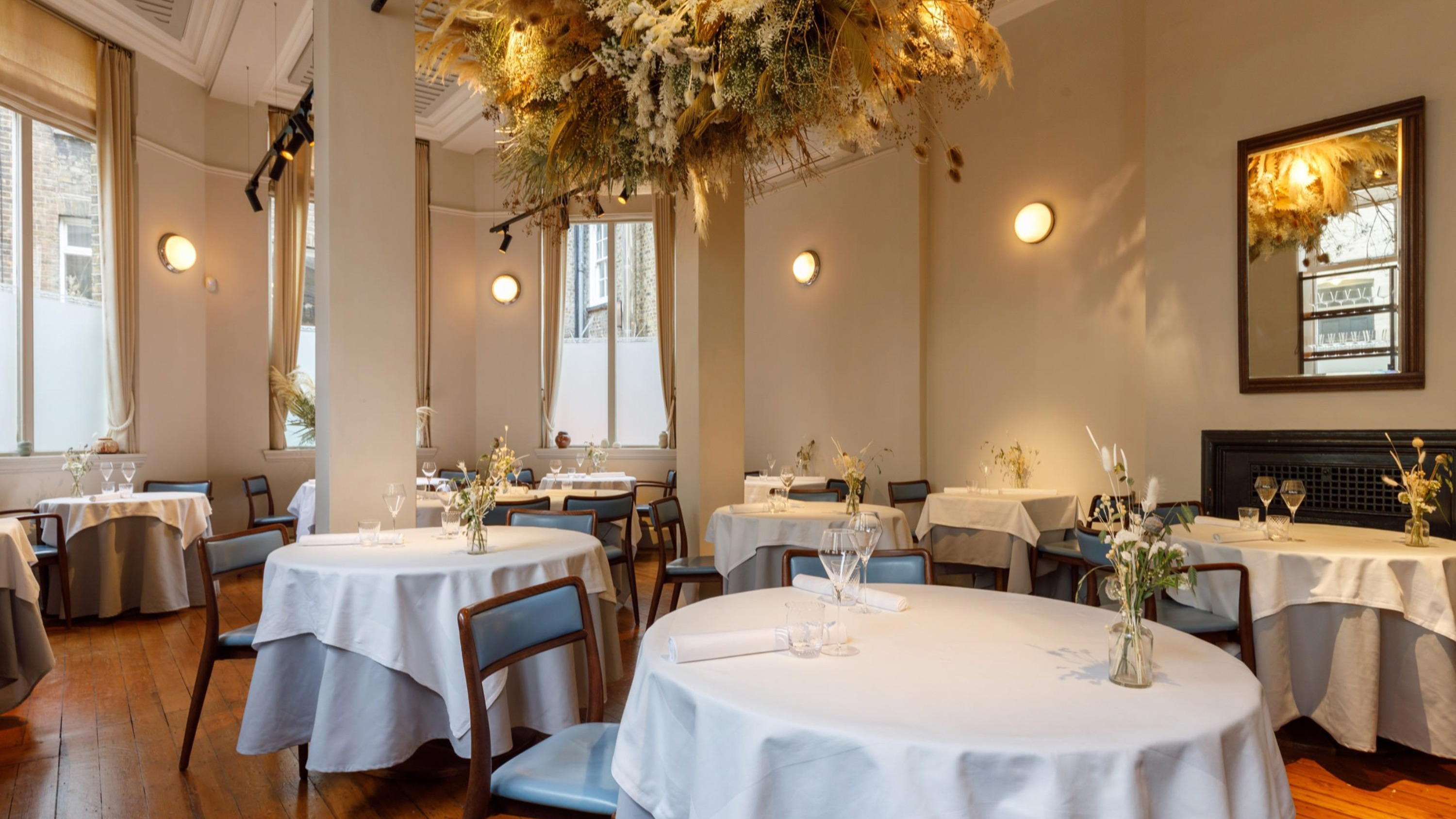
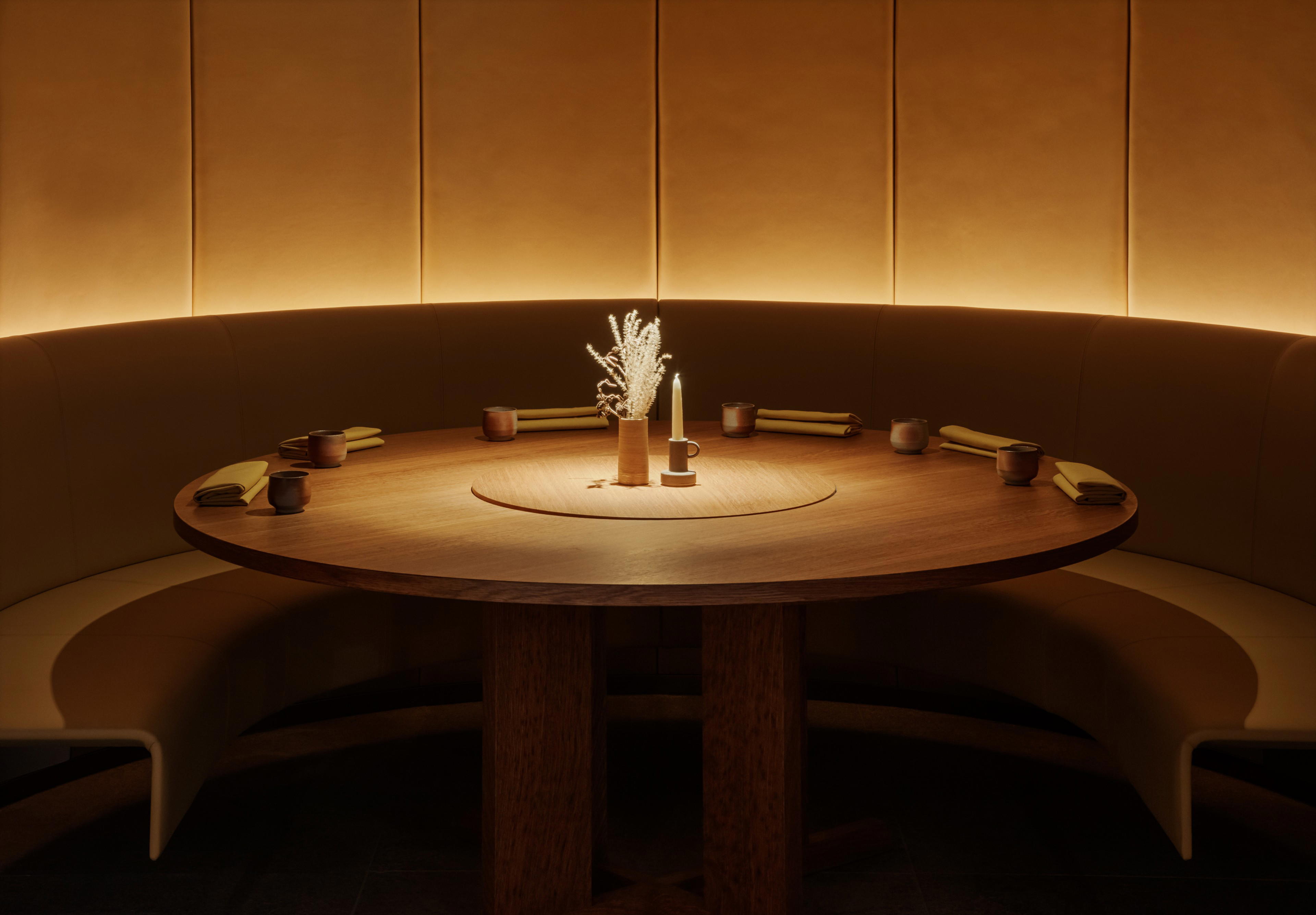
Restaurants in London
Browse all →
Bars in London
Browse all →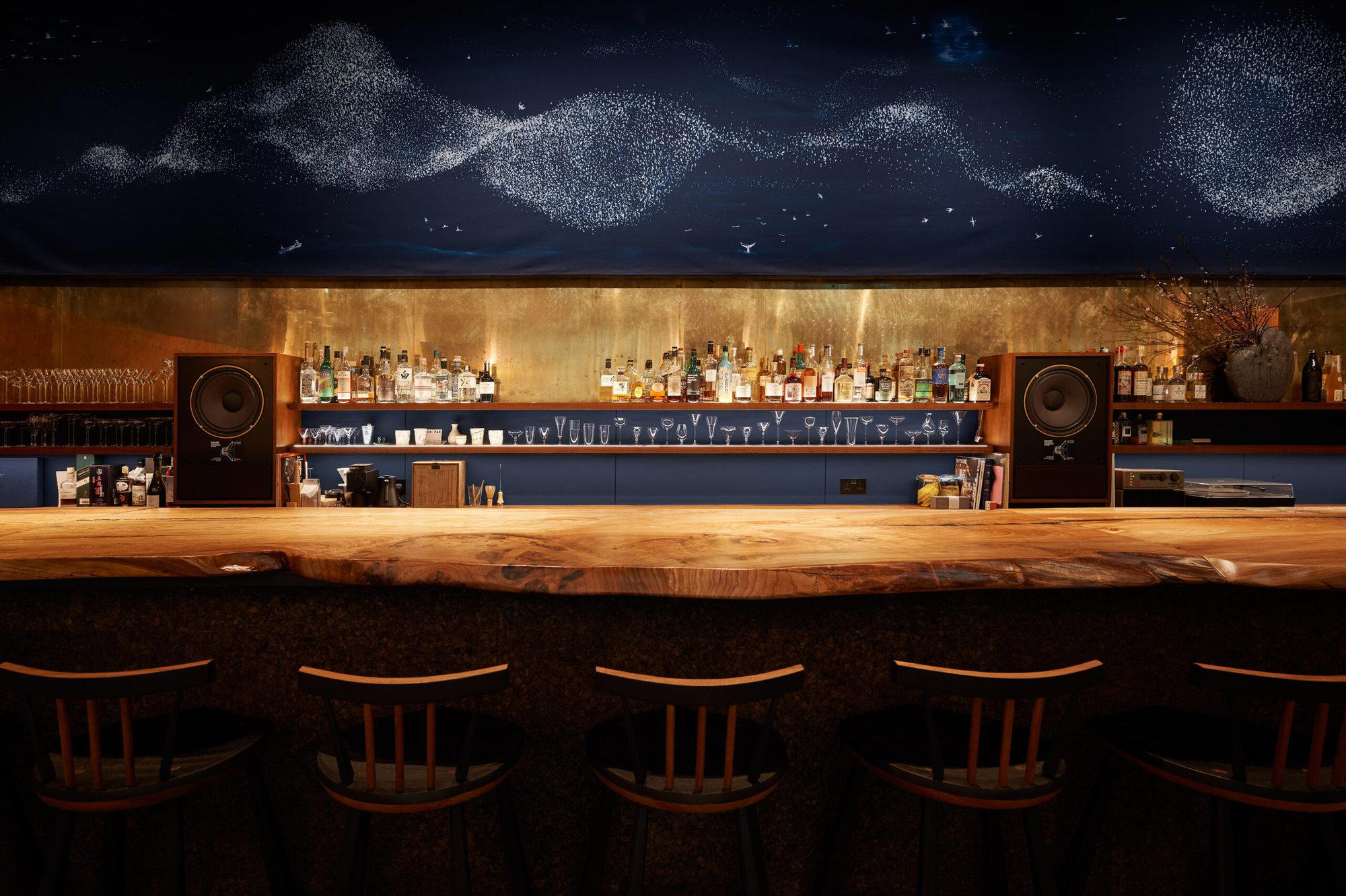
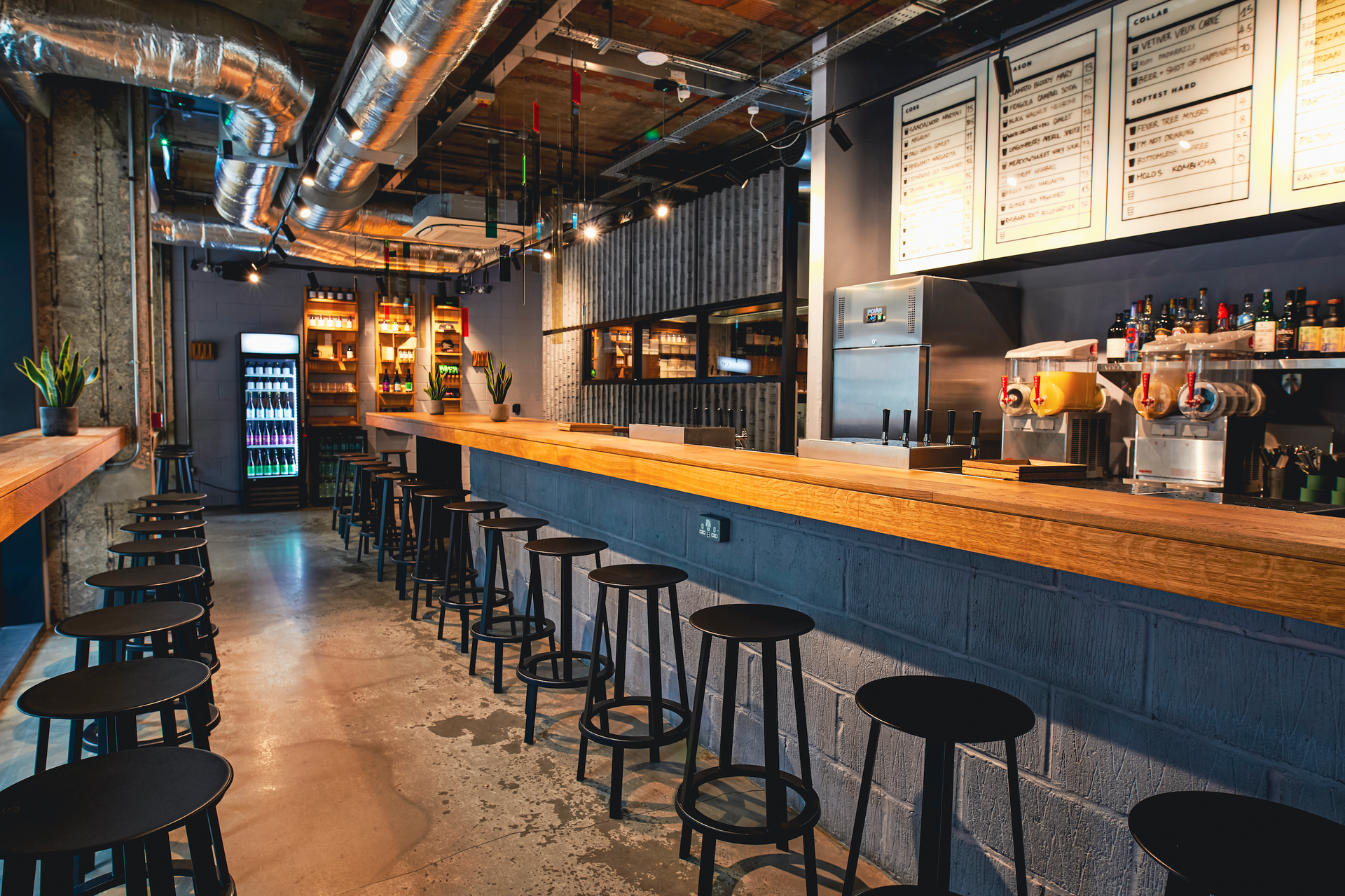
Hotels in London
Browse all →

At a Glance
- Lively
- Energetic
- Rustic
- Cozy
- Group Dining
- After Work
- Casual Hangout
- Celebration
- Terrace
- Open Kitchen
- Standalone
- Extensive Wine List
- Craft Cocktails
- Beer Program
- Sustainable Seafood
- Local Sourcing
Current opening hours
- Monday
- 12 PM–12 AM
- Tuesday
- 12 PM–12 AM
- Wednesday
- 12 PM–12 AM
- Thursday
- 12 PM–12 AM
- Friday
- 12 PM–12 AM
- Saturday
- Closed
- Sunday
- Closed
Hours can change for holidays and private events. Last verified .
Low lighting with brick walls and Iberian mementoes, creating a warm and inviting atmosphere with energetic young staff and funky sounds, especially on weekends.