Opera Tavern
Our verdict
Opera Tavern occupies a narrow Catherine Street address in Covent Garden, drawing on the Spanish and Italian small-plates tradition that reshaped London's casual dining in the 2010s. The format rewards unhurried eating: shared dishes, a wine list tilted toward Iberian producers, and a room that fills quickly on theatre nights. Book ahead, particularly for weekend evenings.

Pearl is the En Primeur Club membership app, where members save venues, book tables and use the concierge.

The menu
What to order
- Mini Ibérico Pork and Foie Gras Burger
- Iberian pork belly
- Tiger prawns
Covent Garden's Small-Plates Tradition, Placed in Context
London's theatre district has always had a feeding problem. The West End draws enormous footfall between 5pm and 7pm, and most of what lines those streets is designed to turn tables fast rather than feed people well. The exceptions tend to cluster on the quieter residential edges of the district, where rents are slightly more forgiving and the clientele extends beyond pre-show tourists. Catherine Street, running south from Long Acre toward the Strand, sits in that more considered zone, and Opera Tavern at number 23 has occupied that position as a Spanish-Italian small-plates address for over a decade.
The small-plates format itself deserves some framing. When Salt Yard Group, the operator behind Opera Tavern, began developing this model in the mid-2000s, the idea of ordering six to eight dishes for two people and eating without a designated sequence was still a mild novelty in London's mid-market. It has since become standard. What distinguished the format then, and what still matters now, is whether the kitchen treats the model as a genuine culinary framework or as a way to charge more for less. The Iberian-Italian axis that Opera Tavern works within has specific logic: Spanish charcuterie culture, the pintxos and raciones tradition, meets the cicchetti heritage of northern Italy, and both share an assumption that the leading eating happens in fragments, with wine moving freely between small bites.
The Ritual of the Meal Here
The dining ritual at this kind of address differs substantially from the tasting-menu format that dominates London's upper tier. Restaurants like CORE by Clare Smyth, Sketch, The Lecture Room and Library, or Restaurant Gordon Ramsay ask diners to surrender control of the sequence entirely, submitting to a kitchen-led arc. At Opera Tavern, the contract runs the other way: the diner assembles the meal, and the pleasure is partly in that assembly. You begin with cured meats or something cold, something sharp or brined, and you build outward toward cooked dishes, letting the table accumulate plates rather than clear them between courses.
This demands a different kind of attention from both kitchen and diner. The kitchen has to produce dishes that hold up to interruption, that can arrive in variable order without collapsing the logic of the meal. The diner has to resist the temptation to over-order in the first fifteen minutes, which is easy to do when a menu is designed around small portions and relative affordability. The experienced approach at places like this is to order in two rounds: an initial spread of three or four dishes, assess what the table wants more of, then order again. It slows the pace, reduces waste, and produces a more considered meal than front-loading everything at once.
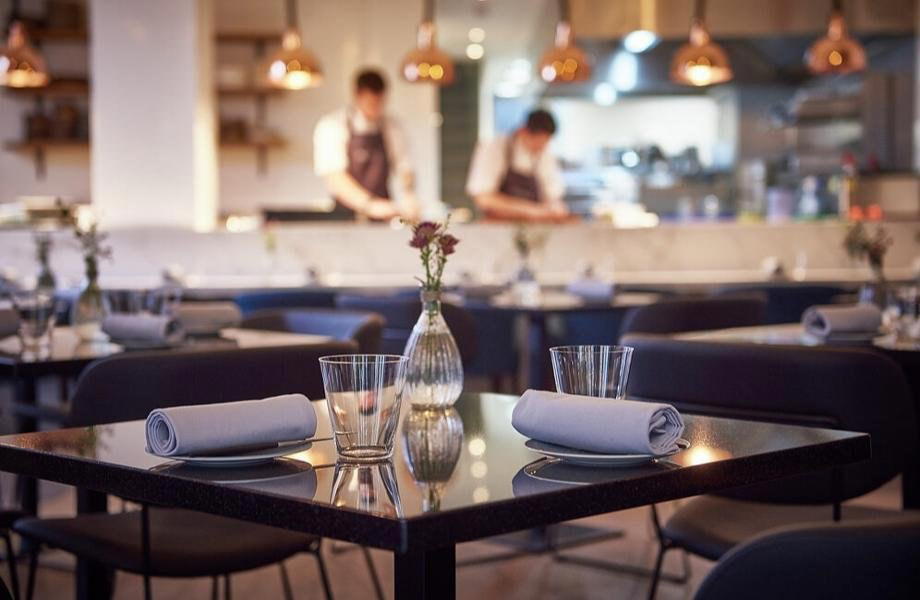
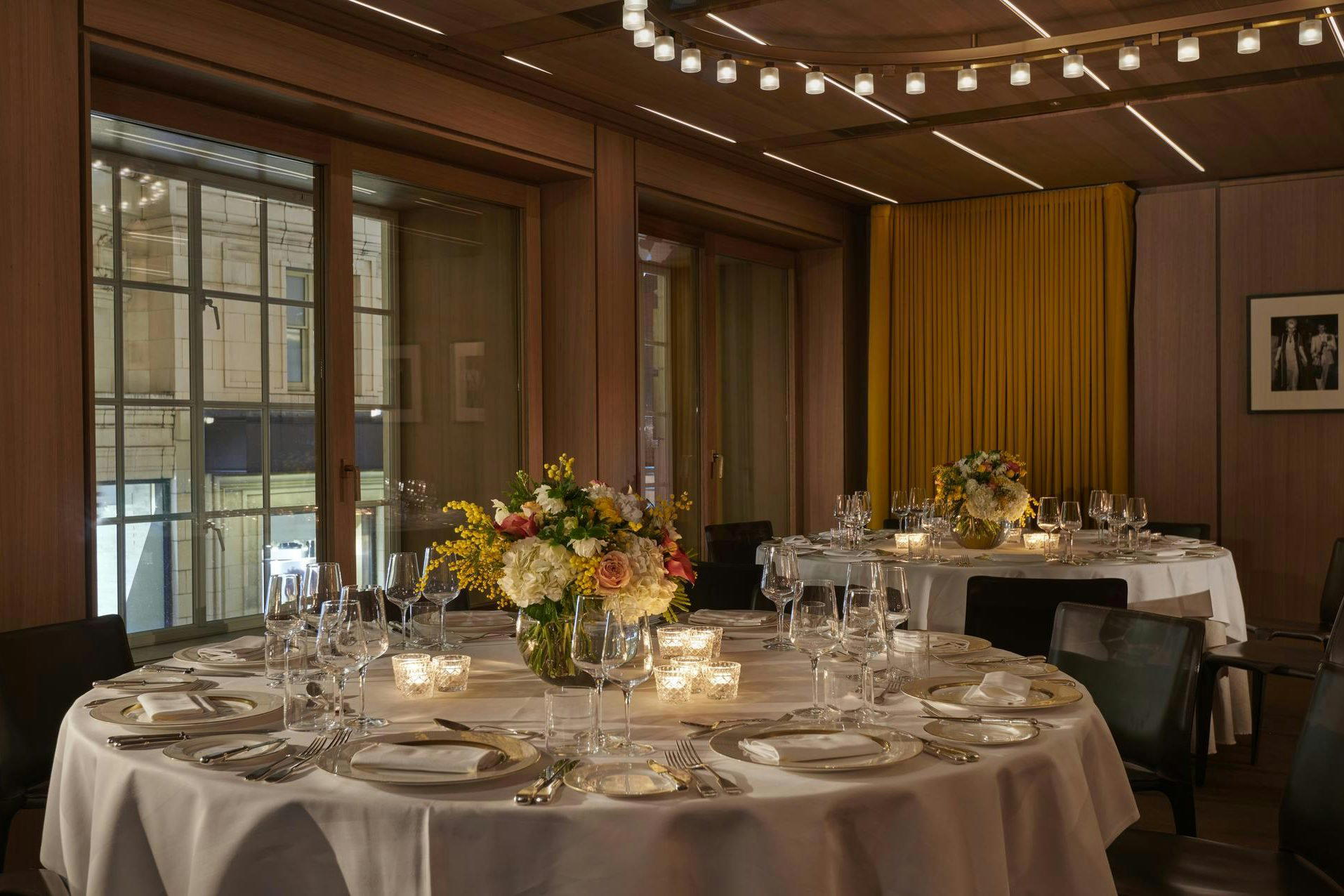
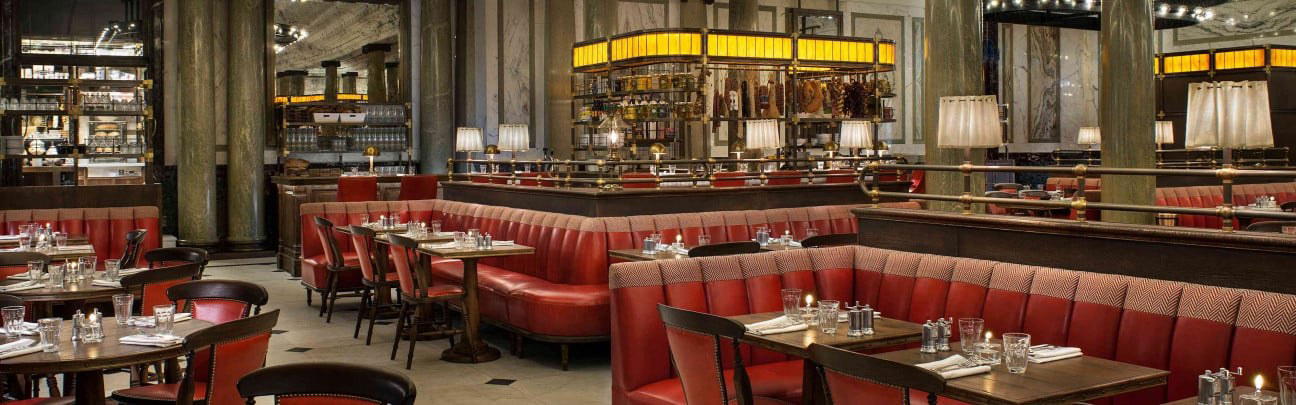
The room on Catherine Street reinforces this pacing. It is a narrow, vertically-arranged space, with a ground floor bar area and a dining room above. The layout means the energy of the ground floor, which functions closer to a tapas bar, is distinct from the more settled rhythm of tables upstairs. Both work, but they produce different meals. Standing at the bar with a glass of something Basque or Galician while deciding whether to head upstairs is a reasonable way to start, and it is closer to how this kind of eating works in its source cities.
Where This Venue Sits Relative to London's Mid-Market
The comparison table below positions Opera Tavern against several London addresses operating at different points of the price and formality spectrum. The upper tier, anchored by establishments like The Ledbury and Dinner by Heston Blumenthal, runs on fixed tasting menus, advance booking windows of weeks or months, and price points in the ££££ range. Opera Tavern occupies a different competitive set entirely: a la carte, walk-in friendly at certain hours, and priced for repeat visits rather than annual occasions.
| Venue | Format | Price Tier | Booking Lead Time | Neighbourhood |
|---|---|---|---|---|
| Opera Tavern | Small plates, à la carte | ££ | Days to one week | Covent Garden |
| The Ledbury | Tasting menu | ££££ | Several weeks | Notting Hill |
| Dinner by Heston Blumenthal | À la carte, set menu | ££££ | Two to four weeks | Knightsbridge |
| Sketch, Lecture Room | Tasting menu | ££££ | Several weeks | Mayfair |
| CORE by Clare Smyth | Tasting menu | ££££ | Several weeks | Notting Hill |
That positioning matters for how you plan a visit. Opera Tavern fits into an evening in the West End with considerably less logistical overhead than the addresses above. It also fits into a broader London dining itinerary that might include a bar visit before or after. For more on drinking in the area, see our full London bars guide.
The Iberian-Italian Register and What It Demands
The cuisine at Opera Tavern draws on a tradition that has deep roots in both Spain and Italy but translates differently to London. In Barcelona or San Sebastián, the small-plates format is embedded in daily social life, not positioned as a dining experience. In London, it requires a kitchen that understands the original spirit well enough to avoid flattening it into a generic sharing-plates menu. The difference shows in the sourcing and treatment of charcuterie, in whether the kitchen uses high-acidity wines as a design principle rather than an afterthought, and in whether the plates are genuinely sized for sharing or merely described that way.
For context on the wider range of serious restaurants in the city, the full London restaurants guide covers everything from Restaurant Gordon Ramsay to more casual addresses across neighbourhoods. Those planning a broader UK trip might also consider The Fat Duck in Bray, L'Enclume in Cartmel, Moor Hall in Aughton, Gidleigh Park in Chagford, Hand and Flowers in Marlow, or Le Manoir aux Quat' Saisons in Great Milton, all of which represent the formal end of British destination dining. Internationally, the contrast in format and ambition extends to addresses like Le Bernardin in New York City and Atomix, where the tasting-menu contract is the entire premise.
Planning a Visit
Opera Tavern is at 23 Catherine Street, London WC2B 5JS, a short walk from Covent Garden tube station. The address is well-suited to pre- or post-theatre timing given its proximity to the Royal Opera House and several West End theatres. Weekend evenings fill quickly; booking two to five days ahead is advisable for Friday and Saturday. Weekday lunches are considerably more accessible. For hotels in the area and broader London travel planning, see our full London hotels guide, and for experiences and cultural programming nearby, our London experiences guide covers the wider Covent Garden and West End area. Wine-focused visitors can also consult our London wineries guide for broader context on what the city's wine scene currently offers.
Frequently asked questions
What's the address for Opera Tavern?
Opera Tavern is located at 23 Catherine St, London WC2B 5JS, United Kingdom, London.
Is Opera Tavern suitable for a group dinner in central London?
The small-plates format at 23 Catherine Street, London WC2B 5JS is well-suited to groups, since the shared structure removes the need for coordinated ordering. The Iberian-Italian register, built around cured meats, charcuterie, and comparable plates, covers a range of preferences without requiring a set menu. The Covent Garden location also makes it a practical meeting point for groups arriving from different parts of the city.
What's the best thing to order at Opera Tavern?
The kitchen operates in the Spanish-Italian small-plates tradition, which makes the charcuterie and cured meat selection a reliable anchor for the meal. This format rewards ordering across several categories rather than treating any single dish as a centrepiece. At 23 Catherine Street, the format is structured around sharing, so arriving with two or more people gives you the widest run through the menu.
How hard is it to get a table at Opera Tavern?
Considerably less difficult than London's Michelin-starred tasting-menu addresses, where booking windows can stretch to several weeks or months. Opera Tavern's small-plates format and Covent Garden location mean the kitchen turns tables at a pace that keeps walk-in availability realistic, particularly outside the core pre-theatre window. If you're targeting a Friday or Saturday evening before 7pm, a reservation is still the safer approach.
Cost and Credentials
Comparable venues nearby, for context on price, style, and recognition.
| Venue | Cuisine | Price | Notes |
|---|---|---|---|
| Opera TavernThis venue (the venue you are viewing) | Spanish and Italian Tapas | $50–100 | Not listed |
| Social Wine & Tapas | Not listed | Not listed | Marylebone, Modern Spanish Tapas & Natural Wine Bar |
| Lobos | Spanish Meat & Tapas | $30–50 | Soho, Spanish Meat & Tapas |
| Dehesa | Spanish & Italian Tapas | $50–100 | Soho, Spanish & Italian Tapas |
| Hispania | Authentic Spanish Tapas | $50–100 | Cheapside, Authentic Spanish Tapas |
| Cambio de Tercio | Modern Spanish Tapas | $50–100 | West Brompton, Modern Spanish Tapas |