Camille


Michelin Plate · National Restaurant Awards Top 100 #20
Our verdict
At the entrance to Borough Market on Stoney Street, Camille is a French bistro operating in the classical mould: blackboard menus, pâté-en-croûte, whole mackerel with café de Paris butter, and a room that dispenses with formality without sacrificing seriousness. A Michelin Plate holder since 2025, it earns its place in London's broader French dining conversation through discipline and restraint, not scale.

Pearl is the En Primeur Club membership app, where members save venues, book tables and use the concierge.
The menu
What to order
- Crab toast
- Pork schnitzel
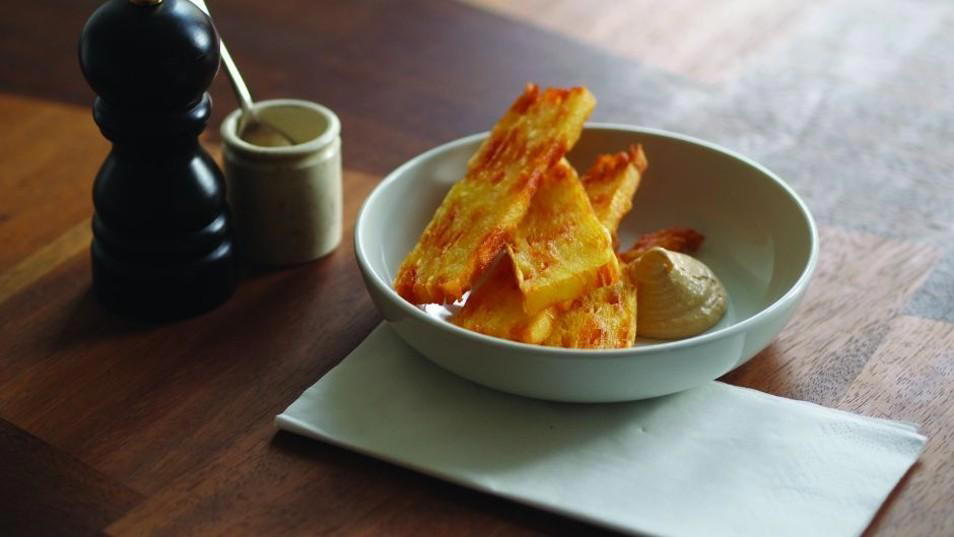
- Potato pave
Stoney Street and the Case for Pared-Back French Cooking
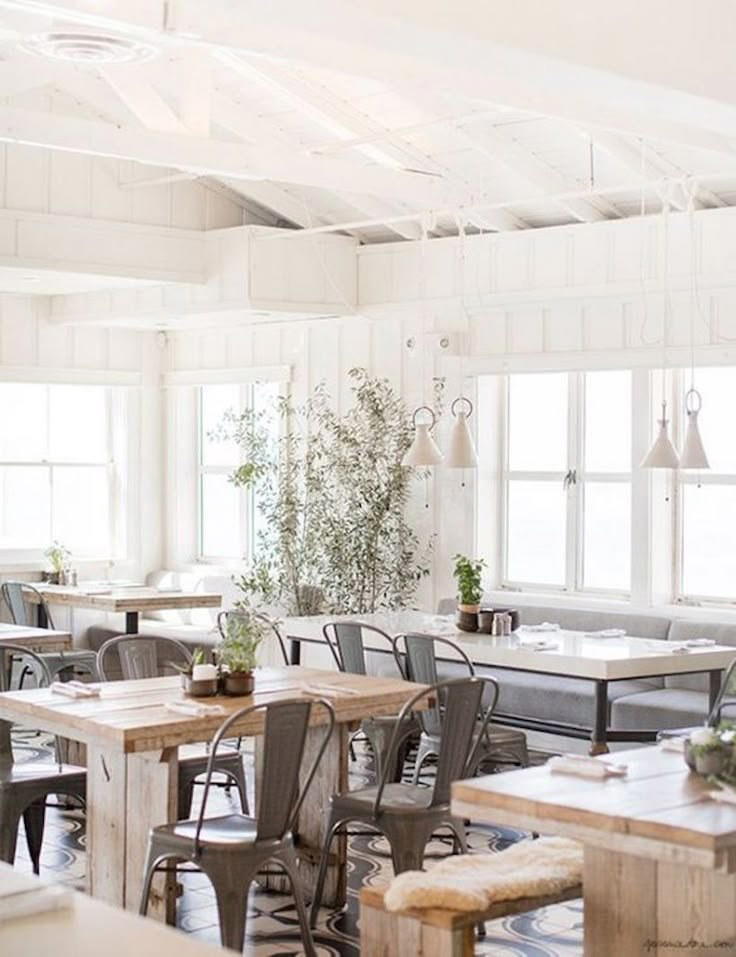
Arrive at Borough Market's north-eastern entrance on a weekday morning and the sensory layering is immediate: coffee, baked bread, the mineral tang of wet stone from the market's covered aisles. It is into this specific urban context that Camille sits, at 2-3 Stoney St, SE1, occupying one of the most food-saturated postcodes in London without needing to compete on volume or spectacle. The room signals its priorities clearly: a rustic interior, handwritten blackboards where menus would normally be printed, and a register that tilts firmly away from the ceremonial. That combination, in the shadow of one of Europe's most-visited food markets, is not accidental.
The bistro format Camille operates within is one of French cooking's most durable, and most easily misunderstood, traditions. In France, the bistro emerged as a counterpoint to grande cuisine, a space where classical technique serves daily appetite rather than occasion. The blackboard menu is a signifier of that tradition: dishes change with market availability and season, and the kitchen's vocabulary stays within a range of preparations that have accumulated meaning over generations. Pâté-en-croûte and whole fish with compound butter are not gestures toward nostalgia. They are a functioning culinary register, one that London's French dining scene has largely moved away from in favour of tasting menus and contemporary refinement.
Where Camille Sits in London's French Dining Spectrum
London's French restaurant offer now spans a wider range of formats and price points than at any previous moment. At the upper end, multi-course tasting menus dominate: Pétrus by Gordon Ramsay and Le Gavroche represent the haute cuisine lineage, while newer iterations of modern French cooking at the ££££ tier, including Galvin La Chapelle, operate with elaborate service structures and extensive wine programmes. Chez Bruce in Wandsworth occupies a mid-tier position with a more accessible format but still operates at £££-£££. Further afield, the conversation about what serious French-influenced cooking looks like continues at places like Hotel de Ville Crissier in Crissier and L'Effervescence in Tokyo, both of which represent the global reach of classical French technique through very different lenses.
Camille, priced at £££, occupies the zone below that formal register without retreating into casualness. A Michelin Plate in 2025 places it in a category of Michelin-recognised restaurants that do not carry stars but have been assessed as producing cooking that meets the guide's quality threshold. That is a meaningful signal in a city where Michelin coverage of the bistro tier is inconsistent. It suggests a kitchen operating with consistent technique and ingredient attention, rather than one trading on the market's foot traffic alone.
The contrast with London's most-decorated contemporaries is instructive. 64 Goodge Street represents a different strand of focused, precise cooking in a compact format. But in the French bistro category specifically, Camille holds a position that few London addresses match: classical French cooking, seriously executed, at a price point that permits regular visits rather than occasion-driven ones.
The Menu Logic and What It Tells You
A blackboard menu that changes regularly is not a flourish. It is a structural decision with real implications for what the kitchen can achieve on a given day. Dishes like pâté-en-croûte require time and technical attention to execute well: the forcemeat, the pastry casing, the aspic, all demand preparation that begins well before service. Including it on a rotating menu rather than as a permanent fixture indicates a kitchen that builds its daily offer around what it can do properly, rather than what it can do consistently at volume.
Whole mackerel with café de Paris butter occupies a different register: a whole fish preparation that respects the ingredient's oiliness and flavour intensity, paired with a compound butter that has Swiss origins but long been absorbed into classical French bistro cooking. These are not elaborate dishes. They are dishes that reveal the cook's understanding of flavour balance and timing in ways that are actually harder to mask than a more complex preparation with multiple components.
That discipline characterises the broader category of cooking Camille represents. The satisfaction is eminently achievable when the sourcing is sound and the technique holds, and that is precisely what the Michelin Plate recognition acknowledges.
Borough Market as Context, Not Backdrop
The location is worth considering beyond its obvious foot-traffic advantages. Borough Market operates as one of London's most serious wholesale and retail food markets, with a supplier network that extends well beyond the retail stalls visible to the public. A French bistro positioned at its entrance with a seasonal, changing menu is placed to work with that network in a way that a fixed-menu or high-volume operator could not. The proximity is a logistical asset, not merely an atmospheric one.
For visitors to London considering where French cooking fits in a broader itinerary, the neighbourhood's offer extends considerably beyond the immediate area. Our full London restaurants guide covers the wider picture, and the adjacent guides for hotels, bars, wineries, and experiences map the full SE1 and broader London offer for those planning a longer stay. For those willing to travel further for comparable cooking traditions under different formats, The Fat Duck in Bray, L'Enclume in Cartmel, Moor Hall in Aughton, Gidleigh Park in Chagford, Hand and Flowers in Marlow, and hide and fox in Saltwood each represent distinct interpretations of serious cooking outside the capital.
Planning Your Visit
| Detail | Camille | Typical ££££ French (London) | Typical £££ French (London) |
|---|---|---|---|
| Price tier | £££ | ££££ | £££ |
| Recognition | Michelin Plate 2025 | Michelin 1-3 Stars | Michelin Plate or unrecognised |
| Menu format | Rotating blackboard | Fixed tasting menu | Mixed; some à la carte |
| Setting | Rustic bistro, Borough Market | Formal dining room | Varied |
| Address | 2-3 Stoney St, SE1 9AA | Central / West London typical | Citywide |
| 4.5-4.8 typical | 4.2-4.6 typical |
Frequently asked questions
What awards or recognition does Camille have?
Camille has received recognition including: Situated at the entrance to the foodie wonderland that is Borough Market, this intimate French bistro is rooted in an ethos of unpretentious, pared-back cooking that perfectly suits its rustic interior design. The blackboard-written menu is….
What should I order at Camille?
The blackboard menu shifts regularly, so specific dishes vary by visit. The kitchen's documented strengths run to classic bistro preparations: pâté-en-croûte and whole mackerel with café de Paris butter are cited as representative dishes. Arrive early or check in advance, what's on the board that day is the menu.
What part of town is Camille in?
Camille is located at 2-3 Stoney St, London SE1 9AA, United Kingdom, London.
How hard is it to get a table at Camille?
The restaurant sits at the entrance to Borough Market, one of London's busiest food destinations, which means footfall is high and the dining room is intimate.
What's the standout thing about Camille?
The Michelin Plate (2025) recognition points to cooking that delivers consistent technique without theatrical presentation. What distinguishes Camille within London's French dining spectrum is the combination of a market-adjacent location and a blackboard menu that changes with genuine frequency, a structural commitment that keeps the kitchen honest and the sourcing close to Borough Market's wholesale traders.
City Peers
| Venue | Cuisine | Price | Awards | Notes |
|---|---|---|---|---|
| CamilleThis venue (the venue you are viewing) | Modern French Bistro | $50–100 | Michelin Plate · National Restaurant Awards Top 100 #20 | Not listed |
| The Ledbury | Modern British Fine Dining | $300–500 | 3 Michelin Stars · World's 50 Best #42 | Modern European, Modern Cuisine |
| Sketch, The Lecture Room and Library | Modern French Fine Dining | $200–300 | 3 Michelin Stars · World's 50 Best #18 | Modern French |
| CORE by Clare Smyth | Modern British Fine Dining | $150–200 | 3 Michelin Stars · World's 50 Best #97 | Modern British |
| Restaurant Gordon Ramsay | French Fine Dining | $200–300 | 3 Michelin Stars · World's 50 Best #13 | Contemporary European, French |
| Dinner by Heston Blumenthal | Historic British Fine Dining | $200–300 | 2 Michelin Stars · World's 50 Best #45 | Modern British, Traditional British |
Recognition history
Dated appearances from independent guides and award organizations, with the underlying list record or original source where available.
Michelin Plate
Michelin
National Restaurant Awards Top 100 #20 · No. 20
National Restaurant Awards · 2026 National Restaurant Awards Top 100
Opinionated About Dining Newly Added European Restaurants
Opinionated About Dining
Full recognition history (6 entries)
Opinionated About Dining Casual in Europe Recommended
Opinionated About Dining
Michelin Plate
Michelin
National Restaurant Awards Top 100 #37
National Restaurant Awards
Continue exploring
More in London
Restaurants in London
All restaurants in London →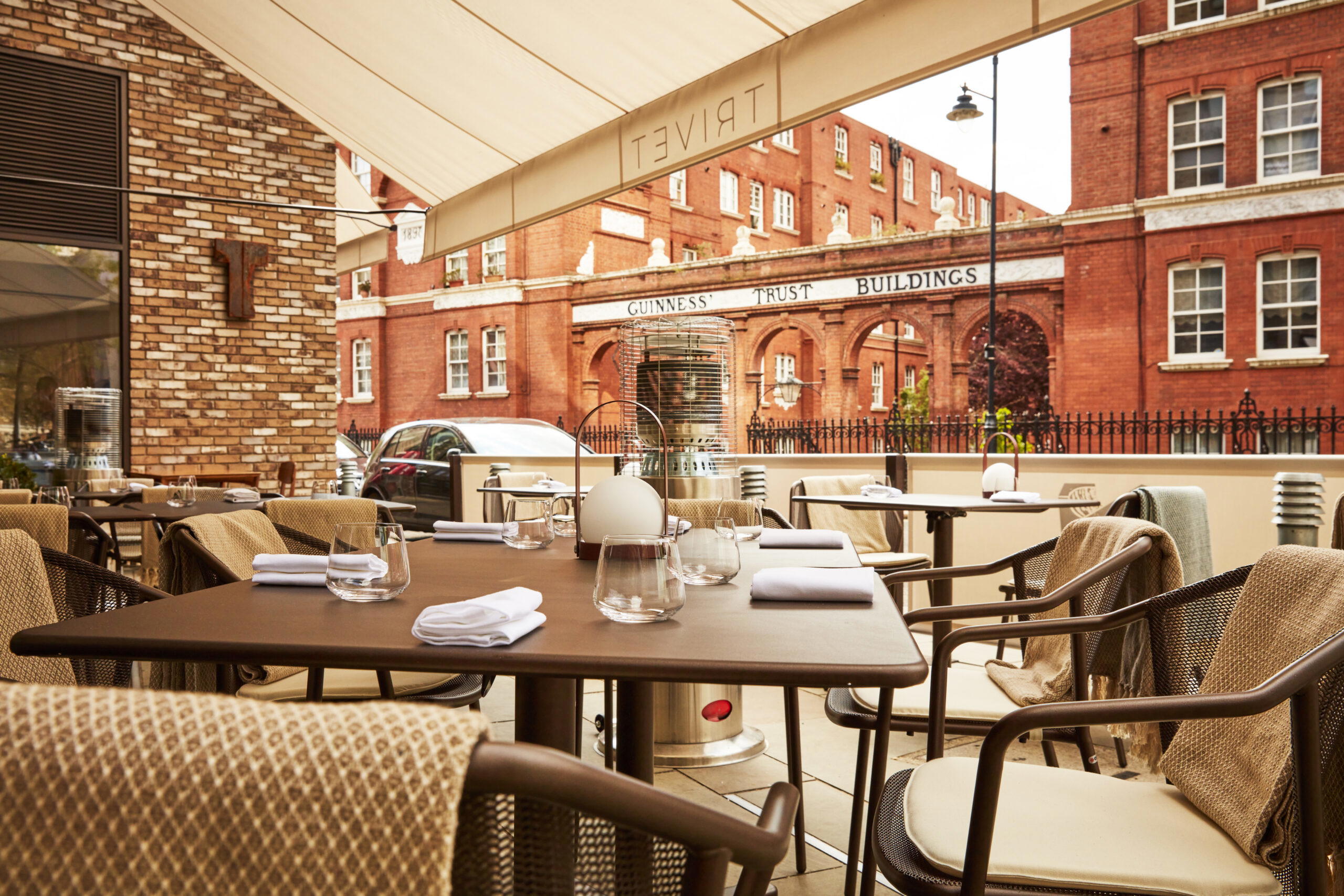
Bars in London
All bars in London →


Details
- Cozy
- Intimate
- Elegant
- Classic
- Date Night
- Special Occasion
- Open Kitchen
- Natural Wine
- Local Sourcing
- Small Plates
- A La Carte
- Vegetarian Friendly
Current opening hours
- Monday
- 5:30–10 PM
- Tuesday
- 12–3 PM, 5:30–10 PM
- Wednesday
- 12–3 PM, 5:30–10 PM
- Thursday
- 12–3 PM, 5:30–10 PM
- Friday
- 12–3 PM, 5:30–10 PM
- Saturday
- 12–3 PM, 5:30–10 PM
- Sunday
- 12–4 PM
Hours can change for holidays and private events. Hours as of .
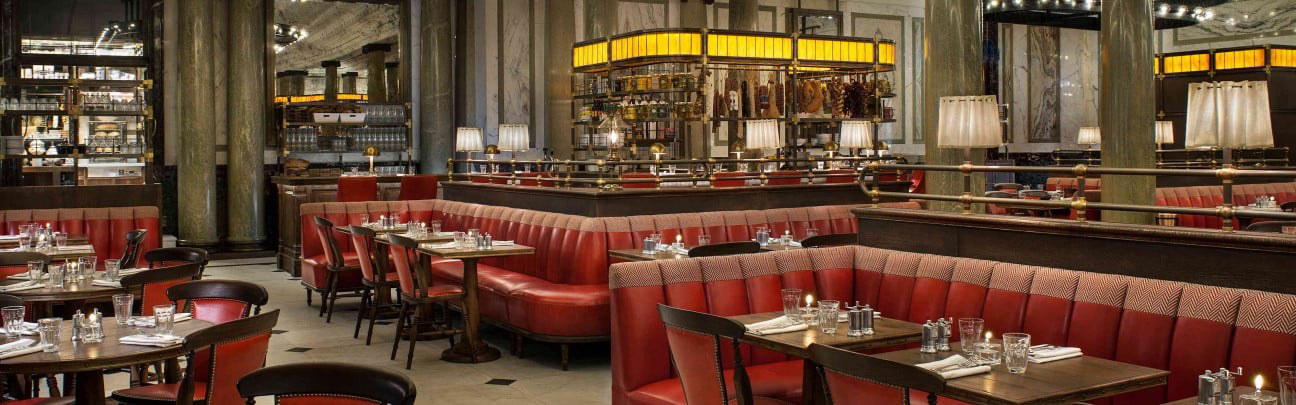
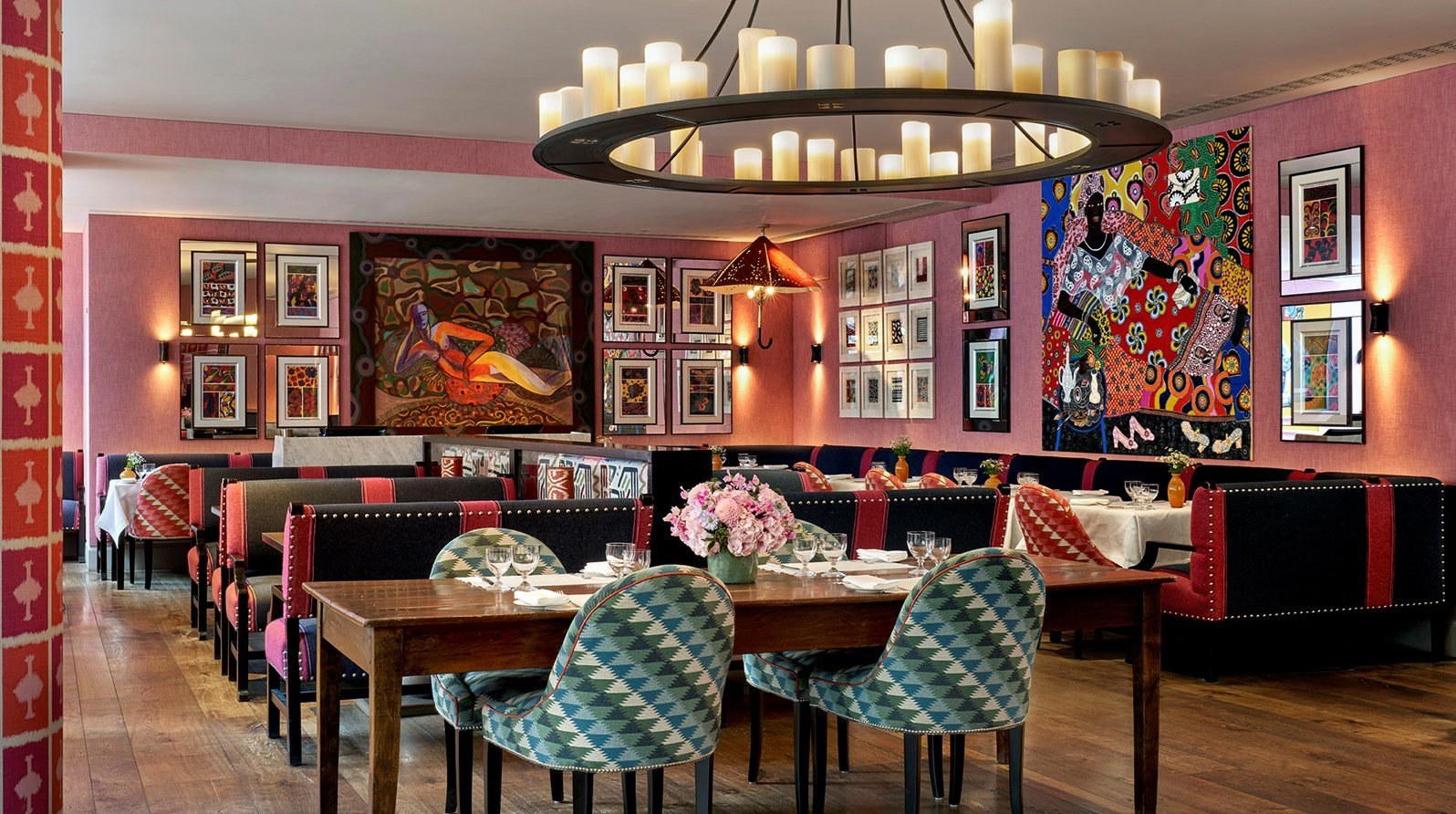
Intimate bistro with flickering candles, cozy rustic interior, and buzzy atmosphere amid Borough Market bustle.