Caffè Tusk
Caffè Tusk belongs to New York’s all-day cafe-and-bar category: espresso by day, small plates as the meal becomes looser and more social. The draw is less a formal restaurant ritual than a flexible Flatiron-adjacent rhythm, useful for a low-commitment coffee, a light meeting, or an early evening stop before the city’s heavier dining machinery takes over.
 Discover on Pearl
Pearl is the En Primeur Club membership app — saves, bookings, and concierge access live there. Same editors, same standards.
- Address
- 7 E 27th St Front, New York, NY 10016
- Phone
- (212) 971-9746
- Website
- brassny.com
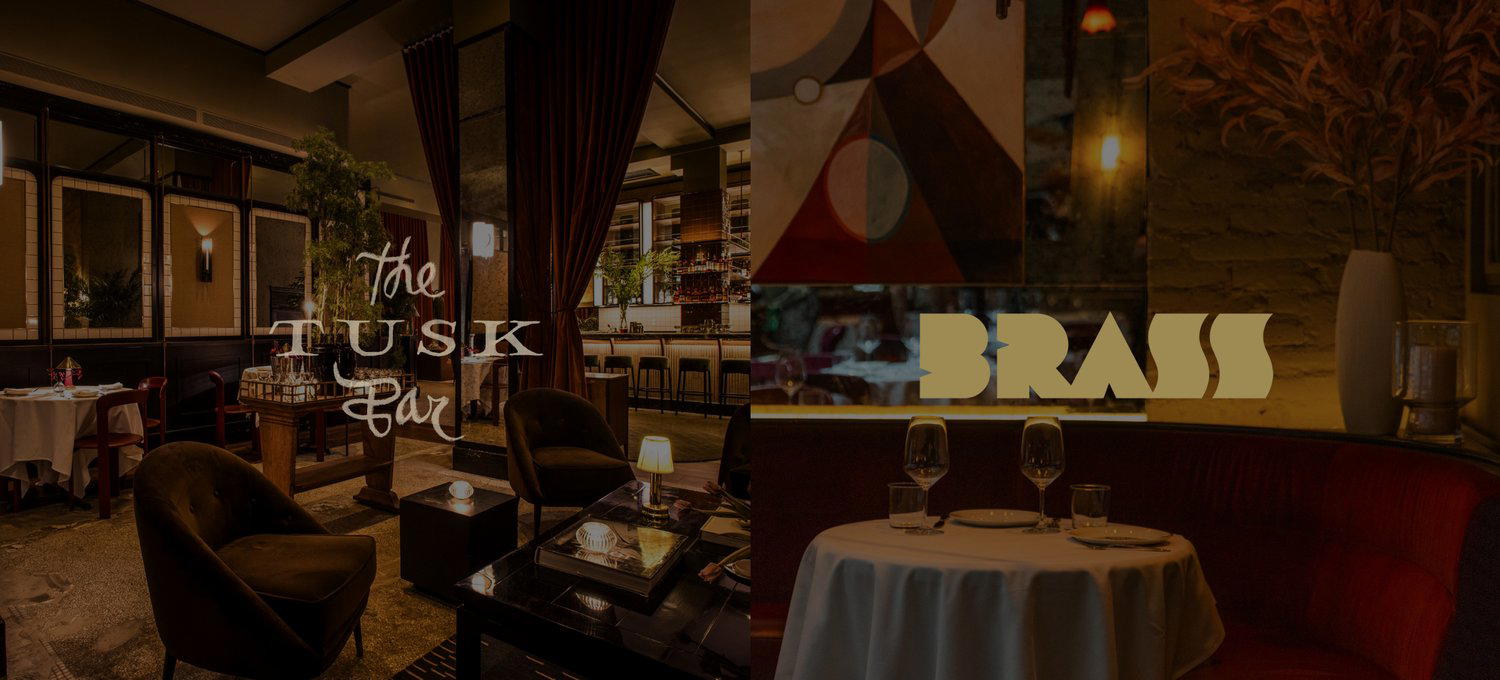
Approach the modern New York cafe at street level and the ritual is familiar before the menu arrives: the quick espresso decision, the small table negotiation, the shift from daytime utility to evening sociability. Caffè Tusk fits that grammar. Its stated format is cafe and bar, built around espresso and small plates, placing it in a New York category for meals that do not need dining-room choreography.
That matters in Flatiron and NoMad, where eating often splits between reservation-led restaurants and transactional coffee counters. The useful middle ground is the all-day room: a place where a solo espresso, a two-person catch-up, and a light plate all make sense without requiring a full meal arc. Caffè Tusk sits in that middle lane, not the destination-restaurant lane, and that is the proper way to read it.
Espresso first, small plates second: the ritual is deliberately low ceremony
New York’s cafe culture has become more precise over the past decade, but also more segmented. Some rooms are built for laptop dwellers, others for serious coffee technique, others for wine-bar conversion after dark. A cafe-and-bar format with espresso and small plates works differently: it is paced around short visits that can stretch. The meal is not announced by courses; it accumulates through small decisions.
That style rewards guests who do not need a single headline dish. The better question is not what to order as a set piece, but what kind of stop the day requires. Espresso anchors daytime; small plates make evening plausible without turning the room into a full-service restaurant. In New York, where dinner reservations can dictate an entire night, this type of place has value because it resists that pressure.
The etiquette is relaxed but not shapeless. A cafe-and-bar room asks for compact ordering, awareness of table turnover, and a willingness to treat the menu as modular. It works for an early meeting, a solo reset between appointments, or a pre-dinner interval when a full cocktail bar feels too heavy. The point is not spectacle; it is timing.
Flatiron and NoMad reward flexible rooms more than formal declarations
The neighborhood context is part of the appeal. Flatiron and NoMad sit between office density, hotel traffic, design retail, and destination dining. That mix creates steady need for venues that absorb different visits across the day. A cafe that also functions as a bar belongs to that pattern, especially where the same block can serve a morning coffee crowd, midday meetings, and evening pre-theater or pre-dinner flow.
Caffè Tusk should be judged against the city’s practical all-day rooms, not tasting-menu restaurants or late-night cocktail bars. There is no public chef figure or award structure to make the case on prestige terms, and that changes expectations. The relevant signals are format, location, and utility: espresso, small plates, and a Manhattan address in a district where time is often the scarce luxury.
For readers mapping a wider New York itinerary, the city’s range is better understood by category than hype. The restaurant side can run from cured-meat specialization at & Sons Ham Bar to Italian neighborhood rhythm at 'inoteca, sushi formats such as 1 or 8 (Sushi - Japanese) and 15 East (Sushi - Japanese), and casual Israeli cooking at 12 Chairs (Israeli). Caffè Tusk occupies a lighter register, closer to the city’s everyday cadence than its occasion-dining end.
How to use it in a New York day
The smart use case is simple: treat the venue as a flexible stop rather than the anchor of an evening. That makes it useful in a city where meals often carry too much logistical weight. The espresso side suits a short visit; the small-plates side gives the room range for a longer pause. If a serious dinner comes later, this format can fill the gap without distorting the day.
Its daily schedule also changes the calculus. A seven-day cafe-and-bar pattern gives travelers a dependable option when neighborhood dining plans are loose, particularly when the itinerary crosses Madison Square Park, NoMad hotels, and midtown appointments. The absence of a listed price range means guests should read the venue by format rather than tariff: cafe and small-plate economics, not formal restaurant pricing.
For broader planning, keep the venue in the restaurants layer of a city map rather than treating it as a bar destination. The surrounding itinerary can be built through Our full New York City restaurants guide, with lodging context from Our full New York City hotels guide, drinks planning through Our full New York City bars guide, and wider city programming via Our full New York City experiences guide. Wine-focused readers can also scan Our full New York City wineries guide, though this venue’s stated identity is cafe and bar rather than winery or cellar room.
Outside New York, the same casual-specialist impulse appears in different forms: sake-bar precision at Jōdo Saké Bar in Los Angeles, compact Japanese comfort at Onigiri Time in Pasadena, taco-counter immediacy at ¿Por Qué No? in Portland, plant-led local cooking at 'Ai Love Nalo in Waimanalo Beach, Hawaiian-inflected dining at 'āina in San Francisco and 'Ama 'Ama in Kapolei, sukiyaki focus at -Grilled beef Sukiyaki- KAMAKURA TANUKIAN 鎌倉 たぬき庵 in Kamakura, and Mexican-American ease at ¡Salud! in Los Angeles. The common thread is not cuisine, but scale: formats that understand how people eat between larger plans.
The verdict is practical rather than grand. Caffè Tusk is for the reader who wants a Manhattan cafe-and-bar stop with espresso, small plates, and enough flexibility to sit between obligations. It is not for a chef-led tasting narrative or award-chasing dining room; it is a measured answer to a common New York problem: where to pause without turning the pause into the whole night.
Comparable Venues Nearby
Comparable venues nearby, for context on price, style, and recognition.
| Venue | Cuisine | Price | Notes |
|---|---|---|---|
| Caffè TuskThis venue — the venue you are viewing | Euro-inspired all-day café & bistro | $$ | |
| wagamama, murray hill, new york | Modern Asian Fusion with Japanese Ramen & Noodles | $$ | Murray Hill-Kips Bay |
| Boucarou Lounge | Senegalese-French-Japanese Fusion | $$ | East Village |
| Carla | Modern Mexican-Asian Fusion | $$ | Queensbridge-Ravenswood-Dutch Kills |
| Dekalb Market Hall | Eclectic Global Food Hall | $$ | Downtown Brooklyn-DUMBO-Boerum Hill |
| Pig and Khao - LES | Thai-Filipino Fusion | $$ | Lower East Side |
Continue exploring
More in New York City
Restaurants in New York City
Browse all →
Bars in New York City
Browse all →
Hotels in New York City
Browse all →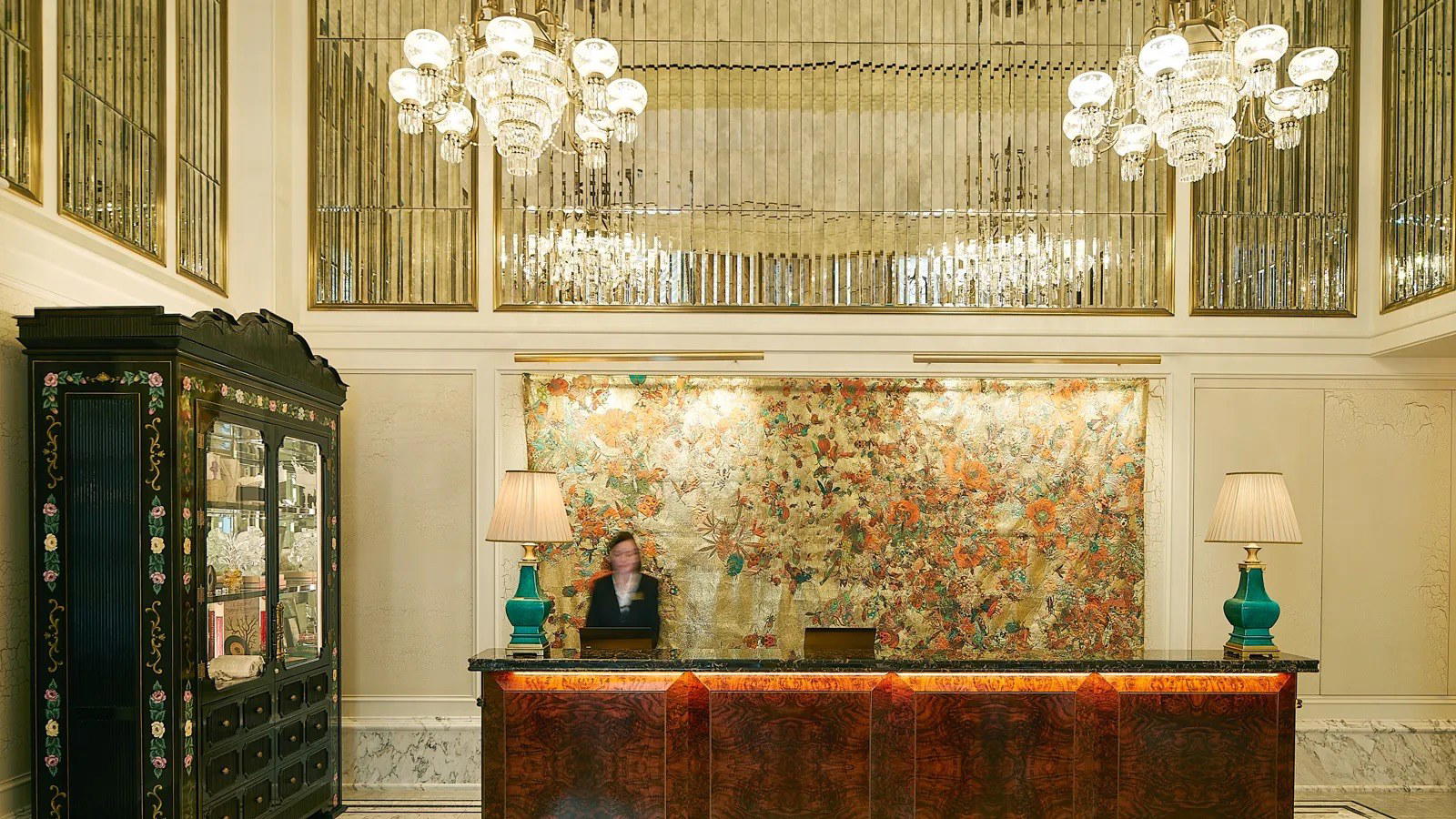


At a Glance
- Trendy
- Modern
- Cozy
- Elegant
- Energetic
- Casual Hangout
- After Work
- Solo
- Date Night
- Group Dining
- Late Night
- Design Destination
- Hotel Restaurant
- Historic Building
- Craft Cocktails
- Extensive Wine List
- Zero Proof
- Street Scene
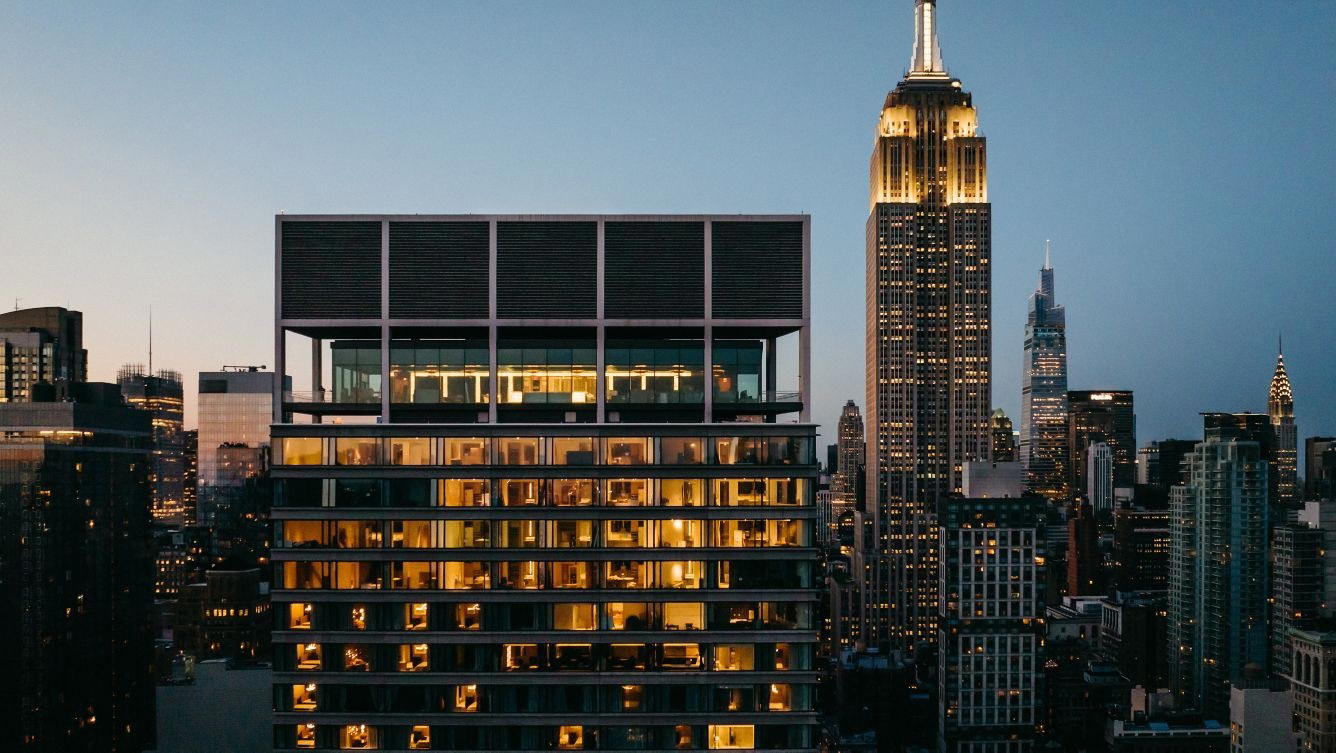
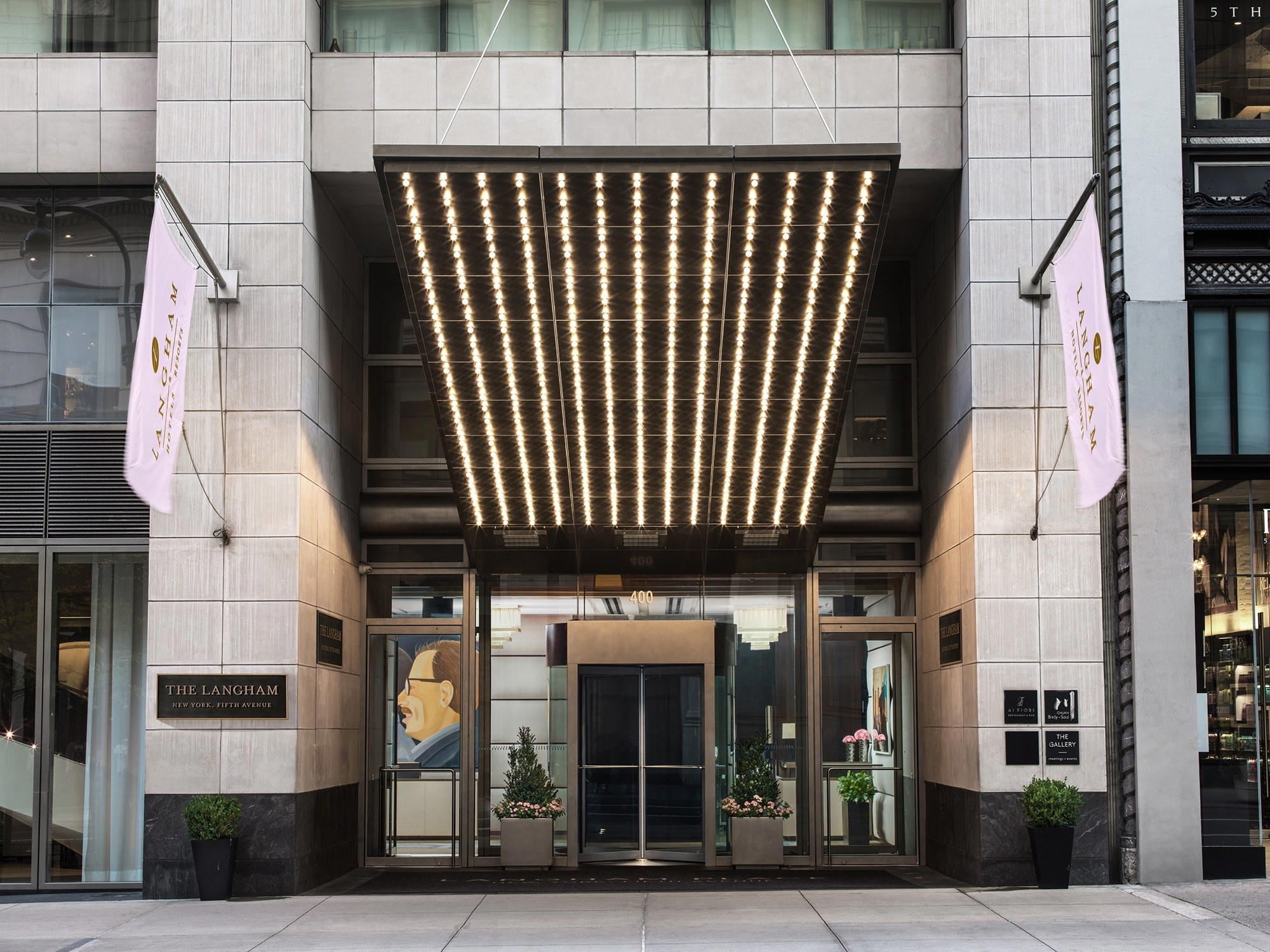
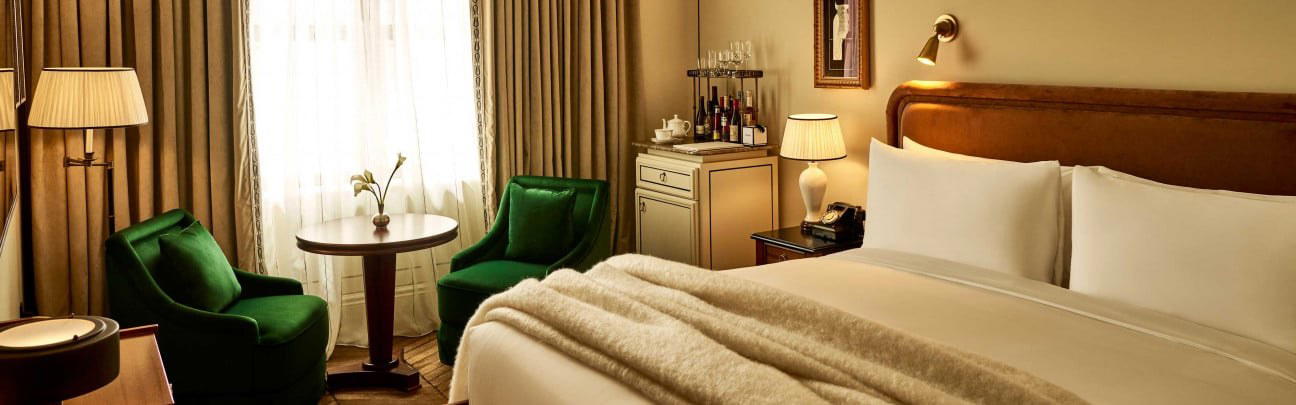
A Euro-inspired lobby café with a polished yet relaxed feel, bridging hotel-bar glamor and neighborhood bistro ease—comfortable for daytime coffee and work, then more social and aperitif-focused in the evening.[6][1][3]