Pig and Khao - LES
Pig and Khao on Clinton Street plants Southeast Asian cooking firmly in the Lower East Side's tradition of immigrant-inflected neighborhood restaurants. The kitchen draws on Filipino and Thai techniques, producing dishes that sit outside the city's dominant tasting-menu economy and closer to the way people actually eat across Southeast Asia. It occupies a specific niche in New York's broader conversation about what serious cooking looks like when it doesn't require a reservation three months out.
- Address
- 68 Clinton St, New York, NY 10002
- Phone
- +1 212 920 4485
- Website
- pigandkhao.com
- Directions
- Get directions
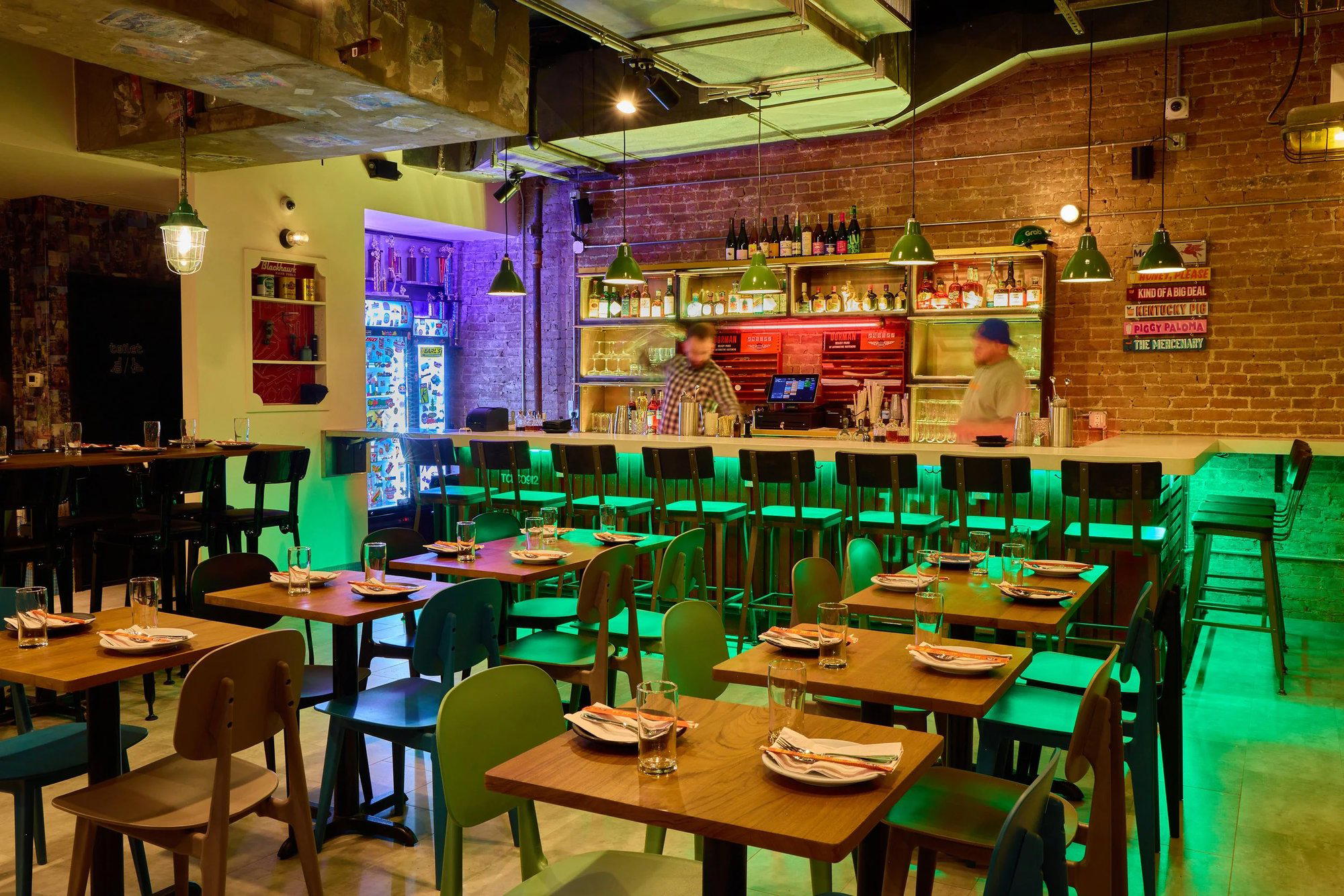
Clinton Street and the Case for Cooking Without Ceremony
Pig and Khao fits that lineage directly. It is a Thai-Filipino Fusion restaurant at 68 Clinton St in New York City's Lower East Side, with a casual dress code, recommended reservations, and an estimated price of about $40 per person.
What Southeast Asian Sourcing Looks Like in Practice
Across the United States, the restaurants making one considered argument for ethical sourcing in Southeast Asian cooking tend to be small operations with direct supplier relationships rather than large import chains. The cuisine's reliance on fermented ingredients, whole-animal proteins, and produce with short shelf lives creates both a challenge and an opportunity for kitchens that want to think carefully about supply chains. Filipino cooking in particular, with its emphasis on vinegar-braised and slow-cooked proteins, rewards a whole-animal approach that reduces waste almost structurally rather than as an afterthought.
That alignment between culinary tradition and low-waste cooking is something places like Blue Hill at Stone Barns in Tarrytown have made central to their identity at the higher end of the American dining market, and Single Thread Farm in Healdsburg has built an entire operational model around. The interesting question for a neighborhood restaurant like Pig and Khao is how those same principles translate at a more democratic price point and in a kitchen that is cooking from tradition rather than constructing a sustainability argument from scratch. The answer, across Southeast Asian cooking broadly, is that the tradition often did the work already.
The Lower East Side's Ongoing Argument About What Food Means
Few neighborhoods in New York carry the weight of culinary history that the Lower East Side does. Successive waves of immigration deposited cooking traditions that transformed what New Yorkers ate: Ashkenazi Jewish fermentation and preservation techniques, Chinese-American adaptations, Puerto Rican and Dominican home cooking, and more recently, a generation of chefs using the neighborhood's lower rents and adventurous diner base to open restaurants that wouldn't survive in Midtown. Pig and Khao is a product of that second phase, a kitchen that found its footing in a neighborhood where the audience already understood that serious food didn't require a $300 per-person commitment.
That context matters for understanding where Pig and Khao sits relative to the broader New York dining conversation. The city's most decorated Filipino and Korean kitchens, including Atomix, which has pushed Korean technique into the upper tier of fine dining, have demonstrated that Asian cooking traditions can hold their own at any price point or prestige level. Pig and Khao operates at a different register but makes an argument that is no less coherent: that the food of Southeast Asia, served in a room that feels like the neighborhood it's in, is complete on its own terms.
How the LES Compares to Other American Cities Doing This Work
The conversation about Southeast Asian cooking and what it deserves in terms of critical attention is happening across multiple American cities simultaneously. Providence in Los Angeles has spent years making the case for sourcing discipline in seafood-driven cooking. Lazy Bear in San Francisco built a communal-table format around seasonal, producer-linked menus. Smyth in Chicago runs its own farm to maintain supply chain control. These are all fine-dining solutions to questions about provenance and waste. The neighborhood restaurant version of the same conversation is less visible in critical coverage but equally substantive in practice.
Restaurants like Pig and Khao make the sustainability argument not through press releases but through the logic of their menus, sourcing from producers whose scale matches their own, cooking proteins in ways that use the whole animal, and building flavor through fermentation and pickling techniques that extend ingredient life rather than discarding anything that doesn't photograph well. Addison in San Diego and Frasca Food & Wine in Boulder approach those questions from a fine-dining vantage point; the LES approach is messier, more immediate, and in some ways more honest about how the food actually gets made.
The International Frame: When the Tradition Carries the Argument
European kitchens that have built reputations around ethical sourcing and regional fidelity, places like Atelier Moessmer Norbert Niederkofler in Brunico and Dal Pescatore in Runate, tend to frame the argument in terms of terroir and regional identity. The Southeast Asian kitchen makes a structurally similar claim through different means: the ingredients are specific to place, the techniques are passed down rather than invented, and the cooking is inseparable from the communities that developed it. When Pig and Khao draws on Filipino and Thai traditions, it is drawing on culinary systems that were always resource-attentive by necessity. The sustainability framing comes after, not before, the fact of the food itself.
That is a different kind of credential than a Michelin star or a 50 Best ranking, but it is a credential nonetheless. For readers building a picture of New York's full dining range, from Masa and The French Laundry-caliber ambition down to the neighborhood rooms where New Yorkers actually eat several nights a week, Pig and Khao belongs in the conversation. See our full New York City restaurants guide for the broader picture.
For comparison, Emeril's in New Orleans and The Inn at Little Washington represent the American tradition of regional cooking refined to destination-dining status. Pig and Khao is doing something different in direction but not in seriousness: keeping Southeast Asian cooking grounded in the neighborhood while refusing to let that grounding become an excuse for less considered sourcing or technique.
Planning Your Visit
Category Peers
Comparable venues nearby, for context on price, style, and recognition.
| Venue | Cuisine | Price | Notes |
|---|---|---|---|
| Pig and Khao - LESThis venue — the venue you are viewing | Thai-Filipino Fusion | $$ | Not listed |
| wagamama, murray hill, new york | Modern Asian Fusion with Japanese Ramen & Noodles | $$ | Murray Hill-Kips Bay |
| Amaze | Asian Fusion | $$ | East Midtown-Turtle Bay |
| Mexiterranean Grill | Mexican-Mediterranean Fusion | $$ | Upper East Side-Lenox Hill-Roosevelt Island |
| Boucarou Lounge | Senegalese-French-Japanese Fusion | $$ | East Village |
| Red Bamboo | Vegan Global Comfort Food | $$ | Greenwich Village |
Continue exploring
More in New York City
Restaurants in New York City
Browse all →
Bars in New York City
Browse all →
Hotels in New York City
Browse all →









At a Glance
- Lively
- Trendy
- Energetic
- Group Dining
- Casual Hangout
- Late Night
- Open Kitchen
- Craft Cocktails
Casual and inviting with lively, party-like energy, funky decor, and an intimate backyard.