15 East

Our verdict
Ranked #258 among North America's top restaurants by Opinionated About Dining in 2024, 15 East sits in the quieter, more considered tier of Manhattan sushi. Chef Noriyuki Takahashi runs an omakase-anchored program at the Flatiron address that draws repeat visitors who prioritize ingredient precision over spectacle. Tuesday through Saturday, evenings only.

Pearl is the En Primeur Club membership app, where members save venues, book tables and use the concierge.
The menu
What to order
- Wild bluefin tuna sashimi
- Uni (sea urchin)
- Omakase tasting
- Black cod
- Toro
Where Flatiron Sushi Trades Theatrics for Precision
The block of East 15th Street where it meets Union Square is not where you go looking for sushi in New York. The neighborhood pulls foot traffic toward coffee shops, wine bars, and the greenmarket rather than the kind of quiet, counter-focused Japanese dining that defines the city's upper tier. That contrast is, in part, the point. In a city where the most visible omakase rooms have migrated toward Midtown and the West Village, 15 East has held its position at the Flatiron fringe, operating Tuesday through Saturday from 5 to 10 pm, closed Sunday and Monday, for a clientele that has already done the research.
New York's sushi scene has stratified sharply over the past decade. At the leading sit Michelin three-star rooms like Masa, where the tasting menu price has become almost symbolic of a category unto itself. Below that, a middle tier of recognized omakase counters competes on the strength of sourcing, technique, and the credentialed lineage of their chefs. 15 East, holding an Opinionated About Dining ranking of #258 in North America for 2024 and a Highly Recommended citation in 2023, sits within that middle-upper bracket, acknowledged by one of the more rigorous critical surveys in the industry but without the three-star footprint of the rooms that price above it.
The Argument for Ingredient Primacy
In the broader conversation about what separates strong omakase from great omakase, the answer almost always returns to raw material. Technique can be trained; sourcing cannot be faked. The leading counters in this tier live or die by their fish supplier relationships, their willingness to serve product at correct temperature and rest, and their understanding that a piece of aged tuna or a properly conditioned sea urchin carries more information than any preparation could add to it. This is the tradition 15 East operates within, under Chef Noriyuki Takahashi, whose name appears consistently in the sourcing-first discourse around serious New York sushi.
That focus on raw material extends beyond fish. Dashi, the foundational stock of Japanese cuisine, separates kitchens at this level more reliably than almost any other indicator. A dashi made with premium kombu and katsuobushi, handled with the discipline that high-end kaiseki and omakase kitchens apply to it, produces a different register entirely from the shortcuts that dominate casual Japanese dining. The rice program matters equally: shari seasoned with precision, served at the right temperature, is not a given even at recognized counters. These are the details that Opinionated About Dining's methodology tends to weight heavily, which makes a ranking like #258 among all of North America's restaurants a signal worth reading carefully.
Mapping 15 East against its competitive environment requires some precision. It is not competing with Nobu 57 or the broader Japanese-inflected dining that spans casual to luxury. Nobu built its reputation on a fusion framework and a global footprint; 15 East is operating in a different register entirely, one where the menu format and sourcing philosophy align it more closely with serious omakase rooms than with any fusion-driven concept. Similarly, 1 or 8 in Williamsburg represents a different geographic and stylistic conversation within the city's Japanese dining scene.
The rooms that occupy the tier above 15 East, the Michelin-starred omakase counters with three- and six-month booking windows and per-person prices above $400, operate with a level of inaccessibility that has its own effect on the market. Serious diners who want the discipline of ingredient-forward Japanese cooking, the rice and fish and dashi focus, without the exclusivity theater of the very leading rooms, find that this middle-upper tier rewards attention.
For comparison, some of New York's other top-tier rooms operate in entirely different culinary traditions. Le Bernardin holds three Michelin stars for its French seafood program; Atomix applies a similarly rigorous sourcing discipline to modern Korean tasting menus; Eleven Madison Park has built its post-pandemic identity around plant-based French cooking. These are different bets on what refined dining looks like. 15 East makes its bet on the Japanese tradition of raw material primacy, where the product speaks without needing an elaborate frame around it.
The Wider Context of Serious Sushi in America
The argument for serious, ingredient-forward sushi in American cities has been building for two decades, driven partly by improved import access for Japanese fish and seafood, and partly by a generation of chefs trained within the Japanese system before relocating to the United States. Across the country, recognized omakase programs at venues like Uchi in Austin show that the category has moved well beyond the coasts. In the fine dining tier more broadly, product-first kitchens from Single Thread Farm in Healdsburg to Providence in Los Angeles reflect the same underlying argument: at this price point and level of recognition, the ingredient is the story.
Other acclaimed American restaurants, Alinea in Chicago, The French Laundry in Napa, Lazy Bear in San Francisco, Emeril's in New Orleans, arrive at that argument through different culinary traditions. What 15 East shares with them is the expectation that the diner comes prepared to pay attention, and that the kitchen will meet that attention with something worth the focus. Nobu London represents yet another expression of Japanese-inflected fine dining, adapted to a different market entirely. These comparisons clarify where 15 East sits: it is committed to the source material of the Japanese tradition rather than to any internationalized adaptation of it.
Planning Your Visit
Service runs Tuesday through Saturday, 5 to 10 pm, with the restaurant closed Sunday and Monday. The Flatiron address at 1 East 15th Street places it within walking distance of Union Square, well served by subway lines running through the 14th Street-Union Square station. Given the OAD ranking and the sustained recognition across two consecutive years, booking ahead is advisable; the room does not operate at the volume of a large restaurant and seats fill accordingly. For those planning a broader New York trip around dining, our full New York City restaurants guide maps the wider scene across price points and cuisines. The city's hotels guide, bars guide, wineries guide, and experiences guide cover the supporting infrastructure for a full stay.
Frequently asked questions
Has 15 East won any awards?
15 East has received recognition including: Opinionated About Dining Top Restaurants in North America Ranked #258 (2024); Opinionated About Dining Top Restaurants in North America Highly Recommended (2023).
What's the best thing to order at 15 East?
At a counter run by Chef Noriyuki Takahashi within the ingredient-forward omakase tradition, the format itself is the answer: the omakase sequence is the meal, and ordering outside it misses the point. Opinionated About Dining ranked 15 East #258 in North America for 2024, a credential that reflects the kitchen's commitment to raw material quality over tableside theatrics. Trust the progression the chef sets rather than selecting à la carte alternatives.
What time does 15 East open and close?
Hours at 15 East: Hours: Monday Closed Tuesday 5–10 pm Wednesday 5–10 pm Thursday 5–10 pm Friday 5–10 pm Saturday 5–10 pm Sunday Closed.
Where exactly is 15 East?
15 East is located at 1 E 15th St, New York, NY 10003, New York City.
At a Glance
A compact comparison to help you place this venue among nearby peers.
| Venue | Cuisine | Price | Awards | Notes |
|---|---|---|---|---|
| 15 EastThis venue (the venue you are viewing) | Modern Japanese Omakase | $150–200 | Not listed | Not listed |
| Le Bernardin | French Seafood Fine Dining | $300–500 | 3 Michelin Stars · World's 50 Best #13 | French, Seafood |
| Atomix | Modern Korean Tasting Menu | $300–500 | 2 Michelin Stars · World's 50 Best #7 | Modern Korean, Korean |
| Masa | Seasonal Hokkaido Tempura Omakase | $150–200 | Tabelog 100 #34 | Sushi, Japanese |
| Per Se | French Fine Dining Tasting Menu | $300–500 | 3 Michelin Stars · World's 50 Best #40 | French, Contemporary |
| Eleven Madison Park | Contemporary Plant-Based Fine Dining | $300–500 | 3 Michelin Stars · World's 50 Best #4 | French, Vegan |
Recognition history
Dated appearances from independent guides and award organizations, with the underlying list record or original source where available.
Opinionated About Dining Top Restaurants in North America Recommended
Opinionated About Dining
Full recognition history (3 entries)
Opinionated About Dining Top Restaurants in North America Ranked #258
Opinionated About Dining
Opinionated About Dining Top Restaurants in North America Highly Recommended
Opinionated About Dining
Continue exploring
More in New York City
Restaurants in New York City
All restaurants in New York City →
Bars in New York City
All bars in New York City →




Details
- Elegant
- Quiet
- Sophisticated
- Modern
- Intimate
- Date Night
- Special Occasion
- Business Dinner
- Celebration
- Chefs Counter
- Open Kitchen
- Standalone
- Extensive Wine List
- Sake Program
- Sommelier Led
- Sustainable Seafood
- Omakase
- A La Carte
- Tasting Menu
- Sake
- Wine
- Pescatarian Friendly
Current opening hours
- Monday
- Closed
- Tuesday
- 5–10 PM
- Wednesday
- 5–10 PM
- Thursday
- 5–10 PM
- Friday
- 5–10 PM
- Saturday
- 5–10 PM
- Sunday
- Closed
Hours can change for holidays and private events. Hours as of .
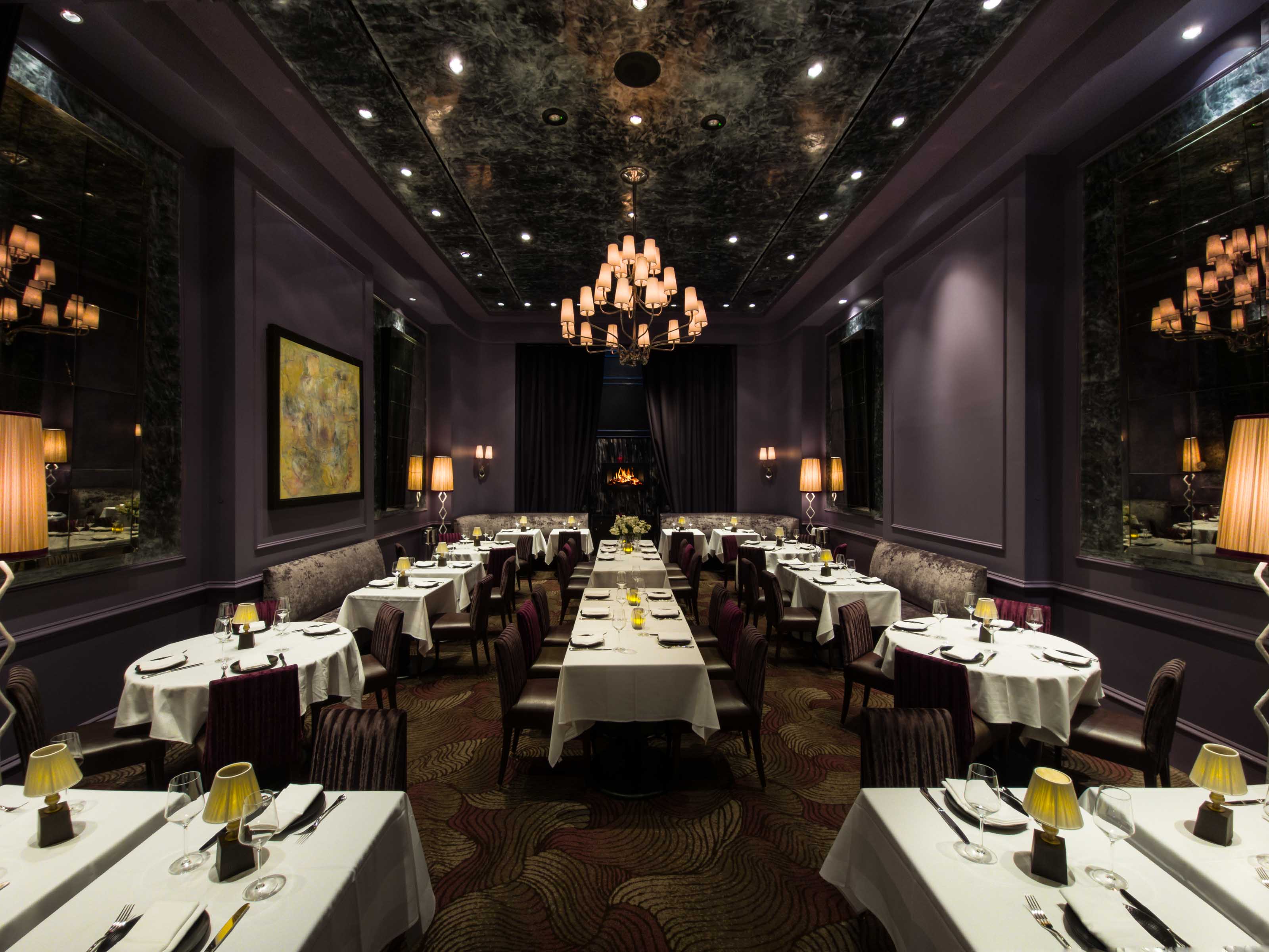
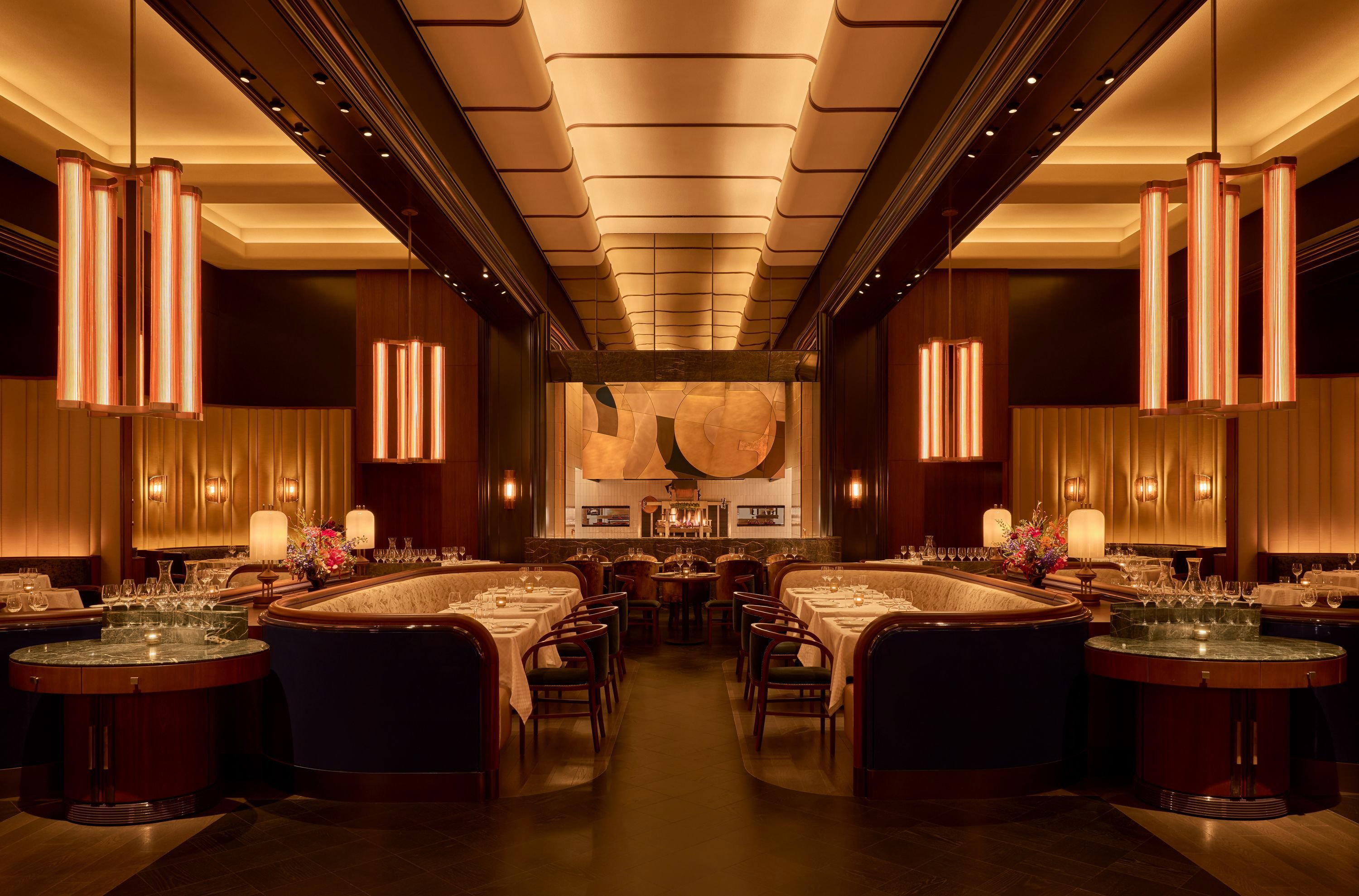
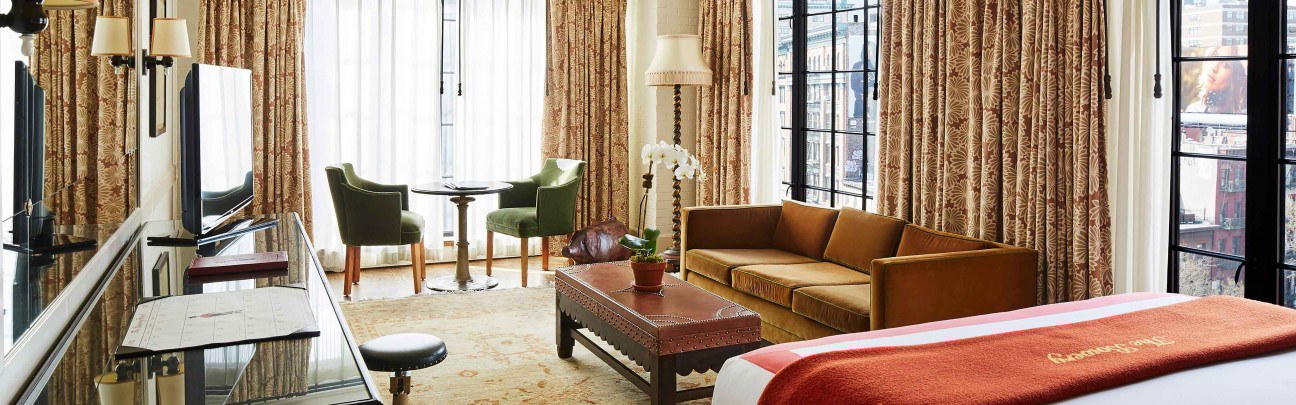
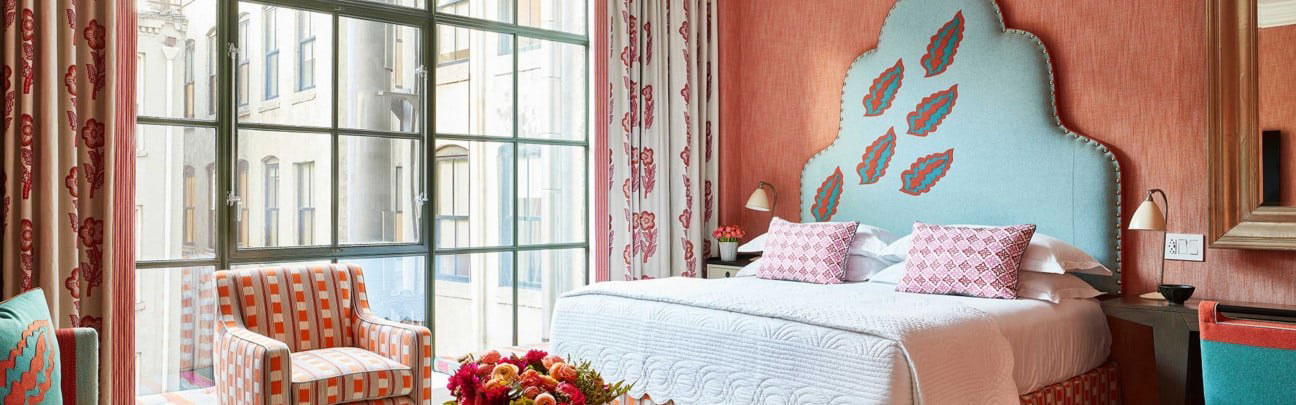
Modern and elegant with high ceilings, large windows with sheer white panels, slate grey walls with white crown molding, and perfectly dim lighting; the sushi bar area features bright white tiled background illuminated by the colors of fresh fish and chef-patron interaction.