Our verdict
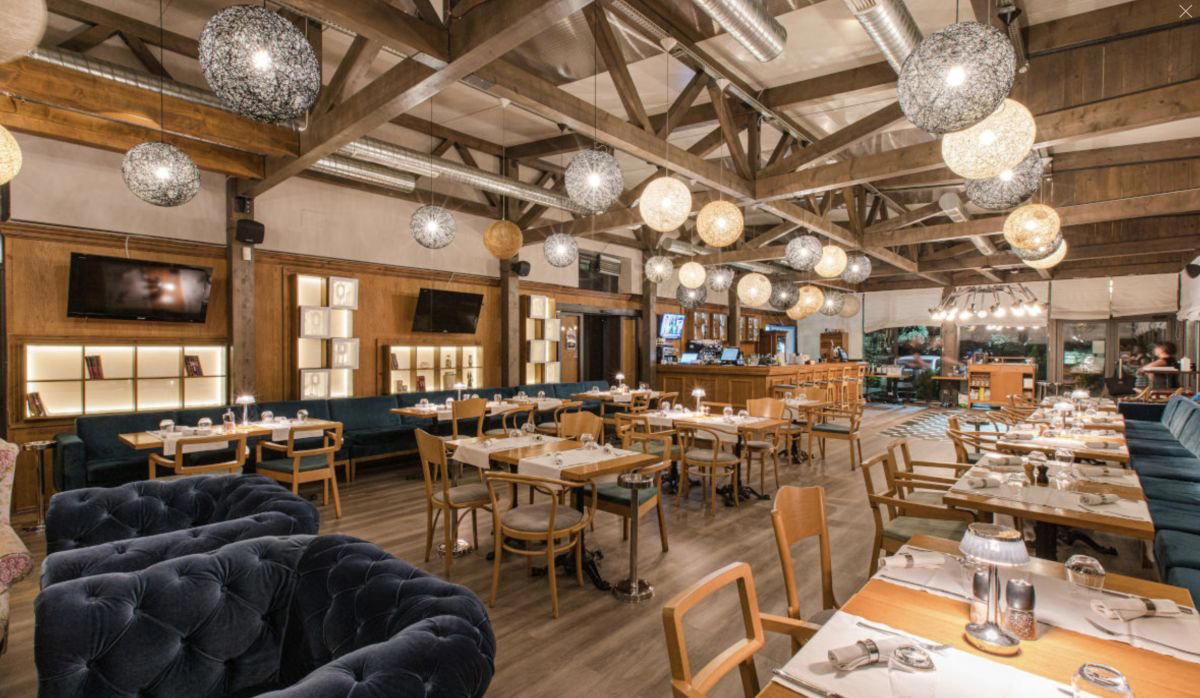
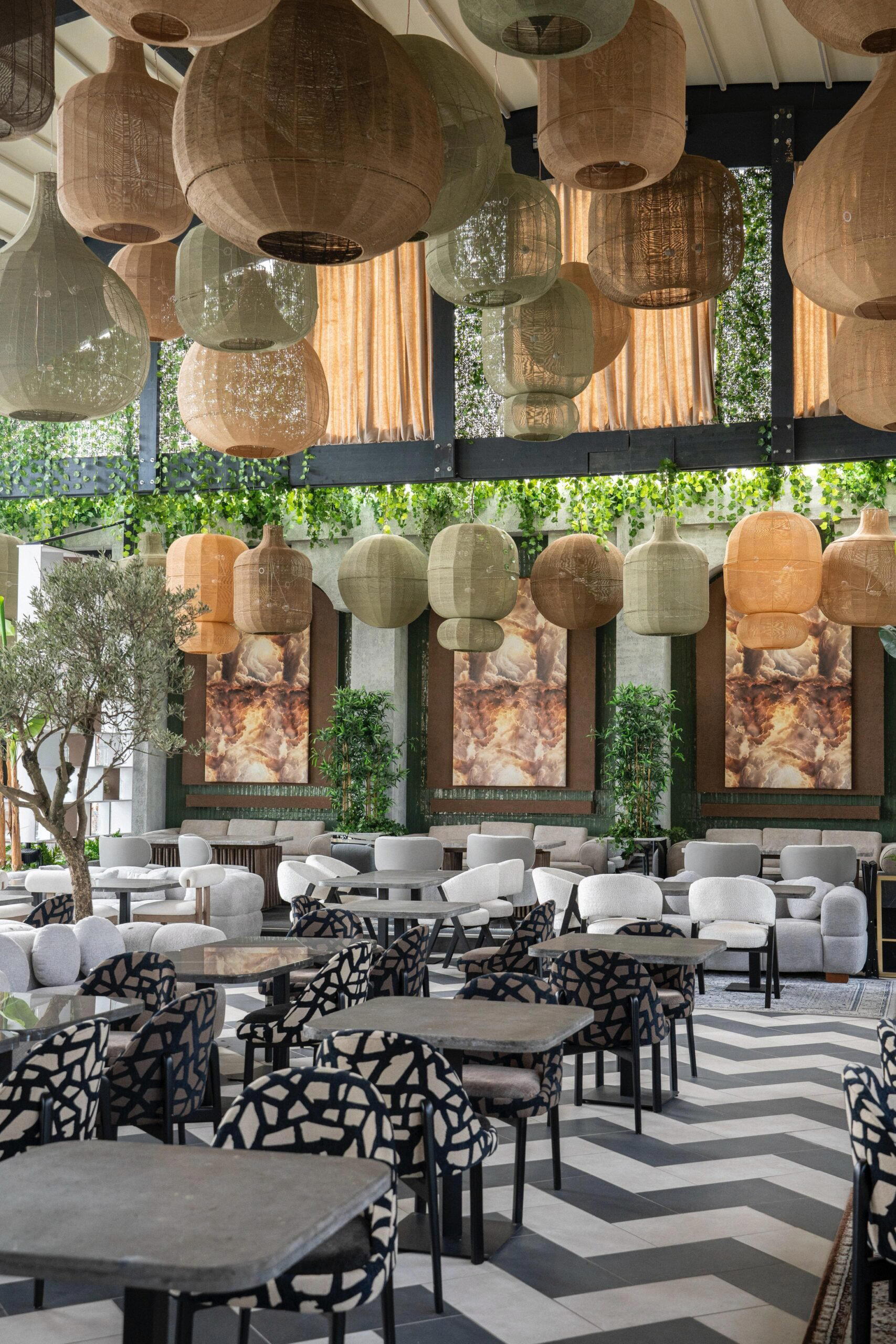
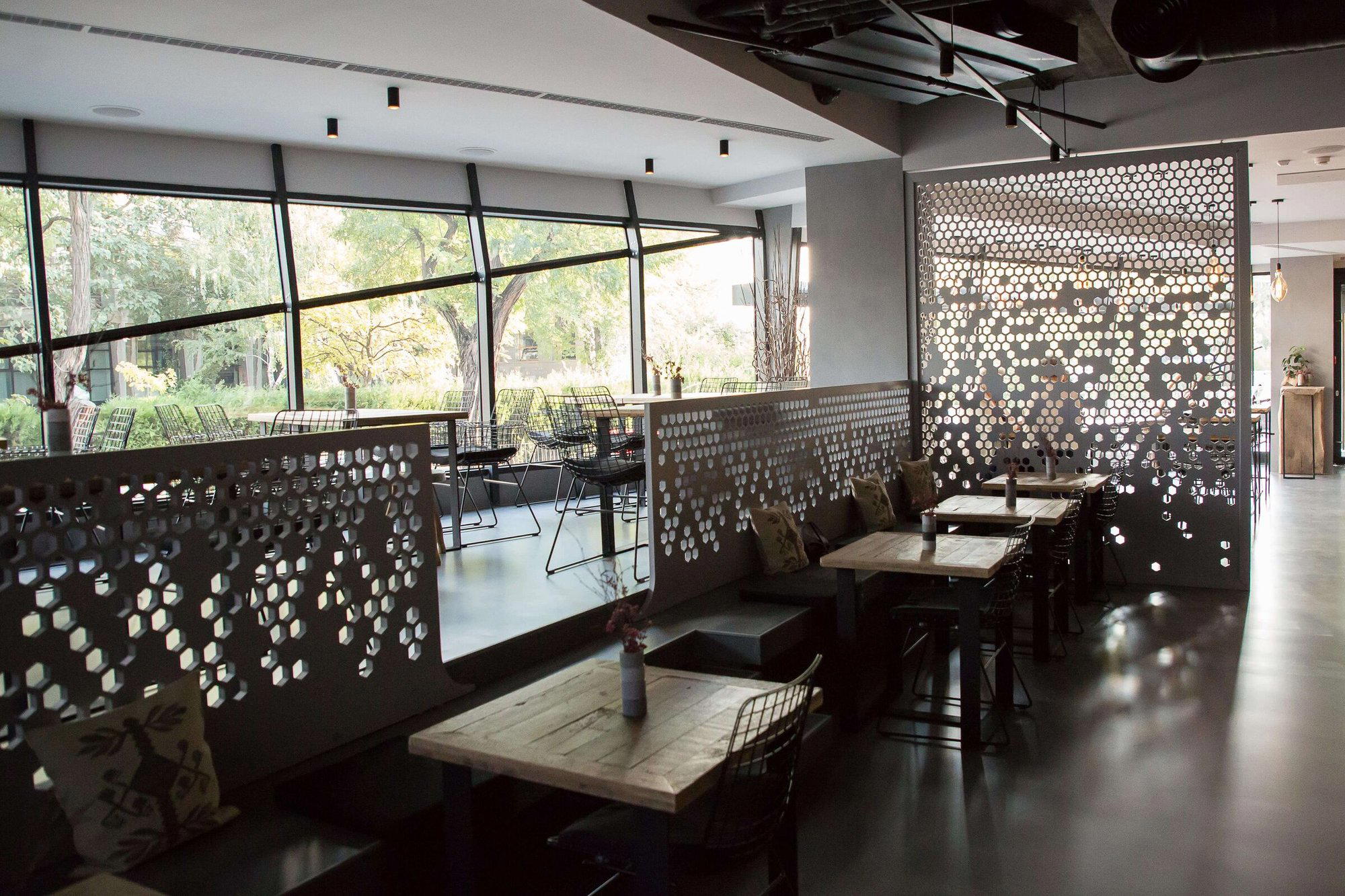
Studio 80 occupies an address on Aleea Privighetorilor in northern Bucharest, operating in a city where design-led dining spaces are increasingly defining the premium tier. Compared to the French-leaning rooms of Le Bistrot Français or the modernist interiors driving attention at NOUA, Studio 80 positions itself within a local scene that treats the physical container of a meal as seriously as the plate.

Pearl is the En Primeur Club membership app — saves, bookings, and concierge access live there. Same editors, same standards.
- Address
- Aleea Privighetorilor 80, București 014031, Romania
- Phone
- +40749788346
- Hours
- Daily 12–10 PM
- Website
- studio-80.ro
- Directions
- Get directions
- Booking
- Book on the venue's website
The menu
What to order
- Calamari si creveti prajiti
- Somon la gratar
The Space as Argument: Bucharest's Design-Forward Dining Tier
Bucharest's premium dining scene has spent the last decade sorting itself into two broad camps. One leans on historical grandeur, the kind of ornate, Belle Époque excess that reaches its apex at Caru'Cu Bere and its cathedral-like interior of stained glass and carved wood. The other camp, smaller and newer, treats the dining room itself as a design statement distinct from the city's architectural past. Studio 80, on Aleea Privighetorilor in the northern reaches of the city, belongs to the second group — and the address alone signals something intentional. This is not the Old Town circuit, not a heritage room dressed up for tourism. It is a space chosen, or built, with a specific spatial logic in mind.
That distinction matters in a city where a growing number of operators understand that the physical environment shapes what a meal means before a single dish arrives. In cities with more saturated fine-dining markets, the separation between room design and kitchen ambition has long been collapsed; the two are understood as a single brief. Bucharest is arriving at that understanding now, and Studio 80's location on a quieter residential-facing street in the northern part of the city — rather than in the saturated centre, is consistent with the kind of deliberate remove that design-led venues often prefer. It creates distance from the noise, and distance, in hospitality terms, is frequently a feature rather than a limitation.
Northern Bucharest and the Geography of Emerging Addresses
The Aleea Privighetorilor address places Studio 80 away from the concentrations of restaurants that cluster around Floreasca, Dorobanți, and the Old Town. That geography is worth understanding. Bucharest's dining geography has not consolidated around a single premium district the way some European capitals have. Instead, strong individual venues pull attention to streets that would otherwise register as purely residential. This is a pattern visible across Romanian cities: venues like Eat IT casual gourmet kitchen in Oradea or Cocteleria Urban Garden in Floresti demonstrate that strong programming can build its own destination logic independent of neighbourhood density. Studio 80 operates within that same pattern.
For a visitor working from our full Bucharest restaurants guide, it helps to treat Studio 80 as a stand-alone destination rather than a stop on a walking route. Plan arrival by car or rideshare; the address is specific, and the surrounding streets are not pedestrian-browsing territory. That practical reality also reinforces the venue's positioning: guests arrive with intention, not by drift.
What the Interior Logic of a Studio Implies
The name Studio 80 carries an architectural and creative connotation that separates it from the bistro, the trattoria, and the brasserie formats that still dominate Bucharest's mid-market. A studio, in design terms, implies working space, process made visible, an aesthetic that prizes function and structure alongside finish. Across European dining, venues that reach for studio or atelier framing, think L'Atelier formats from Paris to Bucharest, tend to emphasise counter seating, open-kitchen visibility, or a spatial spareness that keeps attention on the craft.
Romanian modern venues in particular have found a productive tension between local material culture and international spatial references. Alouette and Aubergine have each built identities partly through room character. Bogdania Bistro takes a different path, leaning into a more relaxed, bistro-adjacent warmth. Studio 80, with its address outside the central cluster, has the physical remove to develop a spatial identity that is not in dialogue with its immediate neighbours, which is both a creative freedom and a commercial bet.
Bucharest in a Wider Romanian Context
Understanding Studio 80 requires some sense of how Bucharest's dining ambition sits within the broader Romanian scene. The capital concentrates the country's most internationally referenced venues, but strong programming exists across the country. Lo Sfizio in Targu Mures, Cafeneaua Nației in Ploiesti, and Cartofisserie in Timisoara each demonstrate that culinary investment is not limited to the capital. But Bucharest remains the reference point for premium positioning, the city where international comparisons are most directly invited. A venue like Le Bernardin in New York City or Atomix in New York City benchmarks what rigorous format discipline looks like at the highest level; Bucharest's design-forward venues are building toward a version of that ambition calibrated to local conditions and a market that is still, in relative terms, early in its premium development.
That context matters for how Studio 80 should be read. It is not competing against Michelin-stacked rooms in Paris or Tokyo. It is part of a cohort of Bucharest venues making the case that the city's dining culture is worth taking seriously on its own terms, with physical environments designed to support that argument.
Planning a Visit: What the Address Tells You
Logistics for Studio 80 follow directly from the address. Aleea Privighetorilor 80, in the northern part of the city, is accessible by rideshare from central Bucharest in roughly fifteen to twenty minutes depending on traffic conditions, which in Bucharest can be significant during evening peak hours. Visitors staying near Floreasca or Dorobanți will find the journey shorter. Given the venue's positioning, availability may be limited on weekends; planning at least several days ahead is sensible, and earlier in the week tends to offer more flexibility for table selection. Venues at this address tier in Bucharest typically do not maintain walk-in capacity for dinner service.
For visitors building a wider Bucharest itinerary, pairing Studio 80 with an evening at Casa di David or a lunch at Caru' cu bere in Bucuresti gives a useful range across the city's different spatial and culinary registers. Romanian modern, French-influenced bistro, and heritage grand café: the three formats together sketch the breadth of what Bucharest's dining rooms currently offer.
Frequently asked questions
Where is Studio 80 located?
Studio 80 is located at Aleea Privighetorilor 80, București 014031, Romania, Bucharest.
Is Studio 80 suitable for a private dinner or group event in Bucharest?
The studio designation at Aleea Privighetorilor 80 suggests a format built around controlled, atmosphere-conscious sittings rather than high-capacity turnover, which often translates to suitability for private or semi-private gatherings. Bucharest's design-forward dining tier has increasingly positioned venues like this as alternatives to hotel event spaces. Confirming capacity and availability directly with Studio 80 is advisable before planning a group visit.
What should I order at Studio 80?
The Bucharest design-dining tier it occupies tends to favour concise, intention-led menus over sprawling à la carte lists. Arriving with curiosity rather than fixed expectations suits the studio format the address implies.
How far ahead should I plan for Studio 80?
No confirmed booking window is publicly available for Studio 80. Given its location at Aleea Privighetorilor 80 in northern Bucharest, away from the high-volume restaurant corridors of Floreasca and Dorobanți, demand patterns differ from central venues.
The Minimal Set
Comparable venues nearby, for context on price, style, and recognition.
| Venue | Cuisine | Price | Notes |
|---|---|---|---|
| Studio 80This venue — the venue you are viewing | Asian-Mediterranean Fusion | $30–50 | Not listed |
| Aubergine | Mediterranean with Israeli and Egyptian influences | Not listed | Old Town, Mediterranean with Israeli and Egyptian influences |
| Trattoria Mezzaluna | Authentic Italian Trattoria | $20–30 | Sala Floreasca, Authentic Italian Trattoria |
| Restaurant Trattoria Garibaldi - CAROL | Authentic Italian Trattoria | $20–30 | Carol, Authentic Italian Trattoria |
| Casa di David | Italian Seafood Mediterranean | $50–100 | Herăstrău, Italian Seafood Mediterranean |
| Alouette | Modern European Bistro | $20–30 | Old Town, Modern European Bistro |
Continue exploring
More in Bucharest
Restaurants in Bucharest
Browse all →
Bars in Bucharest
Browse all →
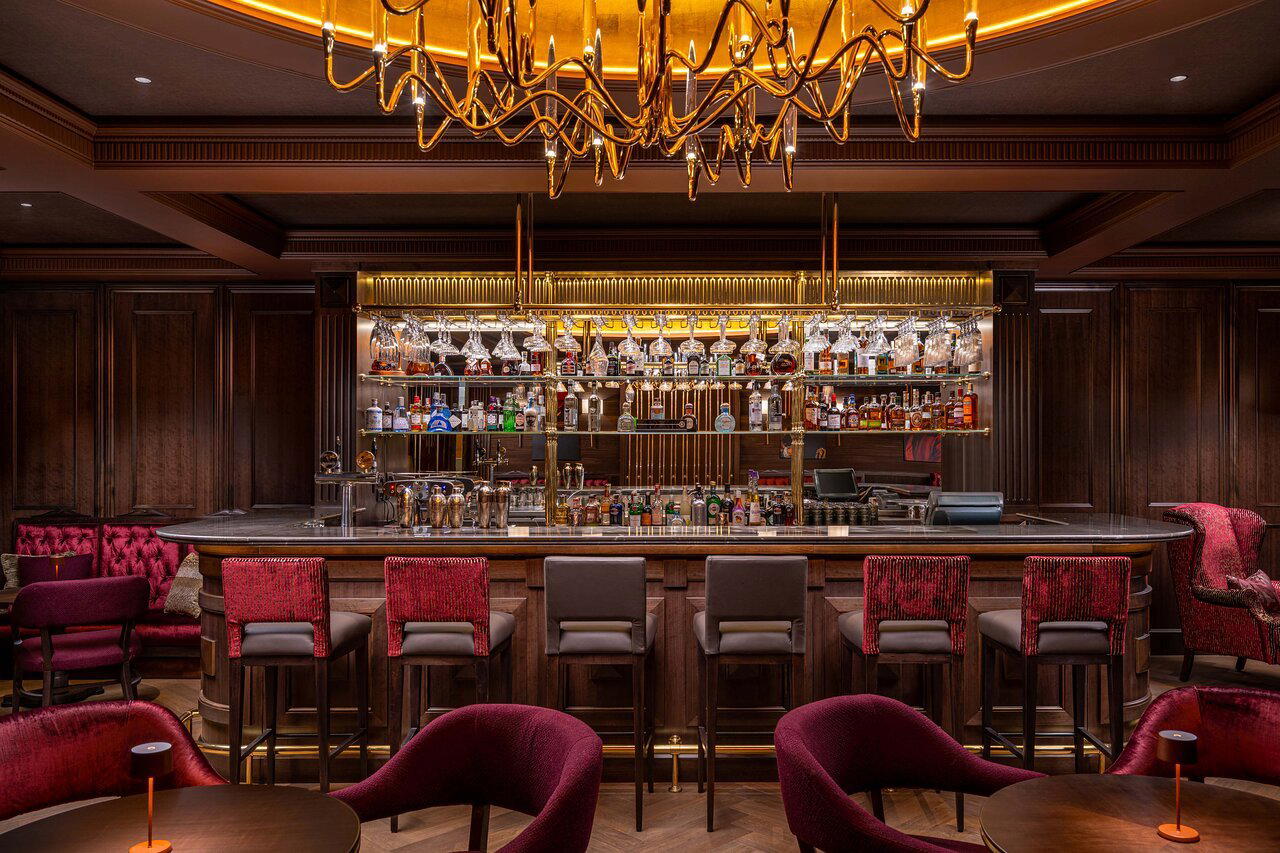
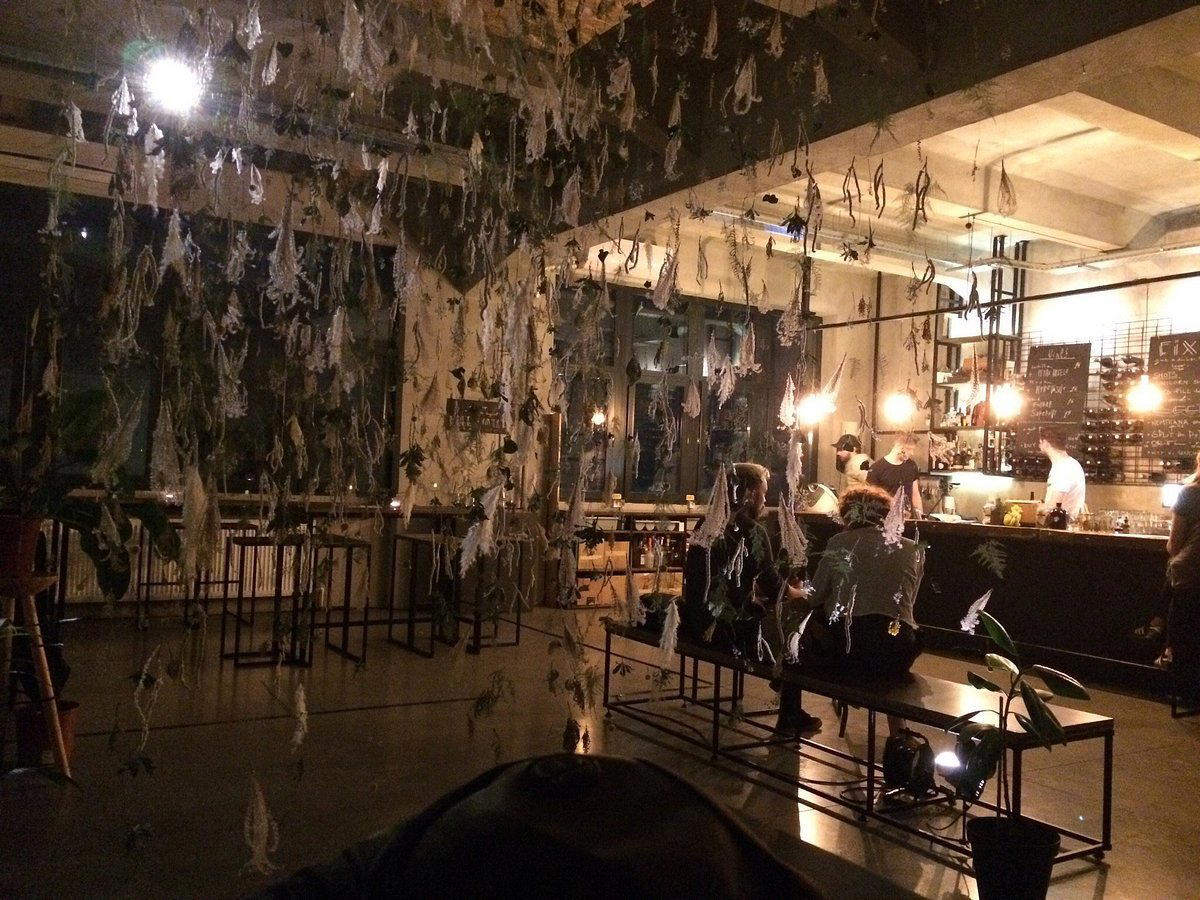
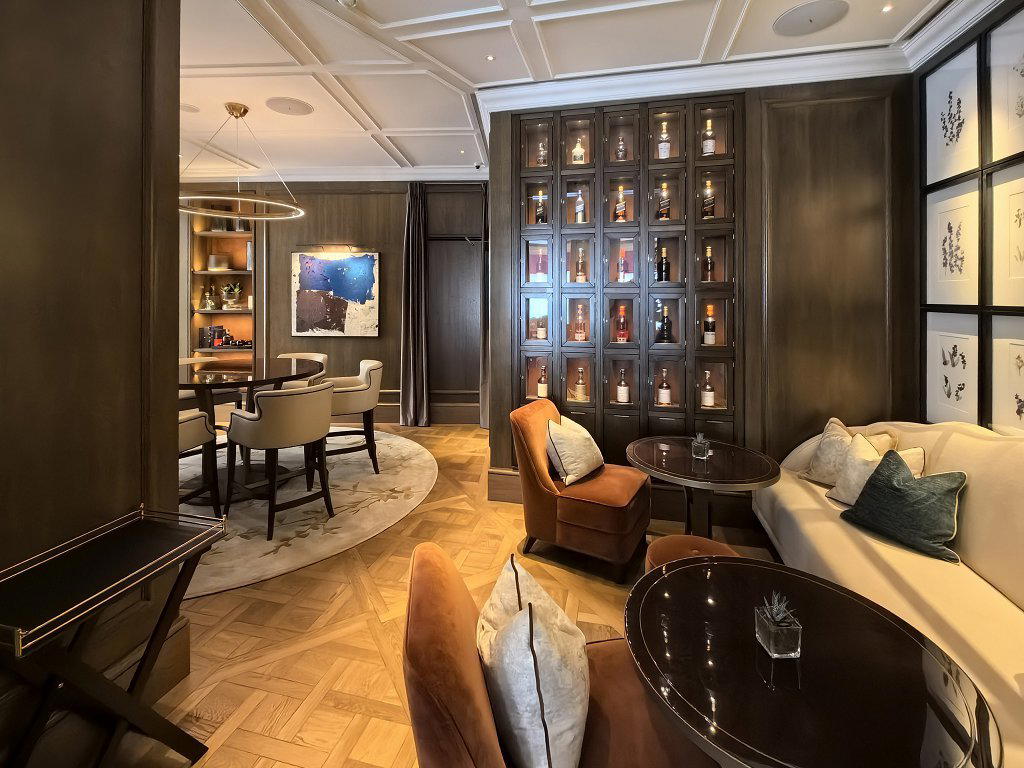
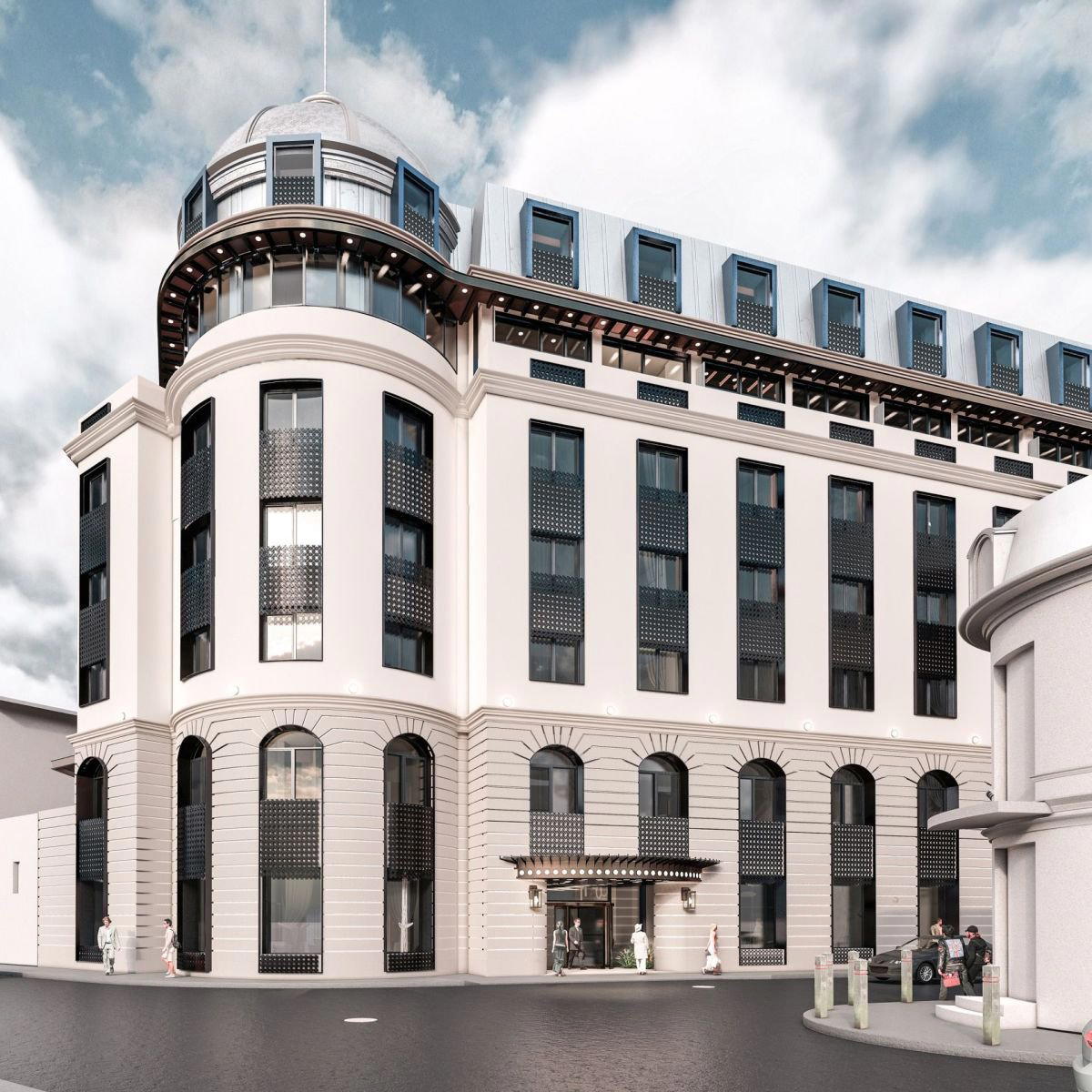
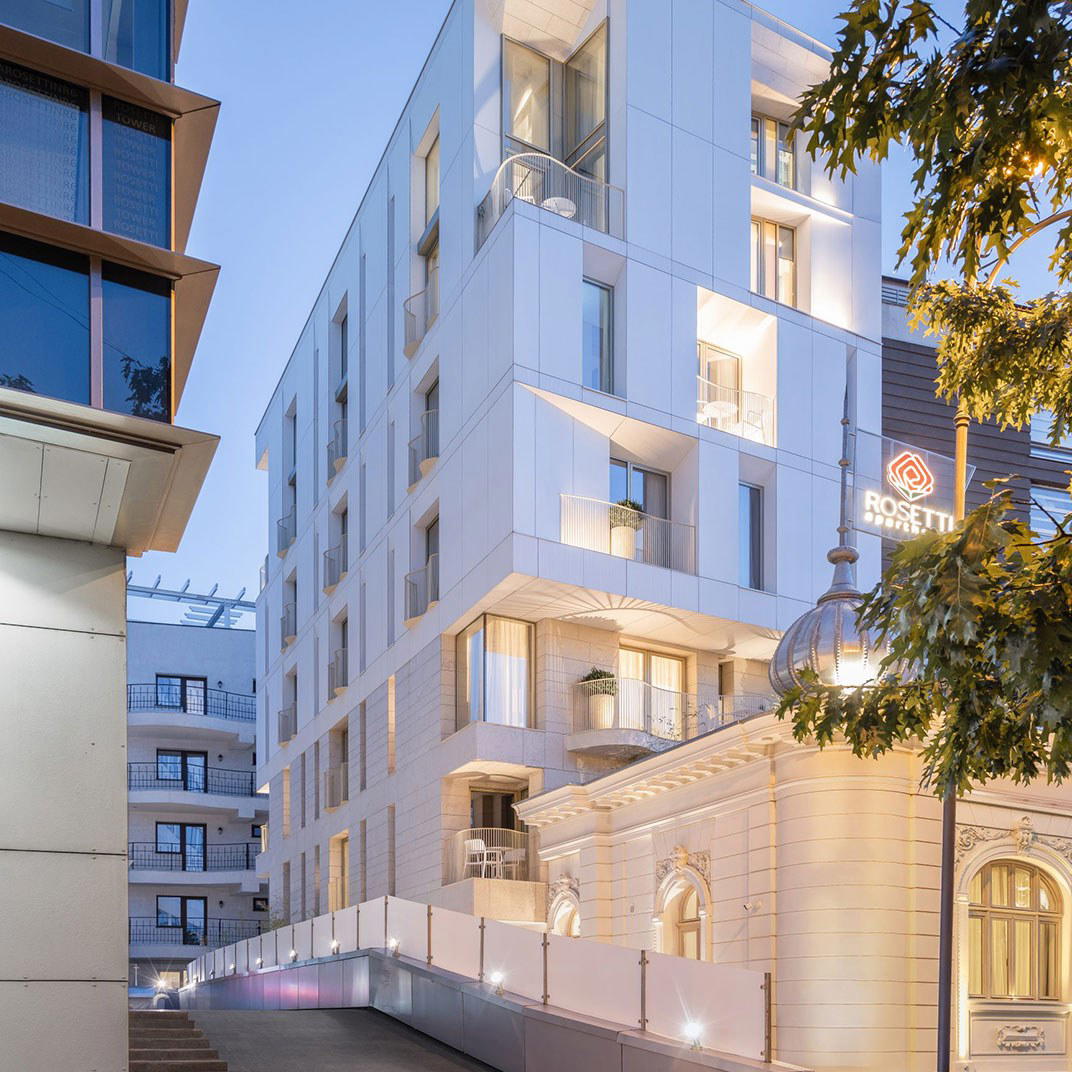
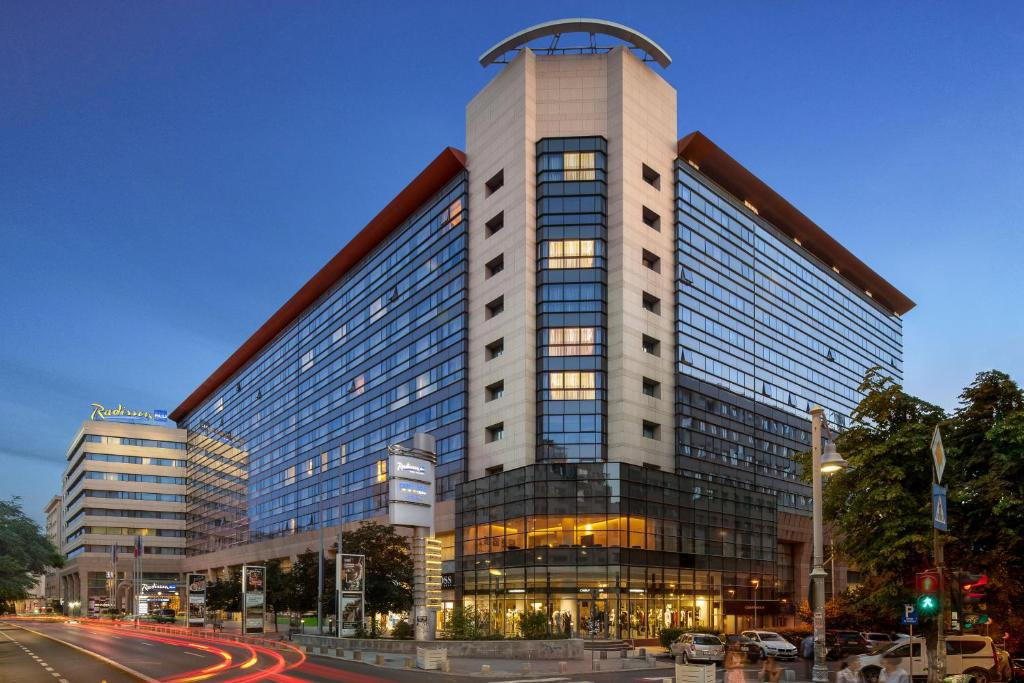
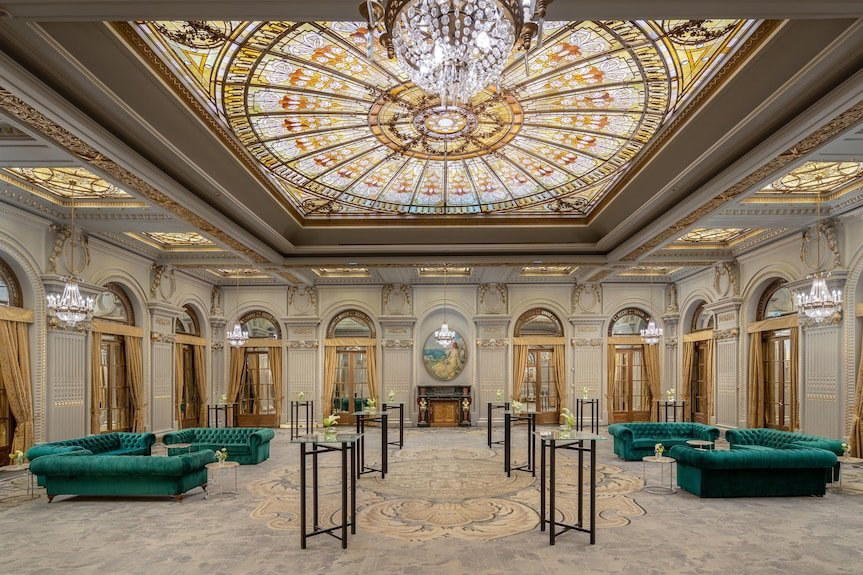
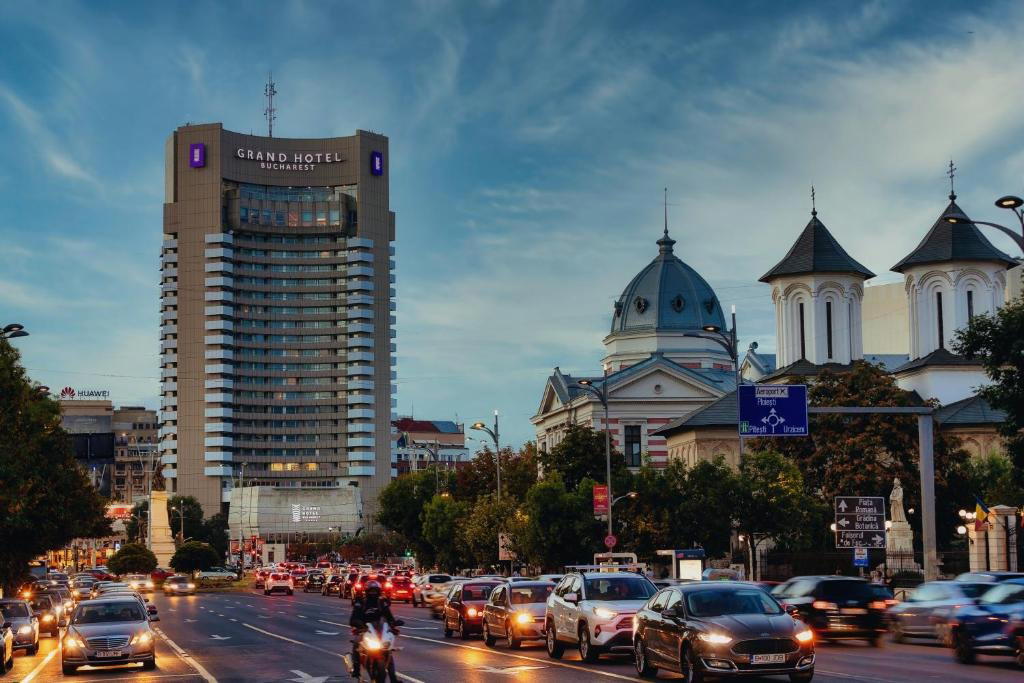
Studio 80
The wine
- Wine program
- Curated wine list
- Extensive wine list
Details
- Elegant
- Intimate
- Modern
- Date Night
- Business Dinner
- Brunch
- Open Kitchen
- Extensive Wine List
- A La Carte
- Buffet
- Wine
- Vegetarian Friendly
- Gluten Free Options
Current opening hours
- Monday
- 12–10 PM
- Tuesday
- 12–10 PM
- Wednesday
- 12–10 PM
- Thursday
- 12–10 PM
- Friday
- 12–10 PM
- Saturday
- 12–10 PM
- Sunday
- 12–10 PM
Hours can change for holidays and private events. Last verified .
Superb atmosphere with relaxing music at conversational volume, praised for its intimate and strong setting.